Why Arizona Gardeners Should Never Fertilize During This Heat Warning
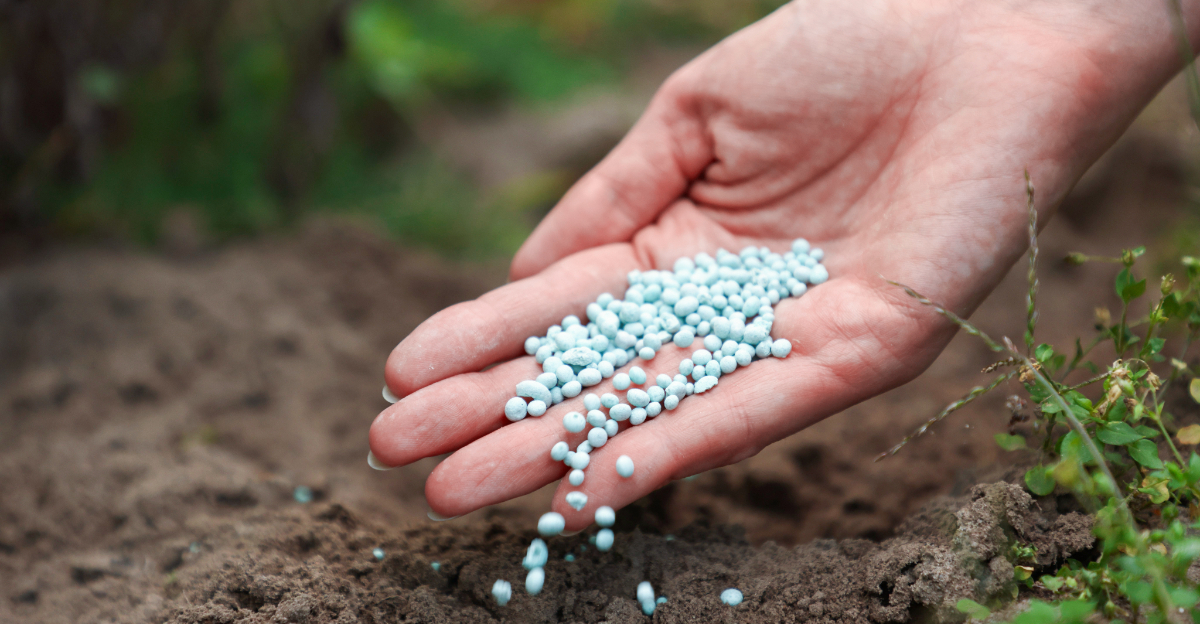
Your plants may look tired during extreme heat, but reaching for fertilizer can make a stressful situation even harder. What looks like a need for extra nutrition may actually be a plant struggling to handle punishing temperatures.
During an Arizona heat warning, roots are already working under difficult conditions.
Adding fertilizer can introduce extra salts around the root zone when plants are focused on conserving moisture and getting through the hottest days.
You may also encourage tender new growth at exactly the wrong time. Fresh leaves and stems can be especially vulnerable when intense sun and high temperatures continue day after day.
Give your garden support without pushing it to grow harder right now. Proper moisture and protection from unnecessary stress matter much more until the weather becomes less severe.
Fertilizer can wait until conditions are easier on your plants.
1. Fertilizer Can Add More Stress During Extreme Heat
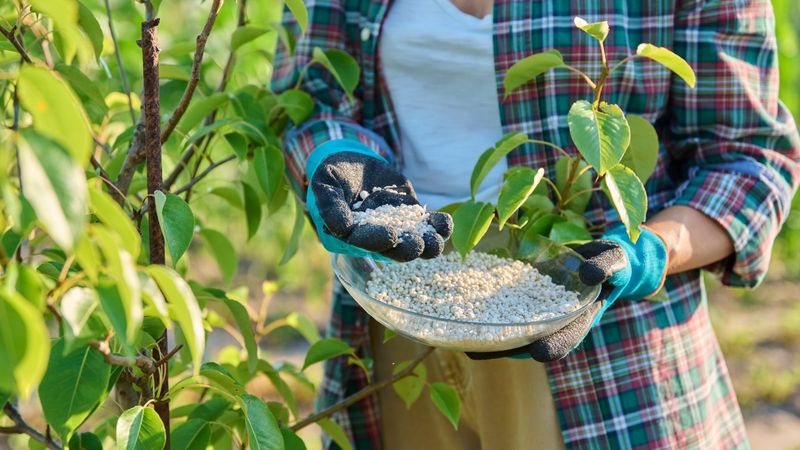
Fertilizing feels like helping, but timing matters more than most gardeners realize. Plants under heat stress are already working hard just to survive a scorching afternoon.
Adding fertilizer on top of that pressure can push them into a worse state.
Fertilizers trigger growth. Under normal conditions, that growth is welcome.
But when soil temperatures are extremely high, a plant’s roots slow down their normal activity. Feeding a plant that cannot properly absorb nutrients is a bit like offering a heavy meal to someone with a fever.
Nitrogen-based fertilizers are especially risky during heat spikes. Nitrogen encourages fast, leafy growth.
New growth that appears during a heat warning is soft and tender. Intense sun and heat can scorch that new growth quickly.
Root systems are also more sensitive when soil is hot and dry. Fertilizer salts can irritate already-stressed roots.
A plant dealing with heat stress and fertilizer pressure at the same time has fewer resources to manage both challenges.
Skipping fertilizer during a heat warning is not giving up on your garden. It is actually one of the smartest moves you can make.
Wait for temperatures to ease before feeding your plants again.
2. Extra Salts Can Build Up Around The Root Zone
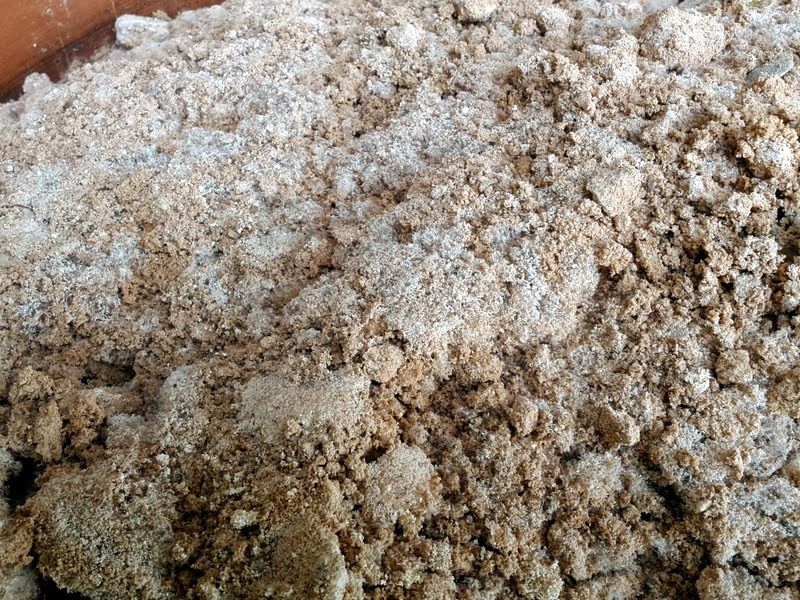
Salt buildup is one of the sneakiest problems in hot-weather gardening. Most fertilizers contain mineral salts.
Under normal conditions, regular watering flushes those salts through the soil. But during a heat warning, water evaporates much faster than usual.
When water evaporates quickly, it leaves those salts behind. Over time, salts concentrate near the root zone.
Roots sitting in salty soil have a harder time pulling in water, even when moisture is present. It creates a situation where the plant cannot hydrate properly.
In Arizona’s desert climate, soil already tends to have higher mineral content. Adding fertilizer salts on top of that natural load can push concentration levels higher than roots can handle comfortably.
Signs of salt stress include brown leaf edges and wilting that does not improve after watering.
Granular fertilizers sitting on dry or barely moist soil can also concentrate near the surface. Without enough water to dilute and move them downward, those granules can cause direct irritation where roots are closest to the surface.
Your Arizona Garden Changes Every Week. Your Plan Should Too.
Gardening in Arizona changes quickly throughout the season. Every Friday you’ll receive a simple weekly plan showing exactly what to plant, prune, fertilize, harvest, and protect so you never miss the right timing.
Liquid fertilizers applied during extreme heat can create similar problems. Concentration increases rapidly as liquid evaporates in hot conditions.
Holding off on any fertilizer application until a cooler stretch of weather protects your root zone from unnecessary salt stress. Your plants will respond far better when conditions are more stable.
3. Plants Need Moisture More Than Feeding Right Now
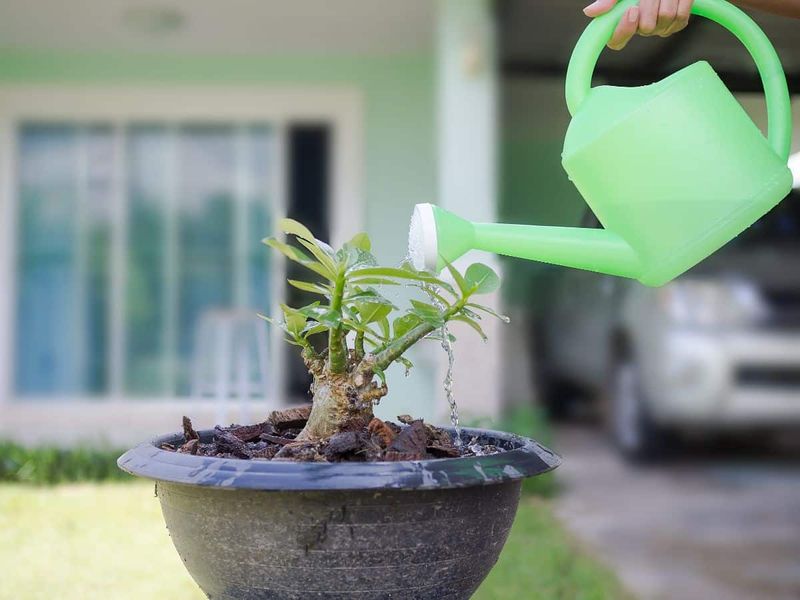
Water is the priority during a heat warning, full stop. Plants pull moisture through their roots and release it through their leaves in a process called transpiration.
On extremely hot days, that process speeds up dramatically. Demand for water rises fast.
A plant that is short on moisture cannot move nutrients effectively even if fertilizer is present in the soil. Nutrients travel dissolved in water.
Without enough water flowing through the plant, fertilizer sitting in the soil is largely inaccessible anyway.
Spending time and money on fertilizer during a heat warning often produces little benefit. Watering deeply and consistently during extreme heat is far more valuable to plant health.
Getting moisture down to the root zone, where it is needed most, should be the main focus.
Mulch plays a helpful supporting role here. A layer of organic mulch over the soil surface slows evaporation.
It keeps the root zone cooler and holds moisture longer between watering sessions. That combination helps plants cope with heat far better than any fertilizer could.
Fertilizing can wait. Watering cannot.
When a heat warning is active, shifting your gardening energy toward moisture management is the most practical and effective choice you can make.
4. Tender New Growth Can Struggle In High Temperatures
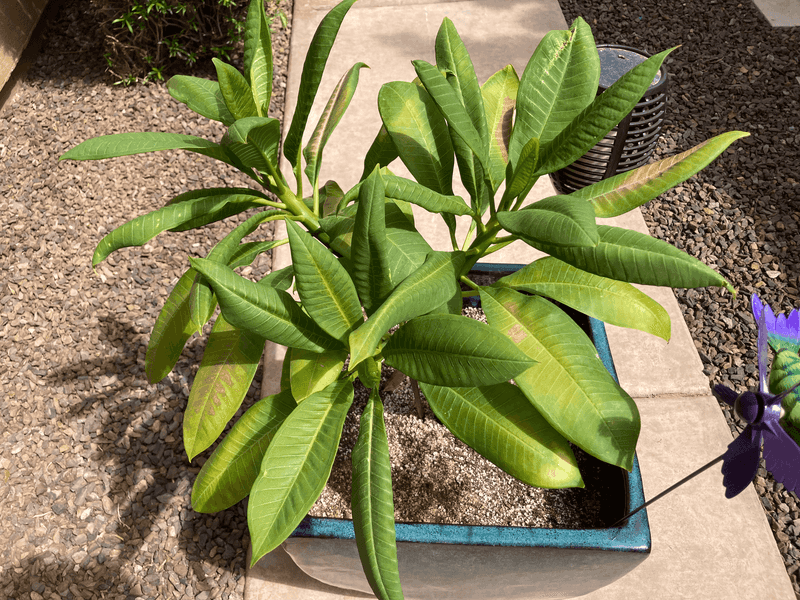
Fertilizer pushes plants to grow. Under mild conditions, that is exactly what gardeners want.
During a heat warning, though, that new growth arrives at the worst possible time. Soft, young leaves and stems are far more vulnerable to heat than established growth.
Mature leaves have thicker cell walls and better defenses against intense sun. New growth lacks that toughness.
Tender shoots that emerge during a heat spike are exposed to scorching temperatures almost immediately after forming. They have little time to build resistance before the heat hits them.
Sunscald on new growth shows up as bleached, papery patches on leaves. Edges may curl or brown quickly.
Once that damage appears, the plant has to spend energy recovering rather than growing or storing reserves for cooler months ahead.
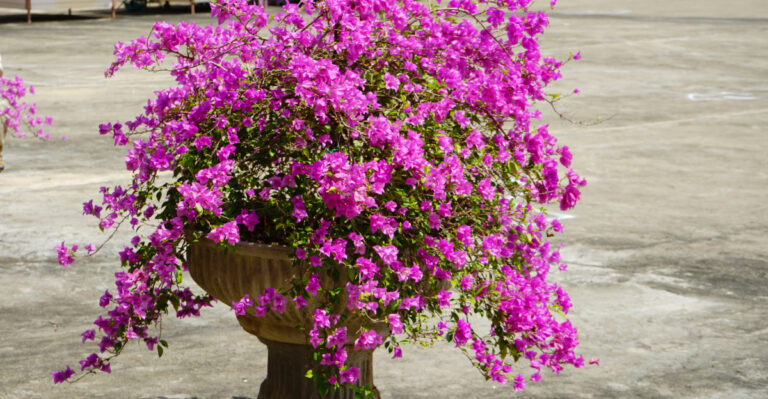
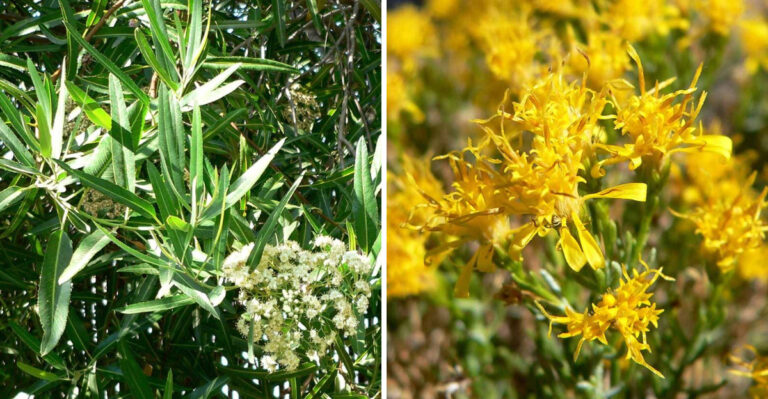
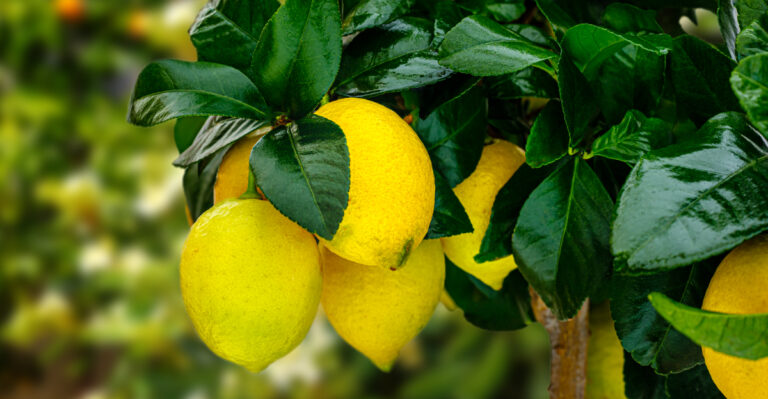
Certain plants common in Southwest gardens, like citrus, bougainvillea, and desert shrubs, are particularly sensitive to this cycle. Pushing them to produce new growth during peak summer heat can set them back significantly.
Fertilizing right before or during a heat warning often creates this exact problem.
Letting your plants stay in a steady, low-growth mode during extreme heat is not neglect. It is actually protective.
Plants naturally slow down during heat stress. Working with that natural response instead of fighting it gives your garden a much better chance of coming through the hot season in solid shape.
5. Dry Soil Raises The Risk Of Root Damage
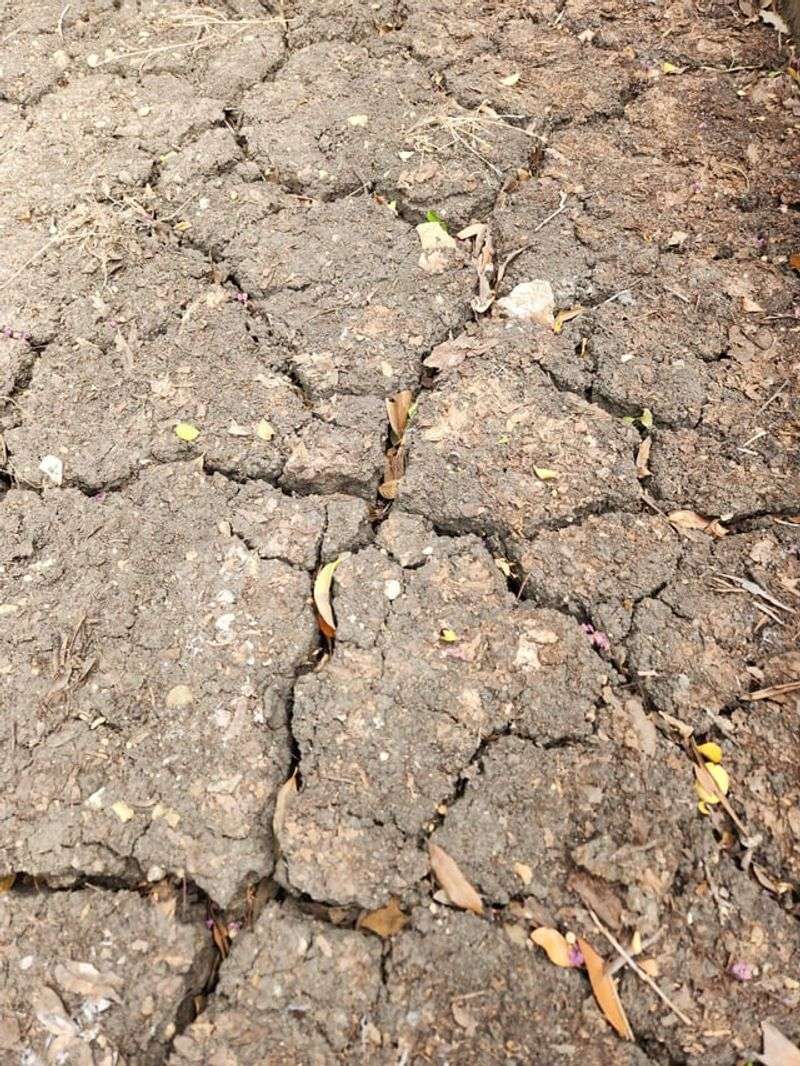
Dry soil and fertilizer are a bad combination. When soil moisture is low, fertilizer concentration near the roots increases.
Roots sitting in concentrated fertilizer without adequate water can experience a condition called fertilizer burn. Leaf tips turn brown and crispy, and the plant looks stressed even after watering.
In Arizona’s summer heat, soil can dry out faster than many gardeners expect. Even if you watered the day before, the top several inches of soil can be nearly bone dry by the next afternoon.
Applying fertilizer to that dry soil creates an uneven environment that is tough on roots.
Granular fertilizers are especially problematic in dry conditions. They sit near the surface and wait for moisture to dissolve them.
If a heat wave continues and watering cannot keep up with evaporation, those granules stay concentrated near roots longer than intended.
Roots under heat stress are also less efficient at filtering out excess nutrients. Under comfortable conditions, roots manage nutrient uptake carefully.
Stressed roots are less selective, which can lead to uptake imbalances when fertilizer is present in high concentrations.
Making sure soil has adequate moisture before any fertilizer application is a basic but important rule. During a heat warning, reaching and maintaining that moisture level is already a challenge.
6. Wait For Milder Weather Before Fertilizing Again
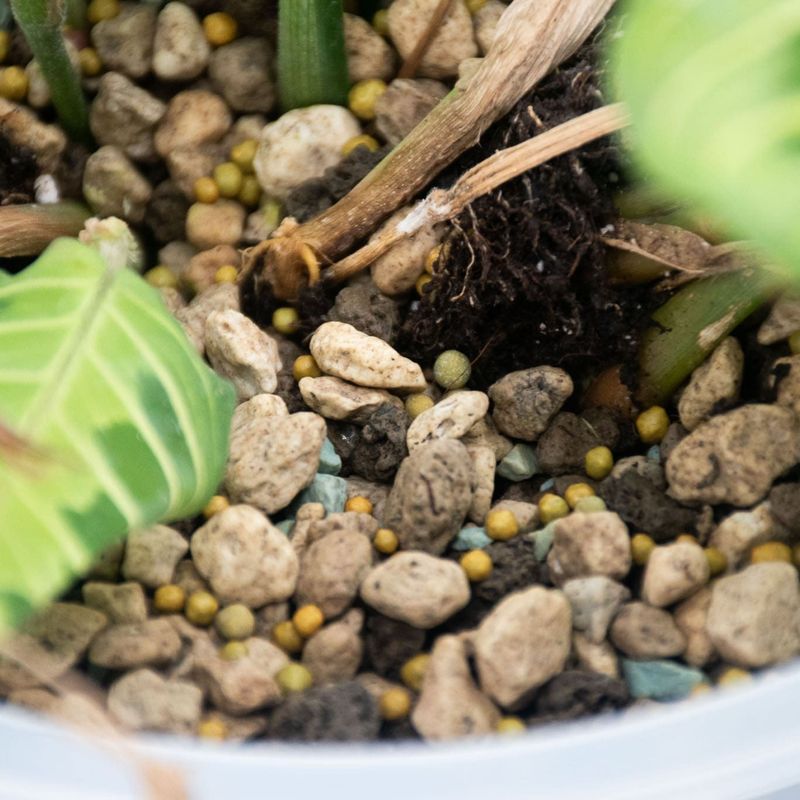
Timing fertilizer applications around the weather is one of the most practical habits a desert gardener can build. Waiting for milder temperatures before feeding plants is not just cautious advice.
It is based on how plants actually absorb and use nutrients.
Most plants in hot desert regions have a natural growth window in spring and again in early fall. Those cooler periods are when roots are active, soil moisture is more stable, and plants can actually put nutrients to use.
Fertilizing during those windows produces far better results than feeding during a heat spike.
A general rule for many desert-adapted plants is to hold off on fertilizing once daytime temperatures regularly exceed 100 degrees.
As temperatures drop back into the 80s and 90s in late summer or early fall, that is typically a safer window to resume a feeding schedule.
Checking a soil thermometer can also be helpful. Soil temperature dropping below 85 degrees at root depth is a reasonable signal that conditions are becoming more favorable for fertilizing.
Roots become more active and nutrient uptake improves as soil cools.
Keeping a simple garden journal helps track when past fertilizing attempts worked well versus when they seemed to cause problems. Over a few seasons, patterns become clear.
7. Focus On Proper Watering During The Heat Warning
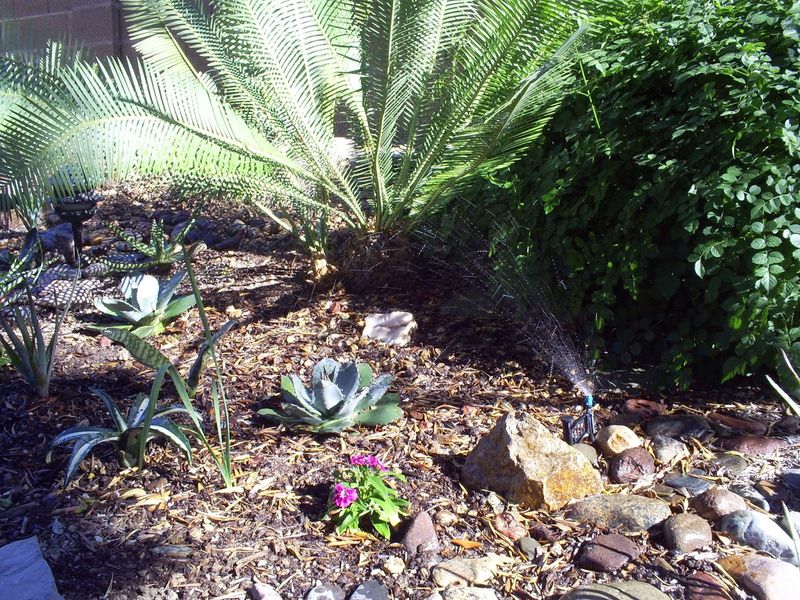
Watering well during a heat warning takes more thought than just turning on a hose. Shallow watering during extreme heat evaporates quickly and does not reach the deeper root zones where plants need moisture most.
Deep, slow watering is far more effective during hot stretches.
Drip irrigation systems work well in desert gardens because they deliver water directly to the root zone with minimal evaporation. If you do not have drip irrigation, watering slowly at the base of plants for longer periods achieves a similar result.
Avoid overhead watering during peak heat hours since water evaporates before it soaks in.
Early morning is the best time to water during a heat warning. Soil absorbs moisture more effectively when temperatures are lower.
Plants also have time to hydrate before the hottest part of the day arrives. Evening watering can work but may encourage fungal issues in some plants.
Checking soil moisture a few inches below the surface gives a more accurate picture than looking at the surface alone. Surface soil dries out fast.
Moisture deeper down is what actually matters for root health during extreme heat.
Mulching around plants helps slow evaporation and keeps soil temperatures lower. A two-to-three inch layer of organic mulch around plant bases makes watering more efficient.