The Native Minnesota Shrub That Looks Stunning Along A Driveway And Thrives On Its Own
Last spring, a stranger knocked on your neighbor’s door just to ask about their driveway. She had driven past three times before finally stopping.
The thing that stopped her was not the house. It was the shrub. Tall, arching, loaded with dark berries, and glowing in colors that had no business being that vivid in October.
She wanted to know what it was and where to get one. It grows wild right here in Minnesota and costs less than a dinner out. It asks for almost nothing in return.
How does one plant make a stranger knock on your door? That question is worth answering.
Gardeners across Minnesota have quietly relied on this shrub for generations. The rest of the country is just catching on. White flowers, glossy green, fiery fall color, and berries that outlast winter itself.
One shrub, twelve months of presence, and not a single weekend lost to upkeep. Scroll down and meet the plant that makes driveways unforgettable.
Delivers Stunning Curb Appeal In Every Season
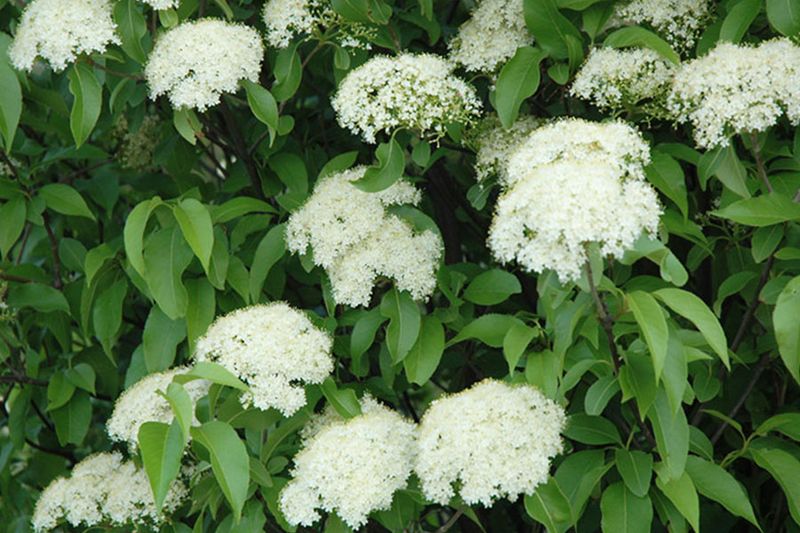
Picture this: it is February, everything is grey, and your driveway still looks alive. That is exactly what Nannyberry delivers when everything else has given up.
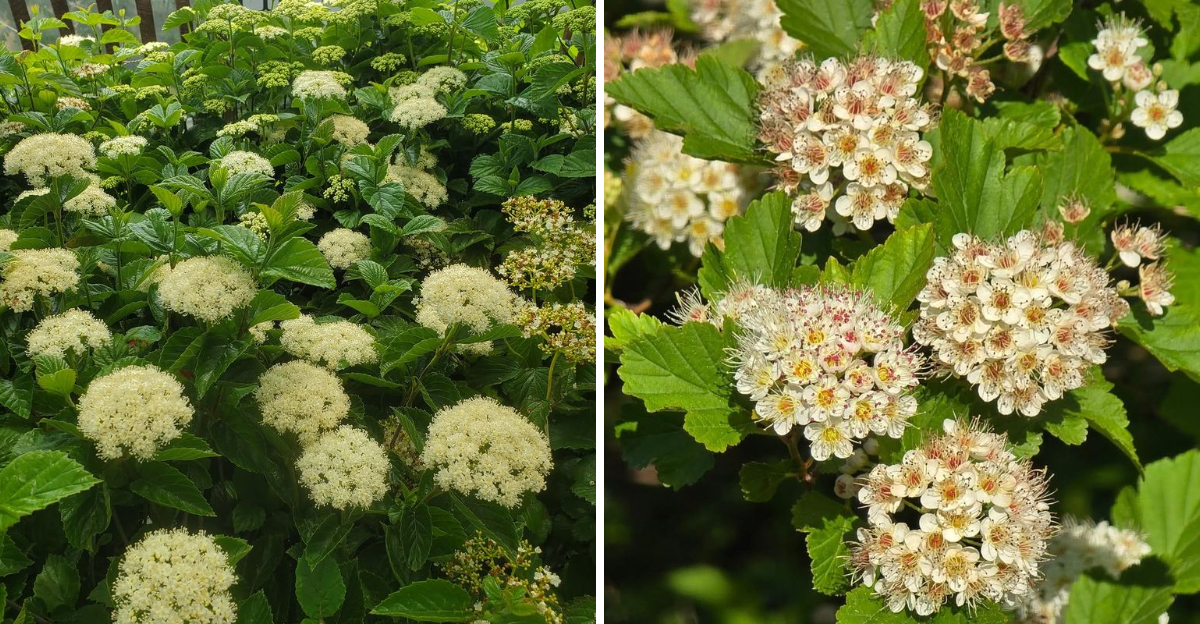
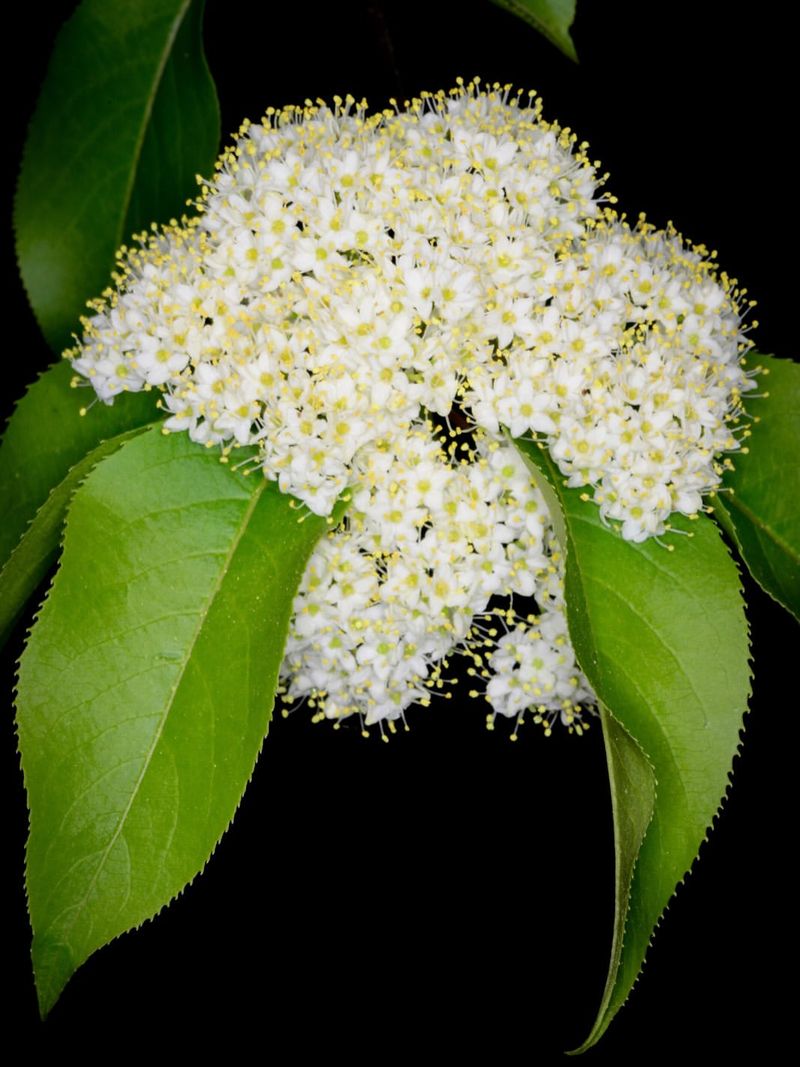
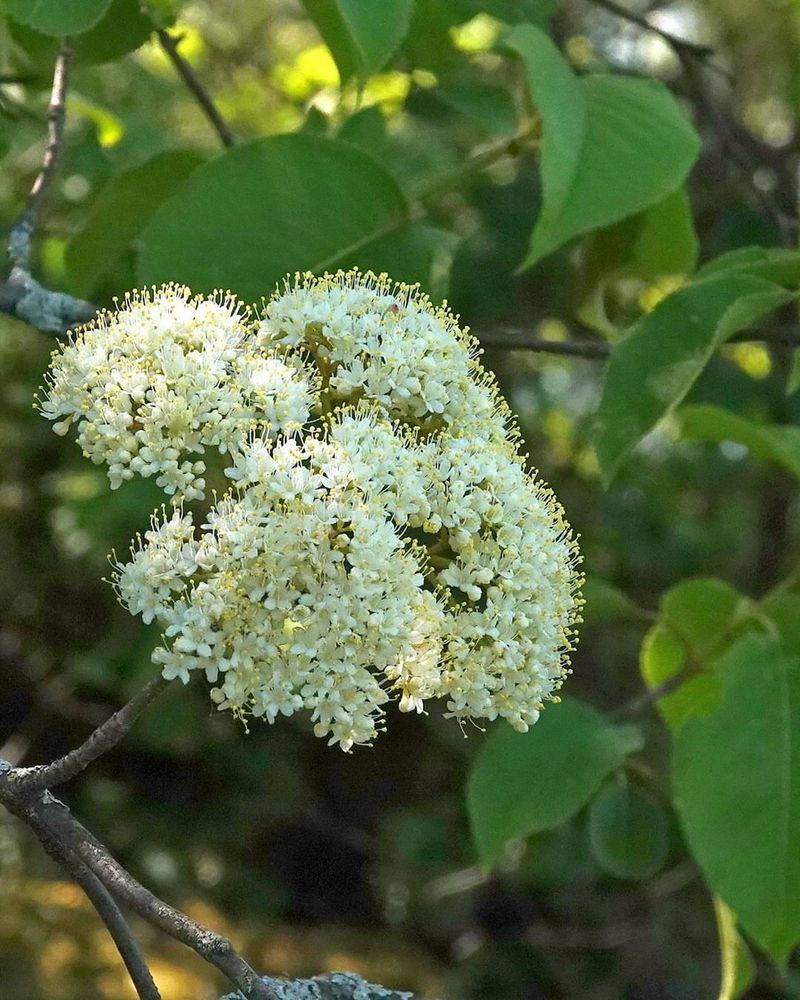
Spring is where this shrub makes its first move. Creamy white flower clusters open up in flat-topped bouquets that practically glow in morning light.
Bees descend on those blooms like they have a reservation. The show is generous, full, and impossible to miss from the street.
Summer brings a wall of glossy dark green that makes your whole front yard look intentional. The leaves are rich, pointed, and catch the light in a way that feels almost polished.
As temperatures drop, the foliage shifts into warm shades of red, orange, and purple. No two years look exactly alike, which keeps the display feeling fresh and surprising.
Then the berries arrive. Clusters of blue-black fruit dangle from bright red stalks in a combination that looks almost too good to be natural.
Those berries do not just look striking, they hang on well into winter. Long after other shrubs have gone bare, Nannyberry is still putting on a show along the driveway edge.
Four seasons of beauty from one plant sounds like a tall order. Nannyberry fills it without breaking a sweat.
A True Minnesota Native That Belongs Here
Forget plants that merely tolerate this climate. Nannyberry was born into it. This shrub grows naturally across most of the state in woodlands, thickets, roadsides, and along fence rows.
It did not need anyone to plant it; it simply showed up and thrived. That nativity matters more than most gardeners realize. A plant shaped by local conditions behaves completely differently from one imported and adapted.
Nannyberry reads the seasons here the way a local reads the weather. It knows when to bloom, when to fruit, and when to pull back without any coaching from you.
Spring emergence lines up perfectly with actual local conditions. There is no risk of it budding out early during a warm spell and getting caught by a late frost.
Your Minnesota Garden Changes Every Week. Your Plan Should Too.
Gardening in Minnesota changes quickly throughout the season. Every Friday you’ll receive a simple weekly plan showing exactly what to plant, prune, fertilize, harvest, and protect so you never miss the right timing.
The root system has spent thousands of years learning this soil. Clay, loam, sandy patches near a gravel driveway, none of it throws Nannyberry off its game.
Other shrubs arrive as strangers and spend years adjusting. This one walks in like it owns the place, because in every ecological sense, it does.
Planting a true native along your driveway is one of the most satisfying decisions a homeowner can make. You are not fighting the landscape; you are finally working with it.
Thrives With Almost No Attention Once Planted
Put down the pruning shears. Nannyberry genuinely does not need them. Once this shrub settles into its spot, it becomes astonishingly self-reliant.
No fertilizer schedule, no soil amendments, no weekend maintenance rituals required. The first growing season is the only time it asks anything of you. A little water during dry stretches helps it get established, and then it is largely on its own.
Year two brings noticeably stronger growth and a shrub that has clearly decided it lives here now. By year three, most homeowners forget they ever planted it.
Drought tolerance improves steadily as the root system expands and deepens. A dry August that stresses out most ornamental shrubs barely registers with an established Nannyberry.
Pruning is optional and mostly a matter of personal taste. A light trim right after flowering keeps things clean without sacrificing next season’s blooms.
Skip the pruning entirely and the shrub takes on a graceful, arching, naturalistic form. Many gardeners actually prefer this look along a long driveway; it feels relaxed and intentional at the same time.
No serious pest problems, no complicated disease management, no drama. Nannyberry is the rare plant that rewards you most when you simply leave it alone.
Works As A Natural Privacy Screen Along The Drive
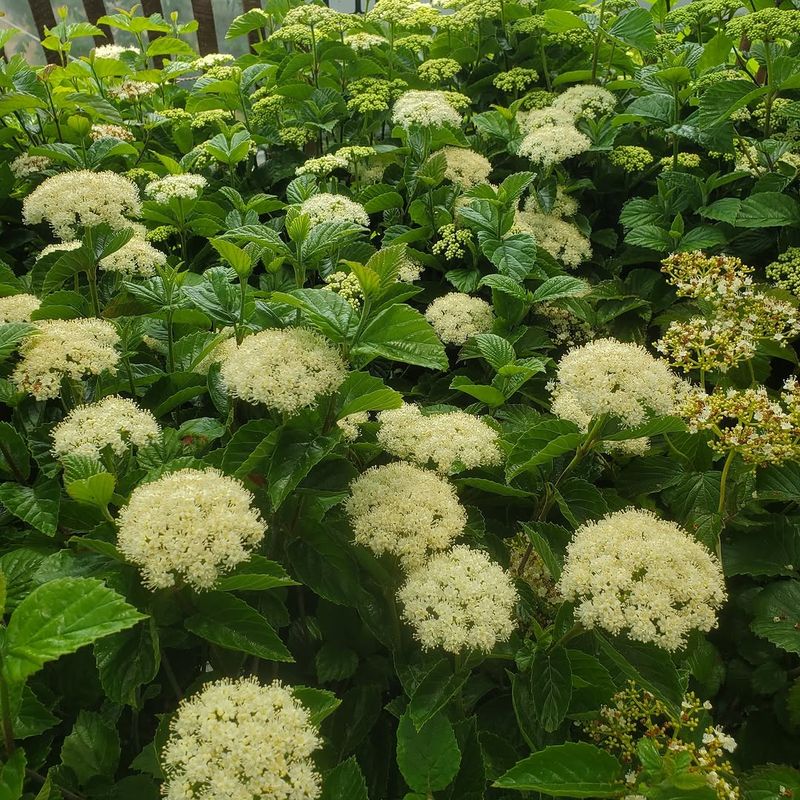
Long driveways can feel exposed. Nannyberry fixes that quietly and beautifully. This shrub reaches 15 to 20 feet tall at maturity with a spread to match.
Plant a row and you have a living wall that grows fuller and more impressive every single year. The suckering habit, where new shoots emerge from the base over time, is actually a feature here, not a flaw.
A row of Nannyberry gradually fills in on its own, closing gaps without you lifting a finger. That natural density creates real privacy from the street.
Neighbors, passing cars, and curious eyes all disappear behind a wall of glossy green foliage by midsummer.
The arching branches add a graceful, slightly informal quality that looks nothing like a clipped hedge. It feels more like a natural woodland edge than a landscaping decision.
Come winter, the branching structure remains striking even after the leaves drop. The bold framework and lingering berries keep the driveway looking considered rather than bare.
For homeowners with a longer driveway, spacing plants about eight feet apart allows each one room to spread. Within a few seasons, the gaps close and the screen becomes solid.
A driveway framed by Nannyberry does not just look private; it looks like something out of a garden magazine. The best part is that nature did most of the work.
Brings Birds And Pollinators Right To Your Front Yard
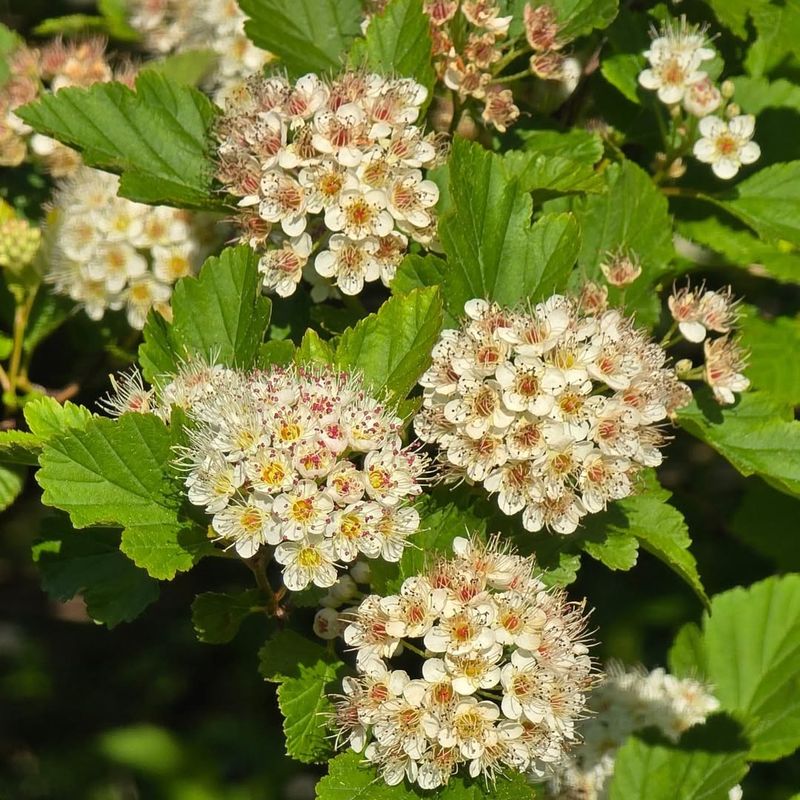
Imagine pulling into your driveway and hearing birdsong. With Nannyberry lining the edge, that becomes a daily experience.
The spring flowers attract native bees, butterflies, and beneficial insects the moment they open. The flat-topped clusters provide an easy landing platform that smaller pollinators especially appreciate.
By late summer, those flowers have transformed into clusters of blue-black berries. Cedar waxwings, robins, thrushes, and bluebirds find them immediately, often arriving in flocks that strip a shrub clean in one afternoon.
The berries that remain hang on through winter and feed birds during the quietest, leanest months of the year. A driveway lined with Nannyberry becomes a reliable food corridor for wildlife from August through February.
Beyond feeding birds, the dense branching structure gives smaller songbirds a safe place to nest. Tucked deep inside the shrub, nests are well hidden from predators and sheltered from wind.
Nannyberry also serves as a host plant for several moth species, including the lovely Hummingbird Clearwing. A plant that supports the full food web, from pollinators to nesting birds, is doing serious ecological work.
Planting several shrubs in a row multiplies that impact dramatically. You are not just landscaping a driveway; you are building a habitat corridor right outside your front door.
A yard that hums, flutters, and sings is a yard worth coming home to. Nannyberry makes that possible without any extra effort on your part.
Handles Minnesota Winters Without Missing A Beat
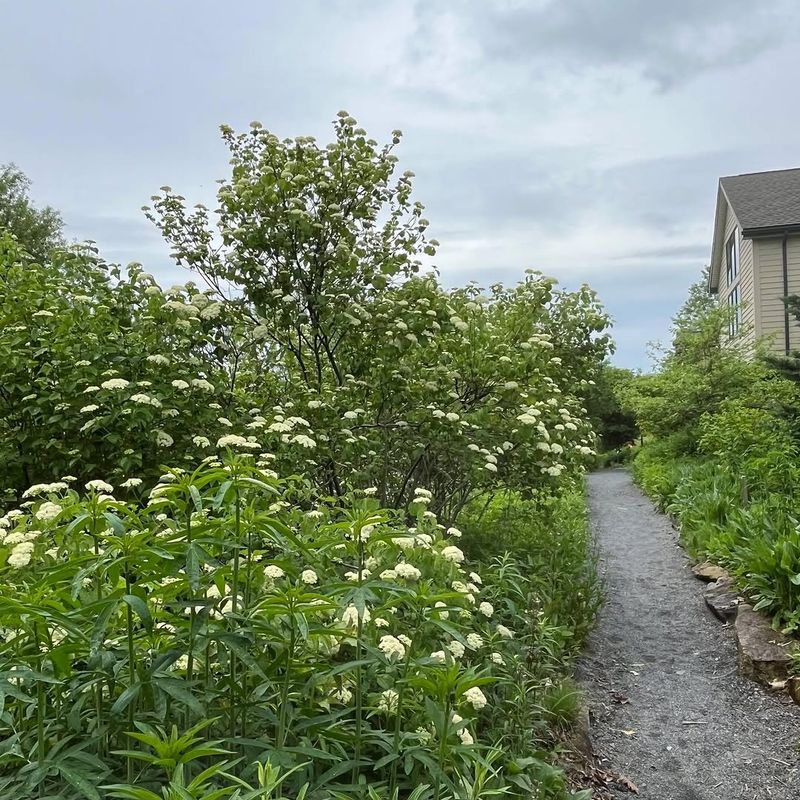
Minus twenty degrees, wind chills that make the evening news, and Nannyberry does not care. This shrub has the kind of cold tolerance that does not need a backup plan.
Hardy to USDA Zone 3, it covers even the coldest corners of the state including Duluth and the Iron Range. That is not just cold hardiness on paper; that is cold hardiness proven across generations of gardeners.
Road salt is one of the quiet challenges of driveway landscaping. Nannyberry holds up reasonably well with moderate salt exposure, better than many ornamental shrubs.
Planting it a foot or two back from heavily treated pavement gives it the best chance long term. A little distance goes a long way toward keeping the border looking its best year after year.
Wild temperature swings, a warm week in January followed by a hard freeze, confuse and weaken many plants. Nannyberry has built-in resilience to exactly these conditions because it evolved right alongside them.
No burlap wrapping, no winter mulching anxiety, no hoping it pulled through after a brutal February. It goes dormant on its own schedule and returns in spring without any coaxing from you.
The berries that cling through winter actually look their best against snow. Bright red stalks and dark blue fruit against a white backdrop create a striking display right along the driveway edge.
Nannyberry is not just tough; it is elegant about it. A shrub that looks this good in the hardest months is a shrub worth planting today.