The Native North Carolina Shrub That Feeds Swallowtail Caterpillars And Perfumes The Whole Yard
Few plants give you this much for so little effort, especially this native thriving wild across North Carolina. Swallowtail caterpillars single out this shrub before almost anything else you’ve planted.
Crush a single leaf between your fingers and citrus notes rise instantly, catching visitors off guard every time. You’ll notice berries following later in the season, pulling songbirds toward you fast enough to strip branches within days.
Height won’t become a problem for you since this native stays compact enough for smaller North Carolina yards without pruning battles. Deer typically leave it alone, letting you skip the fencing headaches other natives demand.
Everything about this shrub keeps building toward a detail you haven’t heard yet, and it changes how you’ll plant this fall.
A Native Shrub Built For Woodland Edges
Spicebush belongs exactly where it grows wild. Found naturally along stream banks and forest understories, this shrub thrives where most plants give up.
Its scientific name is Lindera benzoin, and it has called eastern woodlands home for thousands of years. Gardeners are finally catching on to what the forest already knew.
Spicebush grows between six and twelve feet tall. It fills shady corners that other shrubs simply cannot handle.
The branches spread wide and arching, creating a soft layered look. That natural shape means less pruning and more enjoying.
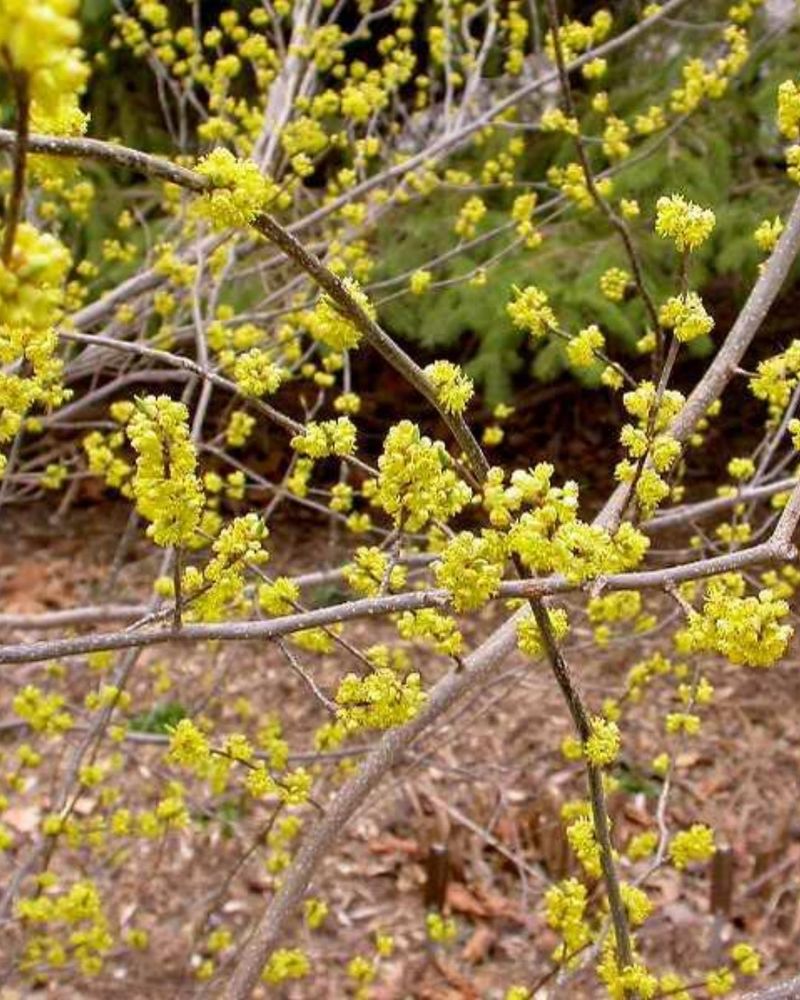
In early spring, before any leaves appear, tiny yellow flowers burst open along bare stems. The effect looks almost magical against a gray late-winter sky.
Those flowers also feed early pollinators desperate for food. Native bees and flies visit the blooms before most other plants even wake up.
Spicebush is dioecious, meaning male and female flowers grow on separate plants. Planting at least one of each gives you the best chance of berries later in the season.
This shrub asks for very little once established. It handles clay soil, seasonal flooding, and deep shade without complaint.
Homeowners with difficult spots near downspouts or under large trees often find spicebush to be the perfect solution. It fills those awkward spaces with real purpose and seasonal beauty.
The native North Carolina shrub spicebush belongs in more yards than it currently occupies. Give it a shady corner and watch it quietly transform the space.
The Butterfly That Depends On Spicebush Alone
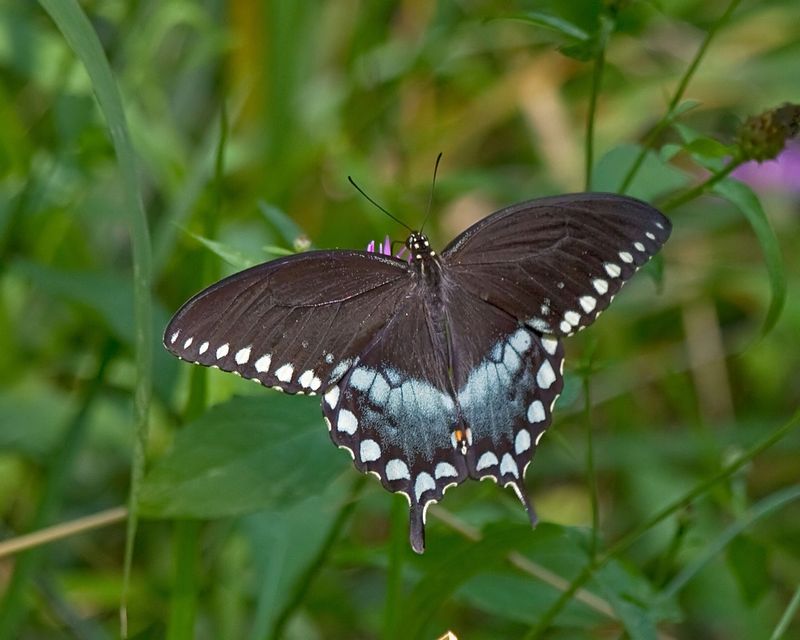
The spicebush swallowtail butterfly is one of the most stunning insects in the eastern United States. Its wings shimmer with deep blue-green scales that catch light like polished glass.
What makes this butterfly extraordinary is its loyalty. Spicebush swallowtail caterpillars feed almost exclusively on spicebush and sassafras leaves.
Without these host plants, the species cannot complete its life cycle. Planting spicebush is one of the most direct ways a homeowner can support a specific native butterfly.
Female spicebush swallowtails search carefully before laying eggs. They tap leaves with their feet to detect the right chemical signals before committing.
Once she finds the right plant, she lays single eggs on the undersides of leaves. Each egg is a tiny pale green sphere, easy to miss unless you look closely.
Your North Carolina Garden Changes Every Week. Your Plan Should Too.
Gardening in North Carolina changes quickly throughout the season. Every Friday you’ll receive a simple weekly plan showing exactly what to plant, prune, fertilize, harvest, and protect so you never miss the right timing.
The caterpillar that hatches from that egg will spend its whole larval life on the same shrub. It eats, grows, and transforms without ever needing to wander far.
Adult butterflies also return to spicebush for nectar. The relationship between plant and butterfly runs deep across every life stage.
Watching a spicebush swallowtail float through a garden is genuinely thrilling. The wings pulse slowly, showing off colors that seem almost too vivid to be real.
The native North Carolina shrub spicebush supports this butterfly in ways no exotic ornamental can. Choosing native plants means choosing real ecological connections that actually matter.
Spotting Caterpillars Disguised As Bird Droppings Or Snakes
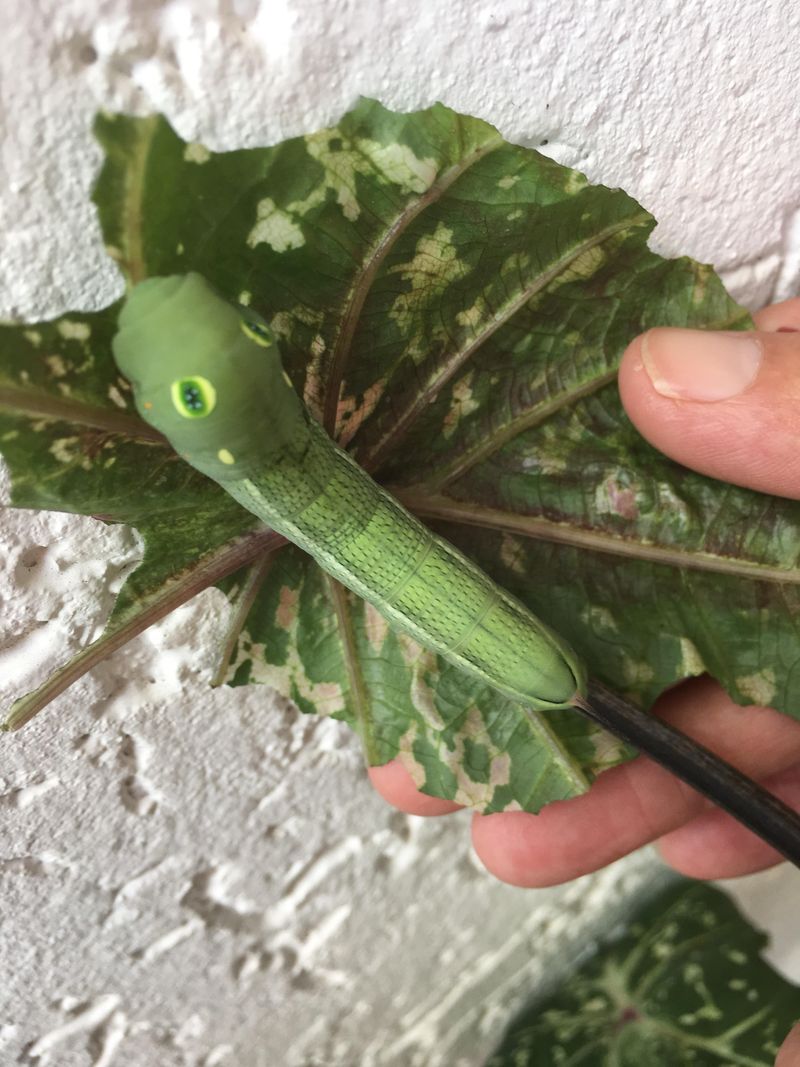
Young spicebush swallowtail caterpillars look exactly like fresh bird droppings. That disguise is not an accident, it is one of nature’s cleverest survival tricks.
A small brown and white caterpillar sitting on a leaf surface attracts almost no attention. Predators pass right by what appears to be a harmless splatter.
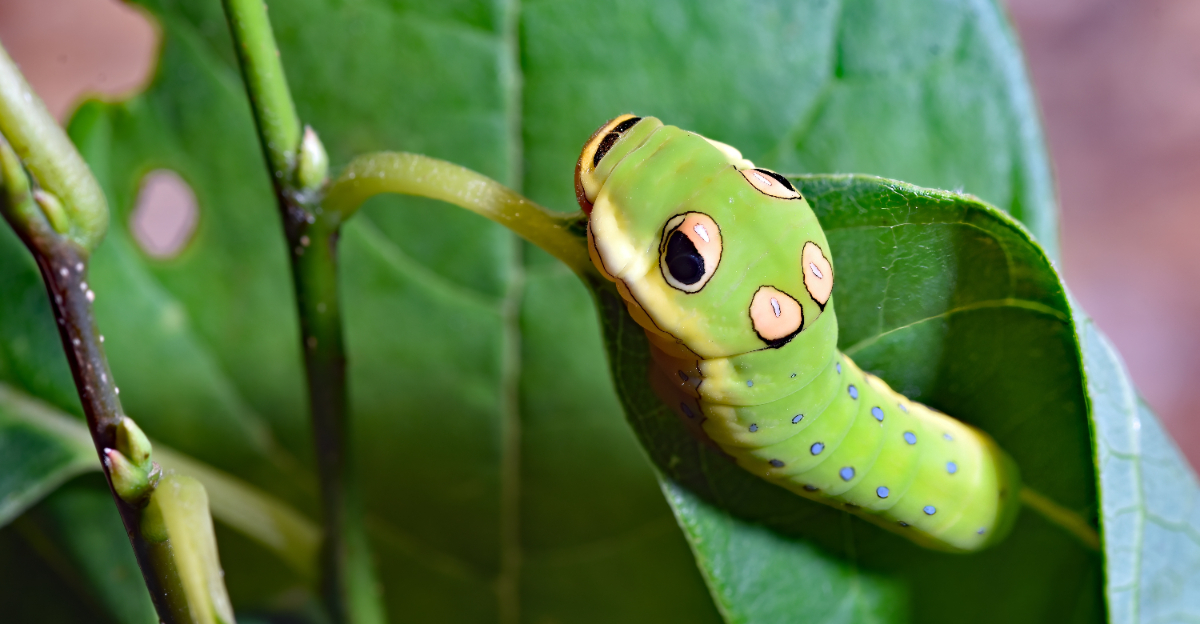
As the caterpillar grows larger, the costume changes completely. Older caterpillars turn bright green with two large false eyespots near the head.
Those eyespots mimic a small snake face with startling accuracy. A curious bird sees something threatening rather than something tasty.
The caterpillar also curls the leaf edges around itself to create a shelter. It rests inside this rolled leaf tube during daylight hours, hidden from view.
Finding these leaf rolls is a fun garden activity for kids and adults alike. Gently unroll one and you may discover a fat green caterpillar staring back with those impressive fake eyes.
Before pupating, the caterpillar turns orange-yellow in color. That color shift signals that it is preparing for the next stage of transformation.
It leaves the plant, finds a safe stem or branch, and spins a silk girdle to anchor itself. The chrysalis that forms next looks like a curled dry leaf.
Searching for caterpillars on your spicebush turns every garden walk into a small adventure. Once you find your first one, you will check those leaves every single time you walk past.
Why Crushed Leaves Release A Spicy Scent
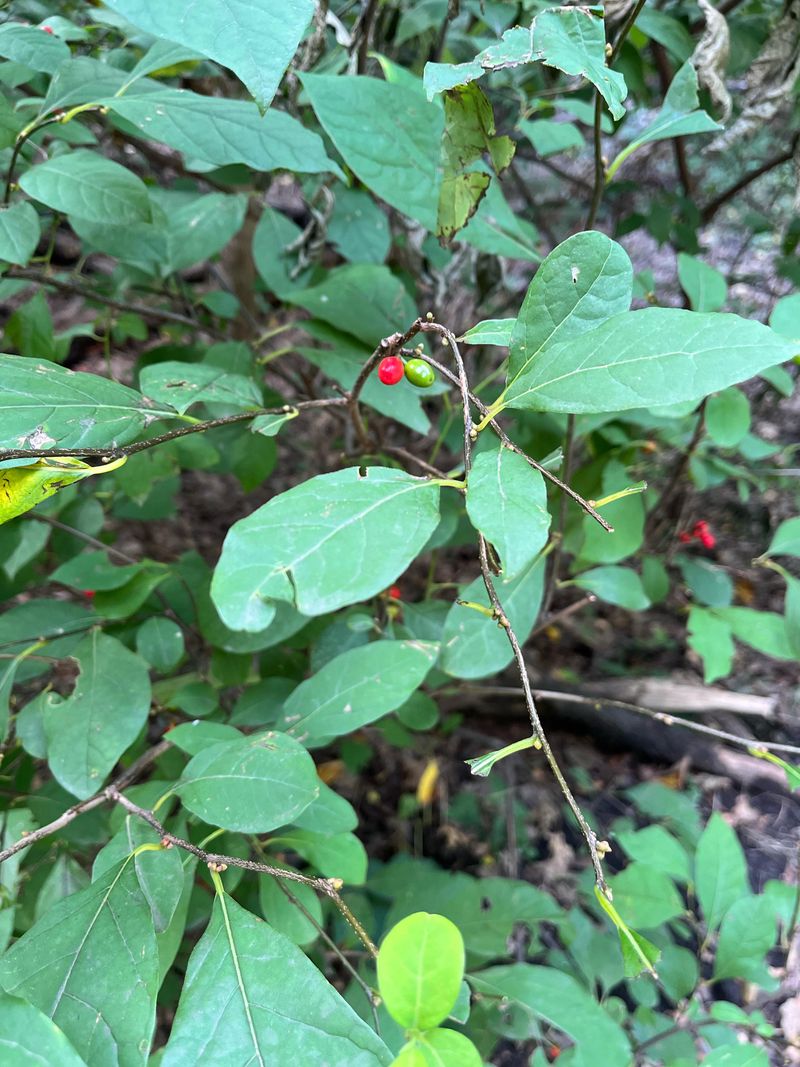
Crush a spicebush leaf between your fingers and the scent hits immediately. The smell is warm, spicy, and slightly citrusy, somewhere between allspice and cloves.
That fragrance comes from volatile aromatic compounds stored in tiny oil glands inside the leaf. When the cell walls break, those oils release into the air all at once.
Early American settlers recognized the scent, drying and grinding the berries as a substitute for imported allspice.
Every part of the plant carries this fragrance. The bark, twigs, roots, and berries all hold those same spicy aromatic oils.
Walking through a patch of spicebush after rain is a sensory experience worth planning around. The moisture releases the scent from the leaves without any crushing required.
Deer tend to show less interest in spicebush than in many other shrubs, likely thanks to that strong smell. For gardeners dealing with heavy deer pressure, that natural deterrent is a genuine bonus.
The berries contain the highest concentration of aromatic oil. Some cooks still dry and grind them as a spice, using them to season meats and stews.
Historically, Indigenous communities used spicebush medicinally for fevers, colds, and rheumatism. The plant’s chemistry has always been more complex than it first appears.
Planting spicebush near a path or garden entrance means every brushed branch becomes a small sensory reward. The scent alone makes this shrub worth growing, even before you count the wildlife benefits.
Berries That Draw Songbirds In Late Summer
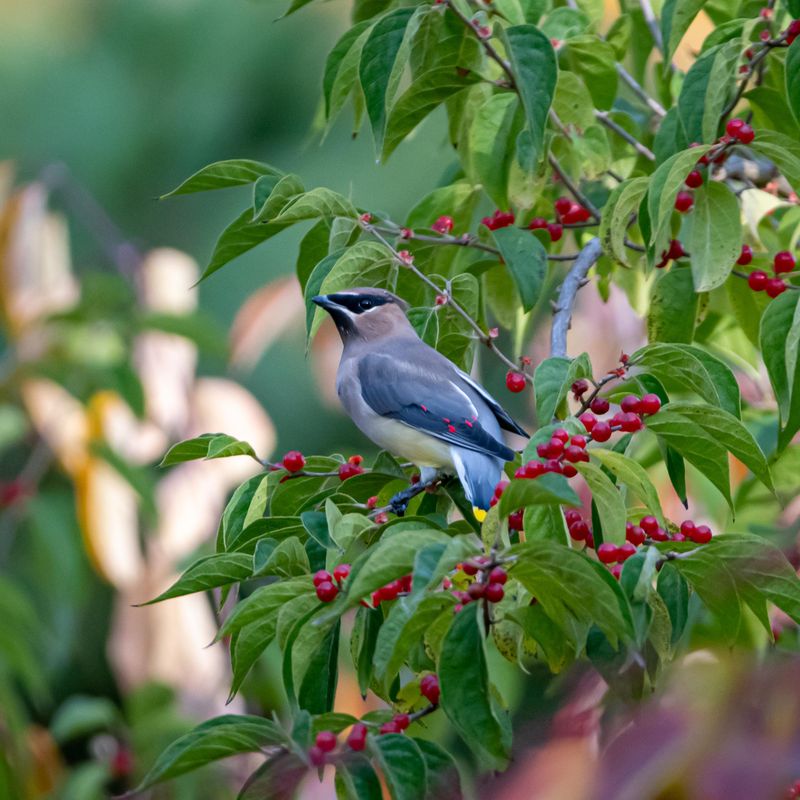
By late summer, female spicebush plants are loaded with glossy red berries. They glow against the green foliage like tiny ornaments hung early for the season.
Those berries are loaded with fat and calories, exactly what migrating songbirds need before a long journey south. Wood thrushes, veeries, and great crested flycatchers all seek them out.
Spicebush berries ripen at a precise time that aligns with fall migration. That timing is not coincidence, it reflects thousands of years of co-evolution between plant and bird.
A single shrub can feed dozens of birds over the course of a few weeks. The berries disappear quickly once the birds discover them.
Male plants do not produce berries, which is why planting both sexes matters. One male can pollinate several females, so you do not need an even ratio.
The high fat content of spicebush berries makes them especially valuable. Fat delivers more energy per gram than protein or carbohydrates, which is critical for migrants burning fuel on long flights.
Watching birds work through a loaded spicebush is one of fall gardening’s best rewards. You may spot species you have never seen in your yard before.
Beyond migrants, year-round residents like robins and mockingbirds also eat the berries. The shrub supports wildlife across seasons, not just during peak migration.
Gardeners who add spicebush often report a noticeable increase in bird activity. A berry-heavy shrub is essentially a free bird feeder that refills itself every year.
Planting Conditions That Help It Thrive
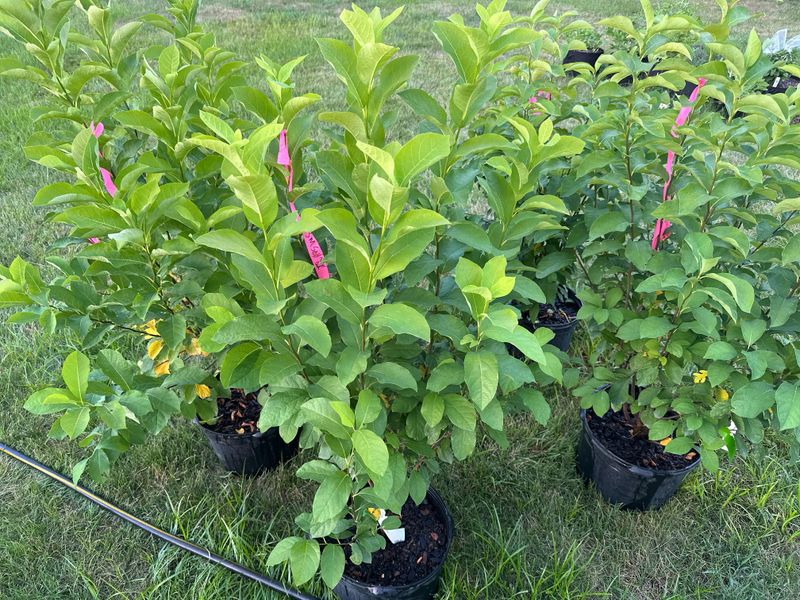
Spicebush is genuinely low-maintenance once it settles in, but the first year matters most. Getting the planting conditions right sets the stage for decades of growth.
Partial to full shade is the sweet spot for this shrub. It tolerates full sun but prefers the filtered light of a woodland edge or north-facing bed.
Moist, well-drained soil rich in organic matter mimics its natural habitat best. Adding compost to the planting hole gives roots a strong start in clay or sandy ground.
Spicebush handles wet conditions better than most shrubs. Areas near downspouts, rain gardens, or low spots that collect water are actually good candidates for planting.
Water regularly during the first growing season to help roots establish. After that first year, established plants handle dry spells with far more resilience.
Mulching around the base keeps soil moisture consistent and suppresses competing weeds. A three-inch layer of shredded leaves mimics the forest floor the plant naturally grows on.
Spacing matters for air circulation and eventual size. Plan for a mature spread of six to ten feet and give neighboring plants room to breathe.
Fertilizer is rarely necessary for spicebush planted in decent soil. Overfeeding can actually push excessive leafy growth at the expense of berry production.
Pruning is mostly optional and should be done right after flowering in spring. The native North Carolina shrub spicebush rewards patient gardeners who let it grow on its own natural schedule.