Why North Carolina’s Fall Foliage Won’t Follow A Normal Road Trip Schedule This Year
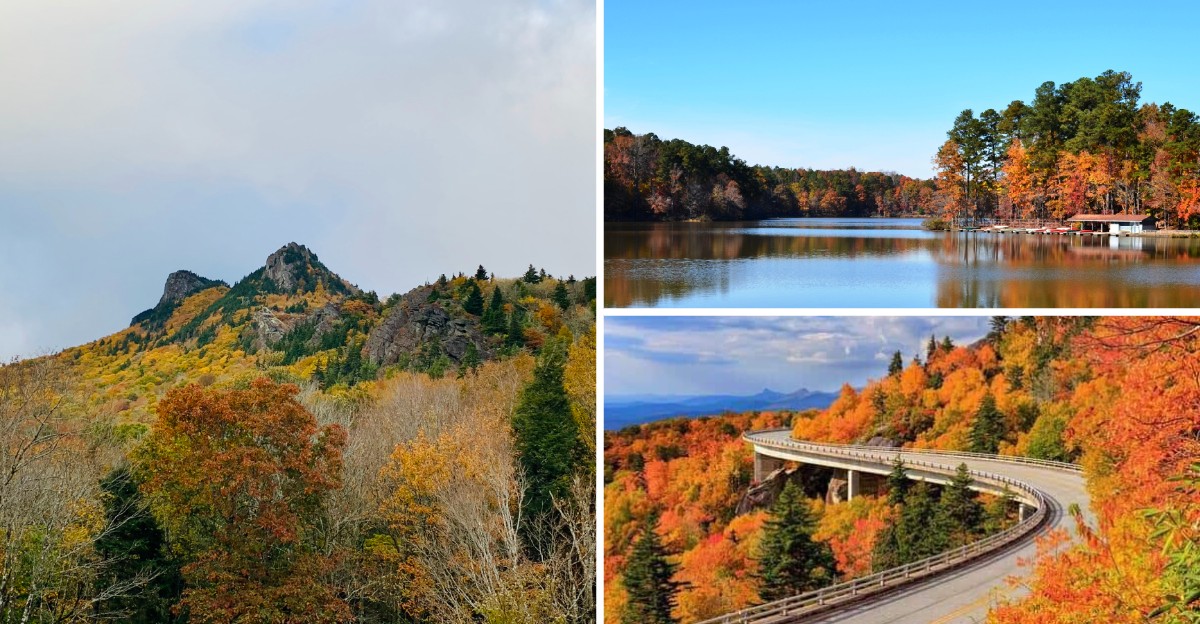
Late September in the Carolina mountains smells like woodsmoke, cider, and the promise of a very long drive. Every year, folks pack the car early and chase color up the winding highways toward higher ground.
But this season, the mountains seem to be reading from two different scripts at the same time. One ridge glows like a bonfire while the next stays stubbornly green, or skips straight to brown.
Travelers have noticed, and the group chats are full of confused photos taken from the same overlook. Some shots look like a postcard, while others look like somebody forgot to turn on the lights.
There is a reason the hillsides are behaving like a choir with half the singers missing. Nature keeps her own calendar, and she apparently lost the group text this October.
The Patchwork Look Across Carolina Ridges
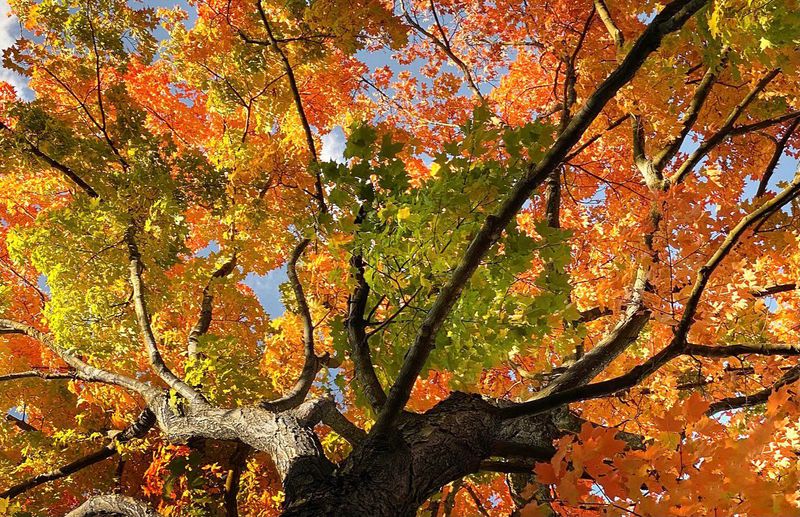
Picture a quilt stitched by several people who each grabbed a different spool of thread. That is roughly what many Carolina overlooks look like during this strange autumn.
Trees change color when cooler nights and shorter days signal the end of food production. Stress from weather can push single trees ahead of schedule or hold others back.
Across the state this year, rainfall arrived unevenly, so one valley stayed damp while another baked. Those small differences show up later as mismatched color on neighboring slopes.
Tree species also keep their own schedules, which adds another layer to the confusion. Black gum and sourwood blush early, while oaks hold their bronze tones deep into November.
Mixed forests in North Carolina contain dozens of hardwood species growing side by side. A patchy display is normal there, though this season the contrast feels sharper than usual.
Visitors often expect one grand sweep of orange covering every mountain at once. Reality tends to look more like scattered brushstrokes spread across several weeks.
Understanding that pattern makes a trip far less frustrating for anyone chasing photographs. Instead of one perfect weekend, the region offers several decent ones at different elevations.
Rangers describe the current season as broken into pockets rather than one smooth wave. Keeping expectations flexible turns an odd year into a surprisingly fun scavenger hunt.
Locals swap overlook reports daily because conditions shift from one ridge to the next. Their advice beats any printed map during a season this unpredictable.
Summer Drought Behind The Early Brown Leaves
Dry summers leave a mark that shows up months later on the leaves. Parts of western North Carolina ran short on rain through August, and trees noticed.
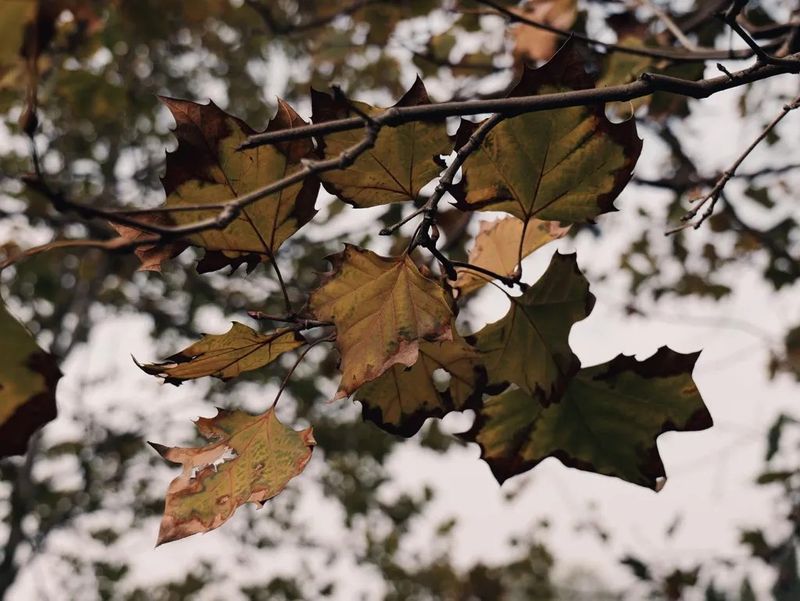
When soil moisture drops, trees protect themselves by shutting down leaves ahead of schedule. Those leaves curl, fade to tan, and drop without ever turning bright.
Scorched edges on maple leaves are a common sign of a thirsty summer. Foresters call it leaf scorch, and it spreads unevenly depending on soil depth.
Rocky ridgetops hold less water than sheltered coves along creeks and streams. Two trees of the same species can therefore behave like strangers a hundred yards apart.
Your North Carolina Garden Changes Every Week. Your Plan Should Too.
Gardening in North Carolina changes quickly throughout the season. Every Friday you’ll receive a simple weekly plan showing exactly what to plant, prune, fertilize, harvest, and protect so you never miss the right timing.
Bright red pigment needs sunny days paired with cool nights and healthy leaf sugar. Drought reduces that sugar, so reds often arrive weaker after a parched summer.
Yellows hold up better because those pigments sit inside the leaf all season. Hickories and poplars usually still glow, even when maples look disappointing.
Late September rain can rescue some areas while missing others by a few miles. Mountain weather rarely shares evenly, which explains the odd stripes of color.
Gardeners can help young landscape trees by watering deeply during dry autumn stretches. A slow soak once a week beats daily sprinkles that barely wet the surface.
Mature forest trees usually bounce back once normal rainfall returns the following spring. One rough autumn does not spell trouble for a healthy hundred year old oak.
Drought stress explains most of the brown you see before mid October. After that, the calendar takes over and better color follows.
Elevation Differences That Stretch Peak Color
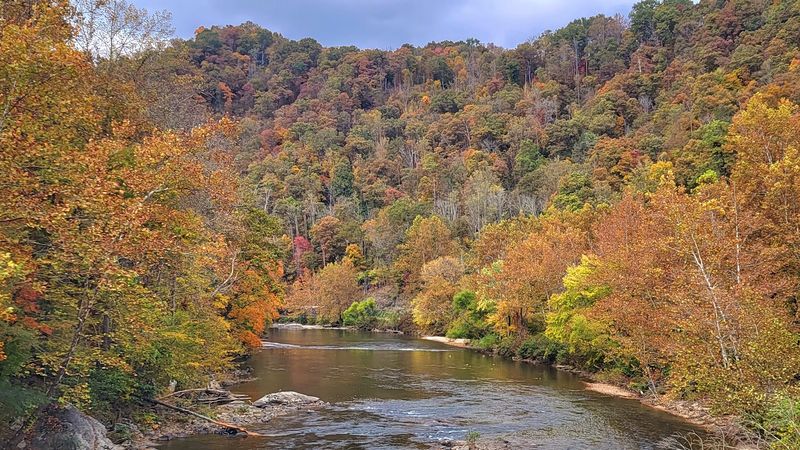
Driving up a mountain in October feels like fast forwarding through three weeks of autumn. Every thousand feet of climb shifts the calendar by roughly five days.
Color usually begins near six thousand feet on peaks like Mount Mitchell in early October. Lower valleys around Asheville often wait until the final week of the month.
The Piedmont and coastal plain join the party in early November. Because of that spread, the state offers color somewhere for nearly six straight weeks.
Cooler air settles at higher elevations sooner, which triggers leaf changes faster up there. Slope direction matters too, since north facing hillsides stay cooler than sunny southern faces.
Spruce and fir forests crowd the highest summits, where evergreens stay green year round. Visitors who drive straight to the top sometimes find green needles instead of gold.
Mid elevation hardwood coves between three and five thousand feet deliver the richest mix. Look for them along the Blue Ridge Parkway near Craggy Gardens or Graveyard Fields.
This year the elevation ladder looks wobbly because drought skipped rungs in places. Some high spots browned early while sheltered lower coves stayed green much longer.
A simple trick helps a lot during a scattered season like this one. Drive high first, check the view, then work downhill until the color improves.
Pack a jacket, because summits often run fifteen degrees cooler than town. Wind on exposed overlooks makes that gap feel even wider in late afternoon.
Planning Missteps That Waste A Weekend Drive
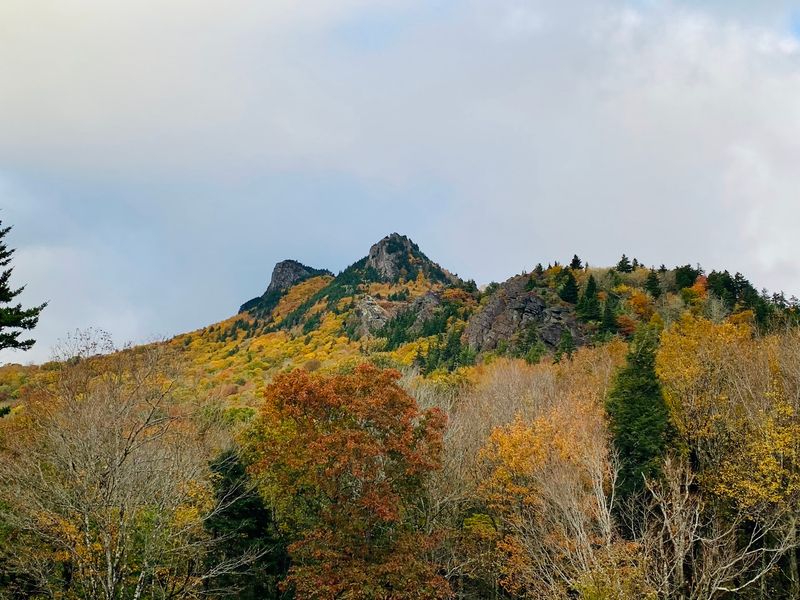
Plenty of folks book a cabin in July for one specific October weekend. Nature refuses to sign that contract, especially during a season this scattered.
Locking into a single date is the most common mistake travelers make. Flexible plans with two possible weekends greatly improve your odds of good color.
Another slip involves trusting a photo posted three years ago from the same overlook. Conditions change yearly, and old pictures set expectations that this autumn cannot match.
Crowds create a second headache along the Parkway during the middle of October. Parking areas fill by nine in the morning on clear Saturdays.
Weekday trips solve much of that trouble, and midweek light is usually softer. Many of the best pull offs sit empty on a Tuesday afternoon.
Ignoring road closures ranks high on the list of trip ruining errors. Sections of the Blue Ridge Parkway still close for repairs after recent storm damage.
Check the official park service closure map the night before you leave. Detours through small mountain towns can add an hour to a simple drive.
Skipping state parks is another quiet mistake, since they often hold excellent color. Places like Grandfather Mountain, Stone Mountain, or Hanging Rock spread the crowds out nicely.
Finally, chasing only bright red often leads to disappointment in a dry year. Gold, copper, and rust colors photograph beautifully under soft morning light.
Treat the drive itself as the destination and the season rarely disappoints. Cider stands, quiet gravel roads, and small diners fill any gaps in color.
Smarter Routes For Finding Reliable Color
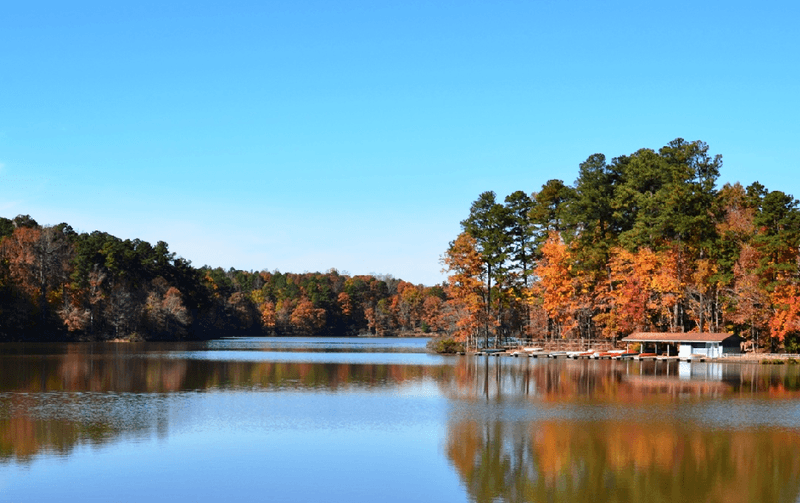
Ask any local photographer and they will tell you to follow water instead of crowds. Streamside coves hold moisture, which keeps leaves healthier through a dry stretch.
Waterfall trails around Brevard and DuPont State Forest usually deliver during uneven seasons. Damp ground there supports maples that hold richer reds longer.
North facing slopes are another dependable bet when the weather has been stingy. Cooler shaded hillsides lose less water and keep their color a bit longer.
Checking live foliage reports beats guessing, and several trackers update weekly. Appalachian State University runs a popular prediction map many travelers rely on.
Webcams at Grandfather Mountain show real conditions before you drive. A few minutes of scrolling can save hours behind the wheel.
Small back roads often beat famous overlooks when color is patchy. Try routes near Little Switzerland, Linville Falls, or the Cherohala Skyway for quieter views.
Morning light between seven and ten makes even average color look spectacular. Overcast days work well too, since soft light deepens yellows and oranges.
Walking a short trail rewards you more than sitting at a crowded pullout. Twenty minutes on foot often reveals a cove the road keeps hidden.
Late season trips to the Piedmont pay off once mountain leaves drop. Umstead State Park and Uwharrie National Forest peak comfortably in early November.
Stack two or three of these tricks together and an uneven year stops mattering. Somewhere in North Carolina, something bright is happening every weekend this fall.
Long Term Outlook For Carolina Hardwood Forests
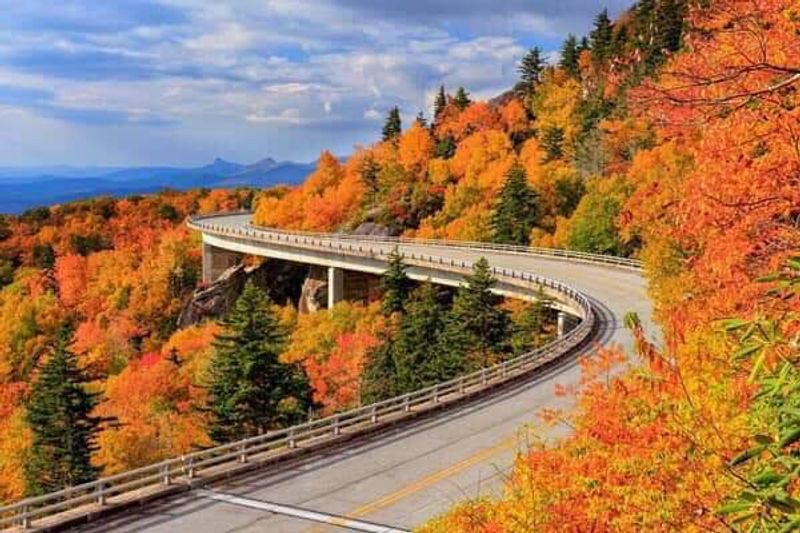
A strange color season says something about forest health beyond the scenery. Scientists watch these patterns the way doctors watch a patient’s yearly checkup.
Repeated dry summers wear trees down and leave them open to insects and disease. One tough year is survivable, though several in a row add up.
Storm damage from a major 2024 hurricane also reshaped many western slopes. Gaps in the canopy now let more sun and wind reach remaining trees.
Young trees will fill those openings, and fast growers usually arrive first. Birch, poplar, and locust seedlings often lead the recovery on bare ground.
Those pioneer species bring plenty of yellow, so future autumns may lean gold. Deep reds come mostly from maples and sourwood, which take longer to mature.
Warmer nights across the region can also soften red pigment production over time. Researchers at several universities track that shift season after season.
Tourism money rides on these leaves, roughly a billion dollars each autumn. Small mountain towns feel every quiet weekend in their fall budgets.
Homeowners can help by planting native hardwoods suited to local soil and elevation. Mulch, deep watering, and patience give young trees a real head start.
Forests here have handled droughts, storms, and hard winters for thousands of years. Recovery takes time, but these mountains have plenty of practice.
An uneven autumn is a signal worth reading, not a reason to panic. Next year the quilt may line up beautifully, and the overlooks will be ready.