Why North Carolina Fall Lettuce Forms Loose Heads Instead Of Tight Ones
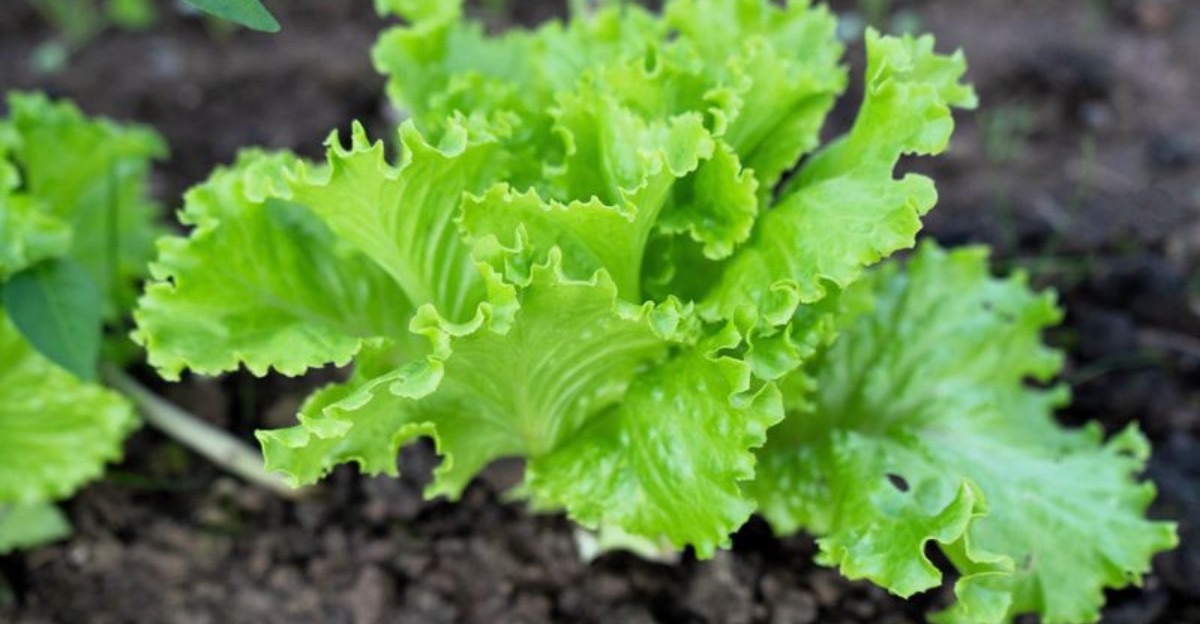
Fall lettuce in North Carolina sometimes grows into loose, open heads instead of the tight, compact ones gardeners expect from the grocery store.
This loose growth pattern often comes down to inconsistent temperatures, since lettuce heads up most tightly when it experiences steady, cool conditions rather than warm swings mixed with cold nights.
Uneven watering can have a similar effect, since water-stressed plants slow their growth and end up with smaller, looser heads.
Certain lettuce varieties are also simply better suited to tight heading than others, meaning seed choice plays a role from the very beginning.
Understanding these factors helps explain why two lettuce plants grown side by side can end up looking completely different by harvest time.
1. Many Lettuce Types Never Form Tight Heads

Sometimes the lettuce is doing exactly what it was born to do. Many gardeners expect every lettuce plant to look like the round, firm ball they buy at the grocery store. That shape belongs to only one group, and most fall gardens are full of other kinds.
Lettuce comes in several main types, and each one grows in its own style. Leaf lettuce forms a loose rosette of leaves and never makes a head at all. Butterhead, such as Bibb or Buttercrunch, builds a soft, open head with tender, buttery leaves.
Romaine stands tall and grows in an upright, stretched shape with crisp ribs down the middle.
Only crisphead lettuce, like iceberg, folds its leaves into the tight, heavy head many people picture. So if your plant feels soft and loose, it may simply be healthy and normal.
Before you worry, grab the seed packet or plant tag and check what you planted. The label usually names the type or describes the expected shape.
A packet of Buttercrunch should give you soft heads, and a packet of Parris Island Cos should give you tall romaine, not round balls.
Knowing your type saves a lot of stress. In North Carolina, butterhead and romaine are favorite fall choices because they handle local weather better than crisphead.
Many gardeners grow them, see a loose form, and think something went wrong when nothing did.
Next time, pick a type based on the look and texture you want. Enjoy those soft butterhead leaves in sandwiches and salads, because that gentle shape is part of their charm.
2. Crisphead Lettuce Struggles In Changing Weather
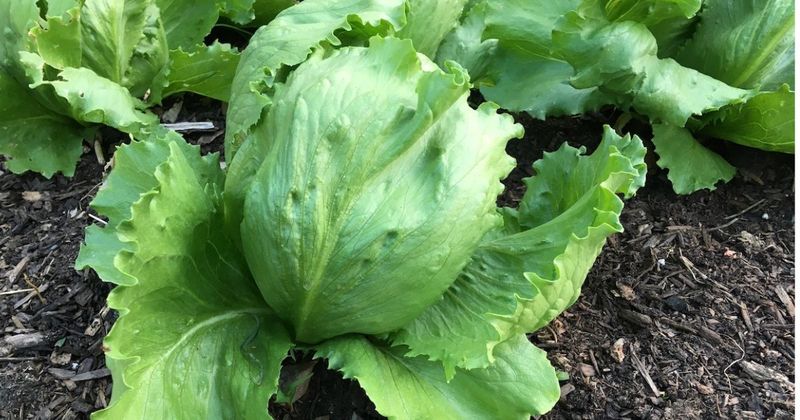
Iceberg lettuce is a bit of a diva in the home garden. It wants long weeks of steady, cool weather, and it does not like surprises. When it gets those calm conditions, it rewards you with a firm, crunchy head.
Trouble starts when the weather refuses to settle down. Heat during the heading stage, or big swings between warm days and chilly nights, can confuse the plant.
Instead of wrapping its leaves tightly, crisphead often makes a loose, lumpy head or rushes to bolt and send up a flower stalk.
Most of the iceberg sold in stores comes from places with steady cool seasons, like parts of coastal California. North Carolina fall weather is very different. One week feels like summer, and the next brings a frosty morning.
Your North Carolina Garden Changes Every Week. Your Plan Should Too.
Gardening in North Carolina changes quickly throughout the season. Every Friday you’ll receive a simple weekly plan showing exactly what to plant, prune, fertilize, harvest, and protect so you never miss the right timing.
You can still give crisphead a fair shot. Look for varieties bred for heat tolerance or warmer climates, such as Ithaca or Great Lakes types, and read the descriptions carefully.
Start plants from transplants instead of seed so they reach heading size during the coolest stretch of fall.
Good timing makes a big difference here. When heads form in steady cool weather, they have the best chance to firm up. Keep an eye on the forecast and plan around it. If you want a sure thing, butterhead and romaine are easier choices.
They forgive weather swings much better and still taste wonderful. Plenty of North Carolina gardeners grow a small test row of crisphead for fun and fill the rest of the bed with these reliable types.
3. Warm Spells During Heading Loosen Heads

A sudden 85 degree day in October can change everything for your lettuce. Heat sends a strong signal to the plant that it is time to make seeds. Once that message arrives, head building takes a back seat.
Here is what happens inside the plant. Instead of folding new leaves tightly toward the center, lettuce starts stretching upward to prepare a flower stalk. The head turns loose and open, and the leaves often pick up a bitter taste from a milky sap.
Warm spells are common in North Carolina during September and early October. The Piedmont and Coastal Plain feel them the most, while the Mountains usually cool off sooner.
A planting that looked perfect in early fall can suddenly start reaching for the sky. Smart timing is your best defense.
Plan plantings so the heading stage lands in the cooler weeks of mid to late fall. Counting backward from the days to maturity on the seed packet helps you hit that window. When an unexpected hot stretch shows up, give plants some relief.
Light shade cloth or even an old sheet propped up in the afternoon can lower stress. A layer of straw mulch keeps the soil cooler and holds in moisture, which helps the roots stay calm.
Watch closely for a pointy, stretched center. That shape means bolting has started, so harvest right away while the leaves still taste sweet. Picking a little early beats losing the whole crop to bitterness.
4. Crowded Plants Can’t Form Full Heads
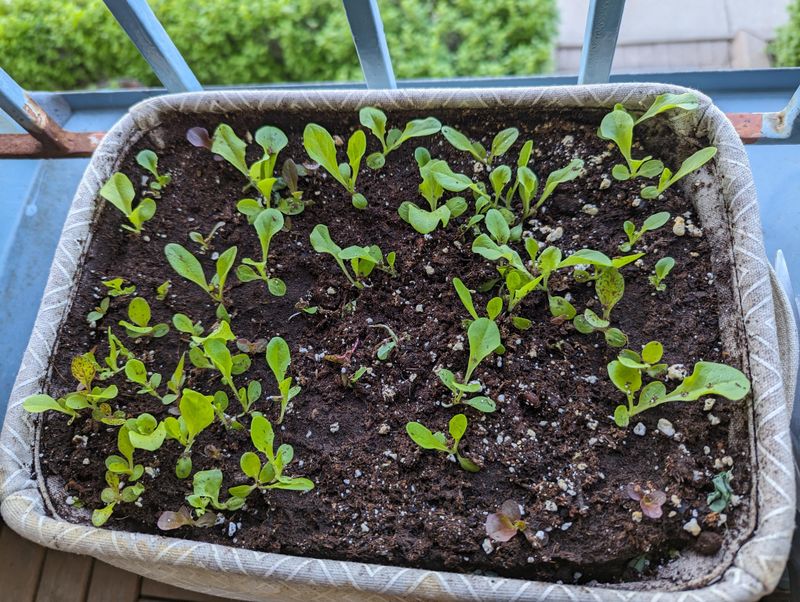
Tiny lettuce seeds make it way too easy to plant a crowd. You sprinkle a pinch down the row, and a week later you have a green carpet. It looks lovely, but those seedlings are about to start a tough competition.
Every plant needs light, water, and nutrients to grow. When lettuce sits shoulder to shoulder, each one fights for a share and gets less than it needs. Crowded plants tend to grow upward, stay small, and never fill out into full heads.
Spacing fixes this problem quickly. Thin or transplant butterhead and romaine about 8 to 12 inches apart. Crisphead needs a little more room, so give it about 12 inches.
Thinning can feel hard because every seedling seems precious. Here is the happy part, though. Those pulled plants make delicious baby greens, so nothing goes to waste.
Try thinning in stages for the best results. First, thin seedlings to a couple of inches apart and eat the extras. A few weeks later, thin again to the final spacing and enjoy a second small harvest.
In North Carolina, many gardeners direct sow fall lettuce thickly and then skip thinning. Busy fall schedules, football games, and school routines make it easy to forget. The result is a row of skinny, loose plants that never reach their best size.
Set a reminder on your phone about two weeks after the seedlings come up. A few minutes with your fingers or small scissors gives every remaining plant space to spread out and form the head you were hoping for.
5. Uneven Watering Slows Head Formation
October in North Carolina often brings clear blue skies and very little rain. That sunny weather feels great for us, but it can leave lettuce thirsty. In fact, October is often one of the driest months of the year across much of the state.
Lettuce has shallow roots that stay close to the surface. Those roots dry out fast when rain disappears for a week or two. When moisture runs low, growth slows, the plant gets stressed, and the head ends up smaller and looser.
Dry spells also affect taste. Stressed lettuce often turns bitter, which is the last thing you want in a fresh salad. Steady water keeps leaves crisp, sweet, and growing.
A simple finger test tells you when to water. Push a finger into the soil, and if the top inch feels dry, it is time. Water deeply so moisture reaches the whole root zone instead of just wetting the surface.
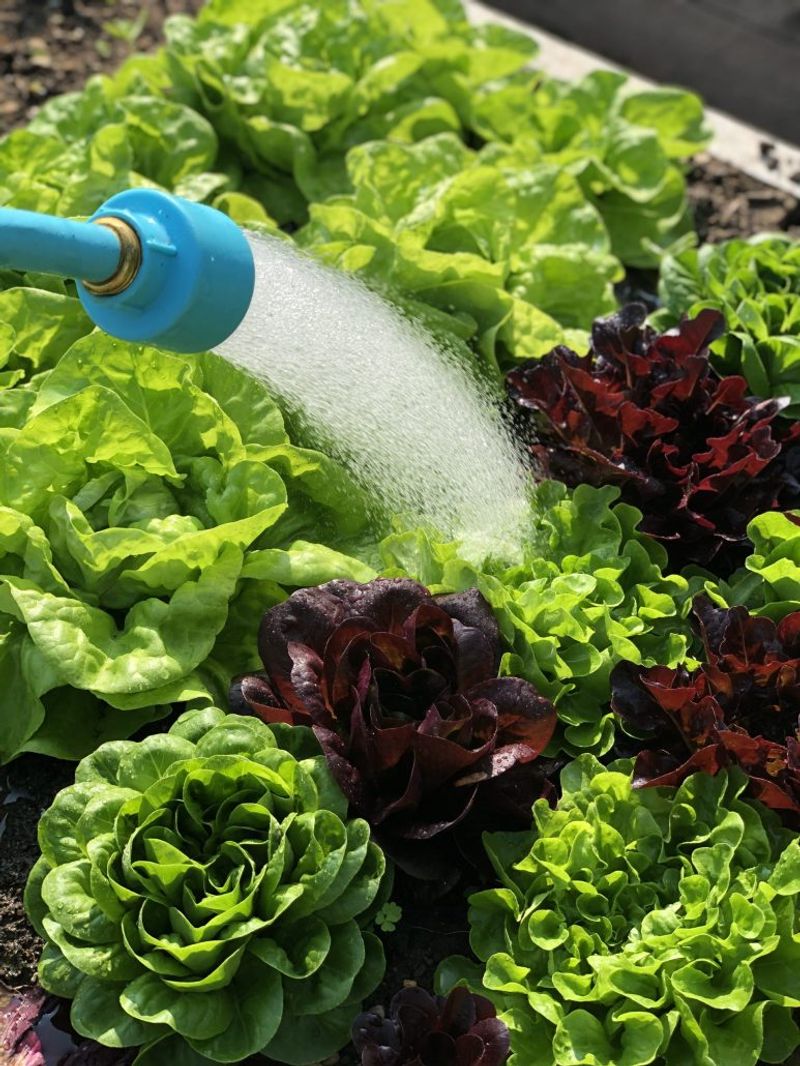
Aim the water at the base of the plants rather than over the leaves. Morning watering works best because leaves stay dry through the cool night, which helps prevent disease. A soaker hose or watering can with a gentle spout makes this easy.
Mulch is the secret helper here. Spread a layer of straw or shredded leaves around your plants to slow evaporation and keep moisture even.
Fall leaves from your own yard work perfectly and cost nothing, so rake up a few bags and tuck them around your lettuce.
6. Low Fertility Leads To Small, Loose Heads
Think of lettuce as a fast-growing teenager with a big appetite. It builds a lot of leaves in a short time, and every one of those leaves needs food. Without enough nutrients, the plant simply cannot build a full head.
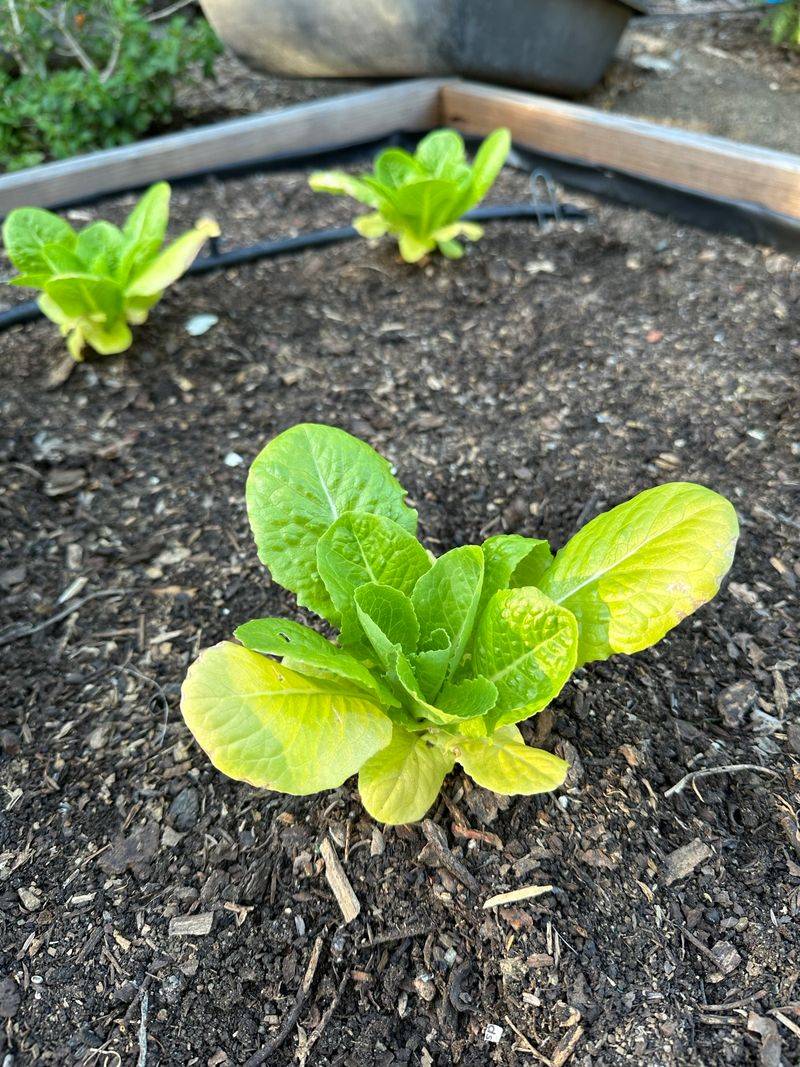
Nitrogen matters most for leafy crops like lettuce. It fuels the bright green growth that stacks up into a head. Plants in poor soil often stay small and open, and their leaves may look pale or yellow.
Many North Carolina soils start out low in organic matter and fertility. Red clay in the Piedmont and sandy soil in the Coastal Plain both need some help. Sandy soil also lets nutrients wash away quickly with rain.
A soil test is the smartest first step. North Carolina offers soil testing through the NC Department of Agriculture, and your county Extension office can explain how to send a sample.
The results tell you exactly what your bed needs, including lime if the soil is too acidic. Before planting, work a few inches of compost into the bed. Compost adds nutrients slowly and helps soil hold water.
Then apply a balanced fertilizer at the rate listed on the bag or in your soil report. Keep watching your plants after they settle in.
If leaves look pale a few weeks after transplanting, side-dress lightly with a nitrogen fertilizer along the row. Go easy, since too much can cause problems, but a small boost often turns thin plants into lush, full heads.
7. Late Plantings Run Out Of Time
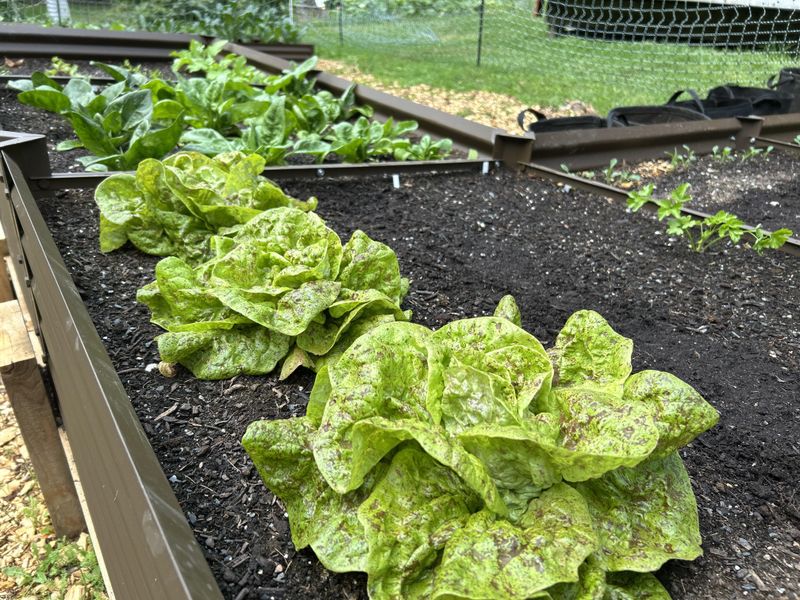
Lettuce runs on a clock, and fall keeps speeding it up. As days get shorter and nights grow colder, growth slows down a lot. A plant that would size up in weeks during early fall may barely change in late November.
Planting late is an easy mistake to make. Summer crops linger, life gets busy, and suddenly it is mid-October. Lettuce started that late may not reach heading size before cold weather nearly stops its growth.
Timing depends on where you live in North Carolina. The Mountains cool off early, so gardeners there should plant fall lettuce in late summer.
The Piedmont and Coastal Plain stay mild longer, which allows plantings well into September and sometimes beyond near the coast.
Check the days to maturity on your seed packet and count backward from your usual first frost date. Add a little extra time, because cooler fall weather slows plants more than the packet suggests.
Your county Extension office can share local planting calendars too. Transplants give you a great head start.
Starting seeds indoors or buying healthy starts can save several weeks compared to direct sowing. Those weeks often make the difference between a full head and a small rosette. Row covers stretch the season even further.
Lightweight fabric traps warmth near the plants and shields them from frost. Many gardeners keep lettuce growing well into winter this way, harvesting sweet leaves when neighbors have already put their gardens to bed.
8. Too Little Sun Stretches The Plants

Have you ever seen lettuce leaning sideways like it is trying to peek around a corner? That stretch is a sign the plant wants more light. In heavy shade, lettuce grows tall and loose with thin, floppy leaves instead of forming a compact head.
Plants use sunlight to make the energy they need for growth. When light runs short, they stretch toward any bright spot they can find. That reaching uses up energy that would otherwise go into building thick, layered leaves.
Aim for a spot with at least six hours of direct sun each day. More is often better in fall, when the light is softer. A sunny bed gives lettuce the fuel to stay sturdy and fill out.
Fall light plays tricks on gardeners. As the sun sits lower in the sky, shadows from trees, fences, and houses grow longer. A bed that soaked up sun in June might sit in shade for half the day by October.
Take a few minutes to watch your garden at different times of day before planting. Notice where shadows fall in the morning and afternoon. Choose the brightest location you have, even if it means using containers on a sunny patio.
North Carolina is full of tall pines and oaks, and shorter fall days already cut light. Save shade cloth for those surprise warm spells only, then remove it once temperatures drop. Give your lettuce plenty of sunshine, and it will reward you with full, crisp heads.