The Native Ohio Groundcover That Spreads On Its Own And Smothers July Weeds
Bare soil in a shaded Ohio garden bed is basically an open invitation, and unfortunately the guests that show up first are almost never the ones you wanted.
By July, weeds are appearing overnight in open mulch areas, foundation beds, and moist woodland edges like they have somewhere important to be.
Rude, but also very predictable. Here’s where Golden Ragwort earns its moment in the spotlight.
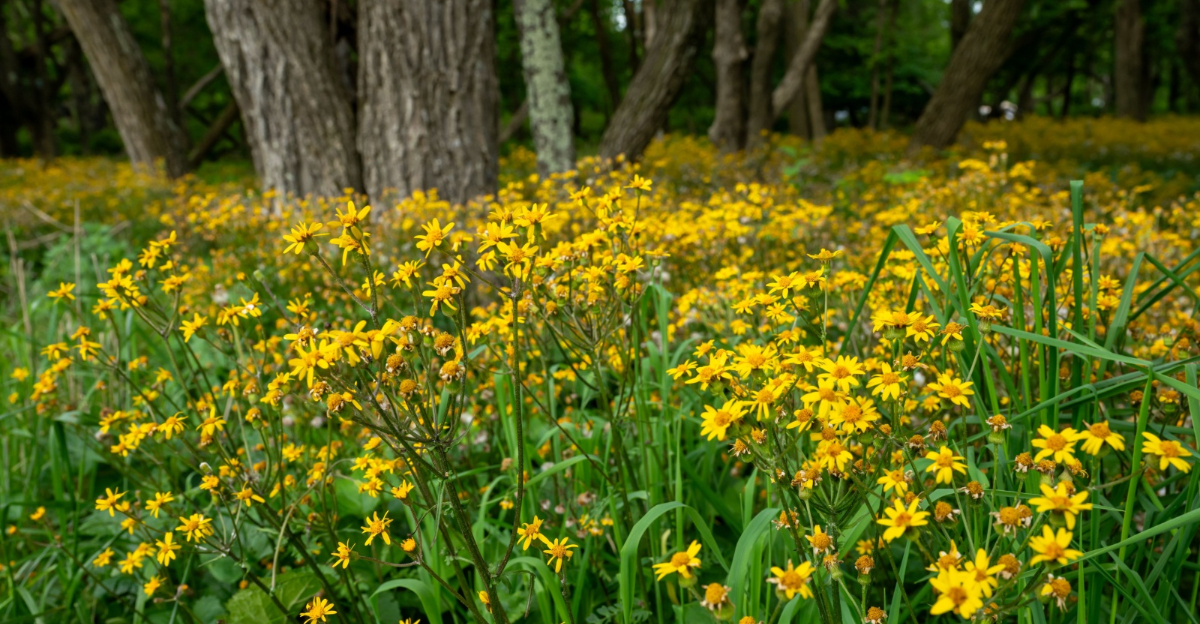
This native Ohio groundcover spreads on its own through creeping shoots, forming dense colonies that cover bare soil and quietly crowd out the plants you didn’t ask for.
It is not an overnight fix, and it works best when matched to the right site, but in the right shady spot it delivers cheerful yellow spring flowers, good ground coverage, and the kind of low maintenance results that make a gardener genuinely happy.
1. Golden Ragwort Belongs In Ohio Native Beds
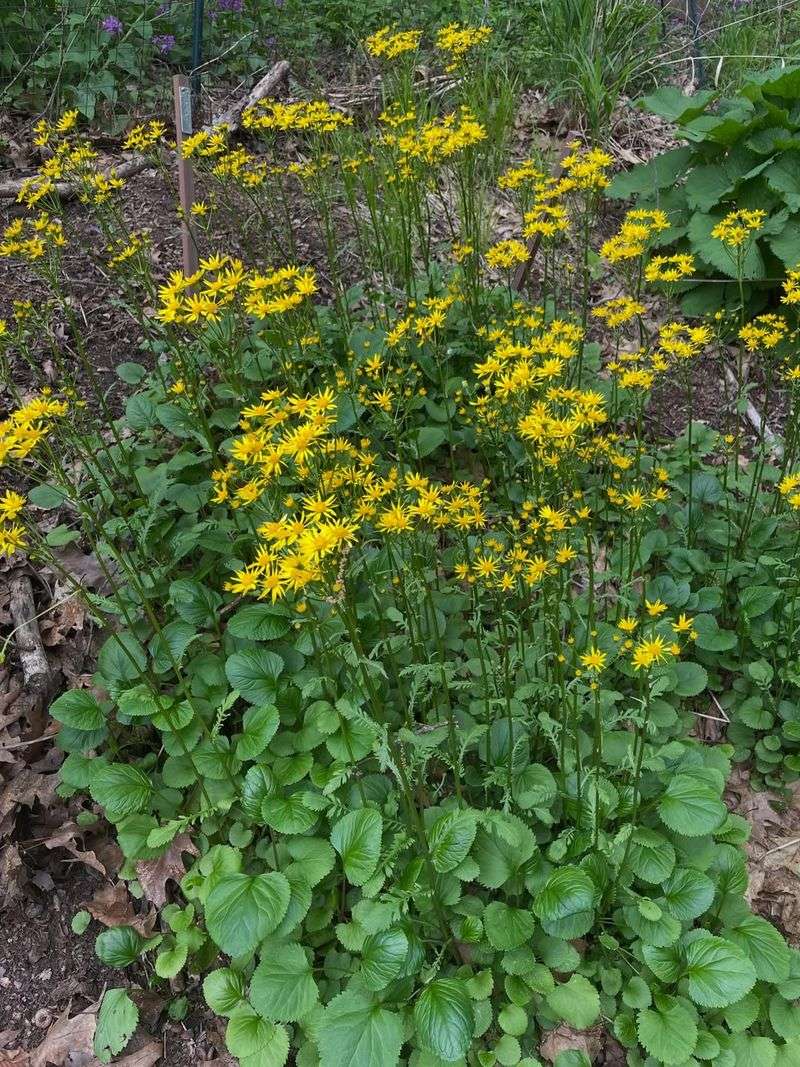
Shaded garden beds in Ohio can be surprisingly tricky to manage, especially when bare soil keeps inviting weeds to settle in. Golden Ragwort, known botanically as Packera aurea, is a native Ohio wildflower that has adapted over centuries to exactly these conditions.
It thrives in the kind of moist, shaded spots that many other plants struggle to fill.
Because it is native to Ohio, Golden Ragwort is already matched to local rainfall patterns, soil types, and seasonal temperature swings. It does not need much fussing once it gets going.
Homeowners who want a low-maintenance groundcover for foundation beds, path edges, or woodland garden borders often find it fits naturally into their landscape plans.
Before planting, check that your bed has enough moisture and some shade, since Golden Ragwort tends to perform best in those conditions. It can handle morning sun in some Ohio settings, but consistently dry or fully exposed beds may not suit it well.
Planting it in the right spot from the start gives it the best chance to spread gradually and fill in over time, reducing open mulch areas and making the bed look more settled and intentional.
2. Creeping Shoots Help It Spread Naturally
One of the most practical things about Golden Ragwort is the way it moves through a garden bed without any help from the gardener.
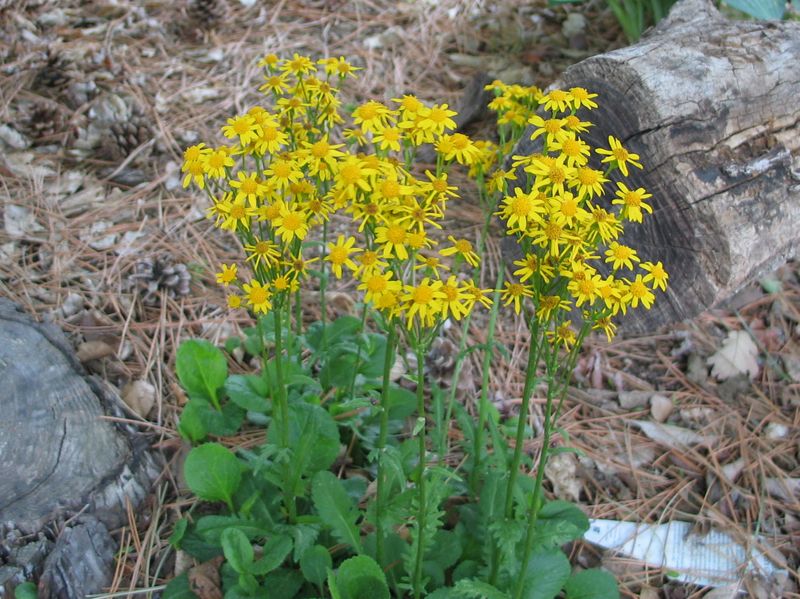
It spreads through stolons, which are creeping horizontal shoots that travel along or just under the soil surface and send up new rosettes of foliage as they go.
Over a few seasons, a single plant can quietly expand into a tidy colony.
This natural spreading habit is part of what makes Golden Ragwort appealing for Ohio homeowners who want coverage without replanting every year.
The new rosettes that form along each stolon are genetically connected to the parent plant, so they tend to look consistent and fill in evenly.
That even coverage is what eventually helps shade out bare soil patches where weeds might otherwise sprout.
It is worth knowing that this spreading behavior can be more vigorous in ideal conditions. In a moist, shaded Ohio bed with rich soil, Golden Ragwort may fill in faster than expected.
Your Ohio Garden Changes Every Week. Your Plan Should Too.
Gardening in Ohio changes quickly throughout the season. Every Friday you’ll receive a simple weekly plan showing exactly what to plant, prune, fertilize, harvest, and protect so you never miss the right timing.
For larger woodland-style garden areas or naturalized borders, that vigor is usually welcome. For smaller or more formal beds, keep an eye on the edges and pull back any shoots that wander beyond where you want them to grow.
3. Dense Colonies Can Cover Bare Soil
Bare patches of soil in a garden bed are basically open invitations for weeds.
Wind-blown seeds, bird droppings, and soil disturbance all give opportunistic plants a foothold, and by July in Ohio, those patches can fill up with crabgrass, chickweed, or other unwanted visitors faster than most gardeners expect.
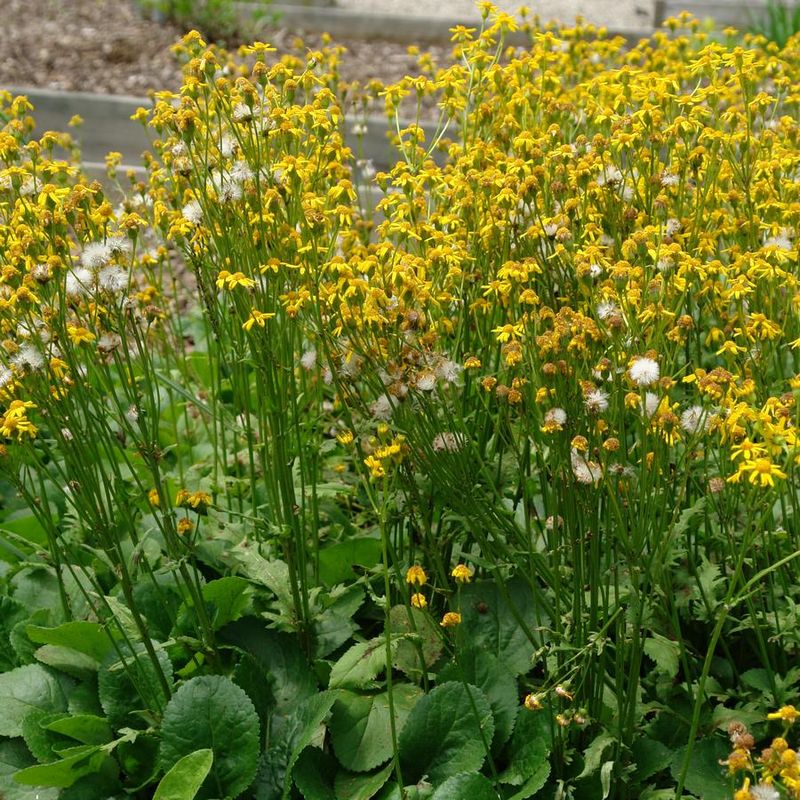
Golden Ragwort addresses this by forming dense colonies of low rosettes that cover the ground with overlapping foliage. Once established, those colonies can make it harder for weed seeds to find the open soil and sunlight they need to germinate.
The coverage is not total, and some weeds may still appear along the edges or in gaps, but the overall weed pressure tends to decrease as the planting fills in.
For Ohio gardeners dealing with persistently weedy shaded beds, establishing a dense colony of Golden Ragwort can be a practical long-term strategy. It takes patience during the first season or two, when plants are still young and spreading.
During that early phase, a thin layer of mulch and some hand-weeding will help bridge the gap. Once the colony thickens up, it tends to do more of the work on its own, keeping bare soil covered and less hospitable to weed establishment.
4. Moist Shade Brings Out Its Best Growth
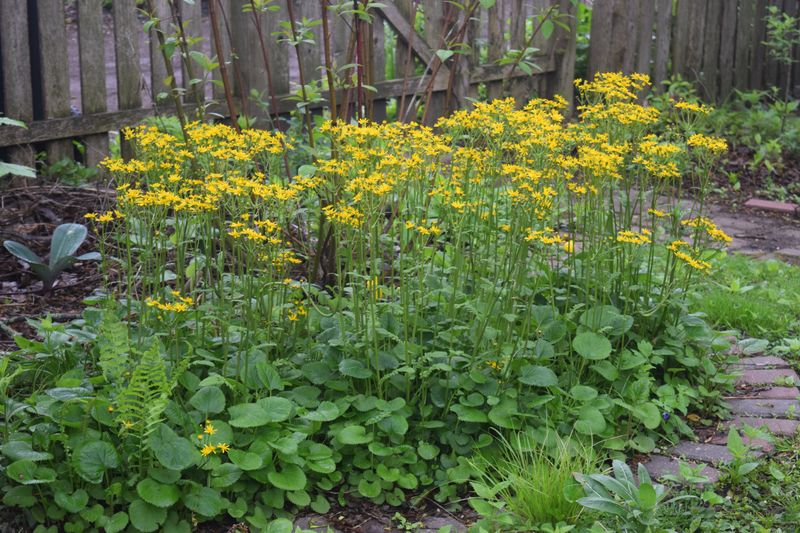
Walk through almost any Ohio woodland in spring and you will likely spot Golden Ragwort growing happily along stream banks, in low moist hollows, and under the filtered shade of tall trees.
That natural habitat tells you a lot about where this plant performs best in a residential garden setting.
Moist, shaded conditions bring out the strongest, most consistent growth in Golden Ragwort. In those spots, the foliage stays lush and green through much of the growing season, and the plant spreads more reliably through its creeping shoots.
Dry shade, on the other hand, can slow its growth and cause the foliage to look stressed during Ohio’s hotter summer stretches.
For homeowners with a shaded foundation bed, a low spot that stays moist after rain, or a garden edge near a downspout, Golden Ragwort may be an especially good candidate. Check the soil before planting.
If it holds moisture reasonably well and drains without staying waterlogged for days, conditions are likely suitable. Amending with compost can help in areas where the soil is thin or compacted.
Matching the plant to the right Ohio microclimate from the beginning makes a noticeable difference in how quickly and reliably it fills in.
5. Filled-In Plants Leave Less Room For Weeds
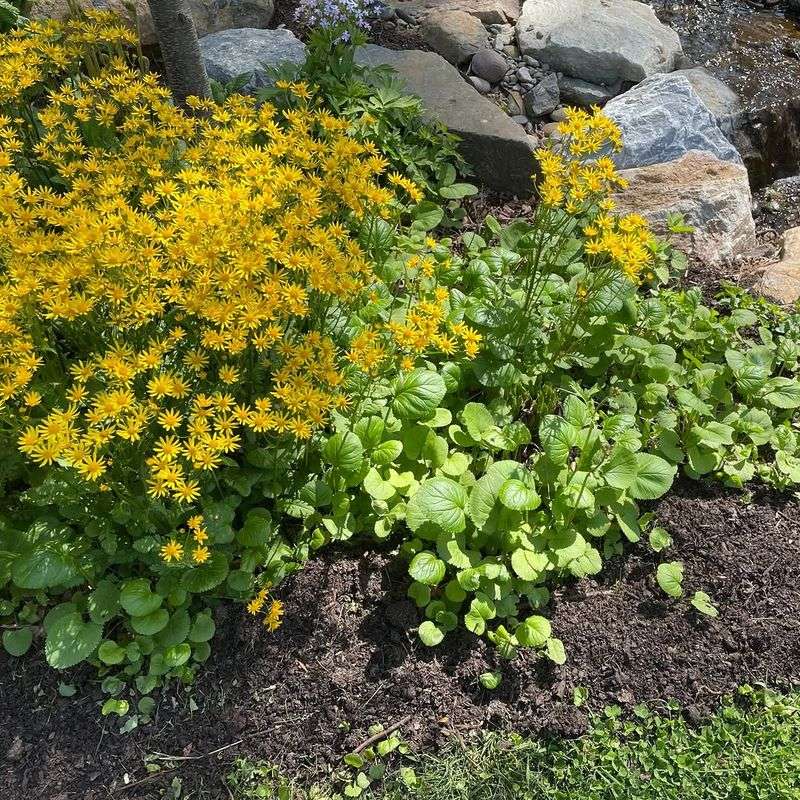
Weed pressure in July can feel relentless, especially in beds where open mulch or bare soil gives unwanted plants plenty of room to establish.
One of the quieter benefits of letting Golden Ragwort fill in over time is that it gradually reduces those open spaces where weeds tend to get started.
As the colony expands and the rosettes overlap, the foliage creates a living layer that shades the soil beneath it. That shading can make conditions less favorable for weed seed germination, since many common Ohio weeds need light to sprout.
The result is not a weed-free bed, but it can be a noticeably less weedy one compared to bare mulch areas left open season after season.
Homeowners should set realistic expectations, especially in the first year or two. Young Golden Ragwort plants are still spreading and have not yet formed a tight enough canopy to make much difference.
Consistent hand-weeding and a modest layer of mulch between young plants helps protect the bed while the groundcover establishes.
Once the planting fills in more completely, many Ohio gardeners find they spend less time pulling weeds in those particular beds, which is one of the more satisfying payoffs of choosing a well-suited native groundcover.
6. Open Mulch Areas Shrink Over Time
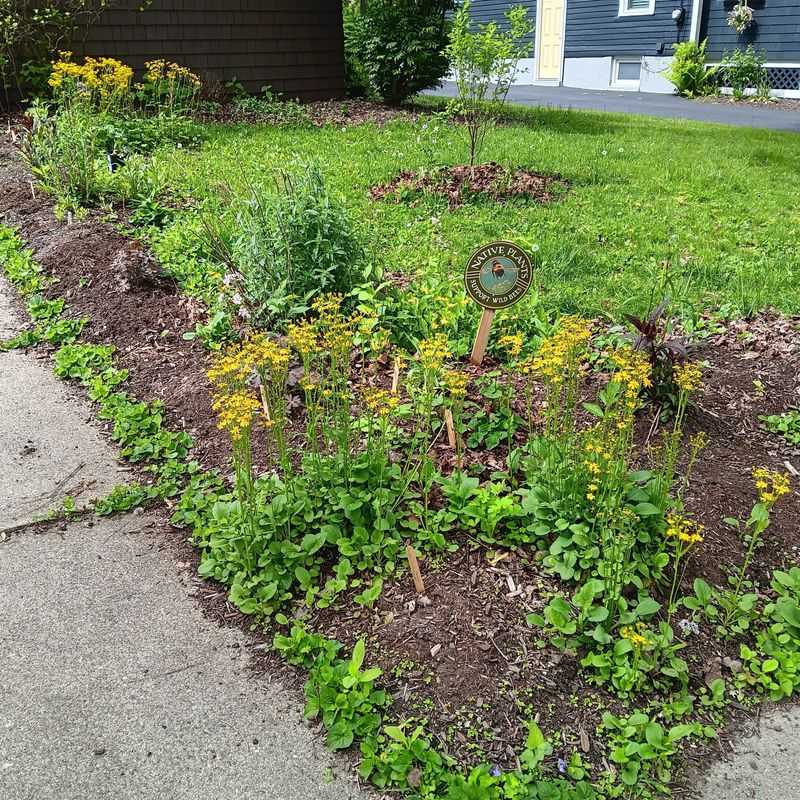
Many Ohio homeowners refresh their garden beds with mulch each spring, partly to suppress weeds and partly to make the bed look tidy.
Fresh mulch does help, but open mulched areas without groundcover plants still leave plenty of room for weed seeds to land and germinate through the season.
Golden Ragwort can gradually change that dynamic. As it spreads through its creeping shoots and fills in more of the bed, the amount of bare mulch visible between plants shrinks.
Over two or three growing seasons in a suitable Ohio site, what started as a few scattered plants can become a connected layer of foliage that covers most of the bed’s surface.
That process is gradual and depends on having the right conditions, including enough moisture, adequate shade, and soil that supports healthy root development.
It also depends on managing competition from weeds during the establishment phase, since weeds that get established early can slow the groundcover’s spread.
But for Ohio gardeners who are patient and willing to do some early maintenance, watching open mulch areas shrink as the Golden Ragwort fills in can feel genuinely rewarding.
It is the kind of slow progress that makes a garden bed look more intentional and less like it needs constant attention to stay presentable.
7. Tiny Beds May Need Extra Control
Not every Ohio garden bed is a good candidate for an enthusiastic spreader like Golden Ragwort. In large, naturalized areas or generous woodland-style borders, its spreading habit is one of its best qualities.
In a small, tightly defined bed near a front walkway or a compact foundation planting, that same vigor can become a management challenge.
Golden Ragwort does not have an off switch. In ideal moist, shaded conditions, it will keep sending out creeping shoots and expanding as far as conditions allow.
In a tiny bed, that can mean it quickly overtakes other plants or spills out of the intended planting area. Pulling back the edges takes effort, and in very small spaces, it may require more regular attention than the plant saves you in weed control.
Before planting Golden Ragwort in a compact Ohio bed, think honestly about how much room is available and how much edge management you are willing to do.
Beds with natural barriers like sidewalks, driveways, or edging materials can help contain it more easily.
Larger beds with informal or naturalistic designs tend to suit it much better. Matching the plant’s spreading nature to a site with enough space from the start will save a lot of corrective work later in the season.
8. Yellow Spring Flowers Brighten Shady Spots
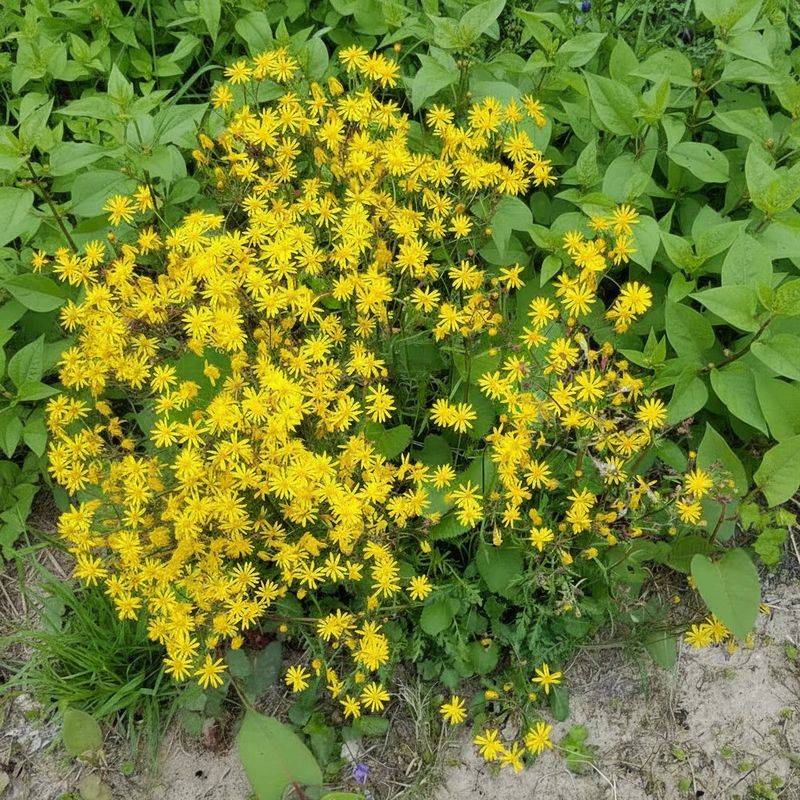
Before the main growing season kicks in and summer plants take center stage, Golden Ragwort puts on a cheerful show with clusters of small, bright yellow flowers that light up shaded beds in early to mid spring.
In Ohio, that bloom typically arrives when many other plants are still waking up, which makes it especially noticeable and appreciated.
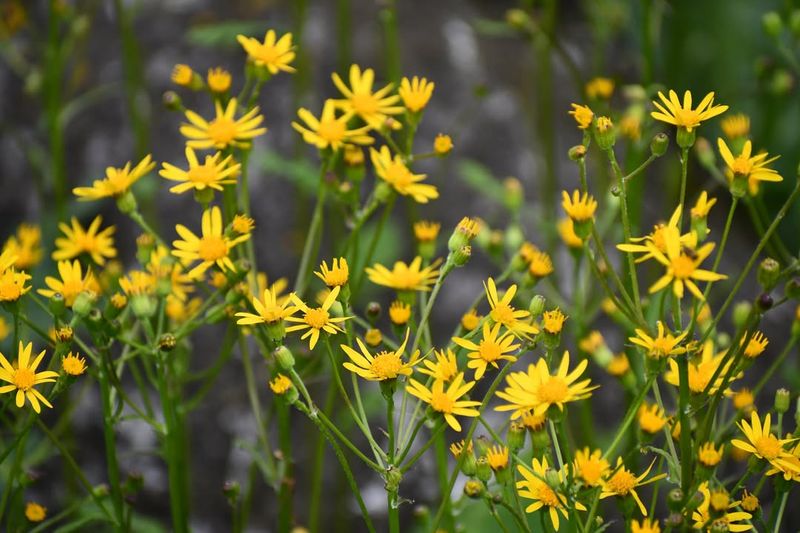
The flowers are daisy-like, with yellow ray petals surrounding a golden center, and they rise on slender stems above the low basal foliage.
In a shaded bed that might otherwise look dull and bare in early spring, a colony of Golden Ragwort in bloom can look genuinely striking.
The bright yellow color works well against the dark soil and emerging green foliage of nearby shade plants.
Beyond looking pretty, those spring flowers also support early pollinators like native bees that are active before many other blooms are available.
That ecological role is a small but meaningful bonus for Ohio gardeners who want their landscape to do more than just look good.
After the flowers finish, the foliage continues to provide ground-level coverage through the rest of the growing season, keeping the bed looking green and filled in even when Golden Ragwort is no longer in bloom.
9. Woodland-Style Gardens Suit It Well
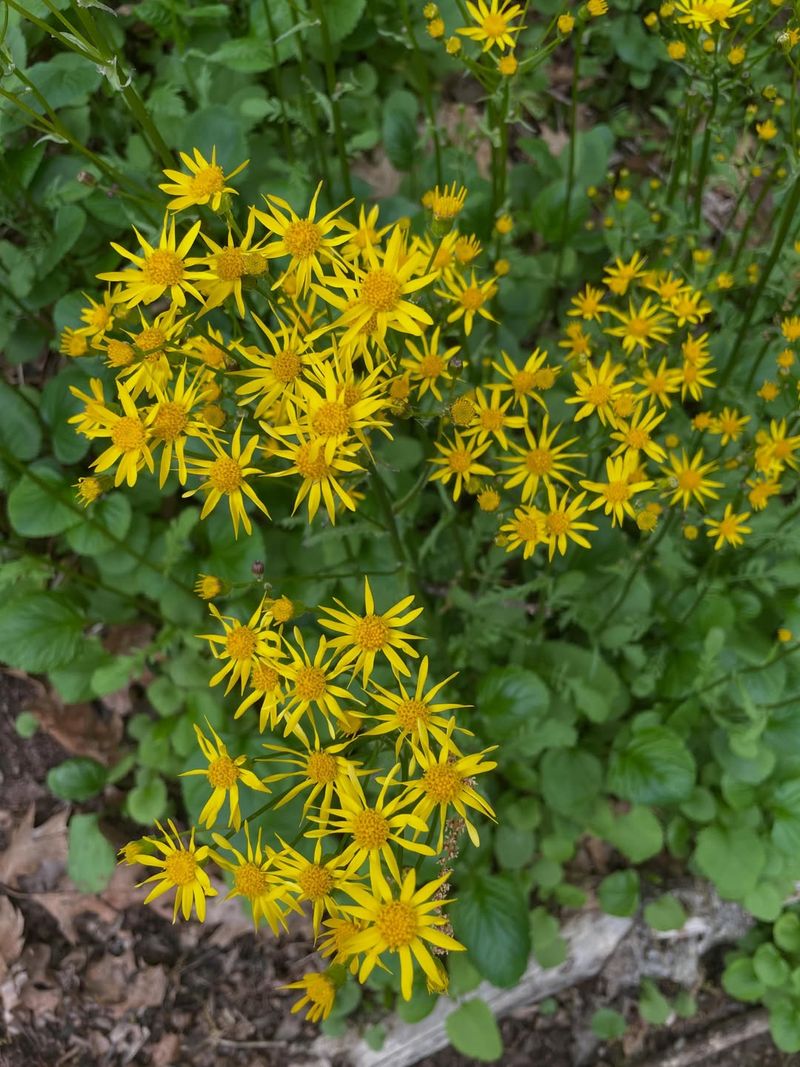
There is something deeply satisfying about a garden that looks like it belongs to the landscape around it, and in Ohio, woodland-style plantings can achieve exactly that feeling.
Golden Ragwort fits naturally into this kind of design because it mimics the way native plants grow in Ohio’s actual woodlands, spreading low and filling in the understory layer beneath taller trees and shrubs.
In a woodland-style Ohio garden, Golden Ragwort pairs well with other native shade plants like wild ginger, ferns, trillium, or Solomon’s seal. Together, these plants create a layered, naturalistic planting that feels cohesive rather than forced.
The different textures and heights complement each other, and the Golden Ragwort’s low spreading foliage fills in the ground level where weeds might otherwise take hold.
For homeowners who have a shaded backyard area, a sloped bank under mature trees, or a garden edge along a wooded property line, a woodland-style planting anchored by Golden Ragwort can be a practical and visually appealing solution.
It takes a few seasons to fully come together, but once established, this kind of planting tends to be relatively self-sustaining.
It reflects Ohio’s natural landscape in a way that formal or ornamental beds simply cannot match, and that connection to the local environment is part of its lasting appeal.