Why Do Your Oregon Cucumber Plants Have Blooms But No Cucumbers
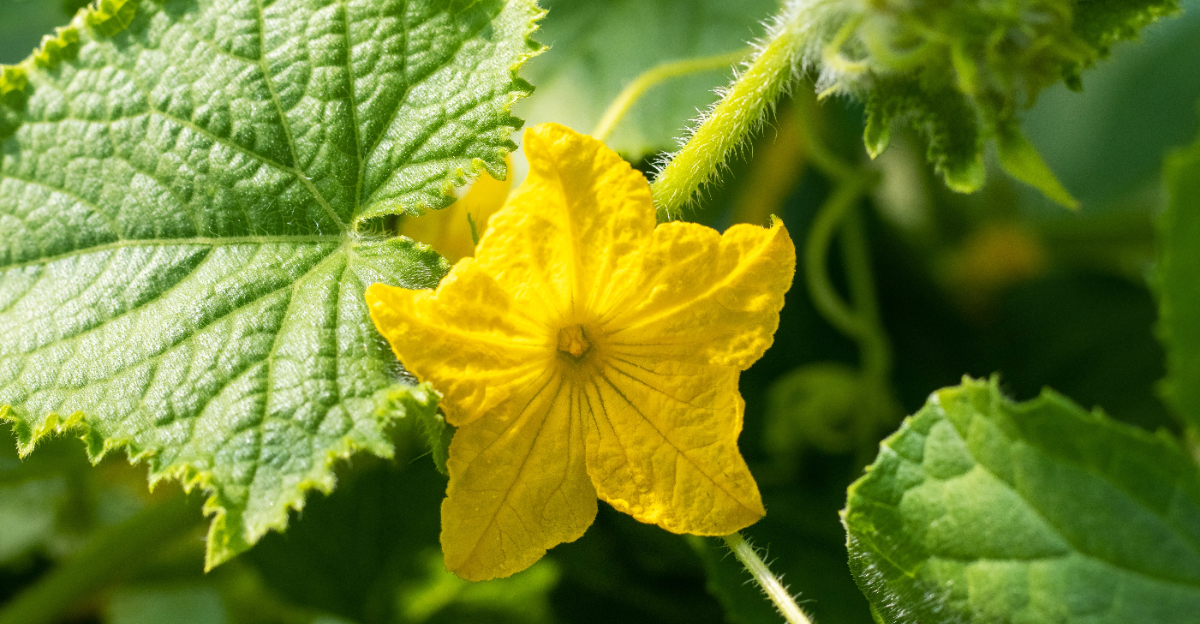
Seeing bright yellow blooms on cucumber vines can feel like the garden is finally getting somewhere.
Then days pass, the flowers fade, and not a single cucumber appears. Excuse me, where is the promised harvest?
This frustrating little mystery is especially common during an Oregon summer. The plants may look healthy and keep producing flowers, which makes the lack of fruit even more confusing.
It can feel like the vines are putting on a beautiful show and forgetting the main event.
The good news is that blooming means the plants are still trying. Something in the garden may simply be interrupting the next step.
Even a small change in growing conditions can affect what happens after those cheerful flowers open.
There is no need to give up on the season just yet. Once you understand what the plants are signaling, you can help turn all that floral enthusiasm into the crunchy cucumbers you were expecting.
1. Male Flowers Usually Show Up First
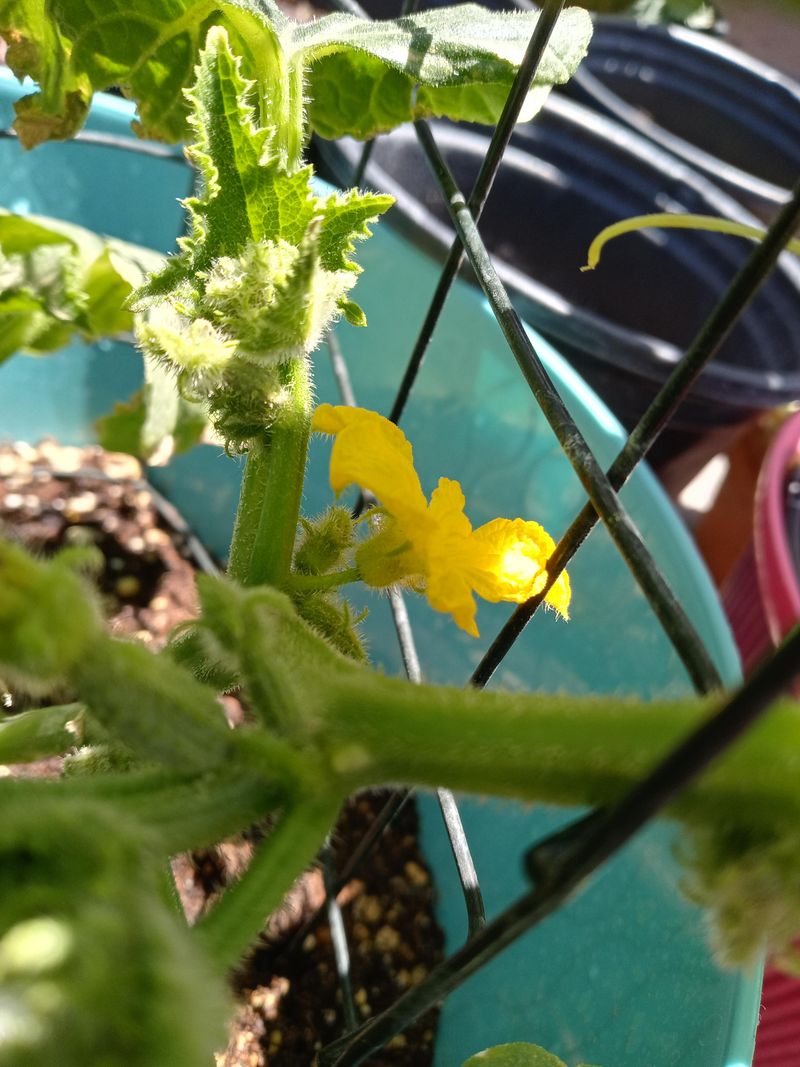
A lot of gardeners panic when they see flowers dropping without producing cucumbers, but here is something that changes everything: cucumber plants grow two completely different types of flowers.
Male flowers always appear first, sometimes by one to two weeks. They show up early to get a head start on releasing pollen before the female flowers are even ready.
Male flowers grow on thin, straight stems. They do not have a tiny cucumber forming at the base.
If you look closely at your plant right now and all the flowers look the same with no small bump behind them, those are male flowers. That is completely normal at the start of the season.
Female flowers come a little later and have a small, swollen bump right behind the petals. That bump is the baby cucumber waiting to grow.
Without a female flower, there is nothing to pollinate and no fruit can form. So if your plant is only showing male flowers, just be patient.
Most gardeners do not realize this is how cucumbers work. They assume every flower should become a fruit, and when it does not, they think something is wrong.
Give your plant a little more time. Once female flowers arrive, the real growing begins.
Check your vines every couple of days and look for that tiny bump behind the bloom. That is your signal that cucumbers are on the way.
2. Female Flowers Need Pollination To Set Fruit
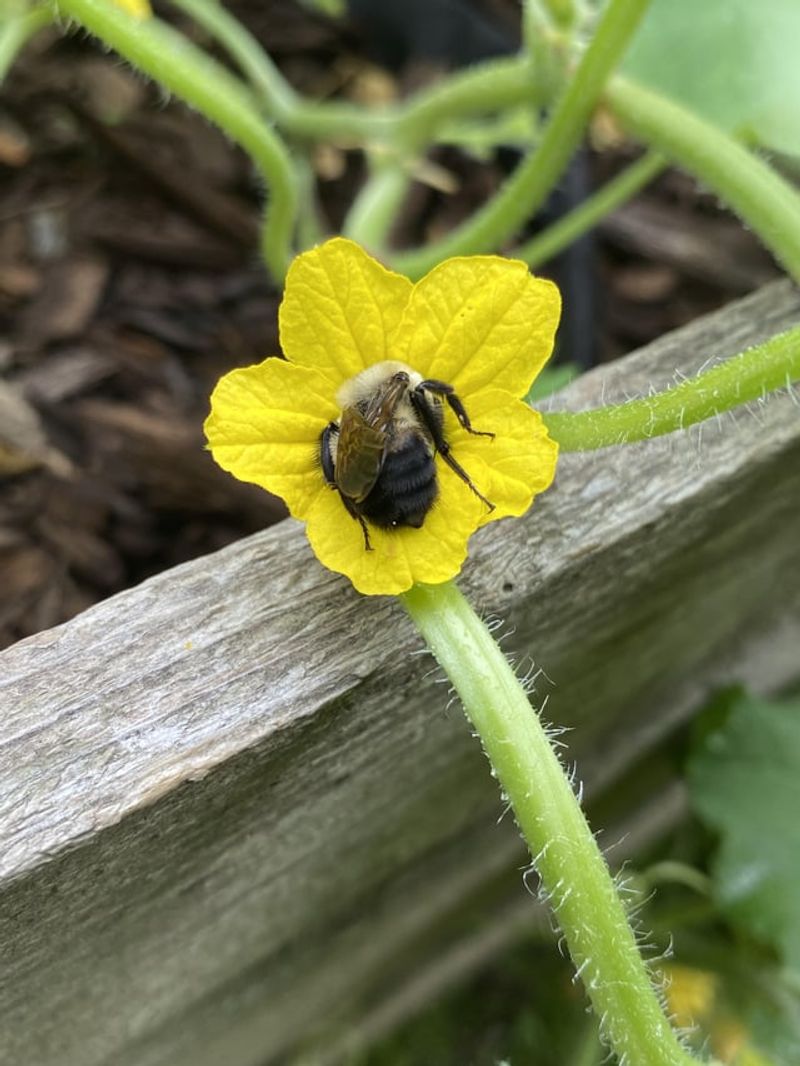
Even when both male and female flowers are open at the same time, a cucumber will not grow unless pollen actually moves from one flower to the other. Bees are the main workers that make this happen.
They visit male flowers first, pick up sticky pollen on their bodies, and then carry it over to female flowers when they land.
If bees are not visiting your garden, pollination simply does not happen. You can have a plant full of healthy flowers and still get zero cucumbers.
This is one of the most overlooked reasons for poor cucumber production, especially in yards where pesticides are used nearby or flowering plants are limited.
Your Oregon Garden Changes Every Week. Your Plan Should Too.
Gardening in Oregon changes quickly throughout the season. Every Friday you’ll receive a simple weekly plan showing exactly what to plant, prune, fertilize, harvest, and protect so you never miss the right timing.
Oregon has plenty of native bees, but their activity depends on conditions. Rainy stretches, cold mornings, and gardens without many flowering plants can all reduce how often bees show up.
A garden that is mostly vegetables without any herbs or flowers nearby may not attract enough pollinators to get the job done.
You can encourage more bee visits by planting flowers like marigolds, borage, or lavender near your cucumbers. Avoid spraying any pesticides during the morning hours when bees are most active.
Even small changes to your garden setup can bring in more pollinators and turn all those blooms into actual cucumbers. Pollination is the single most important step between a flower and a fruit.
3. Cool Weather Can Slow Bee Activity
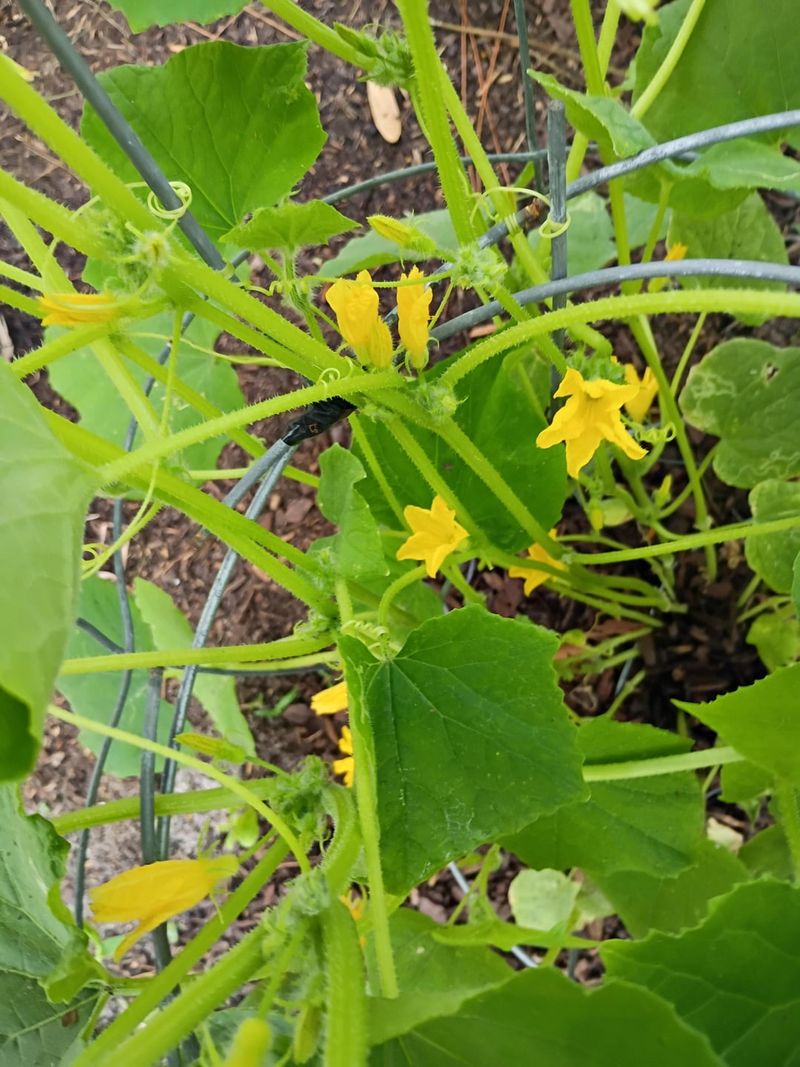
Bees are cold-blooded creatures, which means their energy level is directly tied to the temperature outside. When mornings are cool and cloudy, bees stay in their hives or nests longer.
They wait for warmth before heading out to forage. In Oregon, especially in coastal areas and valleys, cool spring and early summer mornings are extremely common.
Cucumber flowers open in the morning and stay receptive for only a short window of time. Female flowers are usually ready to receive pollen for just one day.
If bees are not active during that window because temperatures are too low, pollination does not happen. The flower then closes and falls off without ever becoming a cucumber.
Temperatures below 55 degrees Fahrenheit in the morning can noticeably slow bee activity.
Even on days that warm up nicely in the afternoon, the damage may already be done if the flower’s window has passed.
This timing mismatch is a big reason gardeners in cooler parts of Oregon see lots of blooms with very little fruit early in the season.
One helpful strategy is to wait until the weather consistently stays above 60 degrees before expecting strong fruit set. You can also try using row covers at night to keep soil and air temperatures warmer around your plants.
Warmer microclimates near walls or fences can also help. Planting cucumbers in the warmest spot in your yard gives bees and flowers the best chance to connect.
4. Heat Stress Can Make Blooms Drop
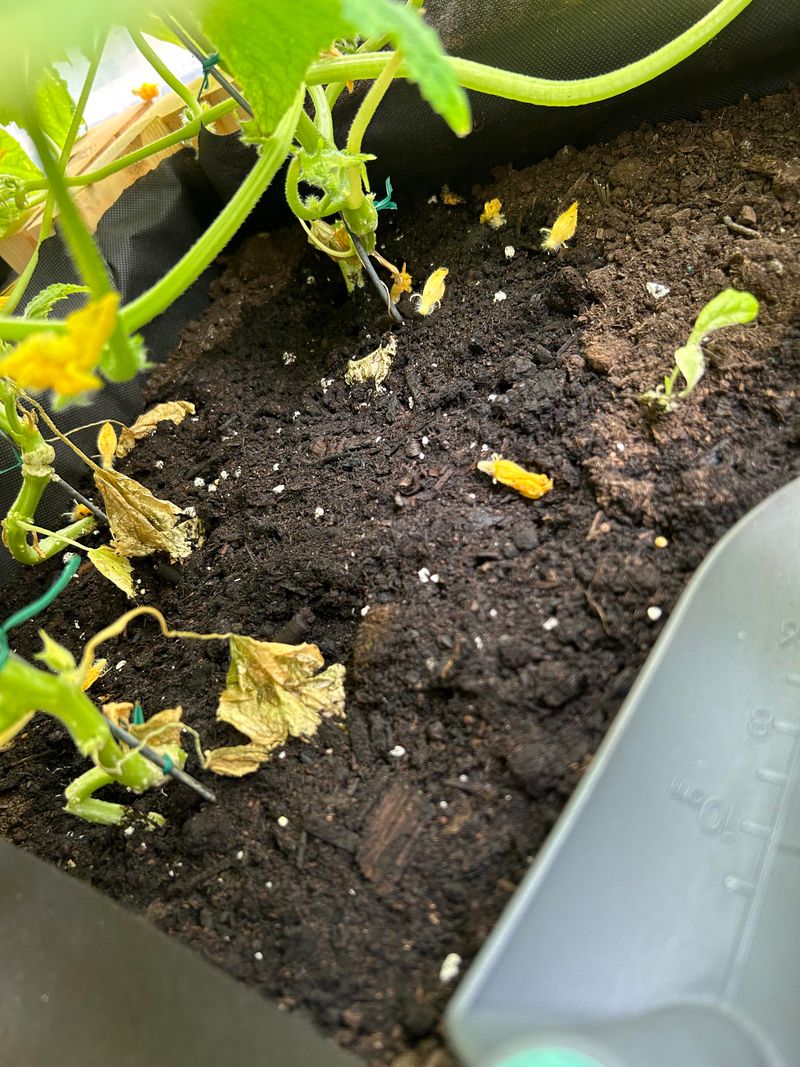
While cucumbers love warmth, too much heat works against them just as much as cold does.
When temperatures climb above 90 degrees Fahrenheit for several days in a row, cucumber plants go into a kind of survival mode.
They drop their flowers to conserve energy. This is called blossom drop, and it happens fast.
During a heat wave, even healthy plants with plenty of water can lose their flowers before pollination has a chance to occur. The pollen itself also becomes less viable in extreme heat.
Dry, hot conditions reduce the stickiness of pollen, making it harder for bees to pick it up and transfer it to female flowers effectively.
In our state, summer heat waves can hit inland valleys hard. Gardeners in the Willamette Valley and southern parts of Oregon often deal with stretches of high heat that stress their cucumber plants right during peak flowering time.
This can make an otherwise healthy plant suddenly look like it is not producing at all.
Shade cloth can be a real lifesaver during these stretches. A 30 to 40 percent shade cloth draped over your plants during the hottest part of the day can lower leaf temperature significantly.
Deep watering in the morning also helps roots stay cool. Mulching around the base of the plant keeps the soil from getting too hot.
Once temperatures drop back to a normal range, your plant will usually begin setting fruit again on its own.
5. Too Much Nitrogen Pushes Leaves Over Fruit
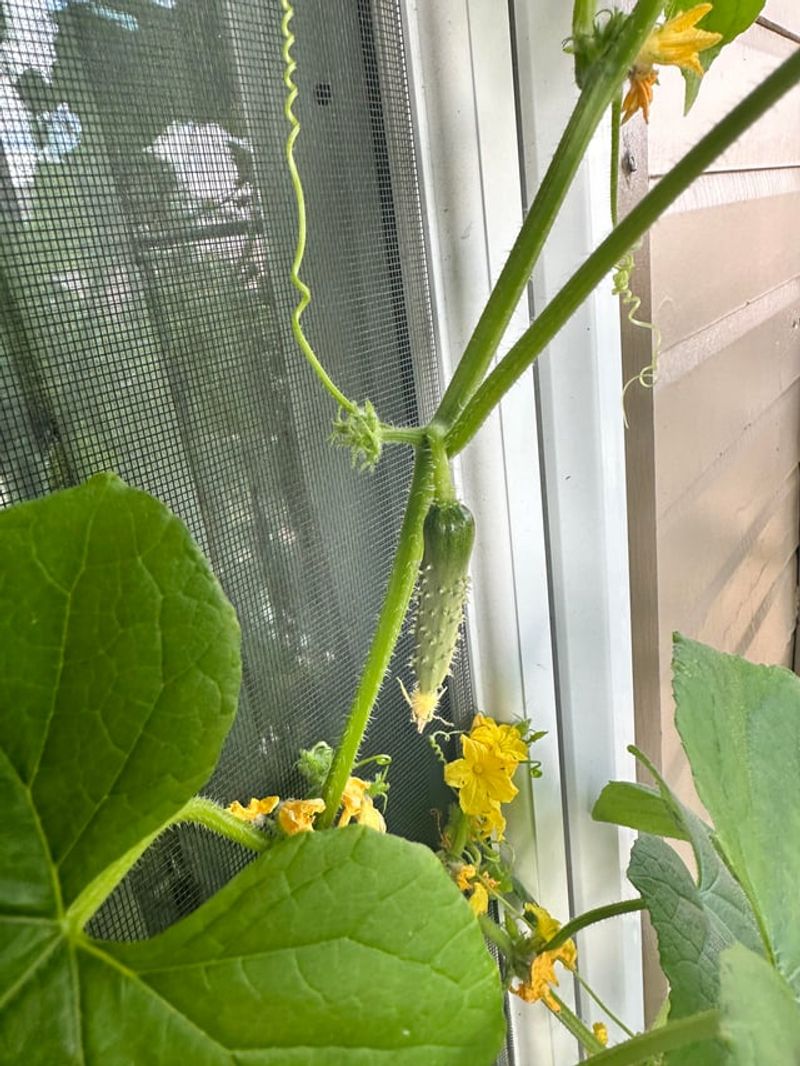
Fertilizer is supposed to help your plants, but the wrong kind at the wrong time can actually work against you. Nitrogen is the nutrient that drives leafy, green growth.
When cucumber plants get too much of it, they put all their energy into growing big, dark leaves and long vines instead of producing flowers and fruit.
You might notice your plant looks incredibly healthy on the outside. The leaves are large and deep green, the vines are growing fast, and everything looks lush.
But there are very few flowers, or the ones that do appear drop quickly without setting fruit. That is a classic sign of nitrogen overload.
This often happens when gardeners use a high-nitrogen fertilizer meant for lawns or leafy greens on their cucumber plants.
It can also happen when fresh compost or manure that has not fully broken down is added to the soil right before planting.
Both situations flood the plant with more nitrogen than it needs. Once cucumbers are actively flowering, switch to a fertilizer with lower nitrogen and higher phosphorus and potassium.
Look for something labeled as a bloom booster or vegetable fertilizer with numbers like 5-10-10 on the package.
Phosphorus supports root health and flower development, while potassium helps fruit set.
Stop adding extra compost or fertilizer mid-season unless you have tested your soil and confirmed a specific deficiency. Less is often more when it comes to feeding cucumbers.
6. Shallow Watering Stresses Flowering Plants
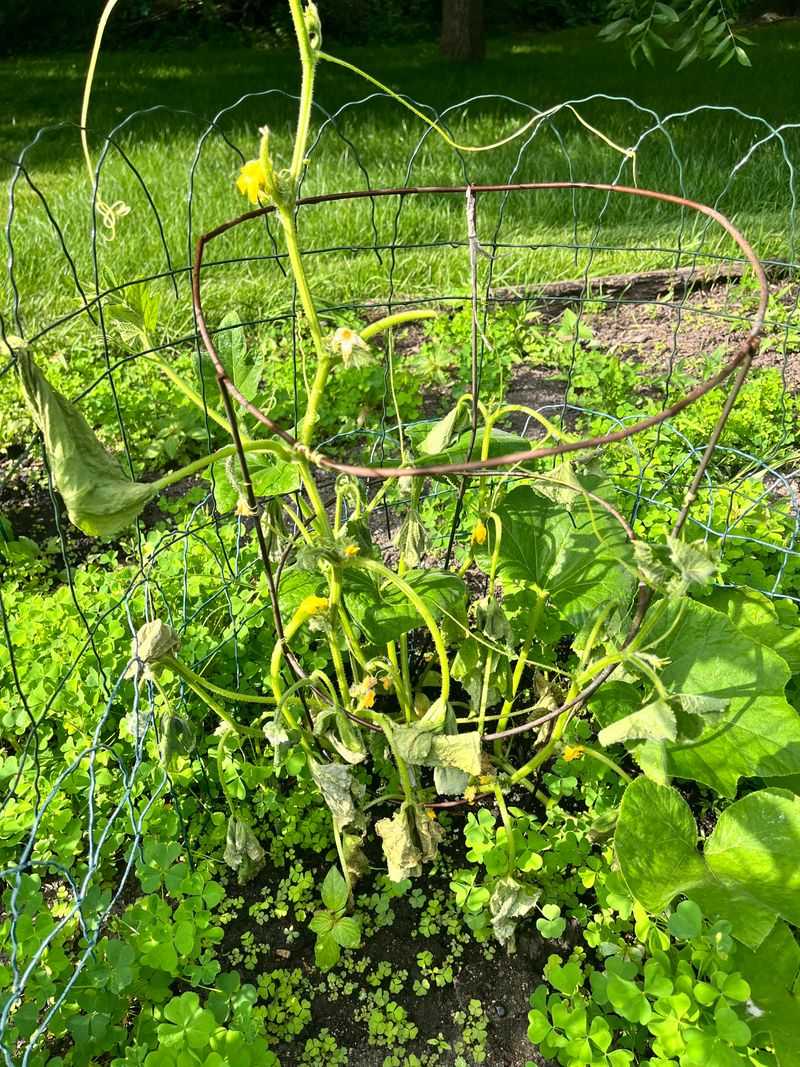
Water is easy to overlook when your garden looks green on the surface. But cucumbers are heavy drinkers with deep roots, and a quick splash with the hose does not give them what they actually need.
Shallow watering only wets the top inch or two of soil, which forces roots to stay close to the surface instead of growing deep.
When roots stay shallow, the plant becomes much more sensitive to temperature swings and dry spells.
A hot afternoon can dry out that top layer of soil quickly, and the plant immediately feels the stress.
Stressed plants often drop their flowers or fail to produce pollen that is healthy enough for successful pollination.
Cucumbers need about one to two inches of water per week, and that water needs to soak down at least six to eight inches into the soil. The best way to check is to push your finger or a small stick into the soil after watering.
If it is dry just two inches down, your watering routine needs adjustment.
Drip irrigation or soaker hoses are the most effective tools for deep watering. They deliver water slowly right at the root zone, allowing it to soak in rather than run off.
Watering in the morning also gives the plant time to absorb moisture before the heat of the day.
Adding a two to three inch layer of mulch around your plants holds moisture in the soil longer and reduces how often you need to water.
7. Crowded Vines Make Pollination Harder
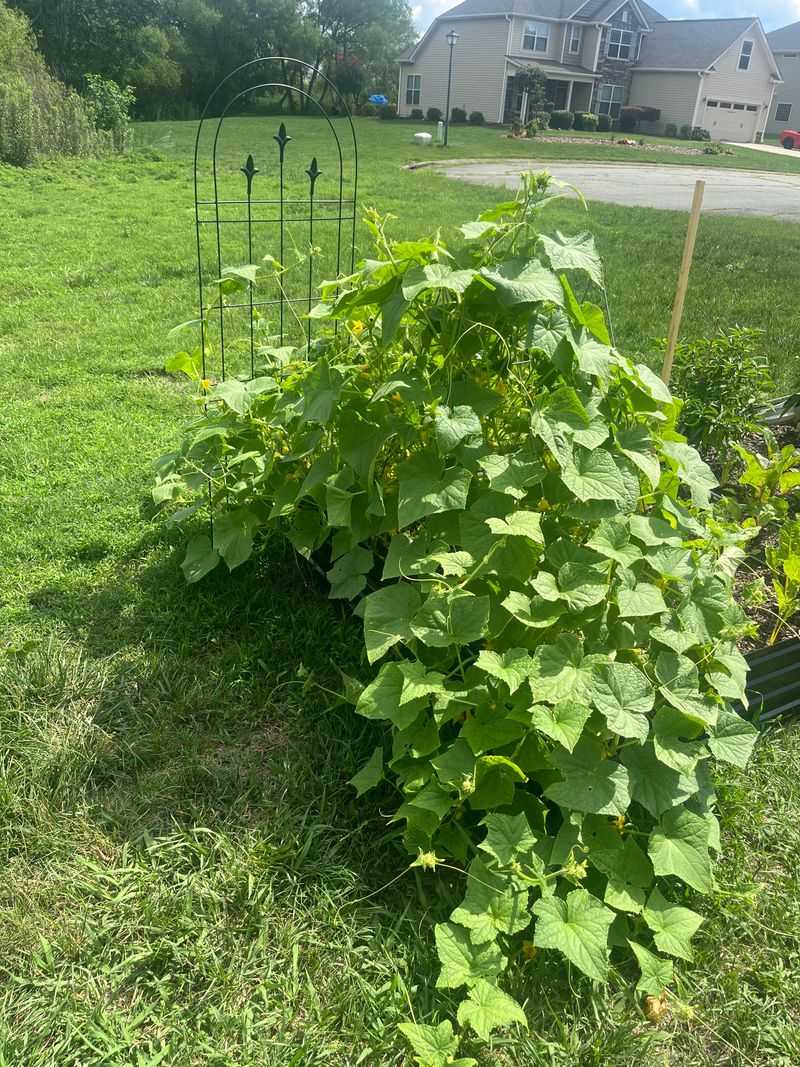
Cucumber vines grow fast and spread wide. When plants are spaced too close together, the vines tangle up quickly and the garden turns into a dense green mass.
That might look productive, but it actually creates a serious problem for pollination and fruit development.
Bees need to be able to move freely from flower to flower. When vines are knotted together and leaves are overlapping, bees have a harder time finding and landing on individual flowers.
Male and female flowers also end up buried under other vines, making it harder for any pollination to happen even when bees are present.
Poor air circulation in crowded plantings also raises humidity levels around the leaves and flowers.
That extra moisture creates the perfect conditions for fungal problems like powdery mildew and downy mildew.
These diseases weaken the plant and reduce flower production over time. A sick plant will not set fruit reliably no matter how many bees are visiting.
Cucumber plants need at least 12 to 18 inches between them in rows, with rows spaced about three feet apart.
Training vines up a trellis is one of the best ways to keep them organized and give each flower the open space it needs.
A trellis also improves airflow and makes it easier for you to spot female flowers and check for pests.
Giving your plants room to breathe makes a real difference in how much fruit they produce by the end of the season.
8. Hand Pollination Can Save A Slow Start
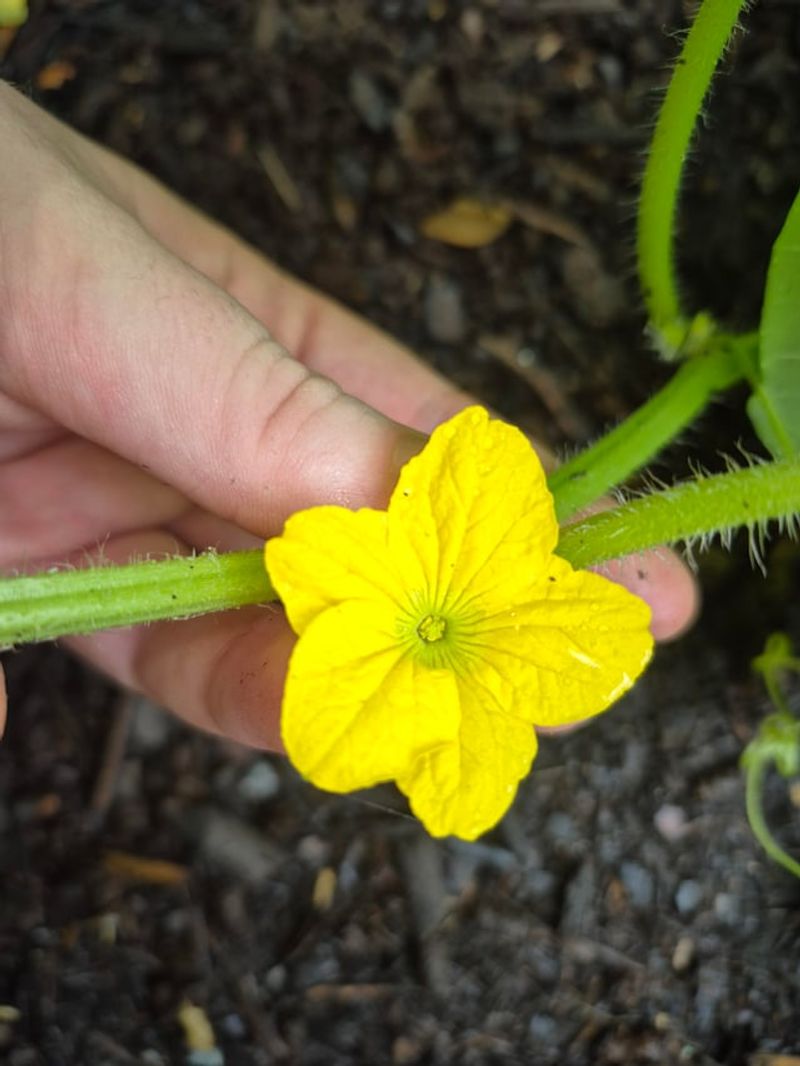
When bees are not showing up and your flowers keep dropping, you do not have to just wait and hope. Hand pollination is a simple technique that lets you play the role of the bee yourself.
It sounds complicated, but it takes less than five minutes once you get the hang of it.
All you need is a small, clean paintbrush or even a cotton swab. Locate a male flower, which has a thin straight stem and no bump behind the petals.
Gently brush the inside of the male flower to pick up the yellow pollen on your brush. Then find a female flower with the small bump behind it and brush the inside of that flower with the same tool.
You can also skip the brush entirely. Some gardeners simply pick a male flower, peel back the petals, and lightly dab the exposed center against the center of a female flower.
It feels a little unusual at first, but it works remarkably well. Oregon gardeners who deal with cool, rainy springs rely on hand pollination every year as a backup.
Do this in the morning when flowers are freshly open and pollen is at its most active. Try to pollinate every female flower you find within the first few hours of it opening.
You will likely start seeing tiny cucumbers forming within a few days if the pollination was successful.
Hand pollination is especially useful early in the season before bee populations are fully active in your area.
9. Morning Is The Best Time To Pollinate
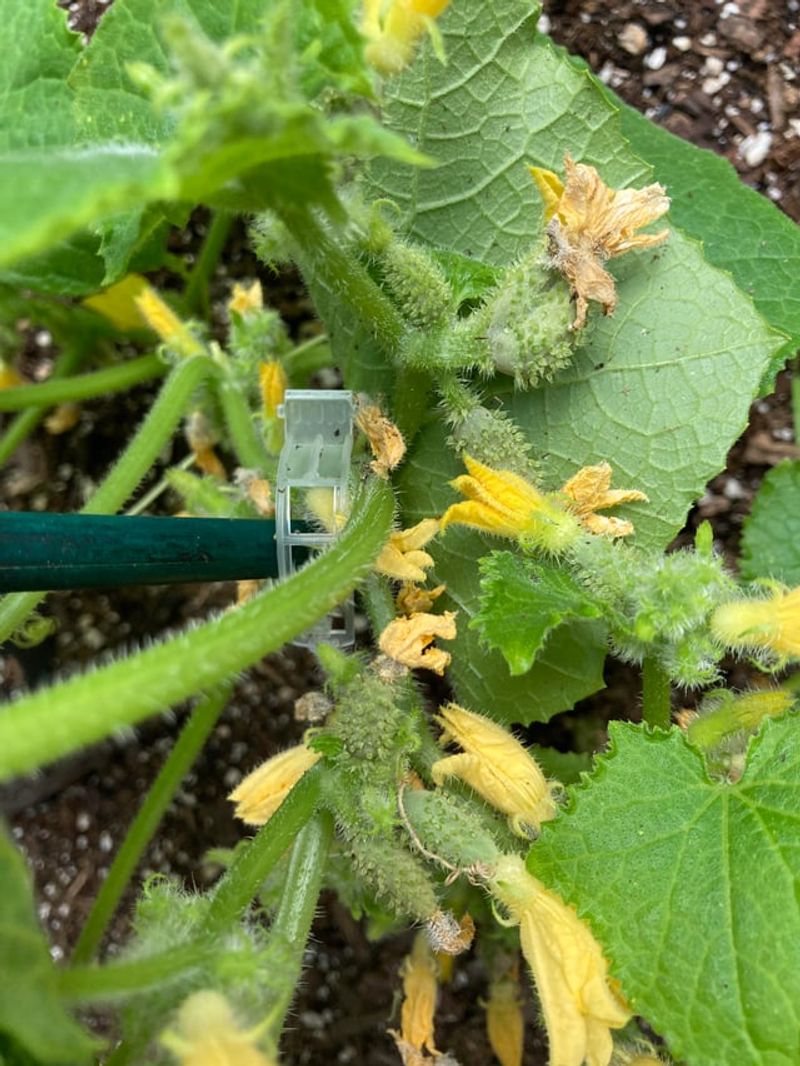
Timing matters more than most gardeners realize when it comes to cucumber pollination. Flowers open in the morning and are at their peak for just a few hours.
Both the pollen in male flowers and the receptivity of female flowers are strongest in the early part of the day, usually between 6 and 10 in the morning.
By midday, especially on warm days, flowers begin to close or wilt. Pollen dries out and becomes less effective.
Bees are also more active in the morning when temperatures are comfortable and nectar is freshest. If you are counting on natural pollination, the morning hours are when it is most likely to happen successfully.
For gardeners who are hand pollinating, this window is critical. Waiting until the afternoon to go out and transfer pollen usually means the flowers have already passed their most receptive stage.
You may still get some results, but morning pollination is noticeably more reliable and leads to better fruit set.
Make it a habit to walk through your garden with your coffee in the morning. Check for newly opened female flowers while the light is still soft and the air is cool.
Look for bees already working the blooms. If you see male flowers but no bee activity, grab your brush and get to work.
A few minutes of attention in the morning can make the difference between a garden full of cucumbers and one full of flowers that never amount to anything. Early effort pays off in a big way come harvest time.