What To Do If You Find Grubs In Your Nebraska Lawn Before They Take Over Your Grass
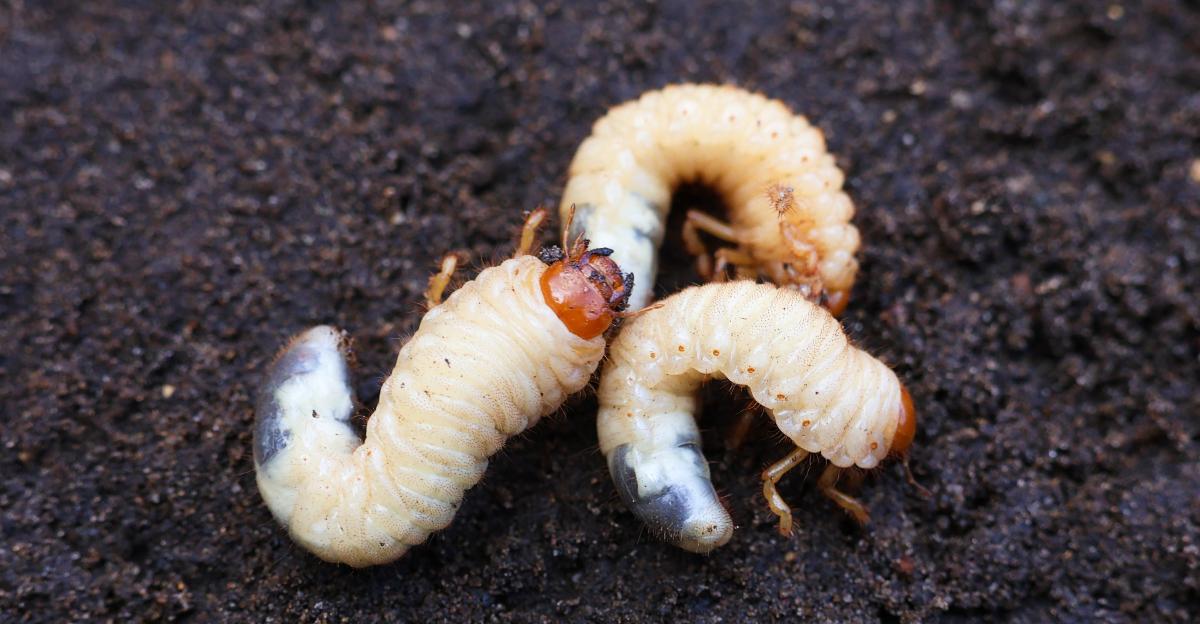
Pull back that patch of yellowing grass and the soil underneath tells its own story. Fat, white grubs curl in the dirt, feeding on roots your lawn depends on to survive.
That first glance under the surface changes everything. Once you spot them, you’re no longer guessing why the grass feels spongy or lifts away in loose patches.
Nebraska lawns face a narrow window here. Catch the grubs early and your yard has a real path back to health, but wait too long and the damage spreads faster than most homeowners expect.
Get the timing right, and your lawn bounces back before spring even asks.
Confirm It’s Actually Grubs Before Doing Anything Else
Before spending money on treatments, make absolutely sure grubs are your problem. Misdiagnosing lawn damage costs time, cash, and a lot of frustration.
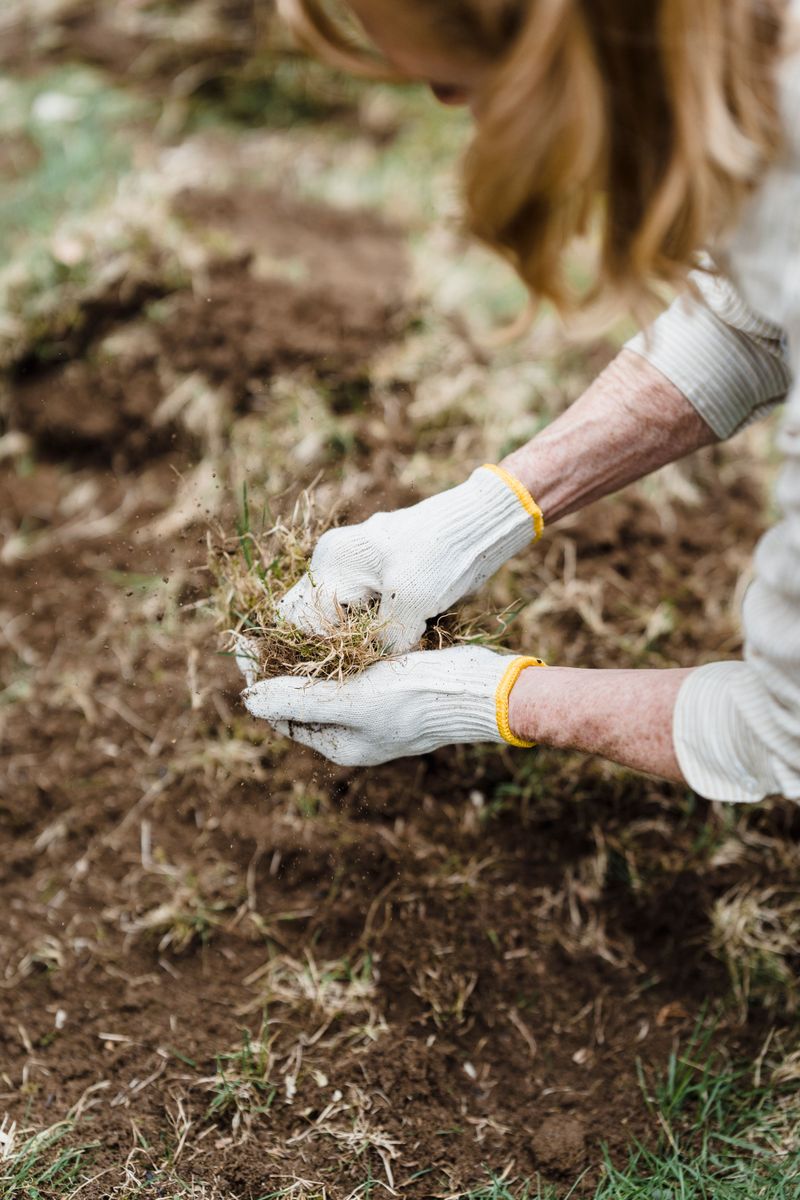
Grab a flat-head shovel and cut a one-square-foot section of sod. Peel it back like a carpet and inspect the soil underneath.
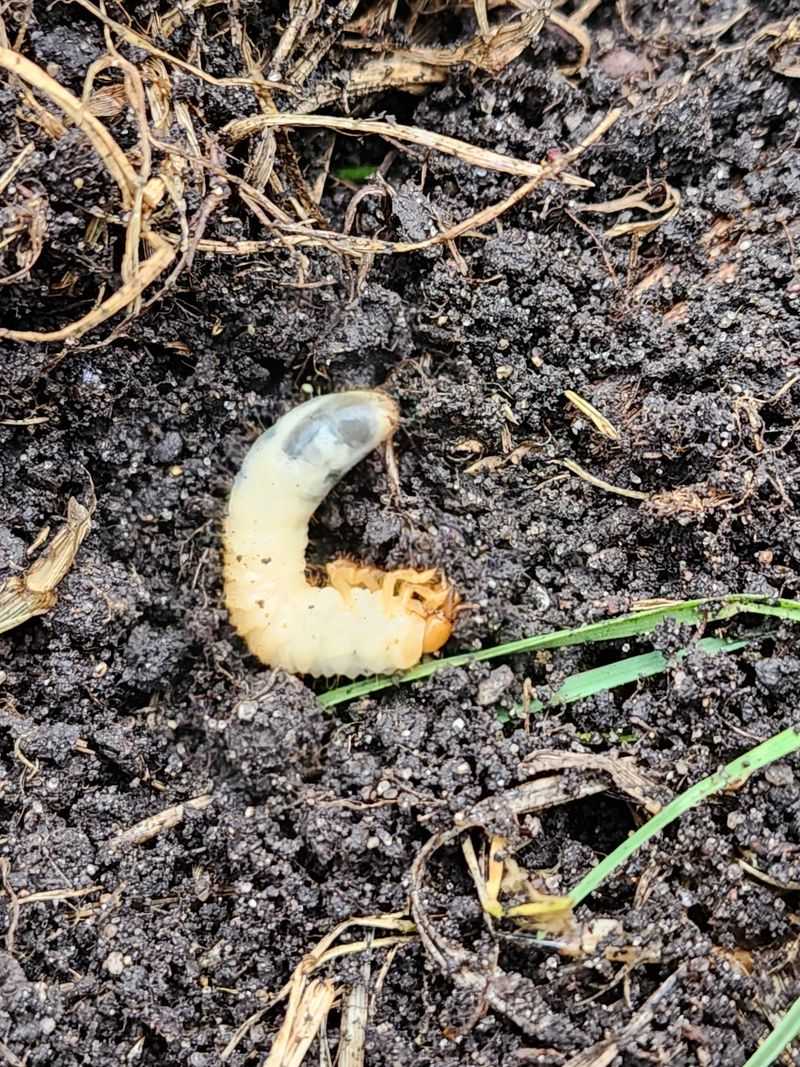
White, C-shaped larvae about half an inch to an inch long are a clear sign. Count every grub you spot in that section carefully.
Check multiple spots across your yard, especially near brown patches. One test square rarely tells the whole story about your lawn’s condition.
Grubs in your Nebraska lawn can be confused with other pests or fungal issues. Spongy turf that peels up easily is another strong indicator of grub activity.
You might also notice increased bird, skunk, or raccoon activity in your yard. These animals dig for grubs and often signal an infestation before you even see the bugs.
Fungal damage and drought stress can look nearly identical to grub damage at first glance. Pulling back turf and physically seeing the larvae is the only way to be certain.
Do not skip this confirmation step. Treating for grubs when drought is the real culprit wastes product and leaves the actual issue completely unresolved.
Once you confirm live grubs are present, you can move forward with a targeted and effective treatment plan. Certainty now saves serious headaches later.
Eight To Ten Grubs Per Square Foot Is The Threshold For Action
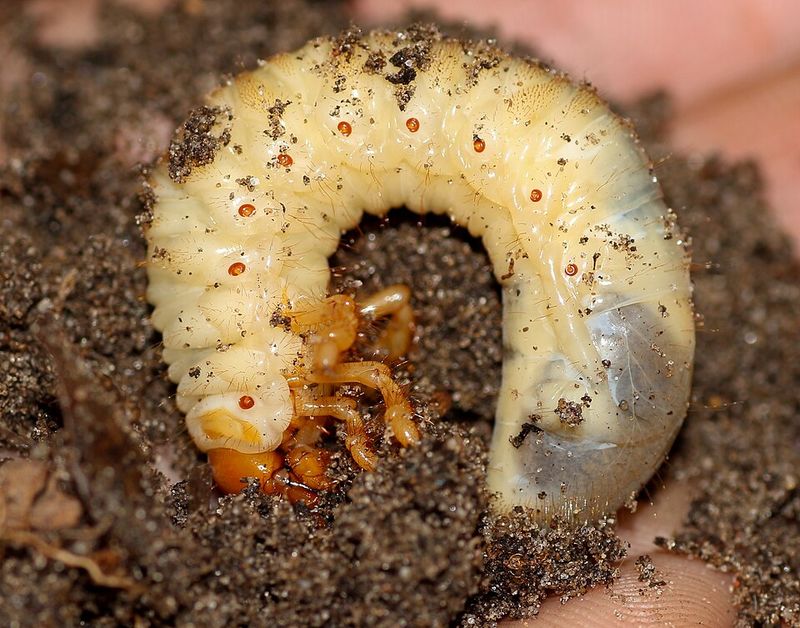
Not every grub sighting requires a full-blown treatment response. A small number of grubs is completely normal and manageable for healthy turf.
The magic number most turf specialists agree on is eight to ten grubs per square foot. Below that count, a vigorous lawn can usually handle the pressure without intervention.
Lawns that are well-watered and properly fertilized tolerate low grub populations surprisingly well. Strong root systems simply outpace the feeding damage grubs cause underground.
Above that threshold, though, root loss becomes severe and fast. Grass cannot regenerate roots quickly enough to keep up with that level of destruction.
Dig at least three to five separate one-square-foot test holes across your yard. Average the grub counts from each hole to get a reliable picture of your infestation level.
Pay special attention to areas where the grass already looks stressed or thin. Those zones almost always show the highest grub concentrations when you dig.
Your Nebraska Garden Changes Every Week. Your Plan Should Too.
Gardening in Nebraska changes quickly throughout the season. Every Friday you’ll receive a simple weekly plan showing exactly what to plant, prune, fertilize, harvest, and protect so you never miss the right timing.
Grubs in your Nebraska lawn often cluster in patches rather than spreading evenly. That clustering means some areas may need treatment while others remain completely fine.
Knowing your actual count prevents overreaction and unnecessary chemical use. Spot-treating heavily infested zones is smarter and more cost-effective than blanket applications across the whole yard.
Write down your counts from each test hole before you forget. That data helps you choose the right product and apply it only where it truly matters.
Brown Patches Often Look Like Drought Damage
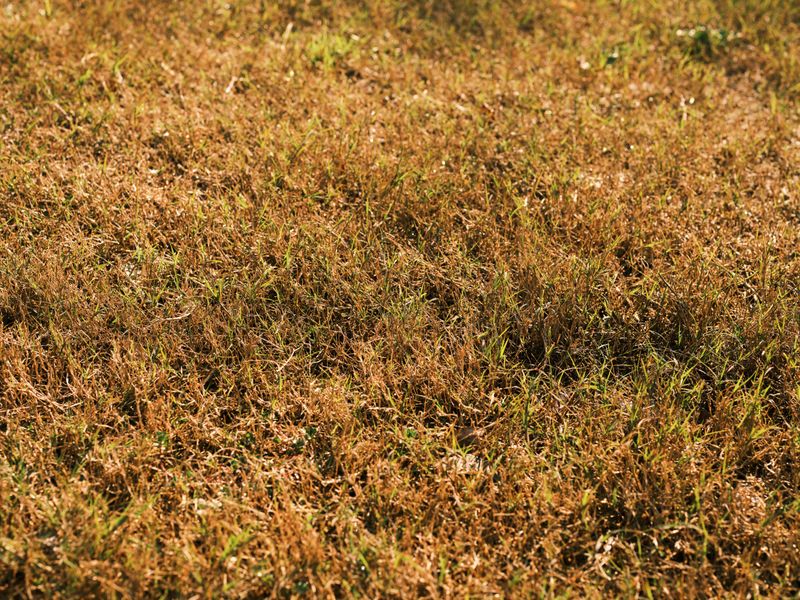
Here is the tricky part about grub damage: it is sneaky. The lawn looks parched and dry, even when you have been watering consistently all season.
Grubs sever grass roots underground, cutting off the plant’s ability to absorb water. The grass above starves for moisture and turns brown, mimicking classic drought stress perfectly.
One reliable way to tell the difference is the tug test. Grab a handful of brown grass and pull firmly upward.
Drought-stressed grass resists and holds its ground because roots are still intact. Grub-damaged grass peels back like a loose rug with almost no resistance at all.
Another clue is the timing of the browning. Grub damage typically intensifies in late summer, hitting hardest in late July and early August in Nebraska.
Drought stress can appear anytime during hot, dry spells regardless of the season. If brown patches show up specifically in late summer after a reasonably wet year, grubs become the likely suspect.
Irregular brown patch shapes are also a telltale sign of grub feeding. Drought damage tends to be more uniform and spread evenly across sun-exposed areas of the lawn.
Grubs in your Nebraska lawn cause patches that expand outward from a central point. That spreading pattern reflects how grub populations move and feed through the root zone over time.
Catching this visual pattern early gives you a serious head start on treatment. Waiting until the patches triple in size makes recovery far slower and more expensive.
Masked Chafers And Japanese Beetles Are The Main Culprits
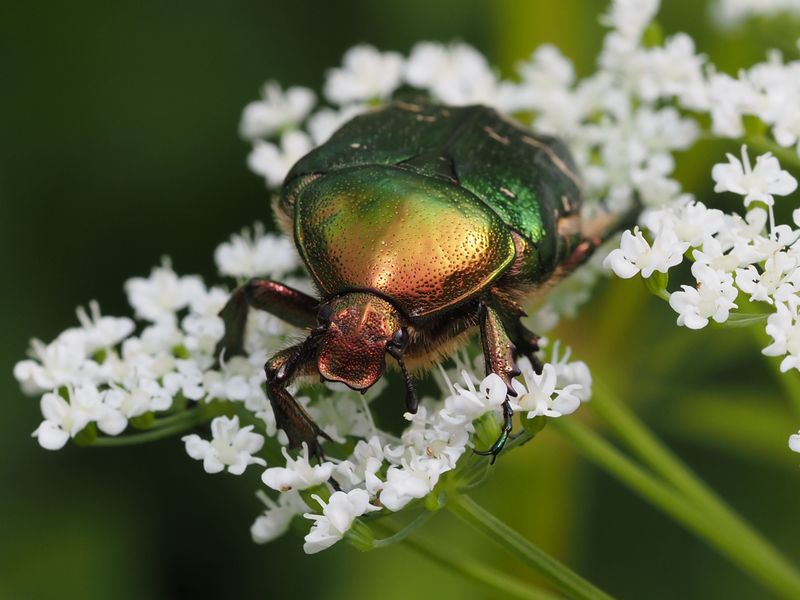
Two beetles are responsible for the vast majority of grub problems in Nebraska lawns. Knowing which one you are dealing with sharpens your treatment timing and product choice.
Masked chafers are the most common offenders across the state. Adult chafers fly at night in late June and early July, laying eggs in moist, healthy turf.
Japanese beetles are the flashier of the two, with metallic green bodies and copper-colored wings. They feed on ornamental plants and trees above ground while their larvae destroy roots below.
Both species produce grubs that look nearly identical when young. Identifying the adult beetle is usually easier than trying to distinguish larvae species underground.
Japanese beetle adults are active during daytime hours, especially in July. Spotting them on your roses or fruit trees is a strong signal that eggs are being laid in nearby turf.
Masked chafer adults are harder to spot because they are nocturnal. You might notice them flying around outdoor lights on warm summer evenings in late June.
Both species complete one generation per year in Nebraska. Eggs hatch in early-to-mid July and young grubs begin feeding aggressively through August and September.
Understanding the beetle lifecycle helps you time preventive and curative treatments correctly. Missing the right window by even two weeks can make a treatment far less effective.
Grubs in your Nebraska lawn from either species respond to the same core treatments. Accurate identification simply helps you act at exactly the right moment for best results.
Curative Treatments Work Once Grubs Are Already Present
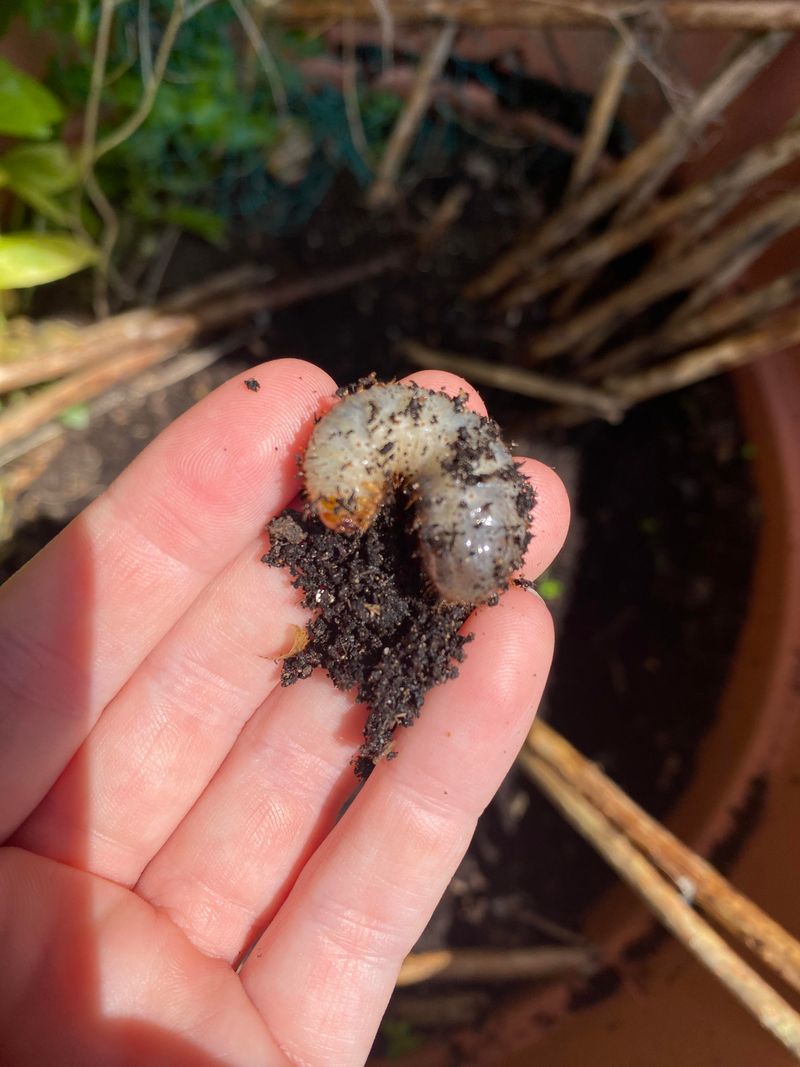
You found grubs. They are already feeding. Now the clock is ticking, and you need a product that works fast on active larvae.
Curative treatments contain active ingredients like trichlorfon or carbaryl. These are fast-acting options designed to address grubs that are already present in the soil.
Trichlorfon, sold under brand names like Dylox, works within one to two weeks of application. It is most effective when grubs are still small and feeding near the soil surface.
Carbaryl is another curative option with a similarly short action window. Apply either product in late July through mid-August for the best possible results in Nebraska.
Timing matters enormously with curative treatments. Young grubs in August are small, active, and close to the surface, making them far more vulnerable to chemical contact.
By September, grubs grow larger and begin moving deeper into the soil. Larger, deeper grubs are significantly harder to reach with surface-applied treatments.
Always water the lawn thoroughly after applying any curative grub product. Water carries the active ingredient down through the thatch layer and into the root zone where grubs feed.
Apply at least half an inch of irrigation within 24 hours of treatment. Without watering, the product sits on top and never reaches the grubs below.
Grubs in your Nebraska lawn can be controlled effectively with the right curative product at the right time. Acting in August gives you the strongest chance of stopping the damage before fall sets in.
Preventive Treatments Stop Next Year’s Damage Before It Starts
Stopping grubs before they hatch is the smartest long-game strategy for any Nebraska homeowner. Preventive treatments create a chemical barrier in the soil that stops newly hatched larvae on contact.
Products containing imidacloprid or chlorantraniliprole are the top preventive options available. Both are widely sold at garden centers and home improvement stores across the state.
Chlorantraniliprole, found in products like GrubEx, has the longest application window of any preventive option. You can apply it from April through mid-July and still get strong season-long protection.
Imidacloprid needs to be applied by late June for reliable results. It requires rainfall or irrigation to move down into the soil before eggs hatch in mid-July.
Preventive treatments do not eliminate adult beetles or existing large grubs. Their purpose is specifically to stop newly hatched larvae before they reach a damaging population size.
If your lawn had significant grub damage last season, preventive treatment the following spring is strongly recommended. History of infestation is one of the best predictors of future grub pressure.
Healthy turf practices also reduce grub pressure naturally. Raising your mowing height, aerating annually, and avoiding overwatering all make your lawn less attractive to egg-laying beetles.
Beetles prefer to lay eggs in moist, short, dense turf. Letting grass grow slightly taller during peak beetle season in July can actually deter egg-laying activity.
Grubs in your Nebraska lawn do not have to become a yearly battle. Smart preventive timing, paired with solid lawn care habits, keeps your grass thick, green, and grub-free season after season.