The Native Ohio Plant Birds Love That Most Gardeners Overlook
Most Ohio yards have a dull corner, and one overlooked shrub could turn it into the busiest spot on the block.
Every fall, songbirds work a short list of favorite stops. The big names get all the attention, while a quiet native holds up its end without a single fan club.
Garden centers rarely stock it, magazines rarely feature it, and birds don’t care about any of that.
Once it settles in, the show begins. Wings flicker through the branches from dawn till dusk, and the feeder starts to feel like a backup plan.
It grows in tough spots, handles neglect, and looks sharp in more than one season.
Find a nursery that deals in natives this month. Your yard could become the neighborhood’s best-kept bird secret.
1. Meet Gray Dogwood, The Dogwood Few Gardeners Picture
Say the word dogwood and most folks imagine a small tree covered in big pink or white blooms. Gray dogwood plays a very different role, and that is part of its charm.
Known to botanists as Cornus racemosa, it grows as a shrub with many slim stems. Most plants reach about 10 to 15 feet tall, though pruning keeps them shorter.
The bark is a soft gray, which is where the common name comes from. Young twigs often show a reddish brown tint that looks lovely against winter snow.
Because it lacks showy spring petals, gardeners often skip it at the nursery. That is a shame, since its real gifts show up later in the year.
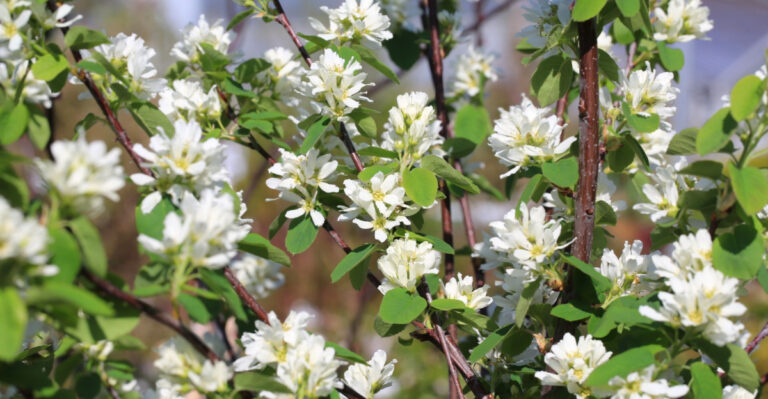
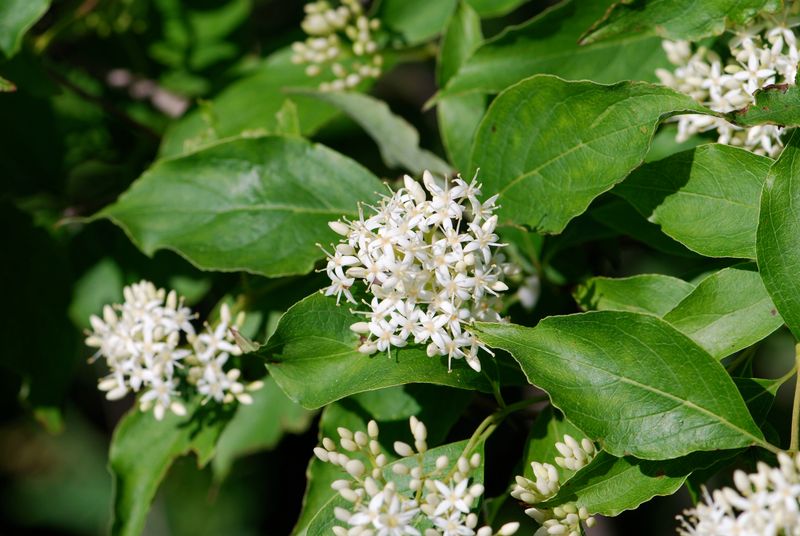
Instead of big blossoms, it offers small clusters of creamy flowers in late spring. Bees, butterflies, and other pollinators visit eagerly, so the shrub starts helping wildlife early.
Think of gray dogwood as the quiet kid in class who turns out to be the most helpful. It does not shout for attention, but it gets a lot done.
If you want a yard that supports birds without fussy care, this shrub deserves a second look. It handles sun or part shade, wet or dry soil, and even heavy clay.
2. It’s Native To Ohio
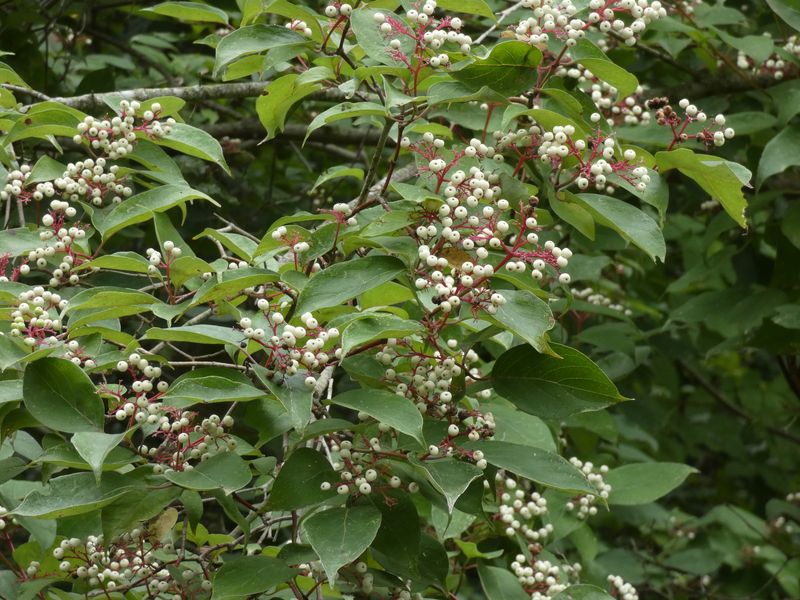
Here is a fun bit of local pride. Gray dogwood was growing in the state long before the first settlers arrived with their apple seeds.
Its natural range stretches across much of the eastern and midwestern United States. In Ohio, you can spot it from the shores of Lake Erie to the southern hills.
Look along forest edges, old fields, prairies, and roadsides on your next drive. Those tangled gray shrubs with white berries are probably this plant.
Why does being native matter so much? Local birds, bees, and caterpillars grew up alongside it over thousands of years, so they know how to use it.
Many imported shrubs look pretty but offer little food for our wildlife. Native plants support far more insects, and insects are what baby birds eat most.
Native shrubs are also tough in our weather. Gray dogwood shrugs off cold winters, hot summers, and soggy spring soil without much help from you.
Your Ohio Garden Changes Every Week. Your Plan Should Too.
Gardening in Ohio changes quickly throughout the season. Every Friday you’ll receive a simple weekly plan showing exactly what to plant, prune, fertilize, harvest, and protect so you never miss the right timing.
That means less watering, less spraying, and fewer trips to buy fertilizer. Once it settles in, the shrub mostly takes care of itself.
Planting gray dogwood is a simple way to bring a slice of wild Ohio home. Your yard becomes part of a bigger web of life that stretches across the state.
3. White Berries Sit On Bright Red Stems
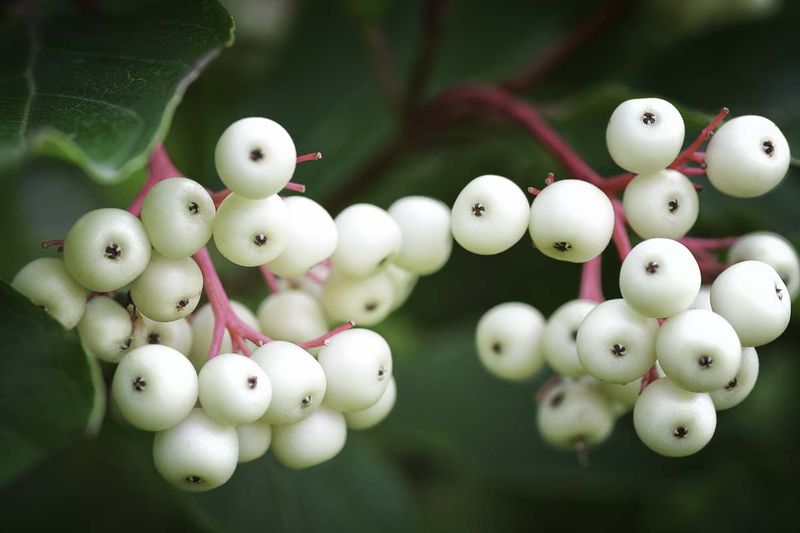
Ever seen a plant that looks like it is holding tiny pearls on candy-red sticks? That is gray dogwood in late summer, and it is quite a sight.
The show starts in late spring, when fluffy clusters of creamy white flowers open. Each cluster forms a small rounded dome, and they dot the whole shrub.
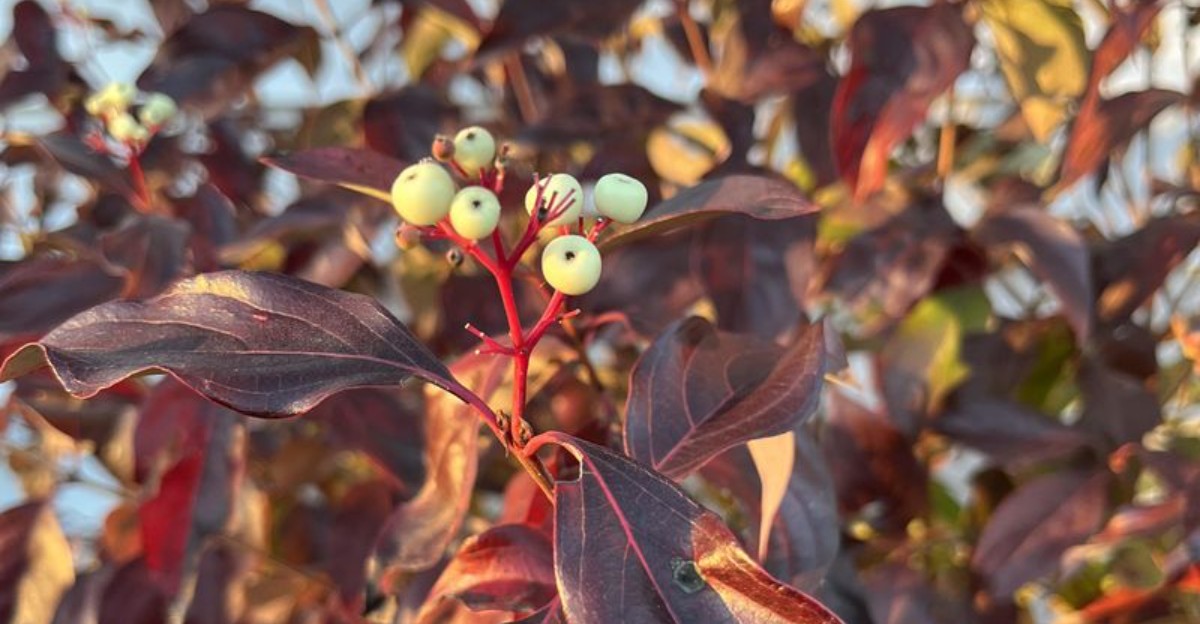
By late summer, those blooms turn into small round berries. They start out greenish, then ripen to white or a soft bluish white.
Here is the eye-catching part. The little stalks holding the berries, called pedicels, turn a bright red or rosy pink.
White against red makes the fruit easy to spot, for you and for passing birds. Some experts think the bold contrast works like a sign that says food is here.
Even better, the red stalks hang on long after the berries are eaten. They add a pop of color to the yard well into the colder months.
For the best berry crop, plant your shrub in full sun or light shade. More sunlight usually means more flowers, and more flowers mean more fruit.
You do not need anything fancy to enjoy this display. Just give the shrub space, wait a season or two, and watch the color show begin.
4. Fall Migrants Fuel Up On The Fruit
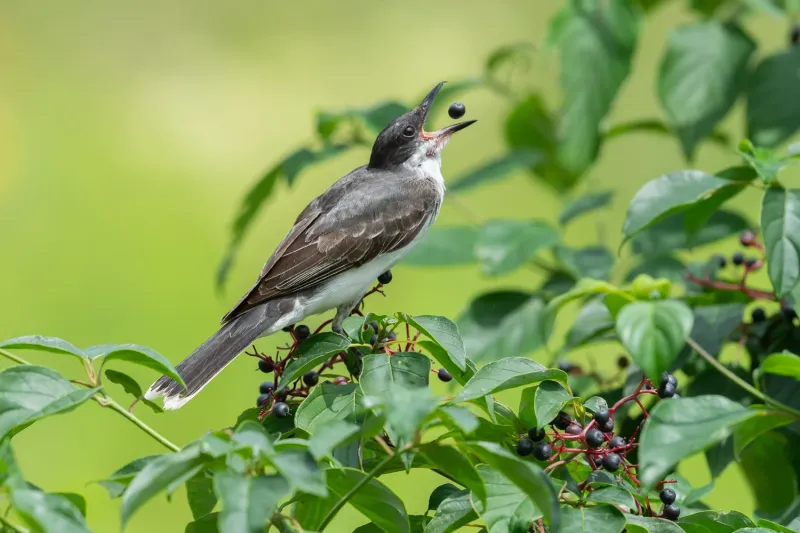
Imagine flying hundreds of miles south with only a snack in your belly. Migrating birds do this every fall, and gray dogwood berries help make it possible.
The fruit is rich in fat, which works like high-octane fuel for small birds. Fat packs more energy than sugar, so birds fly farther on fewer meals.
Researchers have recorded more than 100 bird species eating these berries. The list includes robins, bluebirds, catbirds, thrushes, cardinals, and cedar waxwings.
Woodpeckers and northern flickers stop by too. Even scarlet tanagers may grab a few before heading to South America.
Because the berries are so tasty, they often vanish quickly once ripe. Some shrubs get stripped in just days during peak migration in September and October.
Want to watch the action? Plant your gray dogwood where you can see it from a kitchen window or porch chair.
Keep binoculars and a bird guide nearby, since you may spot visitors you have not seen before. Kids especially love keeping a list of who shows up.
Skip pesticides around the shrub so the birds stay healthy. A safe, steady food stop can make a real difference for tired travelers on a long trip.
5. Wintering Birds Eat What’s Left
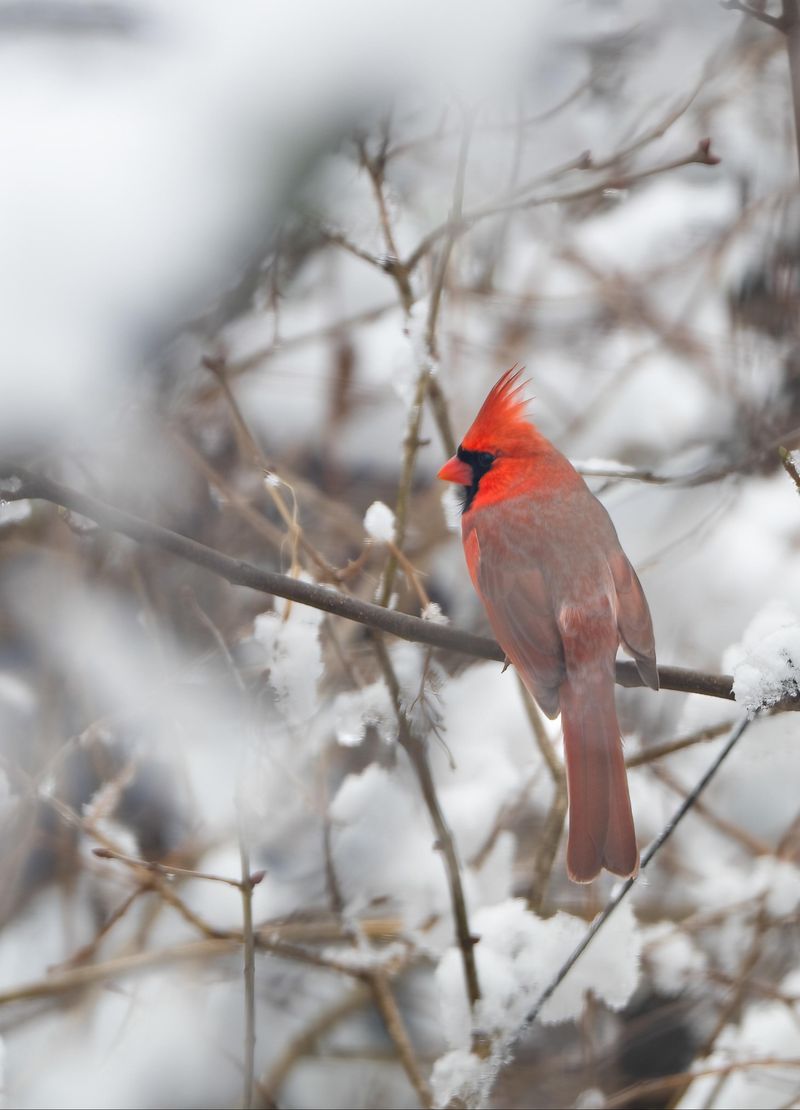
Not every bird packs up and leaves when the weather turns cold. Cardinals, chickadees, juncos, and many woodpeckers stay in the state all winter long.
For them, any berries left on gray dogwood are a welcome find. Food gets scarce once snow covers the ground, so every bite helps.
Migrants usually eat most of the fruit in fall, but some berries may linger. A larger patch of shrubs gives better odds that a few remain for winter visitors.
Planting three or more shrubs together is a smart move. A small group produces more fruit than a single plant, which stretches the food supply.
Even after the last berry is gone, the shrub keeps working. Its branches offer perches, and the red fruit stalks brighten a gray winter day.
Here is a tip many gardeners miss. Hold off on pruning until late winter or early spring, so birds can use the branches all season.
You can also pair gray dogwood with other native fruit plants. Winterberry holly, American cranberrybush, and sumac hold fruit later and fill the gaps.
Together, these plants turn your yard into a year-round pantry. On a snowy morning, watching a cardinal hop through the branches feels like a gift.
6. Its Thickets Give Birds Cover And Nesting Spots
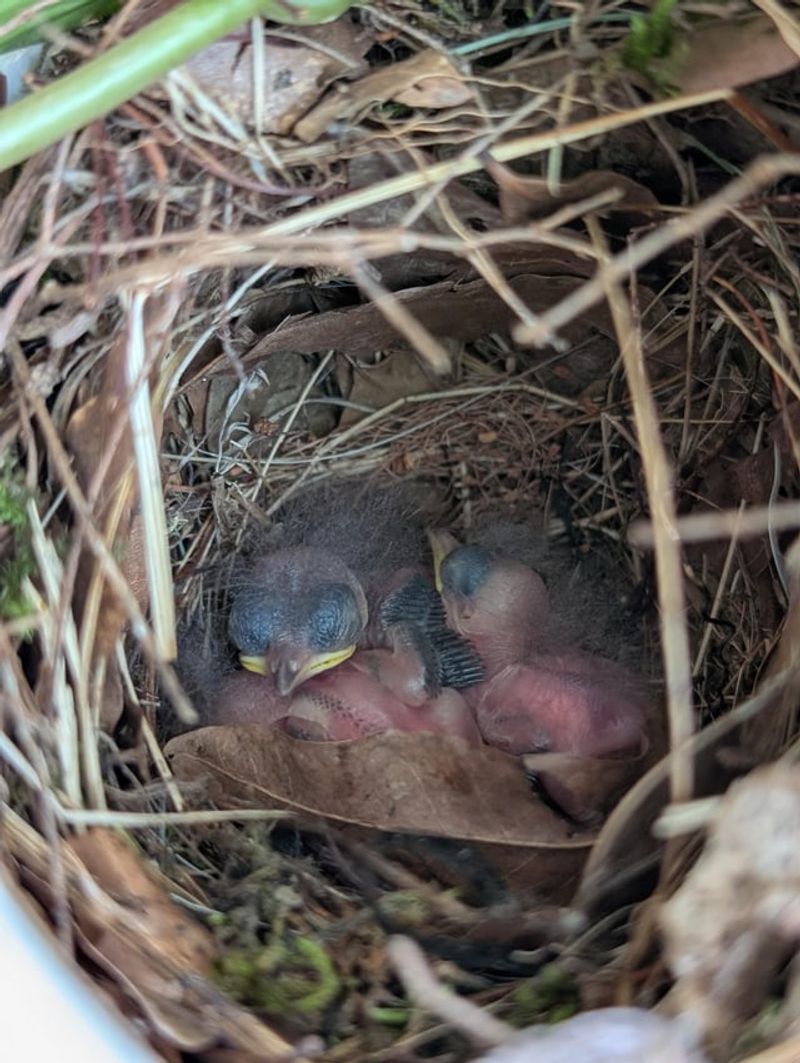
Picture a cozy fort made of twigs, leaves, and tangled branches. That is what a gray dogwood thicket looks like to a small bird.
The shrub grows many stems close together, creating dense cover. Hawks and outdoor cats have a harder time reaching birds hidden inside.
When danger appears, sparrows and wrens dart into the thicket in a flash. Tucked inside, they can wait until the coast is clear.
Nesting birds love these spots too. Gray catbirds, cardinals, indigo buntings, and yellow warblers may build nests in the forked branches.
The leafy cover hides eggs and chicks from curious eyes. It also blocks wind and rain, giving young birds a safer start in life.
Rabbits, chipmunks, and other small animals also use the shelter. A thicket becomes a busy little neighborhood when you give it room to grow.
If you have space, let a corner of your yard grow a bit wild. A natural clump of dogwood along a fence line works beautifully.
Try not to thin the inside branches too much, since the tangle is what makes it useful. Messy can be good when you are building a home for wildlife.
Your reward is a yard full of chirps, rustles, and fluttering wings. Few tidy hedges can match that kind of life.
7. Leaves Turn Reddish Purple In Fall
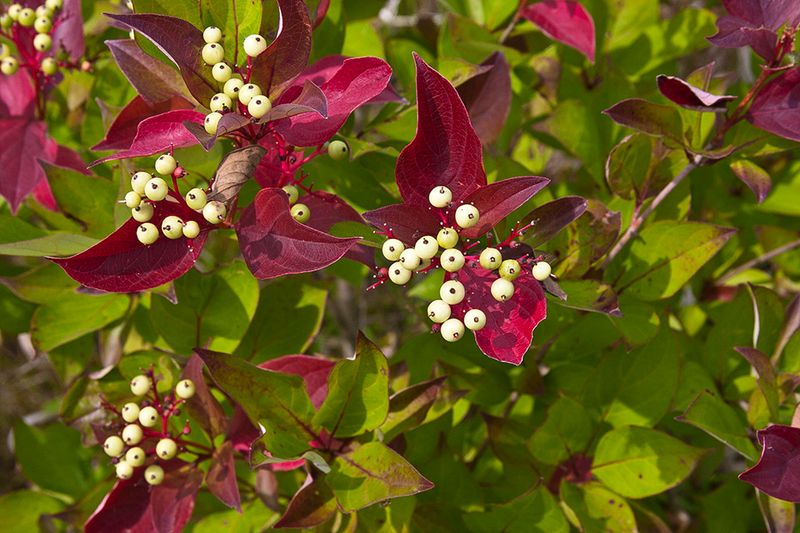
Autumn in Ohio is famous for its maples, but gray dogwood quietly puts on a show of its own. Its leaves shift from grayish green to rich reddish purple.
Some shrubs turn deep burgundy, while others glow a dusky plum. The exact shade depends on sunlight, soil, and the weather that year.
Sunny spots usually bring out the brightest colors. A shrub in deep shade may turn more muted, though it still adds a warm touch.
The fall leaves pair beautifully with the white berries and red stalks. It is like the plant planned its own color scheme for the season.
During summer, the foliage stays neat and fresh. The leaves are oval and pointed, with curved veins that are typical of dogwoods.
Here is a quirky trick to identify any dogwood leaf. Gently tear it in half, and thin stretchy threads will hold the two pieces together.
Kids love trying this on a nature walk. It is a fun, hands-on way to learn plant ID without a guidebook.
For a striking fall display, plant gray dogwood near goldenrod or yellow-leaved spicebush. The purple and gold make each other pop.
Snap a photo each autumn to track how the colors change. You might be surprised how different each year looks.
8. It Spreads By Underground Stems Into Thickets
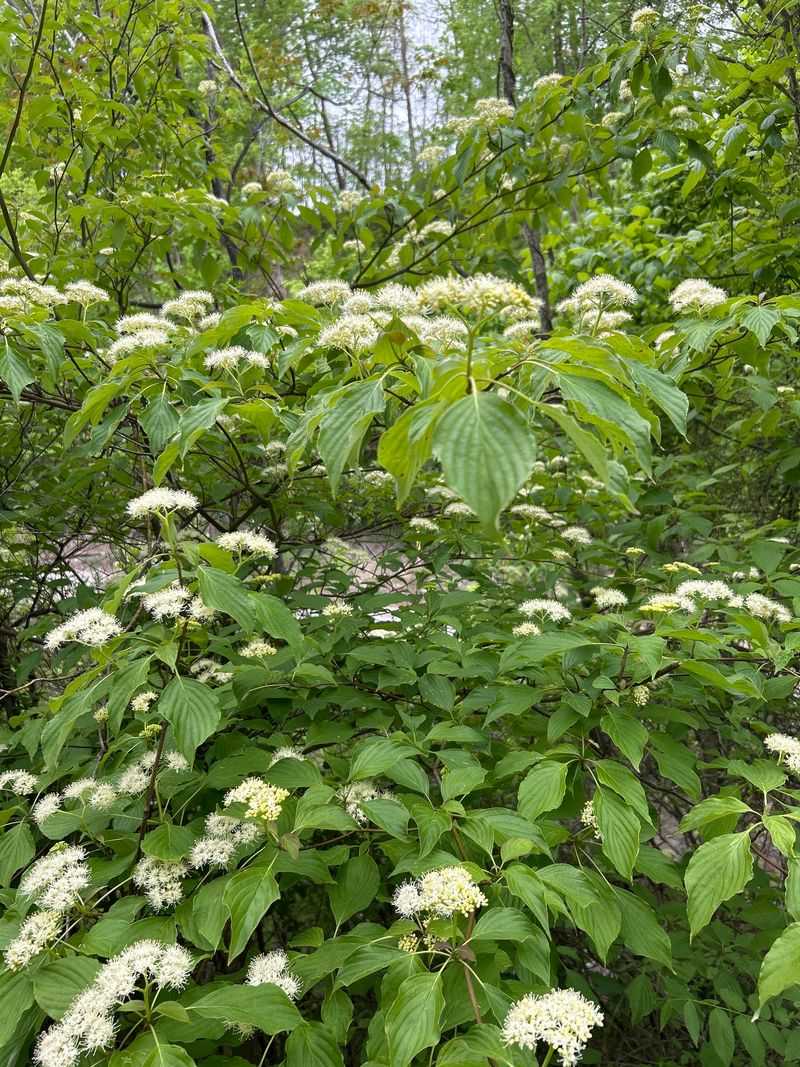
Plant one gray dogwood, and in a few years it may have invited friends. The shrub sends out underground stems that pop up as new shoots nearby.
These spreading stems are called rhizomes or suckers. Over time, they help the plant form a wide, dense colony.
In a wild meadow or along a stream bank, this habit is a huge plus. The roots hold soil in place and help slow erosion during heavy rain.
In a small, tidy yard, though, it can feel a bit pushy. Knowing how it grows helps you plan the right spot from the start.
Give it room where spreading is welcome, like a back corner or property edge. Thickets make great natural privacy screens, too.
If you want to keep it in bounds, mowing around the clump works well. The mower trims new shoots before they get started.
You can also dig up suckers in spring and move them elsewhere. Sharing them with neighbors is a friendly way to spread native plants.
Another option is planting near a sidewalk or driveway that acts as a barrier. Hard edges slow the spread naturally.
With a little planning, this growth habit becomes a helpful feature. You get more bird habitat for the price of one shrub.
9. The Counties Of Ohio Series Offers Compact Choices
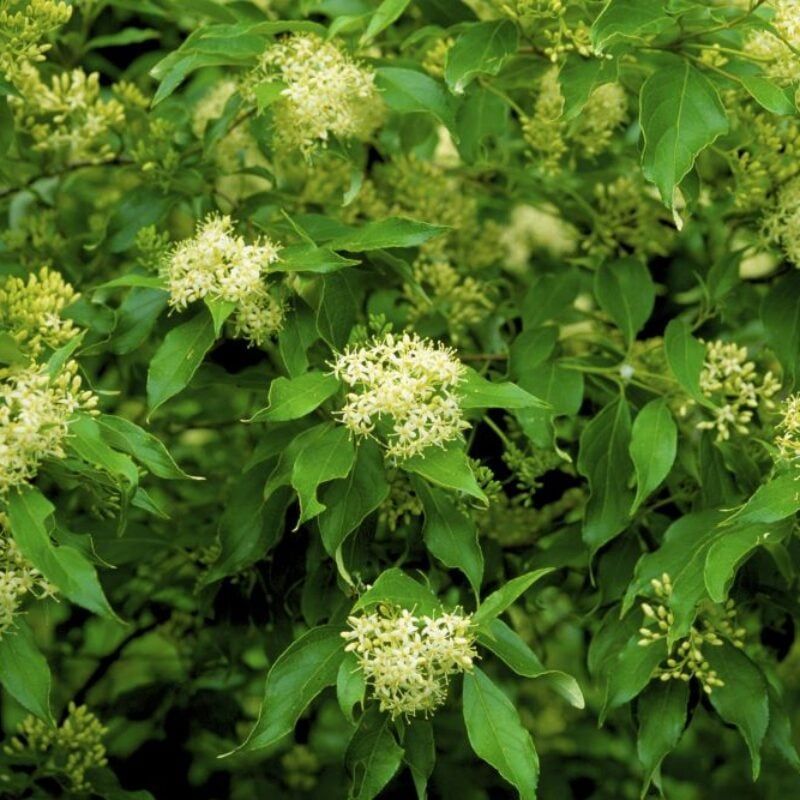
Worried that gray dogwood will be too big for your yard? Good news, because an Ohio nursery came up with a clever solution.
Lake County Nursery in northeast Ohio developed the Counties of Ohio series. These are selected forms of gray dogwood, each named after an Ohio county.
The names are fun to spot at the garden center. Look for Cuyahoga, Geauga, Huron, Mahoning, and Muskingum, among others.
Each type has its own size and shape. Some stay upright, while others grow low and wide, so you can match the plant to your space.
Muskingum is a favorite for small yards. It stays around 3 feet tall and spreads about 5 feet, which suits borders and foundation beds.
Here is a little history bit. The nursery gave each plant a code name, like Muszam for Muskingum, which is how they are officially listed.
These compact choices still offer many of the same perks. Expect flowers for pollinators, berries for birds, and colorful fall leaves.
Ask your local nursery if they carry the series or can order it. Spring native plant sales are another great place to look.
Starting with a smaller form lets you enjoy gray dogwood without the worry. It is an easy way to give birds a boost, even on a tiny lot.