This Popular Texas Shrub Is Quietly Taking Over Hill Country Rivers
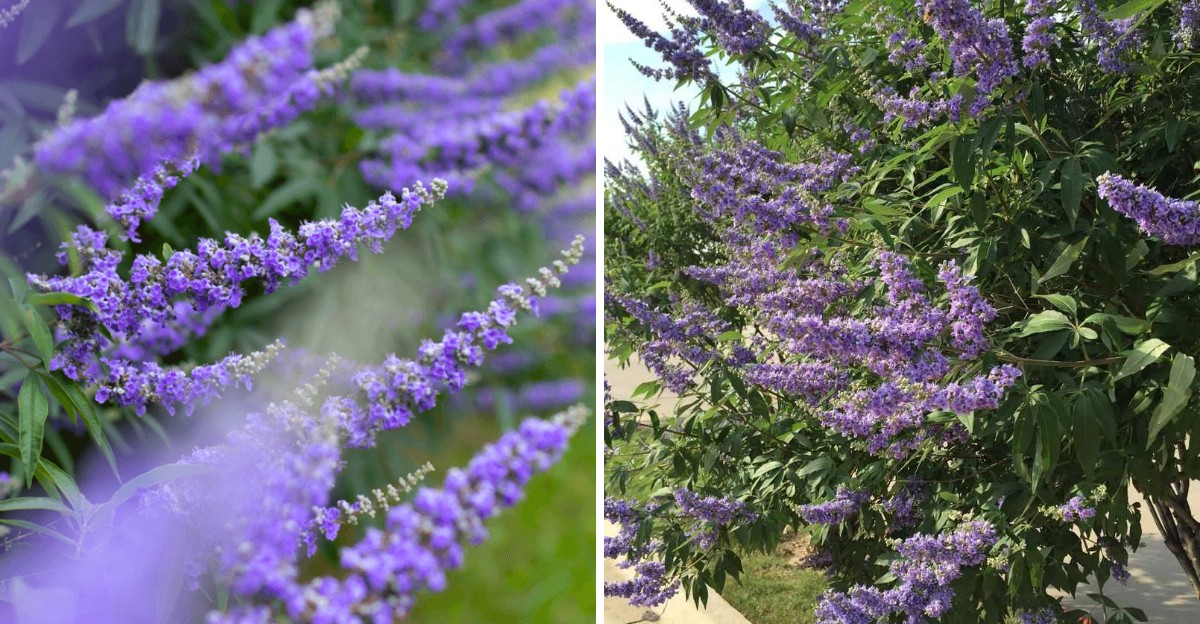
For years, this shrub has been a Texas landscaping favorite. It laughs off summer heat, thrives with little water, and covers itself in tall spikes of lavender-blue flowers that bees and butterflies adore.
Many nurseries still sell it as a must-have for tough Texas yards. Along the rivers of the Hill Country, though, it’s causing a growing problem.
Originally from the Mediterranean and Asia, this shrub produces loads of small seeds that drop into creeks and float downstream.
Once they wash ashore, they sprout along sandy banks and gravel bars. Over time, dense thickets begin to replace the native plants that hold riverbanks together and shelter wildlife.
Some popular stretches of water are already seeing the change. The pretty bloomer in your yard may be part of the problem without you ever realizing it.
Understanding how it spreads can help protect the rivers Texans love most.
A Texas Favorite With A Hidden Problem
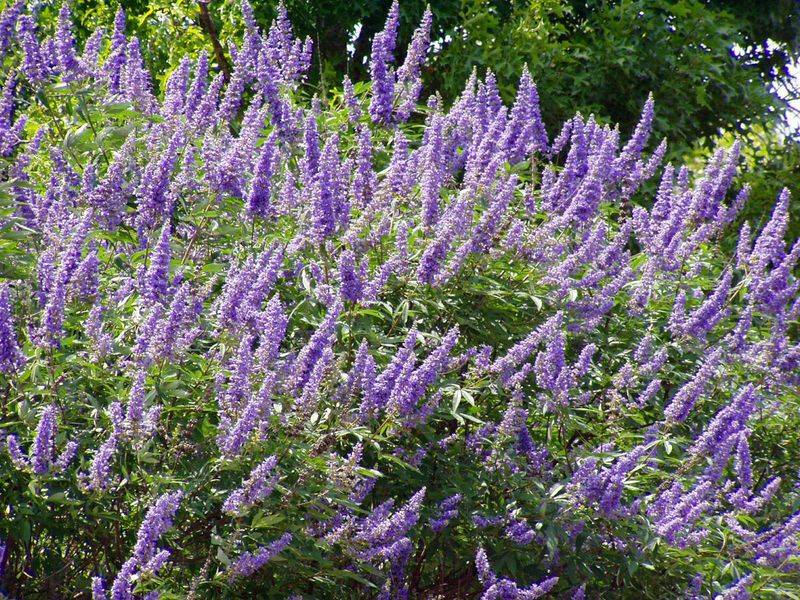
Ask a Texas gardener about tough plants, and vitex often comes up fast. Folks praise it for blooming through heat that wilts almost everything else. It has earned a spot in yards, parks, and shopping center parking lots across the state.
Vitex is also called chaste tree. It grows as a large shrub or a small tree, often reaching 10 to 20 feet tall. Even though it feels like a Texas classic, it is not from here at all.
The plant is native to the Mediterranean region and Central Asia. People have grown it for thousands of years.
Ancient Greeks even used its branches in festivals and believed it had special powers, which is where the name chaste tree comes from.
So why did Texans fall for it? The answer is simple. Vitex handles drought like a champ, shrugs off poor rocky soil, and needs very little care once it settles in.
On top of that, it covers itself in flowers during summer. Nurseries sold it as the perfect answer to hot, dry yards.
Some people even called it the Texas lilac because the blooms look a bit like lilacs, which do not grow well here.
Here is the catch, though. The same toughness that makes vitex easy to grow also helps it spread where nobody wants it. A plant that thrives with no help in a yard can thrive with no help along a river too.
Nobody planted vitex to cause trouble. Gardeners simply wanted color. Still, knowing its background helps you understand why experts now keep a close eye on it.
Once you know its story, you will start seeing vitex everywhere you go.
How To Recognize It
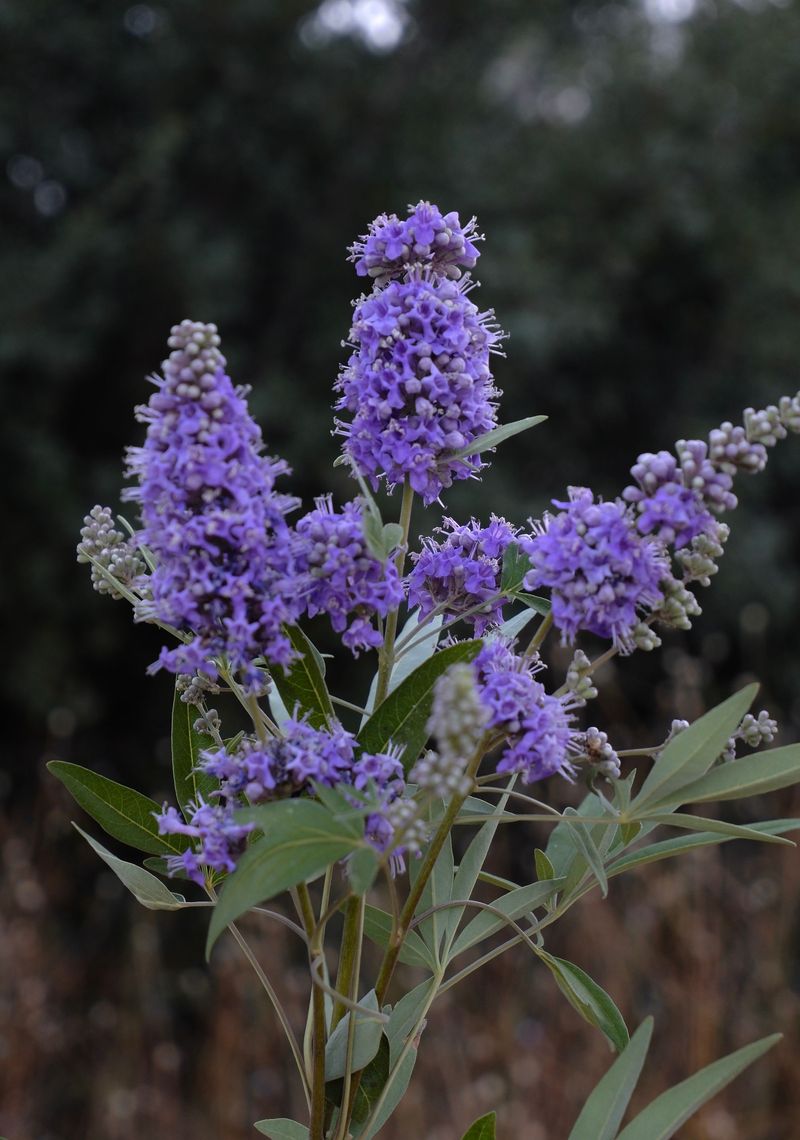
Good news for beginners: vitex is one of the easier plants to identify. You do not need a field guide or a fancy app. Just use your eyes, your nose, and a little patience.
Start with the leaves. Each leaf looks like a small open hand. It is split into five to seven long, narrow leaflets that spread out from one center point, kind of like fingers.
Your Texas Garden Changes Every Week. Your Plan Should Too.
Gardening in Texas changes quickly throughout the season. Every Friday you’ll receive a simple weekly plan showing exactly what to plant, prune, fertilize, harvest, and protect so you never miss the right timing.
Now try a quick test. Gently crush a leaf between your fingers and take a sniff. Vitex leaves have a strong, spicy smell that some people compare to sage or pepper.
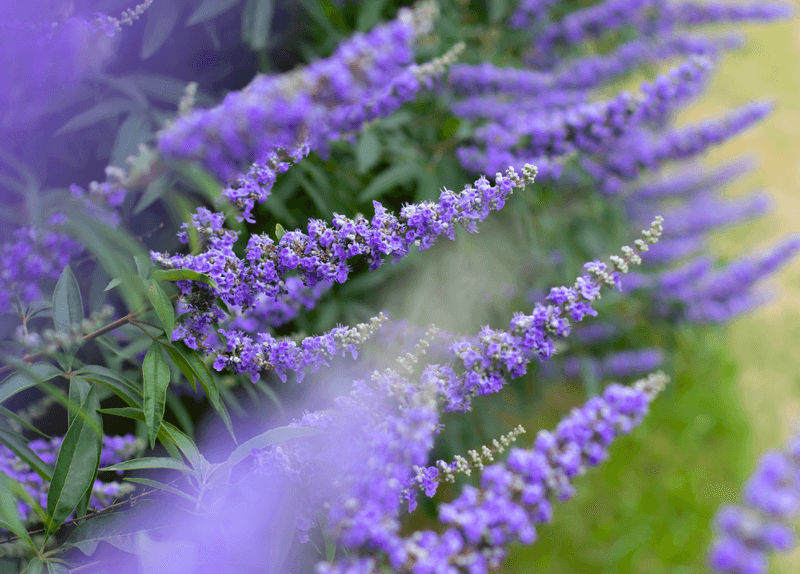
Next, look for the flowers. From late spring through summer, vitex sends up tall, upright spikes covered in tiny blooms. Most are lavender to deep purple, though some types have white or pink flowers.
Those spikes are bug magnets. Bees, butterflies, and even hummingbirds visit them often. If you see a shrub buzzing with pollinators in July, there is a good chance it is vitex.
After the flowers fade, look closely at the old spikes. You will find small, round seeds that look a lot like peppercorns. They start greenish and turn dark brown or gray as they dry.
Here is a fun fact. Long ago, people in Europe used those seeds as a pepper substitute. That is why another nickname for vitex is monk’s pepper.
Pay attention to the shape too. Vitex usually grows with many stems coming up from the base, forming a wide, rounded shape. Its bark is gray and a bit rough.
Practice spotting it on a walk this week. Once you learn the leaves, you will never mix it up again.
How It Spreads Along Rivers
One shrub, thousands of seeds. That is the simple math behind how vitex escapes. A single mature plant can drop huge numbers of seeds every year.
Many of those seeds fall right under the plant. Others get carried off by rain. Water flows downhill into ditches, then into small creeks, and finally into larger rivers.
The Hill Country is famous for flash floods. Heavy storms can turn a calm stream into a rushing torrent in just hours. All that moving water acts like a free delivery truck for vitex seeds.
Floodwaters can carry seeds for miles downstream. When the water drops, the seeds get left behind on gravel bars, sandy shores, and muddy banks. Those spots are bright, open, and damp, which is exactly what young vitex loves.
The seeds sprout quickly in these places. Within a few seasons, a tiny seedling can grow into a sturdy shrub. Then it starts making seeds of its own, and the cycle repeats.
Think about what that means. A vitex planted in a yard ten miles away could end up starting a new patch along your favorite swimming hole. The owner may never know it happened.
Birds may help a little too, but water does most of the work. That is why vitex shows up so often right along river edges and so rarely in dry fields far from water.
Here is a helpful tip. If your home sits near a creek, a drainage ditch, or a river, your vitex has a much higher chance of spreading. Those properties matter most.
Understanding this path gives us a clear way to stop it. Fewer seeds in the water means fewer new plants downstream.
The Damage It Causes
Paddlers on the Guadalupe River have started noticing something odd. Banks that once held a mix of willows, sycamores, and grasses now show walls of gray stems and purple flowers. That is vitex moving in.
Along rivers like the Guadalupe, Blanco, and Pedernales, vitex can form dense thickets. These patches grow so tightly that little else can survive underneath them. They hog the sunlight, water, and space.
Why does that matter so much? Native riverbank plants do important jobs. Trees like bald cypress, sycamore, and black willow have deep, strong roots that grip the soil.
Those roots hold the banks together during floods. When native plants get pushed out, the banks can become weaker. More soil may wash away, making the water muddy and changing the shape of the river.
Wildlife feels the impact too. Birds, insects, turtles, and fish depend on native plants for food and shelter. Many local critters have spent thousands of years adapting to those plants, not to a shrub from overseas.
Picture a bird that eats certain native berries or a caterpillar that only feeds on one kind of leaf. When those plants vanish, the animals have to move away or struggle to find food. A thicket of vitex cannot replace what was lost.
Thickets can also block access for people. Fishing spots and sandy beaches get harder to reach when tangled shrubs take over.
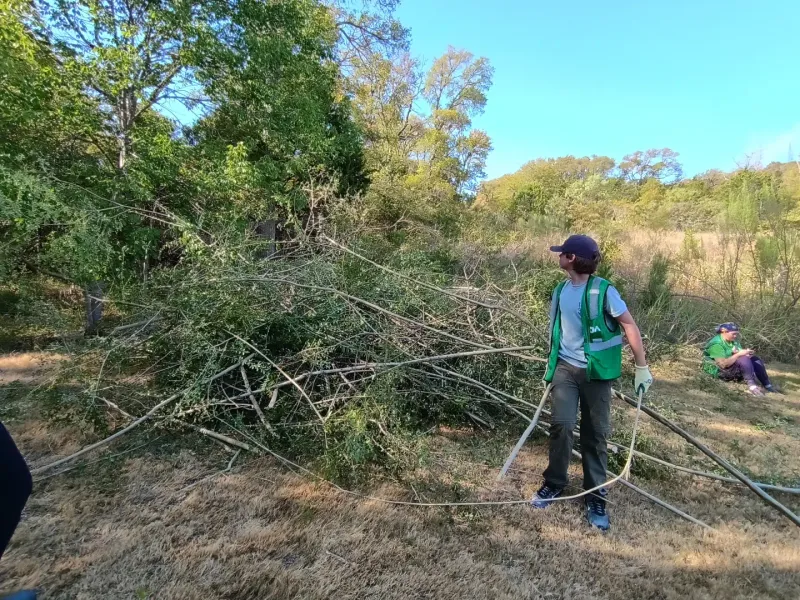
Scientists and river groups are now working to map and remove vitex in certain areas. The work takes time, money, and lots of volunteers.
Want to help? Join a local river cleanup or invasive plant removal day. Many Hill Country groups welcome families and students.
What Homeowners Can Do
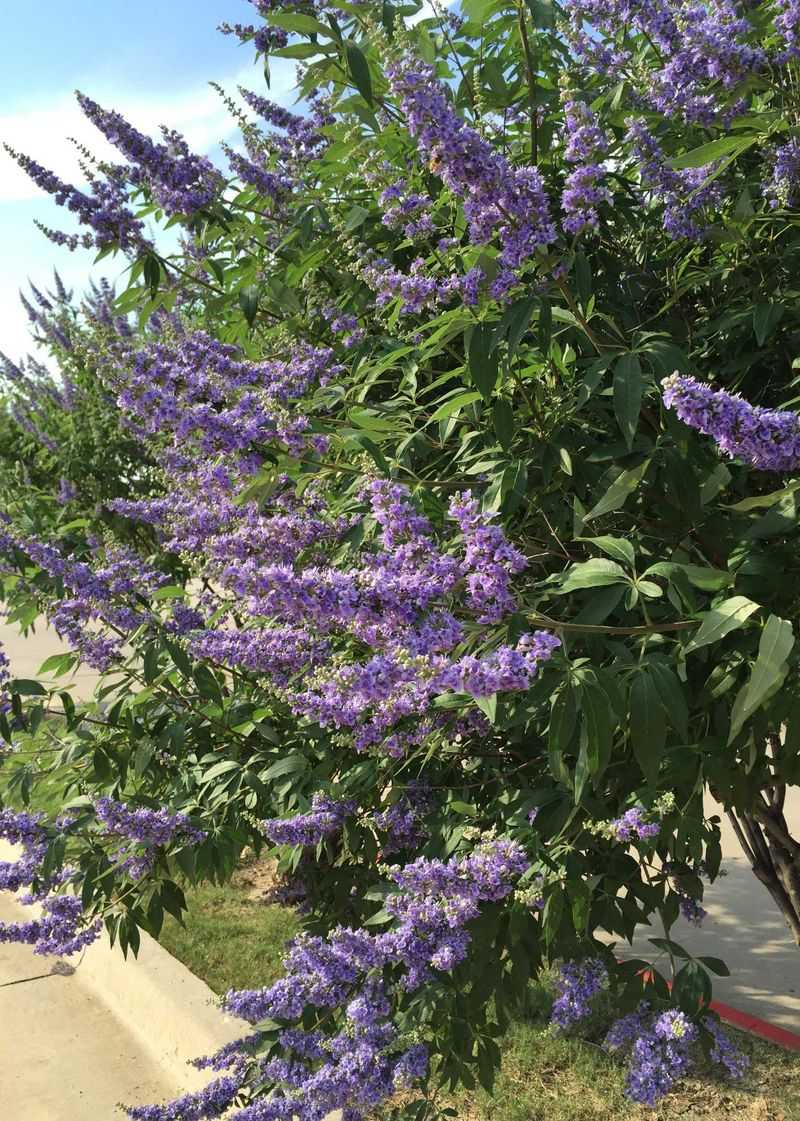
Already have a vitex in your yard? Relax. You do not have to rip it out tomorrow. A few easy habits can keep it from causing trouble downstream.
The most powerful step is deadheading. That just means cutting off the flower spikes once they fade, before seeds form. Grab a pair of sharp pruning shears and snip each old spike just above a leaf.
Here is a bonus. Removing spent flowers often tricks the plant into blooming again. So you get more color and fewer seeds, which is a win for you and the river.
Try checking your vitex every week or two during summer. Spikes turn from purple to green and brown as seeds develop. Catching them early is the goal.
Bag the clippings and toss them in the trash. Do not throw them in a compost pile or leave them near a ditch. Seeds can still sprout if they land in the right spot.
Next, look around your yard for seedlings. Young vitex plants have the same hand-shaped leaves, just much smaller. Pull them out when they are tiny, ideally after a rain when the soil is soft.
Live near a creek or river? Your yard deserves extra attention. Walk the edge of your property a few times a year and remove any baby vitex you find.
Some homeowners decide to replace their vitex completely. If you go that route, cut it down and dig out as much of the root as you can. Watch for new sprouts afterward.
Finally, share what you learn. Tell neighbors, friends, and your HOA. Small actions across many yards add up to cleaner, healthier rivers.
Native Alternatives With Similar Charm
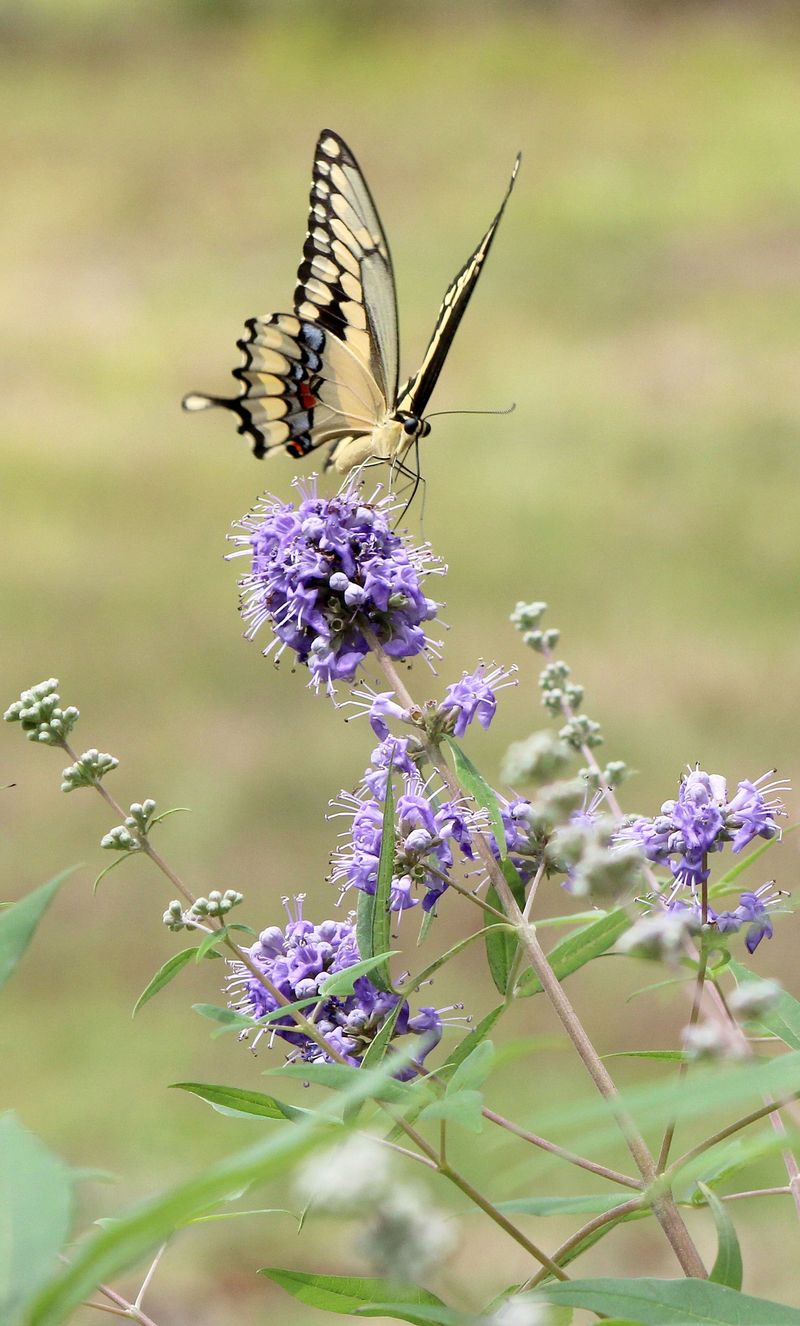
Love purple flowers but want to protect the rivers? Texas has some amazing native plants that deliver beauty without the downside. Your yard can still pop with color all summer long.
Desert willow is a top pick. It is not actually a willow, but it has long, slender leaves that give it a soft, graceful look. In summer, it bursts with trumpet-shaped flowers in pink, purple, lavender, or white.
Hummingbirds adore desert willow blooms. The tree handles drought with ease and grows well in rocky Hill Country soil. It usually stays small enough for most yards, around 15 to 25 feet tall.
Texas sage is another winner. Some people call it cenizo or the barometer bush. That nickname comes from its habit of blooming right after rain or when humidity rises.
Its silvery gray leaves look great all year. When it flowers, it covers itself in purple or pink blooms. It needs full sun and very little water once settled, making it perfect for hot spots.
For spring color, try Texas mountain laurel. This evergreen shrub produces clusters of purple flowers that smell like grape soda. Kids usually get a kick out of sniffing them.
One safety tip: mountain laurel seeds are bright red and toxic if eaten. Plant it where young children and pets will not snack on fallen pods.
Native plants support local bees, butterflies, and birds in ways imported plants cannot. They are already suited to Texas weather, so they often need less water and care.
Visit a local native plant nursery or a group like the Native Plant Society of Texas. Staff there can help you choose the best fit for your yard.