This Native Florida Shrub Is Replacing Privacy Fences And Patchy Lawns
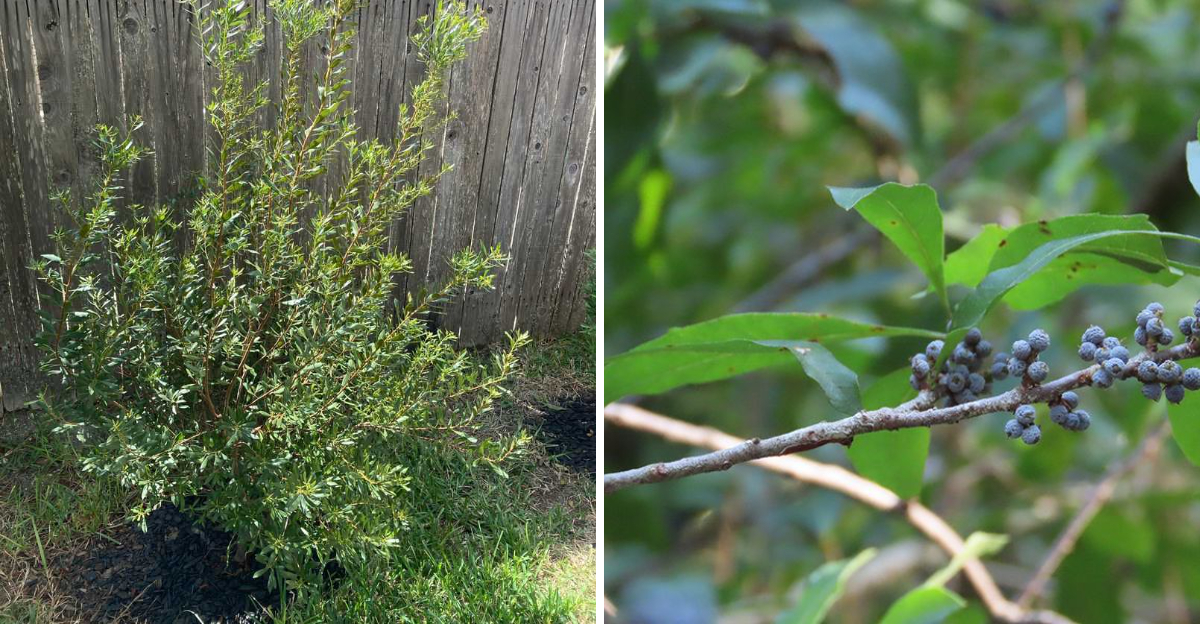
Privacy fences in Florida have a lifespan problem. Salt air, humidity, relentless sun, and the kind of seasonal storms that test every fastener and board in the structure.
A fence that looked solid three years ago starts showing its age in ways that repairs never quite catch up with. A native shrub has been replacing both fences and the patchy lawn sections that tend to accumulate along property borders over time.
It grows dense enough to screen effectively. It handles Florida’s climate without complaint.
And it does not rot, warp, or require painting every few years. The wildlife value it adds is something a fence never delivered.
Birds move through it constantly. It berries heavily enough to keep them coming back through the season.
A living privacy barrier that improves over time instead of deteriorating is a different kind of investment. This shrub makes that case better than almost anything else available in Florida.
1. Wax Myrtle Creates A Living Privacy Screen
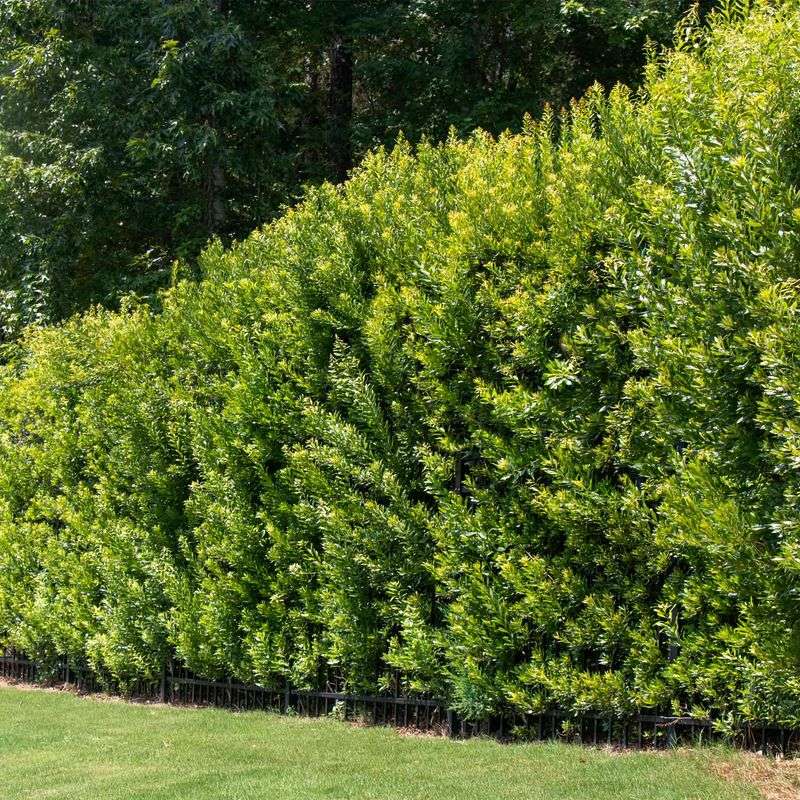
Along a back fence where the boards have faded and gaps have appeared, a row of wax myrtle can change everything.
This fast-growing native shrub, known scientifically as Morella cerifera, can reach heights of ten to fifteen feet and spread nearly as wide when left to grow naturally.
That kind of size creates a real living screen, not just a decorative border.
The difference between a hard fence and a living screen matters for practical reasons. A wood or vinyl fence gives instant privacy the day it goes up, but wax myrtle takes time to fill in.
Homeowners should plan for one to three years of establishment before the planting reaches full screening height. Spacing plants correctly, typically six to eight feet apart for a dense hedge, makes a big difference in how quickly gaps close.
Wax myrtle does not replace fences where local codes, HOA rules, or security needs require a hard barrier. Always check municipal codes and community rules before planting near property lines.
When the site allows it, though, a wax myrtle screen can soften a yard edge in a way that no fence board ever could.
2. Fast Growth Helps Bare Edges Fill In
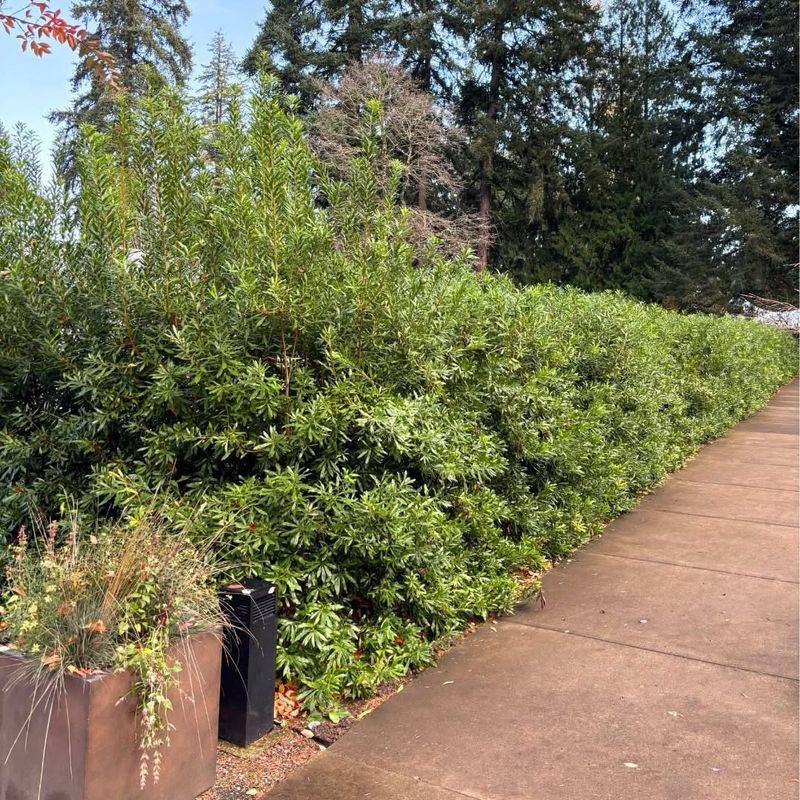
Fence-line grass is one of the hardest spots to keep looking good. Mowers miss it, foot traffic compacts it, and shade from the fence weakens whatever turf manages to grow.
That thin, struggling strip is exactly where wax myrtle can step in as a planted border instead of a lawn.
Wax myrtle is considered a fast grower under the right conditions, which means it can fill in bare edges quicker than many other native shrubs.
Growth rate depends heavily on soil quality, drainage, sun exposure, and how well the plant is cared for during the first season.
Young shrubs need consistent watering while their roots settle in, even though the plant becomes much tougher once it is established.
Turning a patchy turf strip into an intentional shrub border does not happen overnight. Mulching around new plants helps hold moisture, suppress weeds, and protect shallow roots during hot, dry spells.
Your Florida Garden Changes Every Week. Your Plan Should Too.
Gardening in Florida changes quickly throughout the season. Every Friday you’ll receive a simple weekly plan showing exactly what to plant, prune, fertilize, harvest, and protect so you never miss the right timing.
A two-to-three-inch layer of organic mulch kept a few inches away from the stem gives new plants a real advantage. The goal is a clean, defined border that looks purposeful rather than a strip of ground that always looks like it needs attention.
3. Evergreen Foliage Hides Thin Lawn Spots
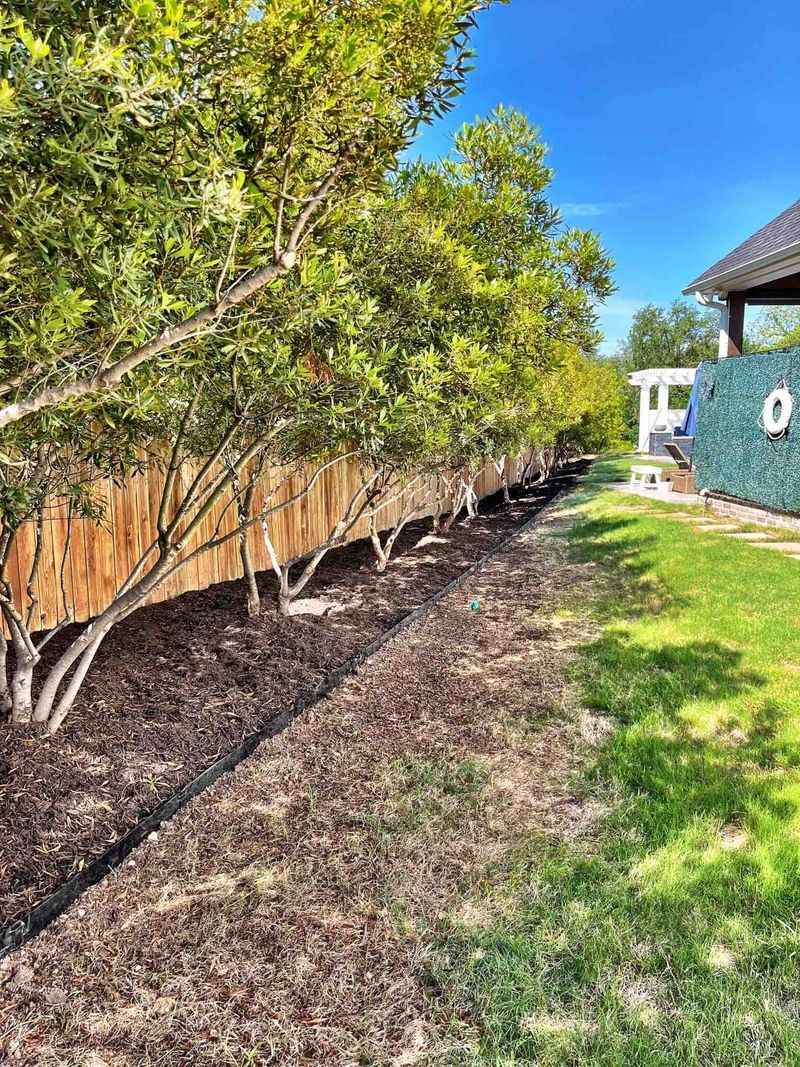
One of the quiet advantages of wax myrtle is that it keeps its leaves all year. In a yard where grass turns yellow in summer or thins out in winter shade, evergreen foliage adds steady structure.
Struggling turf cannot match that.
A planted border of wax myrtle creates a backdrop of green that makes the whole yard look more intentional. The glossy, aromatic leaves have a fine texture that reads as soft from a distance and detailed up close.
That combination of year-round color and layered texture can make a property edge look designed rather than neglected.
Wax myrtle works best in low-use areas where turf has always been weak. Wide planting strips, backs of beds, side yards with little foot traffic, and property lines where mowing is awkward are all strong candidates.
The shrub occupies the space as a border plant, not as a walkable surface. It does not become a lawn, but it does replace the need to keep fighting grass in spots where the conditions have never supported healthy turf.
That shift from maintenance struggle to planted structure is one of the most practical things a homeowner can do with a problem edge.
4. Sandy Soil Makes It A Strong Local Fit
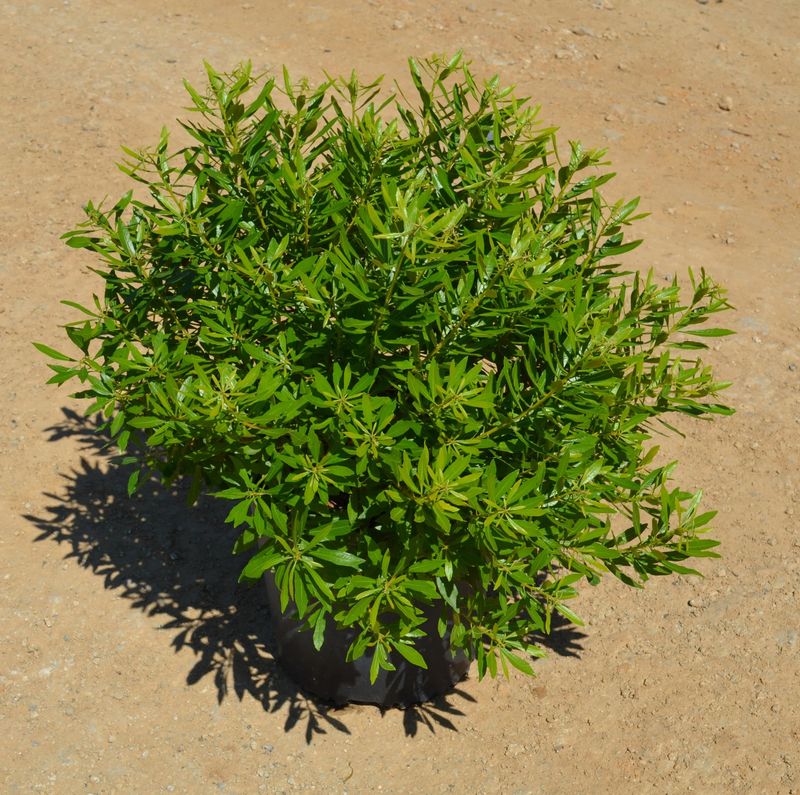
Sandy, well-drained soil is one of the most common soil types in Florida yards, and it is also one of the conditions where many ornamental shrubs struggle.
Wax myrtle handles sandy soil well, which is one reason it thrives in local landscapes where imported plants often fail.
According to UF/IFAS resources, wax myrtle tolerates a wide range of moisture conditions, from periodically wet soils near drainage areas to drier, sandy upland sites.
That adaptability makes it a realistic option for yards where soil quality varies across the property.
Full sun to partial shade both work, though the plant tends to grow denser and fuller with more direct sunlight.
Right plant, right place still applies here. Wax myrtle should not be planted directly against foundations, over septic systems, or in spots where its mature root spread could cause problems.
Utility easements, drainage swales, and right-of-way strips all require a careful look before planting. Checking with local extension offices or a certified Florida-Friendly Landscaping professional before planting near any underground infrastructure is a smart step.
The plant’s natural adaptability is a real asset, but it works best when the homeowner has thought through the full-grown size and placement from the start.
5. Pruning Turns Loose Growth Into Structure
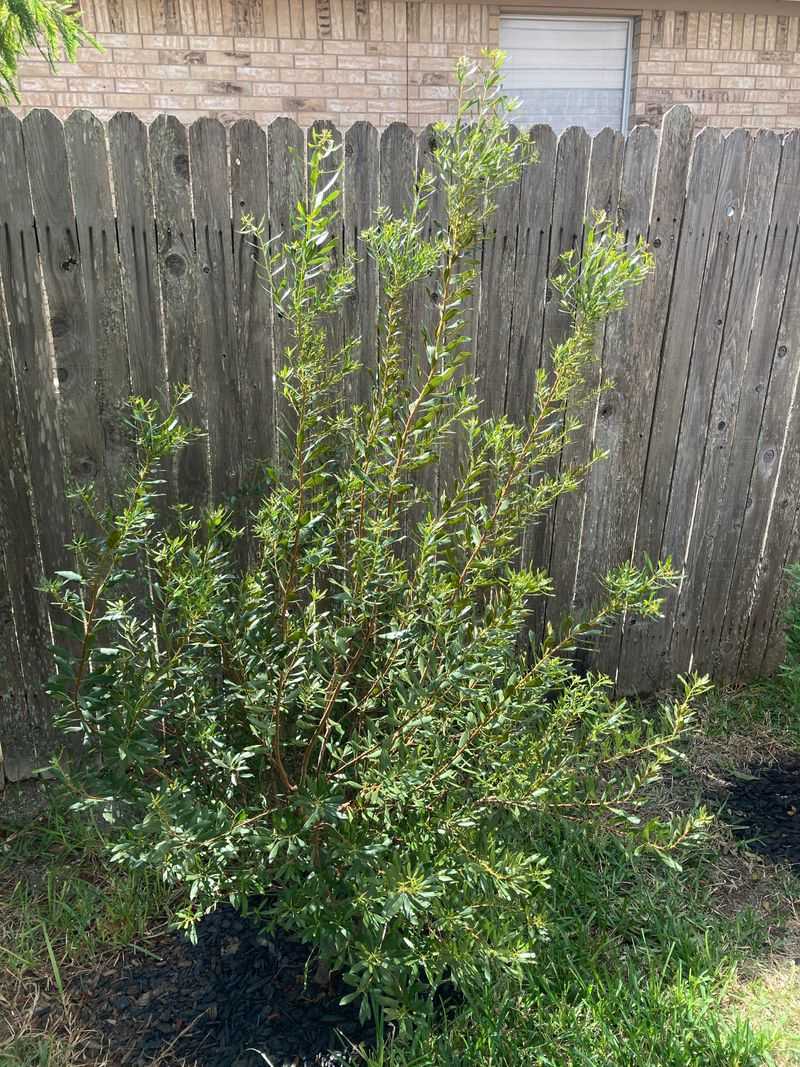
Left on its own, wax myrtle can grow into a wide, arching, multi-stemmed plant that looks more like a small tree than a tidy hedge. That natural form is beautiful in a wildlife garden or informal border.
But homeowners who want a clean privacy screen need regular pruning.
Selective pruning, rather than heavy mechanical shearing, tends to keep wax myrtle looking its best. Remove crossing branches and thin crowded stems.
Cut back leaders that push too far in one direction to maintain shape without stripping the plant’s natural character. UF/IFAS guidance generally favors methods that preserve airflow through the canopy and avoid creating dense outer shells that trap moisture.
Timing matters too. Light pruning can happen almost any time in warm climates, but heavier shaping is often done in late winter or early spring before new growth pushes out.
Homeowners who skip pruning for a season or two may find themselves managing a plant that has spread wider than expected or grown taller than the space allows. Planning for the mature size before the first cut is always the smarter approach.
A little consistent attention keeps wax myrtle looking structured rather than overgrown.
6. Wildlife Value Beats A Plain Fence Line
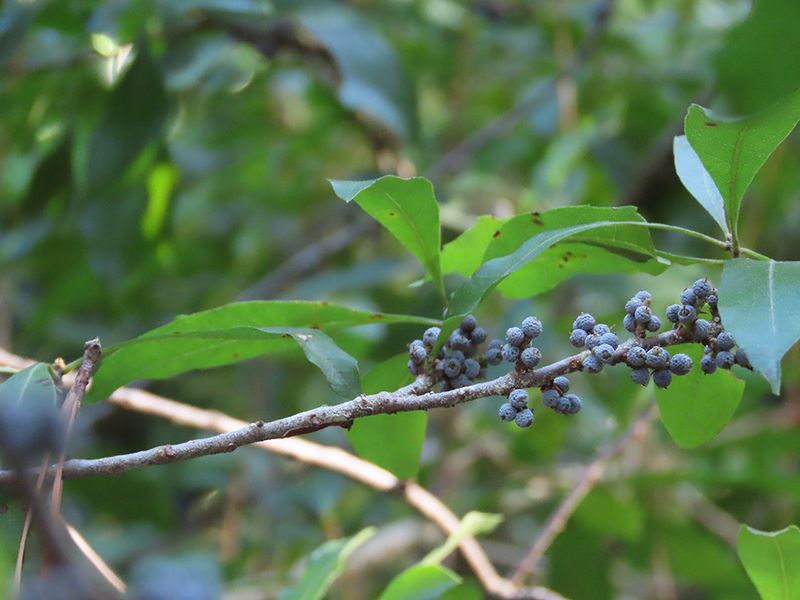
A cedar board fence provides zero wildlife value. Wax myrtle, by contrast, can offer food, cover, and shelter in the same footprint as a fence line.
The small, waxy, blue-gray berries are an important food source for several bird species. These include yellow-rumped warblers and tree swallows during migration.
It helps to know that wax myrtle has separate male and female plants. Only female plants produce berries, so a row of all-male shrubs will not offer the same fruit value.
When purchasing from a native plant nursery, asking about plant sex or buying from a nursery that sells berry-producing specimens is worth the extra step. A mixed planting or a confirmed female plant gives the best results for bird-friendly borders.
Dense branching also provides cover and nesting opportunities for small birds and other wildlife that rarely use a bare fence line or a strip of thin turf.
The Florida Native Plant Society and similar resources note that native plants like wax myrtle support local food webs in ways that non-native ornamentals often cannot.
Replacing a lifeless fence-line strip with a living, fruiting native border adds real ecological function to a space that previously offered none.
7. Spacing Decides Whether It Screens Or Crowds
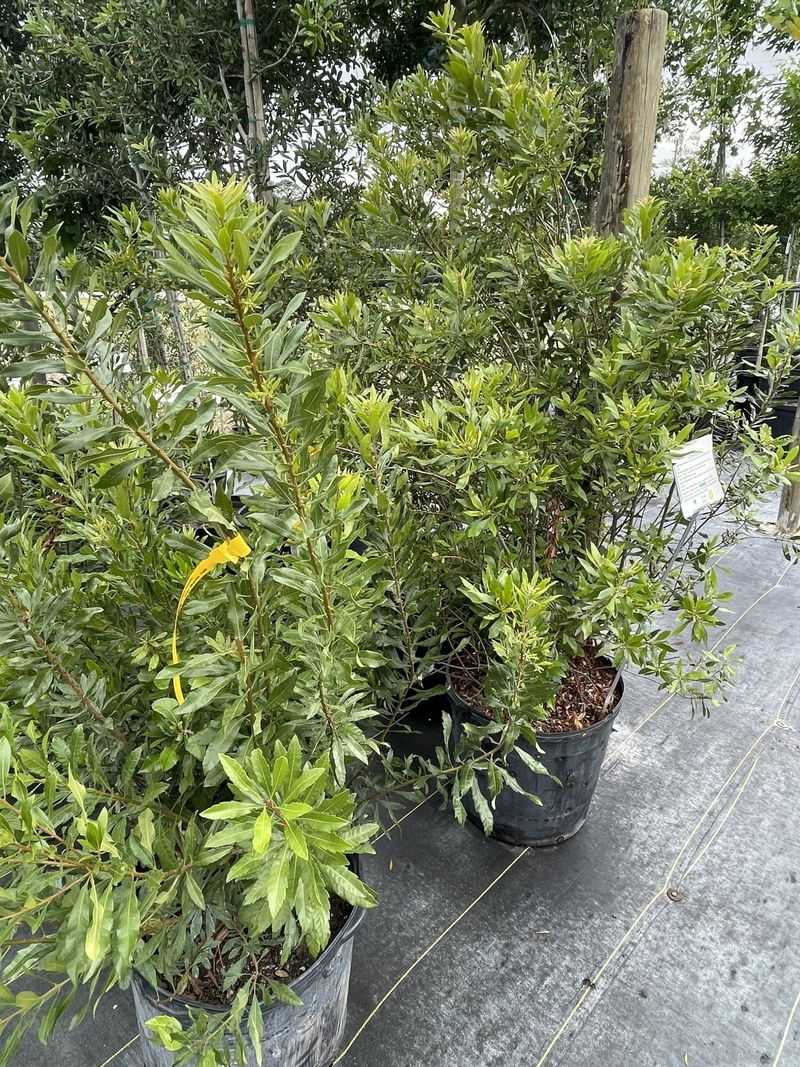
A common mistake with privacy shrubs is buying a small nursery pot and planting it close to the fence because it looks fine at twelve inches tall. Two years later, the same plant is five feet wide and pressing against the fence, the wall, or the neighbor’s yard.
Wax myrtle can reach a mature spread of eight to twelve feet or more, and that width needs to be part of the plan from day one.
Spacing plants six to eight feet apart center-to-center typically gives a dense enough screen without creating an overcrowded thicket. Planting too close together speeds up the initial fill-in, but it also creates competition for light and airflow as plants mature.
That competition can lead to thin, leggy growth at the base and a messy interior that is hard to prune cleanly.
Distance from hard surfaces also matters. Wax myrtle planted too close to sidewalks, driveways, AC units, utility boxes, or windows can become a maintenance headache.
Keeping at least four to six feet of clearance from hard edges gives the shrub room to grow without creating conflicts.
Checking property line setbacks, HOA requirements, and local right-of-way rules before planting near a boundary line avoids neighbor disputes and costly removal later.
8. Patchy Turf Looks Better As A Planted Border
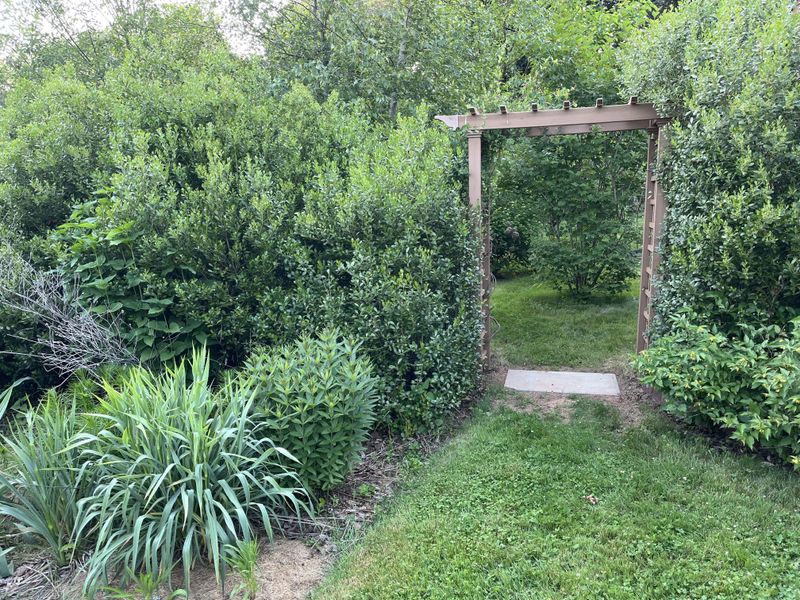
Some patches of turf are worth saving, and some are not. Grass along a shaded fence line, a narrow side yard, or a low-traffic property edge often looks thin and tired no matter how much water or fertilizer goes into it.
Converting those spots into a planted wax myrtle border is a practical decision, not just a design preference.
A clean conversion starts with removing the struggling turf, loosening the soil if it is compacted, and adding a two-to-three-inch layer of mulch around each new plant.
Mulch holds moisture during establishment, reduces weed pressure, and gives the border a finished look right from the start.
Drip irrigation or hand watering during the first growing season helps roots settle in before the plant can rely on rainfall alone.
Keeping access paths open is important. Wax myrtle is not a groundcover, and it should not be planted where people regularly walk, where pets need open space, or where equipment needs access.
Turf still belongs in high-use areas. The goal is to replace the right patches, the ones where grass has always struggled, with a planted border that actually thrives.
A well-spaced, mulched wax myrtle border along a weak lawn edge can look cleaner and require less effort. It also adds far more value than patchy grass.