The Native Pennsylvania Vine Homeowners Are Quietly Growing On South Facing Walls For Natural Cooling
South facing walls in Pennsylvania take a beating during summer. They absorb heat all day, radiate it back into the house well into the evening, and can raise indoor temperatures in ways that keep air conditioning working harder than it needs to.
Most homeowners either accept it or invest in shading structures that are expensive and not always attractive. But a growing number of Pennsylvania homeowners have found a quieter, more beautiful solution.
There’s a native Pennsylvania vine that grows beautifully on south facing walls, creating a living layer of insulation that significantly reduces heat absorption through the hottest months of the year.
It cools the wall surface, softens the look of the house, and provides habitat for birds and pollinators as a bonus. It’s not a new idea. Gardeners have known about this vine for generations.
But it fell out of fashion for a while, and now it’s quietly coming back for very practical reasons. Here’s the native vine worth growing on your south facing wall this season.
Pennsylvania Homeowners Are Growing This Native On South-Facing Walls For Natural Cooling
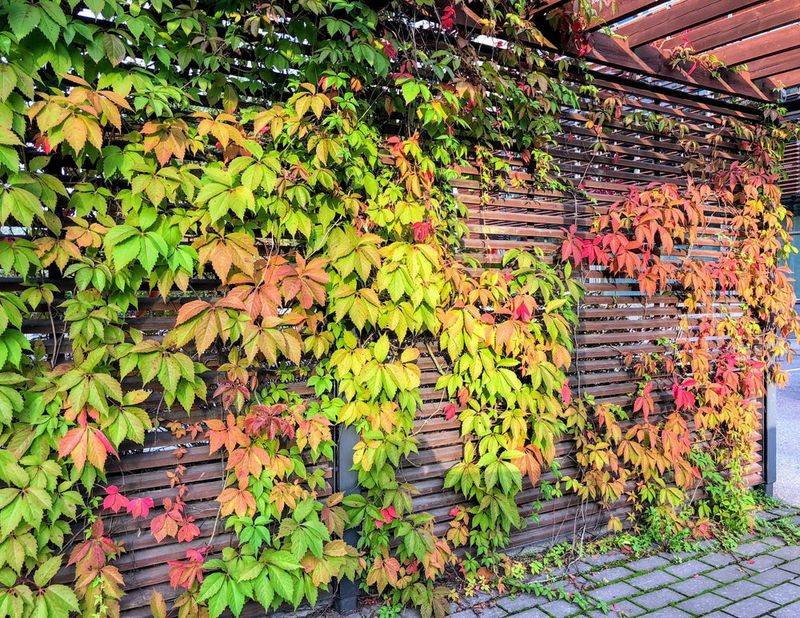
Walk through almost any Pennsylvania neighborhood in July and you might spot a gorgeous green vine blanketing a wall so completely that the brick beneath it nearly disappears.
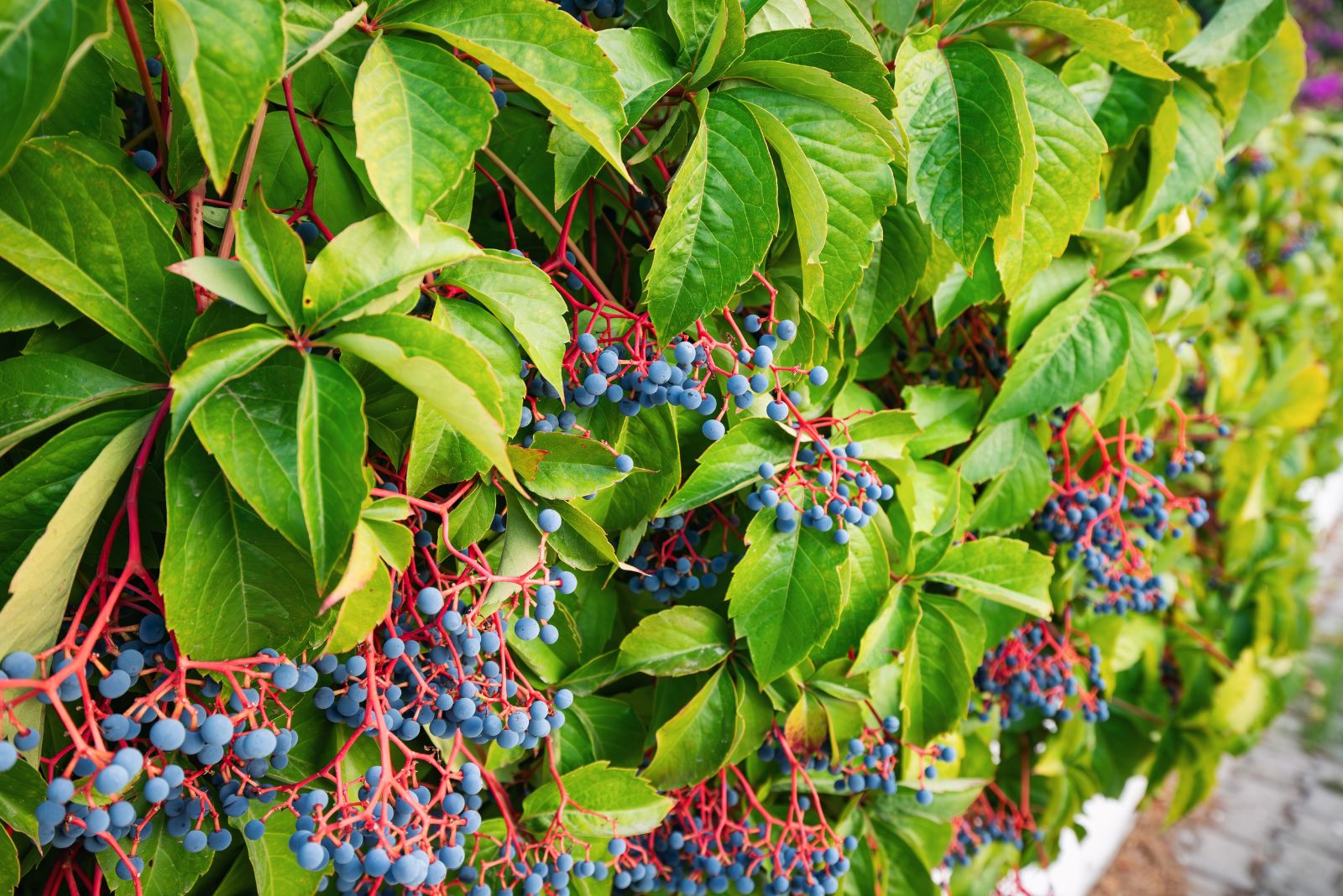
That vine is Virginia creeper, and homeowners are falling in love with it all over again. It is one of the most reliable native vines in the entire eastern United States.
Virginia creeper, known scientifically as Parthenocissus quinquefolia, is a fast-growing woody vine that is native to Pennsylvania and much of North America. It climbs using tiny adhesive pads that grip surfaces with impressive strength.
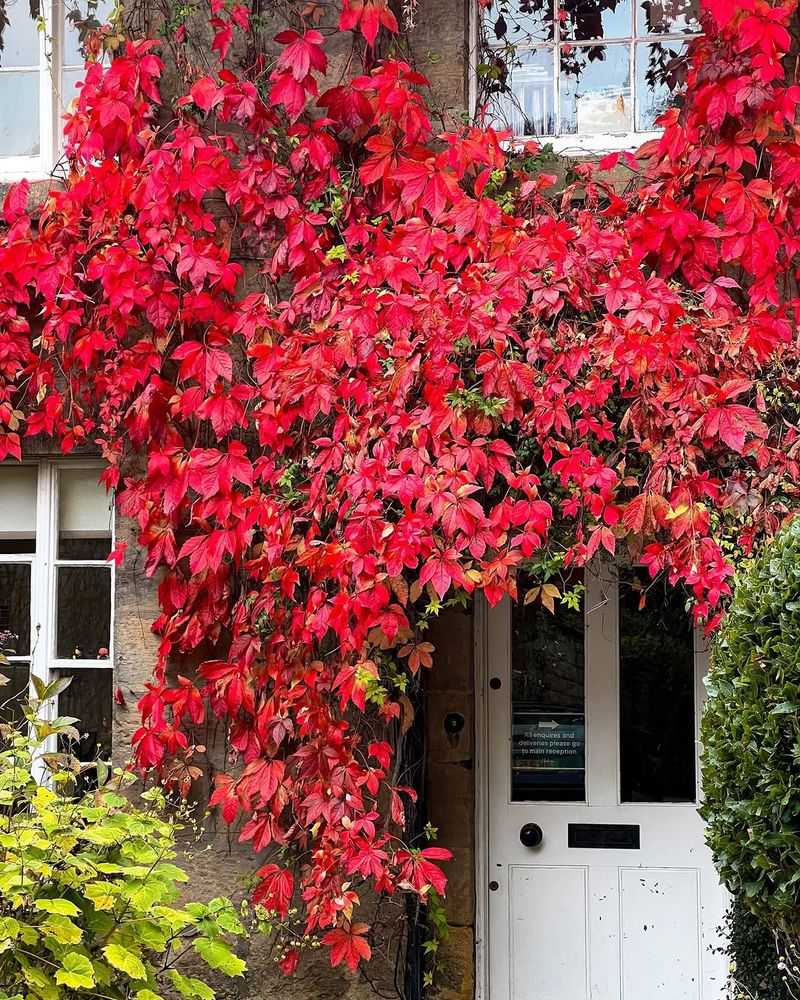
During summer, its lush five-leaflet foliage grows thick and full, creating a dense green curtain that can cover an entire wall in just a few seasons.
One of the biggest reasons homeowners love it is the seasonal show it puts on. In spring and early summer, the leaves emerge bright green and grow quickly.
By late September and October, those same leaves transform into a stunning display of deep crimson red, burgundy, and orange that rivals any fall garden plant.
Beyond its good looks, Virginia creeper is remarkably tough. It handles Pennsylvania winters without fuss, bounces back strong every spring, and thrives in a wide range of soil types.
It tolerates both sun and shade, though it performs especially well on sunny south-facing walls where other plants might struggle.
Gardeners appreciate that it is low-maintenance once established. Birds love its small dark berries in fall.
It supports native insects too. For homeowners who want natural beauty and real cooling benefits, Virginia creeper is a genuinely smart choice worth considering.
Why South-Facing Walls Get So Hot In Summer
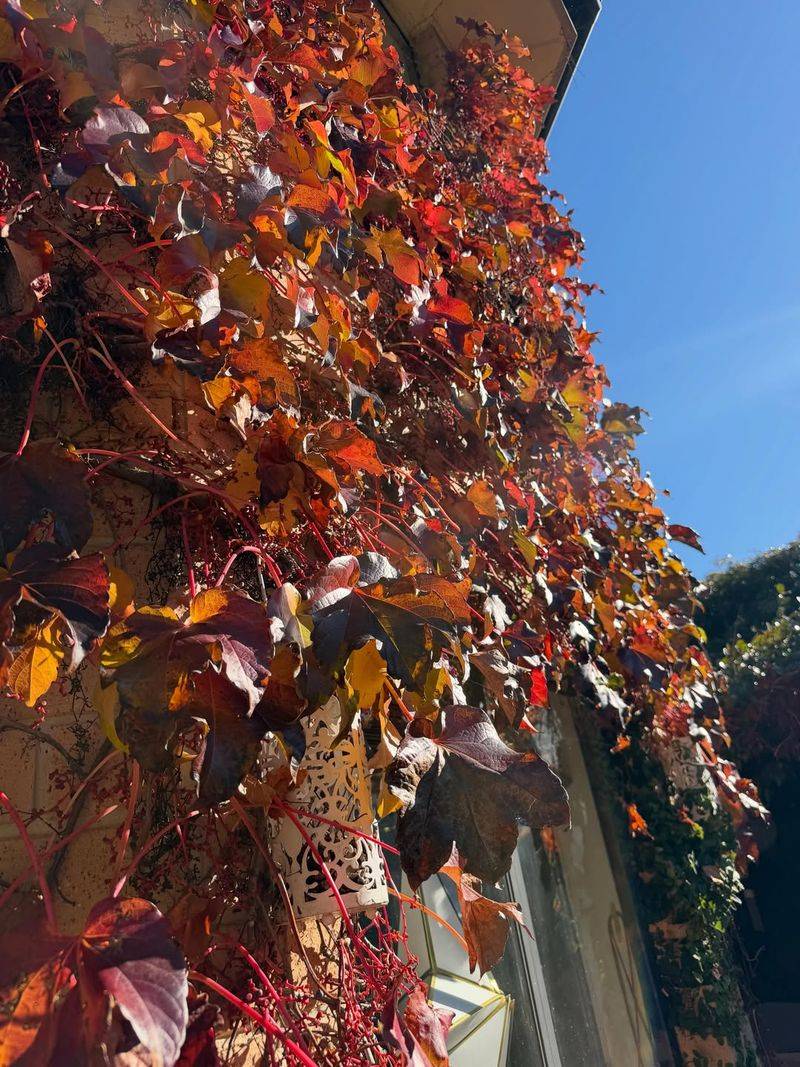
Stand next to a south-facing brick wall on a July afternoon in Pennsylvania and you will feel the difference immediately. The heat coming off that surface can feel like standing next to an oven.
South-facing walls receive direct sunlight for more hours each day than walls facing any other direction, and that adds up fast during the long days of summer.
Your Pennsylvania Garden Changes Every Week. Your Plan Should Too.
Gardening in Pennsylvania changes quickly throughout the season. Every Friday you’ll receive a simple weekly plan showing exactly what to plant, prune, fertilize, harvest, and protect so you never miss the right timing.
Because the sun travels from east to west across the southern sky, south-facing walls catch sunlight from mid-morning all the way through late afternoon. That is often eight to ten hours of direct exposure on the hottest days of the year.
Brick, stone, and concrete absorb that energy and hold onto it, radiating heat long after the sun has moved on.
Vinyl and wood siding are not much better. Dark-colored siding can reach surface temperatures well above 120 degrees Fahrenheit on a sunny summer day.
That heat transfers through the wall and into your home, forcing your air conditioner to work harder and driving up your energy bills.
The heat also makes patios, decks, and outdoor seating areas next to south-facing walls almost unbearable during peak afternoon hours. Many homeowners give up on using those spaces in summer simply because the reflected and radiated heat is too intense.
Planting a leafy vine on that wall changes the equation completely. A dense layer of foliage intercepts the sun before it ever reaches the wall surface.
The leaves absorb and reflect solar energy, keeping the wall itself significantly cooler. It is a simple, natural solution that has worked for generations of homeowners who knew exactly what they were doing.
How Virginia Creeper Helps Cool A Wall Naturally
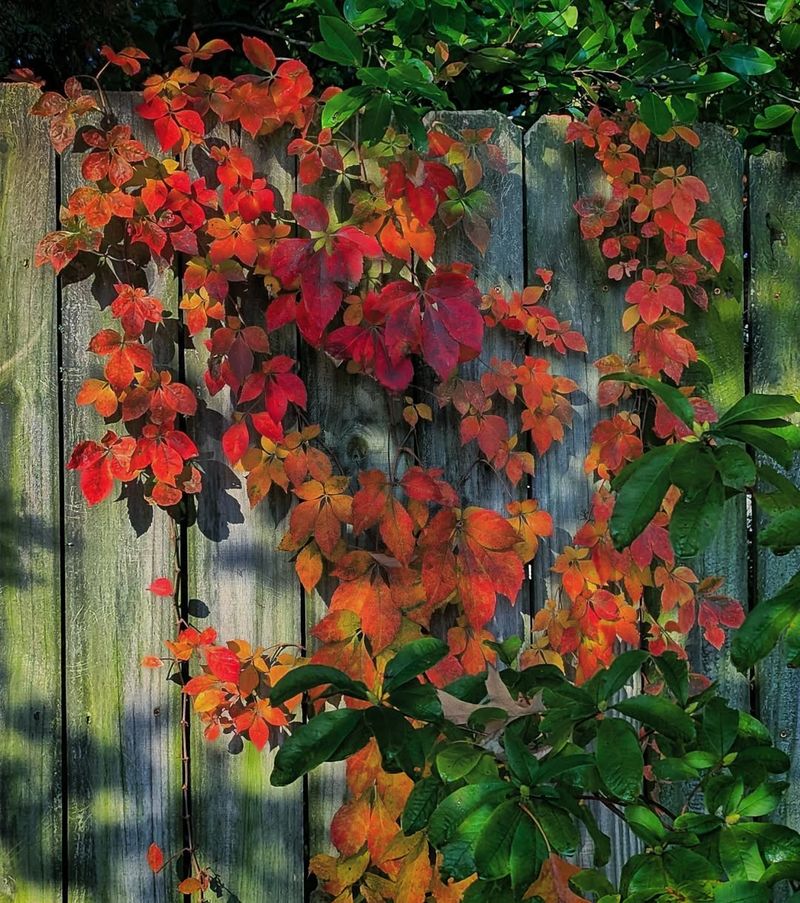
Picture a thick green blanket draped over your hottest wall all summer long. That is essentially what Virginia creeper does, and the cooling effect is surprisingly real.
Studies on green walls and climbing plants have shown that a dense vine cover can reduce wall surface temperatures by anywhere from 10 to 36 degrees Fahrenheit on a hot sunny day.
Virginia creeper works as a natural cooling system in a few different ways. First, its leaves shade the wall surface directly, preventing the sun from turning your brick or siding into a heat collector.
Second, the leaves themselves cool down through a process called transpiration, where the plant releases moisture through its leaf surfaces. That moisture evaporates and pulls heat away from the surrounding air, similar to the way sweating cools your skin.
The space between the vine and the wall also acts as a small insulating air gap. That gap slows the transfer of heat from the warm outer surface into the wall itself. The result is a wall that stays noticeably cooler throughout the hottest parts of the day.
For homeowners, this translates into a more comfortable patio or outdoor seating area right next to the wall. Rooms on the south side of the house may also feel cooler, especially if windows are shaded by the foliage.
Some homeowners report that their air conditioning runs less frequently after establishing a vine on a south-facing wall.
Come fall, the cooling job is done for the season. The leaves drop after their brilliant color show, letting winter sunlight reach the wall again and provide passive warmth exactly when you want it most.
Where To Grow It Safely
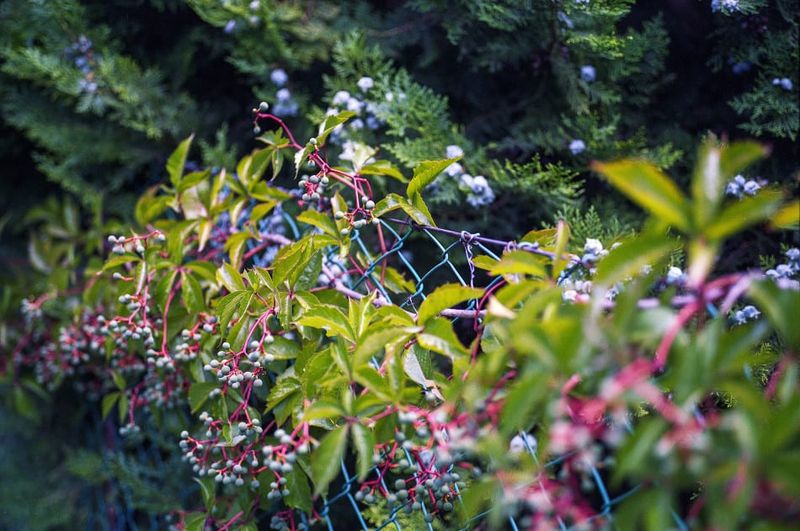
Getting the most out of Virginia creeper means giving it the right place to grow from the start. Choosing the correct support structure makes a big difference in how well the vine performs and how easy it is to manage over the years.
The good news is that Virginia creeper is flexible and works well with several different support options.
A sturdy wooden or metal trellis attached a few inches away from the wall is one of the best choices. It gives the vine something to climb while keeping its adhesive pads off the actual wall surface.
Pergolas and arbors work beautifully too, especially when positioned to shade a patio or outdoor seating area on the south side of the house.
Solid masonry walls in good condition, meaning no cracked mortar or loose bricks, can handle Virginia creeper directly. The adhesive pads will grip the surface firmly.
However, it is important to check the wall condition before allowing the vine to attach. Damaged mortar or crumbling brick can be made worse over time by roots working into the gaps.
There are several places where Virginia creeper should never be allowed to grow. Keep it away from wood siding, which it can hold moisture against and cause rot.
Never let it climb into gutters, over vents, across rooflines, or onto window frames. It can block drainage, trap moisture, and create entry points for pests if it reaches those areas.
Fences and garden walls are also excellent options. Growing it along a south-facing fence line can shade a garden bed or outdoor living space effectively without putting any pressure on your home’s structure at all.
How To Keep Virginia Creeper From Getting Out Of Hand
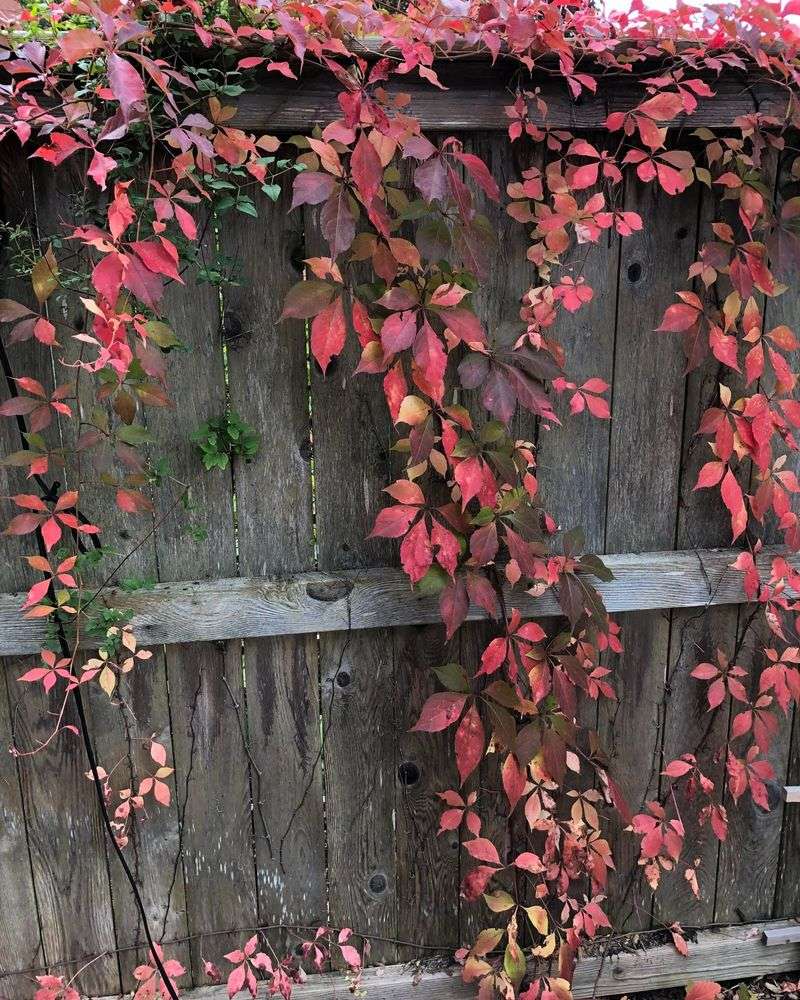
Virginia creeper earns its reputation as a vigorous grower very quickly. In ideal conditions, it can add six to ten feet of new growth in a single season.
That kind of energy is exactly what you want when you are trying to cover a south-facing wall with cooling foliage, but it also means you need a simple pruning routine to keep things under control.
The best time to do a major trim is late winter or very early spring before new growth begins. At that point, the vine is dormant and you can clearly see the structure of the stems.
Cut back any growth that has crept toward windows, doors, gutters, shingles, or utility lines. Remove stems that are heading in directions you do not want the vine to go.
During the growing season, a quick check every few weeks keeps the vine in its lane. Look for tendrils reaching toward window frames or gutters and snip them off before they grab hold.
It is much easier to redirect growth early than to remove a stem that has been gripping a surface for a full season.
Seedlings are another thing to watch for. Virginia creeper produces berries that birds carry to new locations, and seedlings can pop up in garden beds, cracks in pavement, or along fence lines.
Pull them while they are small. Young seedlings come out of the ground easily and take only a moment to remove.
With just a little attention each season, Virginia creeper stays exactly where you want it. Regular pruning keeps it beautiful, safe, and genuinely useful as a natural cooling tool for your home all summer long.
Why It Beats Non-Native Wall Vines
Not every climbing vine belongs on a Pennsylvania wall, and some popular choices come with serious problems. English ivy, for example, is widely planted but is considered invasive in Pennsylvania.
It spreads aggressively into natural areas, smothers native plants, and can harbor rats and other pests in its dense evergreen growth. Wisteria, while beautiful, is also considered invasive when the Asian varieties escape into the wild.
Virginia creeper sidesteps all of those concerns. It is a true Pennsylvania native, meaning it evolved here alongside local wildlife and plays a natural role in the local ecosystem.
Birds like thrushes, woodpeckers, and mockingbirds rely on its small dark berries as a food source in fall and early winter. Native bees and other insects visit its flowers. It supports the local food web in ways that non-native vines simply cannot match.
From a purely practical standpoint, Virginia creeper also delivers better seasonal performance for homeowners. It provides maximum leaf coverage during summer when you need the cooling shade most.
Then it puts on a spectacular fall color show before dropping its leaves cleanly, allowing winter sun to warm the wall during the cold months. That natural cycle works perfectly with Pennsylvania’s four-season climate.
Managing it responsibly keeps all those benefits in play without the downsides. A little pruning each year prevents it from spreading beyond its intended space.
Removing seedlings from unwanted areas keeps it from naturalizing where you do not want it.
For Pennsylvania homeowners who want summer shade, fall beauty, wildlife value, and a natural cooling effect, Virginia creeper is a genuinely outstanding native vine that earns its place on a south-facing wall.