The One Thing Pennsylvania Plumeria Owners Skip In June That Ruins Blooms By August
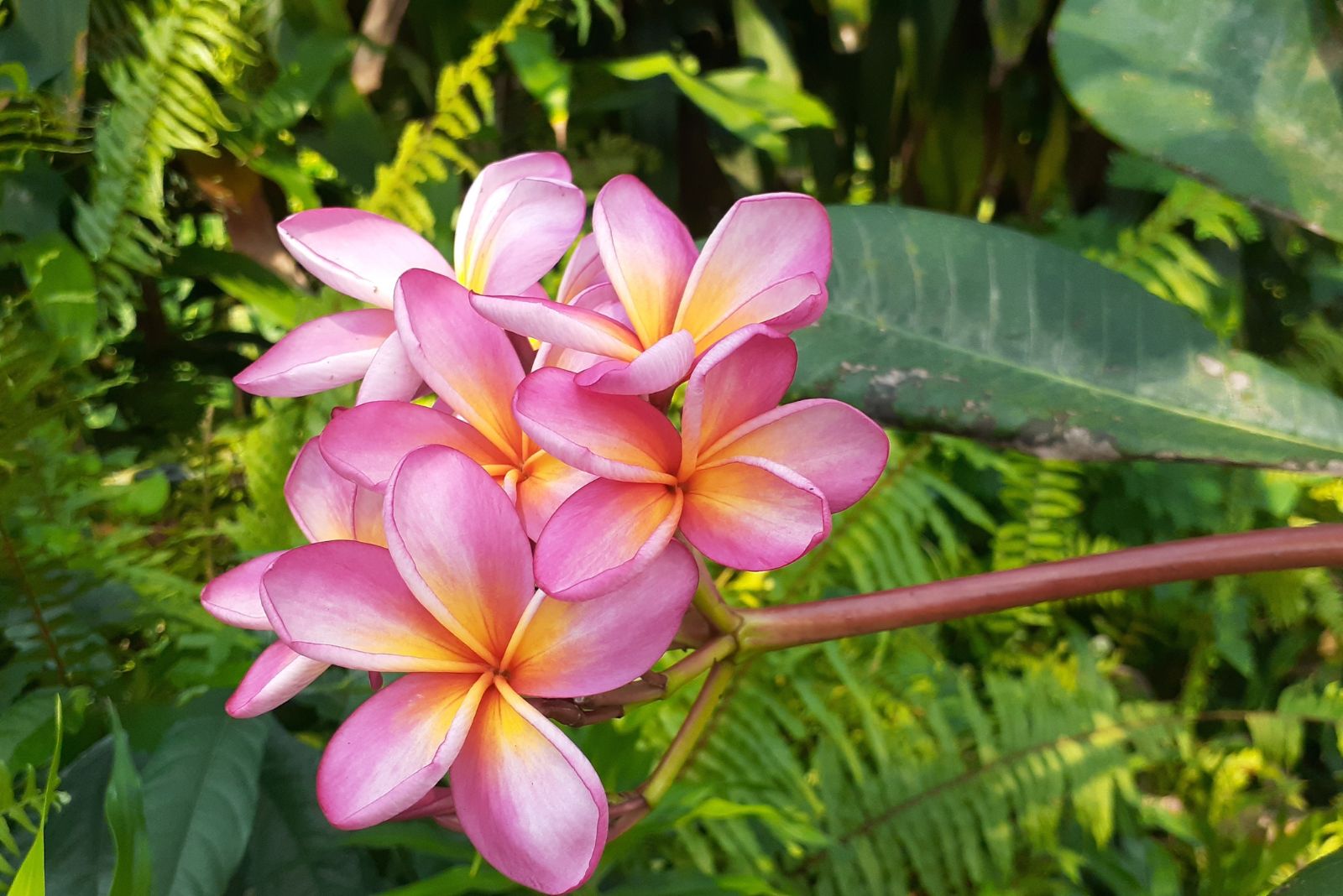
Pennsylvania plumeria growers put serious effort into keeping these tropical plants alive through a climate that was never designed for them.
The winter storage, the careful timing of bringing them back out, the placement decisions to maximize what limited warm season Pennsylvania offers.
After all of that work, there is one specific thing that gets skipped in June with enough regularity that it quietly determines whether the plant rewards that effort with an impressive bloom season or delivers a frustrating stretch of healthy-looking growth and almost no flowers.
The disappointment tends to show up in August, and by then the window to influence what the plant does has already closed.
Most Pennsylvania plumeria owners never connect that August outcome to a June omission because the timing makes the relationship between the two feel indirect. It is not.
What happens in June with this plant has a direct and predictable effect on what it does when summer is at its most productive.
Skipping The Bloom-Boosting Fertilizer Is The Biggest Mistake
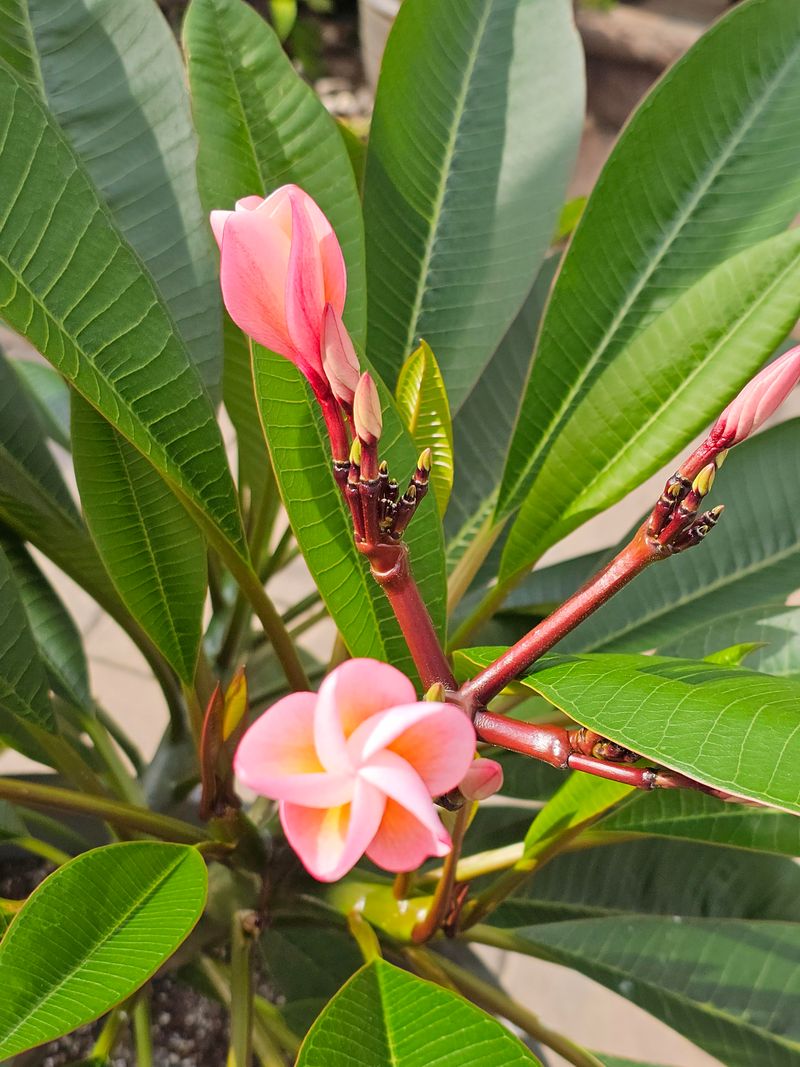
Most plumeria owners in Pennsylvania do not realize that June is the single most important month to feed their plants a bloom-boosting fertilizer.
Skipping this step is the number one reason flower buds never form, even when the plant looks perfectly green and healthy on the outside.
Plumerias need a fertilizer that is high in phosphorus to trigger bud development. Phosphorus is the middle number in any fertilizer label, shown as N-P-K.
A ratio like 10-50-10 or something similar with a high middle number is exactly what your plant needs right now.
Without enough phosphorus, your plumeria puts all its energy into growing leaves instead of flowers.
The foliage may look lush and full, but inside the plant, nothing is happening in the bud department. Many growers get fooled by this because the plant looks fine from the outside.
The best time to apply bloom fertilizer is every two weeks starting in early June and continuing through July. Water the plant well before applying any fertilizer to avoid stressing the roots.
Always follow the label instructions so you do not over-fertilize, which can cause its own set of problems.
Look for fertilizers specifically labeled for plumerias or tropical flowering plants. Products like Excalibur Plumeria Fertilizer or similar high-phosphorus options are popular among enthusiasts.
You can find these at garden centers or online. June is a short but powerful window for plumeria care in Pennsylvania. Missing this fertilizer step is the one thing that ruins blooms more than anything else. Do not let it slip by this year.
Insufficient Sunlight Stops Buds Before They Start
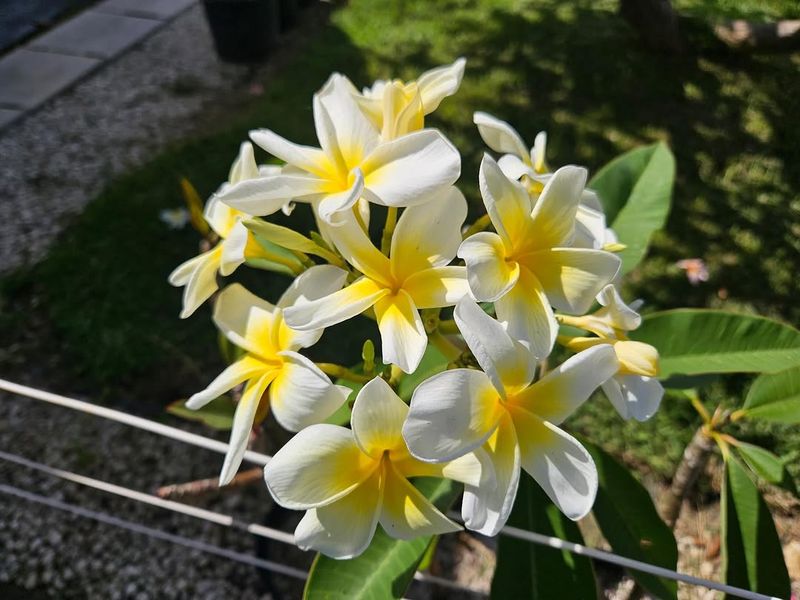
Sunlight is basically fuel for plumeria flowers. Without enough of it, the plant simply cannot gather the energy it needs to push out those beautiful blooms you have been waiting for all year.
Plumerias need a minimum of six full hours of direct sunlight every single day to even begin the bud-forming process. In tropical climates, this is easy to achieve.
But Pennsylvania summers can be surprisingly cloudy and cool, which makes finding the right sunny spot a real challenge for local growers.
Your Pennsylvania Garden Changes Every Week. Your Plan Should Too.
Gardening in Pennsylvania changes quickly throughout the season. Every Friday you’ll receive a simple weekly plan showing exactly what to plant, prune, fertilize, harvest, and protect so you never miss the right timing.
If your plumeria is sitting on a shaded porch or under a tree, move it immediately. Even partial shade for a few hours can reduce the plant’s ability to set buds. Think of sunlight as the on-off switch for flowering.
The sunniest spots in most Pennsylvania yards are south-facing areas that stay open to the sky from morning to late afternoon. Driveways, open patios, and south-facing walls that reflect heat are great options.
The more direct sun your plumeria gets in June, the better its chances of blooming in August.
On cloudy days, there is not much you can do outdoors, but you can move container plants inside near a bright south-facing window to make up for lost light. Grow lights can also help on consistently overcast weeks, though nothing beats real sunlight.
Check your plant’s location right now and ask yourself honestly if it is getting six or more hours of sun. If the answer is no, a simple move to a sunnier spot in June could be the difference between a plant full of blooms and one that stays stubbornly bare all summer.
Overcrowded Or Root-Bound Pots Steal Energy From Flowers
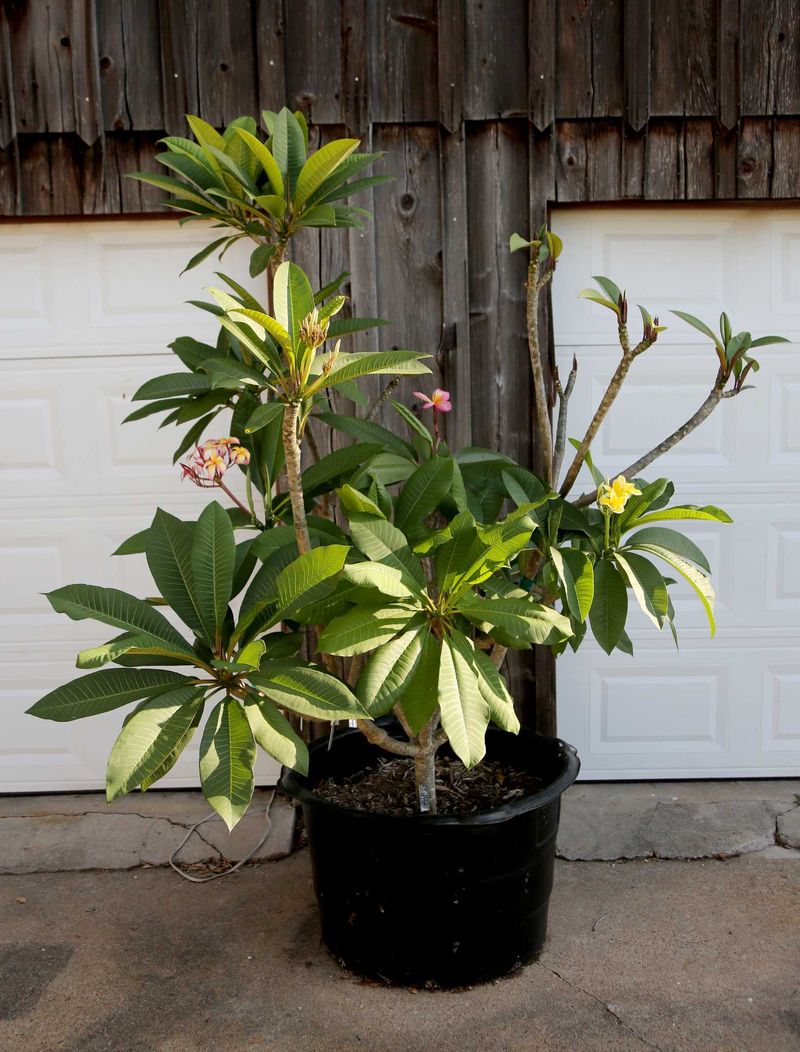
Roots running out of room is a surprisingly common reason why plumerias in Pennsylvania skip blooming entirely. When a plant becomes root-bound, it spends every bit of energy trying to push roots into new space rather than producing flowers.
A root-bound plumeria is one where the roots have completely filled the container and have started circling around the inside walls or poking out of the drainage holes. If you lift the pot and see a thick mat of roots at the bottom, that is a clear sign it is time to repot.
Container size matters more than most people think. A pot that is too small limits root growth, which in turn limits nutrient uptake and water absorption.
Both of those things are essential for bud formation. Moving your plumeria into a container that is two to three inches wider can make a dramatic difference in bloom production.
June is actually a great time to repot in Pennsylvania because the plant is actively growing and can recover quickly. Use a well-draining potting mix designed for cactus or tropical plants.
Avoid using heavy garden soil, which holds too much moisture and can cause root problems.
After repotting, give the plant a few days to settle before applying fertilizer. Water it well and place it back in its sunny spot.
You should notice improved growth within a few weeks as the roots spread into fresh soil and start supporting better flower development.
Do not wait until the plant looks stressed to repot. Being proactive in June gives your plumeria the best possible chance of sending up flower stalks before summer ends.
Inconsistent Watering Causes Buds To Drop Before They Open
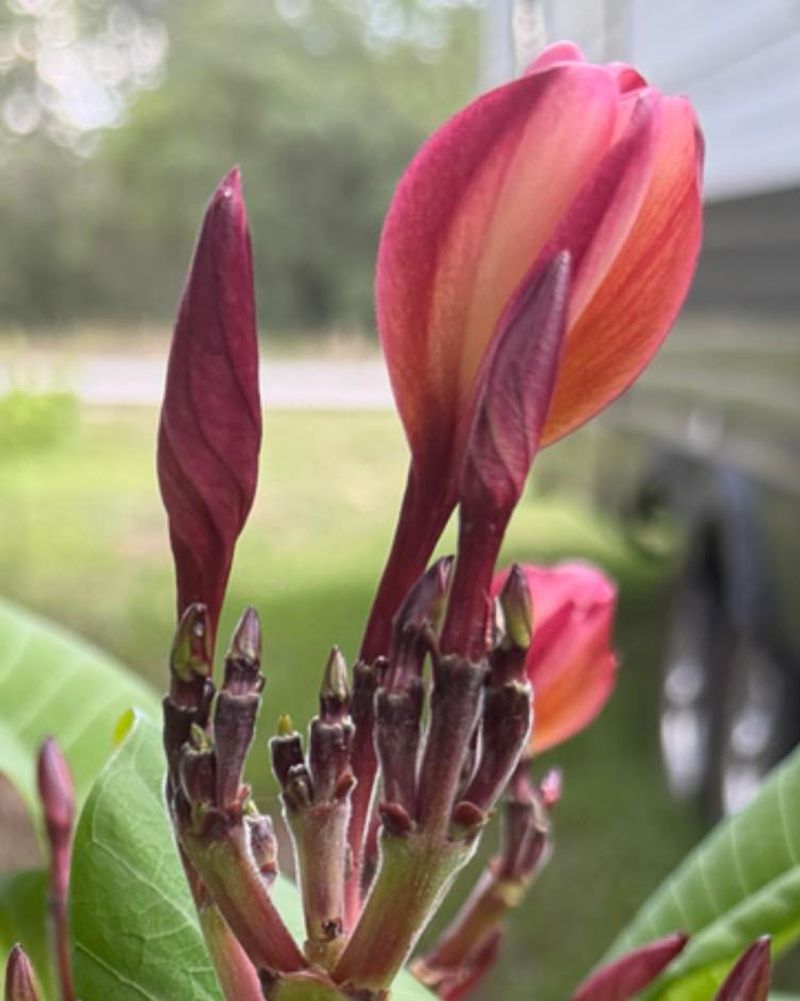
Water is one of those things where balance is everything. Too much or too little at the wrong time can stress a plumeria so badly that any buds trying to form simply drop off before they ever get the chance to open.
June is the month when plumerias begin their bud initiation process. During this critical time, the plant needs steady and consistent moisture.
Letting the soil dry out completely for several days and then flooding it with water sends confusing signals to the plant. That kind of stress is one of the fastest ways to lose your blooms.
A good general rule is to water deeply when the top inch or two of soil feels dry to the touch. In Pennsylvania’s June climate, this usually means watering every three to five days depending on how hot and sunny it has been.
Containers dry out faster than in-ground plants, so check your pots more often. Overwatering is just as damaging as underwatering. Soggy soil leads to root problems that prevent the plant from absorbing the nutrients it needs.
Always make sure your pot has good drainage holes and that water is not pooling at the bottom.
Morning watering is the best approach because it gives the foliage time to dry before nightfall. Wet leaves sitting overnight can invite fungal issues that further stress the plant.
Keep a simple watering schedule and stick to it as closely as possible throughout June and July.
Consistent moisture during bud formation is one of the easiest and most effective ways to protect your plumeria blooms and keep them on track for a stunning August display.
Excess Nitrogen Fertilizer Feeds Leaves But Starves Flowers
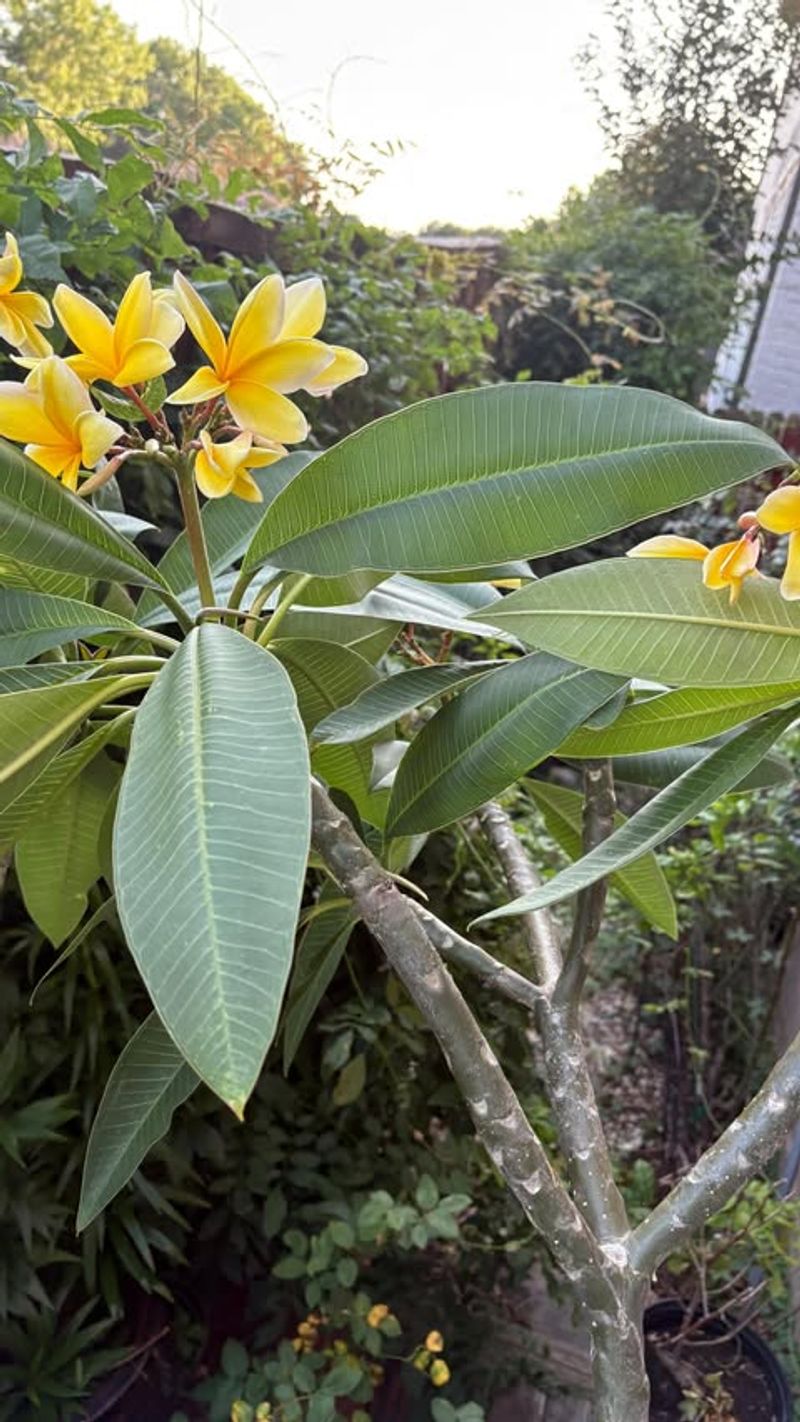
Here is something that trips up even experienced gardeners. Using the wrong fertilizer can actually work against you, and with plumerias, too much nitrogen is one of the sneakiest bloom-blockers out there.
Nitrogen is the first number in any fertilizer label. It is the nutrient responsible for green, leafy growth.
Plants absolutely need it, but when there is too much nitrogen in the mix, the plant prioritizes growing new leaves and stems over producing flowers. Your plumeria ends up looking lush and impressive while producing zero blooms.
Many general-purpose fertilizers and lawn products are loaded with nitrogen. If you have been using a standard all-purpose plant food or anything with a high first number, like 20-10-10 or 30-10-10, that could be the reason your plumeria is all leaves and no flowers.
Switching to a low-nitrogen, high-phosphorus formula in June can shift the plant’s energy from vegetative growth toward reproductive growth, which means flowers. Look for formulas where the middle number is significantly higher than the first number.
Something like 5-30-5 or 10-50-10 is ideal for bloom production. It helps to understand that the N-P-K ratio is a simple guide to what a fertilizer does. N grows leaves, P grows flowers and roots, and K supports overall plant health.
Matching the right ratio to the right growth stage is one of the most powerful tools in a plumeria grower’s toolkit.
Make the switch to a bloom-focused fertilizer this June and cut back on anything nitrogen-heavy. Your plant will redirect its energy toward where you actually want it, and the results by August can be genuinely spectacular.
Environmental Stress From Pennsylvania Weather Disrupts Bud Development
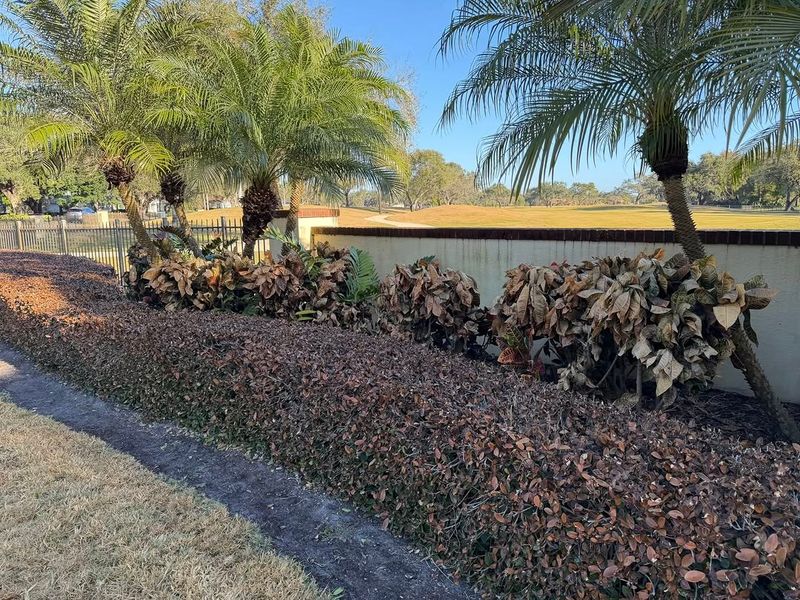
Pennsylvania weather can be wonderfully unpredictable, and while that makes for interesting seasons, it can be genuinely tough on tropical plants like plumeria.
Sudden temperature swings, unexpected cool nights, or a random late frost in early June can interrupt bud development at the worst possible time.
Plumerias are tropical plants that prefer temperatures consistently above 60 degrees Fahrenheit. When temperatures dip below that, the plant goes into a kind of protective mode where it pauses growth and bud formation.
Even one or two cold nights in June can set back your blooming timeline by several weeks. Keep an eye on the local forecast during June, especially in the first half of the month. Pennsylvania can still see surprisingly chilly nights even after Memorial Day.
If temperatures are expected to drop below 55 degrees, move your potted plumeria indoors or cover it with a light frost cloth overnight.
Extreme heat can also cause problems. When temperatures spike above 95 degrees for several days in a row, plumerias can experience heat stress that causes developing buds to stall or drop.
On very hot days, moving the plant to a spot with afternoon shade can help protect it without sacrificing its morning sun exposure.
Wind is another overlooked stressor. Strong winds dry out the soil quickly and can physically damage tender new growth and emerging flower stalks.
Placing your plant near a wall or fence that blocks prevailing winds while still allowing full sun exposure is a smart setup for Pennsylvania summers.
Paying attention to the environment around your plumeria in June takes only a few minutes each day. Those small protective actions add up to much healthier bud development and a far more rewarding bloom show by August.