Fall Lawn Fertilizer Mistakes New York Homeowners Should Stop Making
Fall really is the best season to feed cool-season grass in New York, since roots keep growing while the blades slow down. Nail the timing and the rate, and your lawn wakes up thick and green in April.
Miss the mark, and that pricey bag ends up feeding the storm drain instead of your yard. Extra nutrients washing off lawns can also fuel algae blooms in nearby lakes, streams, and bays.
State law bans lawn fertilizer from December 1 through April 1, and parts of Long Island start the blackout even earlier. The rules also limit phosphorus and keep spreaders away from pavement and water.
Before you rip open another bag, take a look at the habits worth breaking. A few small changes can save cash, protect local water, and give you the best lawn on the block.
1. Fertilizing Without Checking What The Soil Needs
Guessing what your grass is hungry for is a bit like buying shoes without knowing the size. Sometimes it works out, but usually you waste money.
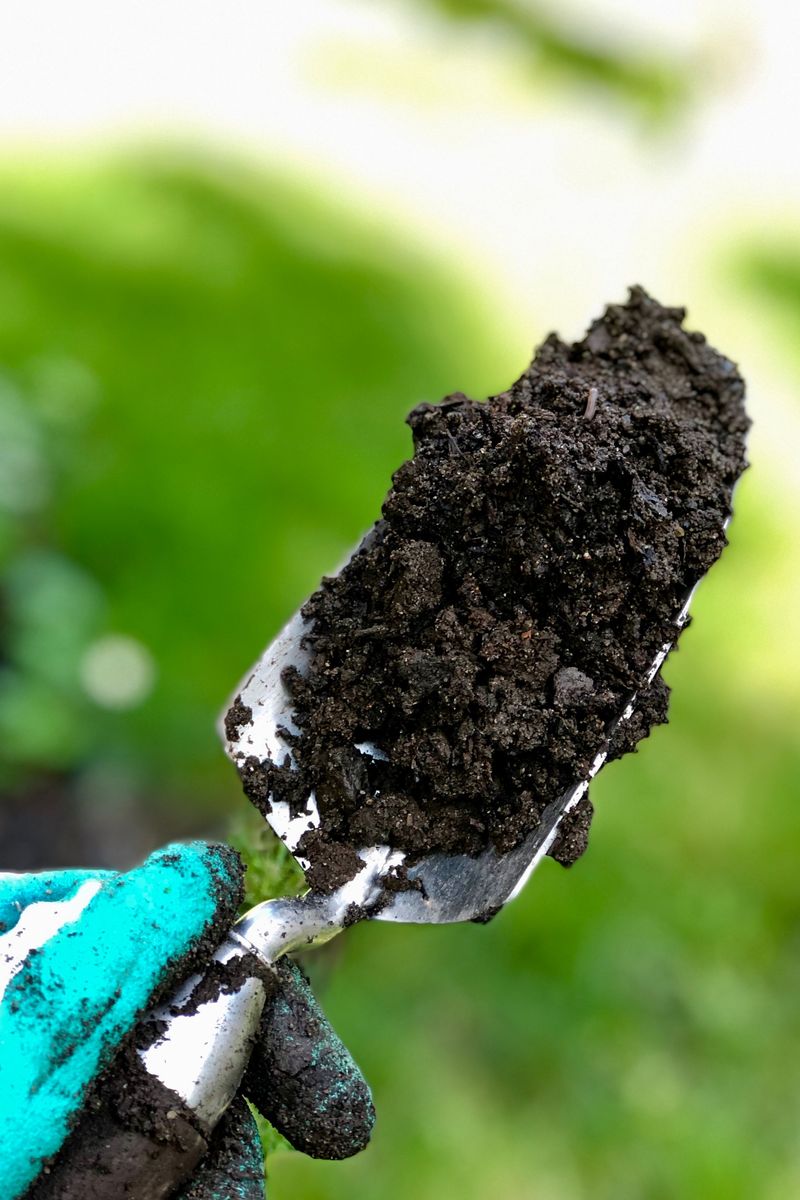
Soil testing takes the guesswork away for under twenty dollars. The results show pH, phosphorus, potassium, and organic matter levels in plain numbers.
Many New York homeowners have soil that already holds plenty of certain nutrients. Adding more does nothing helpful, and the extra simply rinses away during the next storm.
The state Department of Environmental Conservation suggests using a lab that regularly runs soil nutrient analysis. Those labs give accurate readings and usually include fertilizer recommendations you can follow.
Cornell Cooperative Extension offices across the state handle this work, including Saratoga, Suffolk, Nassau, and Warren counties. The Department of Health also keeps a list of certified labs.
Testing every two or three years is plenty for most yards. Sample in late summer so results arrive before your fall application window opens.
Collect soil from several spots around the yard, about four inches deep. Mix the samples in a clean bucket, then send in one cup of the blend.
Skip areas near the driveway edge or the spot where you park the trailer. Odd corners can skew the numbers and throw off your whole plan.
Here is the part people love: a test sometimes shows you need less product, not more. Saving a bag or two pays for the test several times over.
Once you know your numbers, every future application becomes a decision instead of a hopeful guess. Your wallet and the nearest creek both benefit.
2. Applying More Than One Pound Of Nitrogen
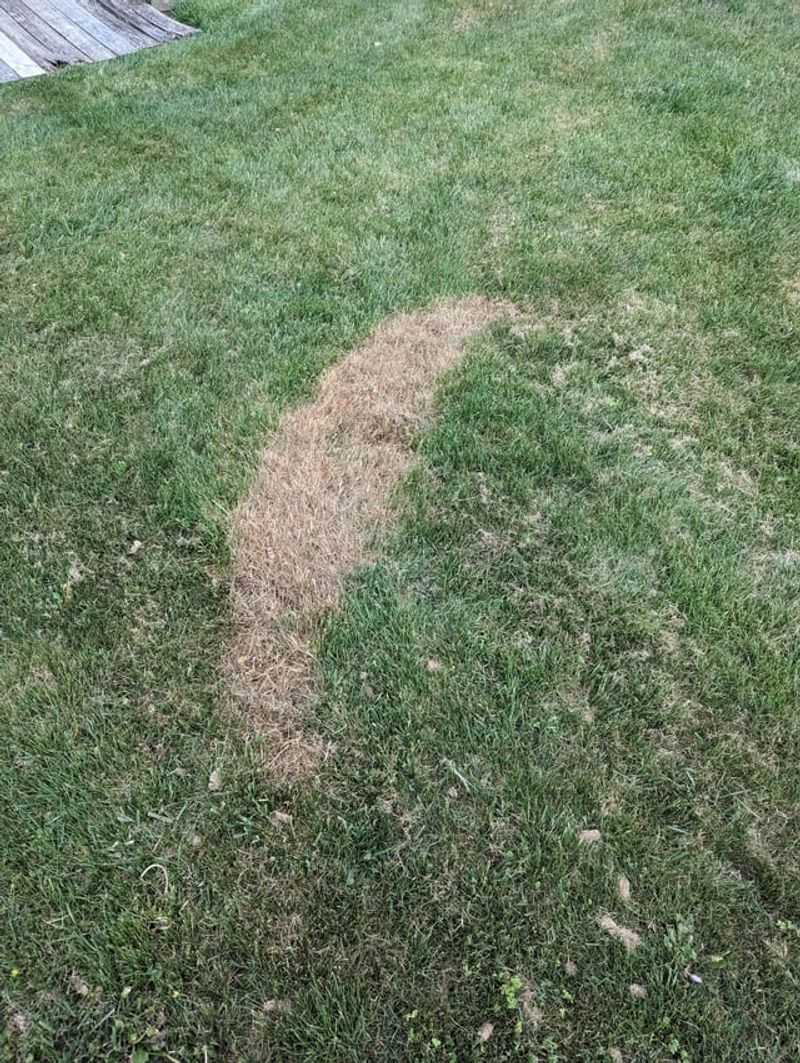
More is better, right? Not with nitrogen, where a heavy hand leaves scorched brown streaks that stay visible for weeks.
Fertilizer burn happens when salts in the product pull moisture out of the grass blades. The stripes usually follow your exact spreader path, which is embarrassing.
University extension guidelines point to one to four pounds of actual nitrogen per 1,000 square feet per year. Split that total across several applications rather than dumping it at once.
Any single feeding should land between one-half and one pound per 1,000 square feet. Crossing that one-pound line in one pass invites trouble.
Your New York Garden Changes Every Week. Your Plan Should Too.
Gardening in New York changes quickly throughout the season. Every Friday you’ll receive a simple weekly plan showing exactly what to plant, prune, fertilize, harvest, and protect so you never miss the right timing.
Fast-release products deserve even more caution. Keep those at 0.25 to 0.5 pounds per 1,000 square feet so the surge does not overwhelm the turf.
Slow-release formulas behave differently because nitrogen trickles out over several weeks. They’re gentler on turf, but Cornell still caps any single feeding at one pound per 1,000 square feet.
Overfeeding also pushes soft top growth while roots get ignored. You end up mowing more often and watching a weaker lawn head into winter.
Whatever the grass cannot take up simply moves with the next rain. Nitrogen that reaches waterways helps nobody, least of all local fish.
Measure your lawn before you buy. Multiply length by width, subtract the house and driveway, and you have a real number to work with.
Long Island lawns commonly need two to three pounds of nitrogen per 1,000 square feet annually. Spread across the season, that is very manageable.
3. Adding Phosphorus When Your Lawn Does Not Need It
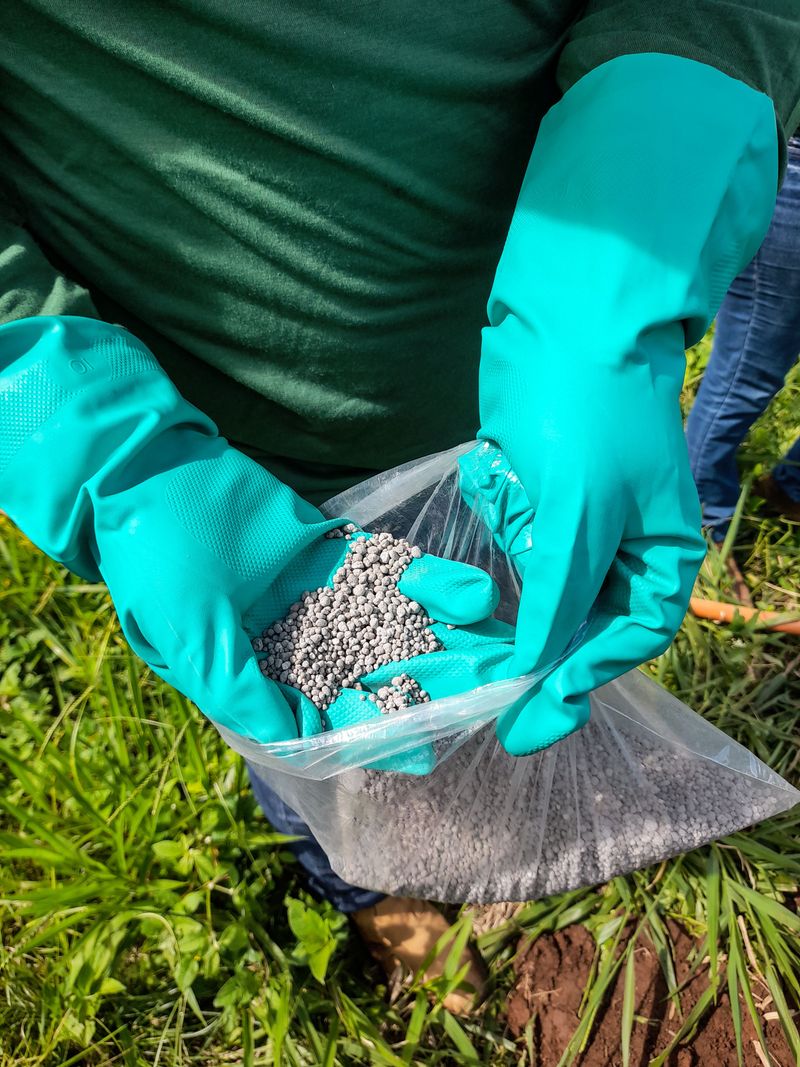
Check the middle number on your fertilizer bag. That figure is phosphorus, and in New York it is legally restricted for a very good reason.
The Dishwasher Detergent and Nutrient Runoff Law took effect January 1, 2012. It limits phosphorus fertilizer on established lawns across the state.
Under the rule, you may apply phosphorus only when a soil test shows a deficiency or when starting a brand new lawn. Products at 0.67 percent phosphorus or less by weight are exempt.
Retailers must shelve phosphorus fertilizers separately and post signs about the restrictions. If you see that display, take the hint before grabbing a bag.
Why the fuss? Phosphorus moves easily off turf and into streams, rivers, lakes, and reservoirs, where it feeds algal blooms.
Those blooms drain oxygen that fish depend on and cloud water used for drinking. They also shut down swimming beaches and hurt boating businesses.
Plenty of older lawns already carry more phosphorus than the grass will use. Adding another dose accomplishes nothing except expense and runoff.
A soil test settles the question in one page. If phosphorus is adequate, choose a bag with a zero in the middle slot.
Seeding a bare patch is the exception worth remembering. New seedlings genuinely benefit from phosphorus while roots are forming.
Fun detail: the same law also cut phosphorus from household dishwasher detergent. Lawns and kitchen sinks both share responsibility for cleaner water.
Reading labels takes seconds and keeps you on the right side of the rules.
4. Spreading Fertilizer Before Heavy Rain
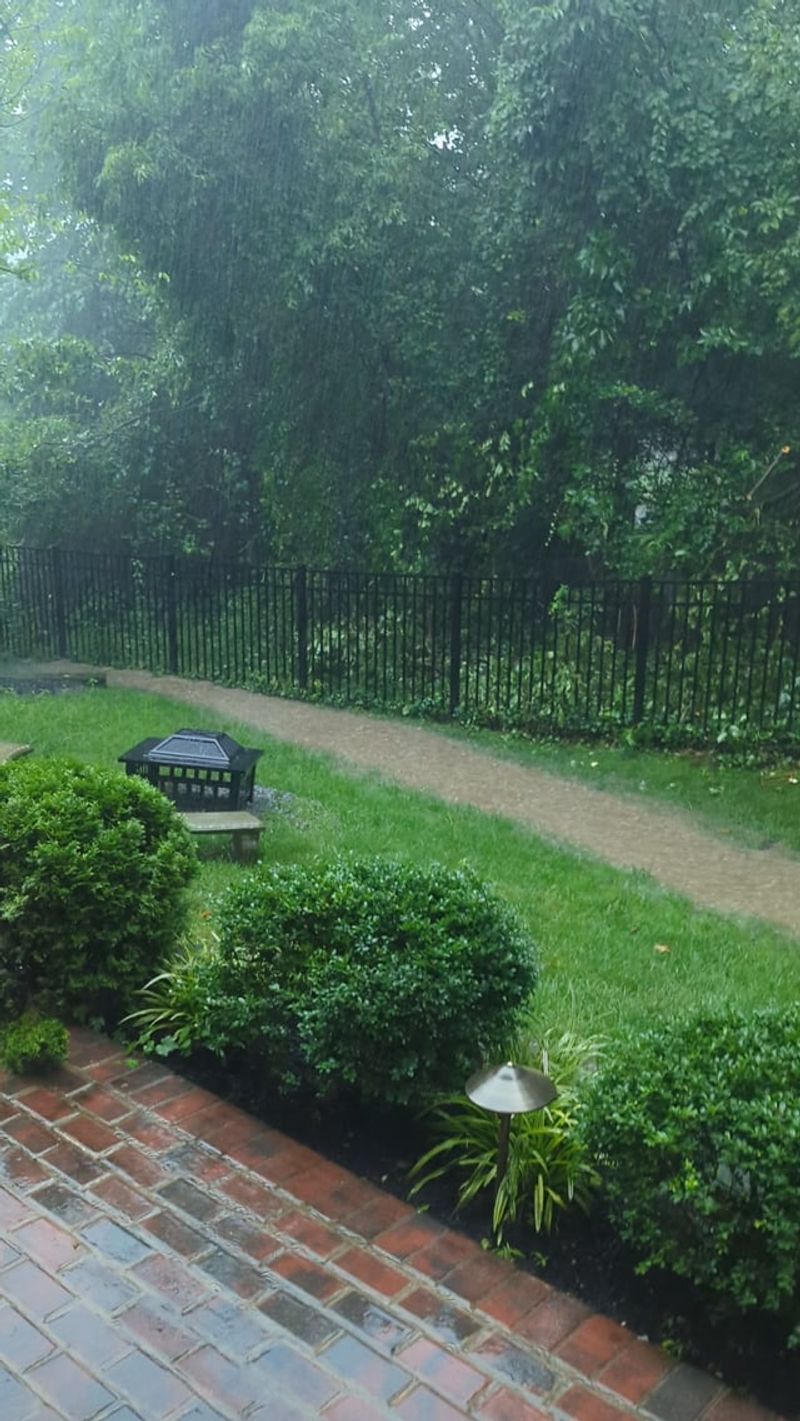
Timing an application right before a downpour feels clever. The rain waters it in for free, so why not?
Because heavy rain does not water it in. Heavy rain sweeps granules off the surface before soil has any chance to grab the nutrients.
What leaves your lawn heads straight for the curb, then the storm drain, then a creek or bay somewhere in New York. That is pollution you paid for.
Your turf pays too, with patchy color where nutrients vanished and darker stripes where they stayed put. Uneven feeding shows up fast in cool weather.
Light rain is a completely different story. A gentle shower dissolves granules and carries nutrients gradually into the root zone.
When no rain is coming, water lightly right after spreading. A short run of the sprinkler moves the product off grass blades and into the soil.
Roughly a quarter inch is enough. Puddles and running water across the lawn mean you have gone too far.
Applying after a storm works well, but wait until the blades have dried. Damp grass grabs granules and holds them where they can scorch.
Get in the habit of checking the forecast two days out. Autumn weather swings quickly, and a Sunday plan may need to become a Tuesday plan.
Wind matters as much as rain. Calm mornings keep the product where you aim it, which protects both your results and nearby water.
5. Leaving Granules On Driveways And Sidewalks
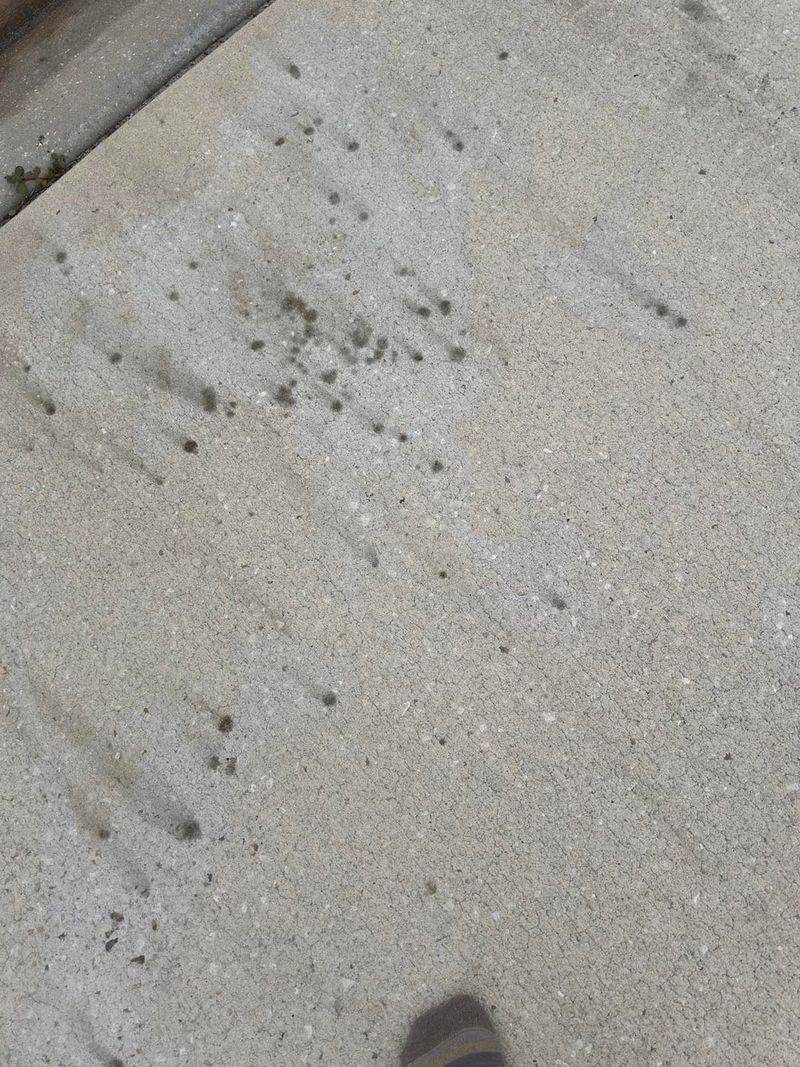
Those little green pellets scattered across your driveway are not decorative. They are wasted money sitting on concrete, waiting for the next rain.
Pavement cannot absorb anything. Every granule on a hard surface eventually washes toward a storm drain and out to a lake, river, or bay.
New York State law specifically prohibits broadcasting fertilizer onto sidewalks and roads where it can become runoff. Sloppy spreading is genuinely a legal issue, not just a tidiness one.
The fix costs nothing. Keep a push broom handy and sweep stray granules back onto the grass as soon as you finish.
Better yet, prevent the mess. Most broadcast spreaders have a deflector shield that blocks the throw on one side.
Make a border pass around the perimeter first, walking with the spreader closed toward the pavement. Then fill in the middle with normal back-and-forth passes.
Drop spreaders give even tighter control near edges. They move slower, but nothing lands where it should not.
Shut the hopper whenever you stop, turn, or cross a walkway. A single pause with the gate open dumps a surprising pile in one spot.
Loading matters too. Fill the spreader on the lawn or over a tarp, never on the driveway where spills are guaranteed.
Neighbors notice a clean edge, and so do the waterways that make summers worth waiting for. Two minutes with a broom protects both.
Consider it the cheapest environmental win available to any homeowner this fall.
6. Feeding Grass That Has Gone Dormant
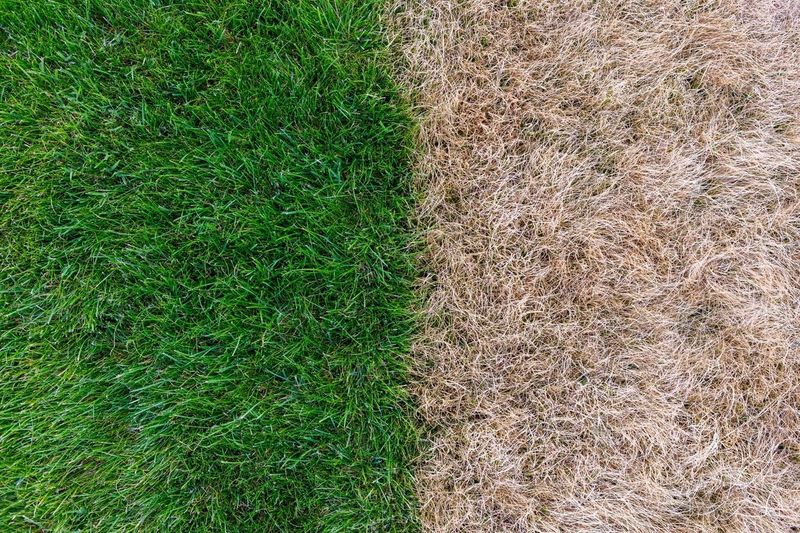
Dormant grass has essentially clocked out for the season. Feeding it is like leaving dinner for someone who moved away.
Cool-season grasses slow down and go dormant once soil temperatures settle below 55 degrees. Growth stops, and nutrient uptake stops with it.
Fertilizer applied then just sits on the surface. Rain and melting snow carry it off, which wastes your investment and loads nearby water with nutrients.
The statewide blackout from December 1 through April 1 lines up with that dormant stretch. Suffolk County starts November 1, and Nassau County starts November 15.
A soil thermometer costs about ten dollars and settles every argument. Push it two or three inches deep in the morning and read the number.
Color tells you plenty as well. Grass that still looks green and needs occasional mowing is active and ready to use what you give it.
Tan, crunchy, stalled turf is finished for the year. Put the bag in the garage and save it for spring.
Dormancy is not a problem to fix. It is a normal survival strategy that protects the crown through freezing weather.
Upstate lawns typically shut down earlier than coastal ones. Someone in the Adirondacks and someone in Nassau County are working with very different calendars.
Watching the lawn rather than the date keeps you accurate. Every autumn in the state runs a little early or a little late.
Patience beats a pointless application every time.
7. Waiting Too Long To Make The Fall Application
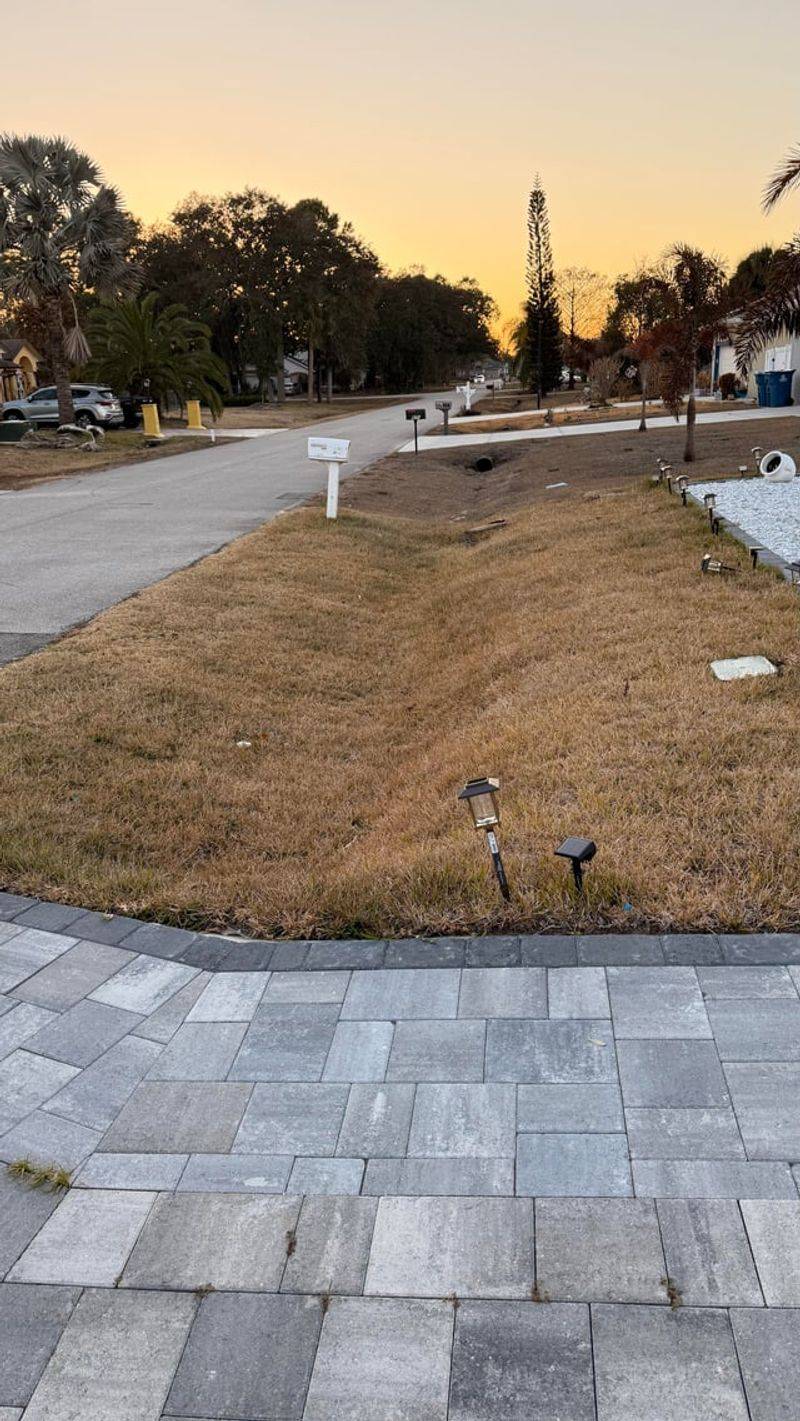
Procrastination has a price, and in lawn care that price shows up next April. A late bag of fertilizer helps far less than an on-time one.
Once the ground starts freezing, roots stop taking up nutrients. Product applied to frozen ground simply floats away with snowmelt.
The main fall feeding in New York belongs somewhere between early September and October. Roots are growing hard then, storing energy for winter and spring.
A later winterizer application can work from mid-October into early December. The catch is that grass must still hold color and be growing, even slowly.
Upstate New York generally works within a September through October window. Frost arrives sooner there, so waiting rarely pays off.
Rochester and Western New York often hit the sweet spot from late October into early November. Local conditions vary more than most people expect.
Long Island soil frequently stays above 55 degrees into November. Nassau County homeowners still need to finish before the November 15 blackout begins.
Mark your calendar in late August so the date does not sneak past you. Labor Day weekend makes an easy reminder for the first application.
Aim to be finished well before the ground freezes solid. Trying to squeeze in one last pass in frosty December accomplishes nothing.
Homeowners who feed on schedule notice faster green-up, denser turf, and fewer weeds the following spring. That payoff is worth a calendar note.
8. Fertilizing When The Grass Cannot Use The Nutrients
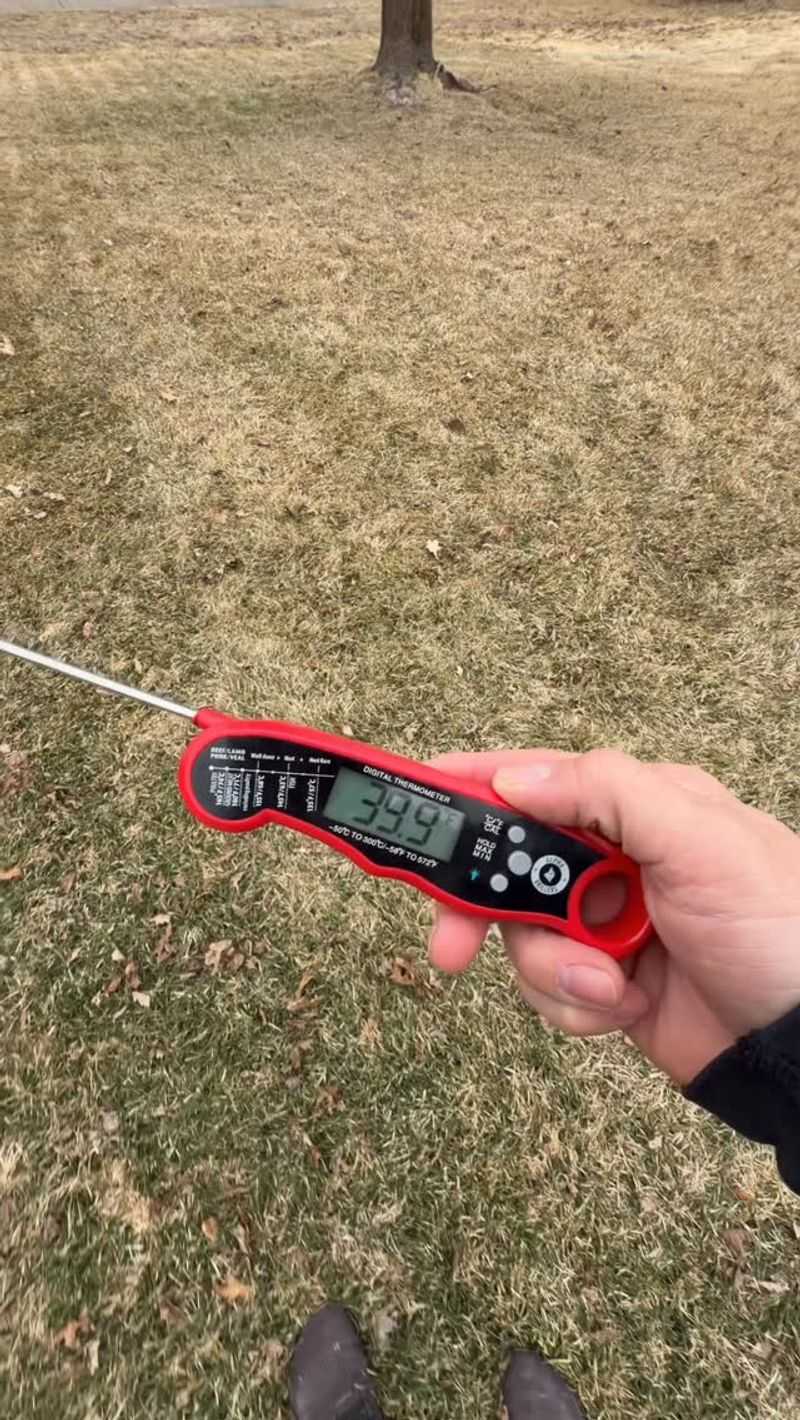
Grass follows soil temperature, not the calendar on your refrigerator. Once you accept that, most timing questions answer themselves.
Cool-season lawns absorb nutrients well when soil holds steady around 55 degrees or higher. Outside that range, the roots are not really open for business.
Spring impatience causes plenty of trouble. Feeding too early pushes tender blades before roots recover, leaving the lawn exposed to late frosts.
Midsummer is another poor window. Heat and drought push cool-season grass into a stressed, semi-dormant state.
Fertilizer during that stretch can scorch the turf and open the door to fungal problems. Most lawns need little to no nitrogen in the hottest weeks.
Drought changes things even in mild weather. Without moisture, granules cannot dissolve and nutrients stay locked on the surface.
A thermometer reading beats a guess every time. Check in the morning, a few inches down, for two or three days in a row.
Look at the grass too. Steady growth, good color, and regular mowing all signal a lawn that will actually use what you apply.
Climate varies widely across the state, from the Finger Lakes to the Hudson Valley to the coast. One statewide date could never fit every yard.
Treat fertilizer as a response to conditions rather than a routine chore. Your lawn, your budget, and the water downstream all come out ahead this fall.