12 Tough Plants That Hold New York Hillsides Through Snowmelt And Spring Rain
Bare soil on a slope can lose significant amounts of topsoil during a severe storm, yet rebuilding that lost soil naturally can take many years. In New York, that risk often peaks when deep snowpack melts quickly and spring downpours pile right on top.
Meltwater runs fastest over frozen ground, because the soil underneath cannot soak up much water yet. That sheet of runoff gathers speed downhill and carries loose dirt straight into ditches and nearby streams.
I have to admit my own hillside taught me this lesson the muddy way during one very wet April. You might notice the same gullies on your slope, little brown channels that grow a bit deeper every year.
Roots work like underground netting, and some plants weave a far tighter net than an ordinary lawn ever could.
So which tough characters deserve a spot on your Empire State slope before the ground freezes this fall?
1. Pennsylvania Sedge
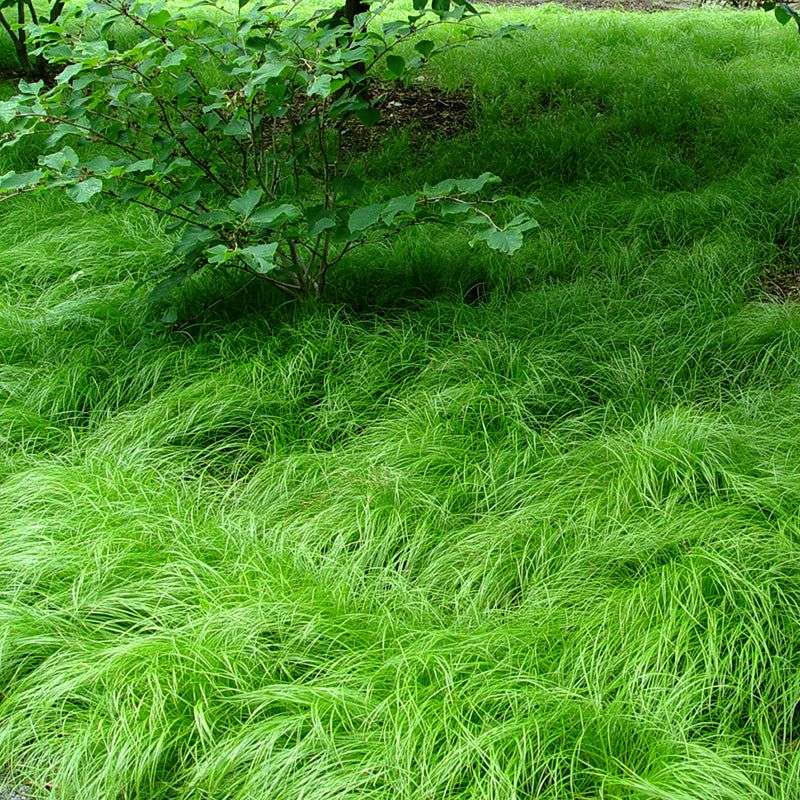
Run your hand across a patch of this sedge and it feels like soft green hair swaying under the trees. I love that it looks like a shaggy little lawn yet asks for almost no mowing or feeding at all.
Carex pensylvanica is a native sedge that grows wild in dry oak woods across much of the Northeast.
It spreads slowly by underground rhizomes, knitting together into a low mat roughly six to ten inches tall.
Those fine, fibrous roots grip the top layer of soil, which is exactly where snowmelt tries to scrape away dirt. On shady slopes where grass turns thin and patchy, this sedge often holds its ground with surprising ease.
It is hardy in USDA zones 3 through 8, so it handles cold winters from the Adirondacks down to Long Island. Partial to full shade suits it best, along with well-drained soil that leans a little dry or acidic.
October is a fine month to tuck in plugs, since cooler air and autumn rain help roots settle before winter. Space plugs about eight to twelve inches apart, and they should fill gaps within two or three seasons.
Personally, I skip the mower and let the blades flop naturally, but one trim in spring keeps things tidy. You can also leave fallen oak leaves around the plugs, because they mimic the forest floor this plant loves.
2. Gro-Low Fragrant Sumac
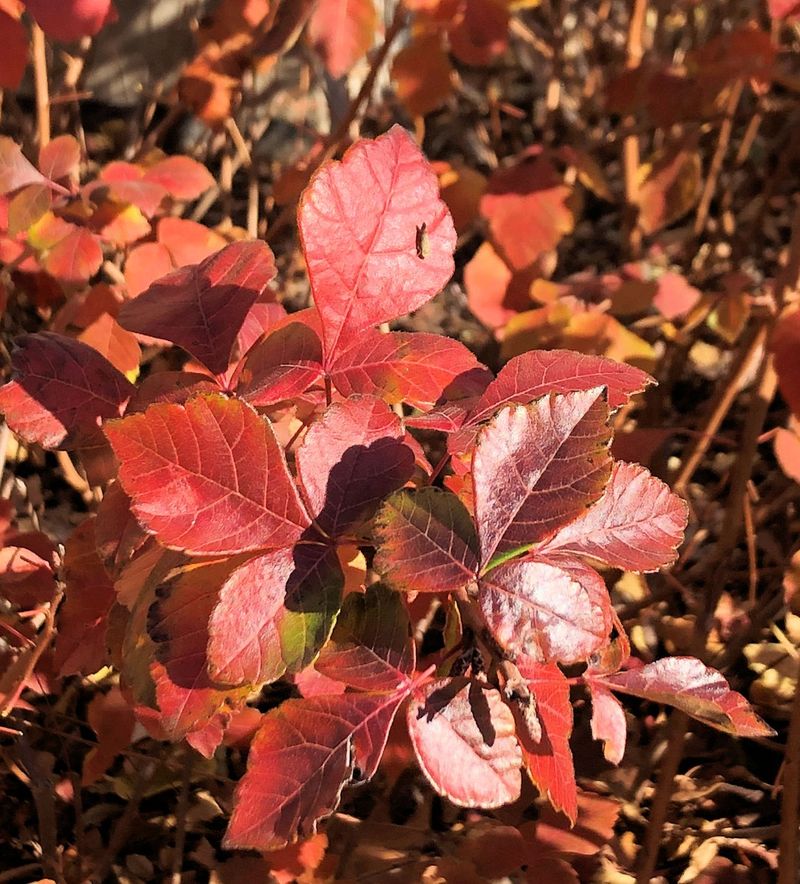
Crush one glossy leaf of this shrub and your fingers pick up a spicy, almost lemony scent for several minutes. That little sniff test has become my favorite trick for showing visitors why this plant earns its nickname.
Fragrant sumac, Rhus aromatica, is a native shrub, and Gro-Low is a compact selection bred to stay short and spreading.
It usually reaches about two feet tall but can sprawl six to eight feet wide over time.
Low stems arch outward and often root where they touch the ground, building a woody mat across steep banks. That tangle slows rushing meltwater, while the roots below keep soil from sliding away in heavy spring storms.
Your New York Garden Changes Every Week. Your Plan Should Too.
Gardening in New York changes quickly throughout the season. Every Friday you’ll receive a simple weekly plan showing exactly what to plant, prune, fertilize, harvest, and protect so you never miss the right timing.
Right now in October, the leaves are putting on their best show, glowing orange and scarlet on sunny slopes. It handles zones 3 through 9 and tolerates clay, gravel, and roadside salt better than many fussy shrubs.
Full sun gives the brightest fall color, though partial shade works fine if your slope gets afternoon shadows. Plant now, water deeply until the ground freezes, and spread a few inches of shredded bark around each one.
One quick tip from experience is to space them about four to five feet apart on a steep bank. You will need patience the first year, but by the third season the branches usually meet and hold firm.
3. Black Chokeberry
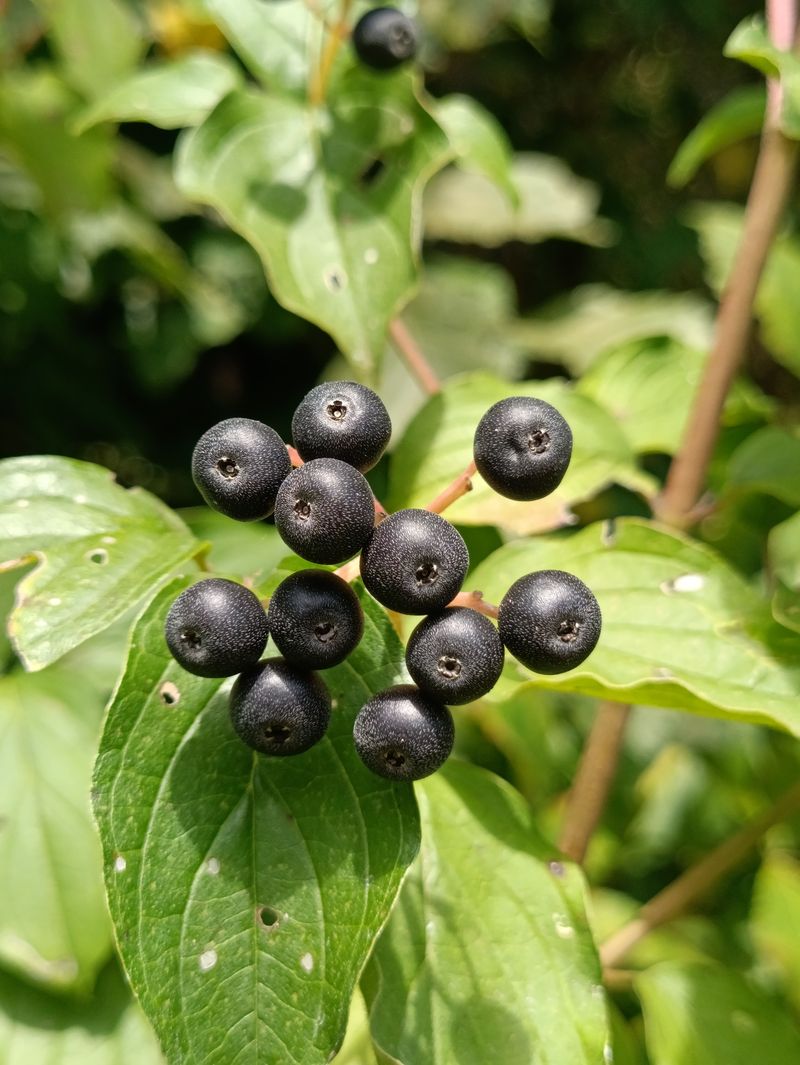
Bite into a raw chokeberry and your mouth puckers so hard you will understand the name in about two seconds. I still laugh remembering my nephew trying one straight off the bush last fall.
Aronia melanocarpa is a native shrub found in bogs, rocky ledges, and open woods across much of the region.
That wide range hints at its biggest talent, which is coping with soggy springs and dry summers alike.
Most plants stay about three to six feet tall, and they slowly sucker outward to form a loose thicket. Those spreading roots anchor loose soil on banks where snowmelt tends to collect and seep downhill each spring.
White flower clusters appear in May and feed early bees, and dark berries ripen by late summer for birds. In October the leaves often turn rich red and purple, which makes any slope look painted from below.
It grows well in zones 3 through 8, so cold Northern winters rarely bother it at all. Full sun brings the most fruit and color, though partial shade still produces a healthy, sturdy shrub.
You can plant container shrubs now while the soil stays warm enough for roots to keep growing. Group three or more together on a slope, and their suckering habit will soon weave them into one steady hedge.
4. Wild Hydrangea
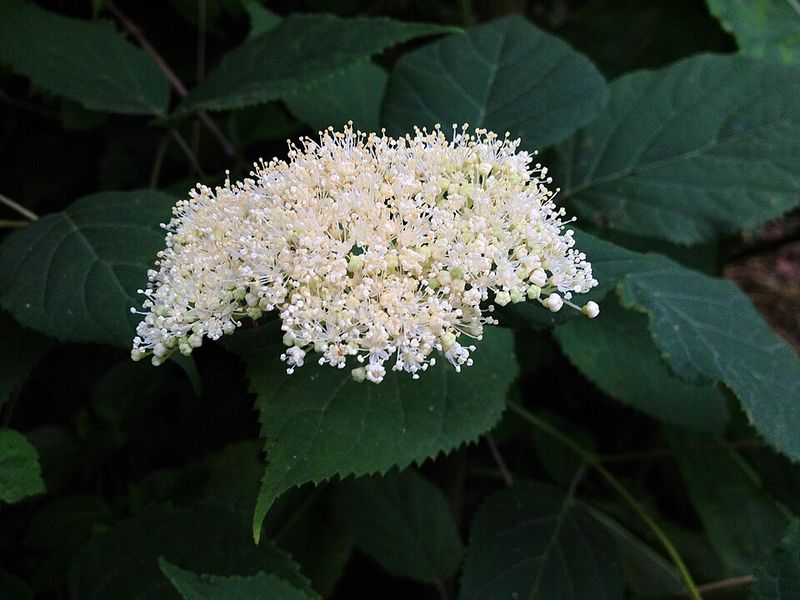
Long before fancy blue hydrangeas showed up at garden centers, this humble native was quietly clinging to rocky stream banks.
I adore how its lacy white flower heads glow in dappled shade like little paper lanterns.
Hydrangea arborescens grows wild in the eastern United States, including parts of southern New York along shaded slopes. Its native habitat often includes steep ravines and creek edges, which says plenty about its love of tricky ground.
The shrub usually stays three to five feet tall and spreads slowly by suckers into small colonies. Those clustered stems and roots help hold moist soil in place when spring rain pours down a hillside.
Hardy in zones 3 through 9, it flowers on new wood, so harsh winters rarely spoil the summer show. Cutting stems back in late winter keeps plants compact, and fresh blooms still arrive on schedule by early summer.
Right now the dried flower heads have turned soft tan, and I like leaving them up for winter texture. They catch snow beautifully, and the old stems give you a guide for pruning once spring returns.
Give it partial shade and soil that stays evenly moist without sitting in puddles for days. October planting works nicely, but water weekly during dry spells until the ground freezes solid for the season.
5. Virginia Creeper
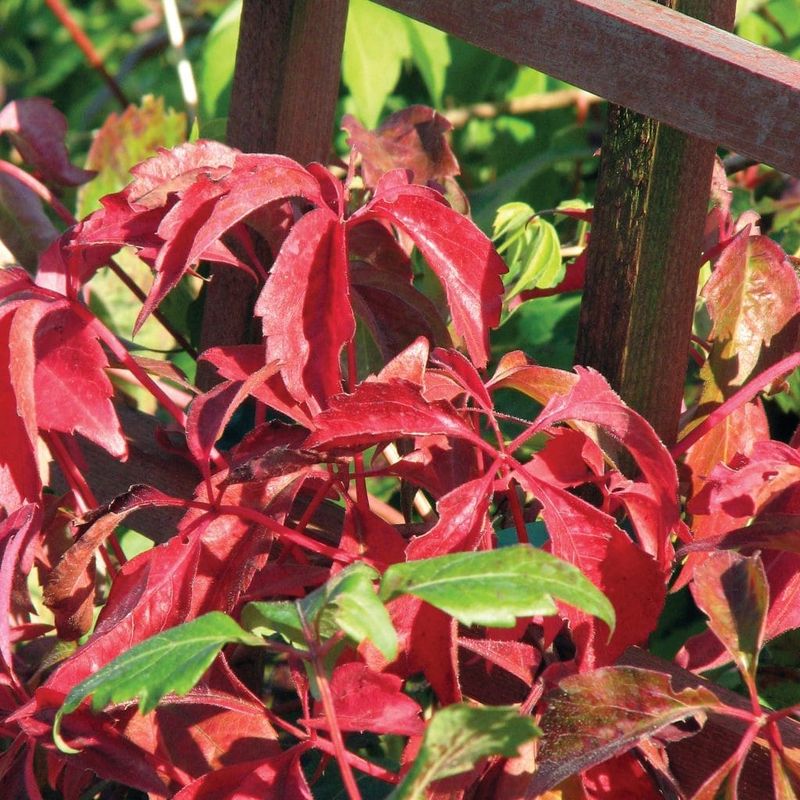
Count the leaflets on this vine and you will find five, which is the easiest way to tell it apart from poison ivy. My old rule of thumb says leaves of three, leave it be, while five can stay.
Parthenocissus quinquefolia is a native vine that grows along woodland edges and fence rows throughout the eastern states. Most people picture it climbing walls, yet it rambles happily across bare ground when nothing tall is nearby.
Trailing stems root as they wander, and that spreading web of roots grips loose soil on rough banks. On steep shady spots where mowing feels risky, this vine can blanket the ground with surprisingly little help.
October is its showtime, when the leaves flare into crimson and burgundy across hillsides and stone walls. Birds also gobble the small blue-black berries, though those berries are not safe for people or pets to eat.
It handles zones 3 through 9 and tolerates sun, shade, poor soil, and dry spells once established. That vigor is a blessing on a slope, but keep it away from siding, gutters, and trees you treasure.
Some people get a mild rash from the sap, so I wear gloves when trimming any long runners. Plant rooted cuttings now, and by next summer they should be stretching out to hold that hillside soil.
6. Broomsedge Bluestem
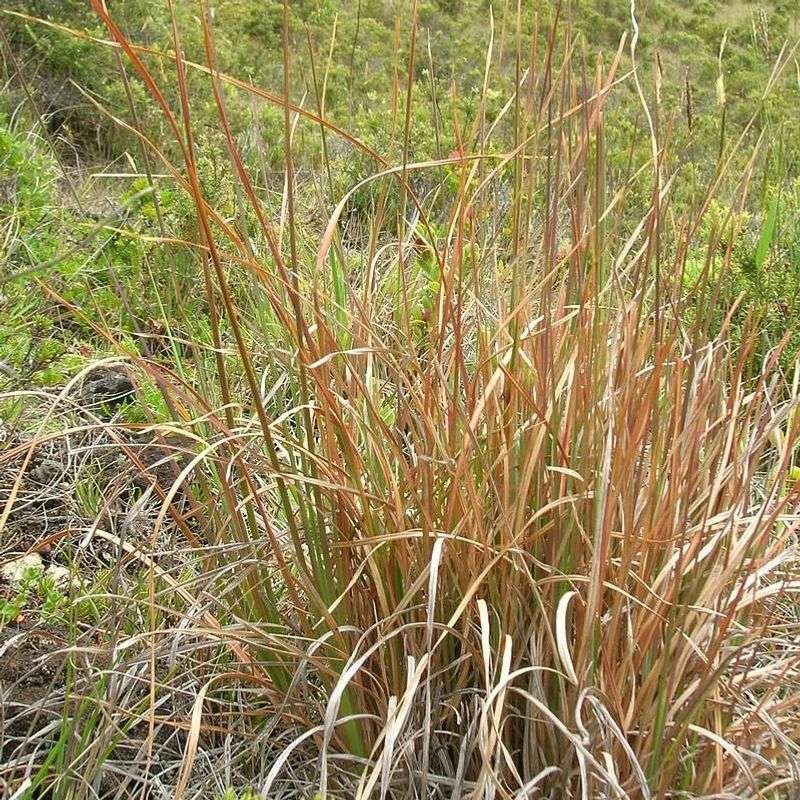
Early settlers bundled the stiff stalks of this grass into simple brooms, which explains its old-fashioned common name. I find that history charming every time I brush past the copper clumps on a breezy autumn walk.
Andropogon virginicus is a native warm-season bunchgrass that grows in old fields and dry openings across the East.
It often appears on its own in thin, worn-out soil where few other plants seem willing to try.
Each clump usually reaches two to three feet tall, with dense fibrous roots reaching well below the surface. Those roots bind poor, gravelly soil, which makes this grass handy on sunny banks that wash out easily.
By October the blades have shifted from green to a warm orange that lasts through winter snow. That glowing color looks wonderful on a hillside, especially when low morning sun shines straight through the stems.
It does best in zones 5 through 9, so it suits warmer parts of New York better than colder mountain areas. Full sun and lean soil keep it happy, and rich fertilized ground usually invites tougher competitors to crowd it.
You can scatter seed in late fall, since winter cold helps prepare the seed for spring sprouting. Leave the dry stems standing until spring, because they shelter insects and slow runoff during the melt.
7. Canada Wildrye
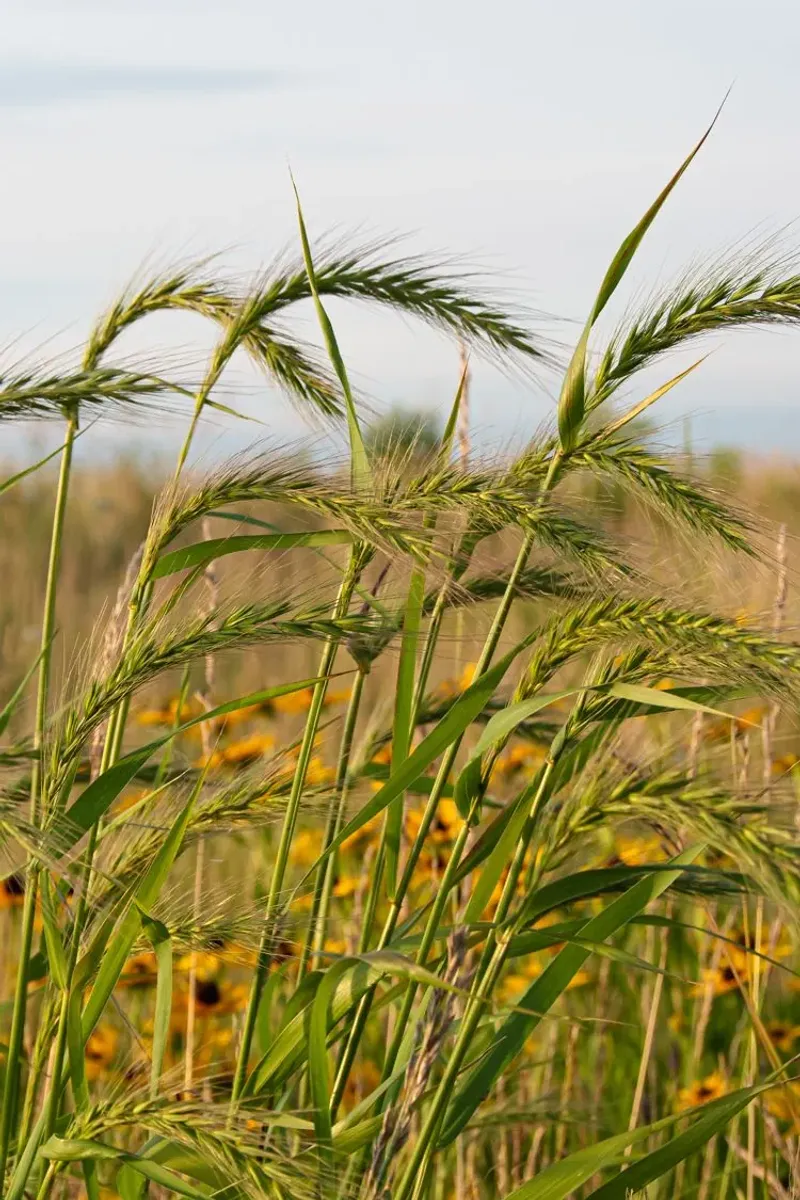
Few native grasses jump out of the ground as quickly as this one, which is why restoration crews adore it.
I once watched a bare bank turn green within weeks after a fall seeding, and it felt like magic.
Elymus canadensis is a native cool-season bunchgrass that grows across most of North America, including many New York meadows. Cool-season means it grows actively in spring and fall, right when snowmelt and heavy rains tend to arrive.
That timing matters for slopes, because roots are busy holding soil precisely when runoff is strongest. Plants generally reach three to five feet tall, topped by nodding seed heads with long, bristly whiskers.
It is hardy in zones 3 through 8 and accepts sandy soil, clay, and even fairly poor ground. Full sun suits it best, though light shade along a woodland edge usually works just fine.
Wildrye is often mixed with slower native grasses as a nurse crop that shields the soil early on. Over a few years, it tends to step back as longer-lived prairie plants fill in around it.
October is a great month to scatter seed onto raked soil before the ground freezes hard. Press seed in lightly with your feet, then cover the area with a thin layer of clean straw.
8. Creeping Juniper
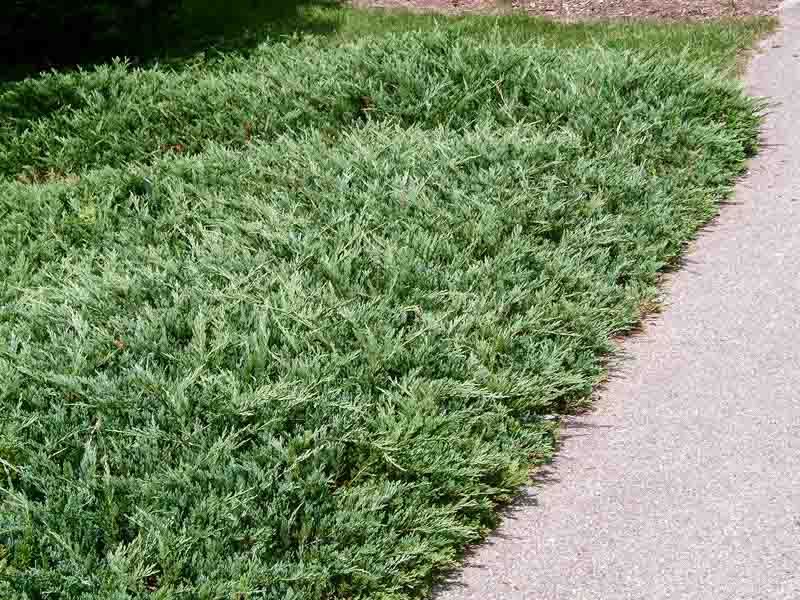
This evergreen hugs the ground so tightly that it looks like someone rolled a blue-green carpet over the rocks. I love walking out on a snowy morning and spotting its feathery tips poking through the white.
Juniperus horizontalis is a North American native that grows wild on rocky shores and sandy ridges in cold northern regions.
Most plants stay under a foot tall while spreading several feet wide, making a dense living mat.
Trailing branches can root where they touch the soil, which strengthens their hold on sloped ground. Because the foliage stays green all winter, it shields bare dirt even before spring melt begins.
It handles zones 3 through 9, and many varieties take on purple or bronze tones once cold weather settles in. Full sun matters a great deal, since shaded junipers tend to thin out and look scraggly.
Drainage matters just as much, because soggy soil often leads to root rot and brown patches. Choose a sunny, sandy, or gravelly slope where water moves through quickly instead of pooling around the roots.
Early fall planting gives roots several weeks to settle before frost arrives in most areas. Water deeply once a week until freezing, then mulch lightly with gravel or bark to keep weeds from sneaking in.
9. Canadian Wild Ginger
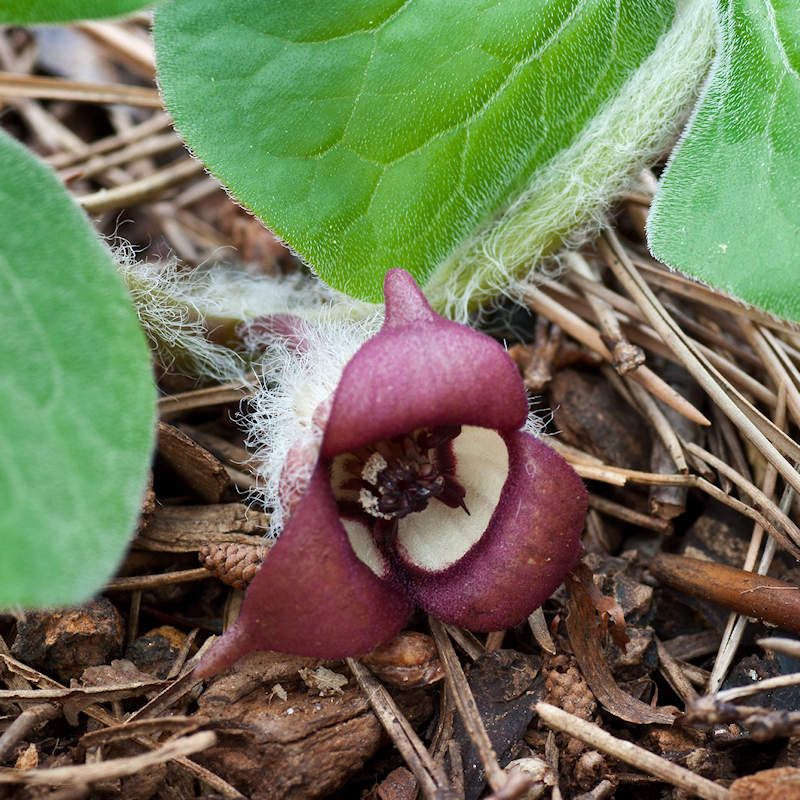
Peek under the heart-shaped leaves in spring and you might find odd little maroon flowers hiding right at ground level. I remember lifting a leaf for the first time and grinning at that sneaky, jug-shaped bloom.
Asarum canadense is a native woodland perennial that grows in rich, shady forests throughout the Northeast.
Despite the name, it is not related to the ginger you cook with, and it should not be eaten.
Plants stay around six inches tall and creep slowly through shallow rhizomes just below the leaf litter. Over time, those rhizomes build a dense patch that covers soil on shaded banks beneath trees.
Hardy in zones 3 through 7, it thrives in partial to full shade with moist, rich soil. Its fuzzy leaves fade back for winter, so pair it with evergreen ferns or sedges for year-round coverage.
Deer usually leave it alone, which feels like a real gift in many wooded neighborhoods. Slugs sometimes nibble a few leaves, but healthy colonies tend to bounce back without much trouble.
October is a fine time to plant divisions, since cool weather keeps leaves from wilting while roots settle. Tuck them under a light layer of shredded leaves, and you are copying exactly what the forest does naturally.
10. Hay-scented Fern
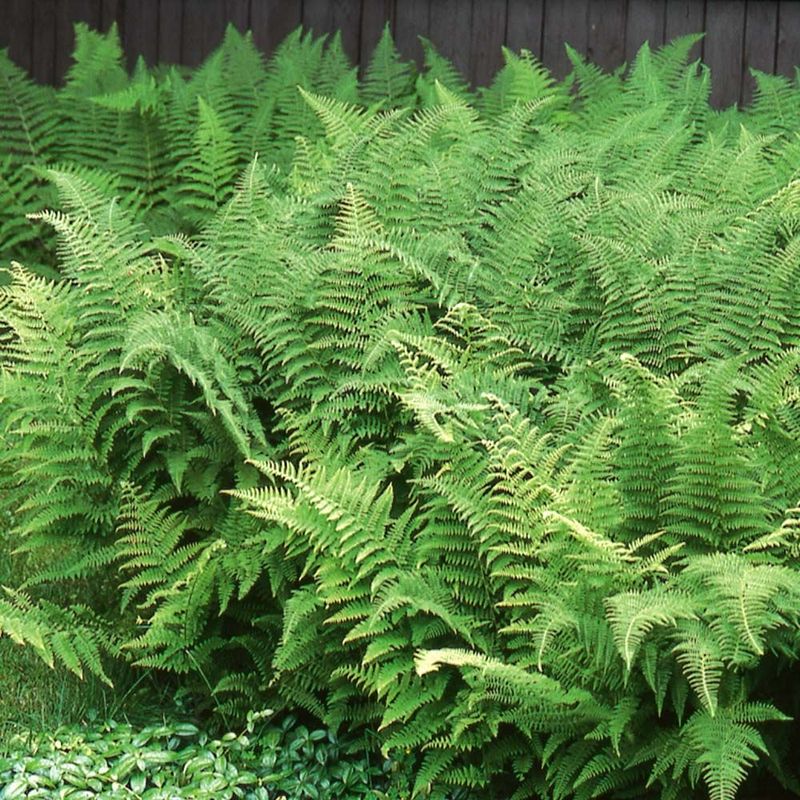
Brush against these fronds on a warm afternoon and you will smell fresh-cut summer hay drifting up around your knees. Personally, that sweet scent is my favorite reason to wander through the shady corner of my yard.
Dennstaedtia punctilobula is a native fern common in woodland clearings and rocky slopes across the Northeast.
It usually stands one to two feet tall, with lacy, light green fronds that feel soft to touch.
Long creeping rhizomes travel quickly underground, forming wide colonies that blanket bare soil.
That fast spread makes it a strong choice for shaded slopes where snowmelt tends to carve little gullies.
Fair warning, though, because the same vigor can push out delicate woodland wildflowers growing nearby. I give it a slope of its own, where its eager habit becomes a strength rather than a headache.
It grows well in zones 3 through 8 and tolerates more sun and drier soil than many ferns. In October the fronds often fade to pale gold before going dormant for the winter months.
Plant divisions now and water them well, since autumn rain usually carries them the rest of the way. Leave the faded fronds in place, because they protect the soil surface until new growth uncurls next spring.
11. New England Aster
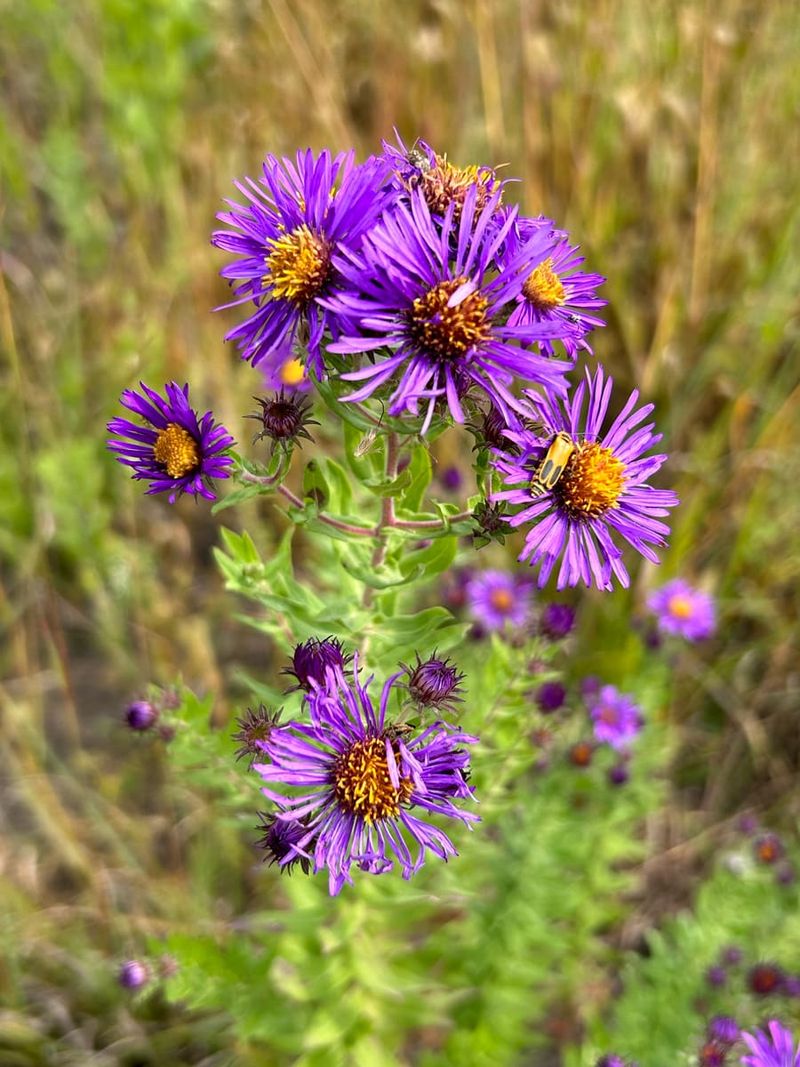
Just when most gardens start fading, this aster explodes with purple flowers that look almost electric against autumn leaves. I can spend a whole October morning counting bees and butterflies crowding onto a single clump.
Symphyotrichum novae-angliae is a native perennial found in moist meadows and roadside ditches across the eastern states.
Its daisy-like blooms have violet petals around golden centers, and they often last well into October.
Migrating monarch butterflies rely on late nectar sources like this one as they head south each fall. Native bees also stock up on its pollen before cold weather finally ends their season.
Plants form sturdy clumps that usually reach three to six feet tall, with deep fibrous roots below. Those roots help hold soil on gentle slopes, especially when mixed with native grasses for extra coverage.
It thrives in zones 3 through 8, preferring full sun and soil that stays reasonably moist. Clay rarely bothers it, which makes it handy on heavier New York ground that holds water after storms.
Tall stems can flop, so I pinch them back by half in early summer for bushier growth.
Leave the seed heads standing this fall, since goldfinches and other small birds enjoy picking through them all winter.
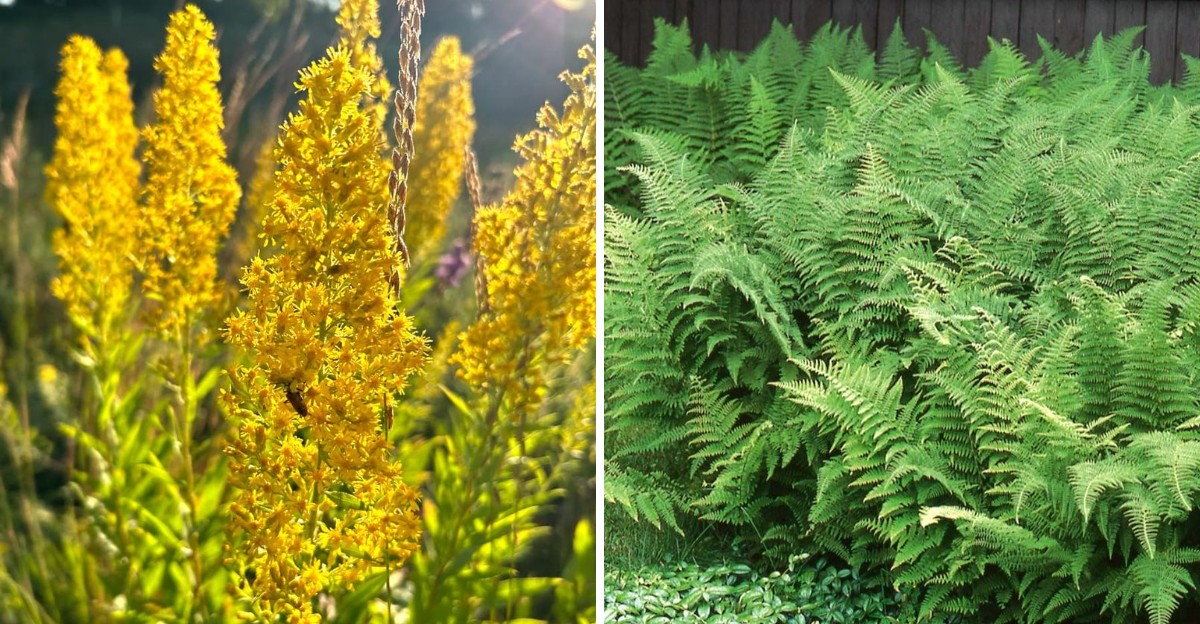
12. Showy Goldenrod
Goldenrod gets blamed for fall sneezes, but ragweed is usually the real troublemaker blooming at the same time.
Goldenrod pollen is heavy and sticky, so it travels on insects rather than drifting through the air.
Solidago speciosa is a native perennial that grows in dry prairies, open woods, and sandy fields in the East.
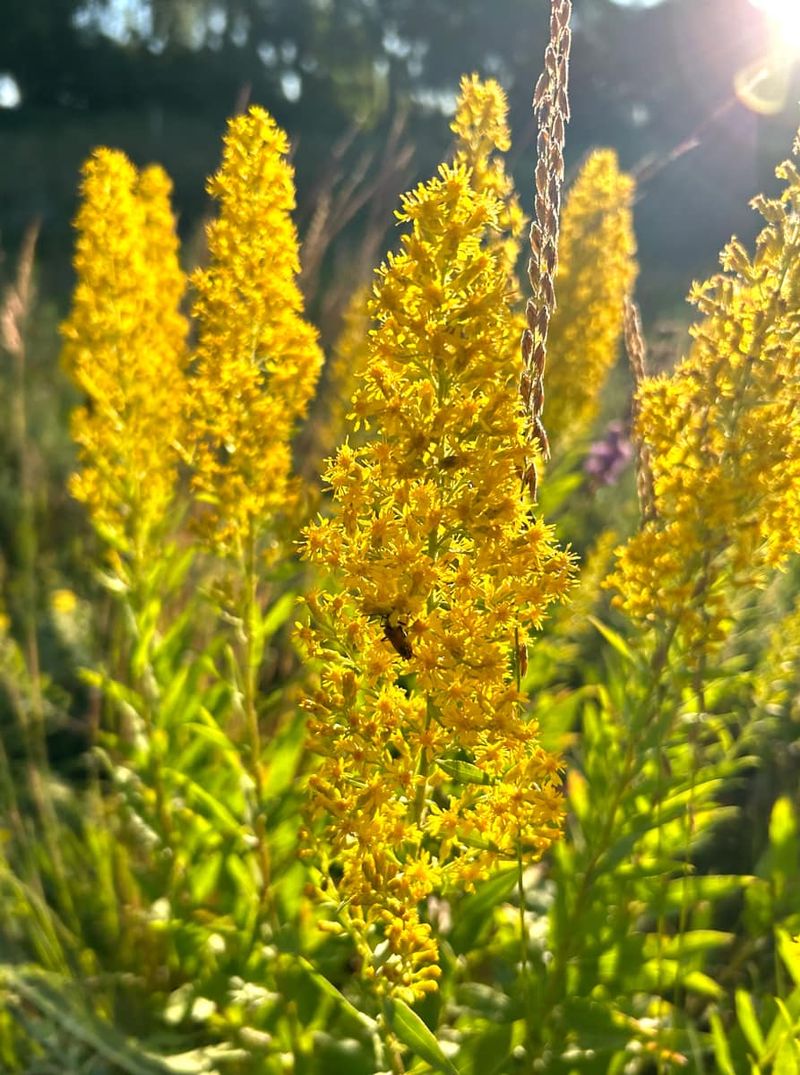
Its upright golden spikes look like little torches, and I think it is the tidiest goldenrod around.
Unlike some spreading goldenrods, this species stays in neat clumps that rarely take over a garden bed. Plants usually grow two to four feet tall, with sturdy stems that hold up well in wind.
Deep fibrous roots help anchor soil on sunny banks, especially alongside native grasses like little bluestem. Together they create a dense root layer that slows runoff when snowmelt and spring rain arrive.
It handles zones 3 through 8 and prefers full sun with well-drained, average or lean soil. Rich soil can make stems floppy, so skip fertilizer and let it grow tough and compact.
Right now in early October, the last blooms are still buzzing with bees and late butterflies. Collect a few seed heads once they turn fluffy, then sprinkle them onto bare patches of your slope before winter.