What It Means When A Groundhog Moves Under Your New York Porch
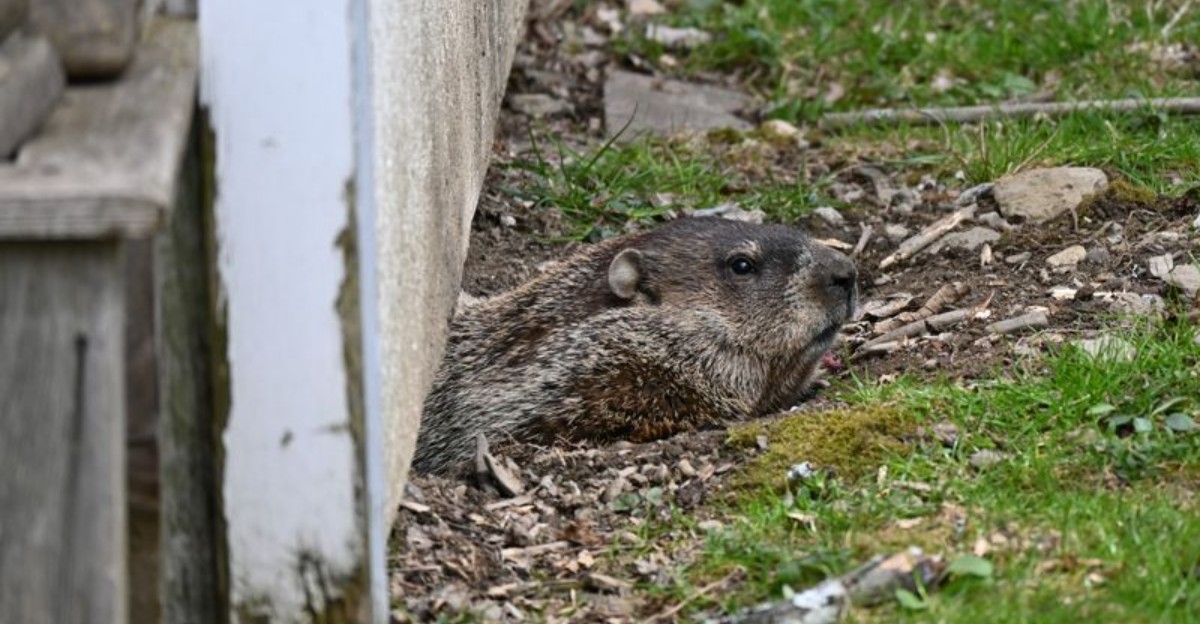
That mysterious pile of dirt beside your porch may have a very furry explanation.
Groundhogs are expert diggers, and when one decides to settle beneath a porch, it has usually found something about the spot that works in its favor. The space may offer shelter, easy access to food, or a convenient place to disappear during the day.
A groundhog living beneath your porch isn’t necessarily a sign that something unusual is happening. These adaptable animals can make themselves at home surprisingly close to people, especially when the yard provides the right combination of cover and vegetation.
For New York homeowners, spotting fresh soil near the foundation can be the first clue that one has moved in. The location of the burrow, the food growing nearby, and even the time of year can all help explain why that particular spot caught its attention.
Once you know what to look for, that mysterious mound starts telling a much more interesting story.
Your Porch May Be A Groundhog’s Dream Burrow Spot
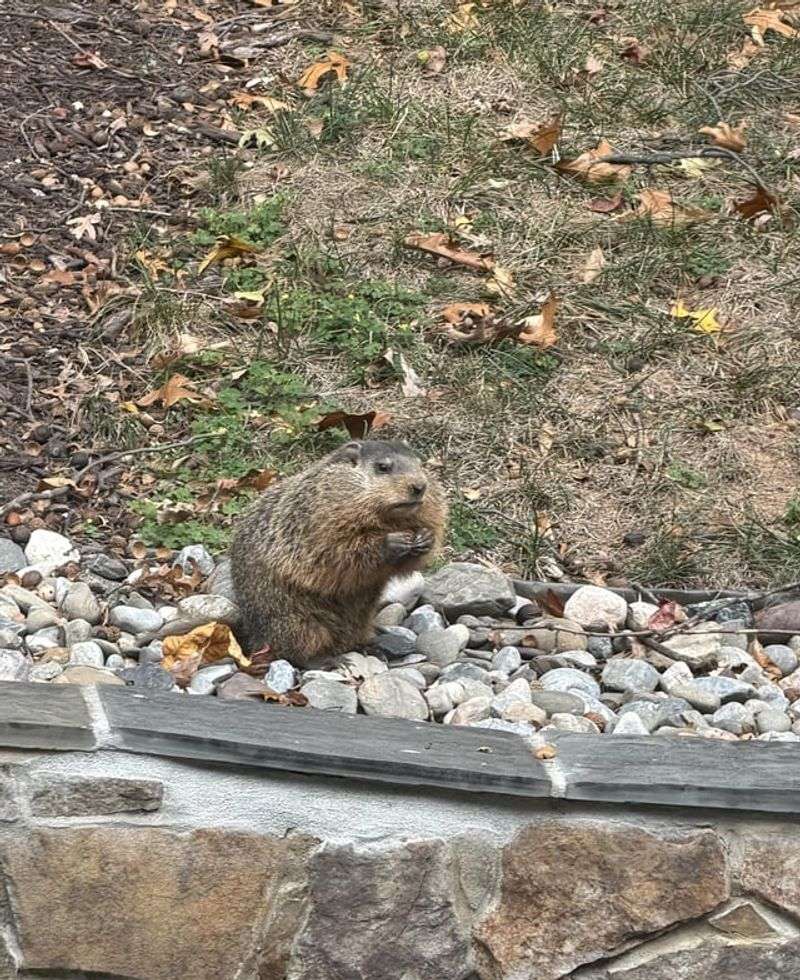
Groundhogs come equipped with powerful front legs and curved claws that let them shovel dirt at an impressive pace. Because of this, the shady spot beneath your porch, deck, or shed can look like prime real estate to a burrowing animal.
Structures like these act as sturdy roofs over a groundhog’s head. They create a dark, protected pocket that shields the animal from bad weather and hides it from hungry predators.
A hidden entrance means a groundhog can slip in and out without being easily spotted by anyone passing through your yard.
The soil itself often adds to the appeal. Groundhogs commonly dig burrows along building foundations, fence rows, roadsides, and other locations where the surrounding landscape provides suitable conditions.
The space beneath a porch can therefore offer a convenient place to establish a burrow. These burrows can be extensive, with tunnels and chambers serving several purposes.
Burrows can form complex networks that stretch several feet down and spread outward, complete with sleeping chambers, side rooms, and backup exits.
Across New York, these underground designs give groundhogs a safe place to rest, stay cool during hot summers, and get ready for chilly weather ahead. The blend of easy digging, stable warmth, and reliable cover turns the area under your porch into a five-star location.
If you want to make the spot less tempting, consider blocking gaps with sturdy hardware cloth buried a foot deep. Doing this before a groundhog settles in saves plenty of trouble later.
Once you understand why the space works so well, it becomes clear that a groundhog choosing your porch is simply making a smart, practical decision.
A Backyard Full Of Greens Can Be Hard To Resist
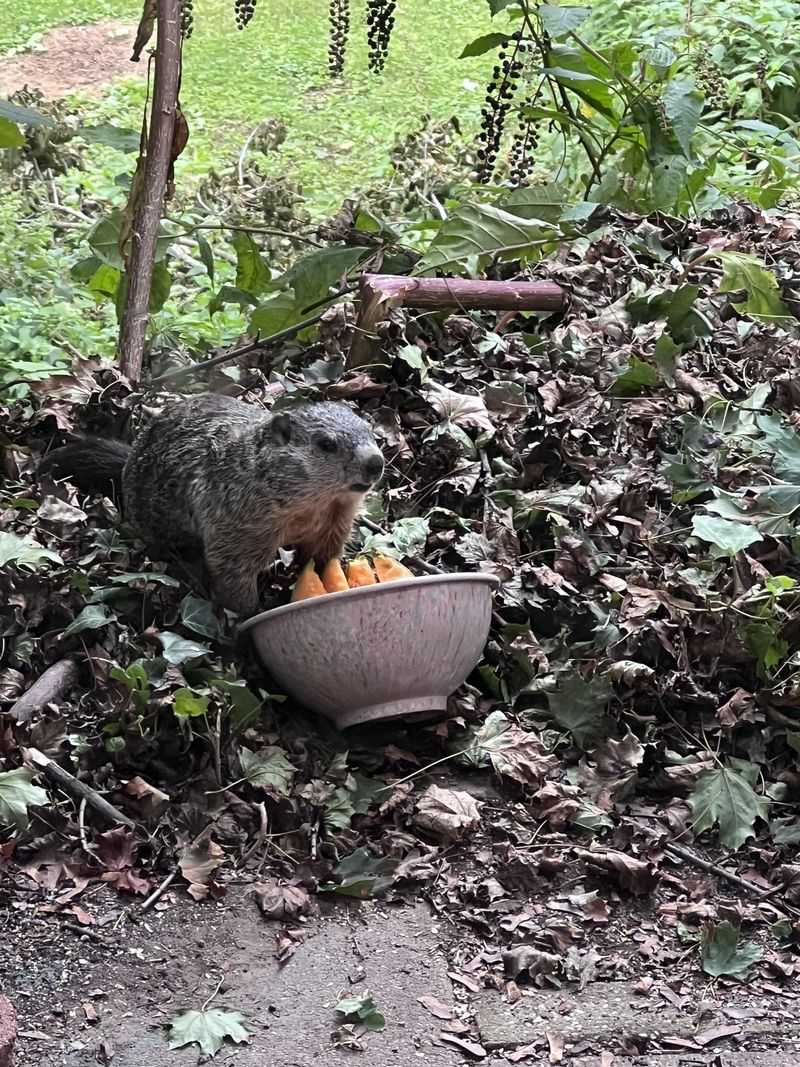
Nothing keeps a groundhog loyal to a spot quite like a steady, tasty food supply, and many yards offer exactly that. These animals are mostly plant eaters with big appetites, so a property full of green, leafy growth practically rolls out the welcome mat.
Groundhogs have real favorites. They love clover, alfalfa, dandelion greens, and all sorts of grasses.
Your New York Garden Changes Every Week. Your Plan Should Too.
Gardening in New York changes quickly throughout the season. Every Friday you’ll receive a simple weekly plan showing exactly what to plant, prune, fertilize, harvest, and protect so you never miss the right timing.
They also happily raid garden beds for lettuce, beans, peas, squash, broccoli, and corn. Fallen fruit such as apples, berries, and cherries rounds out their menu.
When your yard hands over an easy buffet, the chances of a groundhog staying put climb sharply. These foragers usually wander only 50 to 150 feet from their burrow entrance to find a meal.
So if your vegetable patch or a thick carpet of clover sits within that short walk, your home becomes a very attractive place to settle.
Groundhogs are opportunists, meaning they grab whatever food is within reach. Well-kept lawns and tidy gardens can actually make a property more appealing, not less.
During warm New York summers, they graze mostly in the early morning and late afternoon, packing away up to a pound and a half of plants each day.
With so much food nearby, a groundhog has little reason to search anywhere else, and that comfort keeps it returning again and again.
If you would rather share less of your harvest, try fencing your garden with wire that dips underground and leans outward at the top. Picking up fallen fruit quickly also removes an easy snack.
Small changes like these can gently nudge a groundhog toward looking for greener pastures somewhere beyond your backyard.
Your Property Could Be Sitting Right On Its Travel Route
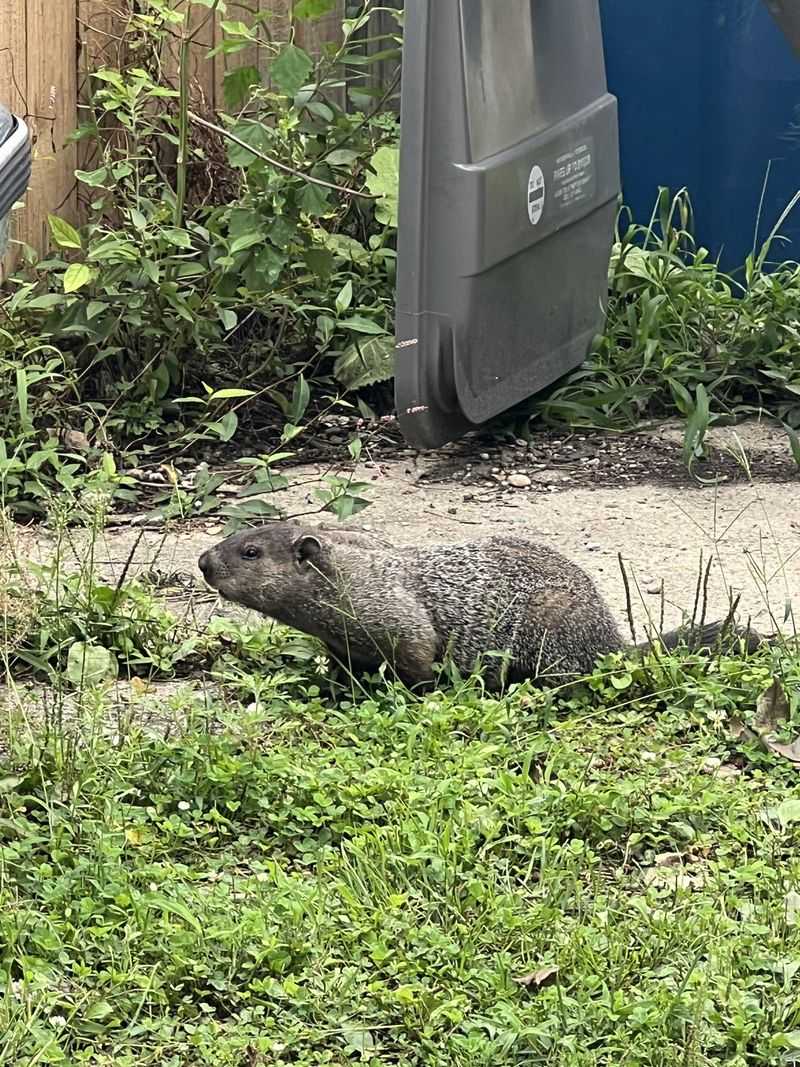
Where your home sits within the wider landscape can decide whether a groundhog picks your porch at all. These adaptable animals turn up in open clearings, along woodland edges, beside roadsides, and across fields, meadows, and pastures throughout New York.
Wildlife experts often call groundhogs edge dwellers because they favor places where open space meets protective cover.
If your home stands near a large field, the border of some woods, a grassy roadside ditch, or an empty lot, it might sit right along a groundhog’s usual travel path.
Groundhogs have grown surprisingly comfortable around people and now show up regularly in suburban backyards, especially near vegetable gardens.
Although they rarely roam more than half a mile from home, their well-worn routes can lead them straight to your property if it offers something worth stopping for.
Picture a groundhog traveling between a field where it grazes and a wooded patch where it hides. Your yard could easily become a handy, safe passage in between.
And if your porch offers a great burrowing spot along that route, the deal becomes even sweeter.
A suitable burrow gives a groundhog a protected place to retreat while keeping it close to areas where it can forage. So when your property bridges the gap between wild habitat and reliable food, a visiting groundhog is not acting randomly at all.
Understanding your surroundings can help you plan ahead. If you live near fields or woods, keeping shrubs trimmed and clearing brush piles removes the cover groundhogs like to travel through.
Making your yard feel more open and exposed can quietly steer these route-following animals toward a different, more hidden path elsewhere.
One Burrow Can Serve More Than One Purpose
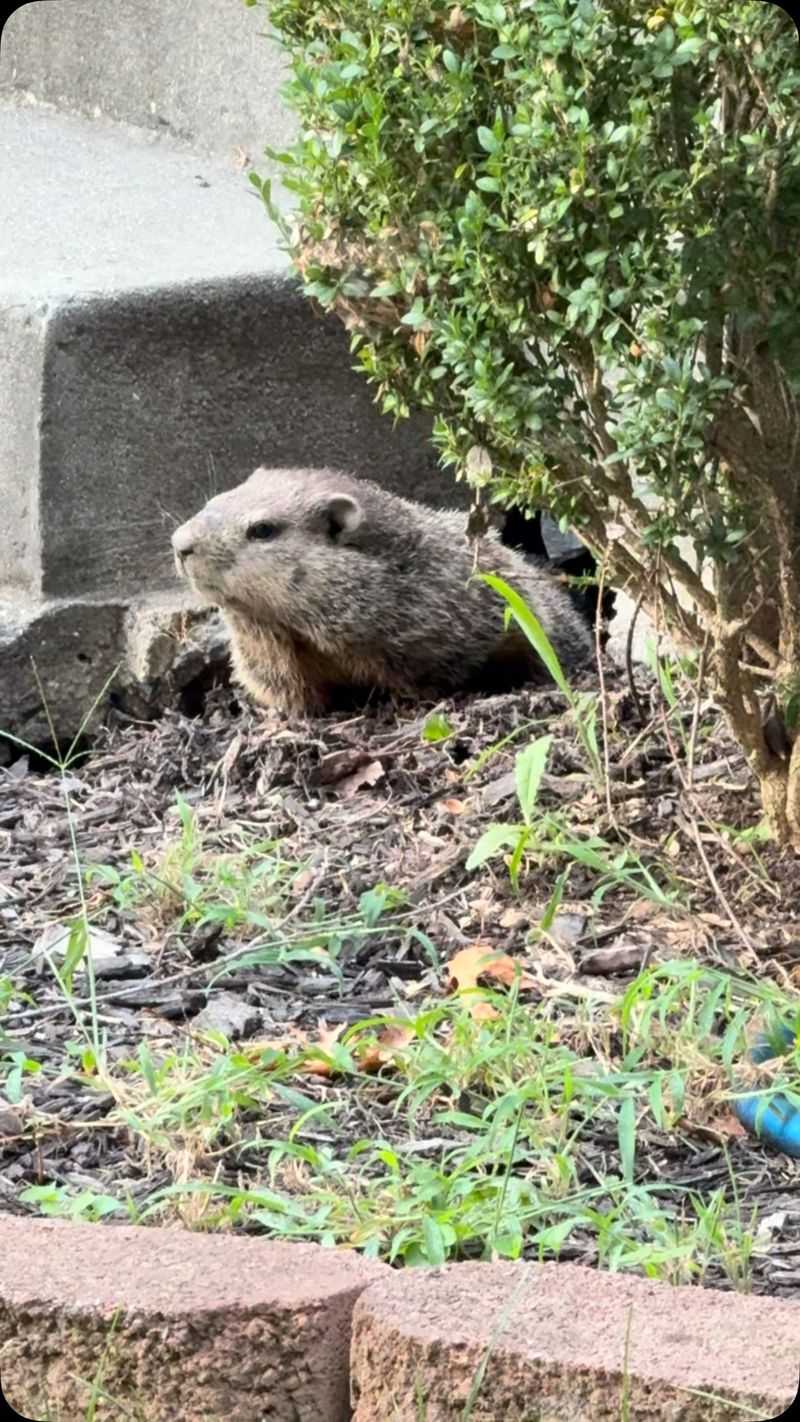
A groundhog’s burrow is far more than a hole in the dirt. It is a carefully built underground complex that serves many purposes across the animal’s whole year.
When a groundhog picks the quiet space under your porch, it is searching for a safe retreat that covers several important needs.
One key job of a burrow is protection from predators. Groundhogs are hunted by foxes, coyotes, and birds of prey, so having a spot to vanish into fast is a big deal.
Their burrows usually include two to five entrances, which double as emergency exits when trouble shows up.
Beyond safety, the burrow becomes a nursery. Female groundhogs dig special chambers where their tiny, helpless young are born and cared for during their first weeks.
These rooms get lined with soft dried leaves and grass to keep the little ones warm and snug.
As the seasons shift, the burrow takes on yet another role: winter rest. Groundhogs are true hibernators, slowing their bodies down dramatically from around October through March or April in New York.
Groundhogs use burrows for hibernation during the colder months, and these underground spaces provide protection from winter conditions.
Inside that deep chamber, a groundhog drifts into a heavy, sleepy state, living off the fat it stored during summer until spring arrives. Clever burrow design, including a slight upward slope near the entrance, helps keep rainwater out so the living quarters stay dry.
Knowing all these uses helps explain why a groundhog guards its burrow so stubbornly. If you hope to reclaim the space, wait until you are sure no young or hibernating animal is inside, then seal the entrances.
Patience and good timing make the whole process kinder and far more successful.
Late Summer Can Put Young Groundhogs On Their Own

Ever notice a brand-new groundhog or a fresh burrow show up under your porch as summer winds down? Often, the answer lies in young groundhogs setting out on their own.
Their story starts in early spring, right after the adults wake from winter rest.
Groundhog breeding usually happens from March into April. After a pregnancy lasting about 31 to 32 days, a litter of two to six blind, hairless babies arrives in April or May, tucked safely inside the burrow.
People sometimes call these little ones kits or chucklings.
For their first five to six weeks, the young stay underground, nursing from their mother and growing quickly. By six weeks old, they are fully furred with open eyes and begin poking out of the burrow to nibble plants and explore the world around them.
After they are weaned, young groundhogs leave the den and begin moving out on their own. By late summer, some may be establishing themselves in new areas as they search for suitable habitat.
That search for a new home means an accessible, sheltered spot like the space under a porch can suddenly become a top pick.
So if you spot new groundhog activity as summer fades, you may be watching a young animal starting its adult life. It is simply hunting for a safe place to call home before the cold weather rolls in.
Knowing this timing gives you an edge. Late summer is a smart moment to inspect your porch, check for fresh digging, and seal any gaps before a wandering youngster moves in.
A little attention during these weeks can spare you from hosting a long-term guest through the coming New York winter.
Fresh Mounds Can Give Away A Hidden Resident

Figuring out whether a groundhog truly lives under your porch takes a sharp eye, but the clues are usually clear once you know what to look for. The most reliable sign is a pile of freshly dug soil sitting right beside an entrance hole.
These hardworking diggers move an amazing amount of earth. A large groundhog burrow system can involve hundreds of pounds of moved soil, with some estimates reaching around 700 pounds depending on the size of the tunnels.
All that soil often builds into a noticeable mound just outside the main opening, making it fairly easy to spot.
Size and shape matter too. Groundhog entrances are wider than the holes of smaller animals, sometimes stretching 10 to 12 inches across.
Keep in mind that one burrow system can have more than a single opening. Cornell notes that many burrows have two or more entrances, with secondary entrances providing additional escape routes.
Some of these extra openings, called spy holes, sit several feet from the main tunnel and may lack a big dirt mound since they exist mostly for quick escapes. Checking the surrounding grass helps as well.
Worn paths leading to and from an opening suggest a groundhog uses that route often.
You might also find feeding clues nearby, like neatly clipped plants or disturbed garden soil, since groundhogs rarely stray far from their burrow to eat. Together, these hints paint a clear picture of an active resident.
Once you confirm a burrow is in use, resist filling it right away. Instead, place a loose plug of soil or newspaper in the entrance and watch to see if it gets pushed out over a few days.
That simple test tells you whether the groundhog is still home before you take any next steps around your porch.