The Nighttime Routine Arizona Homeowners Use To Keep Scorpions Away All Summer
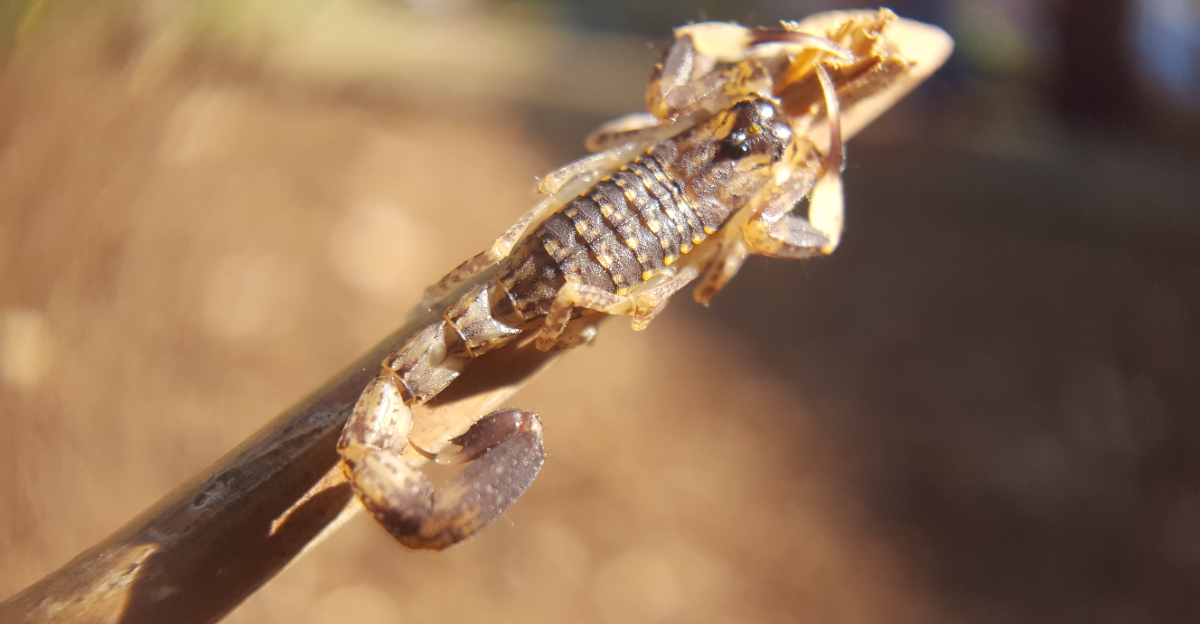
A lot of people do a quick check around the house before going to bed. Doors get locked, lights are turned off, and anything left outside is forgotten until morning.
During summer, however, the hours after sunset are often when some unwanted visitors become most active. That is why certain evening habits can make a bigger difference than people realize.
Scorpions are rarely the first thing people think about when heading indoors for the night. Most stay hidden during the day, which makes it easy to overlook the conditions that attract them.
By the time one is spotted near a doorway, patio, or garage, the factors that drew it there may have been in place for quite a while.
Arizona homeowners who deal with scorpions year after year often pay close attention to what happens around their property after dark.
Some nighttime routines take only a few minutes, yet they can influence how attractive a yard becomes during the hottest months of the season.
1. Turning Off Unnecessary Outdoor Lights

Lights are one of the most overlooked scorpion attractants around any home. Bright outdoor lights pull in moths, beetles, and other insects after dark.
Scorpions follow that food source straight to your walls and entry points.
Switching off decorative string lights, flood lights, and patio fixtures you are not actively using is one of the easiest habit changes you can make. Motion-sensor lights are a smarter option.
They only activate when needed and spend most of the night off.
Warm yellow bulbs attract fewer insects than white or blue-toned LEDs. Swapping your bulbs is a low-cost upgrade worth doing before summer peaks.
Less insect activity around your home means fewer reasons for scorpions to hang around.
Check which lights stay on all night out of habit rather than necessity. A timer or smart plug can automate the shutoff so you do not have to think about it.
Small adjustments to your lighting setup can quietly shift the pest activity around your property over time.
Garages and side yards often have forgotten fixtures that run all night. Walk your property after dark and note every light that is on.
If it is not serving a safety or security purpose, turn it off and keep it off through the summer months.
2. Bringing Pet Food In After Sunset
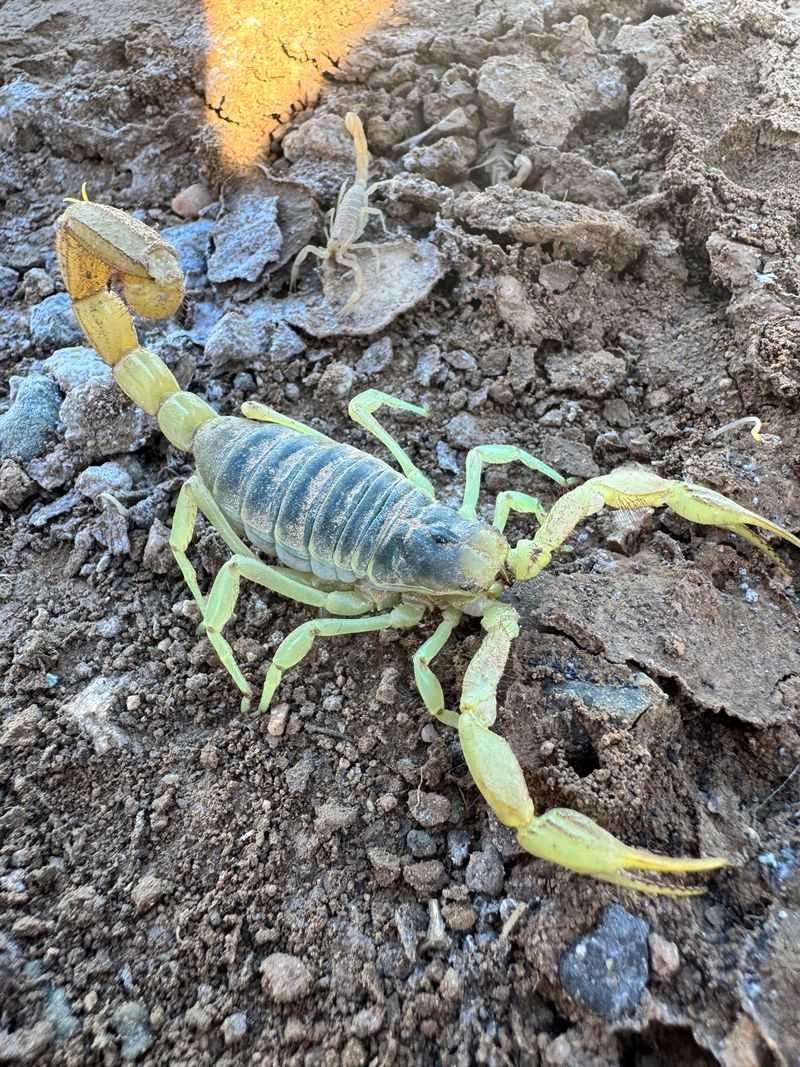
Leaving pet food outside overnight is an open invitation for trouble. Insects swarm around food bowls fast, and where insects gather, scorpions are not far behind.
It is a chain reaction most pet owners never connect.
Crickets and roaches are especially drawn to leftover kibble and water dishes. Both of those insects sit at the top of a scorpion’s preferred food list.
Removing the food source removes the reason scorpions have to patrol your patio each night.
Make it a habit to pick up bowls before the sun fully sets. Rinse them out and bring them inside or store them in a sealed container.
Even a small amount of residue in a bowl can attract insects through the night.
Your Arizona Garden Changes Every Week. Your Plan Should Too.
Gardening in Arizona changes quickly throughout the season. Every Friday you’ll receive a simple weekly plan showing exactly what to plant, prune, fertilize, harvest, and protect so you never miss the right timing.
Water bowls deserve equal attention. Standing water draws all kinds of insects in dry desert climates.
A full water dish sitting out after dark can become a gathering point for exactly the kind of activity you want to avoid near your home.
If your pet eats outside regularly, consider switching to scheduled feeding times that wrap up well before sunset. Timed feeding also helps with portion control and keeps your pet on a consistent routine.
3. Pool Equipment Creates Easy Shelter Near The House
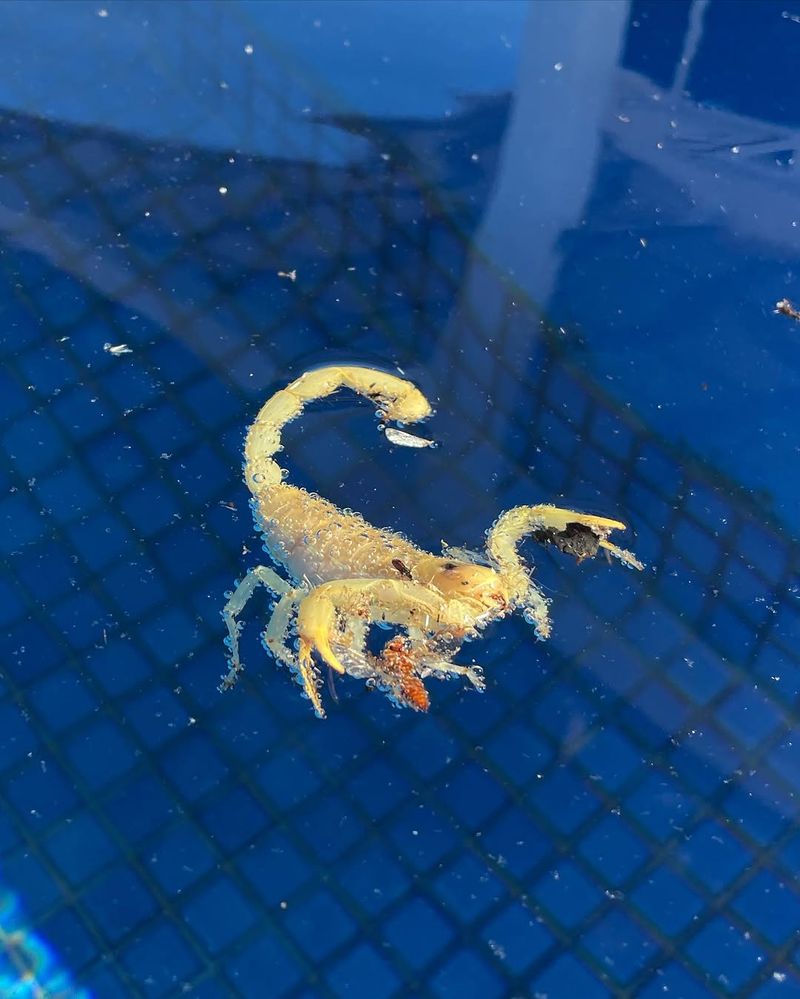
Pool equipment is bulky, stays in the same spot for months, and rarely gets moved. That combination makes it perfect shelter for scorpions looking for a dark, undisturbed place to rest during the day and hunt from at night.
Pump covers, coiled hoses, filter canisters, and chemical storage boxes all create tight gaps where scorpions can tuck in comfortably. Most homeowners never think to check these spots until something goes wrong.
Getting into a regular inspection habit changes that entirely.
Once a week, move any items that have been sitting in one place for several days. Shake out coiled hoses before handling them.
Lift storage containers and check underneath before reaching in with bare hands.
Keeping equipment organized and elevated off the ground when possible reduces resting spots significantly. A wall-mounted hose reel and a sealed cabinet for chemicals takes away a lot of the clutter that accumulates near pool areas over the summer.
Organized spaces are far less appealing to scorpions than piled, cluttered ones.
Adding a UV black light to your evening pool check routine is also a practical move. Scorpions glow a bright blue-green under UV light, making them easy to spot in dark corners around equipment.
4. Clearing Clutter From Patios And Walkways
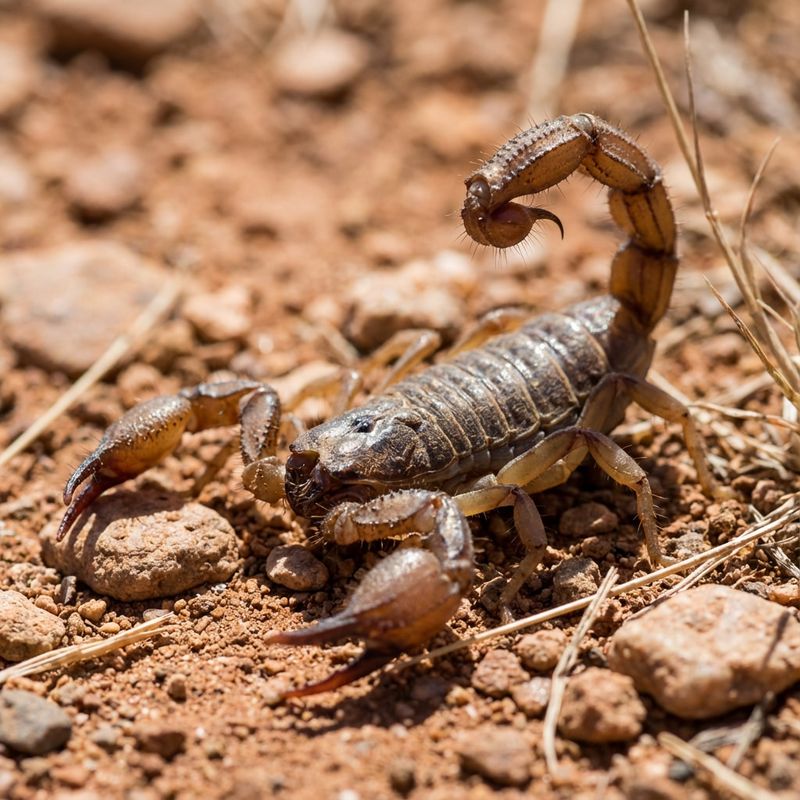
Clutter on a patio is more than an eyesore. Stacked chairs, rolled rugs, garden tools leaning against walls, and piled planters create a layered environment that scorpions find very comfortable.
Every gap and shadow is a potential hiding spot.
Walk your patio and walkways before dark and take note of anything that has not moved in a few days. Scorpions are creatures of habit and will return to the same sheltered spot night after night if it remains undisturbed.
Disrupting those spots regularly makes your patio far less reliable as a resting area.
Shoes left outside are a classic hiding spot that catches people off guard. Shake footwear out before putting it on, especially anything that sat outside overnight.
Gloves, towels, and bags left on patio furniture deserve the same treatment.
Store items vertically rather than flat on the ground when possible. Hang tools, fold and store rugs inside, and keep furniture legs visible rather than buried under other objects.
Ground-level clutter is where the real risk lives.
Potted plants grouped closely together also create shaded ground cover that scorpions exploit. Spreading plants out and keeping the space beneath them visible reduces that risk noticeably.
A cleaner patio is not just more pleasant to spend time on.
5. Picking Up Fallen Citrus Before Nightfall

Citrus trees are everywhere in the Valley, and the fruit that drops to the ground overnight creates more of a problem than most people realize. Rotting citrus draws roaches, earwigs, beetles, and ants in large numbers.
Scorpions track those insects directly.
A single fallen orange left on the ground for a day or two can become a feeding station for a surprising number of insects by nightfall. Multiply that across a yard with several trees and the insect activity around your home can rise quickly.
Staying ahead of fallen fruit is one of the most effective and underrated parts of a summer pest routine.
Make a quick sweep of the yard part of your late afternoon schedule. Pick up any fruit that has dropped since morning and either compost it in a sealed bin or bag it for trash pickup.
Leaving it in an open pile still creates the same problem.
Fruit that falls into mulch or ground cover is harder to spot but equally attractive to insects. Run your foot through mulched areas under trees to feel for hidden fruit.
Checking those spots regularly keeps insect populations lower around the base of your trees.
Even during periods when the tree is not actively fruiting, old dried rinds and seeds on the ground can still attract insects.
6. Checking Door Sweeps And Thresholds
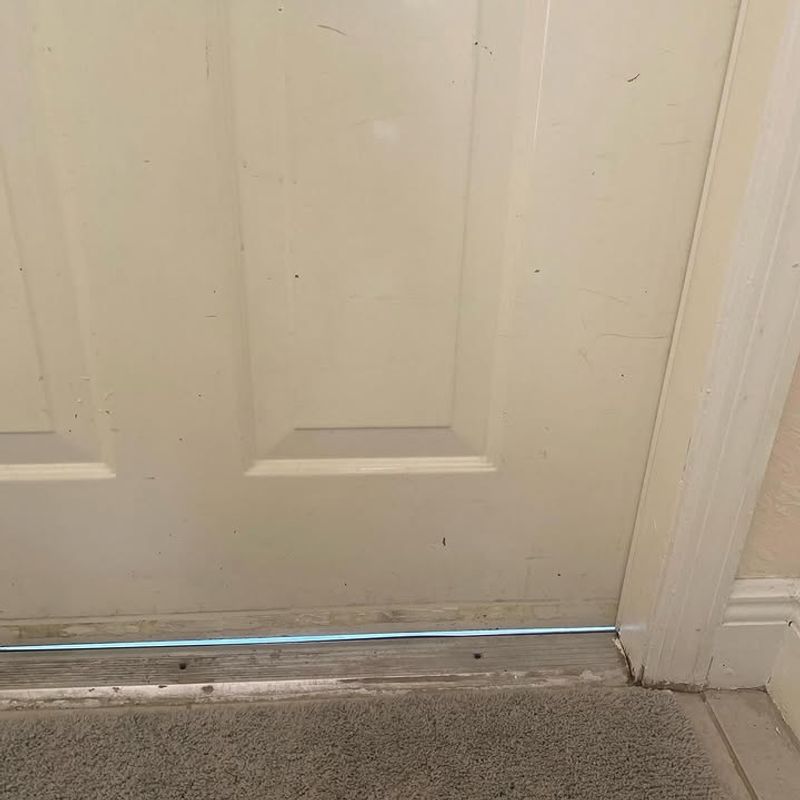
Scorpions can flatten their bodies and squeeze through a gap as thin as a credit card. Door sweeps that are worn, bent, or simply missing leave that kind of opening every single night.
Checking them regularly is not optional if you want to keep scorpions out of living spaces.
Run your hand along the bottom of each exterior door at floor level. Feel for air movement or visible light coming through.
Any gap you can see light through is a gap something can enter through. Replace worn sweeps promptly rather than waiting until the problem is obvious.
Garage doors are especially important to check. Many garage door seals crack and shrink in extreme summer heat, leaving uneven gaps along the bottom edge.
A scorpion moving along a wall at night will find and use those openings without hesitation.
Sliding door tracks also deserve attention. Debris builds up in tracks over time and can prevent the door from sealing fully at the base.
Cleaning tracks regularly and checking that the door sits flush at the bottom takes only a few minutes but closes off a common entry point.
Replacing old sweeps is inexpensive and straightforward. Heavy-duty rubber or silicone sweeps hold up better in desert heat than basic foam versions.
7. Inspecting Storage Areas Around The House
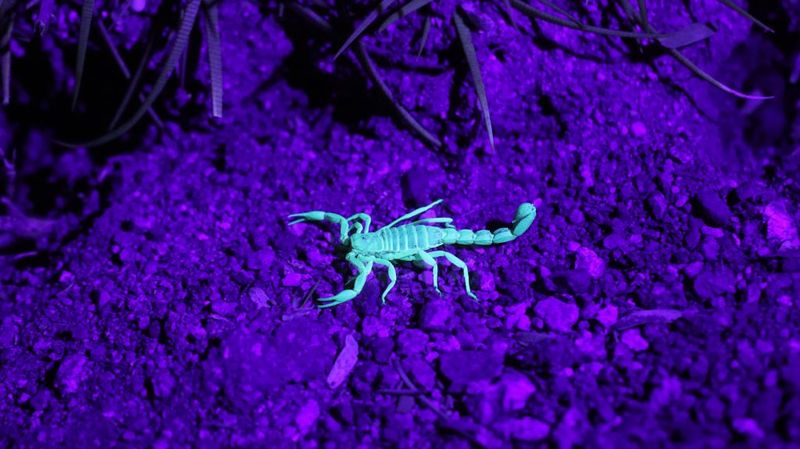
Storage sheds, side-yard utility areas, and garages are prime scorpion territory. Boxes sit undisturbed for months.
Tools lean against walls without moving. Seasonal items get stacked and forgotten.
All of that creates exactly the kind of undisturbed, sheltered environment scorpions prefer.
Start with a UV flashlight. Scorpions glow bright blue-green under ultraviolet light, making them far easier to spot in dim storage areas than with a regular flashlight.
Walk the perimeter of any storage space slowly and check behind and beneath everything along the walls.
Cardboard boxes are a particular problem. Scorpions can hide inside, under, and between stacked boxes with ease.
Switching to sealed plastic bins with lids removes that option entirely. Plastic also discourages the insects that scorpions feed on, since it does not absorb moisture or food odors the way cardboard does.
Elevating stored items off the ground is another practical step. Wire shelving keeps items visible from below and eliminates the dark floor-level gaps that scorpions favor.
Ground contact is where most of the risk lives in any storage area.
Make a habit of doing a full inspection of storage areas at least once a week through summer. Move items that have been in the same spot for more than a few days.
Rotate storage positions, reorganize shelves, and shake out anything fabric before handling it.