8 Indiana Botanical Gardens Worth Every Step This Summer
My shoes were soaked, and I honestly didn’t care one bit. I’d wandered off the marked path at a garden in Indiana with no map and no real plan, just following the color wherever it led.
A wall of purple coneflowers stood taller than my shoulders, petals brushing my arms and the smell of warm earth rising after rain.
Everything else dissolved completely, and my phone stayed nestled in my pocket for a full, uninterrupted hour.
When did you last let a place do that to you? Indiana keeps these places quietly, hidden away for the people willing to slow down and look.
Gardens where the color hits before you’re ready, where you forget what day it is and total strangers nod at each other like they’re all in on the same beautiful secret.
The best botanical gardens in the state are waiting below, and your screen can absolutely wait.
1. Wellfield Botanic Gardens, Elkhart
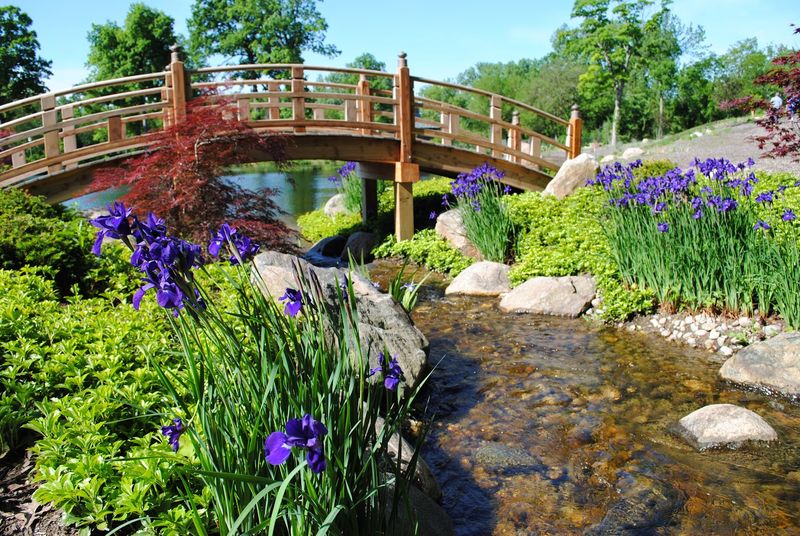
Stepping into Wellfield feels like someone turned up the color saturation on the whole world.
This 36-acre gem in Elkhart packs in themed gardens, tranquil water features, and winding stone paths that beg you to slow down.
Wellfield Botanic Gardens is located in Elkhart, Indiana, along the Elkhart River.The Japanese garden section alone is worth the drive.
Koi ponds shimmer under the sun while carefully pruned shrubs frame every view like a living painting. Families love the Children’s Garden, which turns plant education into pure play.
Kids can explore tunnels, splash zones, and garden sculptures that spark curiosity without any pressure.
Summer events here are a real treat. Live music nights and art installations pop up throughout the season, giving adults a reason to linger long after sunset.
Admission is affordable, and the grounds are well-maintained year-round. Wellfield also hosts yoga sessions among the blooms, which sounds exactly as peaceful as you are imagining right now.
The garden sits along the Elkhart River, adding a breezy, natural backdrop. You can pack a picnic and claim a shady bench near the water without any trouble at all.
Volunteers and staff keep every corner of Wellfield looking sharp. Their passion for horticulture shows in the smallest details, from labeled plant signs to immaculate mulched beds.
If you only visit one Indiana botanical garden this summer, let Wellfield make the case for itself. You will leave already planning your next trip back.
2. Foellinger-Freimann Botanical Conservatory, Fort Wayne
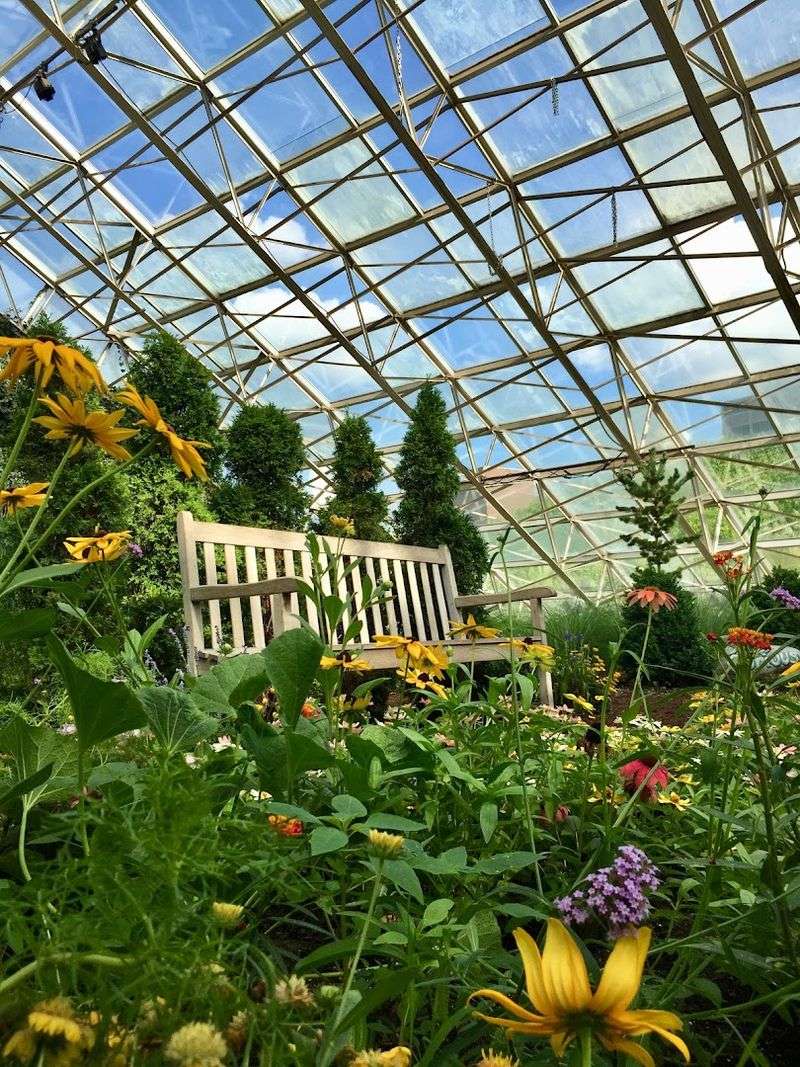
Fort Wayne’s Foellinger-Freimann Botanical Conservatory is a triple threat wrapped in glass. It is situated in the heart of downtown Fort Wayne, Indiana.
Three distinct greenhouse domes house tropical, desert, and seasonal display collections under one spectacular roof.
The Tropical House hits you with a wall of warm, humid air the moment you enter. Giant banana leaves, orchids, and bromeliads create a lush canopy that feels nothing like northern Indiana outside.
Next door, the Showcase House rotates themed displays throughout the year. Summer installations often feature bold color palettes inspired by global garden traditions from Japan to Mexico.
Your Indiana Garden Changes Every Week. Your Plan Should Too.
Gardening in Indiana changes quickly throughout the season. Every Friday you’ll receive a simple weekly plan showing exactly what to plant, prune, fertilize, harvest, and protect so you never miss the right timing.
The Desert House flips the script entirely with its arid, sun-baked atmosphere. Towering saguaro cacti and intricate succulents remind you that beauty thrives in the most unlikely conditions.
Foellinger-Freimann is one of the top Indiana botanical gardens for educational programming.
School groups, scout troops, and adult learners all find curated tours designed specifically for their age group.
Admission prices are budget-friendly, especially for families visiting with multiple children. Season passes offer even better value for Fort Wayne residents who want to return throughout the year.
The conservatory sits in the heart of downtown Fort Wayne, making it easy to pair with lunch. Dozens of restaurants and shops are within easy walking distance for a full urban day out.
Few places in the state pack this much botanical variety into such a tight footprint. Foellinger-Freimann turns a short visit into a genuine world tour through the plant kingdom.
3. The Garden At Newfields, Indianapolis
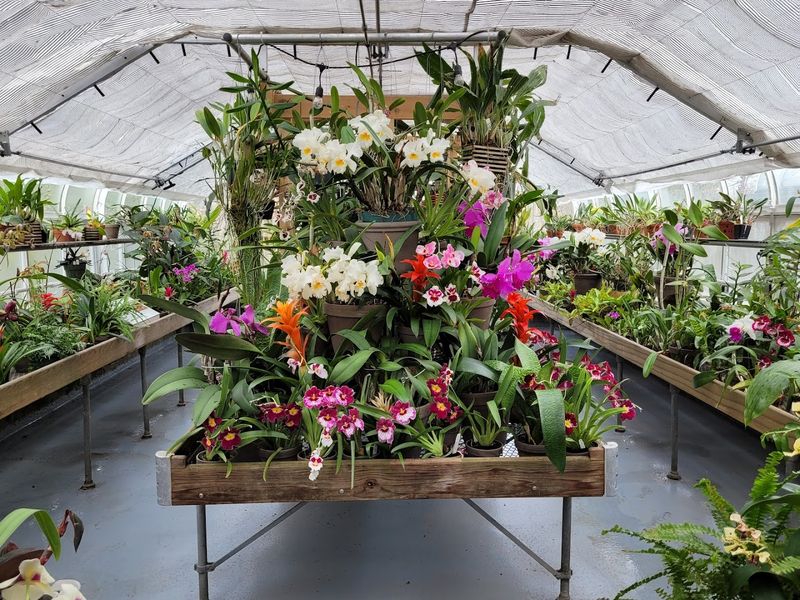
Art and nature come together at Newfields in a way that feels genuinely alive. The 152-acre campus pairs the Indianapolis Museum of Art with one of the most stunning estate gardens in the Midwest.
The Garden at Newfields is found on a 152-acre campus in Indianapolis, Indiana. Seasonal plantings shift the mood with every visit.
Spring tulips give way to bold summer dahlias and sunflowers that practically glow in the afternoon light.
The Garden at Newfields is one of the top Indiana botanical gardens for a reason. Its sheer scale means you can wander for hours without retracing your single step.
Lovebirds flock here for the romantic Oldfields landscape, a National Historic Landmark estate garden. Manicured lawns, formal beds, and a stunning ravine trail make it feel like a countryside escape.
The Lilly House anchors the estate with early 20th-century grandeur. Touring the mansion and then strolling the gardens creates a full afternoon of history and beauty.
Summer programming at Newfields is seriously stacked. Concerts, outdoor cinema nights, and themed garden tours keep the calendar packed from June through August.
Dogs are welcome on leash in the outdoor garden areas, which earns major bonus points. Bringing your pup along makes the whole experience feel even more relaxed and fun.
Tickets include both the museum and garden access, making the value hard to beat. Plan at least three hours so you can truly soak in every corner of this magnificent place.
4. Garfield Park Conservatory & Sunken Garden, Indianapolis
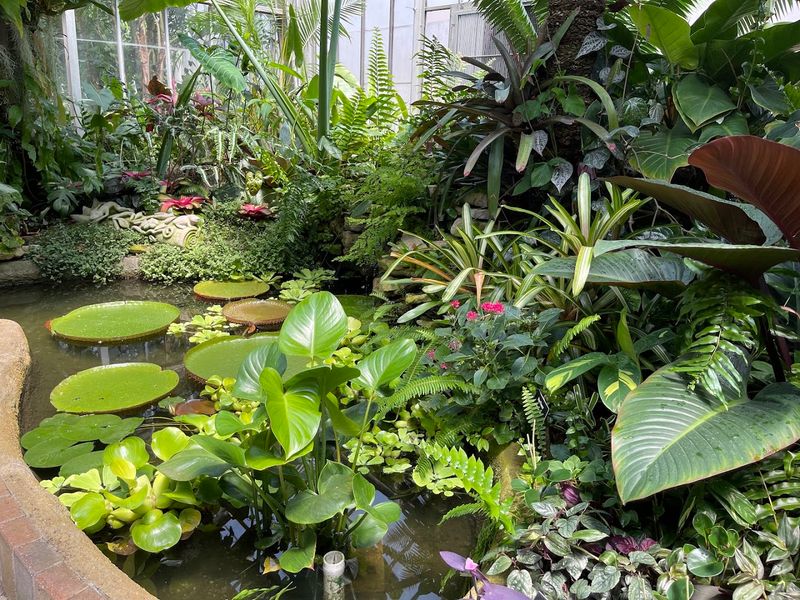
Built in 1916, the Garfield Park Conservatory carries a century of stories in its glass walls. This historic greenhouse anchors one of Indianapolis’s oldest parks with serious old-school charm and botanical beauty.
The Garfield Park Conservatory and Sunken Garden is located within Garfield Park in Indianapolis, Indiana.
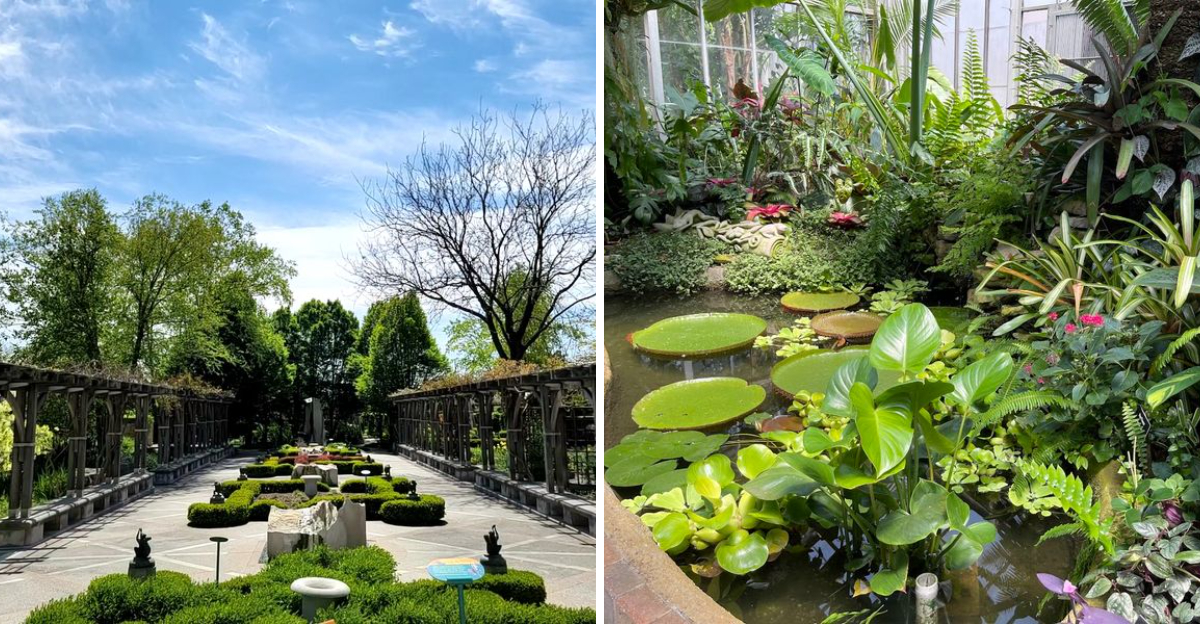
The Sunken Garden outside is the showstopper most visitors photograph immediately. Formal beds of seasonal flowers descend in elegant tiers, framed by stone walls that add a European garden feel.
Inside the conservatory, tropical plants tower overhead in a warm, humid embrace. Ferns, palms, and exotic blooms thrive year-round, making winter visits just as worthwhile as summer ones.
Admission is free, which is almost unbelievably generous for a space this beautiful. Families, retirees, and solo explorers all find something here without spending a single dollar at the gate.
The surrounding Garfield Park offers picnic shelters, a pool, and wooded trails nearby. Combining a garden visit with a park afternoon turns the trip into a full-day outdoor adventure.
Photography enthusiasts treat this spot like a secret weapon. The symmetrical garden layout and vintage architecture create compositions that look professionally staged without any effort at all.
Community events like plant swaps and seasonal festivals bring neighbors together throughout the year. The conservatory functions as a true community hub, not just a passive attraction for tourists.
Garfield Park Conservatory is proof that free things can still feel extraordinary. Come for the flowers, stay for the history, and leave with a camera roll full of stunning shots.
5. White River Gardens, Indianapolis
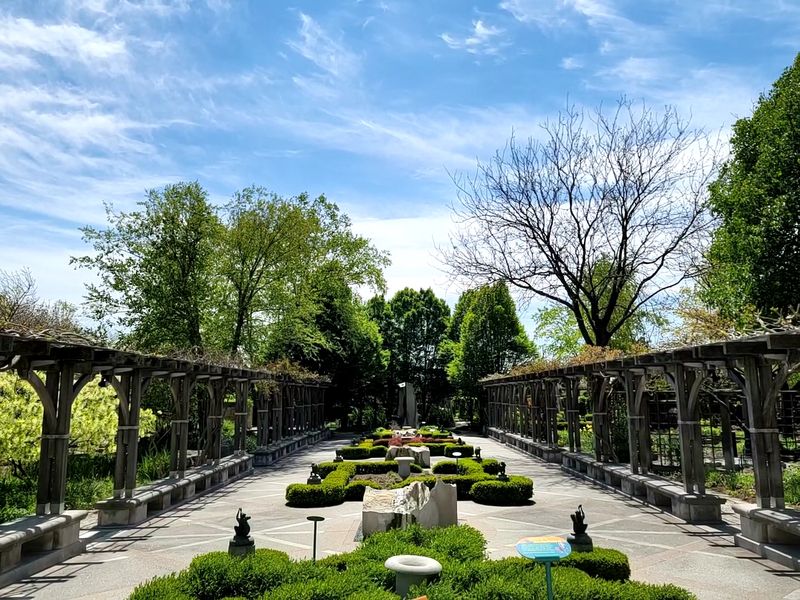
Connected to the Indianapolis Zoo, White River Gardens packs a serious punch for plant lovers. It is a three-acre property connected to the Indianapolis Zoo in Indianapolis, Indiana.
The Hilbert Conservatory is the crown jewel of the property. Step inside and you are instantly surrounded by tropical plants, cascading water, and butterflies that land on your shoulder like old friends.
Outdoor display gardens change with the seasons, keeping repeat visits fresh. Summer brings bold tropical arrangements and native wildflower patches that hum with pollinators all day long.
Water-wise gardening is a big focus here, which makes it genuinely educational. Demonstration beds show visitors how to create beautiful landscapes without wasting a drop of precious water.
The wedding garden is a popular spot for couples seeking a romantic outdoor backdrop. Arched trellises draped in climbing roses create a scene straight out of a storybook.
Kids who visit with a zoo ticket get seamless access to the gardens too. Watching a child’s face light up when a butterfly lands on their hand is absolutely priceless.
Garden staff regularly host hands-on workshops for adults and children alike. Topics range from container planting to composting, making the space as useful as it is gorgeous.
White River Gardens proves that great things truly come in small packages. This compact paradise delivers big memories that stick with you long after you head back home.
6. Gabis Arboretum At Purdue Northwest, Valparaiso
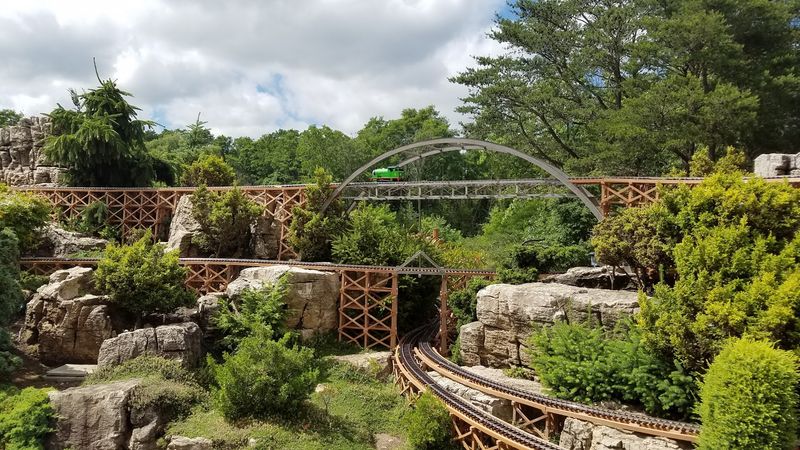
Spread across 300 acres in Valparaiso, Gabis Arboretum is the kind of place that makes you exhale the moment you arrive.
Gabis Arboretum is spread across 300 acres in Valparaiso, Indiana, affiliated with Purdue Northwest University.
Mature tree collections, restored prairies, and quiet woodland trails create an experience that feels more like wilderness than a curated garden.
The arboretum is affiliated with Purdue Northwest, giving it a strong research and education backbone.
Plant collections are scientifically curated, yet the landscape feels completely natural and unhurried underfoot.
Summer wildflower meadows burst with color that shifts week by week throughout the season.
Native prairie species like coneflowers, black-eyed Susans, and wild bergamot attract butterflies and bees in droves.
Trail options range from paved accessible paths to rugged woodland loops. Whether you stroll or stride, the scenery rewards every pace with something worth pausing to appreciate.
A children’s garden introduces young visitors to native plants through playful, hands-on design.
Sensory elements like textured bark, fragrant herbs, and rustling grasses engage kids without a single screen involved.
Birdwatching here is exceptional, especially in the early morning hours of June and July. Warblers, orioles, and red-tailed hawks are regulars in the canopy above the arboretum trails.
The Gabis gift shop offers regional plant guides and native plant starts for home gardeners. Taking home a native perennial feels like extending the arboretum experience right into your own backyard.
Gabis Arboretum is where nature does the work beautifully, and every single acre earns its keep.
7. Potawatomi Conservatories, South Bend
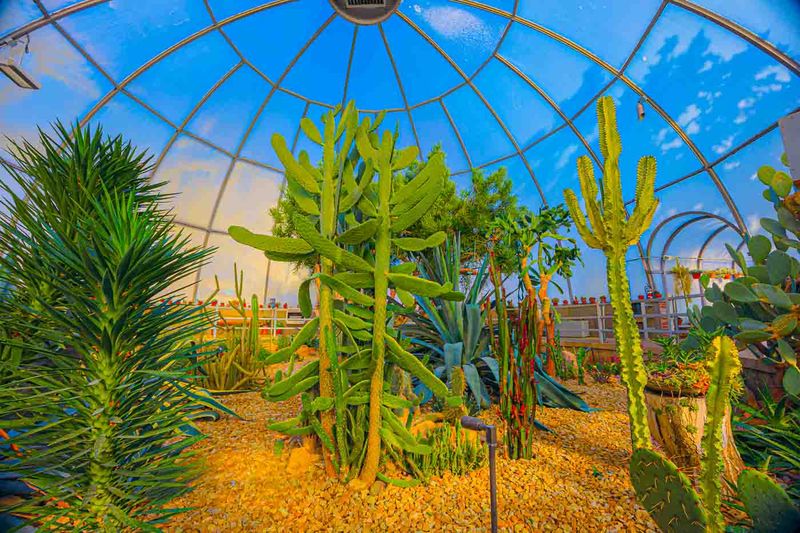
South Bend’s Potawatomi Conservatories have been warming hearts since 1912. They are situated inside Leeper Park in South Bend, Indiana.
This historic pair of greenhouses carries a quiet elegance that newer attractions simply cannot replicate no matter how hard they try.
Humidity wraps around you like a warm blanket as you wander beneath leaves the size of dinner plates.
The Arid House offers a sharp and dramatic contrast right next door. Sculptural cacti and desert succulents stand like sentinels in the dry, sun-soaked atmosphere of that second dome.
Potawatomi Conservatories sit inside Leeper Park, one of South Bend’s most beloved green spaces. The park’s river views, mature shade trees, and open lawns extend your outdoor time beautifully.
Admission is free, making this one of the most accessible Indiana botanical gardens in the state. Locals treat the conservatories like a neighborhood living room, stopping in for a quick mood boost on gray days.
Seasonal outdoor plantings surround the conservatory buildings with cheerful color throughout summer. Annuals and perennials in the surrounding beds keep the exterior just as photogenic as the interior.
A small gift shop inside carries houseplants, garden tools, and botanical gifts at reasonable prices. Picking up a new plant friend to take home is practically a Potawatomi tradition at this point.
Old-fashioned charm and genuine botanical substance make Potawatomi a South Bend treasure worth every minute of your visit.
8. Christy Woods, Muncie
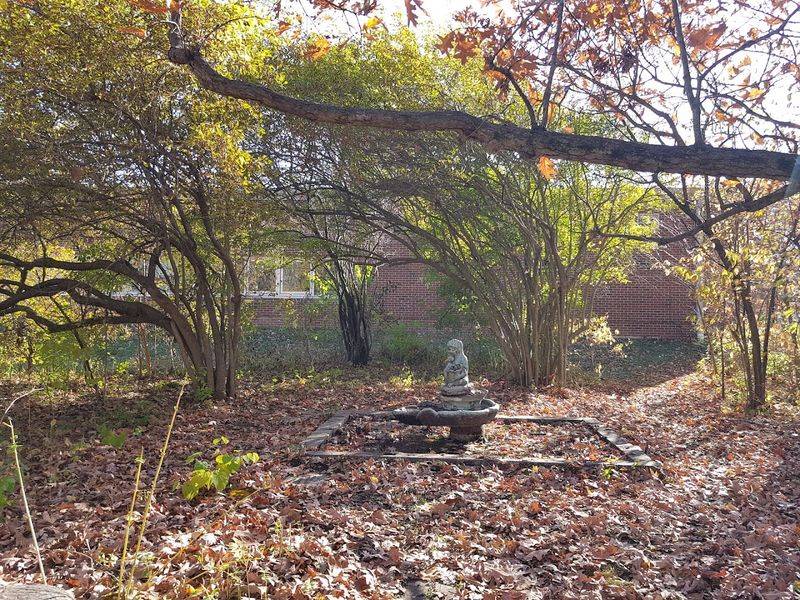
Not every gem announces itself. Christy Woods is a 17-acre nature preserve located on the Ball State University campus in Muncie, Indiana.
This 17-acre nature preserve blends botanical garden precision with genuine old-growth forest atmosphere.
The greenhouse complex on site houses a remarkable collection of cacti and tropical specimens. Guided tours are available through the university, offering deeper context for the plants on display.
Spring ephemerals like trillium and bloodroot draw wildflower enthusiasts from across the region. Summer shifts the spotlight to ferns, native shrubs, and towering canopy trees that create dense, cooling shade.
A dedicated arboretum section features labeled tree specimens from across North America. Walking the collection feels like a quiet geography lesson delivered entirely by nature itself.
Christy Woods is one of the best Indiana botanical gardens for those who prefer solitude. Weekend crowds here are a fraction of what you will find at larger urban destinations across the state.
The preserve functions as an outdoor classroom for Ball State students year-round. That educational mission keeps the collections well-documented, well-labeled, and genuinely interesting for curious adult visitors too.
Trail surfaces are natural and uneven in spots, so sturdy shoes are a smart call. Bring water, wear layers for the shaded sections, and plan at least 90 minutes to explore thoroughly.
Christy Woods rewards the curious and the patient with a forest experience that feels authentically wild. Finding this place might be the best kept secret of your summer.