The North Carolina Bulbs That Multiply Every Time They Come Back
You plant a dozen bulbs in October. By April, there are thirty. That is not a gardening mistake. That is naturalization, and it is one of the best things that can happen in a North Carolina yard.
These bulbs do not need to be dug up, babied through winter, or replanted every fall. They settle in, spread out, and come back bigger each year without asking for much in return.
North Carolina’s cool winters put them to sleep. Its warm springs wake them up twice as strong. The math is simple: every year, you get more.
Nine bulbs make this happen better than anything else in the state. Plant them once, and they will keep showing up for years.
1. Daffodils
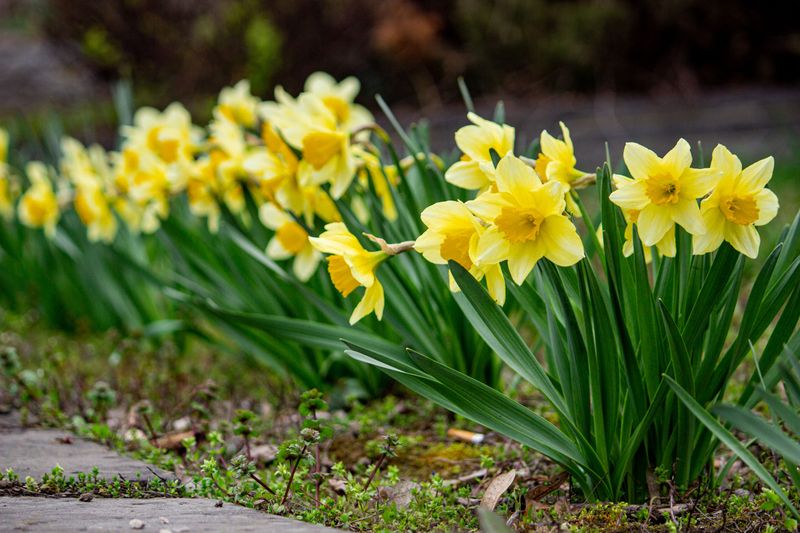
Plant one daffodil bulb, and you might get three back next year. These cheerful yellow bloomers are practically famous for multiplying without any extra effort from you.
Daffodils are one of the best North Carolina bulbs that multiply reliably each season. They form clumps underground, slowly producing offsets called daughter bulbs that eventually bloom on their own.
All you have to do is leave the foliage alone after flowering. That green leafy mess feeds the bulb underground, storing energy for next year’s show.
Over time, a single daffodil planting can turn into a sweeping golden display. Gardeners in the Piedmont and mountain regions especially love them for this reason.
They also resist deer, which is a huge bonus if you have wildlife roaming your yard at night. Squirrels tend to leave them alone too, since daffodils contain a mild toxin.
Plant them in fall about six inches deep in well-drained soil. Give them a sunny or partly shaded spot, and let nature handle the rest.
After five or six years, you may want to dig and divide the clumps. Splitting them up refreshes their blooming power and spreads the beauty even further across your yard.
2. Grape Hyacinths
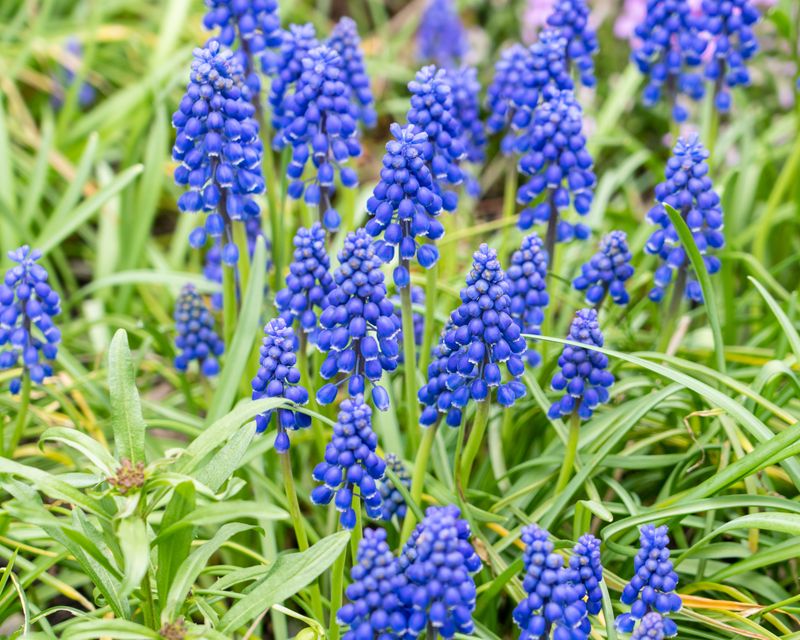
Grape hyacinths are the sneaky overachievers of the spring bulb world. You plant a dozen, and before long, you have a carpet of purple spreading across your garden beds.
These compact little bulbs naturalize aggressively, which gardeners in North Carolina absolutely love. Their rich violet-blue color pops against bare spring soil before most other plants wake up.
Each bulb produces offsets underground every season, quietly multiplying while you go about your life. Within just a few years, a small planting becomes a bold, eye-catching mass display.
They thrive in full sun to partial shade and are not picky about soil quality. That adaptability makes them perfect for woodland edges, lawn borders, or tucked beneath deciduous trees.
One fun trick is to plant them in drifts rather than straight rows. Natural-looking clusters feel more organic and show off their multiplying habit in the most satisfying way.
After blooming in early spring, let the foliage fade back on its own. Cutting it too soon starves the bulb and slows down next year’s spread.
Your North Carolina Garden Changes Every Week. Your Plan Should Too.
Gardening in North Carolina changes quickly throughout the season. Every Friday you’ll receive a simple weekly plan showing exactly what to plant, prune, fertilize, harvest, and protect so you never miss the right timing.
Grape hyacinths also pair beautifully with yellow daffodils, creating a classic color contrast that looks intentional but requires almost no effort to maintain year after year.
3. Crocuses
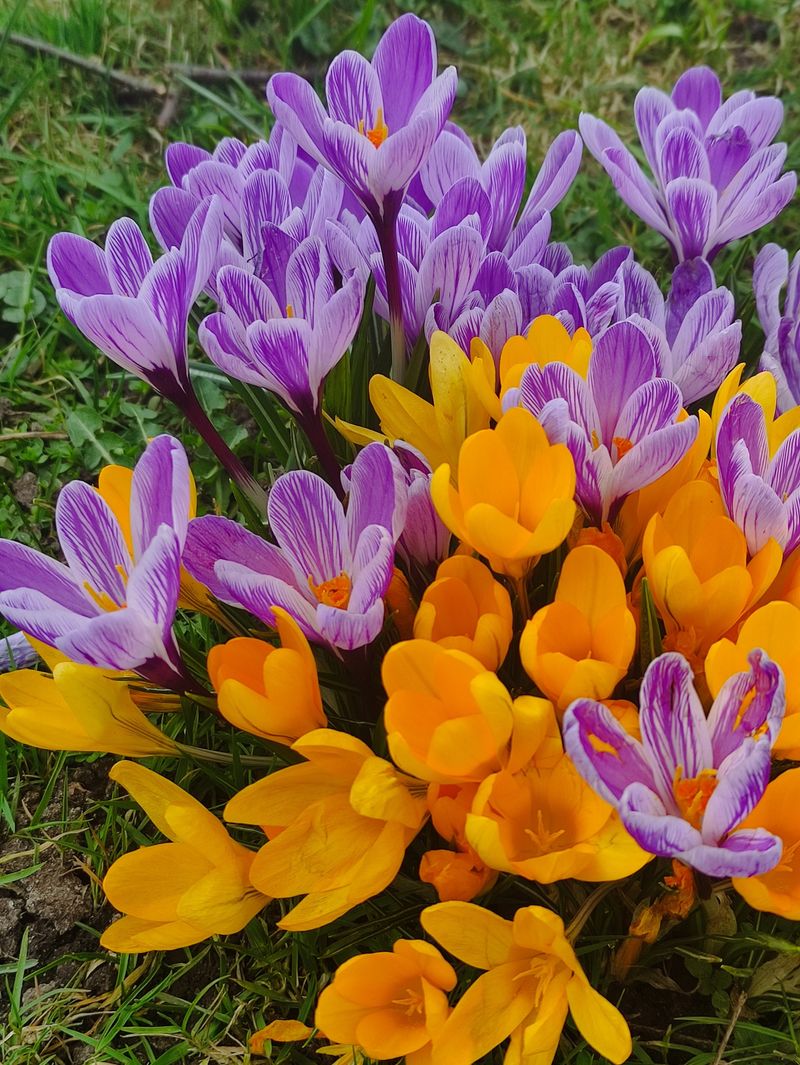
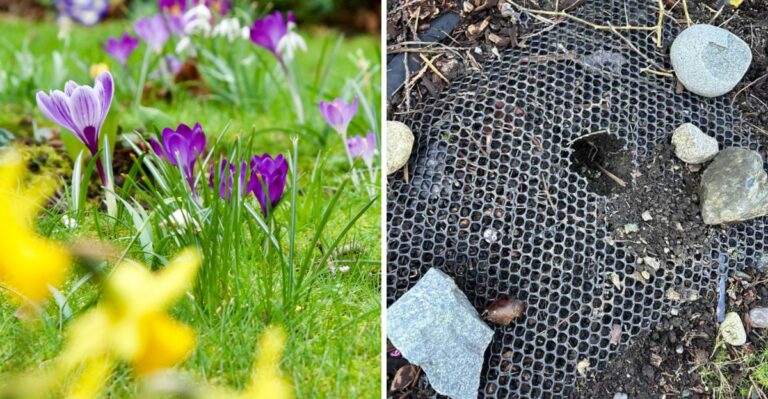
Few things feel more exciting than spotting the first crocus of the year pushing through cold soil. These tiny powerhouses bloom before almost anything else, often appearing in late February across much of the state.
Crocuses multiply through two methods: corms that divide underground and seeds that scatter nearby. That double strategy means a small patch can expand into a wide sweep in just a few seasons.
Plant them in groups of at least ten for the best visual impact. Scattered solo crocuses tend to look sparse, but grouped plantings create that stunning naturalized effect everyone wants.
They do well in lawns too, which is a less common but brilliant approach. Once the foliage fades, you can mow normally without disrupting next year’s bloom cycle.
Crocuses prefer well-drained soil and at least a half day of direct sun. Avoid soggy spots since sitting in wet soil causes the corms to rot before they ever get a chance to multiply.
One thing to watch: squirrels love crocus corms and will dig them up enthusiastically. Covering new plantings with wire mesh for the first season protects them while they establish.
Once established, though, crocuses are remarkably tough and self-sufficient. A patch planted today could still be blooming and spreading decades from now.
4. Daylilies
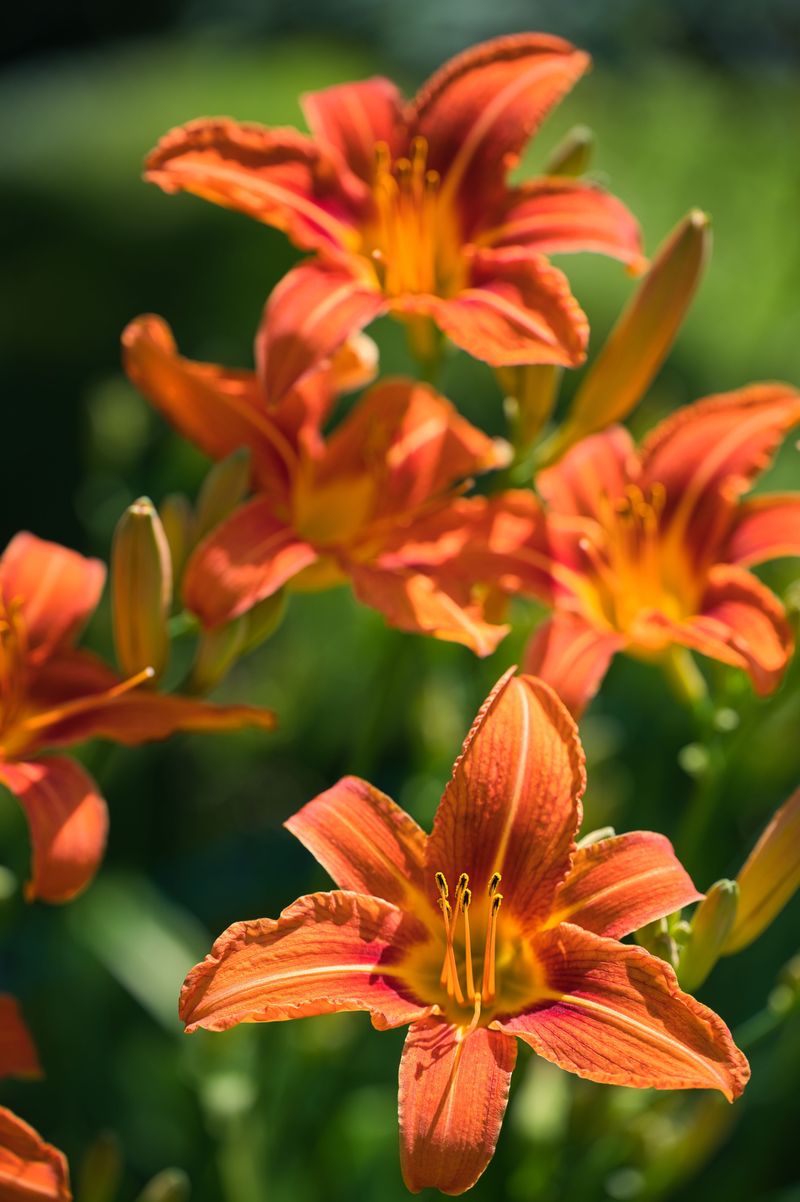
Daylilies are the workhorses of the summer garden, and they never stop spreading. Each clump grows larger every year, making them one of the most rewarding bulbs you can plant in the Southeast.
Technically, daylilies grow from fleshy roots rather than true bulbs, but they behave exactly the same way. They multiply underground by producing fans of growth that slowly expand the clump outward.
Every three to four years, a well-fed clump can be divided into dozens of new plants. That means one original purchase can eventually fill an entire garden border for free.
Among named cultivars, some spread more aggressively than others. Stella de Oro and Happy Returns are two of the most popular in NC for their steady, reliable habit.
Daylilies thrive in full sun but tolerate partial shade with ease. They are also drought-tolerant once established, making them a smart choice for low-maintenance landscapes.
Planting them along slopes or hillsides serves double duty: they spread to control erosion while putting on a colorful show. That practical beauty is a big reason landscapers love them.
When you divide your clumps, share extras with neighbors or transplant them to new spots. Spreading the love is half the fun of growing bulbs that multiply so enthusiastically.
5. Alliums
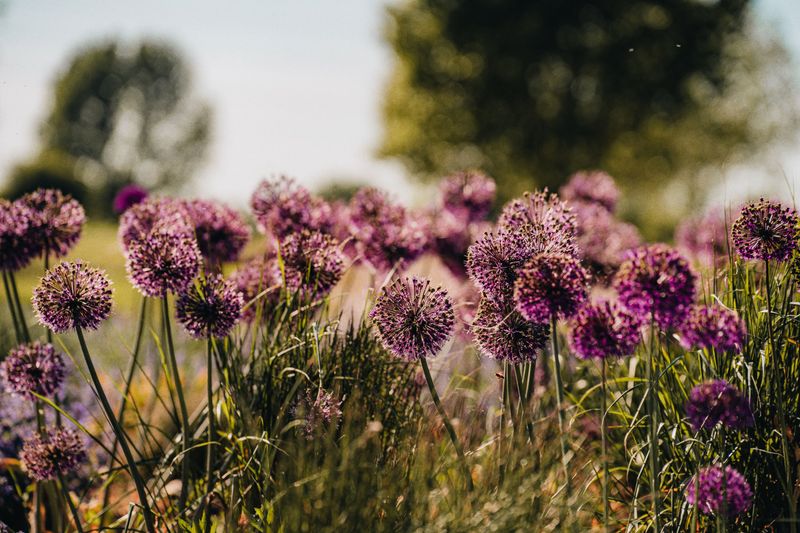
Imagine a giant purple lollipop growing in your garden, and you have basically pictured an allium. These dramatic flowering bulbs bring bold structure to spring and early summer beds.
Alliums multiply through both offsets and self-seeding, which means they spread in two different ways at once. Over time, a small group can colonize a surprisingly large area without any help from you.
The bulbs produce daughter bulbs underground each season, slowly expanding the original clump. Meanwhile, the seed heads drop seeds nearby, germinating into new plants that bloom a year or two later.
Leaving the seed heads standing through fall serves a dual purpose. Birds snack on the seeds, and any seeds that fall to the ground may sprout right where you want more plants.
Alliums prefer full sun and excellent drainage above all else. Soggy soil is their main enemy, so raised beds or slopes work especially well in areas with heavy clay.
Deer and rabbits avoid alliums almost entirely due to their strong onion scent. That built-in pest resistance makes them a fantastic choice for gardens where wildlife pressure is a real problem.
Plant different allium varieties together for a layered bloom sequence. Mixing early, mid, and late types keeps the garden interesting from April all the way through June.
6. Snowdrops
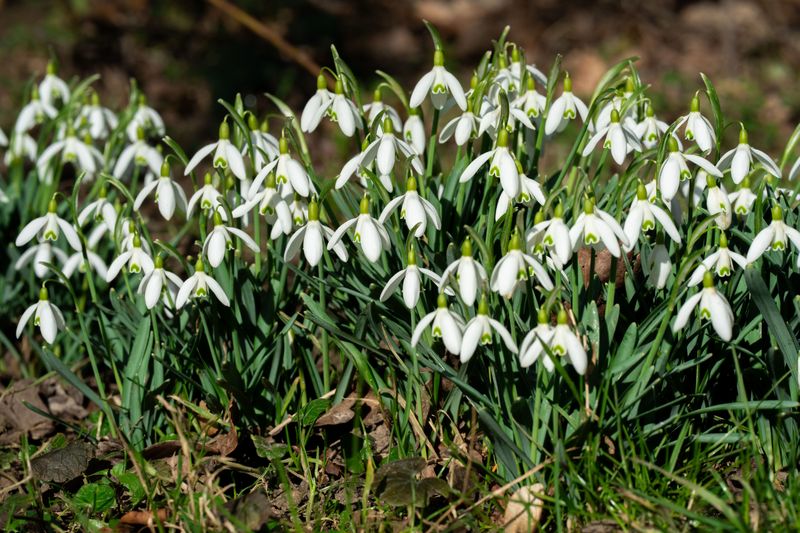
Image Credit: © Robert Schwarz / Pexels
Snowdrops bloom when the world still feels frozen. In the mountains and Piedmont of North Carolina, they push through cold soil in late winter, often weeks before spring officially arrives.
They are slow to multiply at first, which requires a little patience from new growers. But once a colony establishes itself, snowdrops spread steadily through offsets and self-seeding over many years.
The best time to divide snowdrops is right after blooming, while the foliage is still green. This window is called planting in the green, and it gives the bulbs the best chance of thriving in their new spot.
Snowdrops prefer partial shade and moist, humus-rich soil. Woodland garden settings under deciduous trees are ideal since the canopy provides summer shade without blocking the winter light they need to bloom.
They naturalize beautifully along stream banks and shaded slopes where moisture stays consistent. Once a colony takes hold in the right spot, it tends to persist and expand for decades.
Snowdrops pair wonderfully with winter aconite for a cheerful late-winter combination. That yellow and white pairing feels like a promise that warmer days are coming soon.
A long-established snowdrop colony can contain hundreds of bulbs from a single original planting. That kind of quiet abundance is one of gardening’s most satisfying long-term rewards.
7. Red Spider Lily
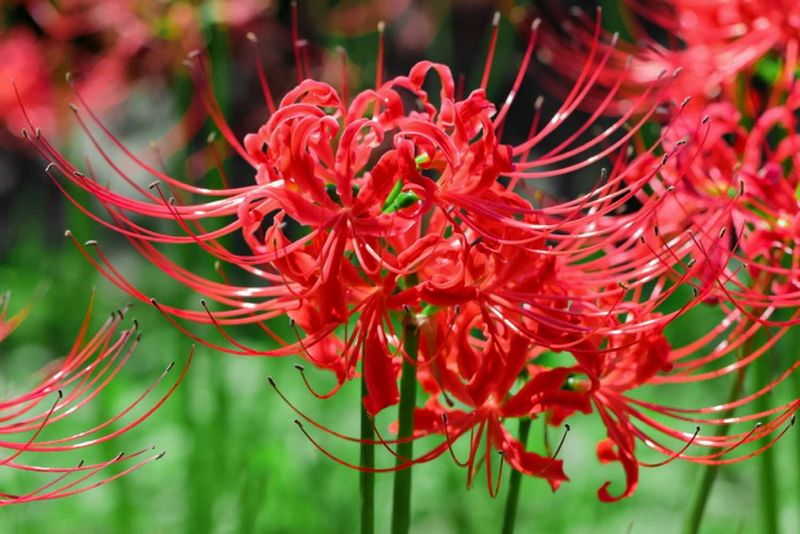
Most bulbs put on their show in spring and disappear by summer. Red spider lily does the opposite, and that is exactly what makes it so striking.
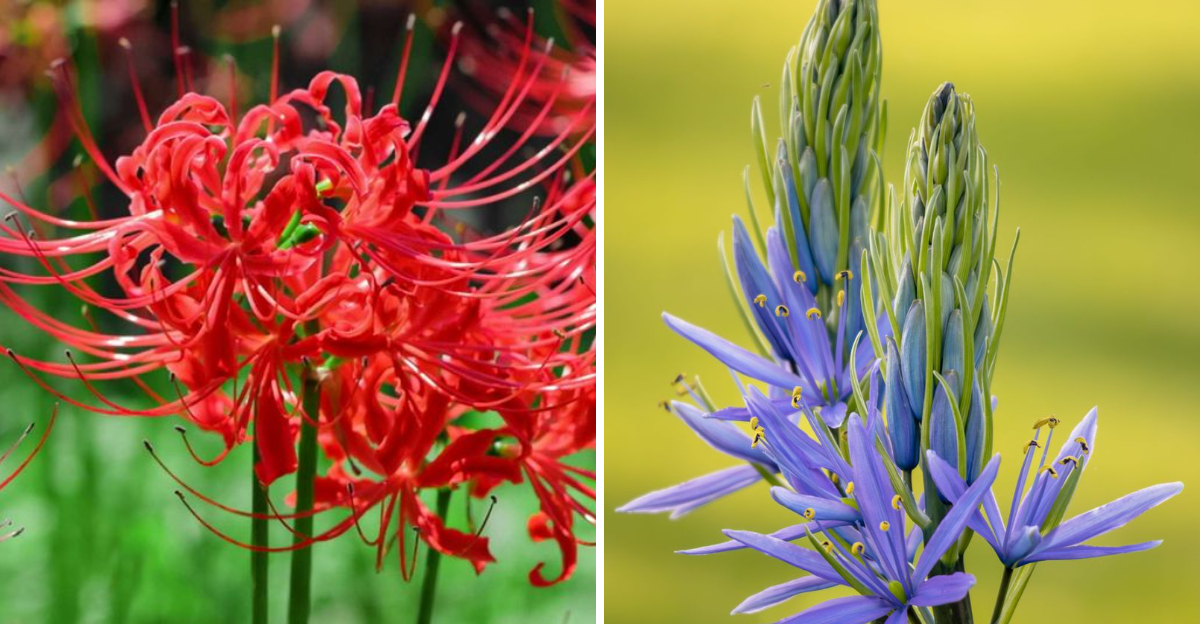
Those bold, coral-red blooms shoot up on bare stems in late August and September, arriving out of nowhere after the rest of the garden has gone quiet. The bulbs naturalize easily through offsets and are quite long-lived.
A small planting slowly expands into a colony over the years, with each clump growing wider and producing more blooms every season. One important detail: red spider lily needs at least half a day of winter sun.
The foliage emerges in fall after blooming, stays green through winter, and uses that sunlight to store energy for next year’s flowers. Plant it somewhere that stays sunny from January through April.
Full sun to partial shade both work, though partial shade tends to produce the best flowering. Well-drained soil is essential, and the bulbs prefer things on the drier side during summer dormancy.
Plant the bulbs with the neck just at or slightly below the soil surface. Planting too deep can reduce flowering, so depth matters more with this one than most others on this list.
Leave the clumps undisturbed as long as possible. Every time you move them, they may skip a bloom cycle while they resettle.
When a clump gets crowded after several years, divide it right after the foliage fades in spring. Red spider lily has no serious pest or disease problems and requires almost no maintenance once established.
8. Camassia
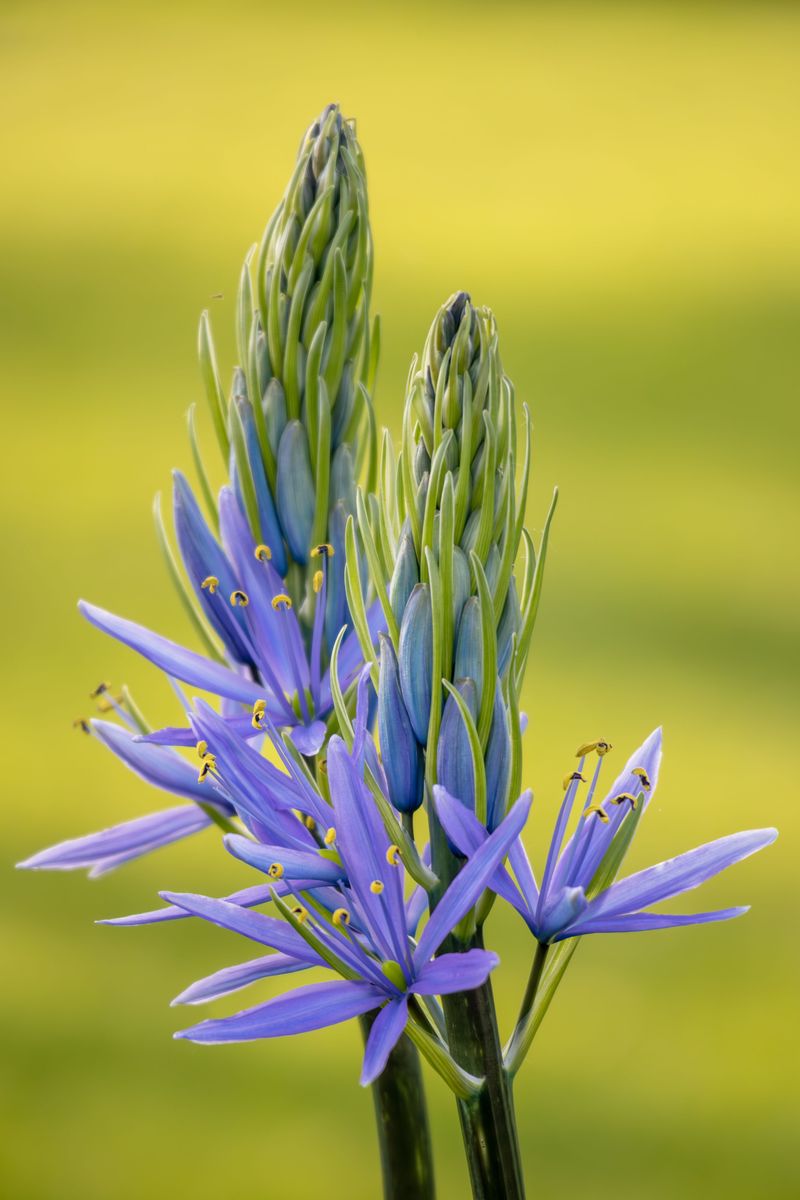
Camassia is the unsung hero of the spring bulb lineup, and it deserves far more attention than it gets. These tall, stately plants produce spikes of starry blue or white flowers in late April and May.
They multiply steadily by producing offsets underground, slowly building into larger and more impressive clumps each year. Unlike some bulbs, camassia prefers moist soil, which makes it ideal for low-lying garden spots that stay wet.
Rain gardens and pond edges are perfect homes for camassia, where drainage is often too poor for other bulbs. That tolerance for wet feet sets them apart from almost everything else on this list.
The flowers reach two to three feet tall, creating vertical interest that shorter spring bloomers cannot provide. Planted in groups, they create a bold, naturalistic effect that looks stunning in both formal and informal gardens.
Native to North America, camassia has deep historical roots in this region. Indigenous communities once harvested the bulbs as an important food source, making this plant a meaningful connection to the land’s history.
They pair beautifully with ferns and hostas in shaded, moist borders. That combination creates a lush, layered look that feels effortlessly natural and requires very little upkeep.
Camassia is also largely ignored by deer and other wildlife, making it a low-stress choice. Plant it once, and it rewards you with more blooms and more bulbs for years to come.
9. Foamflower
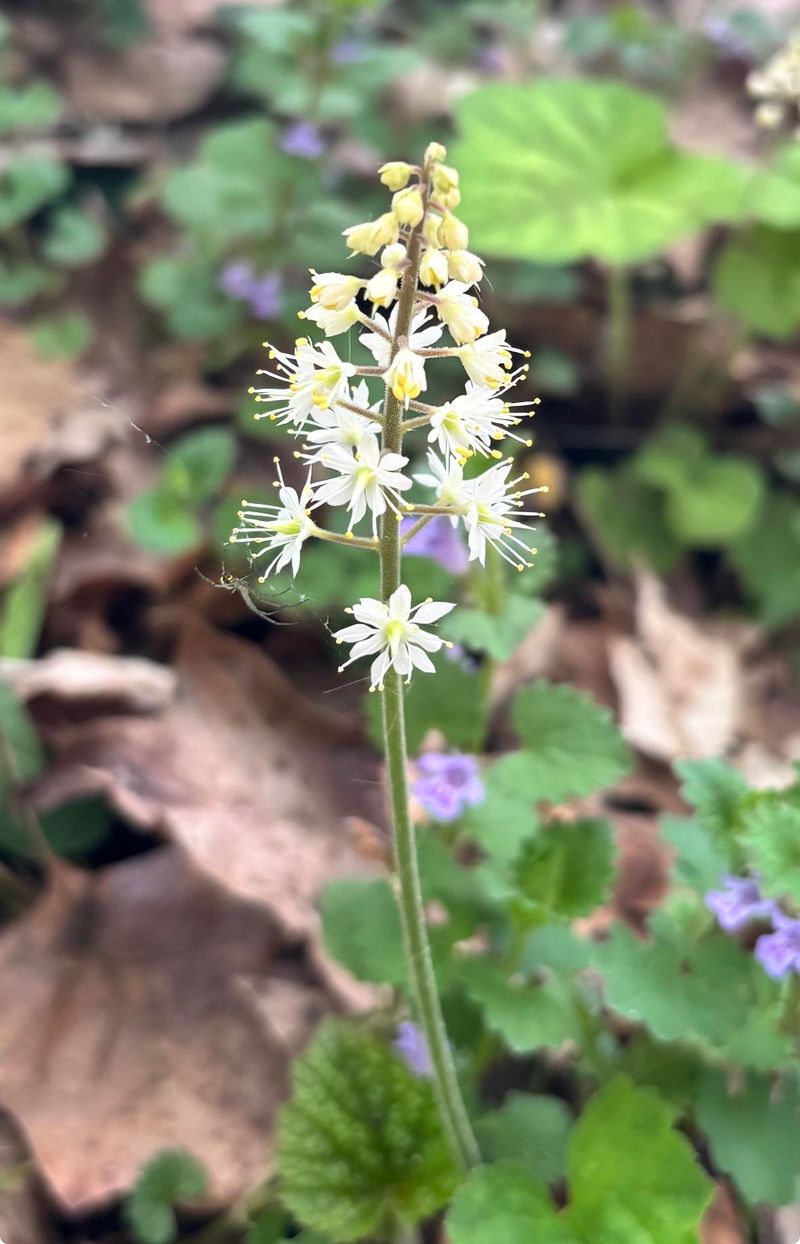
Foamflower looks delicate but behaves like it owns the place. Those frothy white blooms rise above heart-shaped leaves every spring, quietly taking over one shaded corner at a time.
This plant is native to NC, which means it already knows how to thrive here without any coaching. It spreads through above-ground runners called stolons, quietly filling in shaded areas one season at a time.
Unlike some spreading plants, foamflower does not bully its neighbors. It moves politely around larger perennials and shrubs, making it one of the easier ground covers to mix into an established shade border.
It performs best in dappled to partial shade with moist, organically rich soil. Spots under tall deciduous trees are ideal, where filtered light and consistent moisture keep it happy through summer.
A naturally occurring variant, Tiarella cordifolia var. collina, grows wild throughout the NC Piedmont. Gardeners in that region can feel especially confident it will settle in and perform reliably year after year.
Foamflower pairs beautifully with ferns, native sedges, and hostas in shaded borders. That combination builds a lush, layered ground cover that looks intentional but practically takes care of itself.
It also attracts bees and butterflies during its spring bloom window, which sets it apart from most other plants on this list. More coverage, more blooms, and more wildlife activity every season it returns.