The North Carolina Vegetables Reaching Peak Harvest In September
September marks a shift in the North Carolina garden, as summer crops begin winding down and certain vegetables hit their peak all at once.
This stretch of the season often catches gardeners off guard, since some plants that seemed to be slowing down suddenly produce a strong final push before cooler weather sets in.
Knowing which vegetables are at their best right now can help North Carolina gardeners make the most of this window, whether that means harvesting for immediate use or preserving extra for later in the year.
Timing matters here, since waiting too long can mean missing peak flavor or losing produce to the first real drop in temperature.
For gardeners keeping an eye on what’s ready right now, this is one of the most productive stretches of the whole growing season. Here’s a look at the North Carolina vegetables reaching their peak in September.
1. Sweet Potatoes
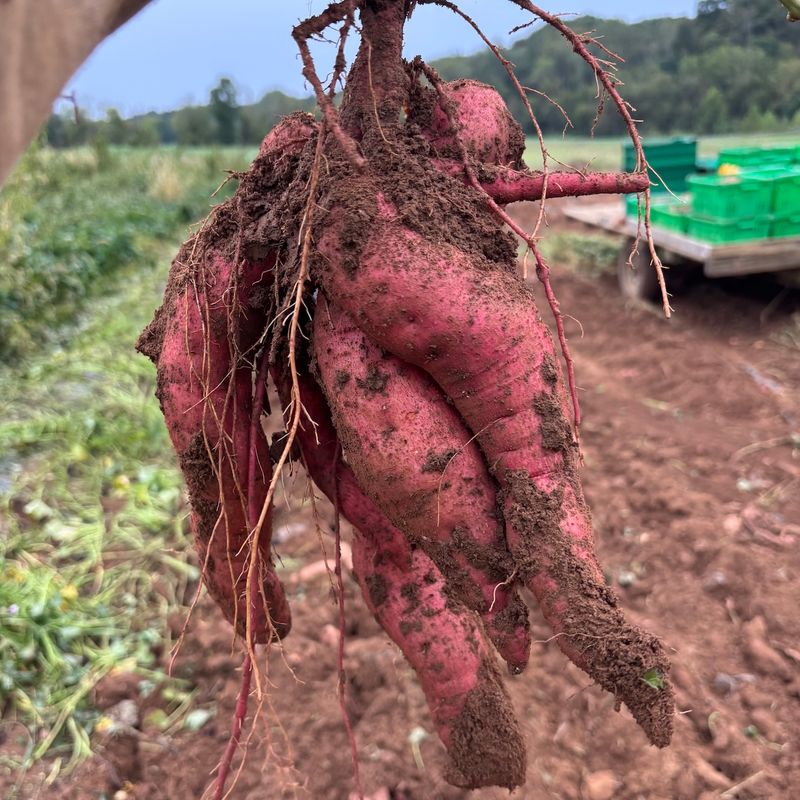
Few crops feel more like a North Carolina fall than sweet potatoes. The state grows more of them than anywhere else in the country, and September is when the magic happens in the soil below your feet.
Roots usually need about 90 to 120 days to size up. When leaves start turning yellow and the vines slow down, that is your signal to check on them. Gently dig near a plant and see how big the roots feel.
A good sweet potato should feel firm and thick, not skinny like a pencil. If most of them look small, wait another week or two and check again. Try to harvest before the first frost hits your area.
Cold soil can bruise the roots and cause soft spots. Pick a dry day and use a garden fork, digging wide so you do not stab through the middle of your prize.
Here is a tip many new growers miss. Fresh sweet potatoes taste better after curing. Store them in a warm, humid spot for about a week, and the starches turn into sugar.
Handle them gently since the skin scratches easily right after digging. Let any cuts heal before you store them long term.
Cured properly, they can last for months in a cool pantry. That means one September harvest can flavor your kitchen well into winter with pies, fries, and roasted sides.
2. Okra
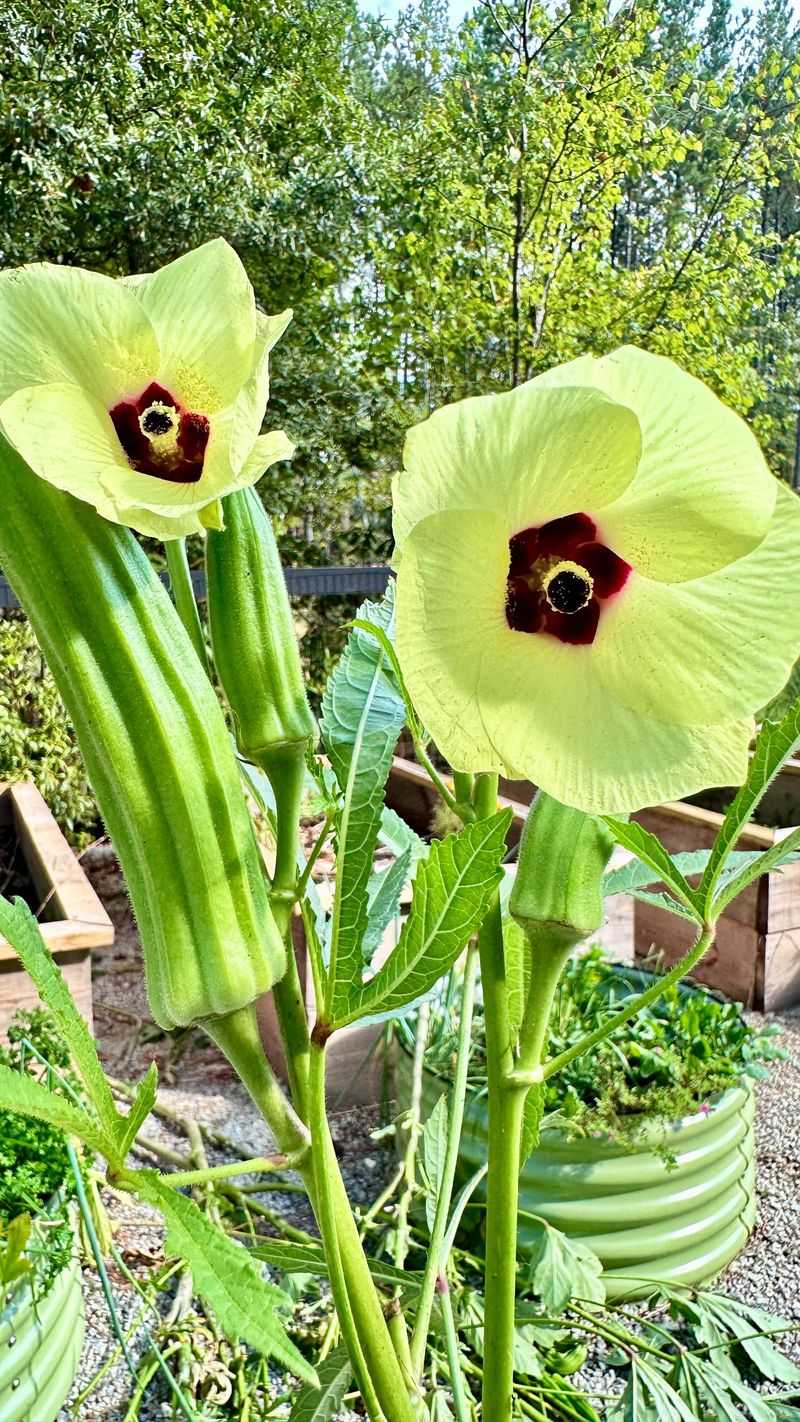
Okra loves the heat, and North Carolina summers give it exactly what it craves. While other plants wilt in the July and August sun, okra keeps climbing taller and pumping out pods week after week.
The secret to a long harvest is simple. Pick often. Pods grow fast and the best ones are young and tender.
Aim for pods around two to four inches long. Bigger pods quickly become woody and tough, so picking them while they are young and tender helps keep the plant producing more usable pods.
By September, well tended okra plants can stand chest high or even taller. Fresh flowers keep opening, and behind each one a new pod forms almost overnight.
Wear gloves and long sleeves when you harvest. Many varieties have tiny spines that can itch your skin, so a little protection makes picking much more comfortable.
Your North Carolina Garden Changes Every Week. Your Plan Should Too.
Gardening in North Carolina changes quickly throughout the season. Every Friday you’ll receive a simple weekly plan showing exactly what to plant, prune, fertilize, harvest, and protect so you never miss the right timing.
Use scissors or clippers to snip the stem just above each pod. Twisting them off can damage the branch and slow future growth.
Because okra produces so fast, plan to check your plants every day or two through the whole month. Skipping a few days means missing that sweet spot of tenderness.
Once you gather more than you can eat, okra freezes and pickles beautifully. Southern cooks love it fried, stewed in gumbo, or roasted until crispy. A single row can keep your kitchen supplied straight through the last warm weeks of the season.
3. Peppers
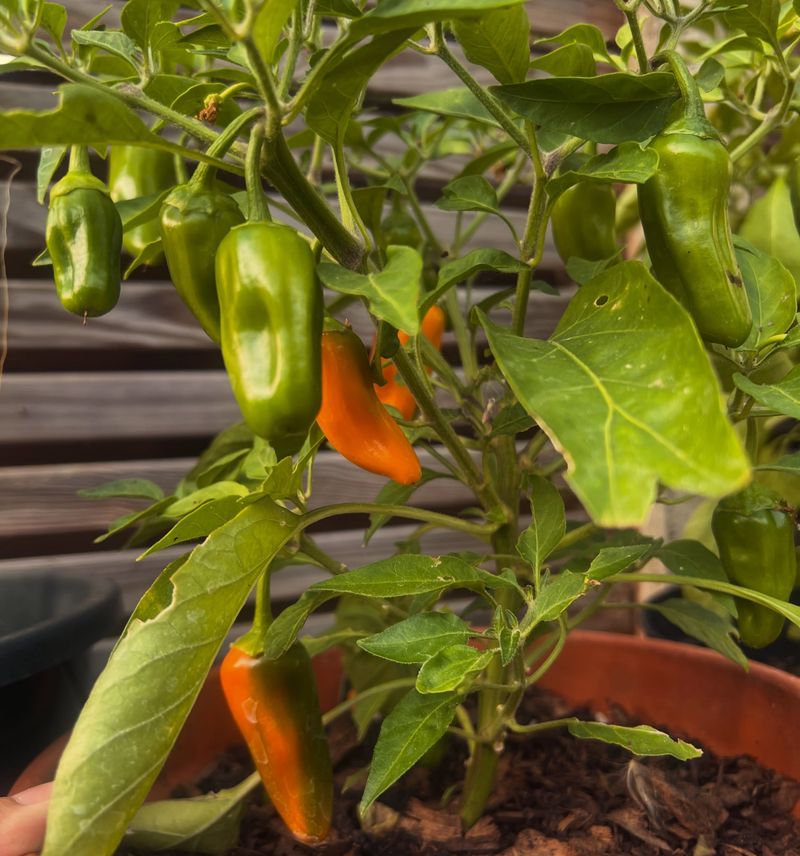
Peppers are late bloomers in the best way. Plants that looked slow in June often explode with fruit by September, rewarding your patience with a heavy load.
Warm days and gentle nights let peppers keep setting fruit long after the summer rush. The steady heat helps green peppers finally turn red, orange, or yellow, which is when their flavor gets sweetest.
If you like sweet bell peppers, leave a few on the plant to change color. A red bell is just a ripe green one, and the extra time adds sugar and vitamins.
Hot peppers follow the same rule. The longer they hang, the more heat and flavor they build up inside their walls.
Pick with clippers instead of pulling, since pepper branches snap easily. A clean cut keeps the plant strong so it can keep producing well into fall.
Water matters too. Peppers that dry out too much can drop their blossoms, so keep the soil evenly moist during any late summer dry spells.
Watch the weather as the month goes on. Peppers cannot handle frost, so harvest everything left on the plant if a cold night is coming.
Extra peppers store well in many forms. You can freeze them chopped, dry hot ones for flakes, or roast and can them for winter meals.
A single productive plant can hand you dozens of peppers before the season winds down, making them one of the most generous crops in the September garden.
4. Tomatoes
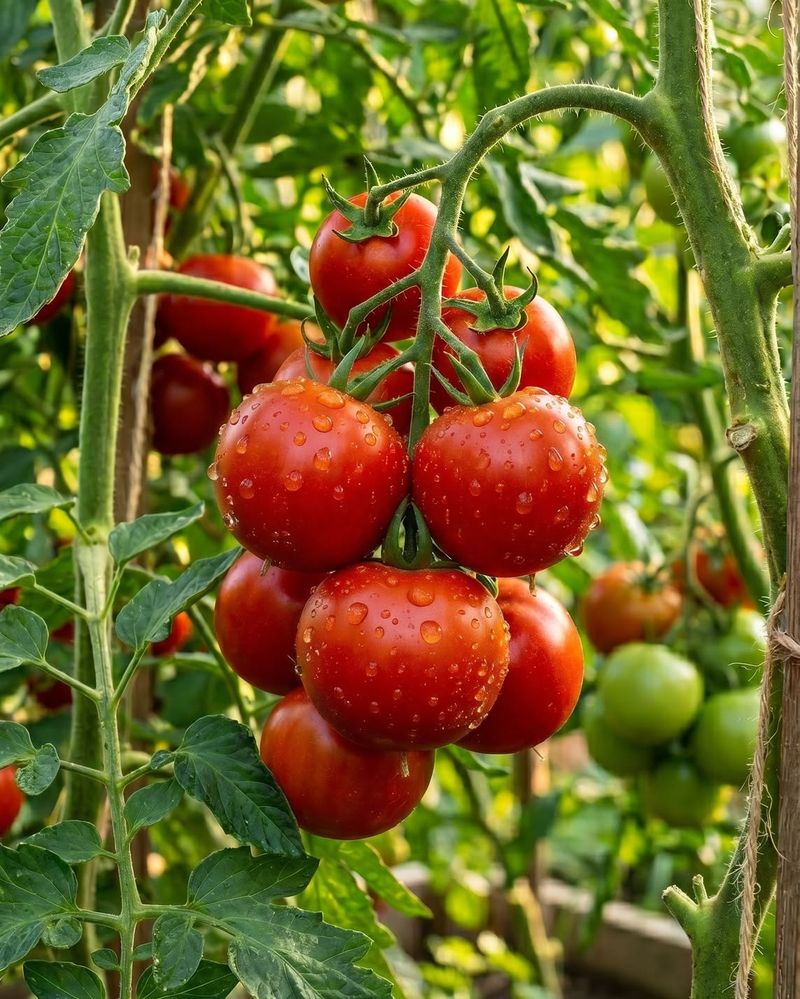
Just when you think tomato season is winding down, September often delivers one last big flush of fruit. Vines that survived the summer heat keep ripening as the weather turns kinder.
Cooler nights actually help. Extreme heat can stop tomatoes from setting fruit, so as temperatures ease, the plants relax and ripen the tomatoes already hanging on the vine.
The color also improves in milder weather. Instead of scorching in harsh sun, fruit reaches a deep, even red and holds its flavor better.
Keep picking as tomatoes reach full color. Regular harvesting can encourage continued production and keeps ripe fruit from becoming overripe on the vine.
If a cold snap threatens, do not panic. Green tomatoes can ripen indoors on a counter or windowsill over several days.
You can also pull an entire plant with fruit still attached and hang it upside down in a garage. The tomatoes will slowly turn red as they draw on the vine.
Watch for cracks after rainy spells. Uneven watering causes splitting, so steady moisture keeps your fruit smooth and whole.
Late season tomatoes shine in sauces, salsas, and canning projects. A big September pick gives you enough to preserve summer flavor for months.
Cherry types often outlast the big slicers, dropping sweet handfuls right up to the first frost. Snack on them fresh from the vine while you work.
With a little care, your tomato patch can stay busy and productive well past Labor Day and into the crisp start of fall.
5. Summer Squash
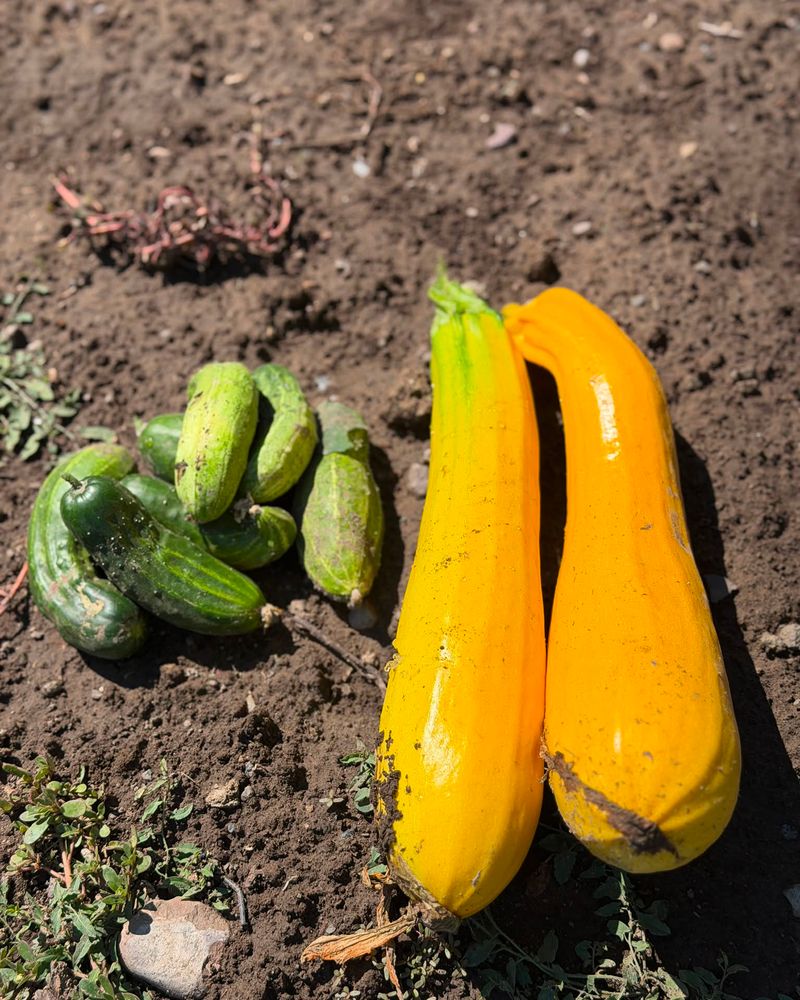
Summer squash has a reputation for being unstoppable, and healthy plants prove it every September. A single row can hand you more zucchini and yellow squash than you know what to do with.
Gardeners who plant a second round in midsummer get a fresh, vigorous crop just as fall approaches. Younger plants often produce cleaner fruit with fewer bug problems than tired summer vines.
The key to keeping squash coming is picking early and often. Small fruit tastes better and signals the plant to make more.
Let a squash grow into a giant and the plant slows down, thinking its job is finished. Grab them when they are six to eight inches long for the best texture.
Check under the big leaves daily, because squash hides well and grows fast. A missed fruit can double in size overnight.
Use a sharp knife to cut the stem cleanly. Twisting can tear the plant and open the door to disease.
Keep an eye out for squash bugs and vine borers, which are common troublemakers. Catching them early keeps your plants strong through the month.
Water at the base rather than over the leaves. Dry foliage helps prevent the powdery mildew that often shows up in late summer.
When your counter overflows, get creative. Grate zucchini for bread, slice squash for the grill, or freeze extras for winter soups.
With steady picking and a little pest patrol, summer squash can stay productive right up until cooler nights finally slow it down.
6. Southern Peas
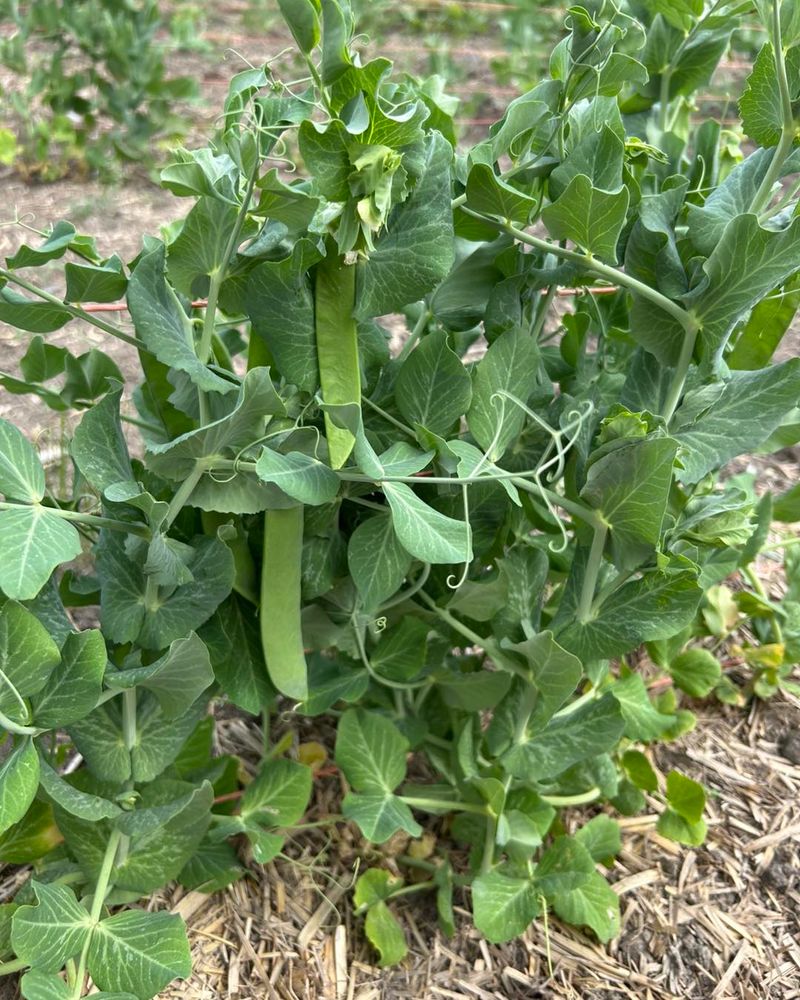
Southern peas, also called field peas or cowpeas, thrive where other crops struggle. They shrug off North Carolina heat and drought like champions, staying green while the sun blazes.
Because they handle summer so well, southern peas planted in early summer often reach their big harvest in September. The pods fill out just as the worst heat starts to fade.
These plants also do the soil a favor. Their roots pull nitrogen from the air and feed it into the ground, helping future crops grow.
You can harvest at two stages depending on how you like them. Pick young for tender shelling peas, or wait until the pods dry for storing.
For fresh eating, gather the pods when they look plump and full. The peas inside should feel firm but not hard.
For dried peas, leave the pods on the plant until they turn tan and papery. Then shell them and store the peas in jars for months.
Popular types like crowder and pink eye purple hull have fed Southern families for generations. Their rich, earthy flavor makes them a comfort food classic.
Harvesting often keeps new pods forming, so check your plants every few days through the month. A steady picking schedule boosts your total yield.
Cook them with a little onion and seasoning for a true taste of the South. Many folks serve them alongside cornbread for a filling meal.
Hardy, generous, and full of protein, southern peas are a September star worth growing in any hot climate garden.
7. Fall Beans
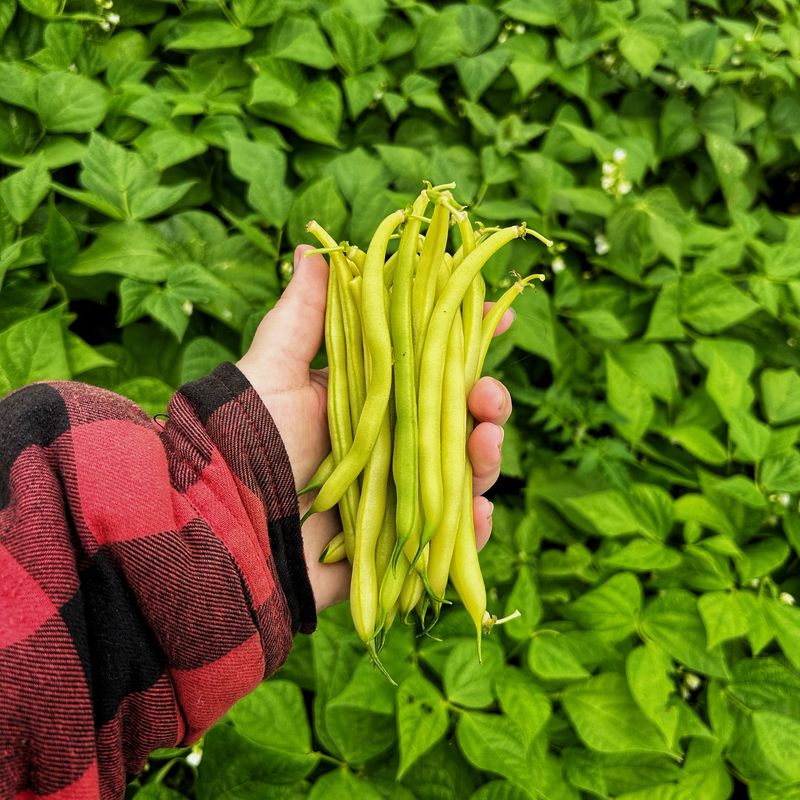
Bush beans have a neat trick up their sleeve. Plant them in midsummer and they mature fast enough to give you a fresh crop right around September, long after your spring beans have quit.
Cooler fall temperatures actually improve the beans. Instead of the stress of peak heat, the plants set pods that stay crisp, tender, and full of flavor.
Bush beans usually need only 50 to 60 days from seed to harvest. That quick turnaround makes them perfect for a late season planting.
Timing is everything, so count backward from your area’s first expected frost. Sow seeds early enough to give the plants time to produce.
Once pods appear, pick them young and slender for the best snap. Beans left too long turn tough and stringy.
Frequent harvesting keeps the plant working. Each time you pick, the plant responds by setting more blossoms and pods.
Water steadily as the pods form, since dry spells can make beans stringy or cause blossoms to drop. Even moisture keeps them growing smoothly.
Mulch around the base to hold water and keep weeds down. A tidy bed lets the plants focus their energy on producing.
Fall beans freeze wonderfully, so a big pick can stock your freezer for winter dinners. Blanch them quickly first to keep the color bright.
Snap them fresh into a skillet or toss them into soups. With cooler air and steady picking, your fall bean patch can stay productive right up to the first cold night.
8. Collard Greens
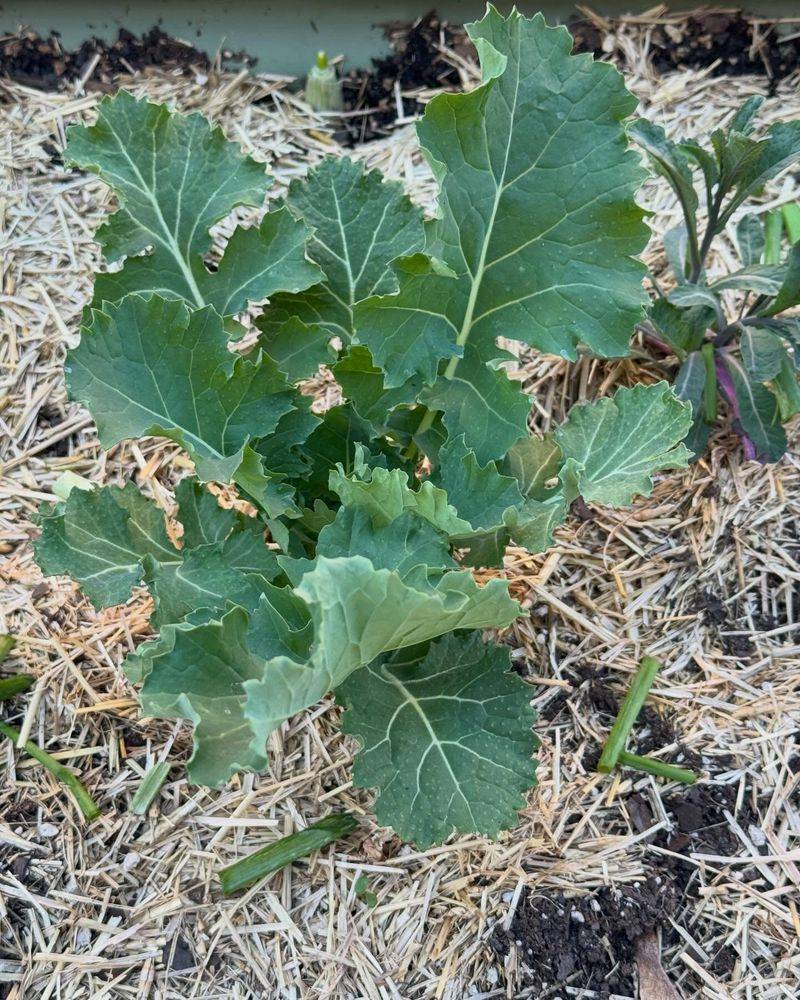
Collard greens are a true Southern tradition, and fall is when they really shine. Plants set out in late summer begin reaching harvest size as the cooler weather rolls in during September.
These leafy giants love the mild days of autumn. Warm summer heat can make collards taste bitter, but falling temperatures bring out a smoother, sweeter flavor.
You do not have to wait for the whole plant to finish. Pick the lower, outer leaves first and let the center keep growing.
This cut and come again method means one plant can feed you for weeks. As long as you leave the growing tip alone, fresh leaves keep coming.
Choose leaves that are big and dark but still tender. Overgrown leaves can turn tough, so harvest before they get leathery.
Here is the part collard fans love most. A light frost later in the season actually makes them taste better.
Cold weather causes the plant to make natural sugars, giving frosted collards a sweeter, milder bite. Many growers say the best greens come after the first chilly nights.
Wash the leaves well since dirt likes to hide in the folds. A quick rinse and a slice of the tough stem get them ready for the pot.
Slow cook them with a bit of smoked seasoning for that classic comfort food taste. They pair perfectly with cornbread and beans.
Hardy and nutritious, collards can keep producing well past September, giving you fresh greens deep into the cooler months.
9. Turnips
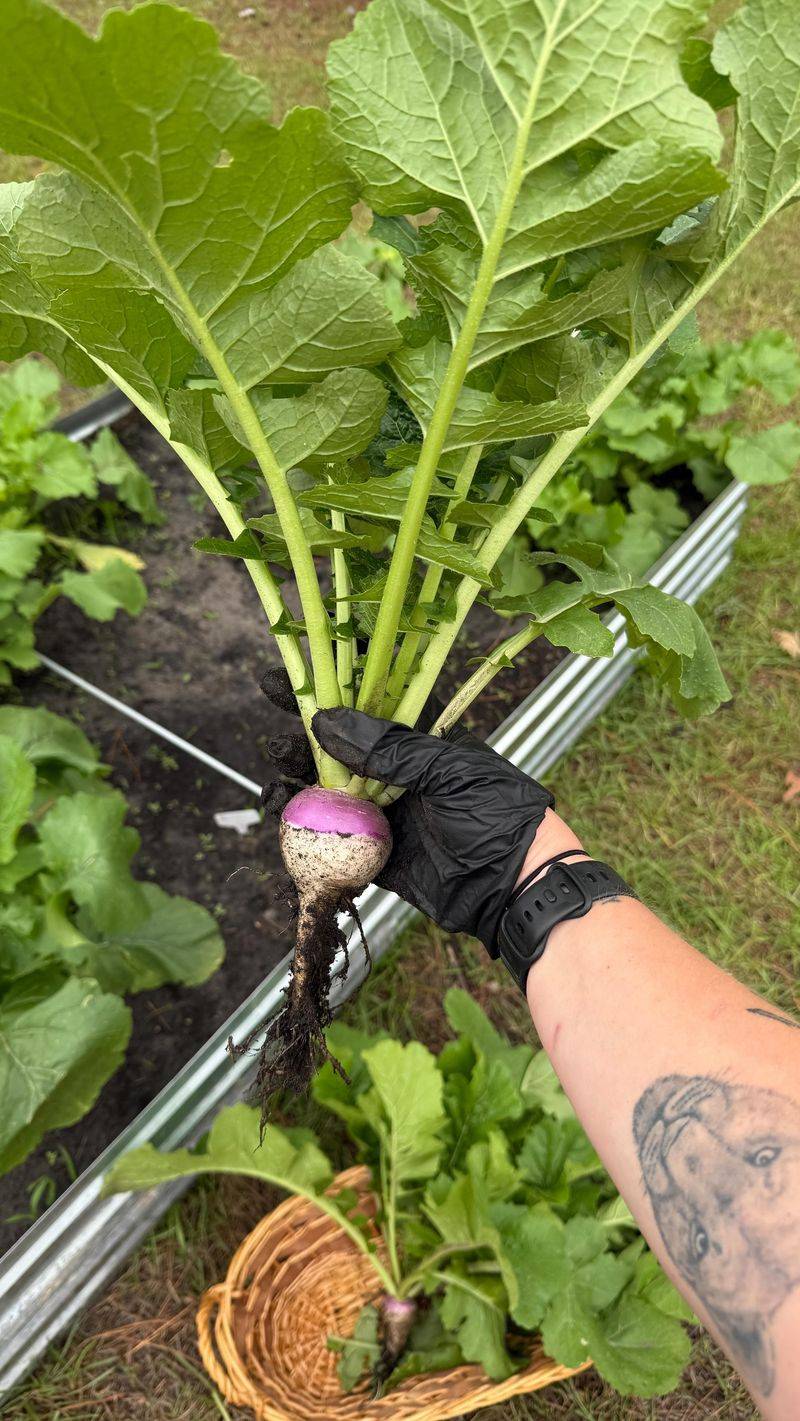
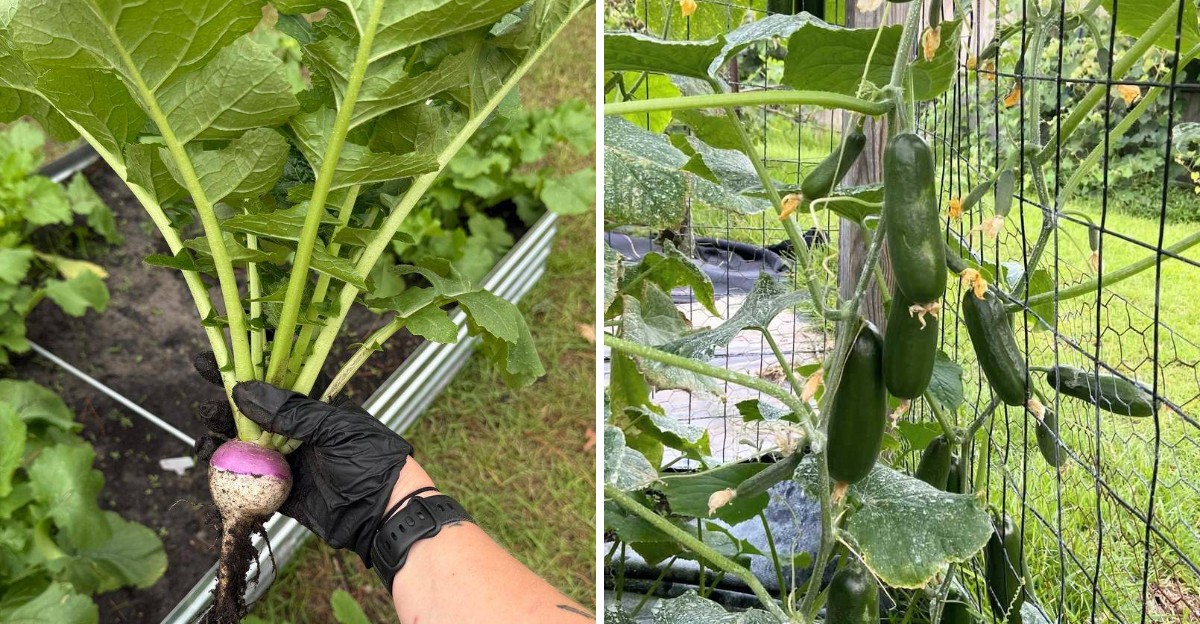
Turnips are a two for one crop, and that makes them a fall favorite across North Carolina. You get tender roots below the ground and tasty greens up top from a single planting.
September is prime time to sow seeds for a fall crop. The cooling soil is just right for fast germination and sweet, mild roots.
Turnips grow quickly, often ready in about 40 to 60 days. That speed means a September planting can feed you well before winter arrives.
Cooler weather keeps the roots crisp and sweet instead of sharp and woody. Turnips grown in the heat of summer often taste too strong.
Do not forget the greens while you wait for the roots. You can snip young leaves early and cook them like other tender greens.
Pull the roots when they reach about two to three inches across. Smaller turnips taste sweeter and have a smoother texture.
Leaving them too long in the ground can make them tough and bitter, so check their size as they grow. A gentle tug tells you when they are ready.
Thin your rows early so each turnip has room to swell. Crowded plants stay small and never fatten up properly.
Store harvested roots in a cool, humid place and they will keep for weeks. Trim the tops before storing to keep the roots firm.
Roast them, mash them, or toss the greens into a simmering pot. Easy to grow and quick to mature, turnips give big rewards for little effort.
10. Cucumbers
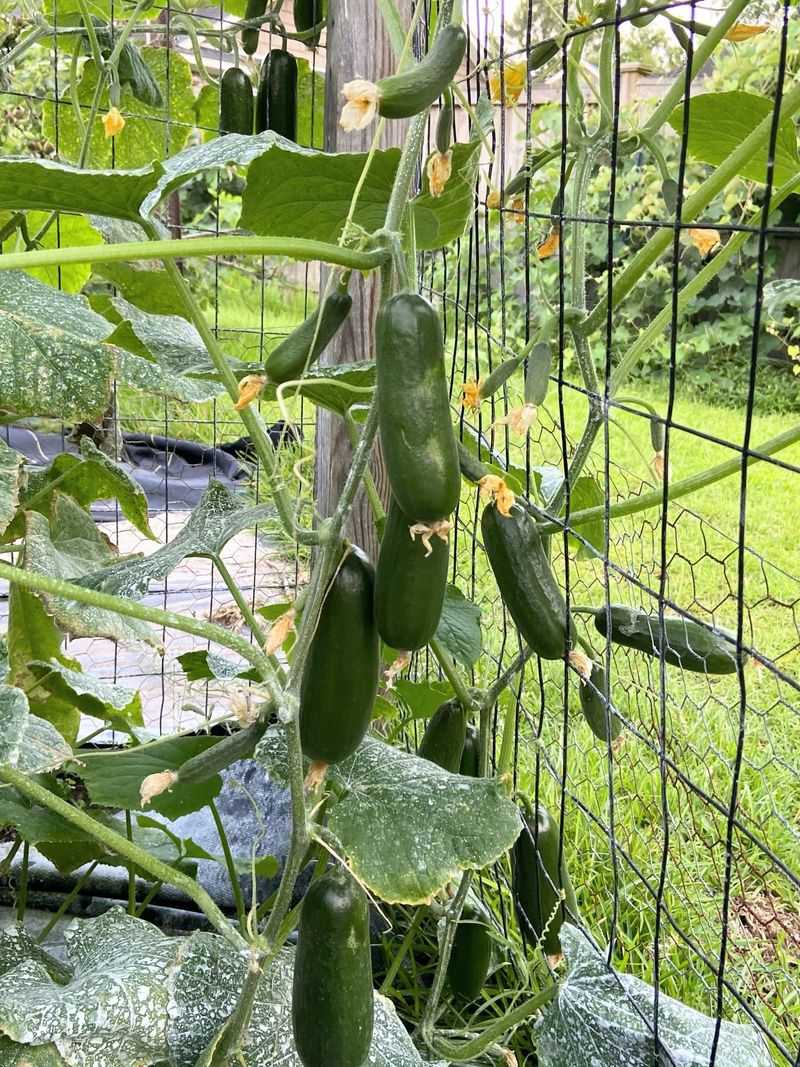
Cucumbers can keep the crunch coming well into September as long as the vines stay healthy. A well cared for plant will surprise you with fresh fruit long after summer peaks.
The trick is keeping the vines happy. Steady water and rich soil help cucumbers keep flowering and setting new fruit through the warm early fall days.
Regular picking is the real secret to a long harvest. Every cucumber you remove pushes the plant to make more.
Leave a big one on the vine and the plant slows down, thinking its work is done. Grab them young for the crispest bite.
Slicing types are best around six to eight inches long. Pickling types stay smaller, so pick them when they suit your recipe.
Check the vines daily since cucumbers grow fast and hide under broad leaves. A hidden fruit can turn yellow and bitter overnight.
Use clippers to cut the stem instead of yanking the fruit. Pulling can tear the vine and hurt future growth.
Water at the roots in the morning to keep leaves dry. This simple habit helps prevent the powdery mildew that often appears late in the season.
A trellis keeps vines off the ground, improves airflow, and makes picking easier on your back. Straighter, cleaner cucumbers are a nice bonus.
When your harvest piles up, pickling is the classic answer. A batch of homemade pickles captures that garden freshness for months.
Cool, crisp, and refreshing, cucumbers make a perfect end of summer treat straight from the vine.