The November Crape Myrtle Mistake That Leaves Florida Trees Open To Cold Damage
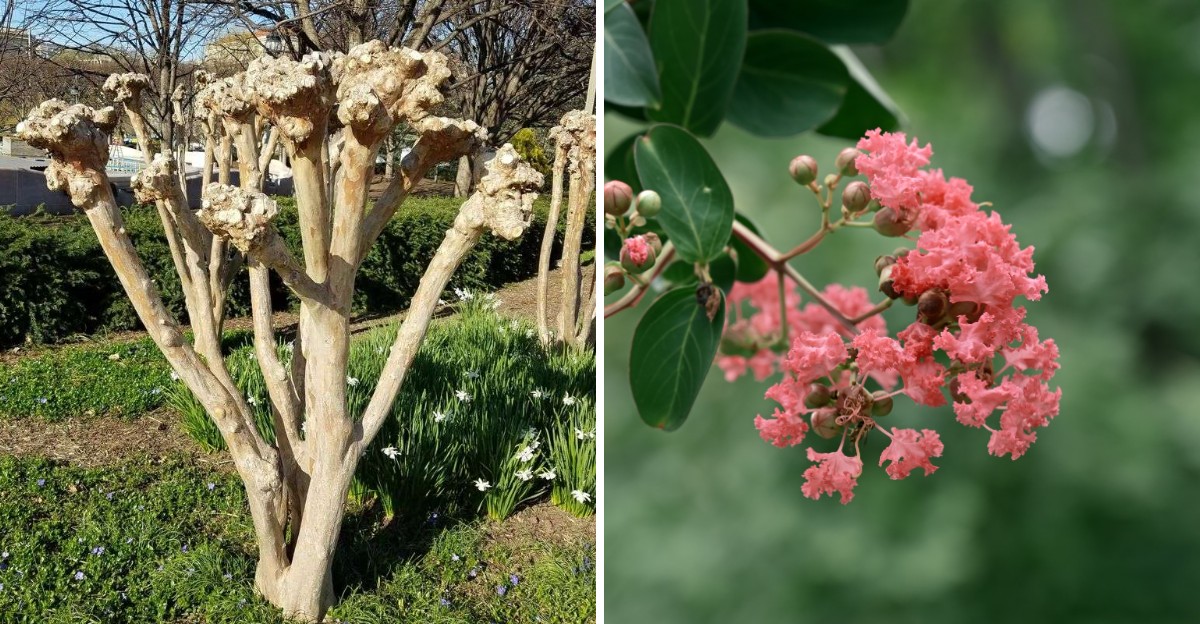
That tidy, trimmed crape myrtle looks like a model citizen in the neighborhood. A cold front in January will tell a different story.
Florida gardeners love getting ahead of winter chores, and November feels like the perfect month for a cleanup. The cuts look harmless and the tree seems to take it well.
Then temperatures drop, and fresh growth that never had time to toughen up takes the hit.
The damage often shows up weeks later, when the cause is long forgotten and the blame falls on the weather. Plenty of owners lose a season of blooms without ever connecting the dots.
A different approach protects the tree and still keeps the yard neat.
Hold off on the shears for now. Your crape myrtle will thank you in spring.
The Mistake Is Pruning After The Leaves Drop
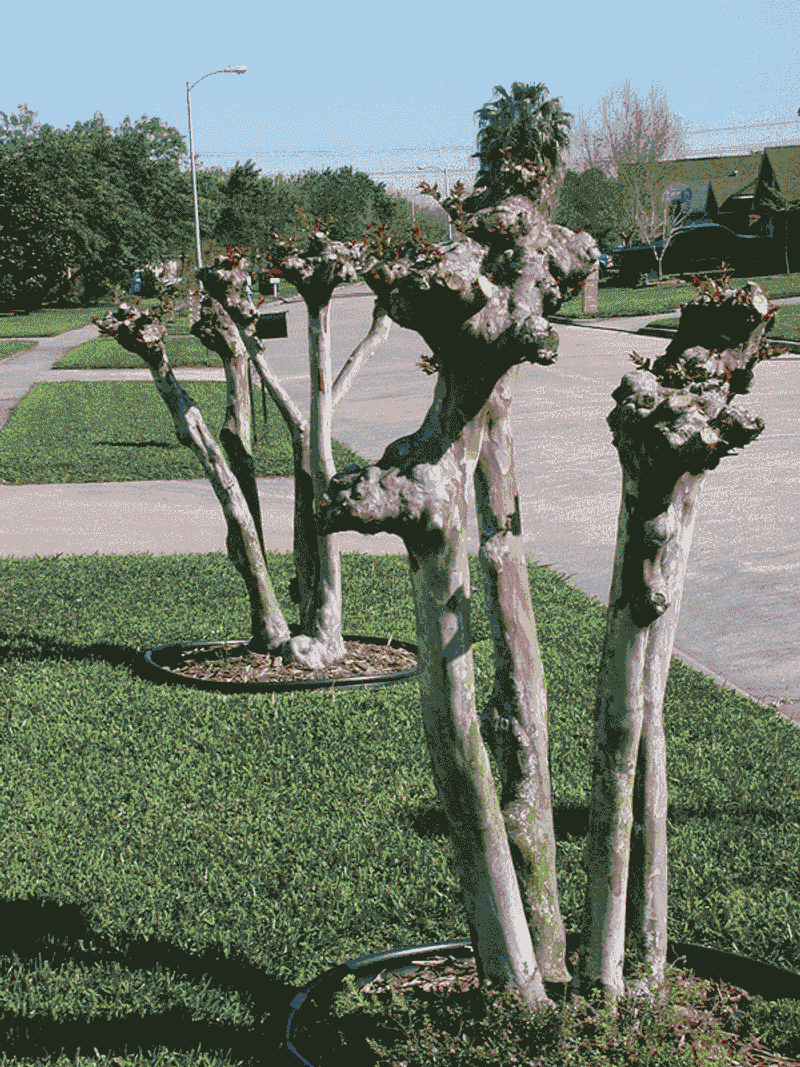
Picture a bare crape myrtle standing in your yard, leaves scattered on the grass. It looks finished for the year, so trimming it feels like tidying up.
That instinct is the November mistake. When leaves fall, the tree is not done working.
It is settling into dormancy, a quiet rest that helps it handle winter and gear up for spring.
In North Florida, leaf drop often arrives as nights cool. Central Florida trees may drop leaves later or more slowly.
Either way, falling leaves are a signal that the tree is shifting gears, not asking for a haircut.
Pruning in late summer or fall can disturb that shift. Cuts tell the tree to repair itself and push out fresh growth.
That is the opposite of what it should be doing as cooler weather moves in.
Here is a simple way to think about it. Imagine someone waking you up right as you drift off to sleep and asking you to go for a run.
You would feel worn out and unprepared, and your tree reacts in a similar way.
So when those leaves come down this fall, put the shears back in the shed. Rake the leaves, enjoy the smooth, peeling bark, and let your tree rest.
Your patience now sets the stage for healthier branches and bigger blooms next summer.
Pruning Wakes Up New Growth At The Wrong Time
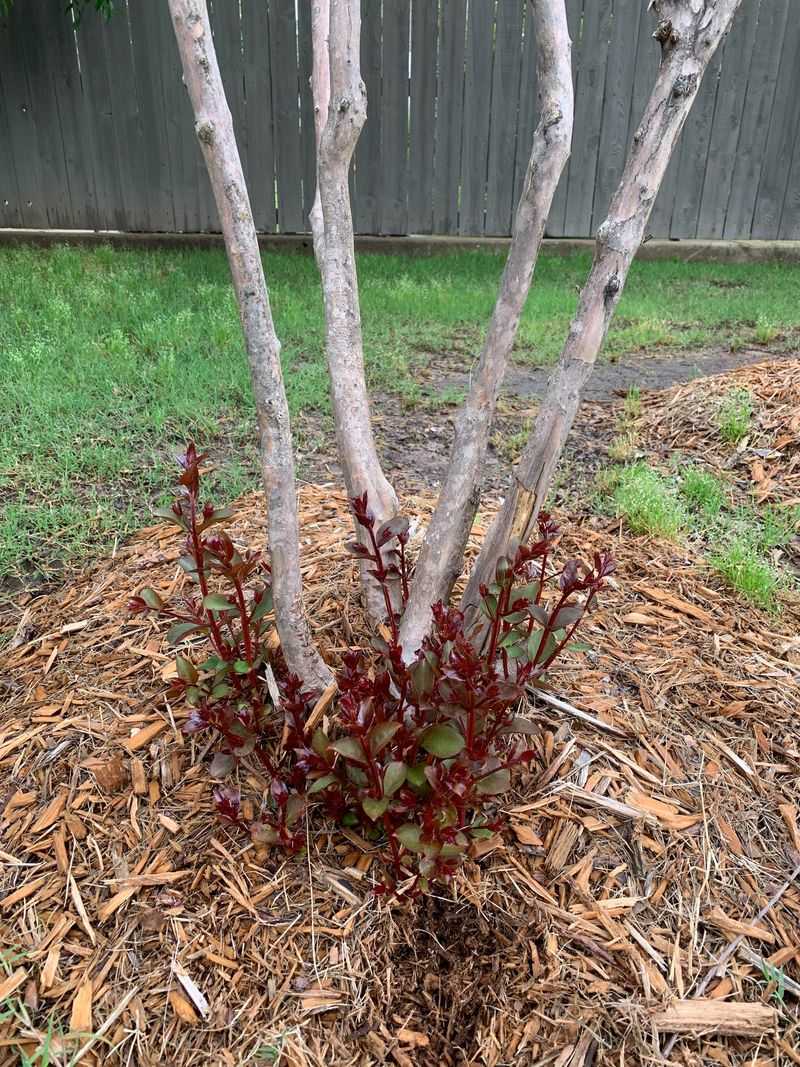
Florida weather loves to play tricks. One week brings a chilly breeze, and the next week feels like spring all over again.
That warm-up is where trouble starts for a freshly pruned crape myrtle. A pruning cut acts like an alarm clock.
The tree senses the loss of branches and tries to replace them, sending energy to buds near the cut.
Add a few warm, sunny days, and those buds pop open. Soon you may spot bright green shoots on a tree that should be resting.
It looks cheerful, but it is a warning sign.
Those shoots are soft and full of water. They have thin walls and little protection.
When temperatures dip near freezing, that fresh growth gets hit first and hardest.
Think of new shoots like a toddler stepping outside in shorts during a cold front. They just are not dressed for it.
Your Florida Garden Changes Every Week. Your Plan Should Too.
Gardening in Florida changes quickly throughout the season. Every Friday you’ll receive a simple weekly plan showing exactly what to plant, prune, fertilize, harvest, and protect so you never miss the right timing.
The tree also wastes stored energy building growth that may not survive the winter.
Fun fact: crape myrtles bloom on new wood, meaning flowers form on growth from the current season. That is great news in spring, but in late fall it means the tree is eager to grow whenever it gets a push.
Avoid giving it that push by keeping pruning tools away until the right season returns.
Tender New Shoots Can’t Harden Off Before A Freeze
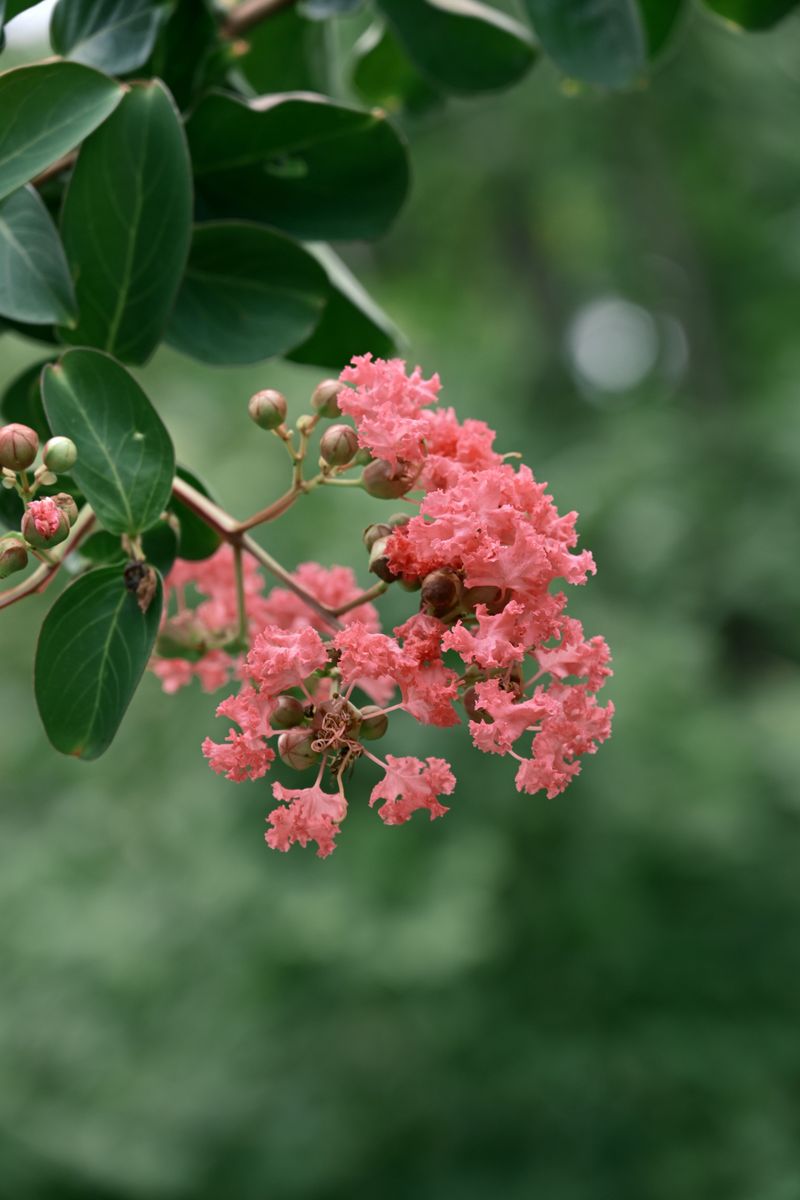
Ever heard gardeners talk about hardening off? It sounds like something from a cooking show, but it is one of the smartest tricks plants use.
Hardening off is a slow toughening process. As days shorten and temperatures drop bit by bit, plants change inside.
Their cells hold less water, their tissues firm up, and they become better at handling cold, dry air.
This process takes weeks. Branches that grew in spring and summer have had plenty of time to toughen.
Shoots that popped out in November have not.
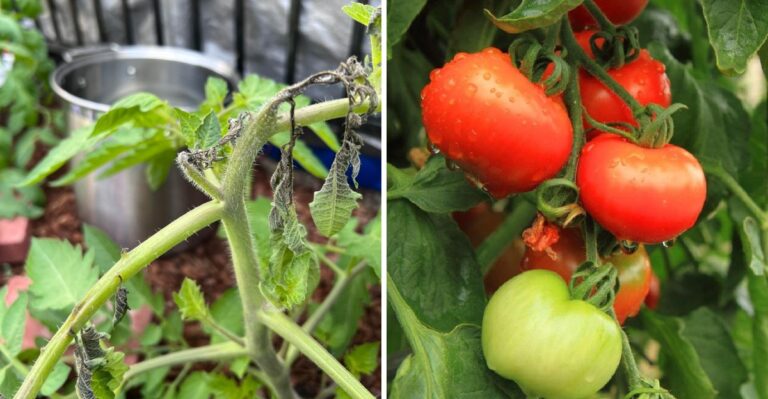
When a freeze arrives, water inside soft new shoots can turn to ice. Ice crystals damage the cells, and the shoots wilt, darken, and shrivel.
Gardeners often see brown or black tips a few days after a cold night.
Fertilizing late in the season causes the same kind of soft growth. Whether the push comes from pruning or feeding, the result is green tissue that is not ready for winter.
The takeaway is simple. Give your crape myrtle a calm, steady fall with no surprises.
Let it toughen at its own pace. If a cold night is in the forecast and you do spot fresh shoots, a frost cloth draped over smaller trees can offer some help until morning.
A Tree That Isn’t Fully Dormant Faces A Bigger Risk
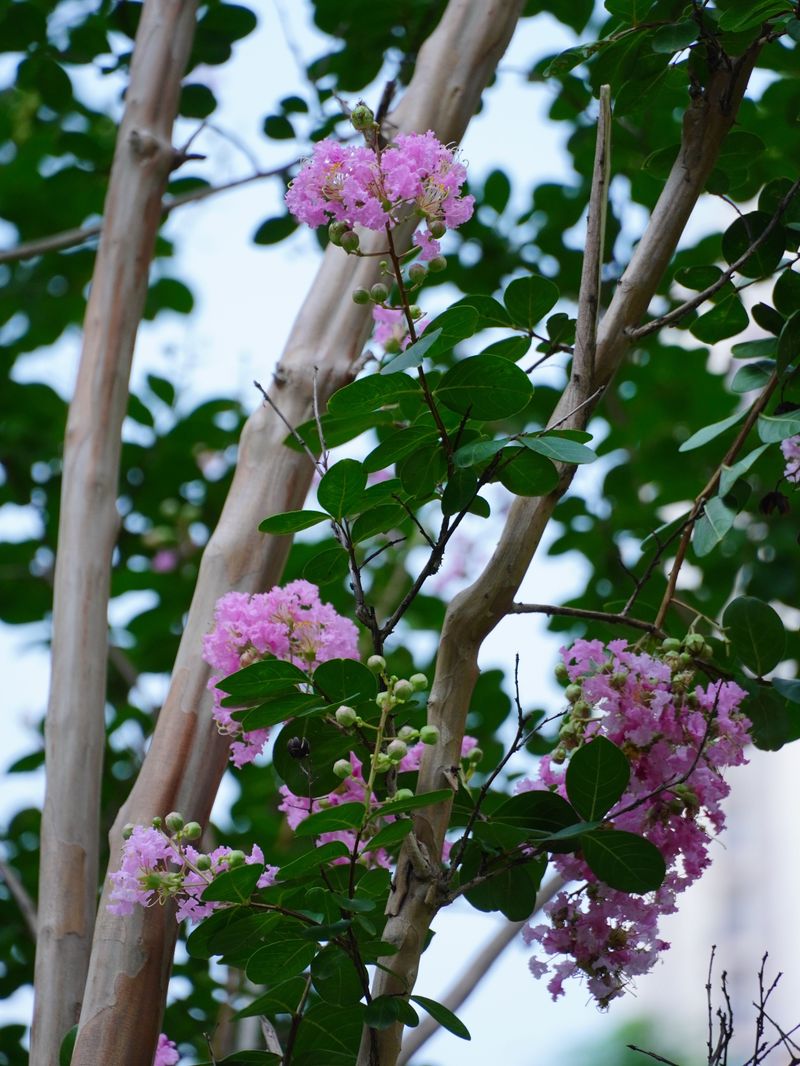
Dormancy is like a crape myrtle putting on a winter coat and zipping it all the way up. A tree that is only half zipped feels the chill a lot more.
During dormancy, the tree slows its activity. It stops pushing new leaves, stores energy in its roots and trunk, and protects itself from cold.
This rest also helps it recover after a long summer of blooming.
Late pruning, late feeding, or too much water can keep a tree from fully settling in. Part of it may be resting while other parts stay active.
That mixed state leaves weak spots that an early frost can find.
Florida makes this extra tricky. Our winters swing back and forth, so a tree may get confused even without our help.
A sudden cold front after a stretch of warm days can catch active tissue off guard.
A fully dormant crape myrtle can usually shrug off the kind of cold most of Florida sees. A tree that is still busy growing has a harder time.
Damage may show up on branch tips, buds, or even the trunk.
Your job this time of year is mostly to stay out of the way. Fewer chores mean fewer mixed signals, and that gives your tree its best shot at a smooth winter.
Late Fertilizing Causes The Same Problem
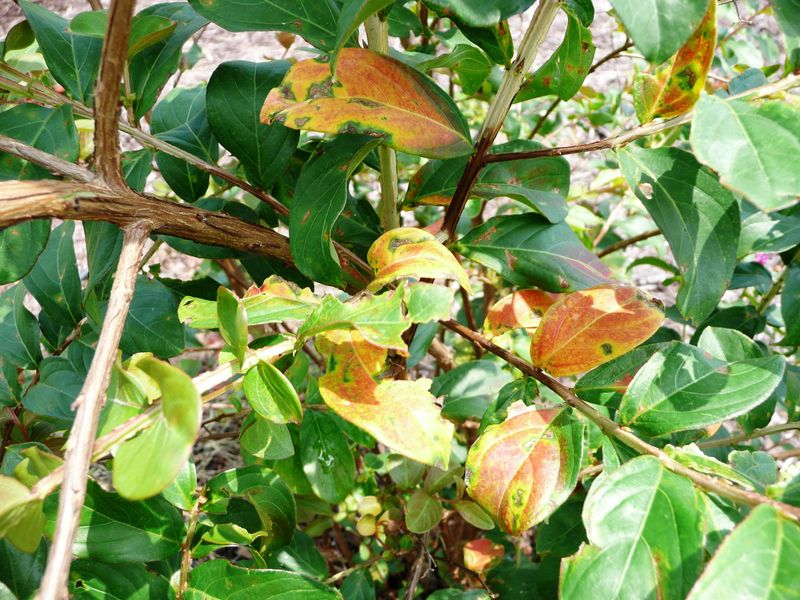
Here is a confession many gardeners can relate to. You see a sale on fertilizer in October, buy a big bag, and figure your crape myrtle could use a snack.
Unfortunately, that snack comes at a bad time. Fertilizer, especially the kind high in nitrogen, tells plants to grow leaves and shoots.
In fall, that is exactly what you want to avoid.
Feeding between September and December can spark growth that has no time to toughen before cold weather. It is the same trap as late pruning, just with a bag instead of shears.
The tree spends energy on soft shoots instead of resting.
A good rule is to stop feeding at least two weeks before your area’s average first frost date. In North Florida, that date may come in November.
Farther south, frost is rarer, but cool snaps still happen.
Many established crape myrtles growing in decent soil do not need extra fertilizer at all. They are tough plants that often do fine on their own.
Overfeeding can even lead to lots of leaves and fewer flowers.
So save that bag for spring. Once new growth starts and the danger of frost has passed, a light feeding can support healthy leaves and blooms.
Store it somewhere dry until then.
Ease Up On Water And Feeding As Fall Cools
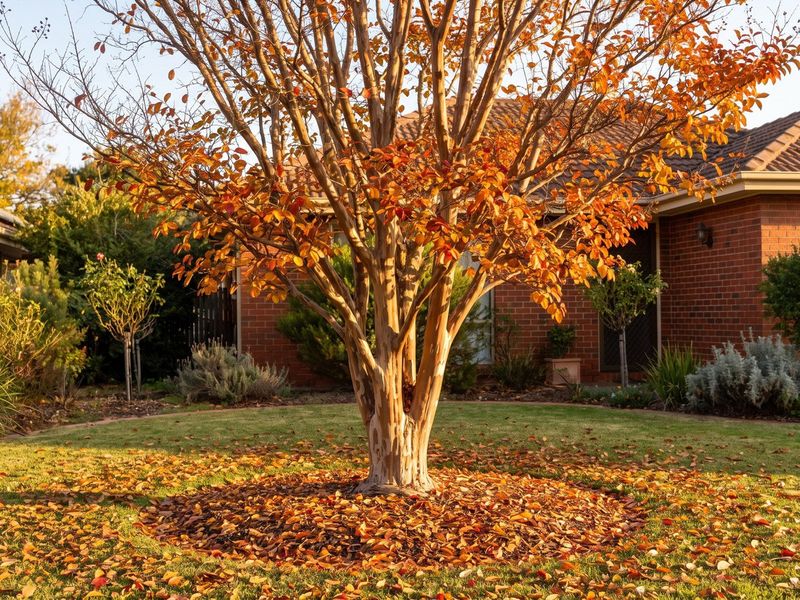
Summer in Florida turns many of us into hose-wielding heroes. By fall, it is time to hang up the cape a little.
As crape myrtles slide toward dormancy, they need less water. Fewer leaves and cooler temperatures mean less moisture leaves the plant.
Keeping up a summer watering schedule can leave roots sitting in soggy soil.
Wet, heavy soil can lead to root problems over time. Roots need air as well as water.
Aim for soil that feels lightly moist, not muddy, when you push a finger a couple of inches down.
Easing off water also helps the tree slow down naturally. Combined with skipping fertilizer, it sends a clear message that the growing season is wrapping up.
That does not mean ignoring your tree. Florida falls can bring dry spells, and young trees planted in the past year or two may still need a drink.
Check the soil every week or so and water deeply only when it feels dry.
A layer of mulch two to three inches thick around the base helps hold steady moisture and keeps roots cozy. Pull it back a few inches from the trunk so bark stays dry.
Small habits like these help your crape myrtle rest well and wake up strong.
Bark Splitting Is A Common Sign Of Cold Injury
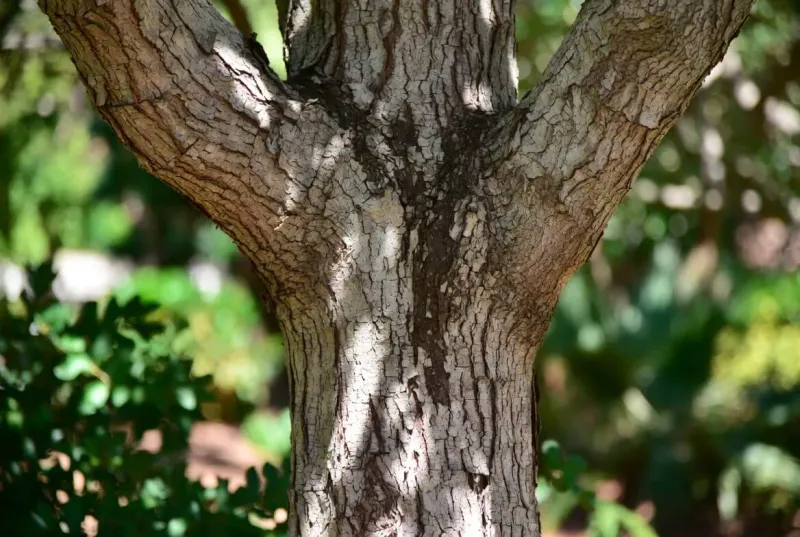
A friend once called me in a panic because her crape myrtle trunk looked like it had been unzipped. She worried a critter had attacked it, but the real culprit was the weather.
Bark splitting, sometimes called frost cracking, is a classic sign of cold injury. It often happens when a warm spell tricks the tree into waking up.
Sap starts moving, and then a hard frost arrives.
Water inside the trunk can freeze and expand quickly. The bark cannot stretch fast enough, so it cracks open.
Splits are usually long and run up and down the trunk, often near the base.
Do not confuse this with normal bark peeling. Crape myrtles shed thin outer bark every year, revealing smooth, colorful layers underneath.
That is healthy and part of their charm.
If you do find a split, resist the urge to paint, seal, or wrap it. Trees heal best on their own by growing new tissue around the wound.
Keep the area clean and avoid hitting the trunk with mowers or trimmers.
Small cracks often close over in a season or two. Large splits that circle much of the trunk are more serious and may be worth a visit from a certified arborist.
Either way, healthy care going forward gives the tree its best shot at recovery.
Wait Until Late Spring To Judge Cold Damage
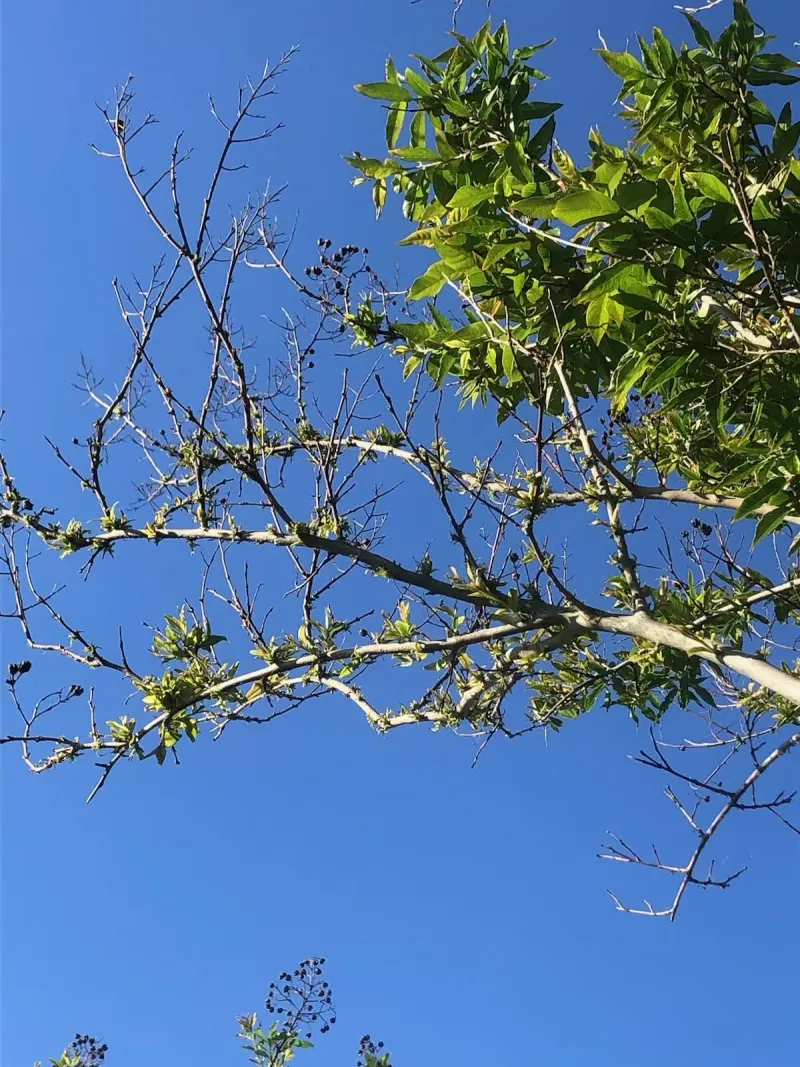
Patience might be the hardest gardening tool to use. After a cold winter, it is tempting to walk outside in March and start cutting anything that looks brown.
Hold off. Cold damage can take months to show its true shape.
Crape myrtles are also famous for leafing out late, often after many other trees are fully green.
A tree that took a cold hit may be extra slow to wake up. You might see tip decline, where the ends of branches stay bare while lower sections leaf out.
That is useful information, but only once the tree has had time to show it.
Waiting until late May or early June gives you the clearest picture. By then, healthy wood will have pushed out leaves, and you can easily spot what did not make it.
Want a quick test before then? Try the scratch test.
Gently scrape a small spot of bark with your fingernail or a pocketknife. Green, moist tissue underneath means that part of the branch is alive.
Brown and dry means it is not.
Once you know where the damage stops, trim back just to healthy wood. Make clean cuts just above a bud or side branch.
Your tree will thank you with fresh, sturdy growth.
Late Winter Is The Right Time To Prune
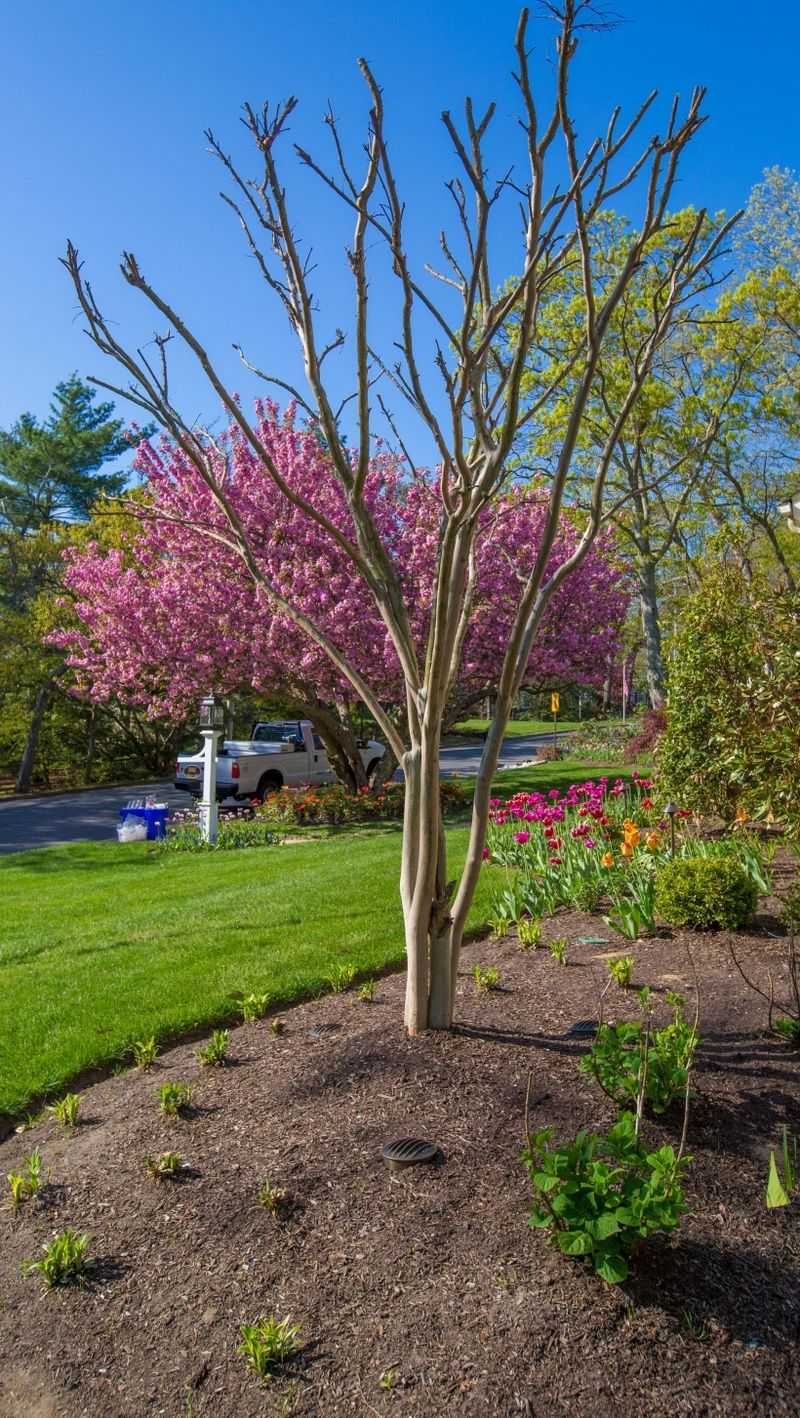
Good news for anyone with itchy pruning fingers. There is a perfect window, and it arrives just as winter starts to fade.
Late winter to very early spring, right before new buds swell, is the sweet spot for pruning crape myrtles. In much of Florida, that usually means late January through February.
North Florida gardeners may lean toward late February.
Timing it this way has big perks. The tree is still resting, so cuts will not spark tender growth before cold weather.
With leaves gone, you can see every branch clearly and spot crossing limbs, weak twigs, or rubbing stems.
Pruning now also lines up with blooming. Since crape myrtles flower on new wood, fresh spring growth turns into summer blossoms.
A light, thoughtful trim can mean a healthy flower show.
Keep it gentle. Remove declined, damaged, or crossing branches, plus suckers sprouting from the base.
Skip the harsh chopping, where trunks get topped into stubs. That habit leaves knobby, weak growth.
Use clean, sharp tools and cut just outside the branch collar, the slightly swollen ring where a branch meets the trunk. With good timing and a light touch, your crape myrtle can look graceful all year and bloom beautifully when summer heat returns.