How Often To Change Hummingbird Nectar in a Cool Florida November
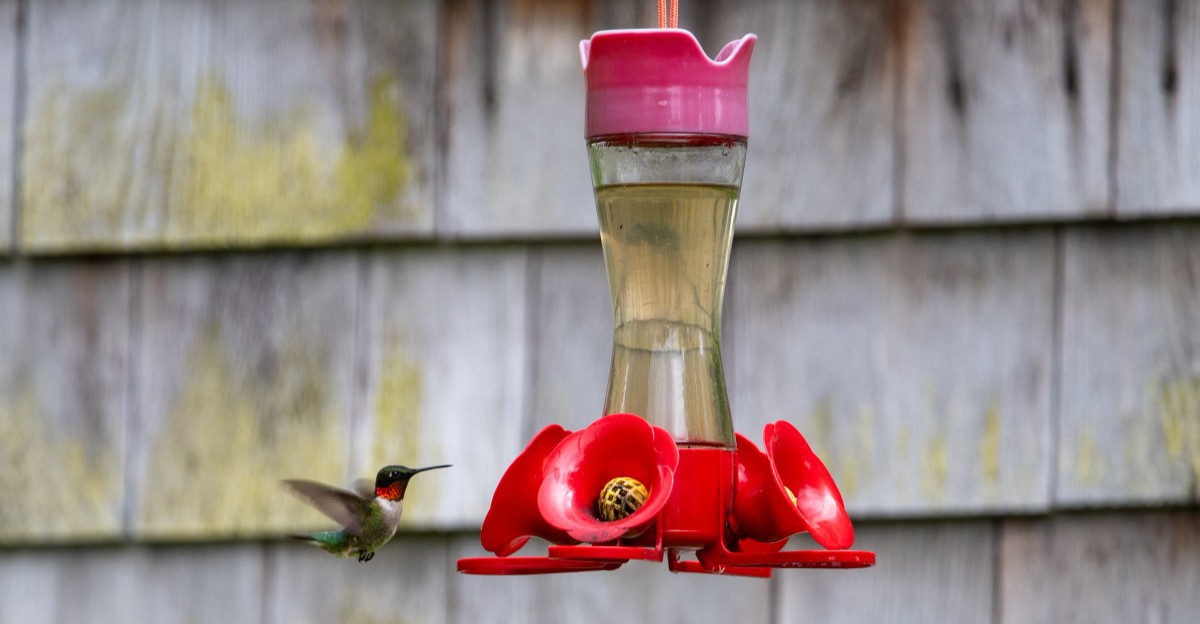
A hummingbird’s heart can beat more than 1,200 times a minute while it hovers at a flower. That tiny engine burns fuel so fast that the bird may visit hundreds of blooms in a single day.
Now add a feeder to the picture. The sweet drink you hang outside can turn from treat to trouble faster than most people expect, because warm air lets yeast and mold move in quickly.
I love November in Florida for exactly this reason. The air finally softens, the porch feels pleasant again, and my feeder chores get a little lighter. You might even spot a rusty western visitor that has no business being this far east.
But how long can that sugar water really sit out once the thermometer drops? The answer depends less on the calendar and more on something you can check from your kitchen window.
Your Hummingbird Feeder Runs on a Thermometer Clock
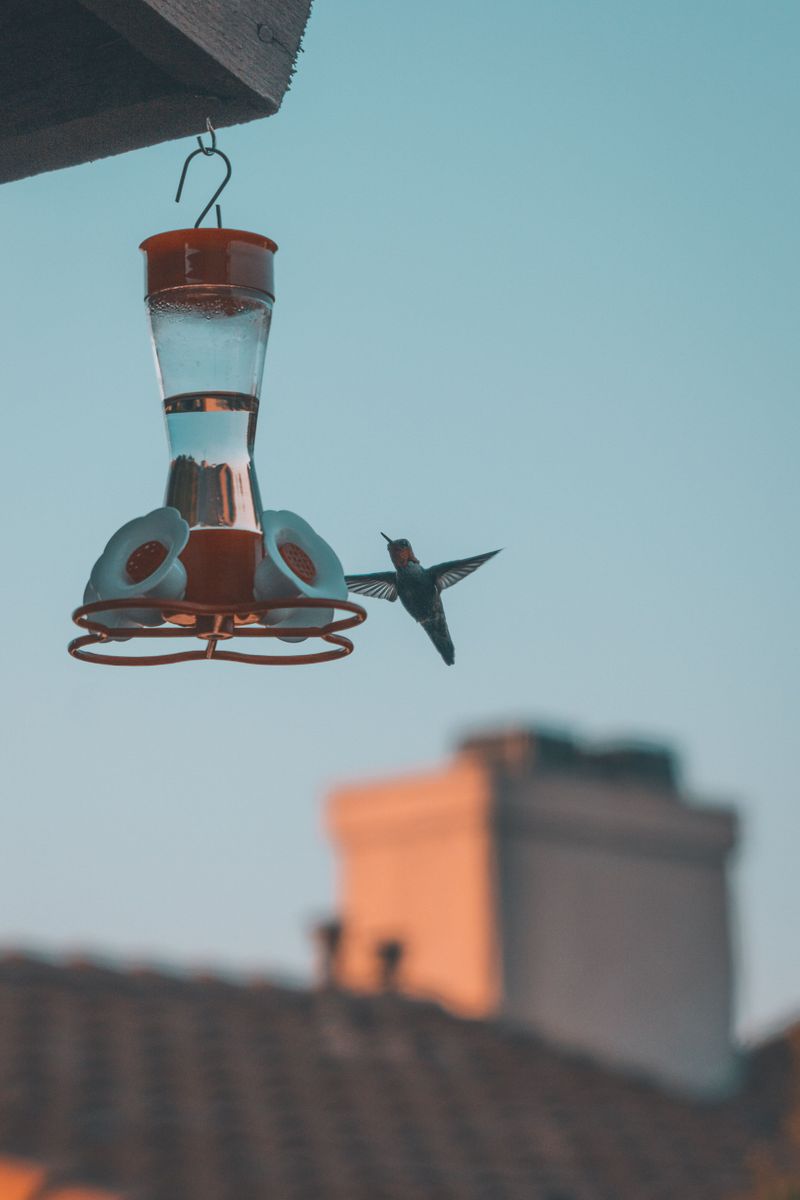
Calendars are handy, but your nectar does not care what day it is. Heat is the real timer, because warm air speeds up the yeast, bacteria, and mold that spoil sugar water.
In a scorching Florida July, nectar can turn cloudy in a day or two. Once November cools things off, that clock slows way down, and your feeder can hang a bit longer between changes.
Most bird groups and feeder experts tie the change schedule to daytime high temperatures. That means the best tool for this job is not a planner.
It is a simple outdoor thermometer or a quick glance at your weather app each morning.
I like keeping a cheap thermometer near my feeder for exactly this reason. It takes the guessing out of the routine and keeps me honest on those deceptively warm afternoons.
Florida is long, and November feels very different in Pensacola than in Miami. A Panhandle yard might see highs in the 60s, while the Keys can still push into the 80s.
So before you set a schedule, look at your own local temperatures. Your neighbor three counties away may need a totally different plan, even in the same week.
A Simple Nectar Change Chart for Cool November Days
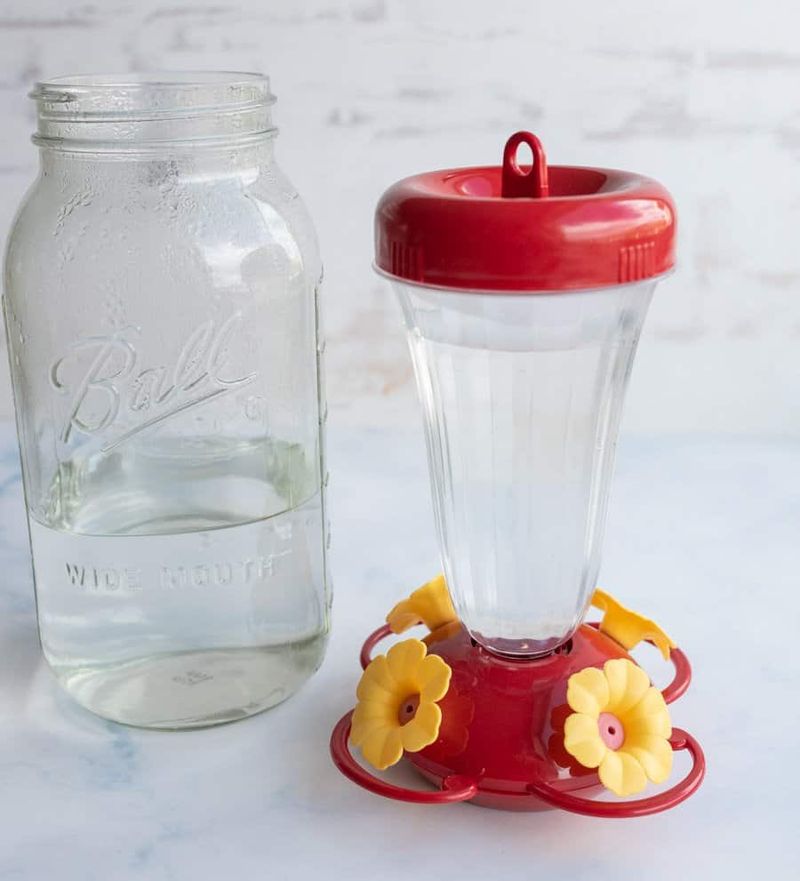
Ready for the actual numbers? Here is the rough guide many hummingbird experts and bird organizations share, based on daytime high temperatures.
When highs sit in the low 90s, change nectar every one to two days. In the 80s, aim for every two to three days.
Once highs drop into the 70s, every three to four days works for most yards.
In the 60s, you can usually stretch it to about five or six days. A rare cool stretch below 60 can let nectar last close to a week.
For much of Florida in November, that lands you somewhere around every three to five days. Central and South Florida yards with highs near 80 should stay on the shorter end.
Personally, I pick a set day or two each week and treat it like trash day. A routine is easier to remember than counting days on a sticky note.
One more tip helps a lot. If birds empty your feeder quickly, fill it only halfway.
Smaller batches mean less waste, and fresh nectar goes out more often without extra sugar sitting around.
Cloudy Hummingbird Nectar Is Telling You Something
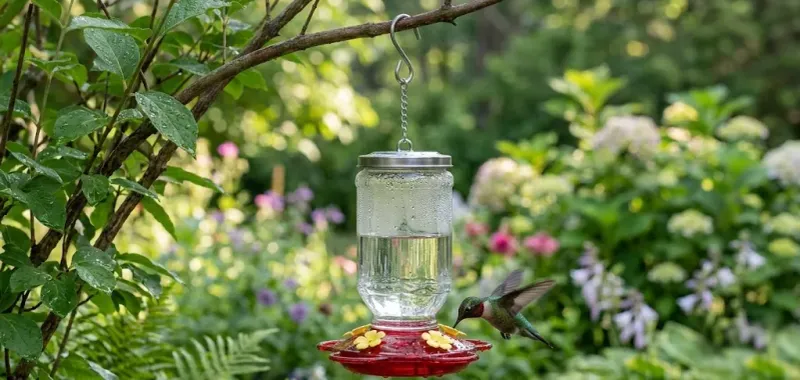
Schedules are great until nature ignores them. Even in cool weather, a feeder can spoil early, especially if it hangs in afternoon sun.
Fresh homemade nectar looks as clear as tap water. If yours turns milky or cloudy, the sugar is fermenting, and it is time to dump it right away.
Watch for stringy bits, floating specks, or black spots near the ports. Those dark dots are often mold, and they can be tough on a hummingbird’s tiny tongue and body.
Give the feeder a sniff, too. A sour, yeasty, or vinegary smell means the batch has turned, even if it looks fine.
Ants and bees can also signal trouble. Drowned insects floating in the reservoir make the nectar dirty, so swap it out and consider an ant moat.
A fun fact makes this easier to remember. Hummingbirds can lick up to roughly 15 times per second, so they take in plenty of whatever is in that feeder.
When in doubt, toss it out. A cup of sugar water costs pennies, and a fresh batch only takes a few minutes to make.
Rufous Hummingbirds Might Show Up at Your Florida Feeder
Most people assume the hummingbird party ends when fall arrives. In Florida, November is actually a fascinating month to keep watching.
Ruby-throated hummingbirds, the common summer species, are mostly passing through or heading south by now. Still, some linger, and small numbers spend the winter, especially in Central and South Florida.
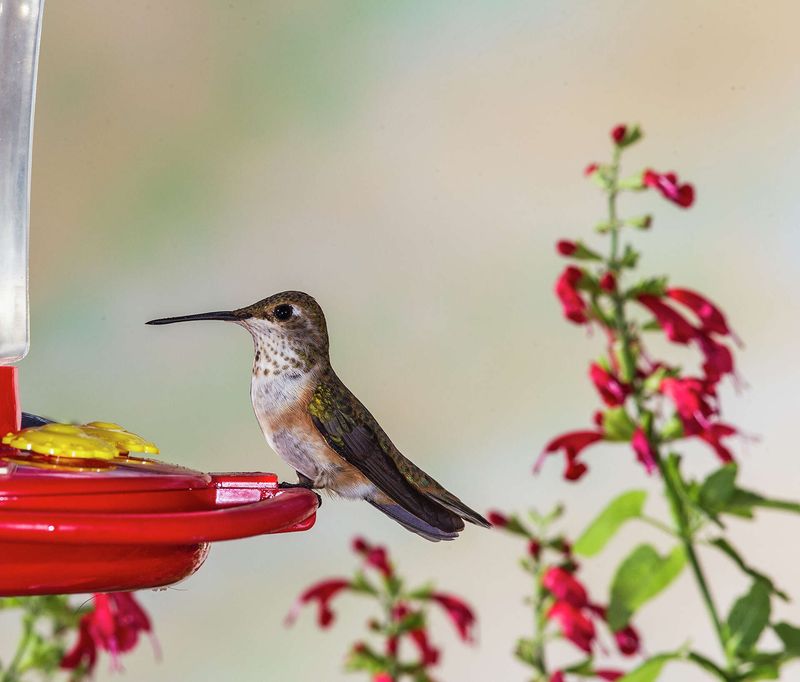
The real surprise comes from the West. Rufous hummingbirds, plus occasional Black-chinned, Buff-bellied, and Calliope hummingbirds, are documented winter visitors across the Southeast, including the Panhandle.
Rufous birds are easy to love. They glow orange-brown, act bossy at feeders, and travel thousands of miles from as far north as Alaska.
Birders often say November feeders catch these western wanderers. That makes fresh, clean nectar extra valuable right now, since a tired traveler may pick your yard as its winter stop.
If an unusual hummingbird appears, snap a photo. Bird banders and groups that track wintering hummingbirds in the Southeast love those reports, and you could add useful data about these little long-distance fliers.
Honestly, I can’t think of a better reason to keep one feeder going all season.
A Four to One Sugar Water Recipe Keeps Hummingbirds Healthy
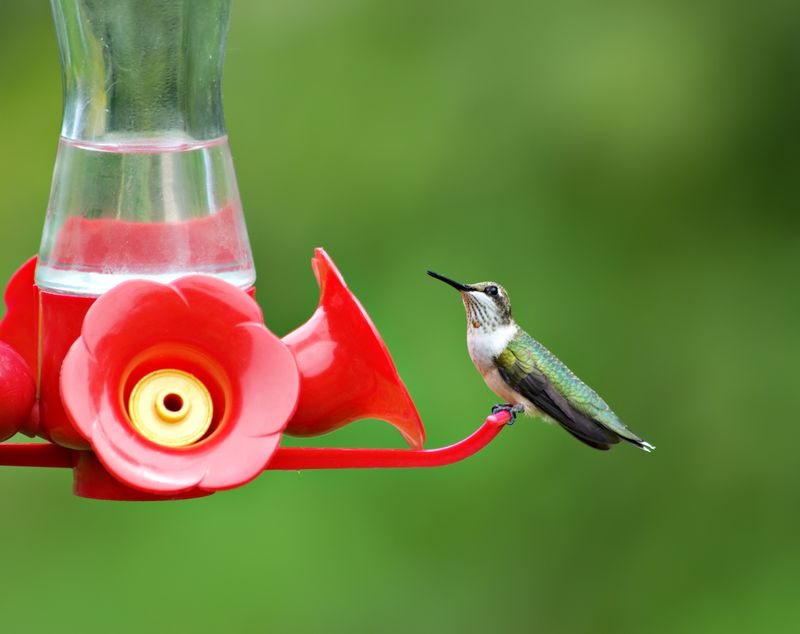
Grandma probably made it this way, and she was right. The best hummingbird nectar is simply one part plain white sugar to four parts water.
That ratio sits close to the sugar level in many flowers hummingbirds visit. It gives them quick energy without being too thick or too weak.
Skip honey, brown sugar, raw sugar, and powdered sugar. Honey and less refined sugars can spoil faster and encourage harmful fungal growth, while artificial sweeteners offer zero energy.
Red dye is unnecessary, too. Most feeders already have red parts that attract birds, and many experts recommend keeping food coloring out of the mix.
You can warm or boil the water to help sugar dissolve and slow spoiling a little. Let it cool fully before filling the feeder.
Extra nectar keeps in a covered container in the fridge for about a week. That makes November refills quick, since you just pour and go.
One cup of sugar plus four cups of water makes plenty for a small yard. I mix a batch on Sunday, and it usually covers my changes for the week.
Scrub That Hummingbird Feeder Every Time You Refill
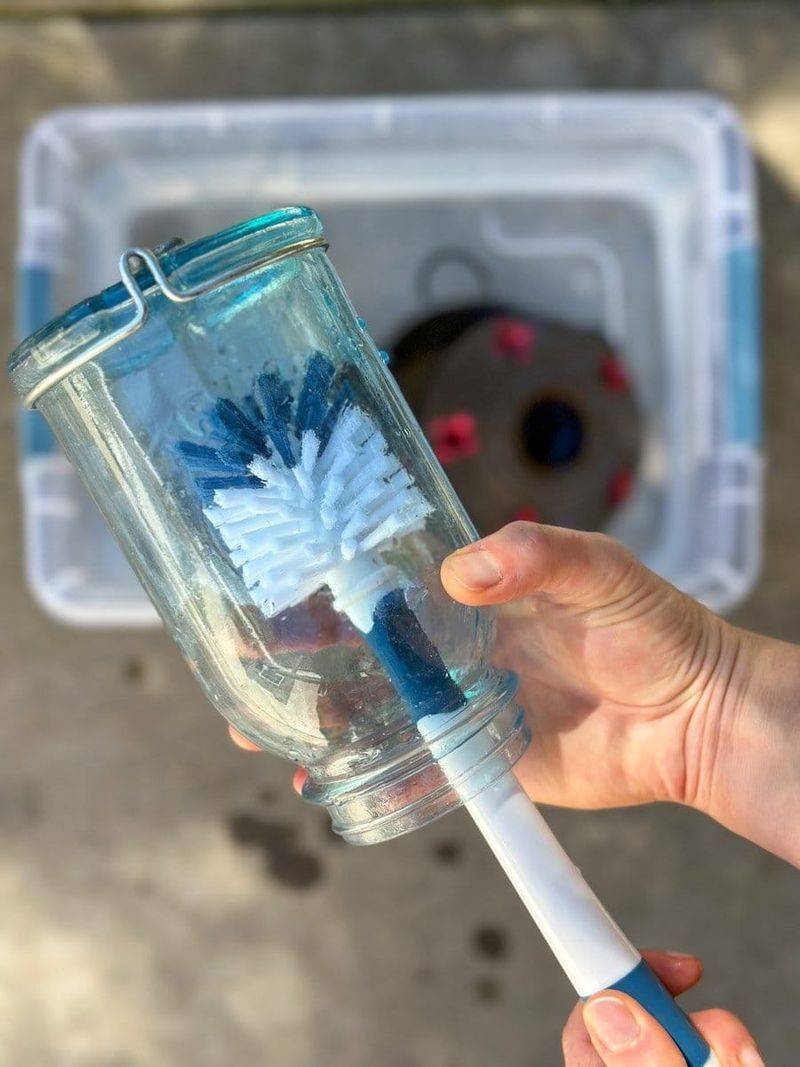
Fresh nectar poured into a grimy feeder is like serving dinner on a dirty plate. Old sugar residue holds mold spores, so cleaning matters as much as changing.
Each time you swap nectar, take the feeder apart and rinse it with hot water. Small bottle brushes and pipe cleaners reach into those tiny feeding ports where gunk loves to hide.
For a deeper clean, soak parts in a mix of one part white vinegar to about four parts water. Some people use a very weak bleach solution instead, but rinse extremely well either way.
Soap can leave residue, so many birders avoid it. If you do use a drop of mild dish soap, rinse until no bubbles or smell remain.
Feeder design makes a big difference. Saucer-style feeders that come apart easily are much simpler to scrub than narrow bottles with tight corners.
I keep two feeders and rotate them. One hangs outside while the other dries on the rack, so swaps take about two minutes.
Black mold that will not scrub off means retirement time. A new feeder is cheaper than worrying about sick birds.
Keep One Hummingbird Feeder Glowing Through the Florida Winter
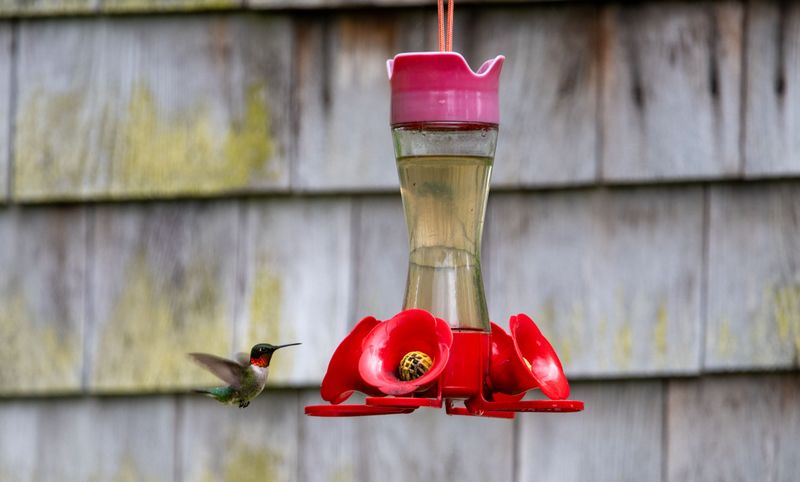
Old advice once warned that feeders keep hummingbirds from migrating. Experts now agree that is a myth, since daylight and instinct drive migration, not your sugar water.
That means you can keep a feeder up through winter with zero guilt. In Florida, it may help both stragglers and western visitors find steady fuel.
Placement can stretch your nectar’s life. A spot with morning sun and afternoon shade keeps the reservoir cooler, so it spoils more slowly.
Hang it where you can see it from a window and reach it without a ladder. Easy access makes cleaning feel less like a chore.
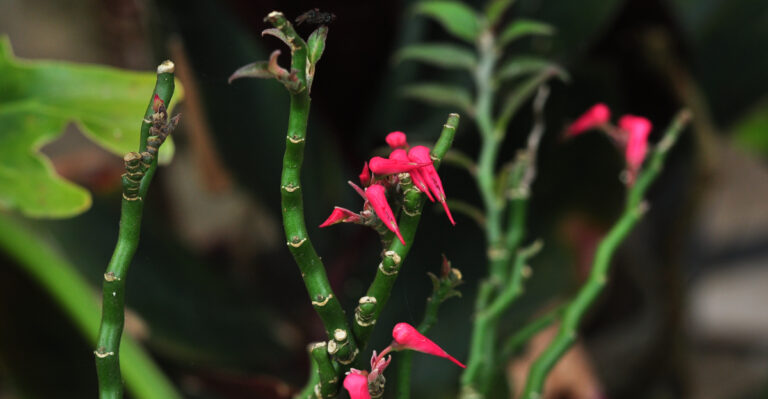
Native plants are a wonderful partner. Coral honeysuckle, firebush, and native salvias like tropical sage offer natural nectar when blooms are available, and non-native firespike is a popular extra in South Florida.
On a rare frosty Panhandle night, bring the feeder inside after dark and rehang it early. Hummingbirds feed hard at first light.
My biggest takeaway is simple. Watch the thermometer, check the nectar’s color, and clean every time.
Do those three things, and your November feeder becomes a safe, reliable stop for some truly remarkable travelers.