The Ohio Indoor Heating Mistake That Makes Christmas Cactus Drop Its Buds
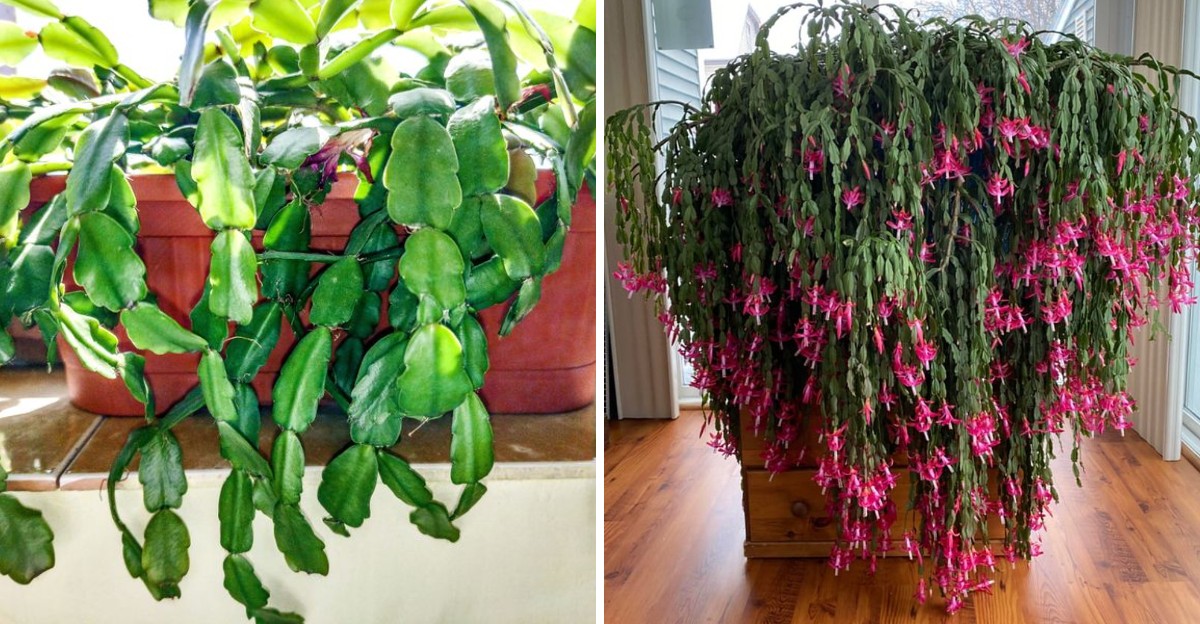
Winter furnaces can pull indoor humidity down to around 15 to 30 percent. That is drier than many desert days, and one beloved holiday houseplant feels every bit of it.
I learned this the hard way one December in Ohio. My plant was loaded with fat pink buds, and I set it on a cozy shelf right above a heat register. Within a week, the buds were scattered across the floor like tiny dropped ornaments.
The frustrating part is how fast it happens. You water, you admire, you plan where it will sit for the holidays. Then one morning the show is cancelled without warning.
This plant hails from cool, misty mountain forests in Brazil, not a sandy desert. Why would a warm, toasty spot upset it so much? The answer sits closer to your thermostat than you might expect.
That Cozy Spot by the Heat Vent Is Fooling Your Christmas Cactus
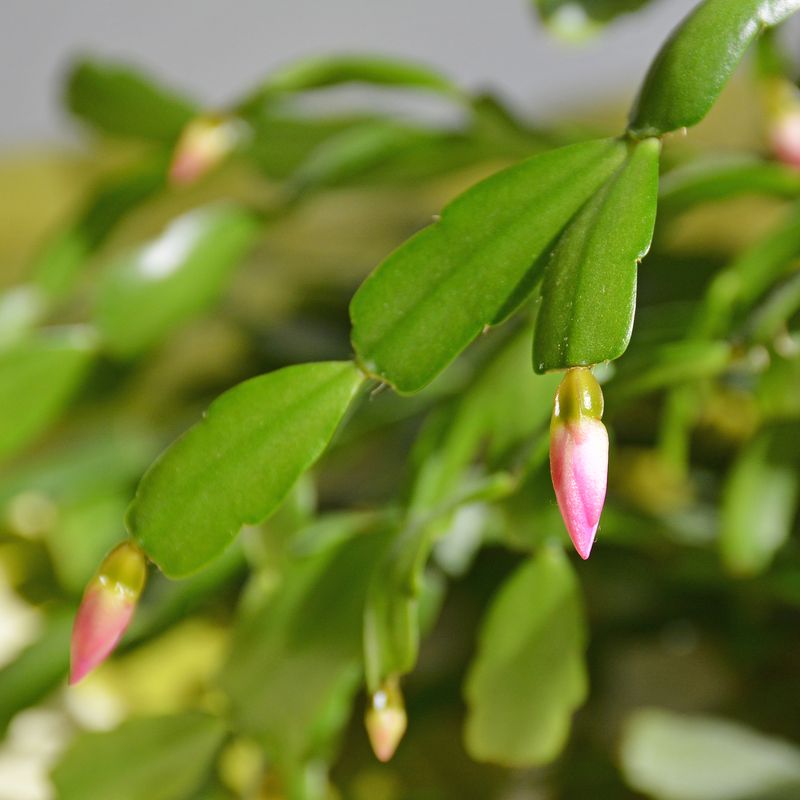
Warm air feels like a hug to us in January. For a budded Christmas cactus, though, a blast from a furnace register is more like standing in front of a hair dryer.
The big mistake is parking the plant near a heat source. Radiators, forced-air vents, space heaters, and fireplaces all create hot, dry pockets that swing up and down each time the furnace cycles on and off.
Those swings stress the plant twice over. Temperature jumps confuse it, and the dry blowing air pulls moisture out of the soft buds faster than the roots can replace it.
When stress builds, the plant makes a survival choice. It sheds flower buds first because blooms take a lot of energy and water to finish.
Many homes in Ohio run their furnaces hard from November through March. That timing lines up almost perfectly with Christmas cactus bloom season, which is why so many growers see buds drop right before the holidays.
Look at where your plant sits right now. If you can feel warm air moving across the leaves, the pot needs a new home.
A spot several feet away from vents, with steady temperatures, gives those buds a real chance to open.
Move the Budded Plant Once, Then Leave It Alone
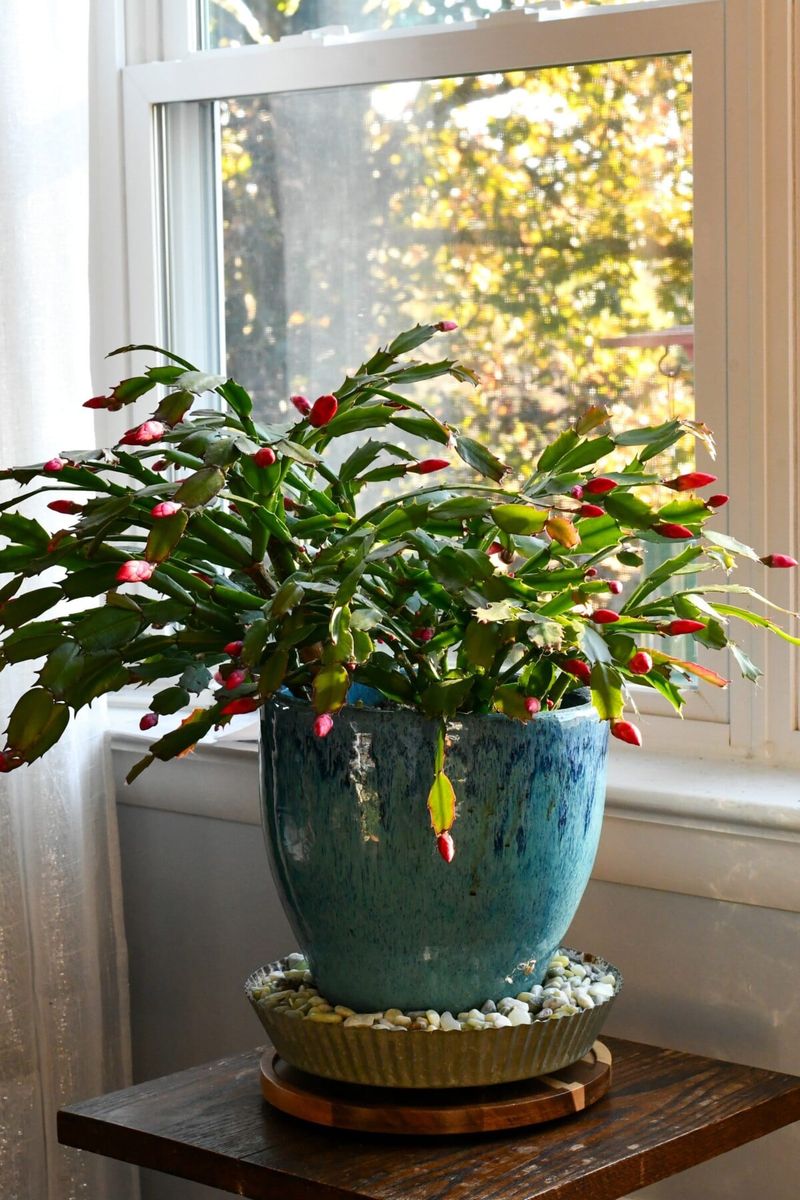
Here is a quick fix that costs nothing. Relocate your Christmas cactus away from heat sources, choose its holiday spot carefully, and then resist the urge to fuss with it.
The best location offers bright, indirect light and steady temperatures. An east-facing window works nicely, or a few feet back from a sunny south window.
Aim for daytime temperatures in the upper 60s to low 70s. Cooler nights between about 55 and 65 degrees help buds form and make blooms last longer.
Once buds appear, the plant becomes surprisingly touchy about change. Even turning the pot so it looks nicer from the couch can trigger bud drop, because the buds orient themselves toward the light.
So pick your display spot early, ideally before buds are fully swollen. Then let the plant settle in.
Personally, I mark the front of the pot with a tiny piece of tape. That way, if I must move it for cleaning or watering, I can set it back facing the exact same direction.
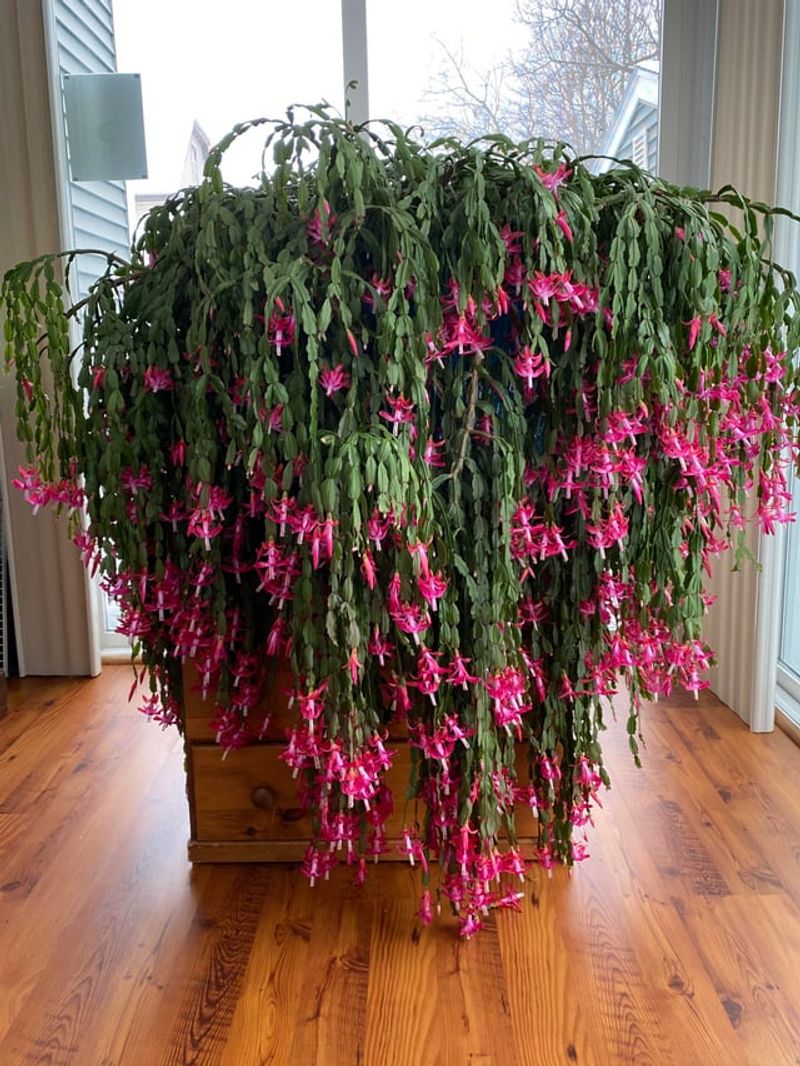
A little patience pays off here. A cactus that stays put through December often rewards you with a full cascade of flowers in your Ohio home.
Bone-Dry Furnace Air Steals Moisture From Those Christmas Cactus Buds
Ever notice your lips cracking and static shocks zapping you every time you touch a doorknob? Your plant notices that dry air too.
Winter heating often drops indoor humidity to between 15 and 30 percent. Christmas cactus grows best closer to 50 or 60 percent, much like the humid forests it comes from.
When air stays that dry, the plant may pull water from its own segments. Leaves can look limp or wrinkled, and buds often fall before they open.
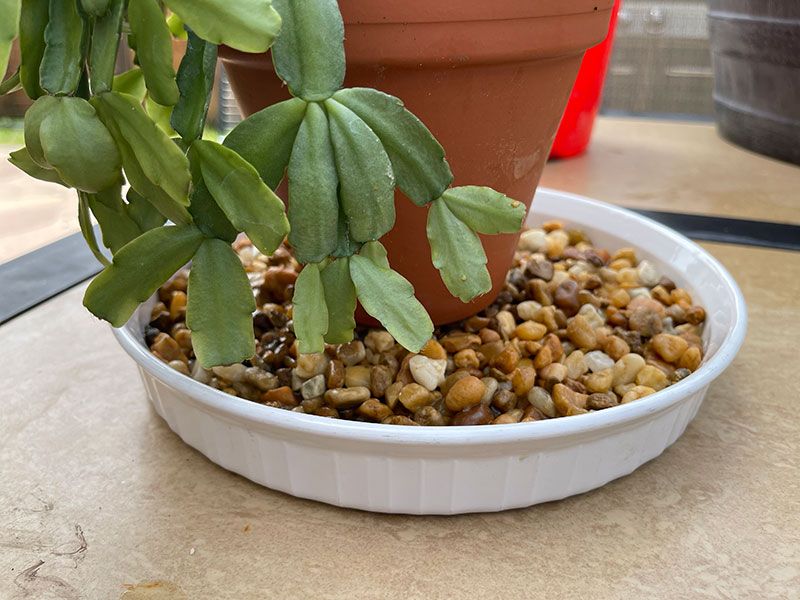
Raising humidity is easier than it sounds. Set the pot on a tray of pebbles with water just below the top of the stones, so the pot sits above the water line.
A small room humidifier helps even more, especially in homes with forced-air heat. Grouping houseplants together also creates a slightly moister little zone.
Misting gets mentioned a lot, but its effect fades within minutes. I treat it as a bonus, not the main plan.
An inexpensive humidity gauge takes the guesswork away. Once you see that number climb toward 40 or higher, your plant and your skin will both feel the difference.
Cold Drafts From Doors Shock Christmas Cactus Flowers Too
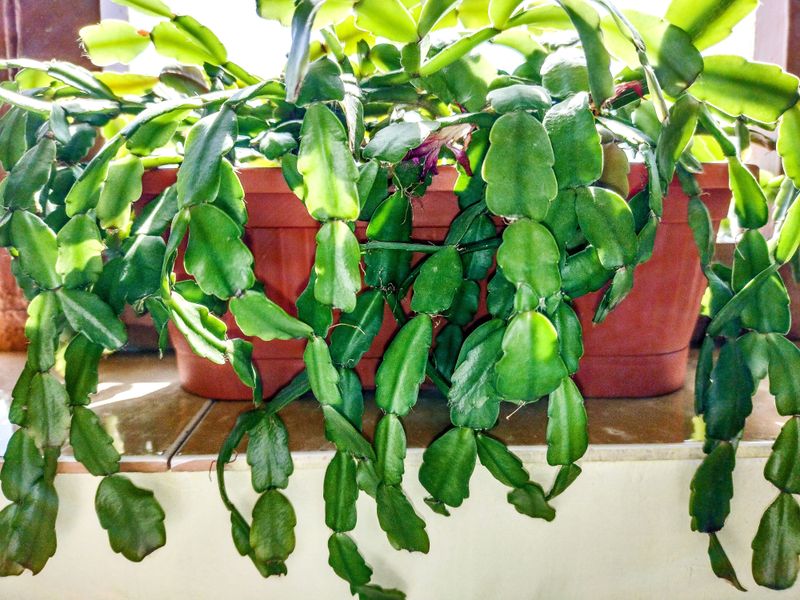
Heat is only half the story. Every time someone opens the front door during a snowy evening, an icy rush of air sweeps inside.
A Christmas cactus parked in an entryway or beside a leaky window gets hit by those blasts again and again. Sudden chills are just as stressful as hot vents.
The real trouble is contrast. A plant warmed by the furnace one minute and chilled by outdoor air the next faces wild swings that push it to drop buds.
Holiday traffic in Ohio makes this worse. Guests, package deliveries, and kids running in and out mean that door may open dozens of times a day in December.
Watch out for windowsills on frigid nights too. Leaves pressed against cold glass can get chilled, especially in older homes with single-pane windows.
A simple test helps. Hold your hand near the plant for a minute and feel for moving air, whether warm or cold.
If you feel a breeze, shift the pot somewhere calmer. Interior rooms with gentle window light, away from exterior doors, usually offer the steady conditions this tropical plant loves.
Watering a Blooming Christmas Cactus Takes a Steady Hand
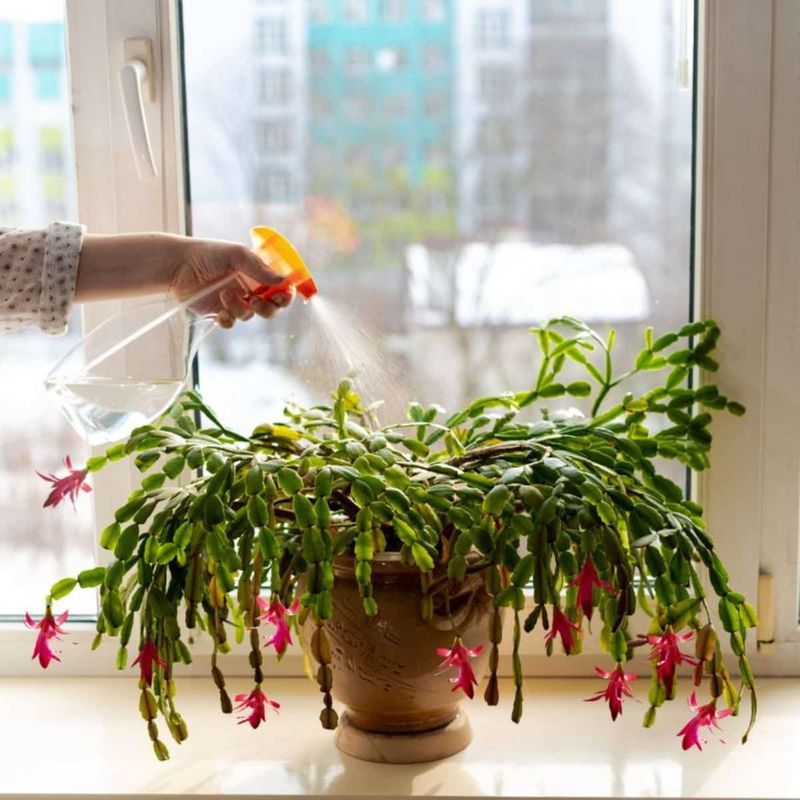
Dry furnace air tricks a lot of people into a watering roller coaster. The soil dries fast, the plant droops, and then it gets flooded to make up for it.
Both extremes cause problems. Soil that turns bone dry stresses the buds, while soggy soil can lead to root rot and the same disappointing drop.
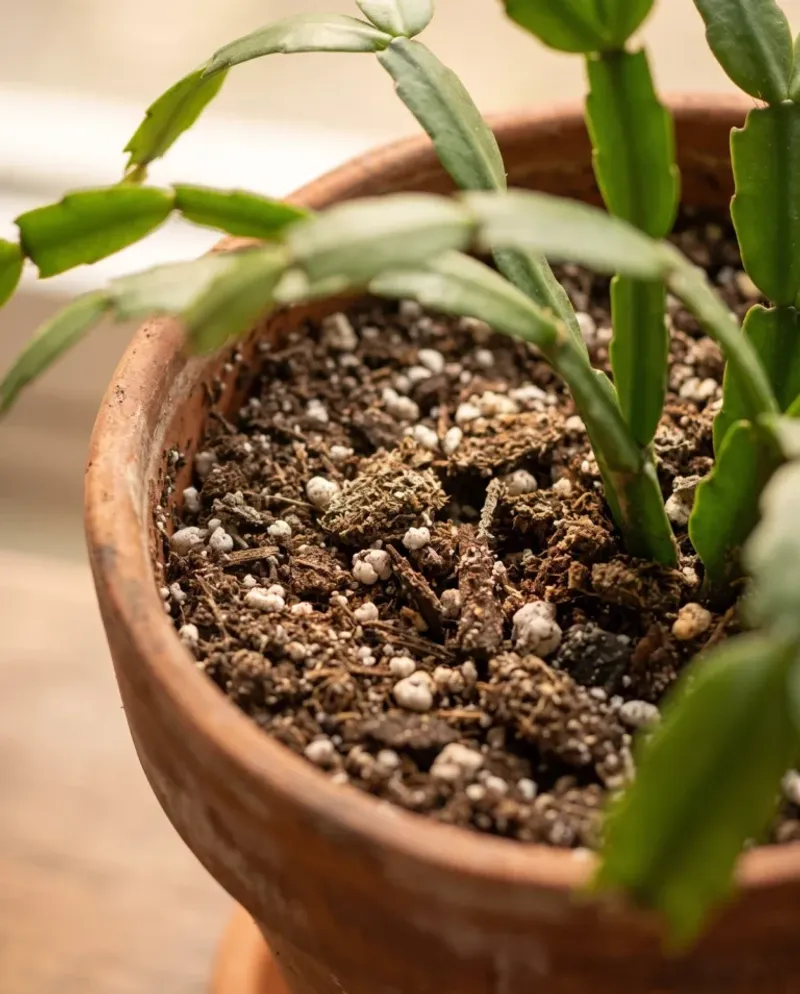
During bloom season, aim for evenly moist soil that never sits wet. Water thoroughly when the top inch feels dry, then let the extra drain out the bottom.
Drainage matters a lot here. Make sure the pot has holes, and empty any saucer or decorative sleeve about 15 minutes after watering.
Heated homes often dry soil faster than you expect. Check every few days with your finger rather than sticking to a strict calendar schedule.
Room-temperature water is kinder than icy tap water. A cold splash on warm roots can add one more jolt the plant does not need.
Think of it as a rhythm, not a rule. When you match water to how fast the pot actually dries, buds stay plump and ready to open.
Long Dark Nights Help Christmas Cactus Set Strong Buds
Fun fact: this plant is a bit of a night owl in reverse. It needs long stretches of darkness to decide it is time to bloom.
Christmas cactus sets buds when it gets about 12 to 14 hours of uninterrupted darkness each night, along with cool temperatures. Many growers start this routine in early fall, roughly six weeks before they want flowers.
Cool nights in the 55 to 65 degree range help a lot. A spare bedroom or a cooler room that stays dark in the evening works great.
Here is where heating sneaks in again. A plant sitting in a warm living room with lamps on until midnight may produce fewer buds, and those buds may be weaker.
Weak buds are more likely to fall when other stress shows up. Strong buds handle small bumps better.
Once buds are clearly visible, you can relax the darkness routine. At that point, steady temperature and humidity matter most.
I like to think of autumn as training camp. The better the plant prepares in October and November, the better it performs once the furnace kicks on for Ohio winter.
A Few Fallen Christmas Cactus Buds Are Not the End of the Show
Spotted a couple of buds on the table this morning? Take a breath, because a little drop is fairly common, especially on a plant that just came home from the store.
Store-bought plants go from steamy greenhouses to cold delivery trucks to your heated home. Some bud loss during that adjustment is normal.
Plants also drop extra buds when they set more than they can support. Often the remaining buds open beautifully.
Steady heavy loss is the signal to act. Check for heat vents, drafts, dry air, watering problems, or recent moves, and fix one issue at a time.
The plant itself usually stays healthy even after losing buds. Keep caring for it, and it will bloom again next year.
Many Christmas cacti live for decades and get passed down through families. A rough season is just one chapter.
After blooming, give it a short rest with a little less water. In summer, it can enjoy a shady porch until nights cool down in early fall, then come inside before frost.
With smart placement away from the furnace, next winter could bring your best flower show yet.