8 Ways Florida Gardeners Can Turn Excess Rainwater Into A Garden Advantage
Roughly 600 gallons of water can pour off a modest 1,000-square-foot roof during a single inch of rain. That is a lot of free water rushing down the driveway and straight into the nearest storm drain.
Florida soaks up around 54 inches of rain a year, and most of it lands between June and September. Summer storms here can dump inches in an afternoon, then leave sandy beds bone dry a week later.
I used to grumble about soggy paths and flattened seedlings every time the sky opened up in July.
What changed my mind was learning how many simple tricks let home gardeners like us bank that water for later.
You might be surprised by how much healthier Florida plants look when that stormwater stays in your yard. So why send a free summer gift down the gutter when your garden could put it to work?
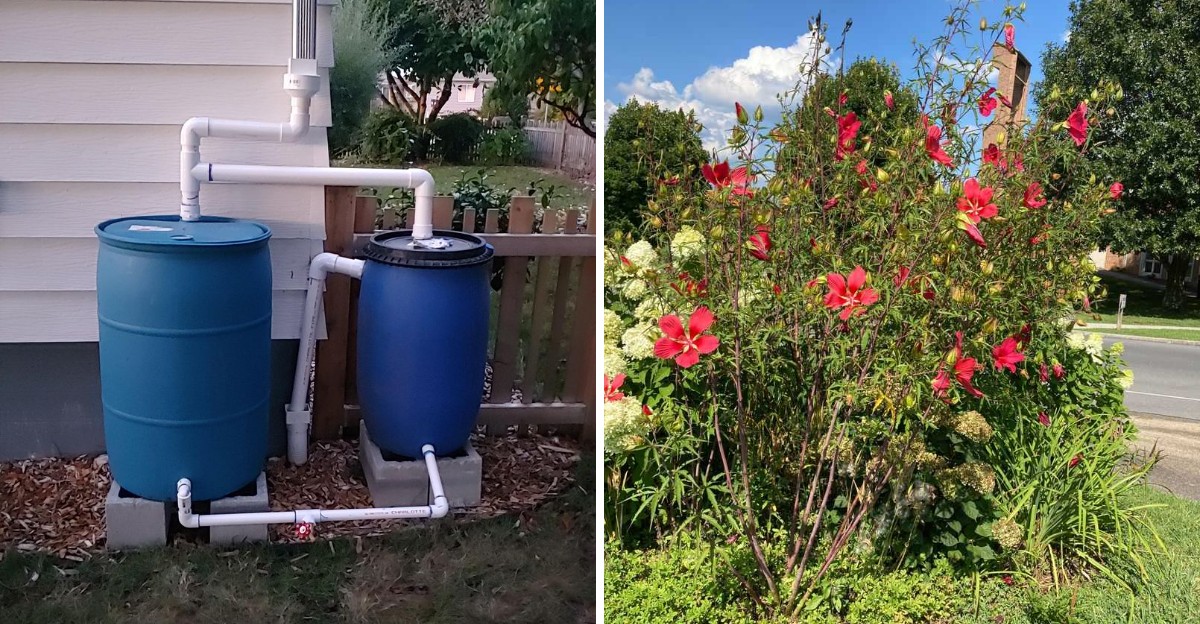
1. Rain Barrels Under Downspouts Catch Free Soft Water
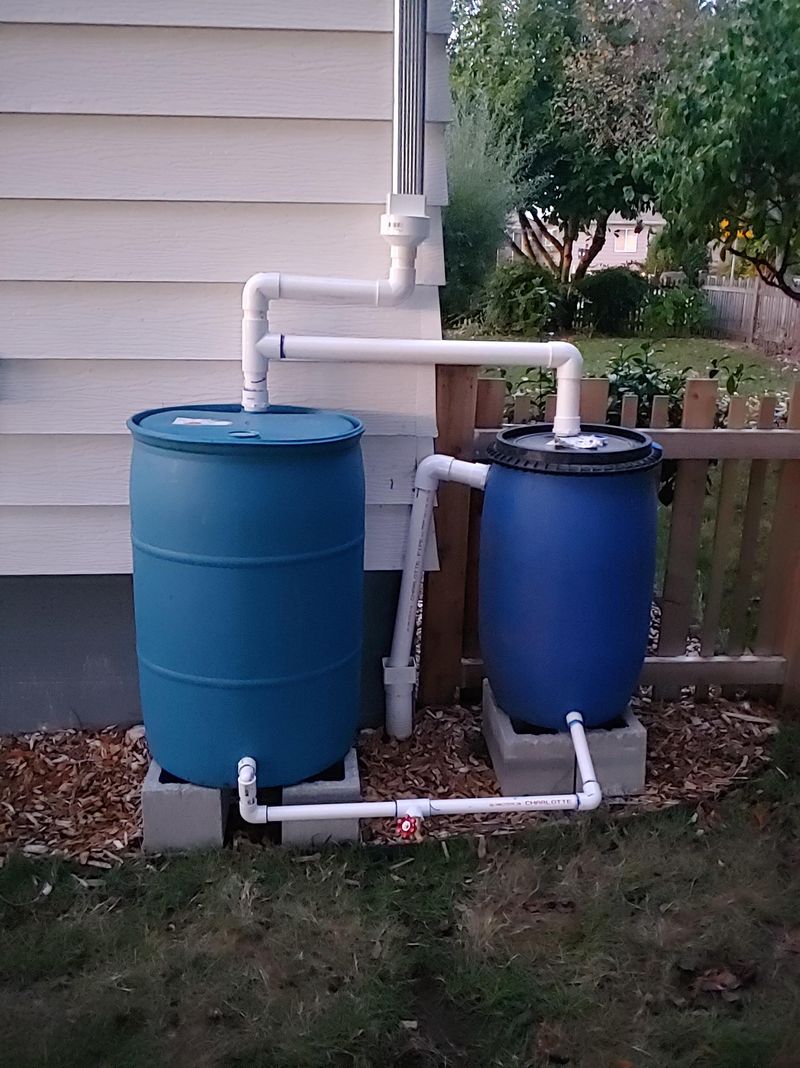
Few sounds beat the drumming of a summer storm filling a rain barrel right outside your kitchen window. That steady gurgle means free water is piling up for the dry spell that usually follows.
Rainwater is naturally soft and carries no chlorine, which makes it a lovely drink for potted plants and seedlings. Many gardeners notice that ferns and orchids seem happier with barrel water than with water straight from the tap.
Placing the barrel on sturdy cinder blocks raises it high enough to fill a watering can with ease. Gravity does the work, so the extra height also helps push water through a short garden hose.
Mosquitoes are the main worry, since some species can go from egg to adult in about a week. A tight lid and fine mesh screen over every opening keeps those buzzing pests from laying eggs inside.
Pay attention to overflow as well, because a full barrel will spill right against your house foundation. An overflow hose that leads to a flower bed or lawn turns that extra water into a bonus.
Rain barrels are legal for homeowners here, though some neighborhood associations have rules about color or placement. Checking your HOA guidelines before you buy can save a headache and keep the neighbors friendly too.
I like to empty my barrel onto the garden between storms so it has room for the next downpour. Rainy season brings frequent refills, so you rarely have to wait long for that tank to fill again.
2. A Shallow Rain Garden Planted With Blue Flag Iris

Blue flag iris looks downright elegant standing in a soggy dip that used to be the ugliest spot in the yard. Turning that low area into a rain garden is one of my favorite ways to welcome a storm.
A rain garden is simply a shallow bowl of planted soil that catches runoff from roofs or driveways. Water pauses there, soaks into the ground slowly, and leaves many pollutants behind in the soil and roots.
UF/IFAS experts suggest building it at least ten feet from your house so water stays away from the foundation. Most rain gardens are only a few inches to about a foot deep, which keeps digging fairly manageable.
A well-built bed should drain within a day or two after rain, so it rarely becomes a mosquito nursery. If water lingers longer, mixing compost into heavy soil or making the bowl shallower can help it drain.
Blue flag iris, Iris virginica, is native and handles wet feet in spring with graceful violet blooms. Pair it with plants that tolerate dry spells along the higher edges, since conditions shift across the bowl.
Muhly grass on the rim adds feathery pink plumes in fall and shrugs off drought between storms. Butterflies and native bees find plenty to visit when the bed fills in with a mix of flowers.
You can see why gardeners love this trick, since a problem puddle becomes a lively spot full of color. Best of all, the bed quietly does its job every single time those afternoon clouds roll in overhead.
3. Grassy Swales Guide Runoff Toward Thirsty Garden Beds
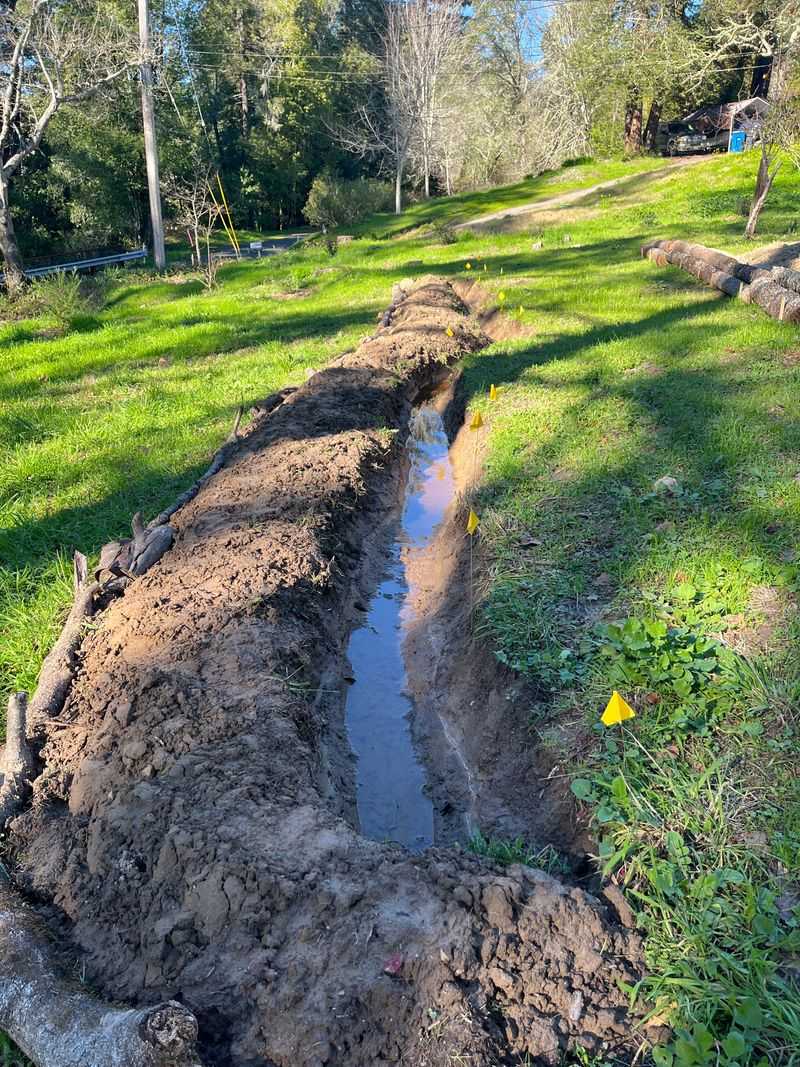
Ancient farmers shaped the land to steer rain long before anyone sold a garden hose or sprinkler. A swale borrows that old idea, using a shallow planted channel to move water where you want it.
Unlike a ditch, a swale has gentle sloping sides covered with grass or groundcovers that hold soil in place. Water slows as it crosses those plants, giving it time to sink in instead of racing away.
A low mound of soil called a berm often sits beside the swale and helps nudge the flow. Together they work like a quiet traffic cop, sending runoff away from patios and toward thirsty plants.
Before digging, walk your yard during a heavy rain and watch exactly where puddles and streams form. Those wet trails reveal the natural slope, which makes planning your swale much easier and more accurate.
Many local governments in Florida require swales along roads, so you may already have one near the street. Call 811 before any digging project so buried utility lines get marked for free ahead of time.
Keep the channel covered with plants, because bare soil washes away fast during a summer cloudburst. Native groundcovers such as sunshine mimosa spread quickly and handle both wet weeks and dry weeks well.
I find it fascinating how a small change in grade can rescue a garden from a soggy fate. Your plants get a longer drink, and the storm drain gets a little less work to handle.
4. Permeable Pavers Let Rain Soak Through The Patio
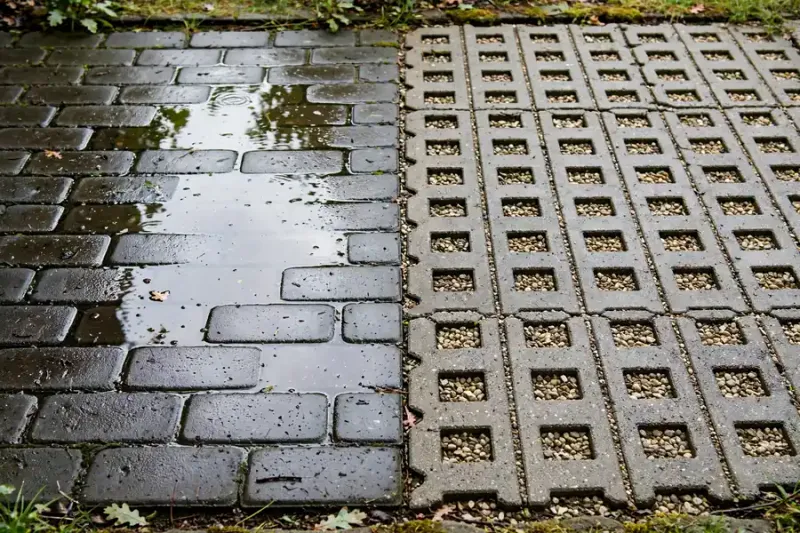
Watch rain hit permeable pavers and the puddles seem to vanish into the patio like a magic trick. The secret is gaps between the blocks filled with small gravel instead of solid mortar or concrete.
Beneath those blocks sits a thick layer of crushed stone that holds water while it seeps into soil. That hidden reservoir lets a driveway or path act more like a lawn when storms roll through.
Regular concrete sends nearly every drop sideways, often straight into flower beds as a muddy rush. Swapping even a small walkway for permeable pavers can cut that runoff and protect nearby plant roots.
Installation matters a great deal, so many homeowners hire a contractor who has built these systems before. A poorly prepared base can sink or shift, which turns a smart upgrade into an expensive repair.
Sweeping and occasional vacuuming keeps the joints clear of sand, leaves, and grit that can clog them. Topping off the gravel between blocks once in a while keeps water draining the way it should.
Some cities in the state offer stormwater fee credits for features that reduce runoff from a property. Calling your local utility office is a quick way to find out whether your town has a program.
I wouldn’t necessarily call pavers glamorous, yet a dry patio right after a storm feels pretty fancy. Your garden also gets a steadier drink as that water slowly reaches the soil next to the walkway.
5. Compost Turns Sandy Soil Into A Moisture Sponge
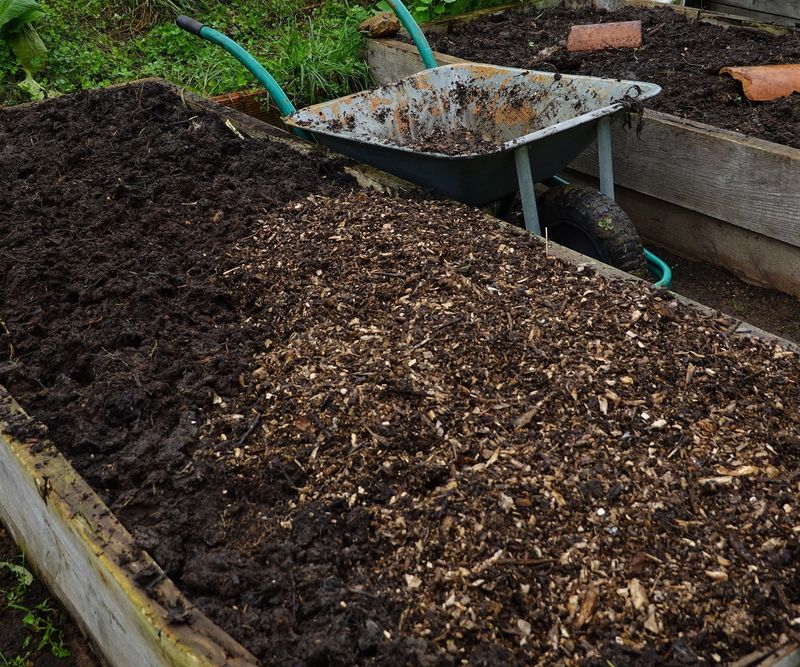
Pour a bucket of water onto plain Florida sand and it can disappear almost before you set the bucket down. Fast drainage sounds handy after a storm, yet it also means plants run thirsty just days later.
Organic matter like compost acts like a sponge, holding water and nutrients right where roots can reach them. Many sandy soils here hold very little organic matter, so adding some makes a noticeable difference over time.
Spread about two to three inches of compost over a bed and mix it into the top few inches. Your rain then lingers longer in the root zone instead of slipping past it into deeper layers.
Warm, humid weather breaks down organic matter quickly, so one application rarely lasts for many years. Adding a fresh layer each season keeps the sponge working and feeds helpful soil microbes as well.
Homemade compost from kitchen scraps and yard waste works beautifully, and it costs almost nothing to make. Rain actually helps the pile too, since a compost heap needs steady moisture to break down properly.
Some gardeners also use worm castings, which add organic material along with a gentle dose of nutrients. Even small handfuls tucked into each planting hole can give young transplants a stronger and healthier start.
I’m always surprised by how quickly vegetables perk up once their bed holds water a little longer. Storm runoff stops being a waste and becomes stored moisture your garden can sip for days.
6. Swamp Hibiscus And Buttonbush Love Wet Garden Spots
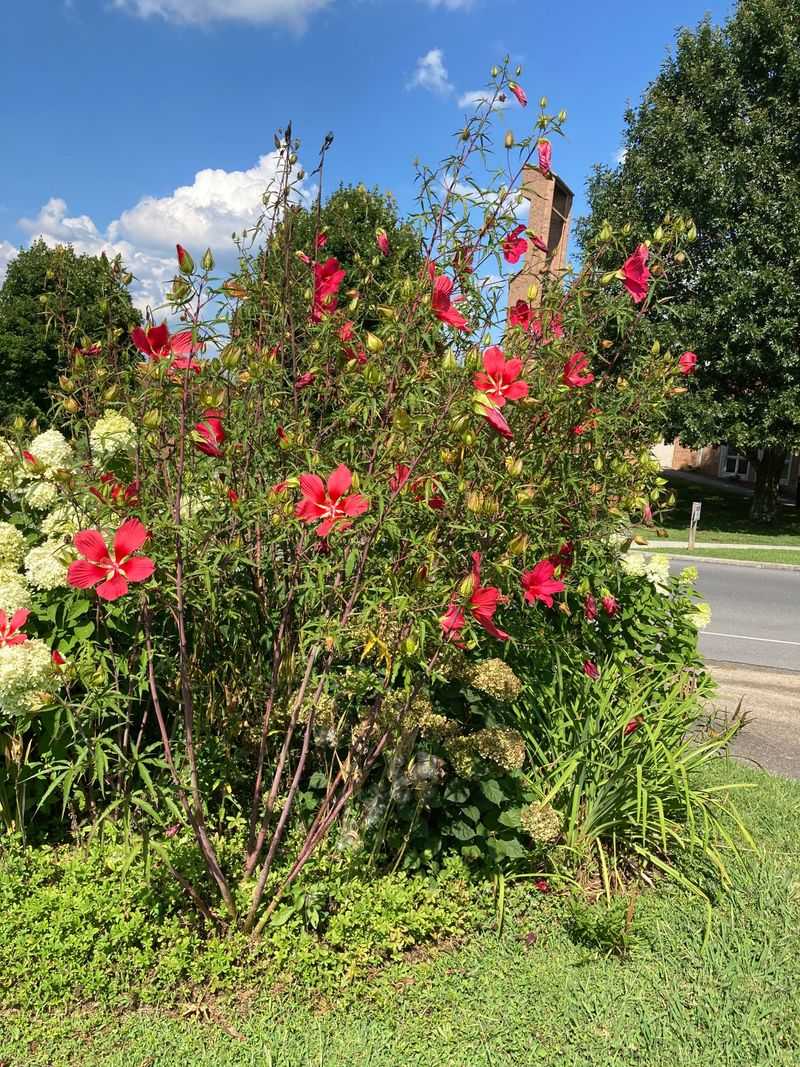
Swamp hibiscus flowers can stretch about six inches across in a red so bold it practically glows. Planting it in that low, soggy corner turns heavy rain from a nuisance into the source of a show.
Hibiscus coccineus is a native perennial that grows tall in moist soil and blooms through the warm months. Hummingbirds and butterflies visit those big blooms often, so expect plenty of company once the flowers open.
Buttonbush, known to botanists as Cephalanthus occidentalis, is another native shrub that handles flooded roots with surprising ease. Its round white flower clusters look like tiny pincushions and draw plenty of busy pollinators during summer.
Pickerelweed, or Pontederia cordata, fits spots that stay soggy and sends up spikes of soft purple-blue flowers. It can grow in shallow standing water, which makes it a natural choice for pond edges.
Matching plants to the wettest parts of your yard follows the right plant, right place idea from UF/IFAS. Once established, these natives usually need little fertilizer and very little extra watering during rainy months.
Shop at nurseries that label plants clearly, since a few wetland plants sold online are invasive here. Native plant nurseries and local plant society sales are reliable spots for finding true native species.
Don’t be surprised if frogs start calling from that damp corner once the plants fill in nicely. Wet ground becomes a lively habitat, and you get a garden that thrives on what the sky delivers.
7. Raised Vegetable Beds Keep Roots Above Soggy Ground
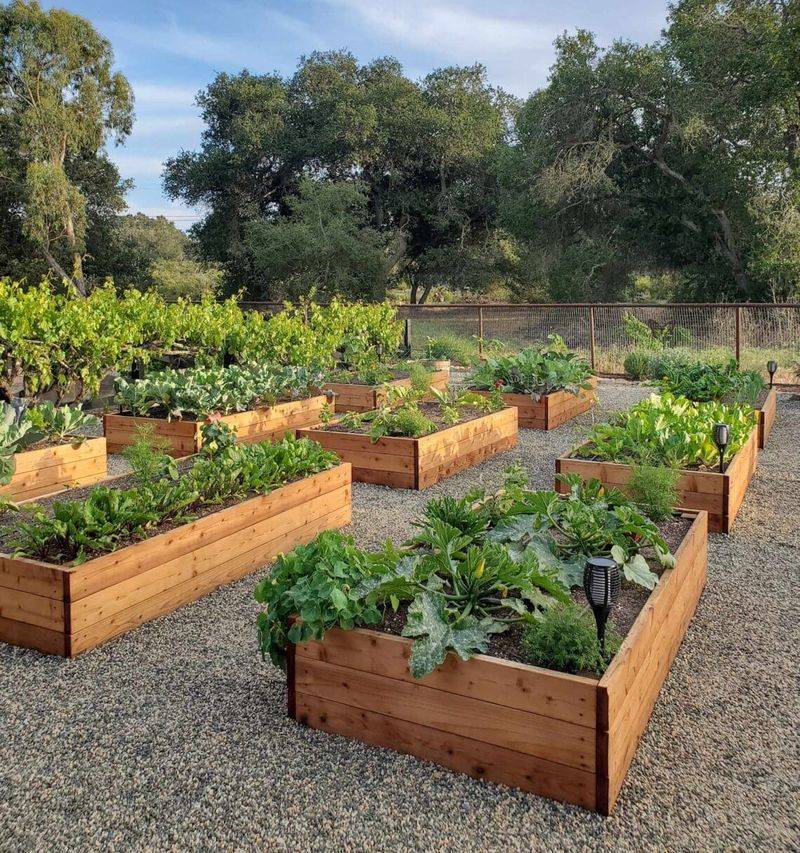
Tomato roots sitting in waterlogged soil can struggle quickly, because soggy ground pushes out the air roots need. Raised beds lift those roots above the puddles, which feels like giving your vegetables a tiny life raft.
Even eight to twelve inches of height can make a big difference in yards with poor drainage. Areas with high water tables, common in many coastal neighborhoods, benefit the most from this simple upgrade.
Filling beds with a blend of quality soil and compost gives you control over drainage and fertility. Extra water drains through the loose mix after a storm, while the compost holds enough moisture between rains.
Summer heat and frequent storms make the rainy season tough for many common vegetables in Florida gardens. Heat lovers like okra and Seminole pumpkin handle these steamy months far better than lettuce or broccoli.
Untreated cedar or stacked concrete blocks make sturdy frames, and both handle our humid weather reasonably well. Keep beds about four feet wide so you can reach the middle without stepping on the soil.
Heavy downpours can still wash soil off the top, so a layer of mulch helps protect the surface. Topping off the bed with fresh compost each spring and fall replaces what the rain carries away.
I could be wrong, but I think raised beds solve more rainy-season headaches than any other garden project. Your plants stay happier, and you can harvest without sinking ankle-deep into mud after a storm.
8. Pine Straw Mulch Softens Pounding Summer Rain
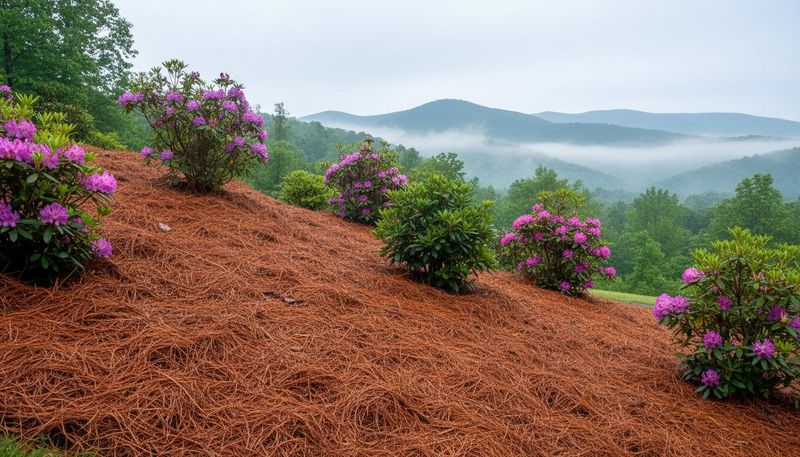
Big raindrops hit bare soil hard enough to splash mud onto leaves and knock loose small soil particles. A blanket of mulch absorbs that impact, so storms soak in gently instead of carving tiny gullies.
UF/IFAS recommends a layer of about two to three inches for most landscape beds and shrubs. That depth slows evaporation too, keeping rainwater in the soil longer after the clouds move along.
Pine straw is a favorite here because it knits together and resists washing away during heavy rain. Pine bark and melaleuca mulch also work well, and the latter comes from an invasive tree removed from wetlands.
Mud splashing onto lower leaves can spread fungal problems, so mulch protects plant health as well as soil. Tomatoes and other low-growing vegetables especially appreciate having that clean barrier between their leaves and the dirt.
Pull mulch a few inches back from tree trunks and plant stems to prevent rot and pest trouble. Piling it against bark, often called volcano mulching, traps moisture right where trees want it least.
Many counties and tree services offer free wood chips, which makes covering large beds very affordable. Fresh chips work fine spread on top of soil, though you should avoid mixing them into planting holes.
Here’s something worth knowing about mulch, since it breaks down and slowly feeds the soil beneath it. Every storm then helps build richer ground, turning heavy rain into a long-term investment for your garden.