Should You Lime Your Ohio Lawn in Winter? What a Soil Test Might Tell You
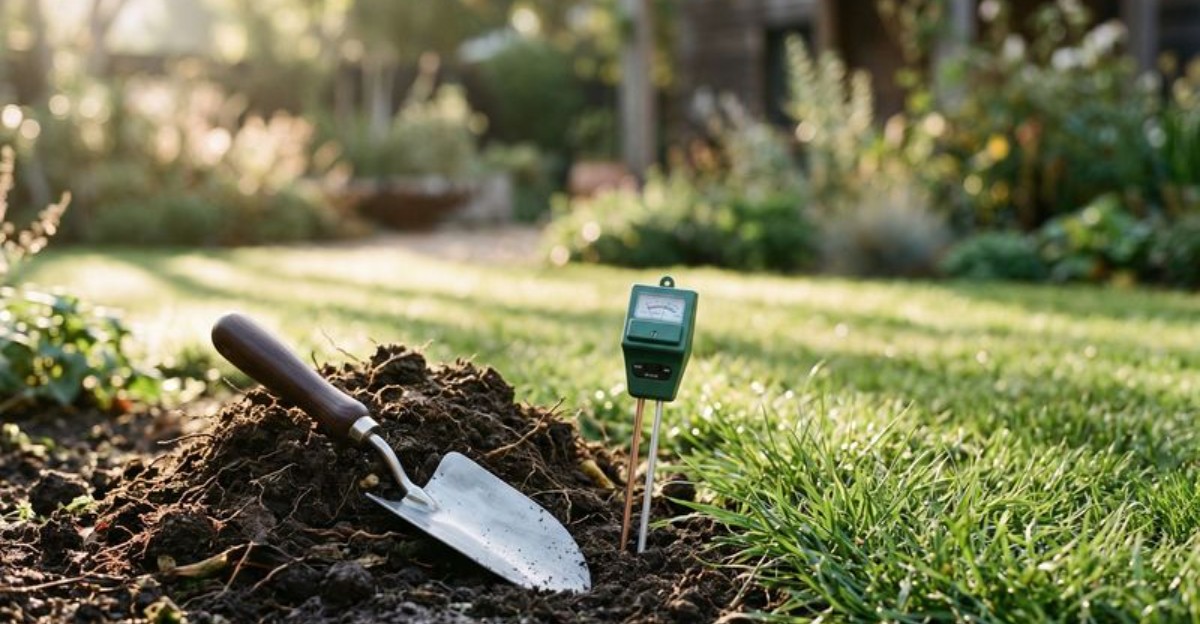
Plenty of lawns in Ohio already sit on soil that needs no lime at all. Much of the western half of the state rests on limestone-rich glacial till, and some yards there test above pH 7.
That surprised me the first time I read it. I had assumed every lawn in the Midwest leaned sour, like a pickle jar left in the rain.
You could spend a cold Saturday hauling bags across frozen grass and change nothing useful. Worse, you could nudge the soil in the wrong direction and make iron and manganese harder for roots to reach.
What is really going on under that frosty turf? I believe the answer is hiding in a small bag of dirt, a few dollars, and a lab report that reads like a secret note from your yard.
1. That Bag of Garden Lime Might Be Solving a Problem Your Lawn Doesn’t Have
Garden centers stack lime bags by the door every fall, and it feels like a chore everyone should do. Lime only helps one thing, though.
It raises soil pH when the soil is too acidic.
Ohio State University Extension points out that many lawns across the state are neutral or even slightly alkaline. Soils formed from limestone and glacial deposits, common in western and central counties, often sit at pH 7 or higher.
Adding lime there brings no benefit and can push pH up further.
Eastern and southeastern Ohio is a different story. Older sandstone and shale soils on the Allegheny Plateau tend to run more acidic, so liming needs show up more often in those areas.
Personally, I find that split fascinating. Two neighbors in different counties could get opposite advice from the same lab.
Grass also gives poor clues. Moss, thin turf, and yellowing can come from shade, compaction, poor drainage, or low fertility just as easily as from acidity.
Guessing based on looks usually leads to wasted money.
So the honest answer to the big question is simple. Winter liming can work, but only when a soil test says your pH is actually low.
Without that number, the bag should stay at the store.
2. A Simple Soil Test Kit Gives You the Real Answer
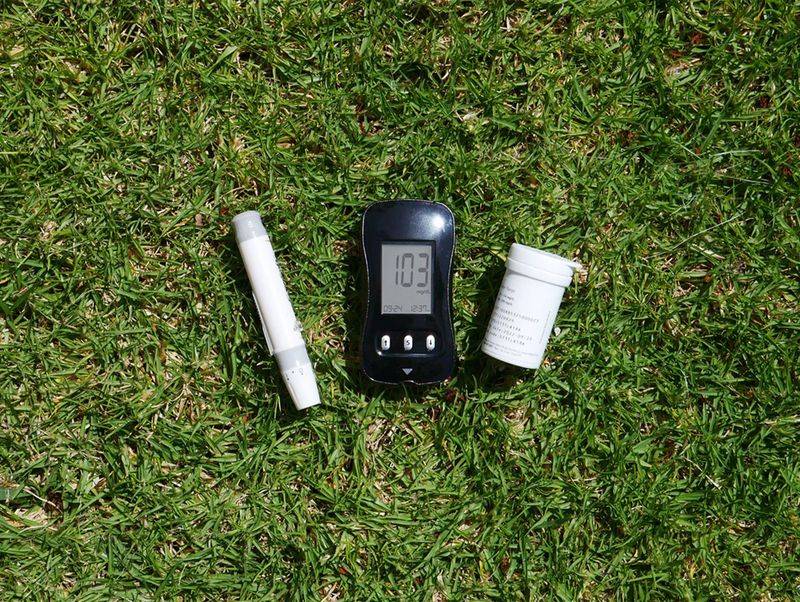
Ten minutes of digging can save you an entire season of guesswork. Most labs charge roughly $15 to $30 for a basic lawn test, which is less than a few bags of lime.
Ohio State University Extension recommends using a certified lab. Many county Extension offices can point you to approved labs and mailing kits, and some sell kits directly.
Here is how I like to do it. Use a clean trowel or soil probe and take 10 to 15 small cores from random spots across the lawn.
For established turf, sample about 3 to 4 inches deep, which is where grass roots do most of their work.
Skip odd spots like the area near the driveway, under the dryer vent, or where the dog favors. Mix everything in a clean plastic bucket, since a metal pail can affect some nutrient readings.
Let the soil air-dry on newspaper if it is muddy. Then fill the sample bag to the line and mail it in.
Winter works fine for sampling any time the ground is not frozen. A mild January thaw is perfect, and you will have results long before spring yard work begins.
3. Those Numbers on Your Soil Test Report Tell a Bigger Story
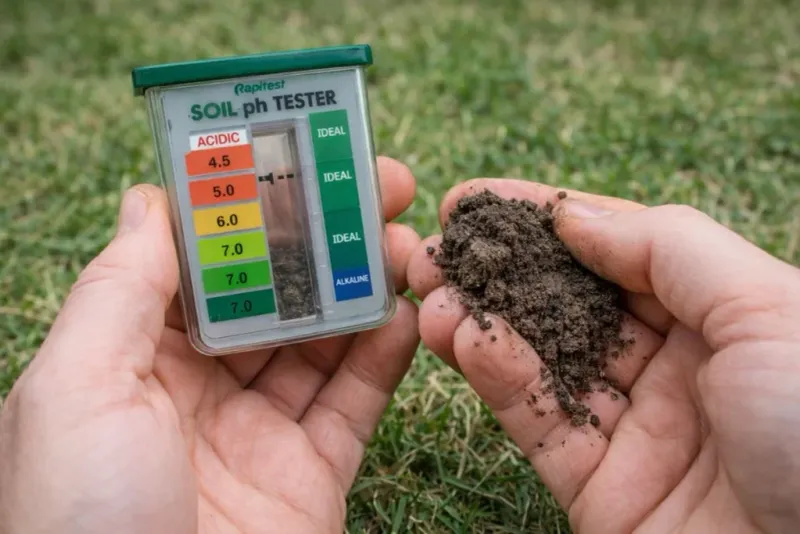
Opening the lab envelope feels a bit like getting a report card for your yard. The first number most people hunt for is soil pH.
Cool-season lawn grasses in Ohio, like Kentucky bluegrass, tall fescue, and perennial ryegrass, grow best around pH 6.0 to 7.0. If your reading falls in that range, you can relax.
No lime is needed.
When pH drops below about 6.0, the lab looks at a second number called buffer pH, sometimes listed as lime test index. Soil pH tells you how acidic the soil is right now.
Buffer pH tells you how stubborn that acidity will be to fix.
Heavy clay soils hold more reserve acidity than sandy ones. That means two lawns with the same pH might need very different amounts of lime.
The report then turns those numbers into a lime recommendation, often in pounds per 1,000 square feet. You will also see phosphorus, potassium, calcium, and magnesium levels.
I love that magnesium line. If it reads low, dolomitic lime adds magnesium along with calcium.
If magnesium is already high, calcitic lime is usually the better pick.
4. Frost and Thaw Cycles Help Lime Sink Into Cold Ground
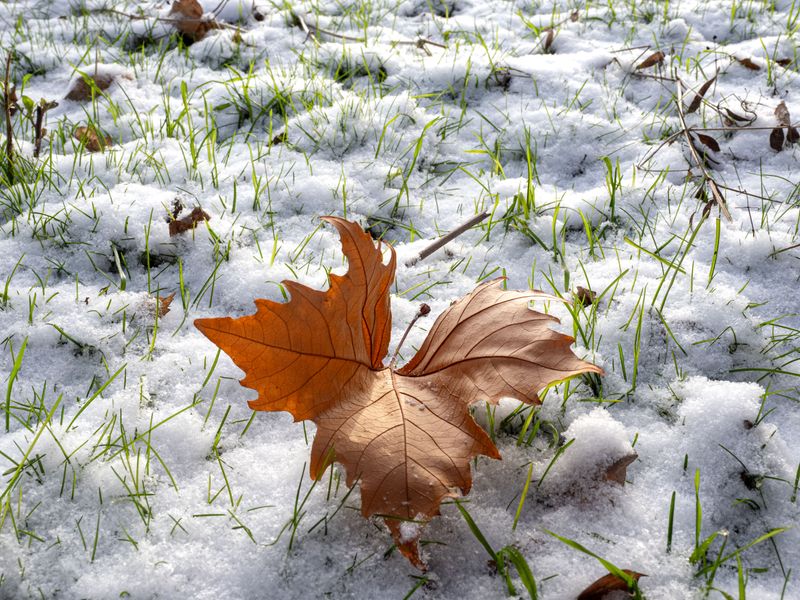
Old-time farmers spread lime on winter fields for a reason. Lime moves slowly, and cold months give it time to settle in.
Calcium carbonate does not dissolve quickly. It reacts with soil acidity over several months, so applying it in late fall or winter means it can start working before spring growth.
Freezing and thawing open tiny cracks in the soil surface. Rain and melting snow then carry some of the fine particles a little deeper.
Lime still moves mostly in the top inch or two of undisturbed turf, so patience matters.
Timing has a few catches. Spreading on frozen ground or on top of snow is a poor idea, since melting water can wash pellets off slopes and onto sidewalks or into storm drains.
Aim for a day when the soil is thawed and the grass is dry. Late November and early December, or a break in late winter, often fit nicely in Ohio.
Lime can also go down in early fall or spring with good results. Winter is simply a convenient window when the lawn is quiet and your weekends are a little less crowded.
5. Your Spreader Settings Matter More Than the Brand of Lime
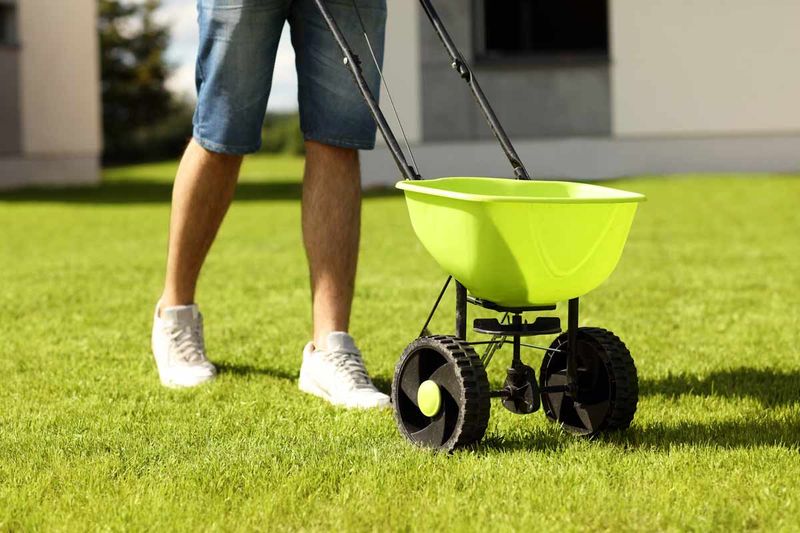
Pelletized lime is the homeowner’s best friend. It is ground limestone pressed into small pellets, so it pours through a spreader with far less dust than powder.
Fine powdered lime works faster but makes a chalky mess on a windy day. For most yards, pellets are easier and cleaner.
Here is my favorite trick for even coverage. Set the spreader to half the recommended rate and walk the lawn twice, once north to south and once east to west.
That crisscross pattern helps prevent stripes.
Many guides suggest keeping single applications to about 50 pounds per 1,000 square feet on established lawns. If your test calls for more, split it between fall and spring or across two seasons.
Lime is fairly gentle on grass, unlike some fertilizers. Still, sweep any pellets off driveways and patios, since they can leave white residue.
A light rain or melting snow afterward helps the pellets break down. Wear gloves and a dust mask if you use powder, and check the label for the calcium carbonate equivalent, which tells you how strong that product really is.
6. Too Much Lime Can Leave Your Grass Looking Yellow
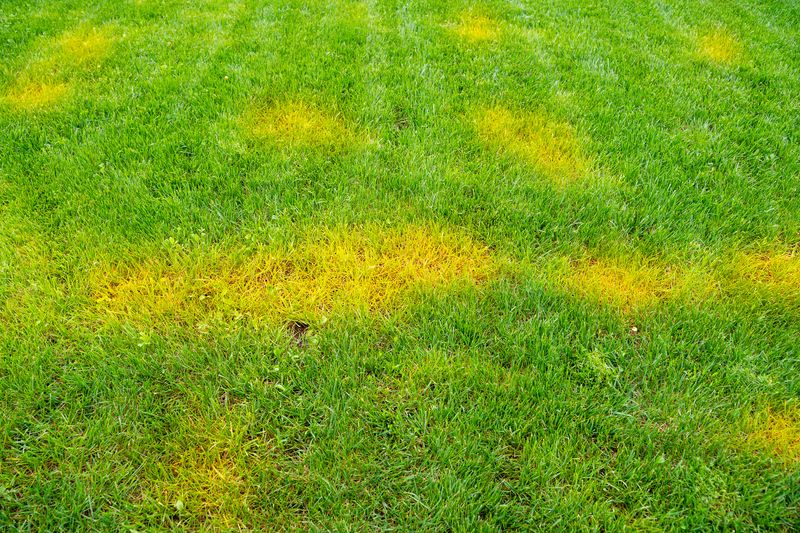
More is not better with lime, and this mistake is surprisingly easy to make. Some folks add a bag every year out of habit, the way their parents did.
Over several years, that routine can push pH above 7.5. At that level, iron and manganese become harder for grass roots to absorb, even when plenty sits in the soil.
The symptom often looks like pale or yellowish grass, sometimes with green veins. Many people respond by adding more fertilizer, which does little to fix the root issue.
Lowering pH is much harder than raising it. Elemental sulfur can bring it down, but the process is slow, and on soils with natural free limestone, it may barely budge.
That is why OSU Extension cautions against routine yearly liming without a test. I think of lime like salt in soup.
A little helps when needed, and too much is tough to undo.
If you already limed for years, a test now is extra valuable. You might discover your lawn needs a break from lime for a long while.
7. Retest Your Lawn Soil Every Few Years and Watch It Improve
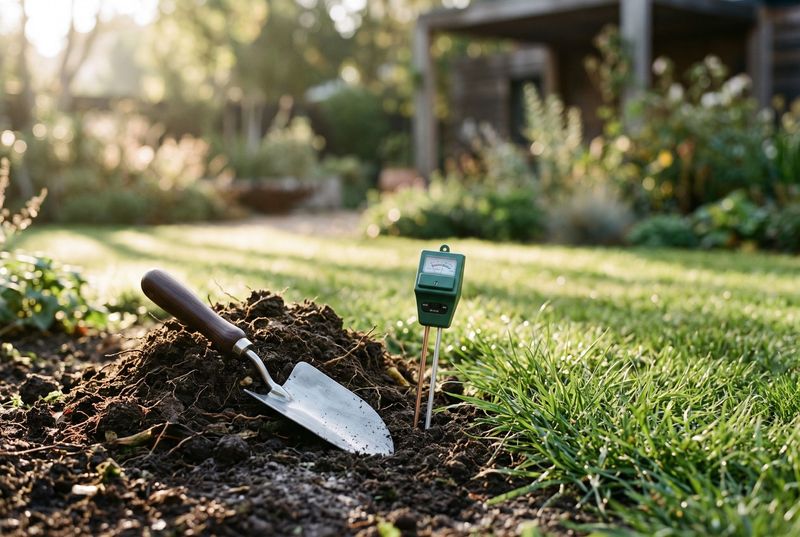
Healthy soil is a slow project, and that is part of the fun. Once you correct pH, the lawn does not need constant attention.
Most experts suggest testing every three to four years for established lawns. If you are actively correcting acidity, test again about a year after liming to see how far the numbers moved.
Try sampling at the same time of year and the same depth each time. That keeps results fair to compare, and you can start to spot real trends.
Keep your old reports in a folder or snap photos on your phone. I like seeing the pH creep toward the target, since it feels like proof the effort paid off.
Remember that lime is only one piece of lawn health. Mowing at 3 to 4 inches, fall fertilizing, core aeration for compacted clay, and overseeding thin spots all matter too.
So should you lime this winter? Test first, then decide.
If the report says your soil is sour, a thawed winter day is a fine time to spread. If not, you just saved money, and your grass will thank you anyway.