Why Ohio Coneflowers Stop Blooming After Year Two And The Simple Fix
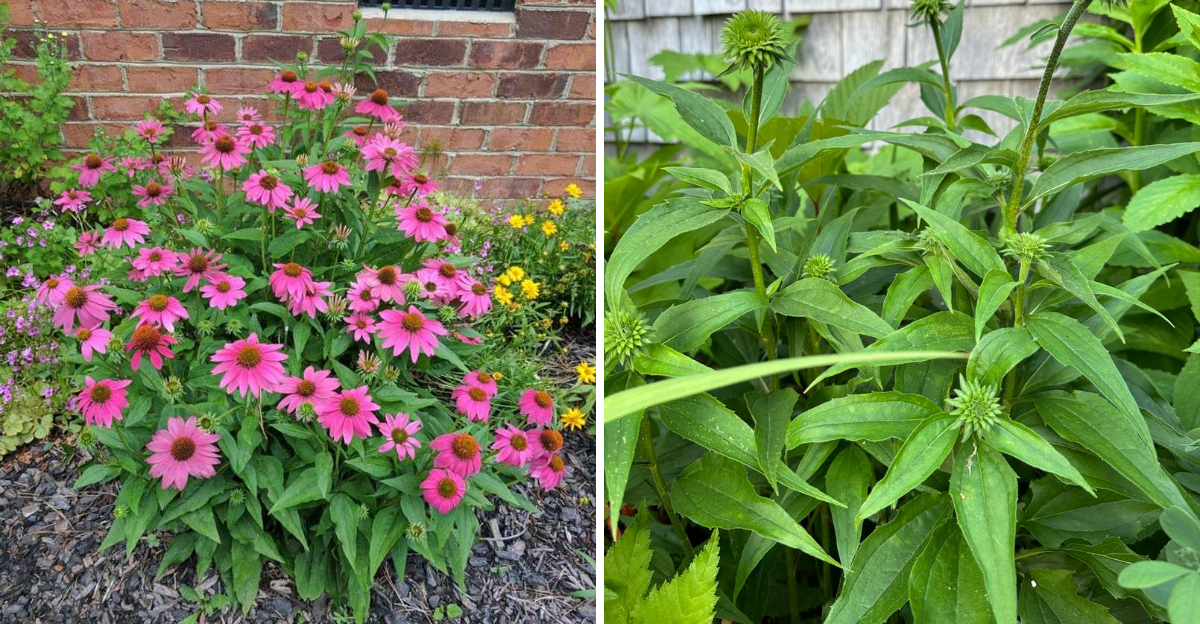
Coneflowers might be the most reliably cheerful plant in an Ohio summer garden. Bold color, pollinators everywhere, basically zero drama in year one.
What’s not to love? But then year two or three rolls around and something shifts.
The blooms thin out, the stems get a little weak, the clumps start looking crowded and honestly a bit exhausted. It’s a disappointing plot twist, especially for a plant that seemed so low maintenance at the start.
Here’s the good news though: coneflowers do not have a built-in expiration date. When they start underperforming in an Ohio garden, there is almost always a specific reason behind it, and most of those reasons are completely fixable.
Too much shade, soggy soil, crowded roots, skipped maintenance: any of these can quietly work against even the healthiest established plants.
1. Too Much Shade Can Reduce Blooms
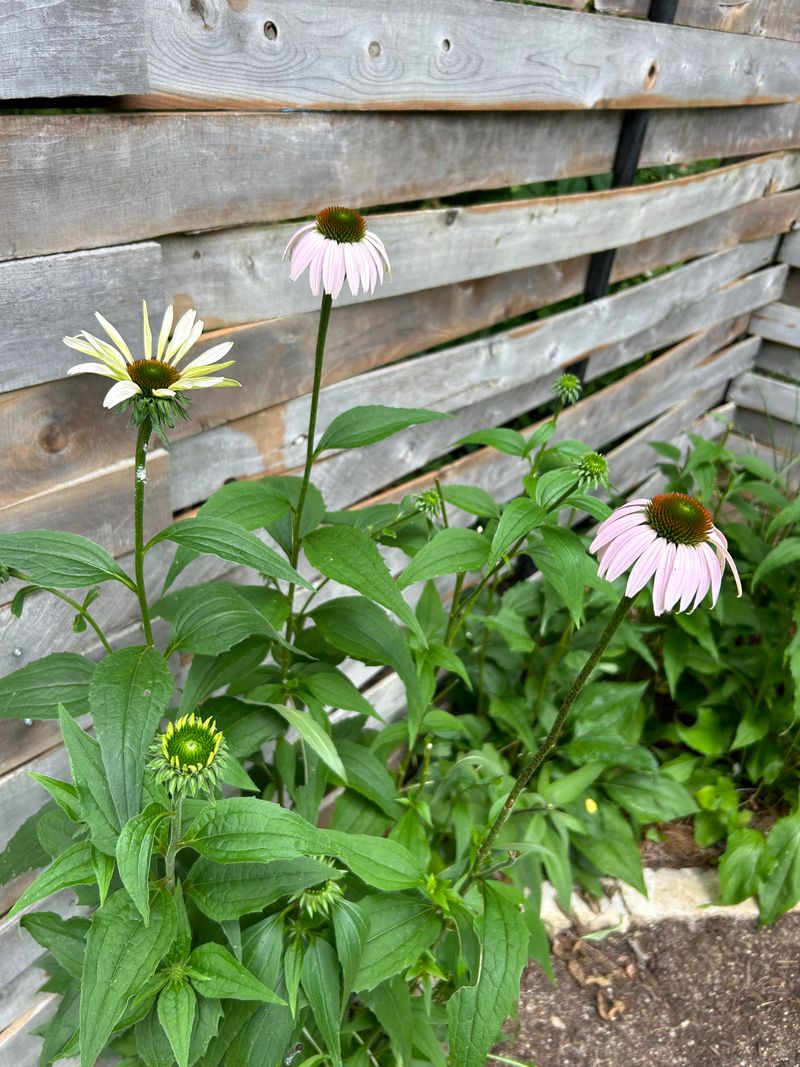
Sunny perennial beds in Ohio tend to bring out the best in coneflowers, and when those beds gradually fill in with taller shrubs or nearby trees, the coneflowers underneath start to struggle.
Shade is one of the most common reasons bloom counts drop after a couple of seasons, and it often sneaks up on gardeners who are not watching the light patterns closely.
Coneflowers generally perform best with at least six hours of direct sunlight each day. When that sunlight drops to three or four hours, the plants may still survive and produce some leaves, but flowering tends to slow noticeably.
Ohio summers offer plenty of sun in open spots, so placing coneflowers where they get that full exposure makes a real difference.
If a tree has grown larger or a nearby shrub has spread over the years, it may be worth trimming back some branches to let more light reach the bed.
Relocating coneflowers to a sunnier spot in the yard is another option that often brings quick results.
Moving plants in early fall or early spring gives the roots time to settle before the next bloom season. A little more sunlight can go a long way toward restoring a strong flower display.
2. Crowded Clumps May Bloom Less
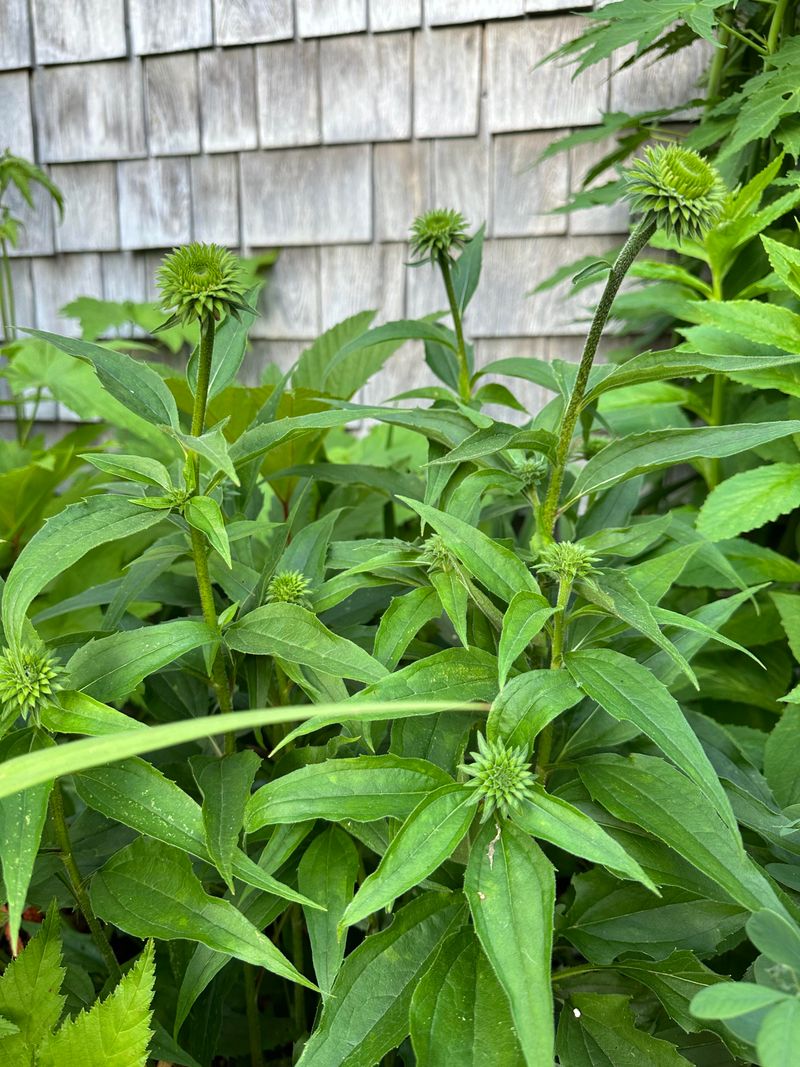
Walk up to a coneflower clump that has been growing in the same spot for three or four years in an Ohio pollinator border, and you might notice something surprising.
The center of the clump can start to look hollow or sparse, with most of the growth pushing outward around the edges.
That spreading pattern is a sign that the plants are getting crowded and competing for the same nutrients and water.
When coneflower roots become too dense, the plants put more energy into basic survival than into producing flowers. Bloom counts drop, stems may look thinner, and the overall display just does not match what the garden looked like in earlier seasons.
Ohio clay soils can make this worse because water and nutrients do not move through the root zone as freely as they would in looser ground.
Dividing crowded clumps every three to four years is a straightforward way to address this.
Your Ohio Garden Changes Every Week. Your Plan Should Too.
Gardening in Ohio changes quickly throughout the season. Every Friday you’ll receive a simple weekly plan showing exactly what to plant, prune, fertilize, harvest, and protect so you never miss the right timing.
Splitting the plant into smaller sections and replanting them with some space between each one gives the roots room to spread and the plant energy to redirect toward flowering.
Early fall or early spring are both reasonable times to divide in Ohio, before summer heat arrives and puts extra stress on freshly moved plants.
3. Wet Soil Can Weaken Coneflowers
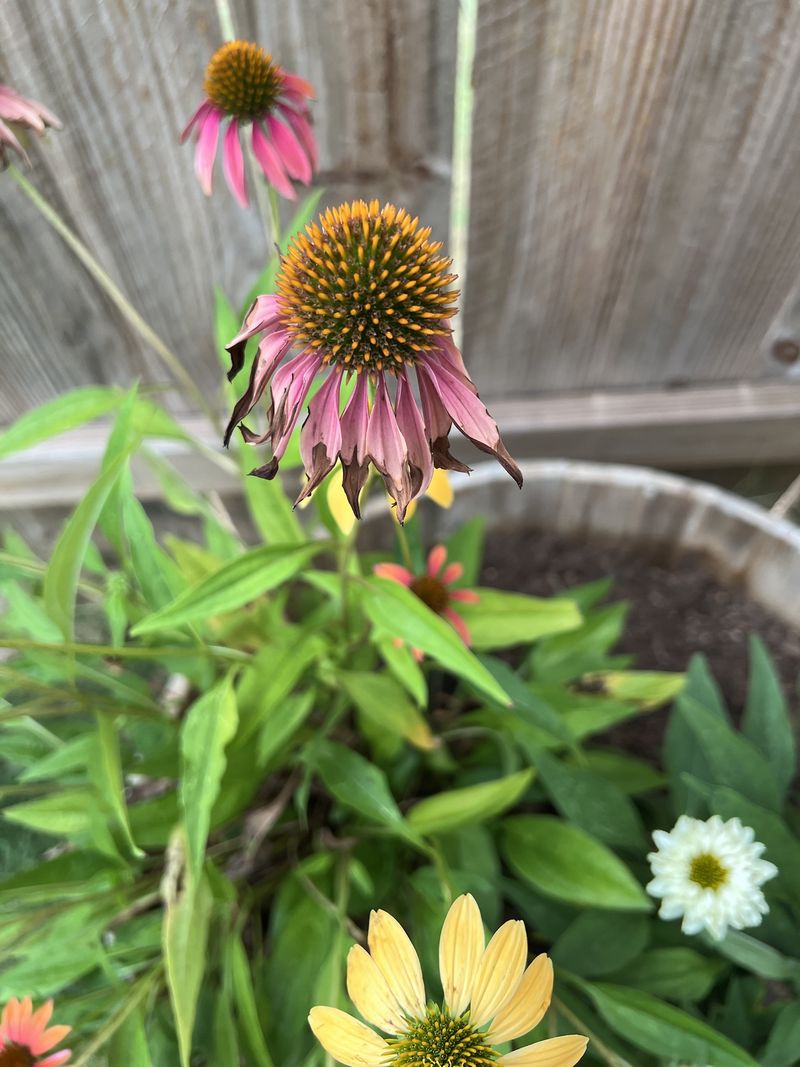
Standing water after a heavy Ohio rainstorm is a familiar sight in many yards, especially in low spots where clay soil slows drainage.
Coneflowers are native to open meadows and prairies where soil tends to drain fairly well, and they are not well suited to sitting in water for extended periods.
When roots stay wet too long, the plant weakens and bloom production often drops as a result.
Poor drainage is sometimes easy to spot and sometimes harder to notice until the plants start looking off. Yellowing leaves, soft stems near the soil line, and a general lack of vigor during wet Ohio summers can all point to a moisture problem.
The issue tends to build up over time, which is why a coneflower that performed well in year one may start declining by year two or three if drainage has not improved.
Moving coneflowers to a raised bed or a spot with naturally better drainage is one of the most effective fixes. Adding organic matter like compost to heavy clay soil can also improve the way water moves through the ground over time.
If the low spot in the yard is unavoidable, choosing a different plant for that area and saving coneflowers for spots with better drainage tends to produce stronger results overall.
4. Rich Soil Can Push Leaves Over Flowers
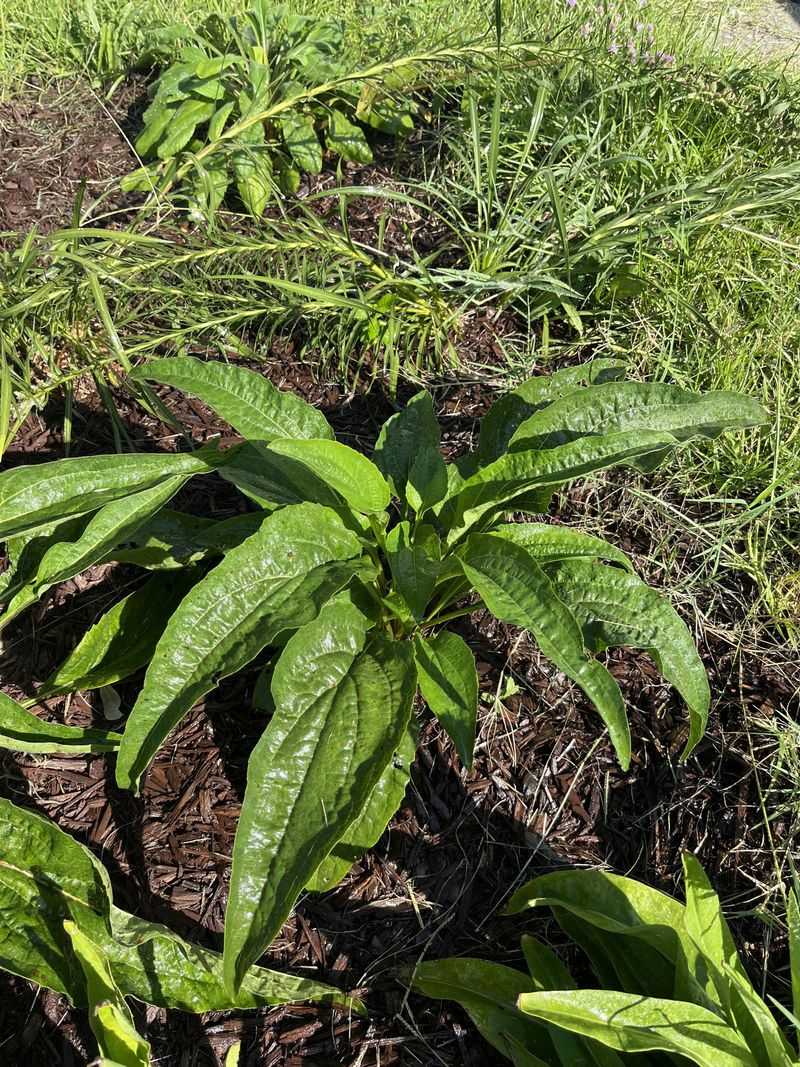
It might seem like giving coneflowers extra-rich soil or a generous dose of fertilizer would encourage more blooms, but the opposite tends to happen.
When soil is too high in nitrogen, coneflowers respond by putting their energy into producing large, leafy growth rather than flowers.
The plants can look impressively full and green while producing very few blooms, which is frustrating when you planted them for their color.
Ohio gardeners who regularly amend their beds with heavy amounts of compost or use high-nitrogen lawn fertilizers near perennial borders sometimes see this effect.
Coneflowers are naturally adapted to leaner soils, and they tend to bloom more freely when they are not being pushed to grow too fast.
Moderately fertile, well-drained soil is usually a better fit for steady flowering than a heavily enriched bed.
If you suspect rich soil is part of the issue, skipping fertilizer for a season and observing how the plants respond is a reasonable starting point.
Reducing the amount of compost added each year is another adjustment that can shift the balance back toward flowering.
Coneflowers are not heavy feeders, and in many Ohio gardens, they do well with little to no supplemental fertilizing once they are established and growing in a suitable location.
5. Deadheading Can Extend The Bloom Season
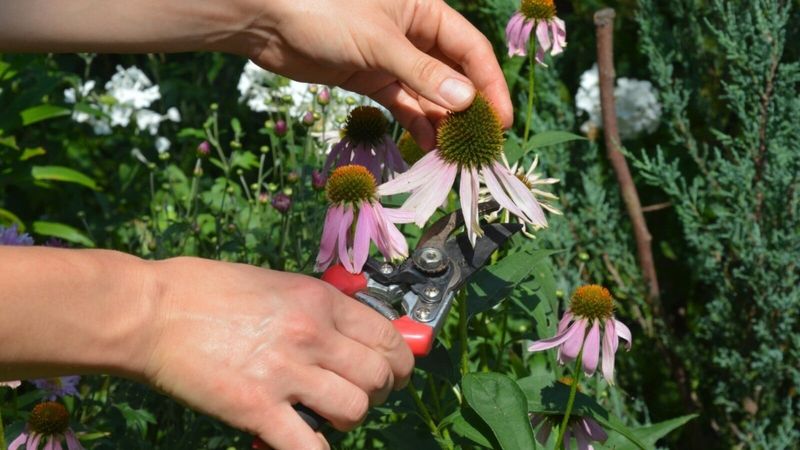
Fading blooms left on the plant are not just a cosmetic issue. When coneflowers finish a flower and begin forming seeds, the plant shifts its energy toward seed production rather than pushing out new buds.
Removing spent flowers before they fully set seed can redirect that energy and encourage more blooms to form during the same growing season.
Deadheading coneflowers is a simple task that involves snipping or pinching off the flower head once the petals start to droop and the center cone turns darker. Cutting back to just above a leaf node or a visible side bud gives the plant a clear signal to keep producing.
In Ohio, where summer can stretch into September with warm temperatures, regular deadheading during July and August can noticeably extend the bloom display into early fall.
Not every gardener enjoys deadheading, and that is completely fine. Even removing spent blooms just once or twice during the season can make a difference compared to leaving all the old flowers in place.
For gardeners who want both extended blooms and seed heads for birds later in the season, a reasonable approach is to deadhead through midsummer and then allow the last round of blooms to mature and form seed heads as fall approaches.
6. Dividing Crowded Plants Can Refresh Growth
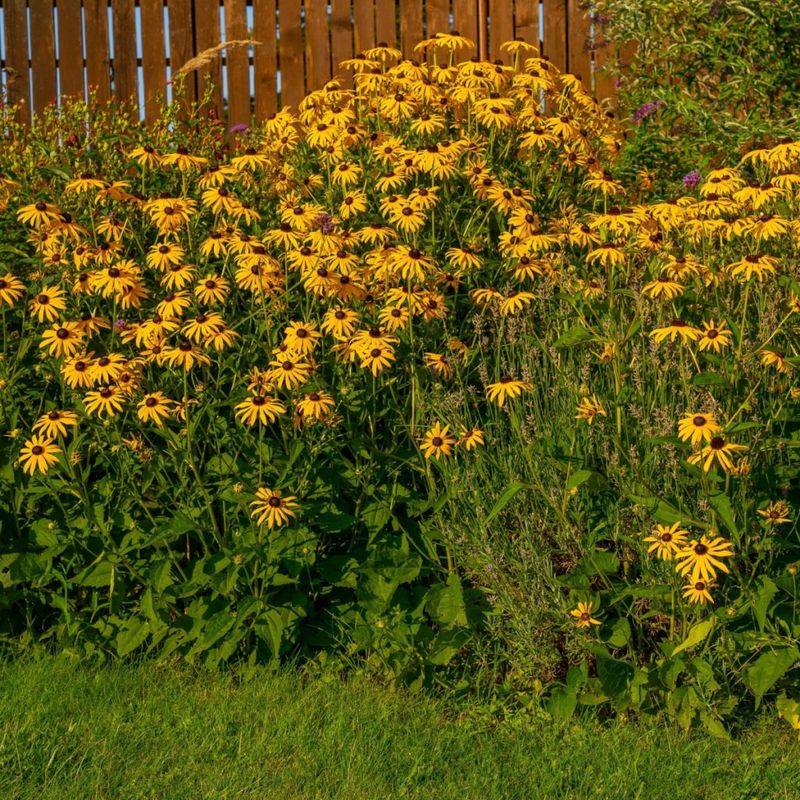
Few things refresh a tired perennial bed quite like lifting a crowded coneflower clump and splitting it into smaller pieces.
Division is a straightforward process that gives each section more room to grow, more access to soil nutrients, and a fresh start that often results in noticeably better flowering the following season.
For Ohio gardeners dealing with clumps that have been in the ground for several years, this one step can make a big difference.
To divide coneflowers, use a garden fork or spade to lift the entire clump out of the ground, then gently pull or cut it into sections, each with healthy roots and a few stems attached.
Replanting the divisions with several inches of space between them allows air to move through the planting and reduces competition.
Watering the new divisions thoroughly after replanting helps them settle in before winter in Ohio.
Early fall is a practical time for division in Ohio because cooler temperatures reduce stress on the newly separated roots, and there is usually enough time before the ground freezes for the plants to establish.
Early spring works too, just before new growth pushes up strongly.
Either way, dividing on a cooler, overcast day rather than during a hot spell gives the freshly moved plants a gentler transition into their new spots.
7. Full Sun Supports Stronger Flowering

Open, sun-drenched spots in Ohio yards are where coneflowers tend to shine most reliably.
A planting that receives six or more hours of direct sun each day typically produces sturdier stems, more flower buds per plant, and a longer bloom display than one tucked into a shadier corner of the landscape.
Light is one of the most important factors in consistent coneflower performance, and it is worth thinking about carefully when choosing a planting location.
Front-yard pollinator borders, cottage garden beds along fences, and open perennial borders along driveways or walkways are often great spots for coneflowers in Ohio because they tend to receive uninterrupted sunlight through much of the day.
South-facing and west-facing exposures are especially reliable for full-sun conditions during Ohio summers.
East-facing spots can work too, though bloom counts sometimes run a little lower in gardens that lose afternoon sun.
Gardeners who have noticed fewer blooms over time should take a moment to observe the light in that particular bed across different parts of the day.
What looked like a sunny spot a few years ago may have changed as trees matured or neighboring structures altered the shade patterns.
Confirming that coneflowers are still getting enough direct sun is a quick check that can save a lot of guesswork when trying to figure out why bloom production has slowed.
8. Well-Drained Soil Helps Plants Return
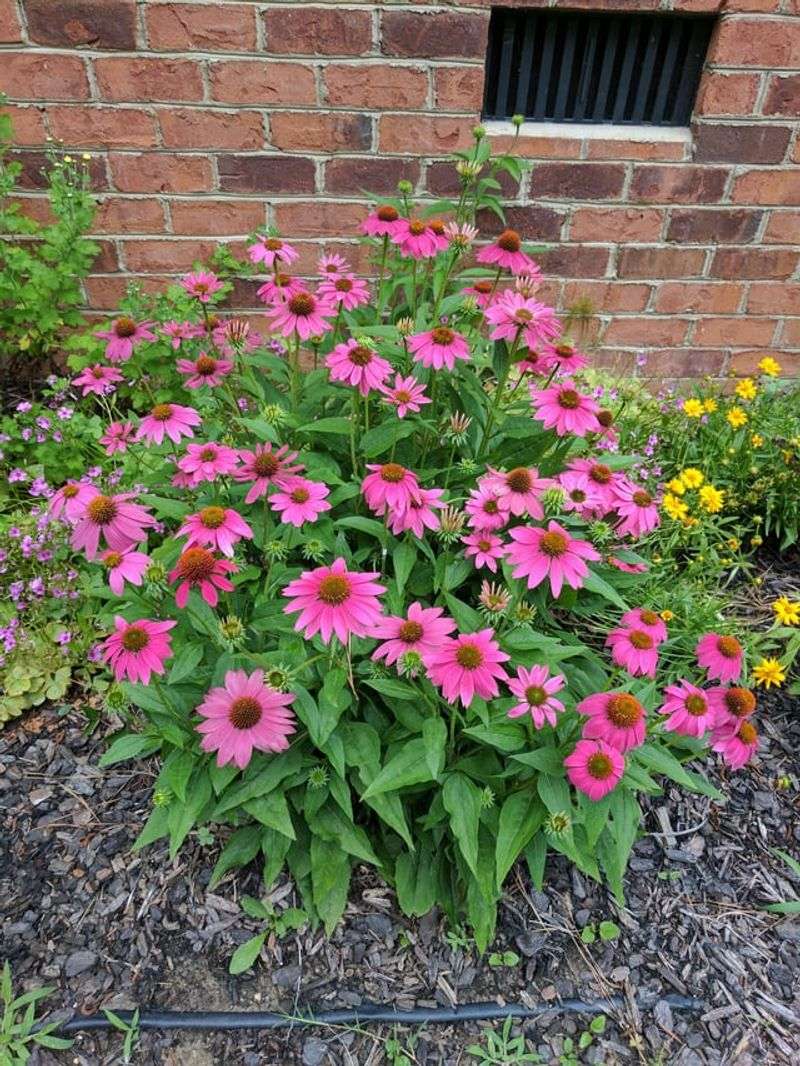
Soil drainage plays a bigger role in coneflower longevity than many Ohio gardeners realize at first. Plants that root into well-drained soil tend to come back more reliably each spring, maintain stronger root systems, and produce more flowers over time.
When water lingers around the roots for too long, especially during Ohio’s wet springs or heavy summer rains, the plant’s ability to bloom consistently can decline season after season.
Ohio’s clay-heavy soils are common across much of the state and can hold moisture longer than coneflowers prefer. Mixing compost into the planting area before setting in new plants is a practical way to improve drainage and soil structure over time.
Raised beds and slightly elevated planting areas naturally shed excess water and often support better coneflower performance in spots where flat, poorly drained ground would otherwise cause problems.
Checking soil drainage is easy enough. Dig a small hole about a foot deep, fill it with water, and watch how quickly it drains.
If water is still sitting in the hole after several hours, that spot may need some amendment or a different plant selection altogether.
Coneflowers placed in well-drained soil from the start tend to require less intervention over the years and return with stronger bloom displays each season in Ohio landscapes.
9. Leaving Some Seed Heads Supports Birds
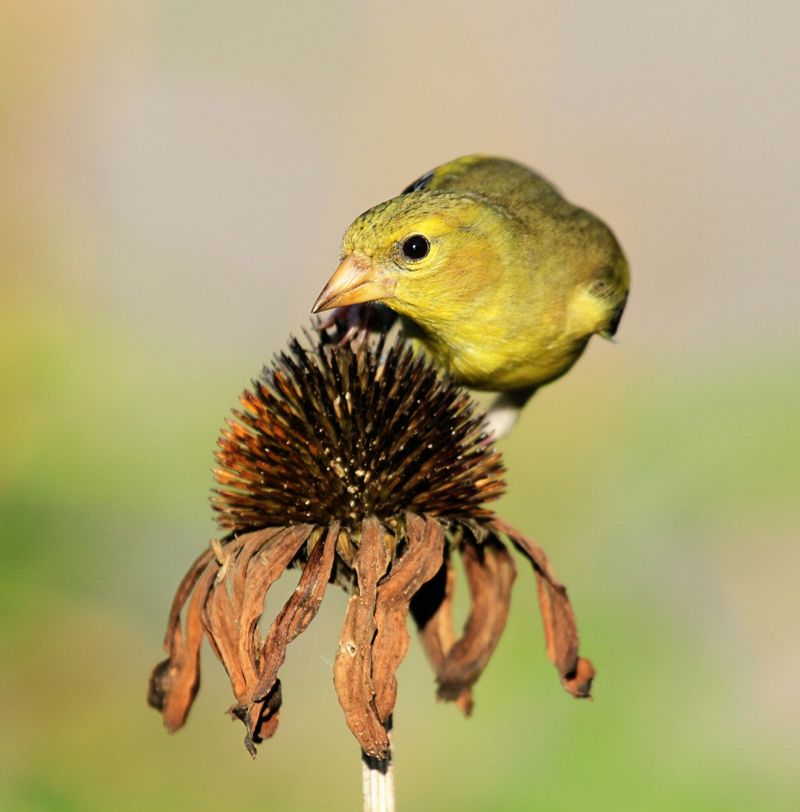
After the last blooms of the season fade in an Ohio garden, the coneflower’s job is not quite finished.
The spiky brown seed heads that remain after petals drop are a reliable food source for birds, particularly goldfinches and other seed-eating species that move through Ohio landscapes during fall and into winter.
Leaving at least some of those seed heads standing rather than cutting everything back can make your garden a meaningful stop for birds when other food sources are harder to find.
Seed heads also add visual structure to the garden during the quieter months. A row of coneflower stalks holding their rounded seed cones through November and December gives the bed some height and texture when most other plants have gone dormant.
Ohio gardeners who enjoy watching wildlife activity in the yard often find that leaving seed heads up draws more bird visits than a bed that has been cut completely to the ground in fall.
A reasonable middle ground for gardeners who want both a tidy look and wildlife value is to deadhead through the main bloom season to encourage more flowers, then stop cutting in late summer and allow the final round of flowers to mature into seed heads.
That approach supports extended bloom earlier in the season and provides bird-friendly food sources as Ohio moves into cooler months.