The Ohio Native Plant That Blooms In Shade When Nothing Else Will
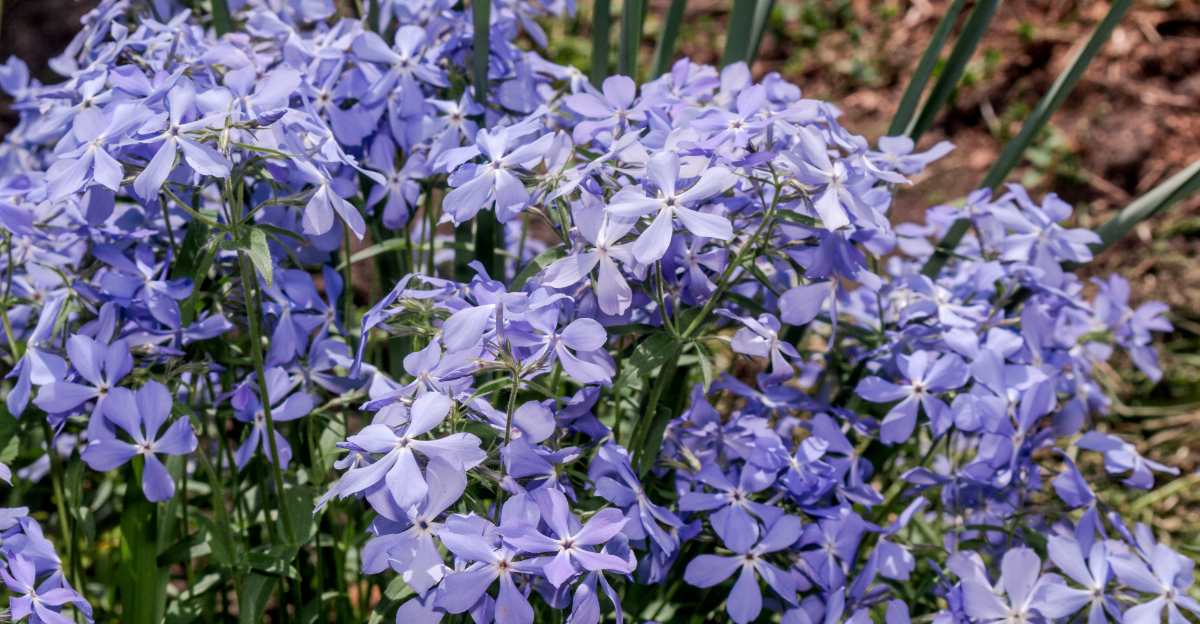
Shady Ohio garden beds have a reputation for being the problem spots. The places where enthusiasm meets reality and most plant choices quietly fail.
Color becomes a luxury, bloom becomes an afterthought, and the best most gardeners hope for is decent foliage and something that at least stays alive through summer. One Ohio native rewrites that expectation completely.
It blooms in shade, real shade, the kind that stops most flowering plants cold. And it does it in spring when the rest of the garden is still finding its footing.
The display it puts on is not subtle. Sheets of color across a shaded bed, the kind of moment that makes visitors stop and ask what is growing there.
It spreads over time, fills gaps without taking over, and comes back reliably year after year without any coaxing. Shade does not have to mean giving up on flowers.
This plant proves it.
1. Plant Woodland Phlox Where Shade Still Gets Soft Light
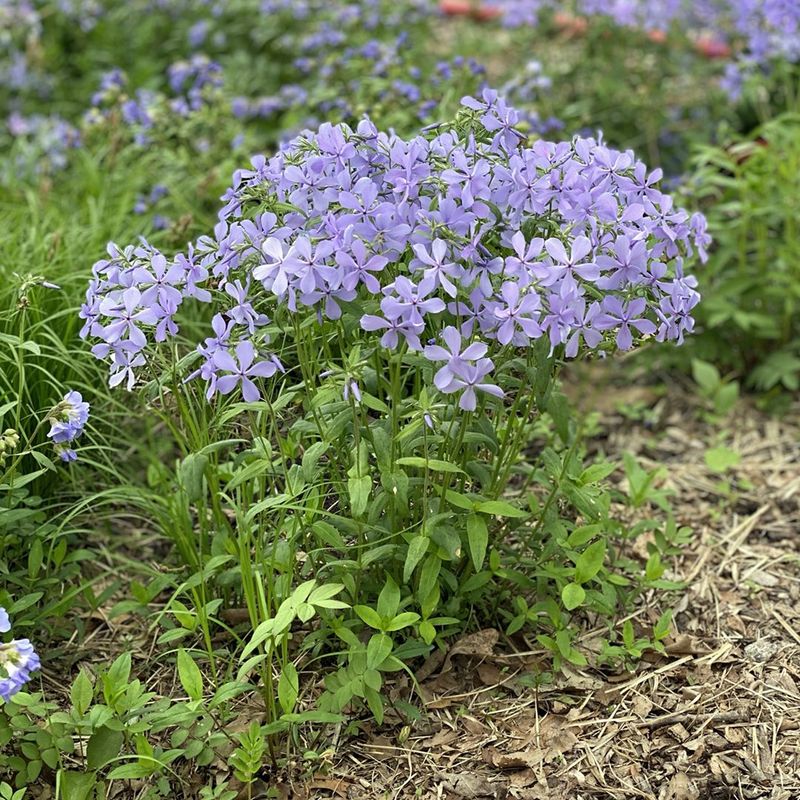
A shady Ohio bed feels less hopeless when the first spring color appears before the trees close the canopy. Woodland phlox performs best in part shade or open shade, where filtered light reaches the ground for at least a few hours each day.
Woodland edges, north-facing borders, and spots under high-branched trees tend to give this plant exactly what it needs.
Deep, dark shade can reduce flowering noticeably. If a spot barely gets any light at all, expect fewer blooms and weaker stems.
The plant may still survive, but it will not put on much of a show.
Spots where morning sun filters through and afternoon shade takes over tend to work well. Canopy gaps, open woodland paths, and shaded beds near structures with reflected light are also solid choices.
Avoid planting it in spots that are shaded all day by dense, low evergreens or solid structures with no light bounce at all.
The key is finding places where shade feels open rather than closed. Soft, shifting light from a moving canopy is exactly the kind of environment where this plant thrives naturally across woodland regions of this state.
2. Count On Spring Blooms Before Trees Fully Leaf Out
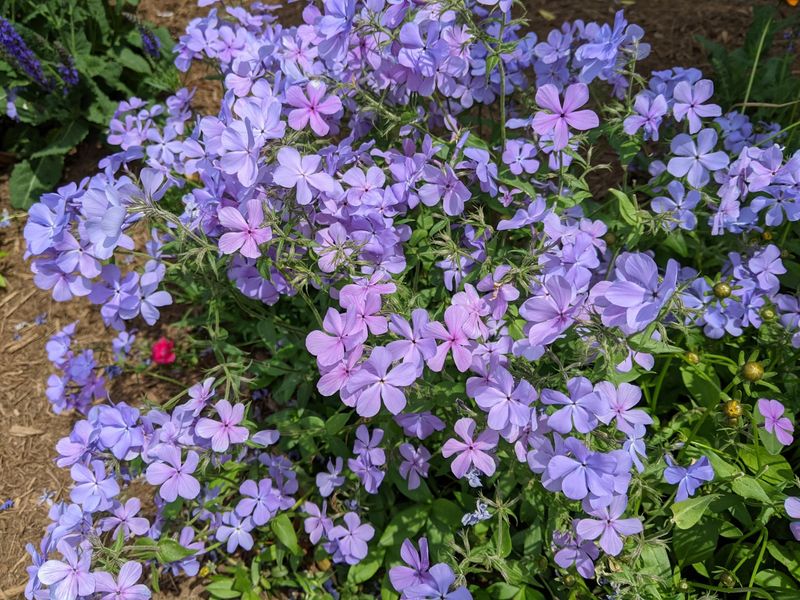
Spring in an Ohio woodland garden has a particular rhythm, and woodland phlox fits right into it. This plant typically blooms from mid-spring into early summer, often starting while the tree canopy is still opening up and woodland light is at its brightest.
That timing is part of what makes it so useful in shaded landscapes.
In much of this state, expect flowers to appear somewhere between April and June depending on the location and the season. Cooler springs in northern regions can push bloom time a little later.
Warmer conditions in southern regions may bring color earlier.
Once the blooms finish, the plant settles into a low mat of semi-evergreen foliage that holds through much of the growing season. Some gardeners find the foliage fades by late summer, especially in dry years.
That is normal behavior for this plant, not a sign of trouble.
Your Ohio Garden Changes Every Week. Your Plan Should Too.
Gardening in Ohio changes quickly throughout the season. Every Friday you’ll receive a simple weekly plan showing exactly what to plant, prune, fertilize, harvest, and protect so you never miss the right timing.
Do not expect woodland phlox to flower through summer. It is a spring bloomer, full stop.
Planning around that timing is the smart approach for a shaded bed. Pair it with plants that carry interest later in the season so the bed stays engaging from spring through fall.
3. Use Blue Lavender Flowers To Brighten Woodland Beds
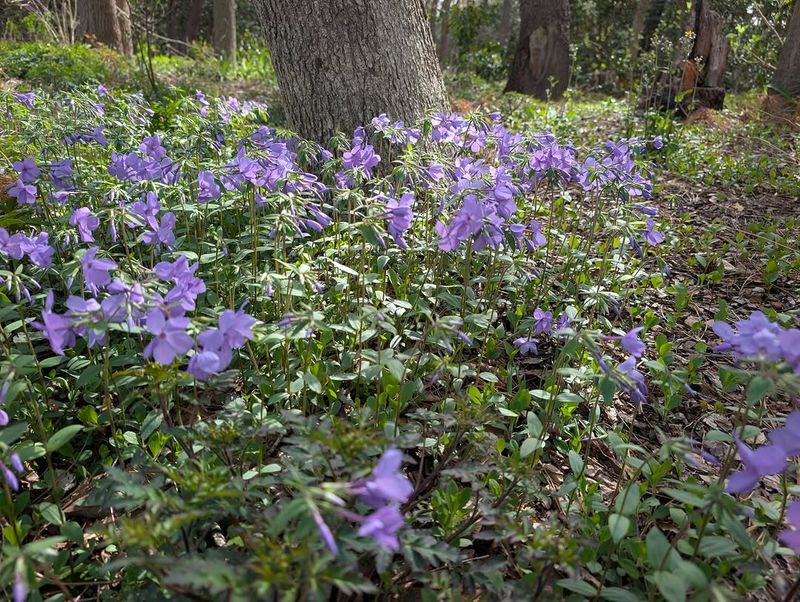
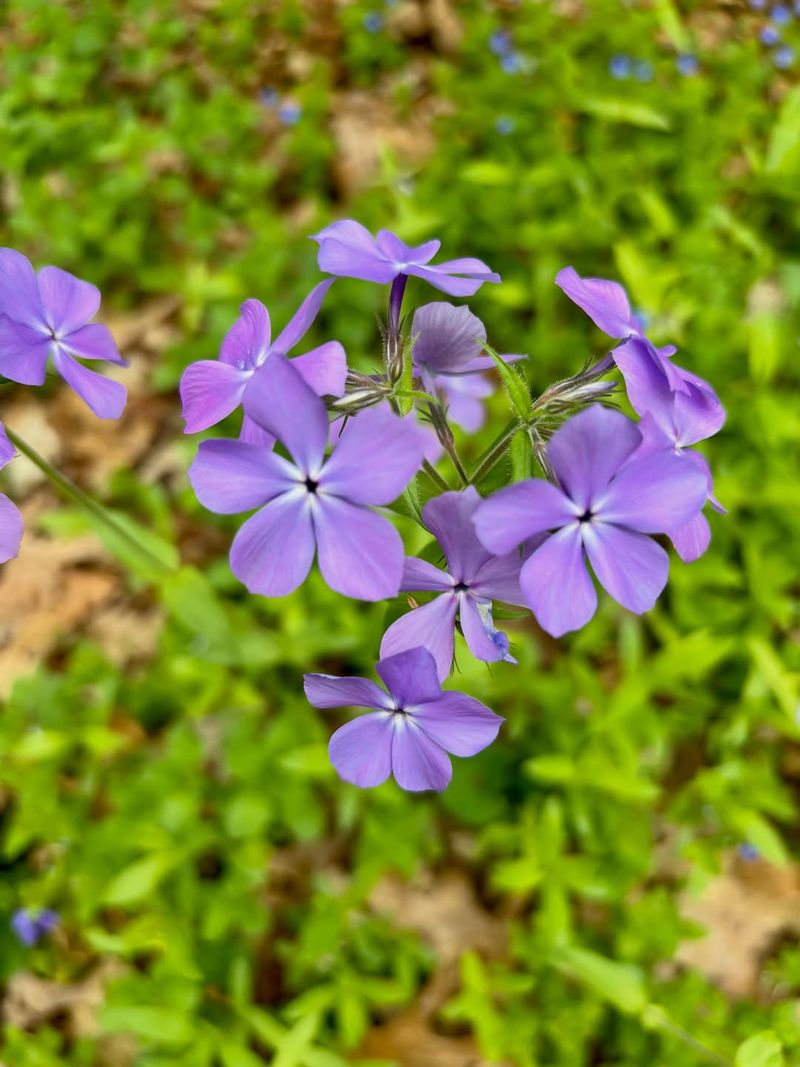
Few native plants bring true blue or lavender tones to a shaded spring bed the way woodland phlox does.
The flowers open in loose clusters and carry colors that range from pale sky blue to soft violet and light lavender, depending on the individual plant or cultivar.
That range of cool color is genuinely rare among shade-tolerant natives.
Some named cultivars offer more specific color. ‘Blue Moon’ tends toward deeper violet. ‘London Grove Blue’ leans toward clear mid-blue. ‘Clouds of Perfume’ is known for very pale, almost white-blue blooms with a noticeable fragrance.
Choosing a cultivar with a known color can help if you are designing around a specific palette.
The soft tones read beautifully against the fresh green of emerging fern fronds or the darker leaves of wild ginger. In low spring light, those cool colors almost seem to glow.
Even a modest planting can shift the mood of a shaded bed from flat and green to something with real visual depth.
Fragrance is another bonus. On warm spring mornings, woodland phlox releases a sweet, light scent that carries gently through a shaded garden.
That sensory detail tends to catch visitors off guard in the best possible way.
4. Give Woodland Phlox Moist Soil, Not Bone Dry Shade
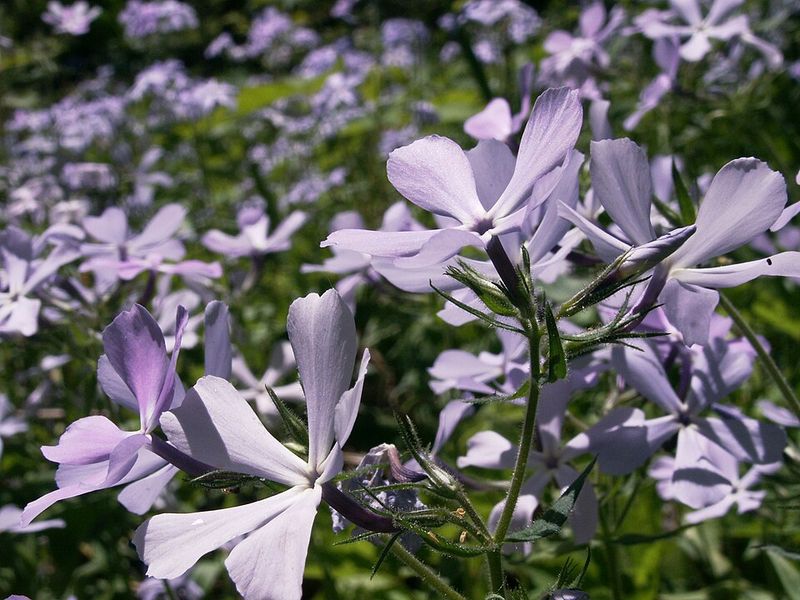
One of the most common mistakes with this plant is placing it in dry shade under thirsty trees and expecting a full flower display. Woodland phlox prefers reasonably moist, well-drained soil with a good amount of organic matter worked in.
It naturally grows in forest floors where fallen leaves break down into rich, moisture-retaining humus over many years.
Dry, compacted soil under shallow-rooted trees like maples can be a real challenge. In those spots, the tree roots tend to pull moisture away faster than rain can replace it.
Woodland phlox will struggle there without some help.
Adding a layer of shredded leaf mulch or compost around plantings can improve moisture retention significantly. Keep mulch an inch or two away from the crown of the plant to avoid rot.
Watering during dry spells in the first season helps plants establish strong root systems before they have to compete.
Once established in reasonably good soil, woodland phlox becomes more resilient. It will not need constant attention in a well-prepared bed.
But skipping the soil prep step and placing it in tough, dry spots tends to produce disappointing results. Good soil is the foundation this plant genuinely needs to perform.
5. Let It Spread Gently Along Shady Garden Edges
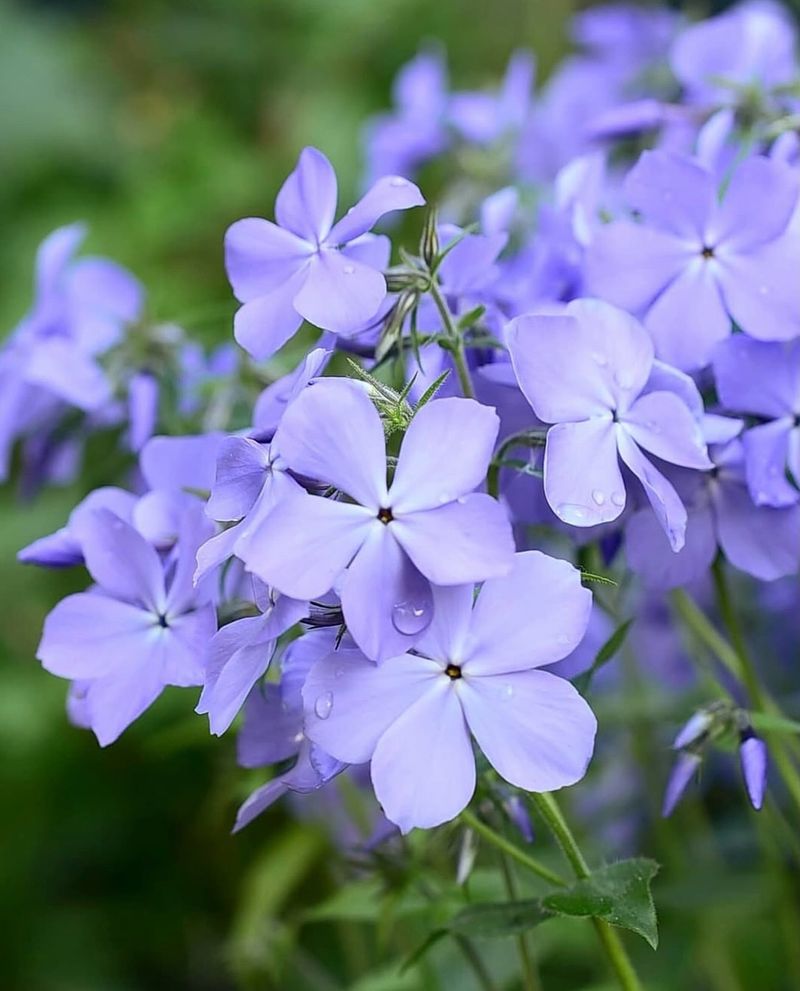
Along a shaded path or woodland border, a plant that fills in gradually without taking over can be a genuine asset. Woodland phlox spreads slowly by rooting stems and by gentle clump expansion over time.
It is not aggressive, and it will not crowd out neighbors the way some spreading groundcovers can.
In the right conditions, a single plant can form a soft mat of foliage that spreads outward over several seasons.
That gradual spread makes it useful for filling gaps along shaded edges, naturalizing under trees, or softening the transition between lawn and woodland plantings.
It tends to stay lower and more compact in shadier spots. In slightly brighter open shade, stems may reach a bit taller and spread a little more freely.
Either way, the growth habit stays manageable for most home landscapes.
If a patch spreads beyond where you want it, stems are easy to remove or redirect. The plant responds well to being thinned out every few years, which also helps air circulation and keeps foliage looking fresh.
Shaded edges along naturalistic beds and informal woodland gardens tend to suit its relaxed spreading habit far better than tightly edged formal borders.
6. Pair It With Ferns, Sedges, And Spring Ephemerals
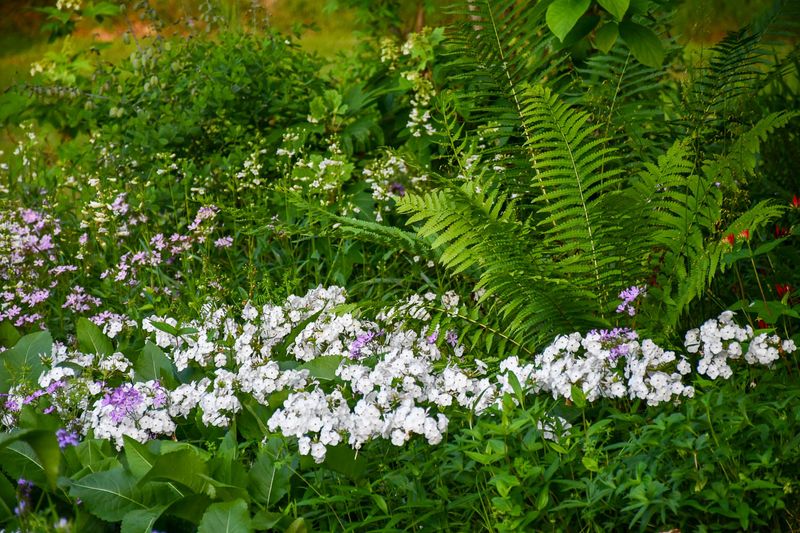
Spring ephemerals vanish by early summer, ferns unfurl slowly, and sedges hold steady all season.
Woodland phlox connects those layers in a shaded bed by blooming right in the middle of the spring window, when the garden is waking up and every bit of color matters.
Virginia bluebells make a natural pairing. Both bloom in spring, both prefer moist woodland soil, and their blue and lavender tones complement each other without competing.
As the bluebells fade and go dormant, the phlox foliage helps fill the gap they leave behind.
Native ferns like cinnamon fern or Christmas fern work well as backdrop plants. Their textured fronds emerge just as phlox blooms are finishing, which creates a smooth visual handoff from flowers to foliage.
Wild ginger and foamflower are also reliable companions that share similar soil and light preferences.
Sedges, particularly native species like Pennsylvania sedge, provide low, fine-textured foliage that contrasts nicely with the broader leaves of phlox. That mix of textures keeps a shaded bed looking layered and intentional rather than flat.
Building a plant community around shared site needs, rather than just appearance, tends to produce plantings that stay healthy with less intervention over time.
7. Skip Hot Afternoon Sun That Scorches Tender Growth
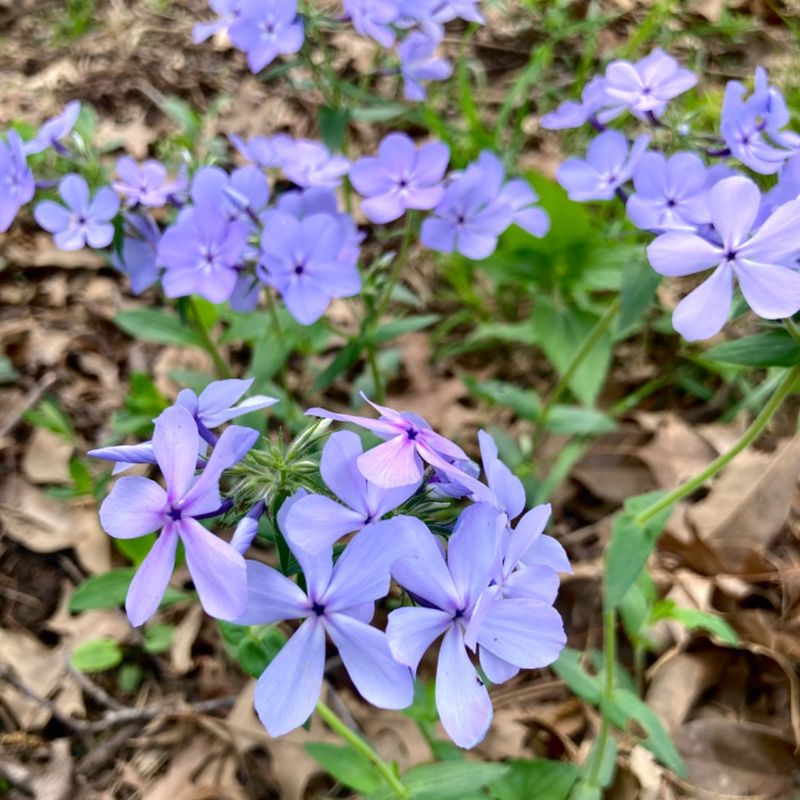
Afternoon sun in a woodland garden is not the same as afternoon sun on an open patio. Woodland phlox is built for filtered light and cool soil, not for the kind of intense heat that builds up in exposed south-facing beds or along sun-baked walls.
Placing it in full afternoon sun tends to scorch foliage and stress the plant through the warmest months.
Signs of too much sun exposure include bleached or yellowing leaves, crispy leaf edges, and a general decline in foliage quality by midsummer. In those conditions, the plant puts energy into surviving the heat rather than storing resources for next spring’s bloom.
Reflected heat from light-colored walls, paved surfaces, or stone pathways can create the same problem even in technically shaded spots. If a bed feels noticeably warm to the touch in the afternoon, it may be too hot for this plant to perform comfortably.
Morning sun followed by afternoon shade is a much better arrangement. East-facing beds and spots under canopy that blocks the western sun work well.
Shaded borders along structures that face north or northeast also tend to give woodland phlox the cooler, softer conditions it prefers. Getting the exposure right from the start saves a lot of trouble later in the season.
8. Choose Woodland Phlox When Hostas Feel Too Predictable
Hostas do their job well. They hold foliage reliably through the season, handle a range of shade conditions, and come in an enormous variety of sizes and leaf patterns.
But they do not flower in any meaningful way for most Ohio gardeners, and they do not offer much for pollinators visiting a spring garden.
Woodland phlox fills a different role in a shaded bed. It brings actual flowers in spring.
Those flowers attract early pollinators, including butterflies and long-tongued bees looking for nectar when little else is blooming in shaded landscapes. That ecological function is something foliage plants simply cannot provide.
The texture of woodland phlox is also different from hostas. Stems are slender and the foliage is fine and somewhat delicate, which gives a shaded bed a lighter, more naturalistic feel.
Mixed with bolder foliage plants, it keeps things from looking too uniform or heavy.
Using woodland phlox alongside hostas, rather than instead of them, tends to produce the most satisfying results.
The phlox carries the spring bloom, the hostas take over with structure and foliage through summer, and the bed stays interesting across a longer stretch of the season.
That kind of seasonal layering is what makes shaded native plantings genuinely rewarding to tend.