The 9 Ohio Perennials You Should Never Cut Back In Fall (Birds Need The Seed Heads)
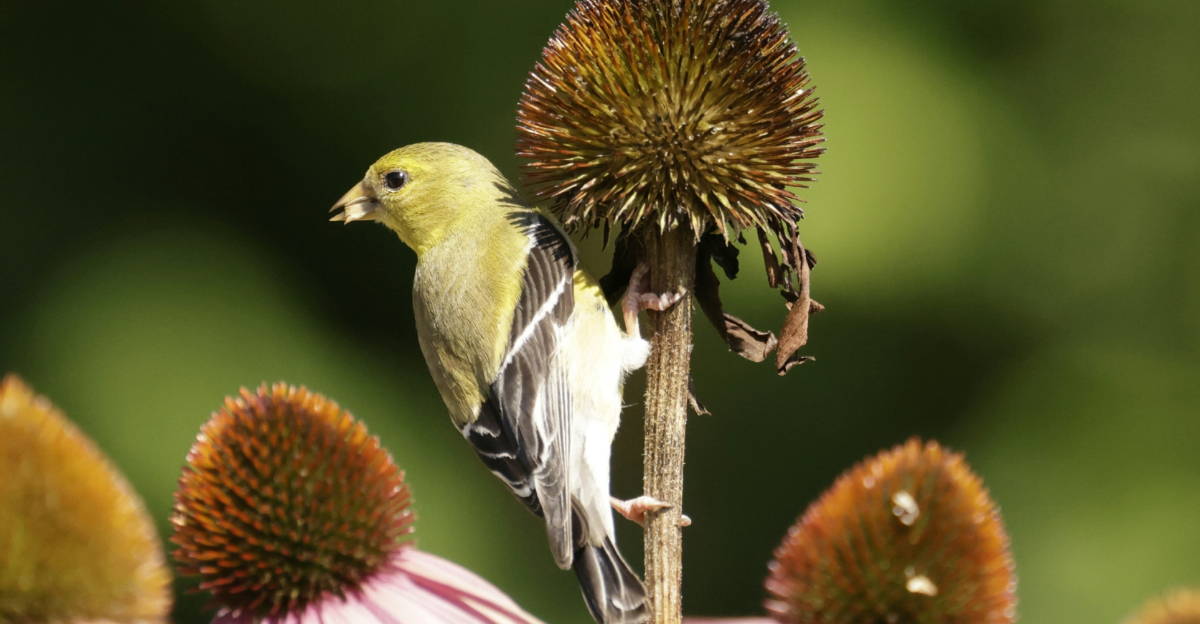
Your fall cleanup list might rob birds of the exact meal that carries them through the harshest months of winter. Every October, gardeners across Ohio grab their shears and chop perennials down to bare stubble.
It feels tidy. It feels responsible.
But those seed heads you just tossed in the compost bin were a lifeline for chickadees, goldfinches, and sparrows scrambling for food when snow buries everything else. Nature built a system long before rakes and pruners existed.
Spent flower heads hold seeds. Seeds hold fat and protein.
Birds hold on through brutal cold because that food stays put, right in your flower bed, untouched by frost. Cut too early and you erase a pantry birds depend on for survival.
Leave the right plants standing and your yard turns into a quiet feeding station straight through winter. Nine specific perennials matter most.
Skip the shears on these, and watch your garden come alive in ways a trimmed one never could.
1. Purple Coneflowers Turn Into Goldfinch Feeders
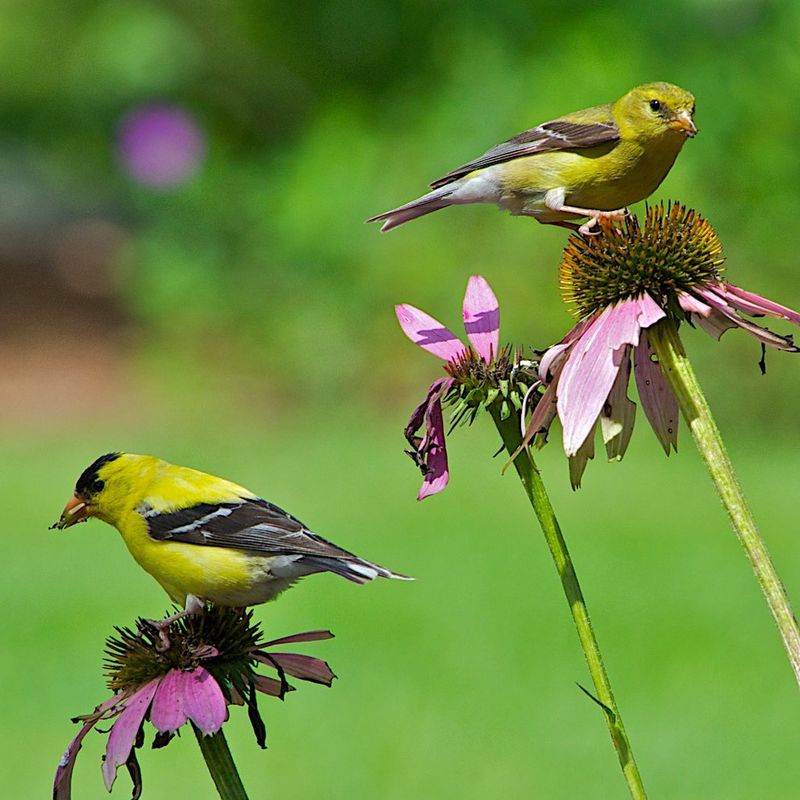
A small bird gripping the side of a dark, spiky cone is one of the more satisfying sights a garden can offer in late season. That cone belongs to Echinacea purpurea, the purple coneflower.
It is a true perennial native to much of the central and eastern United States, including the state of Ohio. Once the familiar purple petals fall away, the central cone matures and hardens into a dense, seed-filled structure that can persist well into winter.
American goldfinches are well documented visitors to coneflower cones. They cling to the heads and extract seeds directly from the spiny surface.
Cornell Lab of Ornithology recognizes goldfinches as seed eaters that use coneflower heads. Leaving those cones standing through colder months keeps that food available longer.
Echinacea purpurea can self-seed under the right conditions. Gardeners who want to limit volunteers can remove some cones before the seeds fully disperse.
That is a reasonable tradeoff. The goal here is the final crop of the season, not every spent flower from summer.
Leaving even a few mature cones standing can extend the plant’s value well past its last bloom.
2. Black Eyed Susans Keep Giving After The Petals Fade
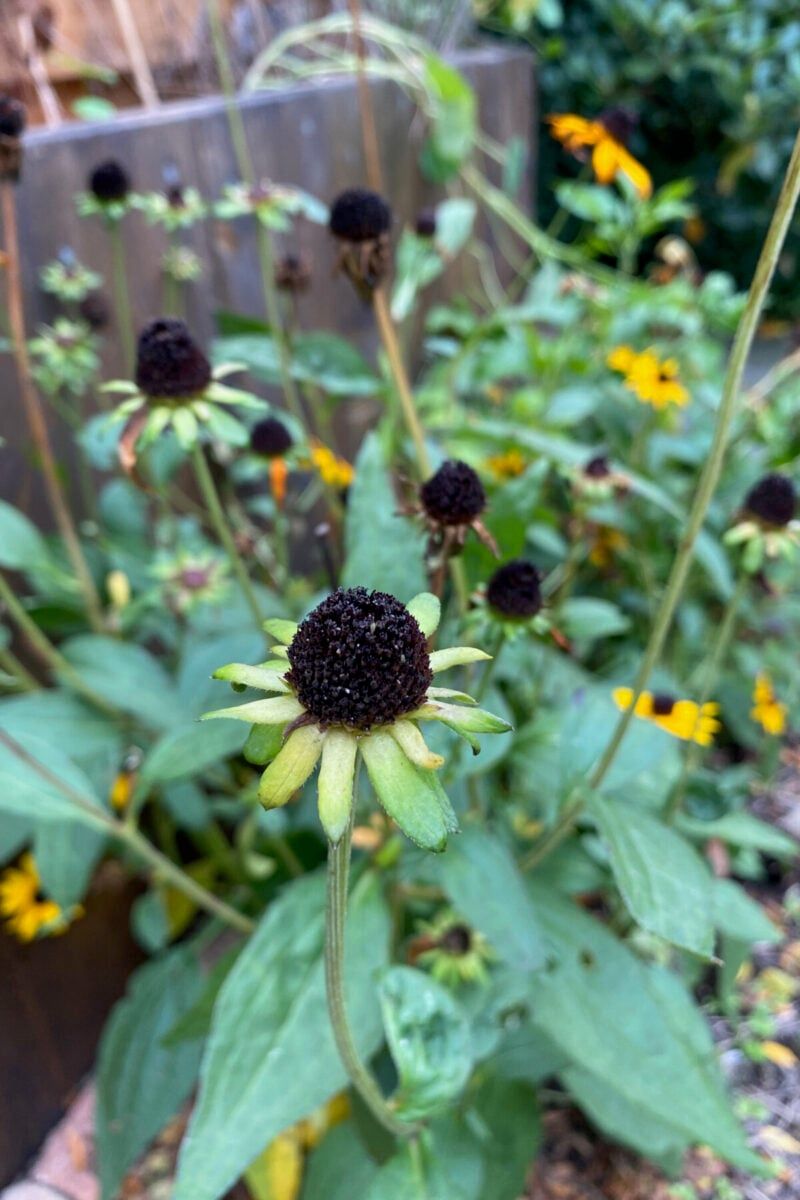
Long after the yellow ray flowers drop, the dark central disks of Rudbeckia fulgida remain standing on stiff stems.
This species, commonly called orange coneflower or perennial black-eyed Susan, is a reliably perennial Rudbeckia that suits garden beds across the region.
Unlike Rudbeckia hirta, which can behave as a short-lived annual or biennial, R. fulgida returns dependably each year from established roots.
Penn State Extension recommends leaving mature Rudbeckia seed heads standing to provide food for birds during the colder months. The dried disks hold small seeds that seed-eating birds can access from the standing heads.
Weather and active feeding can empty some heads earlier than expected, so not every stem will remain full through late winter. That natural variation is normal.
From a garden management standpoint, the dark stems and rounded heads add quiet structure to a winter border.
Your Ohio Garden Changes Every Week. Your Plan Should Too.
Gardening in Ohio changes quickly throughout the season. Every Friday you’ll receive a simple weekly plan showing exactly what to plant, prune, fertilize, harvest, and protect so you never miss the right timing.
More practically, a gardener who trimmed during summer to encourage additional bloom can still allow the final flush of flowers to mature fully into seed.
Those are two separate decisions. Removing spent midsummer flowers is not the same as cutting the whole plant back before winter food has been used by local songbirds.
3. New England Asters Still Matter After The Purple Is Gone
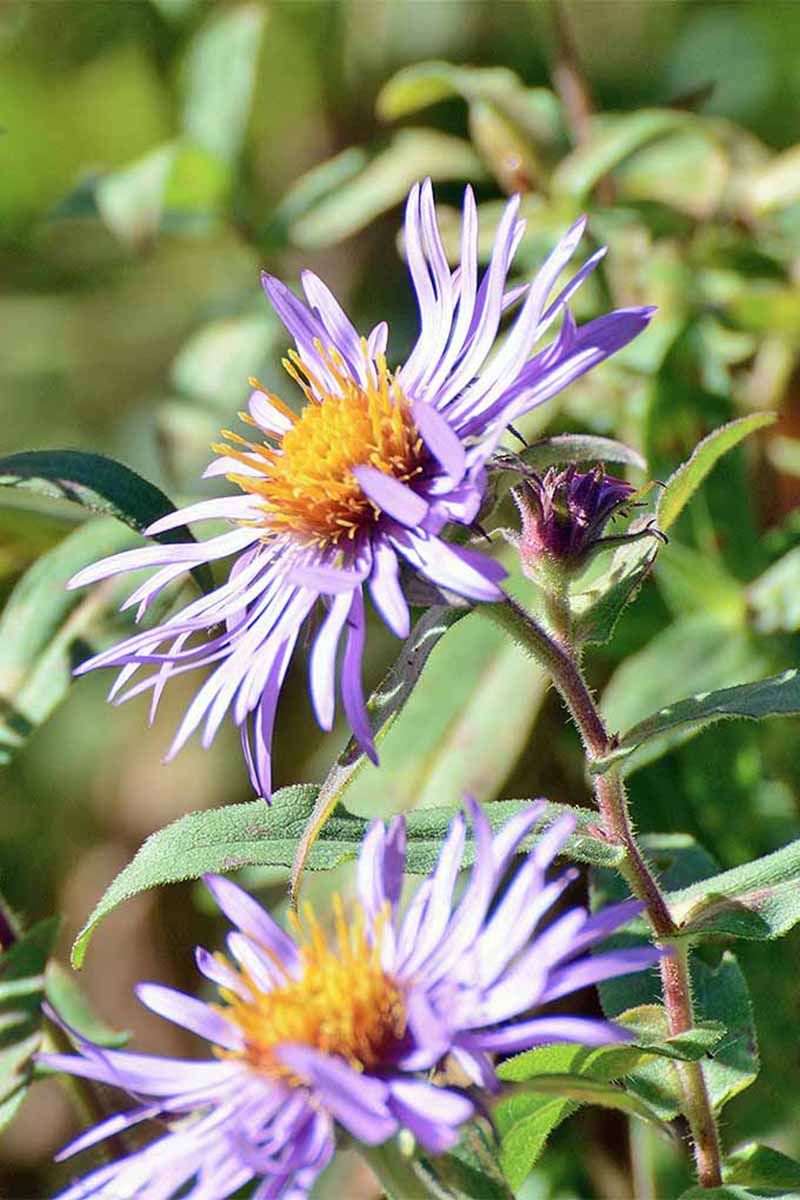
Most people notice New England aster, Symphyotrichum novae-angliae, when it blooms in late summer and early autumn. The rich purple flowers stand out clearly as most other perennials wind down.
What happens next gets less attention. After the flowers finish, the heads develop into small seed structures topped with fluffy white pappus that catches the wind and carries seed away from the parent plant.
Penn State Extension includes asters among perennials whose mature seed heads are worth leaving for birds. Seed-eating birds may feed on the small seeds before they disperse.
The late bloom also supports pollinators at a time when other nectar sources are scarce, though that benefit ends once flowering is complete. The seed stage is what matters for birds.
Symphyotrichum novae-angliae is native to Ohio and widely adapted to garden conditions across the state. Not all aster species produce identical seed heads, so this guidance applies specifically to this species rather than the broader genus.
If powdery mildew has heavily affected the foliage, remove diseased leaves while leaving the seed-bearing tops. Healthy mature seed heads can remain until late winter.
4. Goldenrod Keeps A Late Season Seed Supply Standing
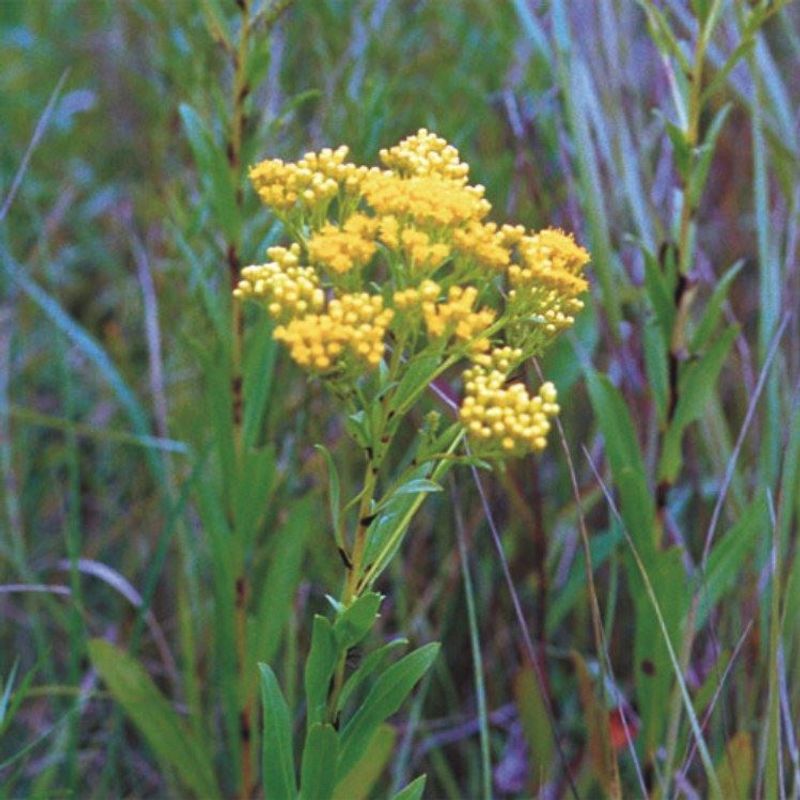
When goldenrod plumes fade from bright yellow to a soft tan, many gardeners assume the plant has finished contributing for the year. That shift in color actually signals the beginning of a different kind of usefulness.
The dried flower clusters hold small seeds that can remain available to birds through much of the colder season.
Penn State Extension lists goldenrod among plants whose seeds provide winter food for birds. Several native Solidago species grow well across the region.
Canada goldenrod, Solidago canadensis, and showy goldenrod, Solidago speciosa, are both native options with good garden records. Canada goldenrod spreads readily by rhizome and may not suit small, confined beds without management.
Showy goldenrod tends to be better behaved in tighter spaces. Choosing the right species for the site matters before planting.
One persistent misconception is that goldenrod causes seasonal allergies. Its heavy, sticky pollen is carried by insects rather than wind, so it rarely reaches airways in quantities that trigger reactions.
Wind-pollinated ragweed, which blooms at the same time, is the more likely culprit. That clarification has no bearing on seed production, but it comes up often enough to deserve a brief mention.
The seed heads themselves are the focus here, and they hold real value for local songbirds through autumn.
5. Blazing Star Stalks Are Worth Saving Until Spring
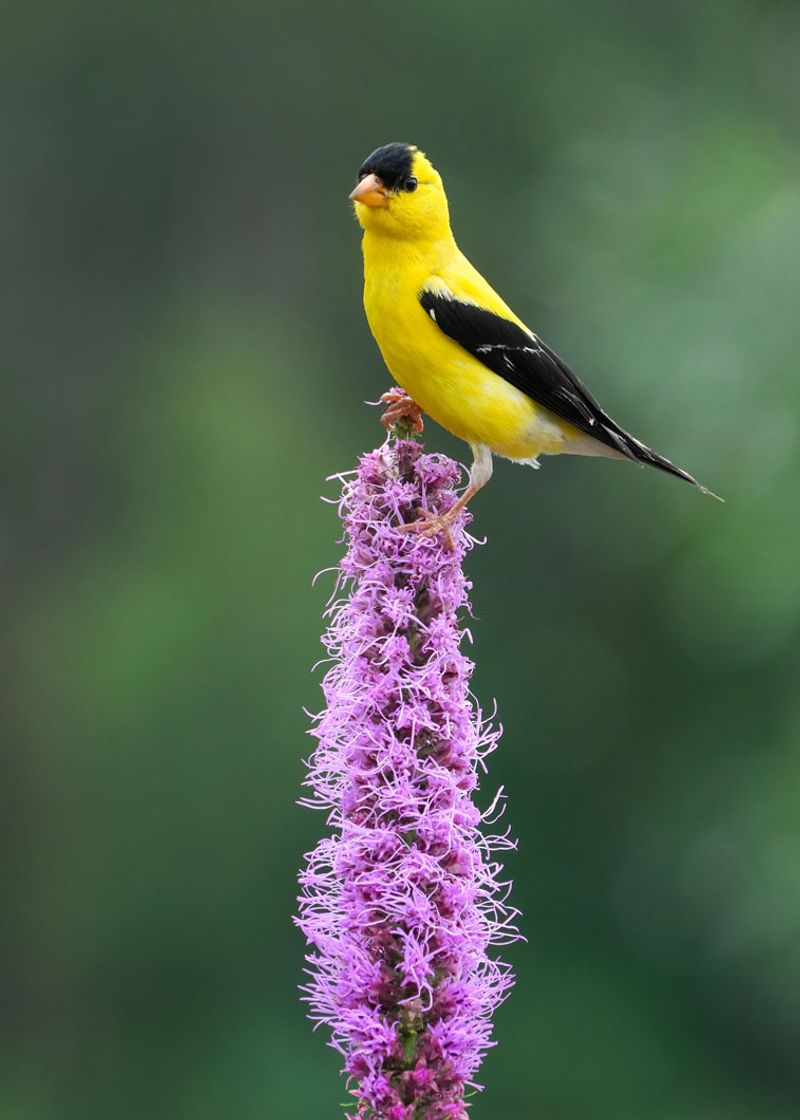
A rigid upright spike holding seed well above the surrounding bed is one of the more distinctive winter silhouettes a perennial garden can offer.
Dense blazing star, Liatris spicata, produces exactly that structure after its purple flowering spike finishes for the season.
The plant is native to much of the eastern and central United States, and it grows reliably in many parts of Ohio across a range of soil types.
Penn State Extension states that Liatris seed heads can be an important food source for songbirds in late autumn and into winter. The small seeds cling to the dried stalks and remain accessible to birds that forage along upright stems.
Snow and wind may bend some stalks over time, but even a leaning stem can still hold seed within reach of birds working the ground or low vegetation nearby.
Delaying cleanup until late winter or early spring preserves both the seed supply and the structural interest the stems provide. There is no single calendar date that applies across the whole region, since weather patterns vary considerably from year to year.
Liatris spicata should not be confused with other blazing star species that may prefer drier soils or behave differently after bloom. Keeping the guidance species-specific avoids mismatched expectations in the garden.
6. Joe Pye Weed Keeps Wildlife Interested All Winter
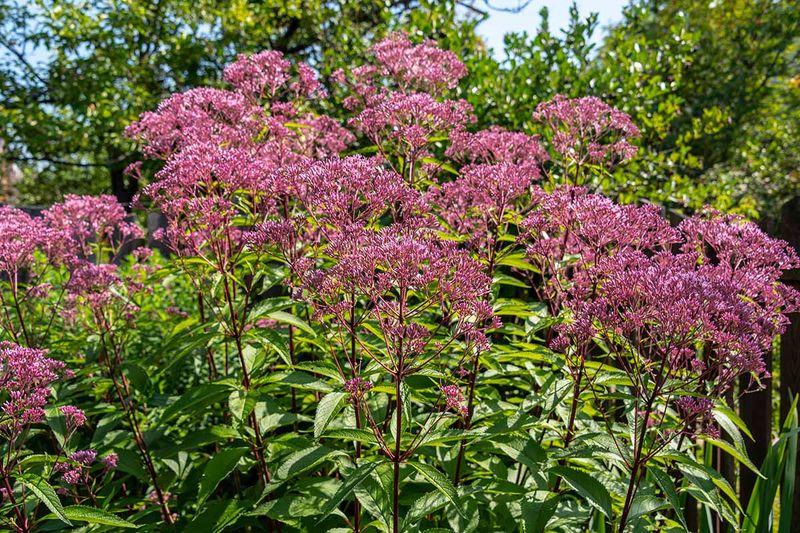
Tall domed clusters of Eutrochium maculatum, spotted Joe Pye weed, shift from dusty pink to tan and brown as the season advances. The flower heads that attracted butterflies and bees through late summer slowly mature into dense seed clusters.
Those clusters can persist on stiff, upright stems through much of the colder months. This is a large plant.
Mature specimens can reach six to eight feet tall, so it fits best in a back border or a naturalistic planting with adequate space.
Penn State Extension supports leaving Joe Pye weed tops standing into winter, noting that the seeds can provide food for wildlife. The dried clusters can hold seed for an extended period, though active bird feeding and wind will gradually reduce what remains.
Standing stems may also shelter some overwintering insects, but seed availability for birds is the primary reason to leave this plant standing.
Eutrochium maculatum is native to much of the northeastern and north-central United States and suits moist to average soils well. Not every Joe Pye weed species shares identical habitat preferences, so verifying the species before planting in a specific site is worthwhile.
A homeowner who wants wildlife value but not a full thicket of tall stems can leave a few plants standing while managing others selectively as needed.
7. Ironweed Seed Heads Earn Their Place In The Winter Garden
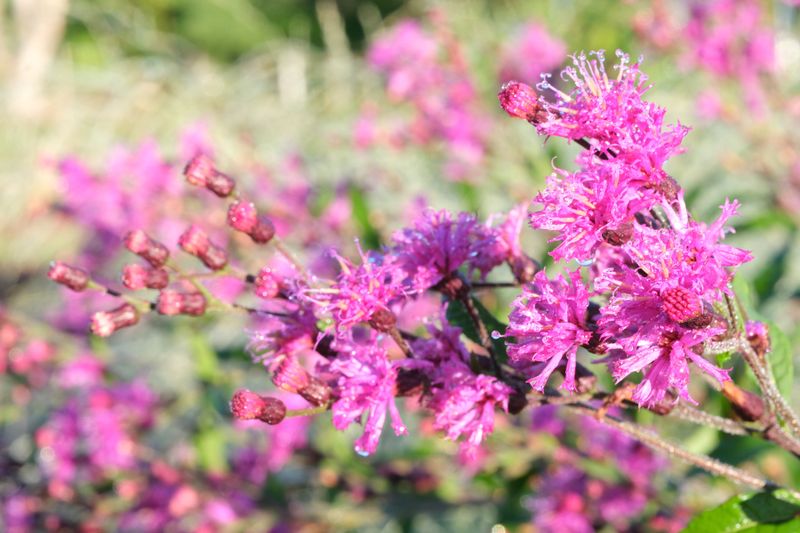
Few native perennials hold their structure as firmly through the cold months as tall ironweed, Vernonia gigantea. The stems are stiff and upright, and the seed heads that follow the deep purple late-summer flowers can persist well into winter.
Penn State Extension includes ironweed among plants that provide seed food for birds during the colder season. The standing heads remain accessible to birds that forage along tall stems.
Vernonia gigantea is native to much of the eastern United States and grows in many parts of Ohio in moist to average soils. The plant can self-seed with some enthusiasm, which is worth knowing before it is established in a small or enclosed bed.
A gardener who finds unwanted seedlings spreading into adjacent areas may reasonably choose to remove some seed heads before seeds fully mature and disperse.
That selective approach still leaves other heads standing for birds and preserves the stem structure through winter.
The headline phrase never cut back is not meant as an absolute rule here. Managing ironweed spread is a legitimate reason to remove selected heads.
The tradeoff is straightforward: leave enough for birds, manage what would otherwise create a crowding problem. Empty stems can still contribute winter structure after seed has dispersed.
However, seed value remains the primary reason to leave them standing.
8. Coreopsis Leaves Small Seeds Right Where Birds Can Find Them
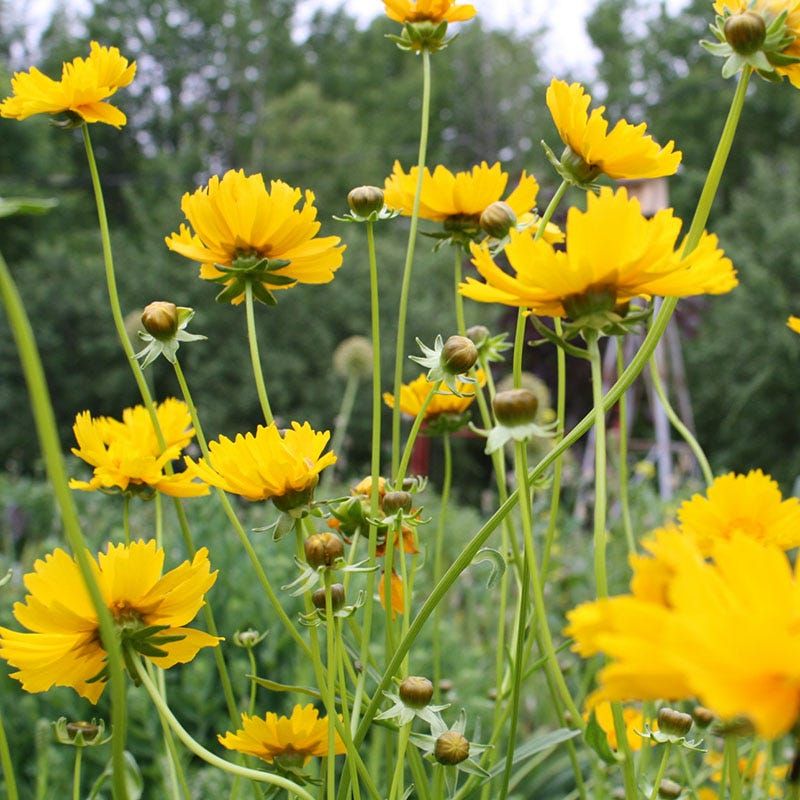
Near the front of a sunny border, lanceleaf coreopsis, Coreopsis lanceolata, produces small but persistent seed heads after its yellow flowers finish for the season.
This species is a true perennial native to much of the eastern and central United States and returns reliably from its root system each year.
Its compact size makes it easy to work into beds where larger perennials would overwhelm the space.
Penn State Extension identifies Coreopsis as a useful seed food source for birds. The small seeds in the dried heads are accessible to seed-eating birds that forage low in a border or along the ground beneath standing stems.
Seed quantity per head is modest compared with a coneflower cone. However, a patch of lanceleaf coreopsis can collectively provide a meaningful amount of seed over the season.
Earlier in the growing season, trimming some spent Coreopsis flowers can encourage additional bloom on established plants. Allowing the final flowers of the season to mature fully into seed is a separate decision.
A gardener does not have to choose one strategy for the entire summer.
9. Mountain Mint Has More To Offer After Flowering Ends
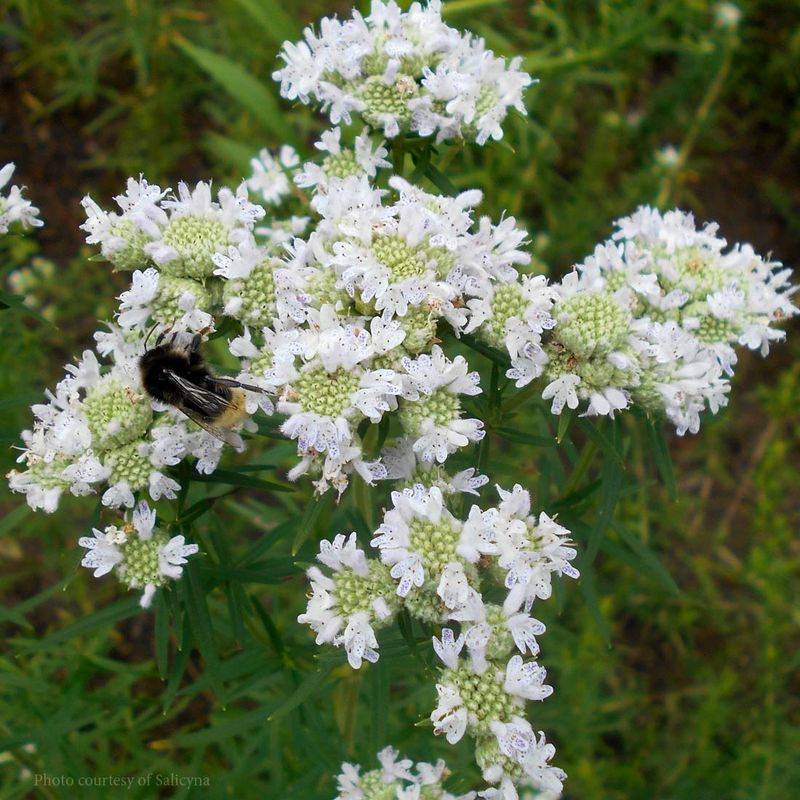
Dry clusters of Pycnanthemum virginianum, Virginia mountain mint, take on a pale gray tone as the season winds down. The plant’s flowering period draws heavy insect attention through summer, but that activity slows as temperatures drop.
What remains afterward are small, compact seed heads on upright stems that can hold seed into the colder months.
Penn State Extension recommends allowing mountain mint seed heads to remain as a food source for birds.
Virginia mountain mint is native to much of the eastern United States, including many parts of Ohio, and it grows in average to moist garden soils with good sun exposure.
The plant can spread by rhizome over time, so gardeners working with limited space may want to manage its footprint periodically. That spread does not require removing the seed heads before birds have had a chance to use them.
The stems also contribute a degree of winter structure at a modest scale compared to taller perennials like Joe Pye weed or ironweed. A faded perennial does not have to look dramatic to be ecologically useful.
Virginia mountain mint after flowering is a good example of a plant that continues performing quiet work long after its most visible season has ended.
Leaving selected patches standing through late winter keeps that contribution available without requiring any major change to how a garden is managed overall.