The Ohio Tree That Squirrels Are About To Start Planting All Over Your Yard
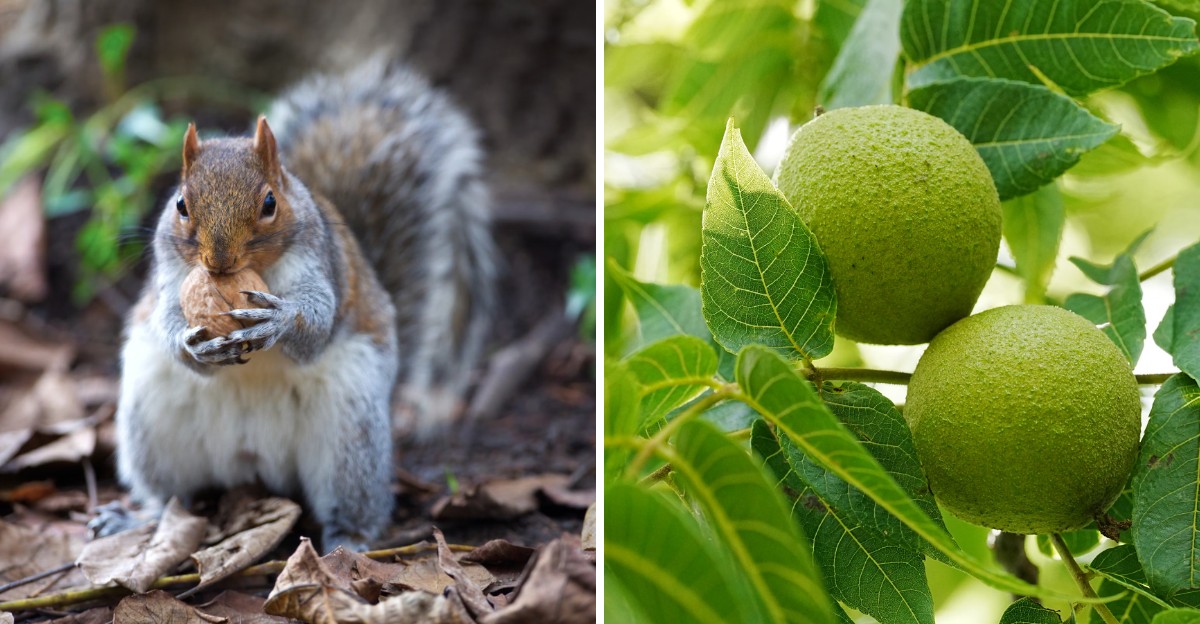
Squirrels are about to turn your Ohio lawn into a giant planting project, and you never hired them.
Watch one for a few minutes this month and the routine becomes clear. It grabs something from a tree, sprints across the grass, digs a hole, drops it in, and pats the soil down like a pro.
Dozens of trips a day. Hundreds of little deposits, scattered across your property without a single plan.
Most of them get eaten. A few don’t.
Come spring, odd seedlings pop up in flower beds, along fences, and in the middle of the vegetable garden, and nobody remembers planting a thing.
That tree has a long history with Ohio squirrels, and its habits make the whole show possible.
Know what’s coming before the seedlings do. A little pulling in April saves a lot of regret in five years.
1. That Tree Is Usually The Black Walnut
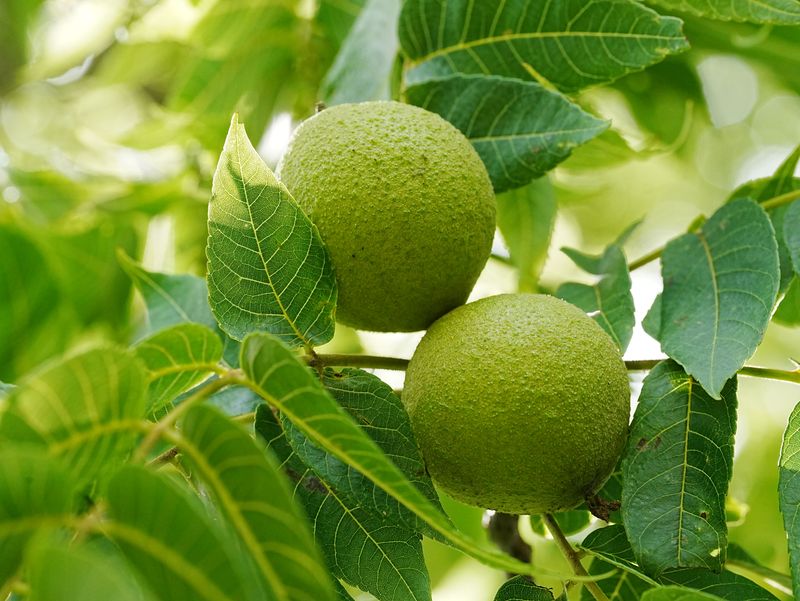
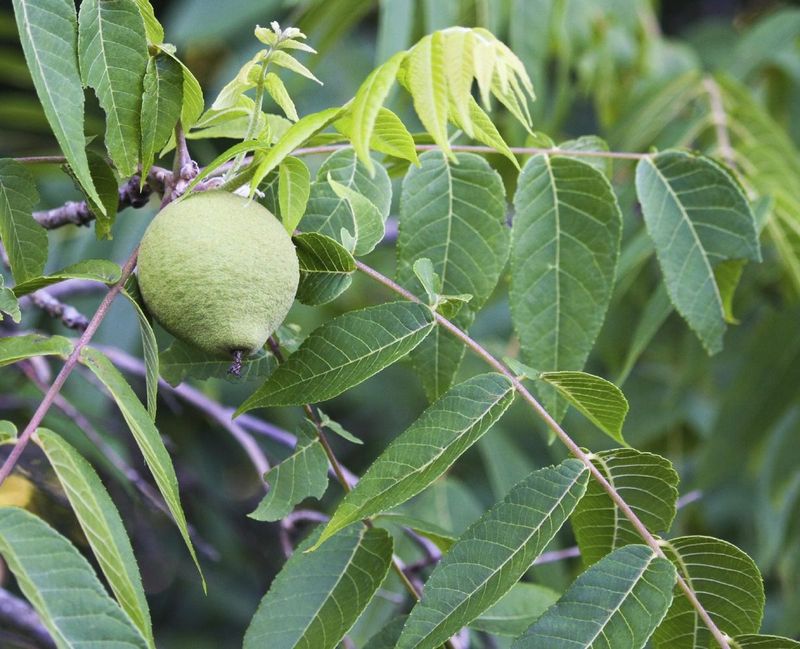
Picture a giant tree with bark full of deep grooves and branches loaded with green balls the size of tennis balls. That tree is the black walnut, and Ohio squirrels adore it.
Black walnuts grow all over the state. You can spot them in moist bottomlands, open fields, fencerows, and plenty of backyards.
Many people call it one of Ohio’s most valuable native hardwoods. Woodworkers prize its rich, dark lumber for furniture and gunstocks.
The leaves are easy to recognize once you know the trick. Each leaf is made of many small leaflets lined up along one stem, almost like a feather.
In late summer and fall, the tree drops round green nuts. The outer hull slowly turns black and mushy, and it can stain your hands brown for days.
Squirrels see those nuts as treasure. They grab them, carry them off, and bury them all around the neighborhood.
Here is the fun part, though. Many new black walnut trees in the wild started as nuts that a squirrel buried and then failed to dig back up.
So if you have one of these trees nearby, get ready. Your yard is about to become a squirrel planting zone, whether you signed up for it or not.
A quick tip helps here. Wear gloves when you pick up the nuts so your fingers stay clean.
2. Gray Squirrels Are Scatter Hoarders
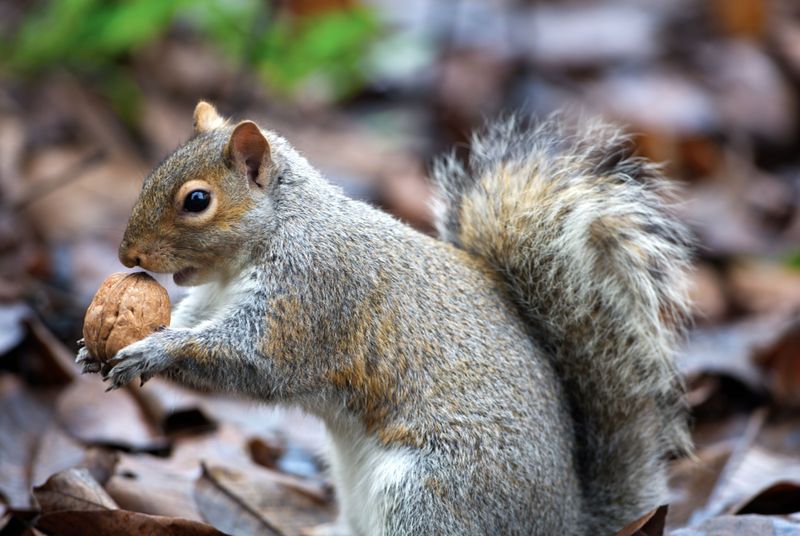
Imagine hiding your Halloween candy in fifty different spots instead of one big bowl. That is pretty much how an Eastern gray squirrel handles its food.
Scientists call this habit scatter hoarding. Instead of keeping one giant pile, a squirrel tucks single nuts into many small holes across its territory.
Why go to all that trouble? One big stash would be easy for a hungry raccoon, crow, or rival squirrel to raid in a single visit.
Spreading the food out is like buying insurance. If a thief finds one hole, the squirrel still has hundreds more waiting in the ground.
Gray squirrels are some of the most common animals in Ohio. They thrive in forests, parks, and suburbs, so your yard is probably part of somebody’s territory.
Each fall, a single squirrel can bury thousands of nuts. It digs a quick hole, pushes the nut down, and pats the soil back in place with its front paws.
They find many of these nuts later using memory and a strong sense of smell. Still, quite a few get left behind.
Those leftovers matter more than you might think. Forest experts credit scatter hoarding with helping new trees spread across the land, one forgotten snack at a time.
So the next time a squirrel digs in your grass, think of it as a tiny farmer at work.
3. Some Squirrels Even Dig Fake Holes To Fool Thieves
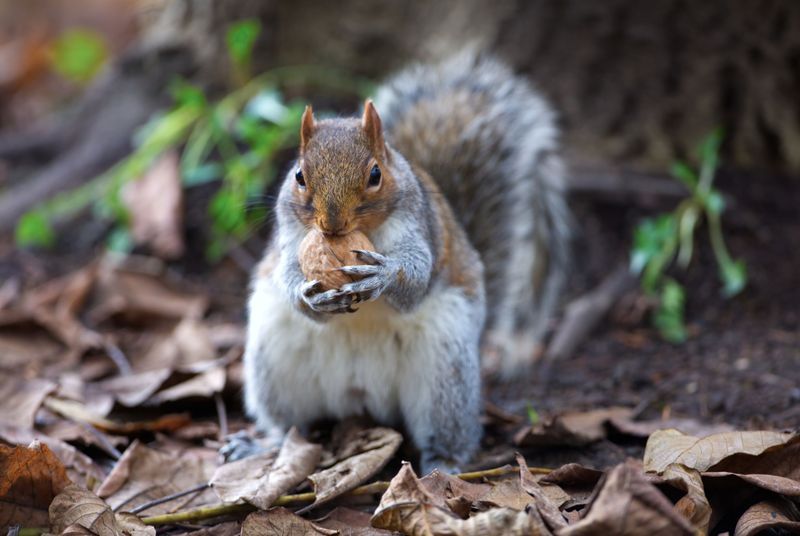
Sneaky, clever, and a little dramatic, gray squirrels are the magicians of the backyard. Some of them put on a full show just to trick their neighbors.
Researchers call this behavior deceptive caching. A squirrel digs a hole, acts like it drops in a nut, and then covers the spot carefully.
The catch is simple. Nothing actually went into the hole.
Often the nut is still tucked in the squirrel’s mouth or cheek the whole time. It goes through every motion so it looks real to anyone watching.
These fake burials happen most when other squirrels or birds are nearby. A watching thief might waste time raiding an empty hole while the real nut gets hidden somewhere else.
Studies suggest this trick works quite well. Fake holes can lower the chances that other animals find the squirrel’s true food stash.
Want to see it for yourself? Sit quietly by a window on a fall afternoon when two or more squirrels are in the yard.
Watch one squirrel dig, then check whether its cheeks still look full afterward. You might catch a tiny con artist in action.
For gardeners, this explains a lot. Some of those little pits in your lawn may hold nothing at all, just evidence of a very good bluff by a furry performer.
4. Garden Beds Are A Favorite Burying Spot
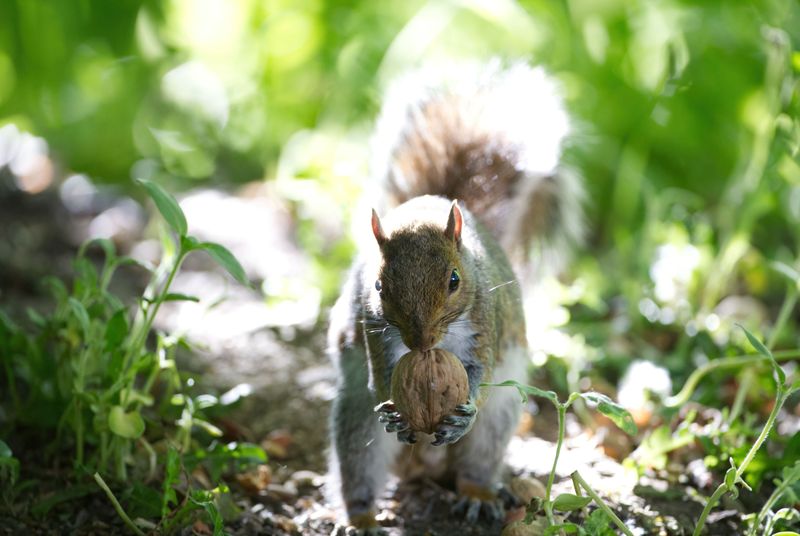
You spent all weekend fluffing the soil, and the very next morning there are holes everywhere. Sound familiar?
Squirrels love garden beds, and the reason makes sense. Loose, soft soil is far easier to dig than hard, packed lawn dirt.
Less digging means less energy spent. When a squirrel has thousands of nuts to hide, every saved scratch counts.
Fresh soil also has a strong, earthy smell. That scent may help cover up the smell of buried food so other animals have a harder time sniffing it out.
There is another temptation too. Newly planted bulbs and seeds look like free snacks, so squirrels may dig them up while they are visiting.
So what can you do? Try laying chicken wire or hardware cloth flat over beds after planting, then cover it lightly with mulch.
Squirrels can’t dig through the wire, but your plants can grow through the openings. You can also plant daffodils, which squirrels tend to leave alone.
Another easy trick is to clean up loose soil right after planting. Pat it down firmly and remove any bulb papery skins that might attract curious noses.
Check your beds often in fall. If you spot fresh digging, poke around gently, because you might find a walnut that would otherwise sprout next spring.
5. Forgotten Nuts Can Sprout Into New Trees
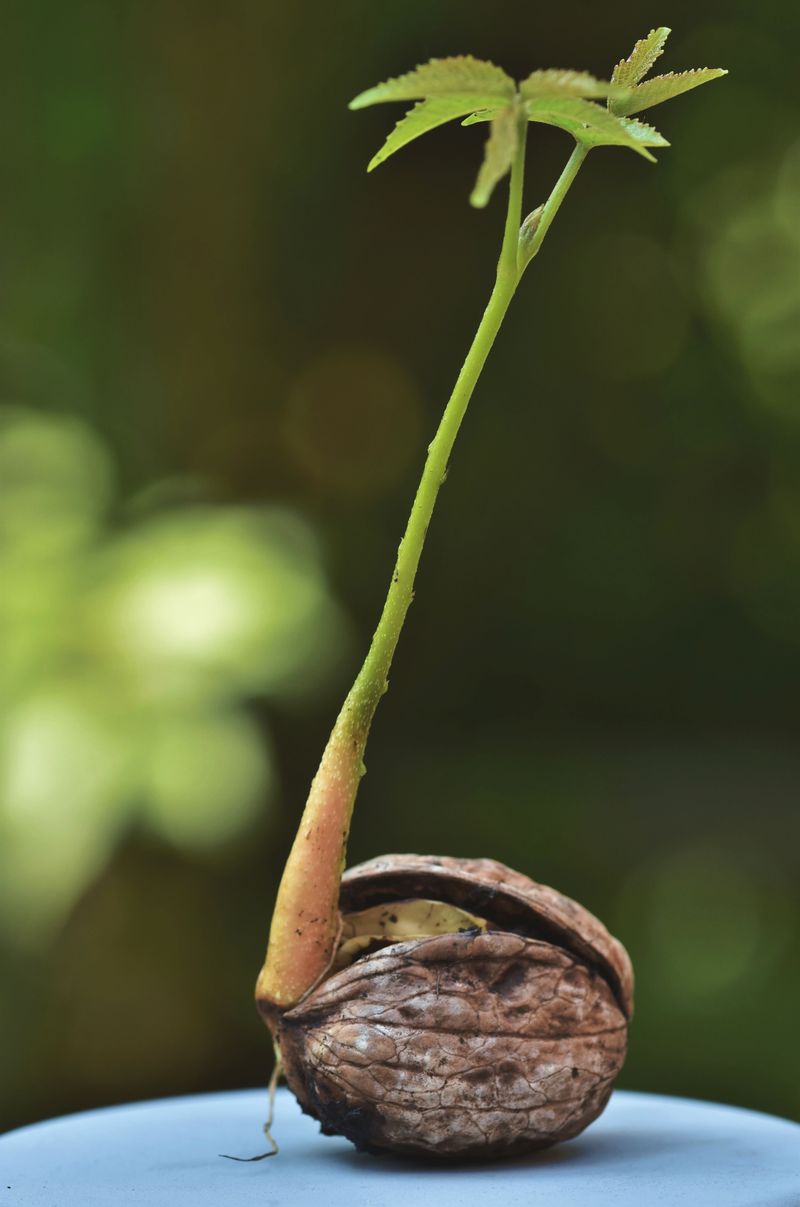
Spring has a funny way of revealing secrets. One April day, you notice a tiny sprout with feathery leaves where nothing grew before.
Chances are good a squirrel planted it last fall and simply forgot. Squirrels bury so many nuts that plenty get left behind.
Black walnut seeds need a cold, damp rest before they can grow. This period usually lasts about 90 to 120 days.
Gardeners call this rest stratification. Winter in Ohio soil gives the nuts exactly the chill and moisture they need, with no help from people at all.
Once the ground warms up, healthy nuts start to wake up. Seedlings usually push out of the soil in April or May.
Here is a fun fact. A busy squirrel might bury hundreds or even thousands of nuts in one season, so even a small leftover share can mean lots of seedlings.
Look for a short green stem with compound leaves made of many small leaflets. If you dig gently around the base, you will often find the old black nut still attached.
Not every forgotten nut sprouts. Some get eaten by other animals, and others rot or dry out first.
Still, it is a good habit to walk your yard each spring. Spotting these surprise trees early gives you the most choices about what to do next.
6. Black Walnuts Grow A Deep Taproot Fast
Two feet down in just one year. That is how fast a black walnut seedling can send its main root into the ground.
Above the soil, the little tree looks harmless. It may only stand a few inches tall with a handful of leaves.
Underground, though, a very different story is unfolding. The seedling grows a thick, strong root called a taproot that heads straight down.
In moist, rich soil, that taproot can reach about 24 to 30 inches deep in the first year. In sandy soil, it may stretch down as far as 4 feet.
Think of it like an anchor on a boat. The tree is locking itself into place so it can find water and survive dry summers later on.
During the second year, the taproot keeps growing deeper. Side roots also start spreading out, making the tree even harder to budge.
This explains why transplanting black walnuts is so tricky. Digging one up without snapping that long root is a real challenge.
Gardeners who have tried often end up with a broken root and a stressed tree. The part left in the ground can sometimes sprout again too.
So keep that hidden root in mind. A small stem above ground does not mean the job below ground will be small, so act early whenever you can.
7. Pull Volunteer Seedlings While They’re Small
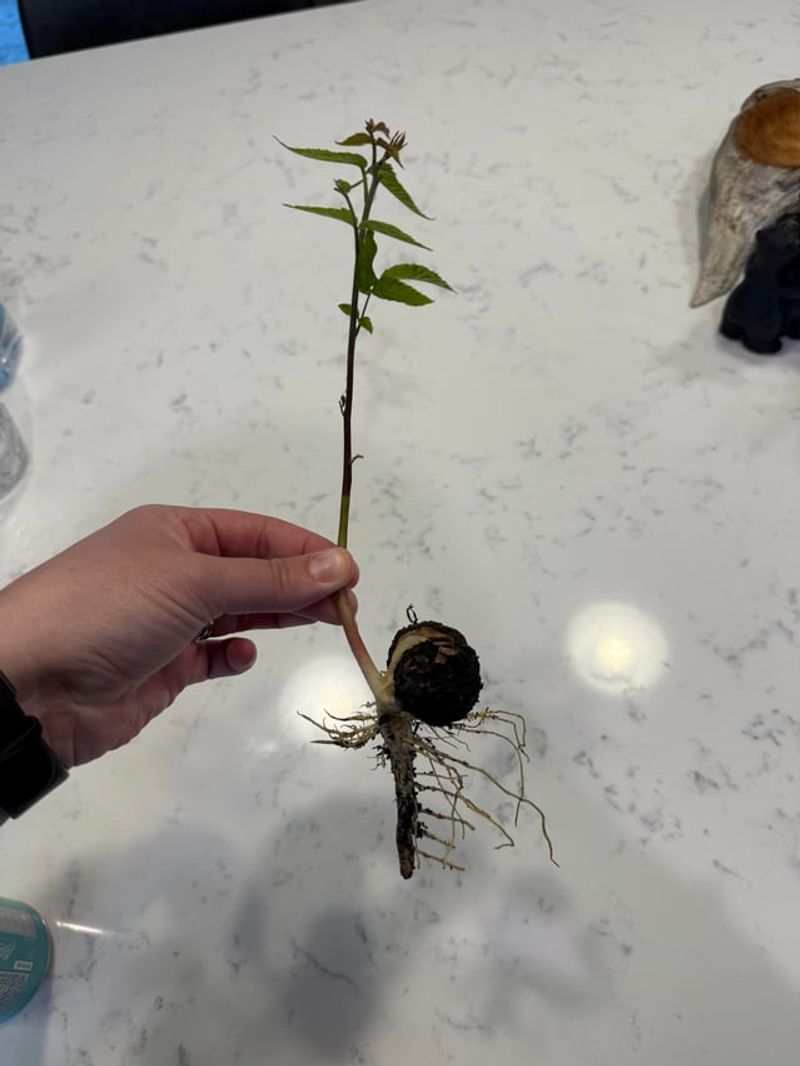
Timing is everything with surprise walnut trees. Catch them early, and the job takes seconds instead of an afternoon with a shovel.
Gardeners call these unplanned sprouts volunteers. They pop up wherever squirrels dropped a nut, from flower beds to the edge of your driveway.
The best time to remove them is in spring, right after they appear. At that stage, the taproot is still young and shorter.
Try pulling after a good rain when the soil is soft. Grab the stem low, right at the ground, and pull slowly and steadily.
A garden trowel or narrow spade can help loosen the soil first. Slide it down beside the stem and wiggle gently before you tug.
Wait a year or two, and things get much harder. The roots grow deep and wide, so moving or removing the tree becomes a big chore.
For larger saplings you want gone, many experts suggest cutting the stem at ground level. Some people then treat the fresh stump with an herbicide so it won’t sprout back, following the label carefully.
Want to keep a walnut instead? You can plant nuts right where you want trees to grow, which skips the transplanting headache.
Either way, a quick walk around the yard each week in spring makes a big difference. Small effort now saves sore muscles later.
8. Walnuts Can Still Grow Too Big For Most Yards
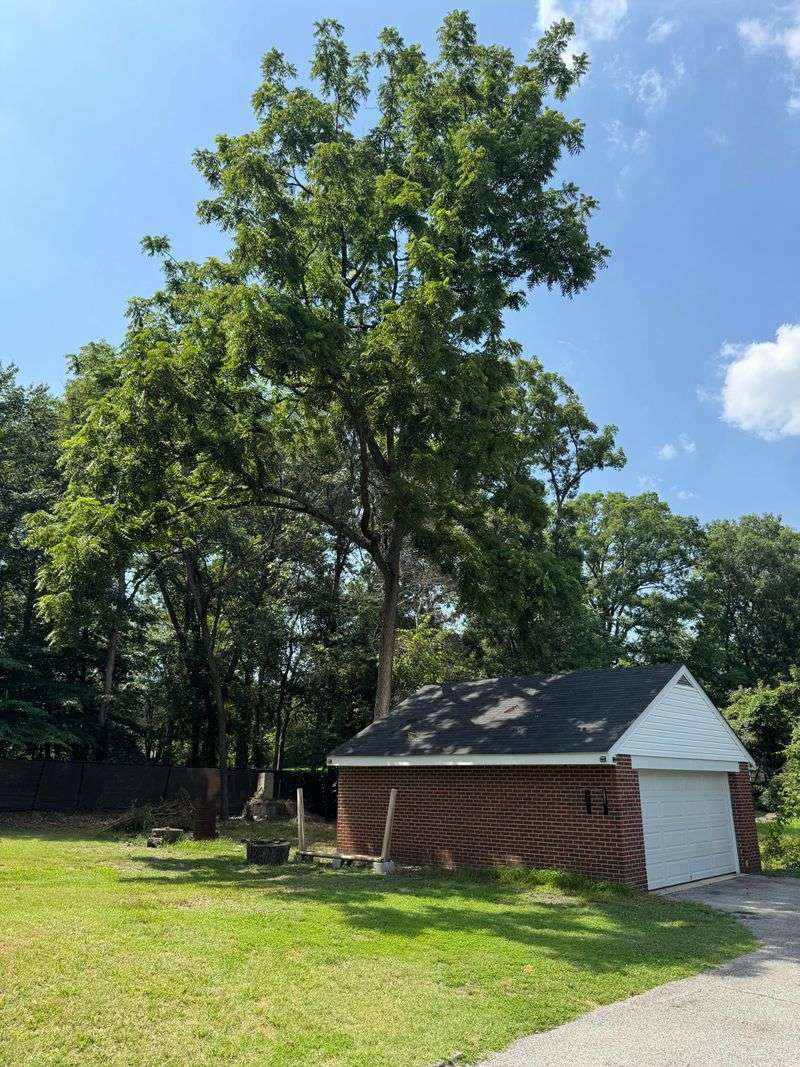
That cute little sprout by your porch has big dreams. Given time, it could grow taller than a seven-story building.
Black walnut trees often reach 50 to 90 feet tall. In the best conditions, some top 100 feet.
Their branches spread wide too, often 50 to 75 feet across. That is wider than many entire backyards in Ohio neighborhoods.
A tree that size can cast heavy shade over gardens and lawns. Sun-loving vegetables and flowers may struggle underneath it.
The roots travel far as well. They can stretch well beyond the branches and may bump into pipes, sidewalks, or other plants.
Then there is the nut mess. Each fall, the tree drops piles of heavy green balls that can roll under feet, stain driveways, and dent cars parked below.
Of course, a black walnut can be a wonderful tree in the right place. Big rural properties, open fields, and woodland edges give it plenty of room.
Before you let a volunteer grow, grab a measuring tape. Check the distance to your house, power lines, and property line.
If the spot is tight, it might be smarter to remove the seedling now. You could plant a smaller native tree, like a serviceberry or redbud, that fits your space better.
9. Scientists Still Debate How Much Juglone Harms Garden Plants
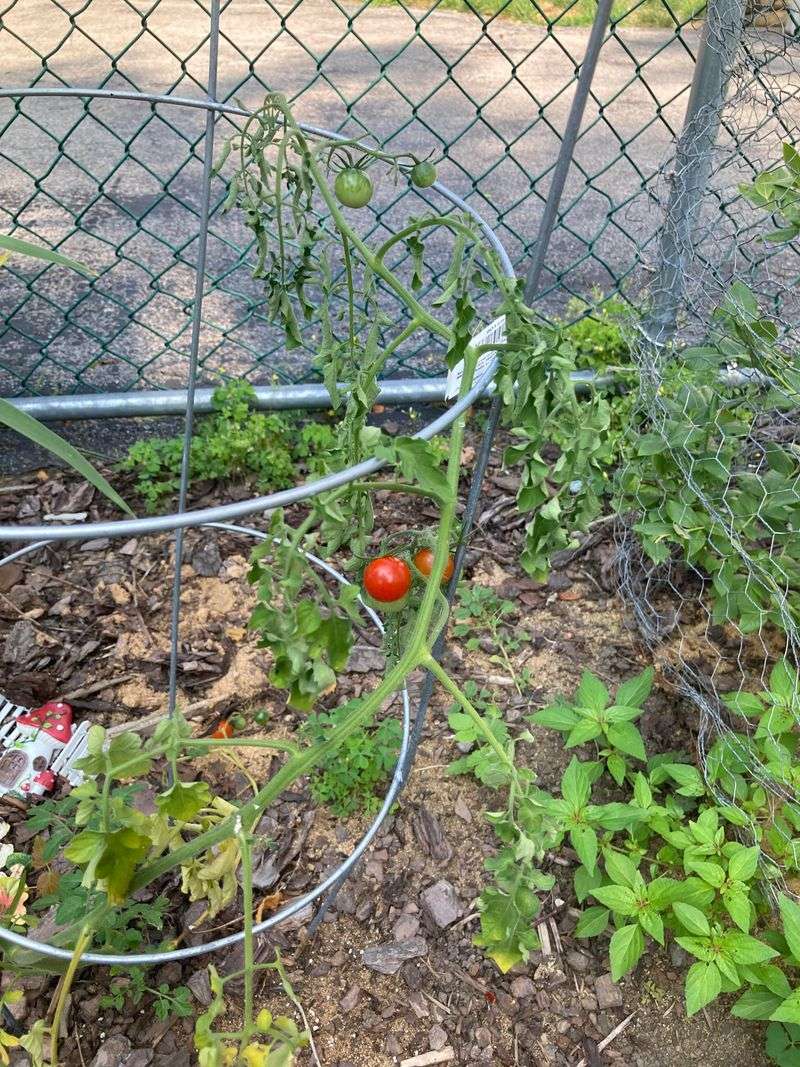
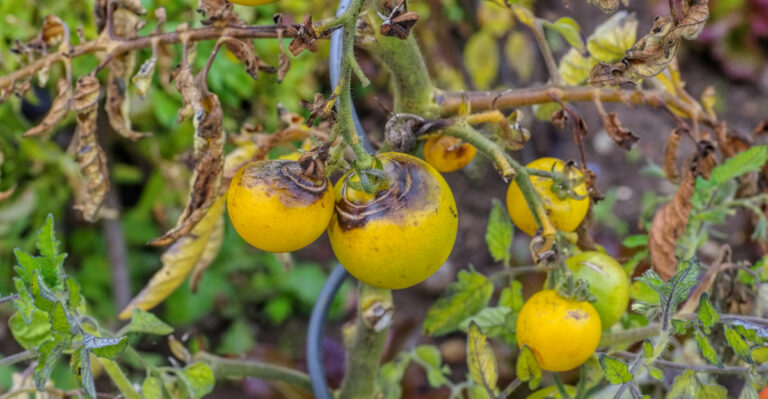
Ask ten gardeners about black walnuts and you might hear ten different stories. Some swear the trees ruin tomatoes, while others grow happy gardens right underneath.
The reason is a natural chemical called juglone. Black walnuts make it in their buds, nut hulls, and roots, and it can slow the growth of certain plants.
Plants often listed as sensitive include tomatoes, potatoes, peppers, petunias, and asparagus. Lilac, rhododendron, and yew show up on many lists too.
Here is the twist. Much of what people believe comes from older studies and personal stories, so researchers still debate how strong the effect really is in normal garden soil.
Wilting, yellow leaves, or slow growth can also come from other causes. Heavy shade and dry soil under a big tree may be the real troublemakers.
Juglone levels are highest right under the tree’s branches. Roots can reach 50 to 60 feet or more, and old roots may keep releasing juglone for years after a tree is removed.
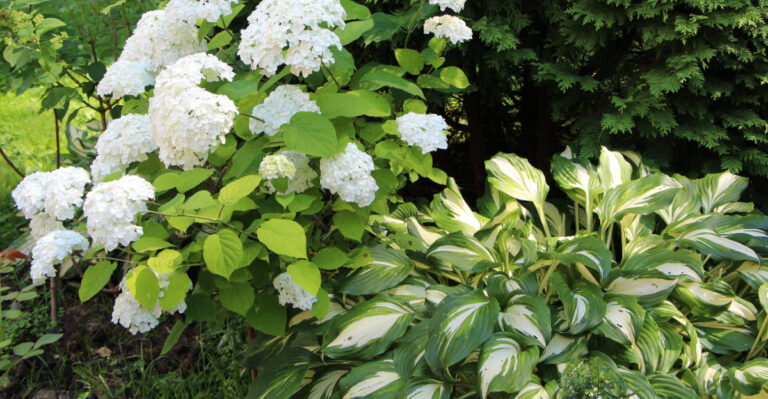
Good news is easy to find, though. Many plants handle juglone just fine, including hostas, daylilies, and lots of native wildflowers.
If you are worried, try raised beds with fresh soil for vegetables. Keep walnut leaves and hulls out of your compost, and watch how your plants respond.