The One April Camellia Care Step In Georgia That Helps Blooms Stay Longer
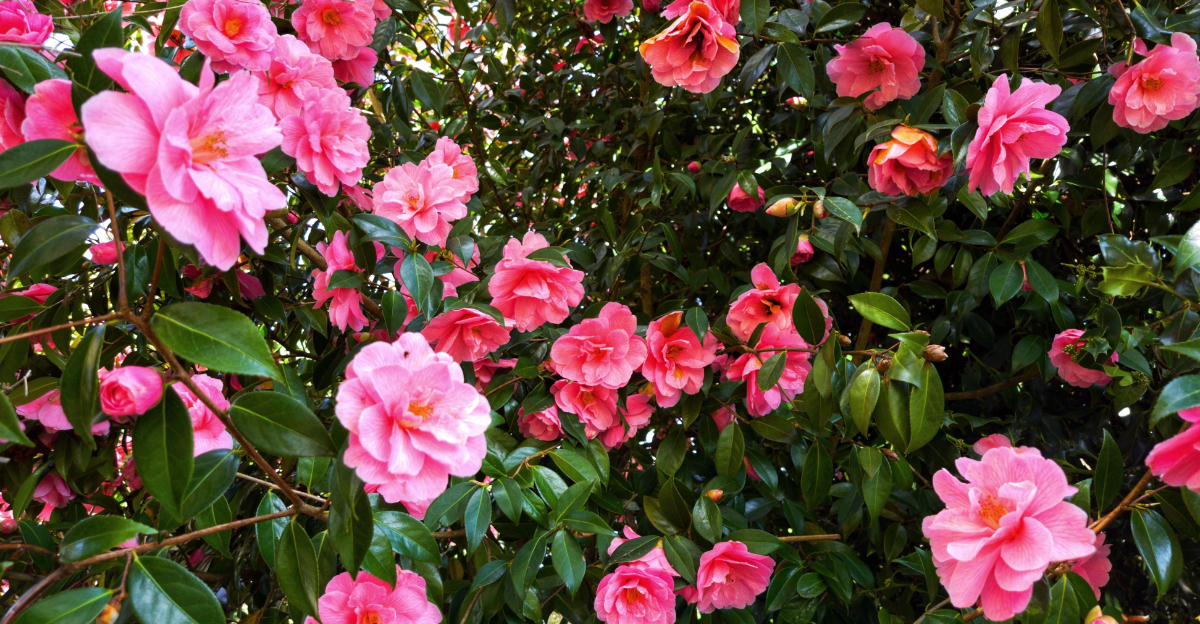
Camellias in Georgia can look their best in April, yet blooms do not always last as long as expected once conditions start to shift. Petals may drop sooner, color can fade, and the display that looked full at first can lose its impact faster than it should.
Many assume it comes down to weather alone, but a small detail in care during this stage can make a noticeable difference. What happens now affects how well those blooms hold up over the next stretch of the season.
Plants that receive the right attention at this point tend to keep their flowers longer and maintain a more consistent look, even as temperatures change.
A single step during April can influence how long that color stays in place and how much of that early beauty the plant holds onto.
1. Remove Spent Blooms As Soon As They Fade
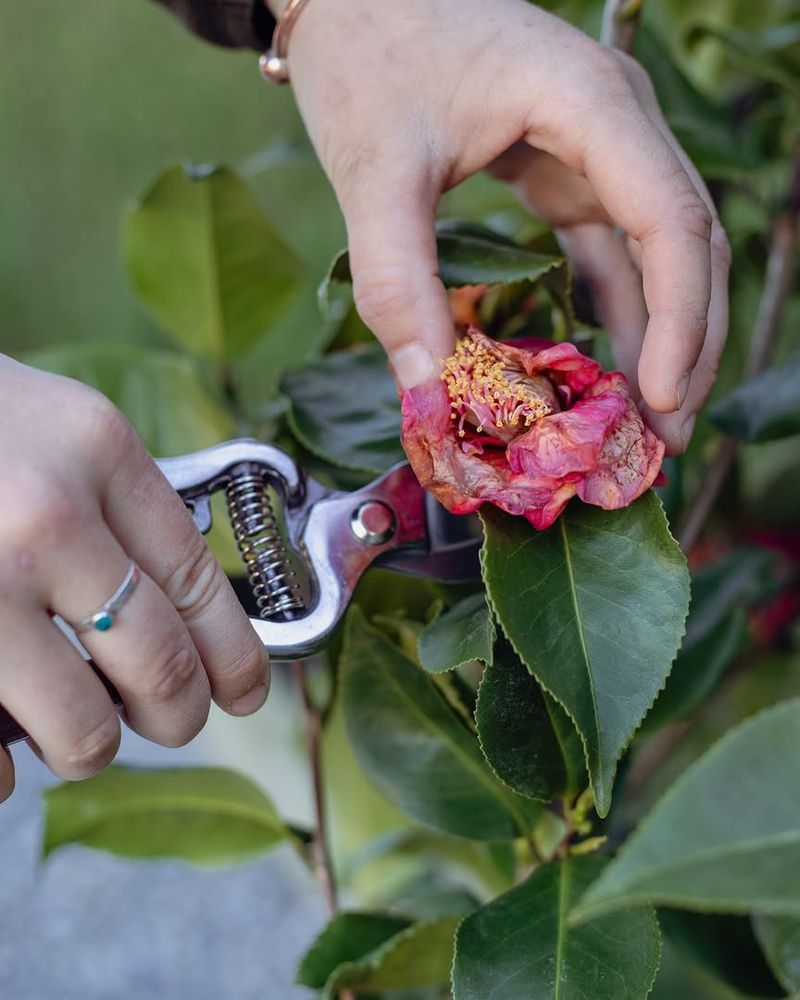
Faded camellia blooms do not just look bad, they actually pull energy away from the plant. When a flower finishes its cycle and starts browning, the camellia begins putting resources into seed production rather than pushing out new buds.
Catching those spent blooms early gives the plant a better chance to redirect that energy.
In Georgia, April marks the tail end of the Camellia japonica season. Temperatures are climbing, and the blooms that remain are usually on borrowed time.
Removing them promptly, rather than waiting until they drop on their own, can help the plant stay tidy and focused on what comes next.
You do not need a complicated system for this. Walk your camellia every couple of days during peak bloom time.
Look for flowers with brown edges, wilting petals, or a papery texture. Those are the ones ready to come off.
Leaving spent blooms on the plant also creates a hiding spot for fungal issues, which are already a concern in Georgia’s humid spring air. Botrytis blight, a common camellia problem in the Southeast, thrives in decaying flower tissue.
Pulling those blooms off removes one less entry point for trouble.
Consistent deadheading will not dramatically transform your plant overnight, but over the course of a blooming season, the results tend to be noticeable.
2. Snip Just Below The Flower Without Touching Buds
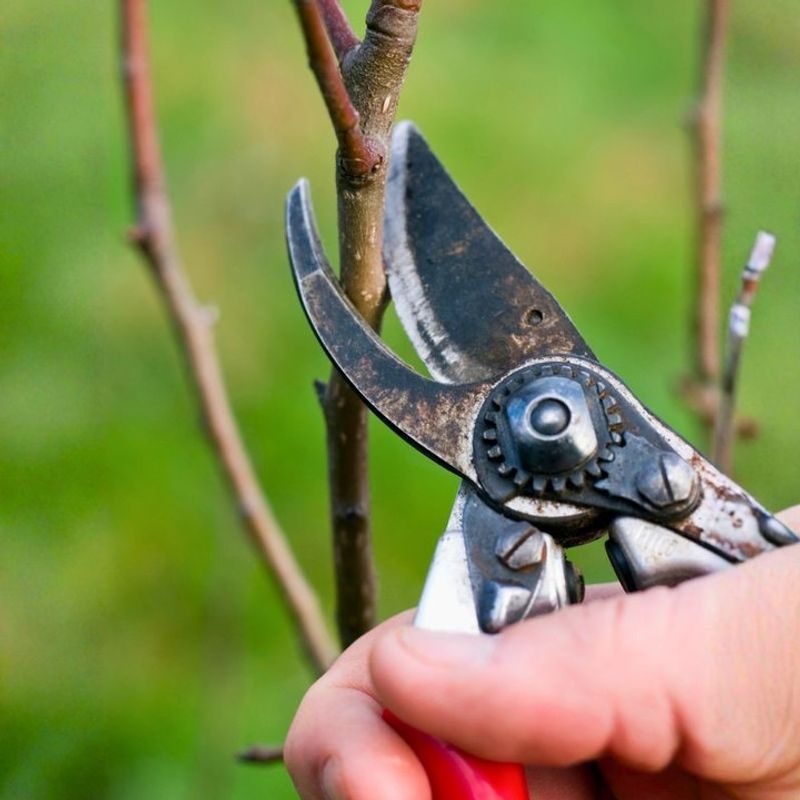
Where exactly you cut matters more than most people expect. Snipping too high leaves a stub that can turn brown and become a problem later.
Cutting too low risks removing a bud that has not opened yet, which means losing a bloom before it ever gets a chance.
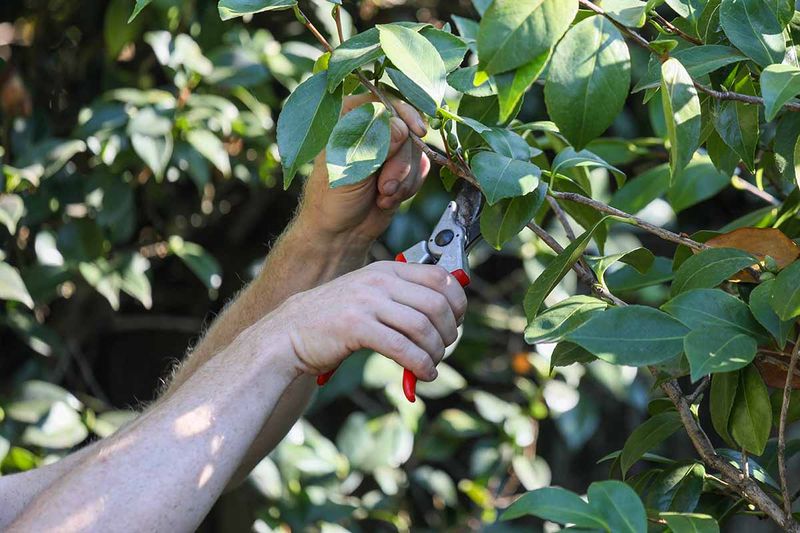
The right spot is just below the base of the spent flower, right where the bloom meets the stem. You will usually see a slight thickening there, and sometimes a small bud sitting just beneath it.
Take the flower off cleanly without disturbing anything below that point.
Camellias in Georgia often set buds well ahead of time, sometimes months before they open. By April, new growth may already be pushing out along the same branches that are still holding faded flowers.
That is why being precise with your cut makes a real difference.
Your Georgia Garden Changes Every Week. Your Plan Should Too.
Gardening in Georgia changes quickly throughout the season. Every Friday you’ll receive a simple weekly plan showing exactly what to plant, prune, fertilize, harvest, and protect so you never miss the right timing.
A quick, clean snip is always better than a slow, hesitant one. Dragging or squeezing the shears can bruise the stem tissue, which slows healing and invites moisture in.
Sharp tools make this step much easier and much safer for the plant.
If you are unsure about a bud versus a spent bloom, look at the shape. Spent flowers tend to be soft, papery, and open.
3. Check For Hidden Faded Blooms Inside The Plant
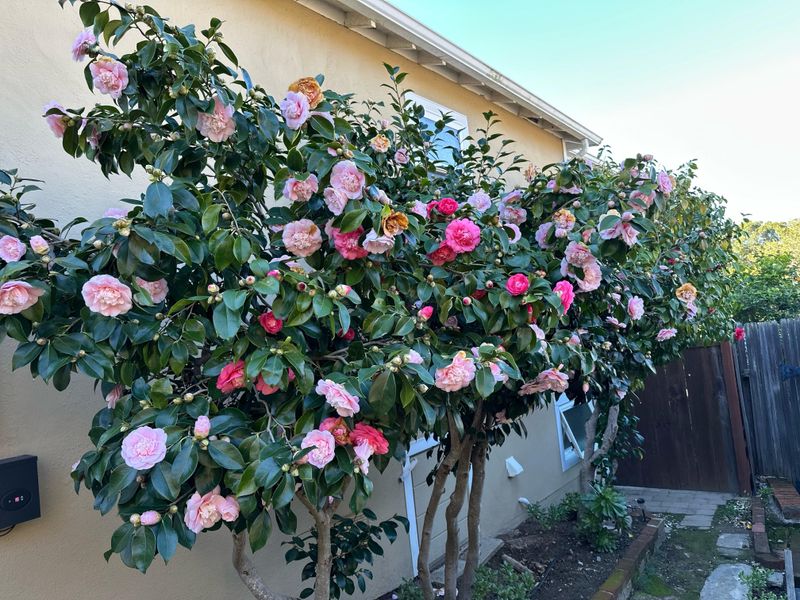
Not every spent bloom sits out in the open where you can spot it at a glance. Camellias can grow quite dense, and older blooms often fall inward as they fade, tucking themselves between branches where they are easy to miss on a quick pass.
Those hidden blooms are actually the ones worth hunting down. They tend to stay damp longer because air circulation inside a thick shrub is not great, especially in Georgia’s humid spring weather.
Damp, decaying flower tissue is exactly the kind of environment where fungal problems get started.
Make it a habit to gently part the branches and look inside the plant every time you do your deadheading rounds. Run your hand carefully along the inner stems and check for any soft, brown clumps that do not belong.
It only adds a minute or two to the process.
Larger, more established camellias in Georgia yards can hold quite a few hidden spent blooms by mid-April. Some gardeners are surprised by how many they find once they start checking inside the canopy regularly.
A good interior sweep every few days keeps things much cleaner.
Removing those interior blooms also improves airflow inside the plant, which is a real benefit during the warm, wet weeks that April in Georgia tends to bring.
4. Don’t Pull Blooms To Avoid Damaging New Growth
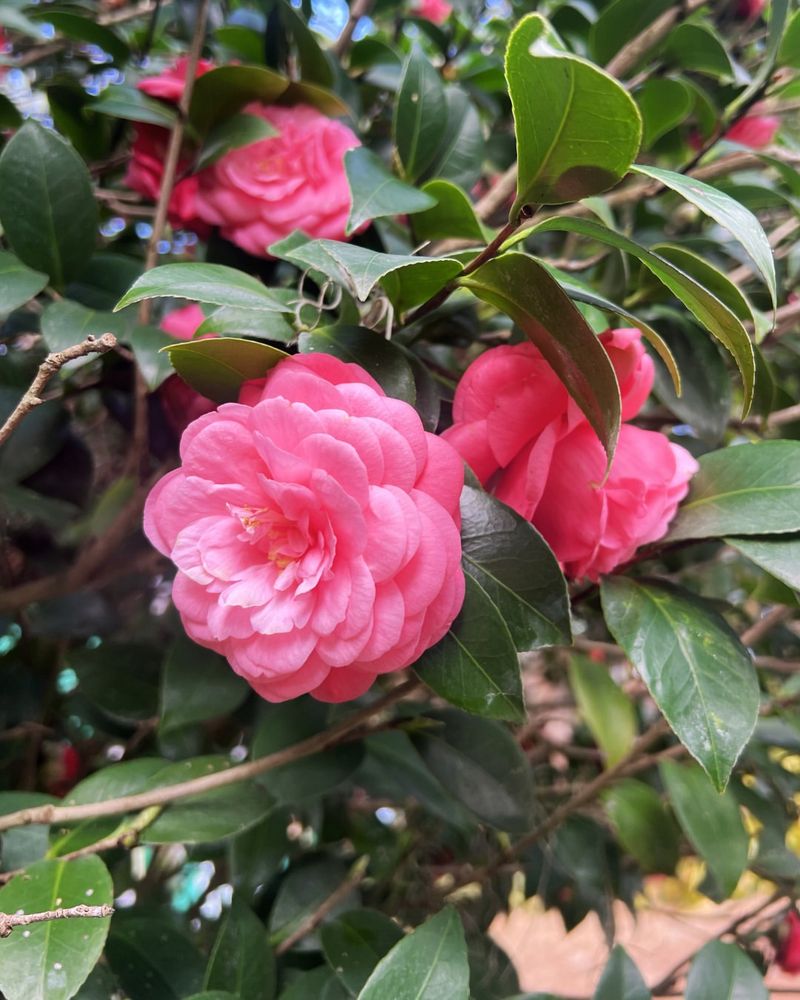
Yanking a spent bloom off might seem faster, but it carries real risk. Camellias in April are often pushing new growth at the same time they are finishing their bloom cycle.
A quick pull can snap off a tender new shoot or tear the bark, leaving a wound that takes time to recover.
New growth on camellias is soft and easy to damage. You can feel how fragile it is just by brushing it with a finger.
Beyond new shoots, pulling can also disturb buds that have not yet opened. Georgia camellias sometimes carry late-season buds right up into April, especially in the northern parts of the state where temperatures stay cooler a bit longer.
Disrupting those buds means fewer blooms to enjoy before the season ends.
Cutting is simply the better method every time. A clean snip with sharp shears is controlled and precise in a way that pulling never can be.
You decide exactly where the cut happens, and the plant does not have to deal with any unintended tearing or stress.
Getting into the habit of cutting rather than pulling takes almost no extra effort. Keep a pair of small garden shears in your pocket during your morning garden walk, and the whole process becomes quick and natural.
5. Use Clean Shears For A Precise Cut
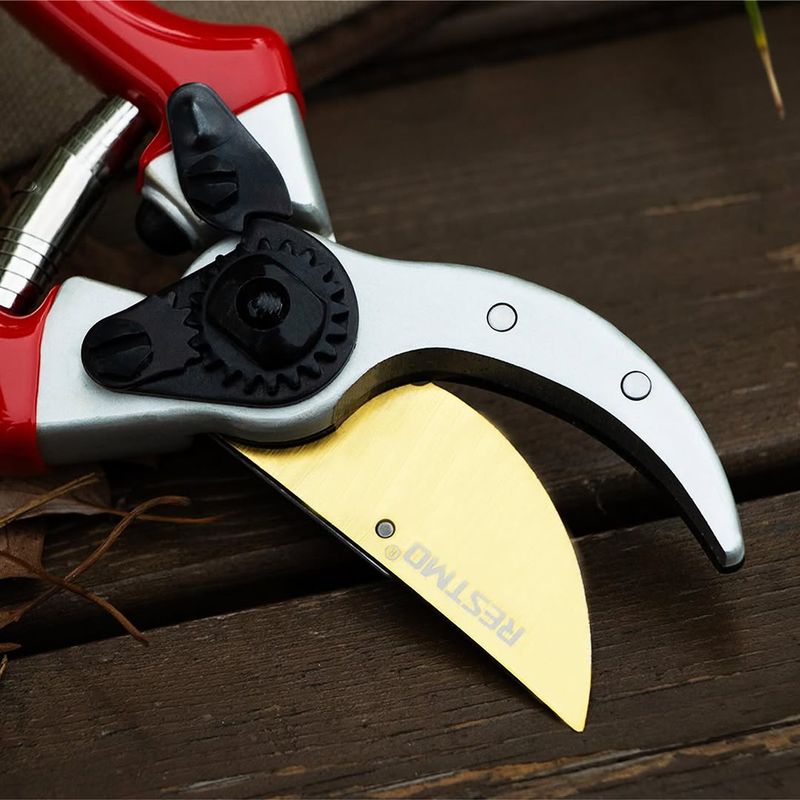
Dirty shears carry more than just soil and plant residue. They can transfer fungal spores and bacteria from one plant to another without you realizing it.
In Georgia’s warm, humid spring climate, those pathogens find very comfortable conditions to spread, so starting with clean tools is genuinely worth the extra step.
Wiping your shears down with a diluted bleach solution or rubbing alcohol before you start is a simple habit that most experienced gardeners treat as second nature.
It takes about thirty seconds and eliminates a real source of potential problems, especially when you are working on multiple plants in the same session.
Sharp blades matter just as much as clean ones. A dull shear crushes stem tissue rather than cutting through it cleanly.
Crushed stems heal more slowly and create a rougher surface where moisture can collect. That is not the kind of stress you want to add to a plant that is already winding down its bloom cycle.
Most basic pruning shears can be sharpened at home with a whetstone or a small sharpening tool made for garden blades. Keeping them sharp does not require professional help, just a little attention a few times each season.
For camellias in particular, a clean, sharp cut leaves a smooth surface that calluses over relatively quickly. Across a full Georgia spring season of regular deadheading, that small difference in cut quality adds up.
6. Repeat Deadheading Throughout The Blooming Period
One round of deadheading is a good start, but it is not enough on its own. Camellias do not drop all their spent blooms at once.
Flowers open and fade at different rates across the plant, which means new spent blooms will keep appearing every few days throughout April.
Building a regular schedule works better than doing one big cleanup and calling it done. Most Georgia gardeners who deadhead consistently find that checking every two to three days keeps things manageable without becoming a chore.
The more often you check, the fewer blooms reach the point where they are fully brown and beginning to break down.
Regularity also means you catch things early. A bloom that is just starting to fade is much easier to remove cleanly than one that has been sitting on the plant for a week and is already soft and disintegrating.
Early removal is faster, cleaner, and better for the plant overall.
Camellia japonica varieties, which are the ones most Georgia gardeners are working with in April, can have dozens of blooms open at any given time on a mature plant. Keeping up with all of them requires consistency, not perfection.
Missing a day or two is not a crisis, just pick back up when you can.
7. Removing Old Blooms Helps New Ones Last Longer
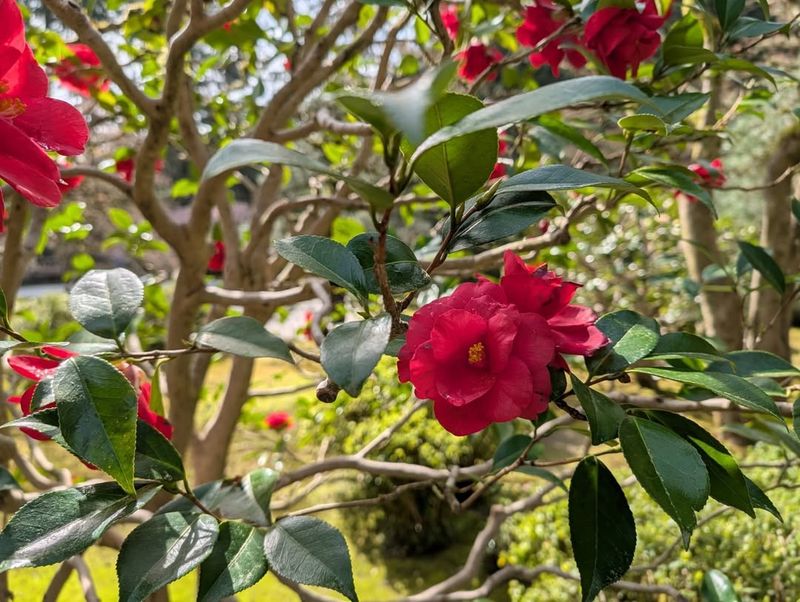
Plants work with a limited supply of energy at any given time, and camellias are no different.
When old, spent blooms stay on the plant, the camellia continues spending resources trying to process them, whether that means moving toward seed development or simply maintaining dying tissue.
Removing those blooms frees up that energy for the flowers that are still fresh.
The result is not some dramatic overnight change. What tends to happen is more gradual: blooms that open later in the season may stay on the plant a little longer and look a little better before fading.
Georgia gardeners who deadhead consistently through April often notice their late-season blooms holding on a few extra days compared to years when they skipped the process.
Part of this also comes down to plant health in a broader sense. A camellia that is not burdened by decaying tissue, fungal pressure from damp spent blooms, or wasted energy on seed production is simply in better shape.
A healthier plant produces flowers that tend to hold up better under the variable conditions of a Georgia spring.
Warmer temperatures, sudden rain, and shifting humidity are all part of April in Georgia, and fresh blooms on a well-maintained plant handle those conditions more reliably than blooms on a plant that has been neglected through the season.