The One Cause Of Brown Tips On California Palm Fronds This Summer
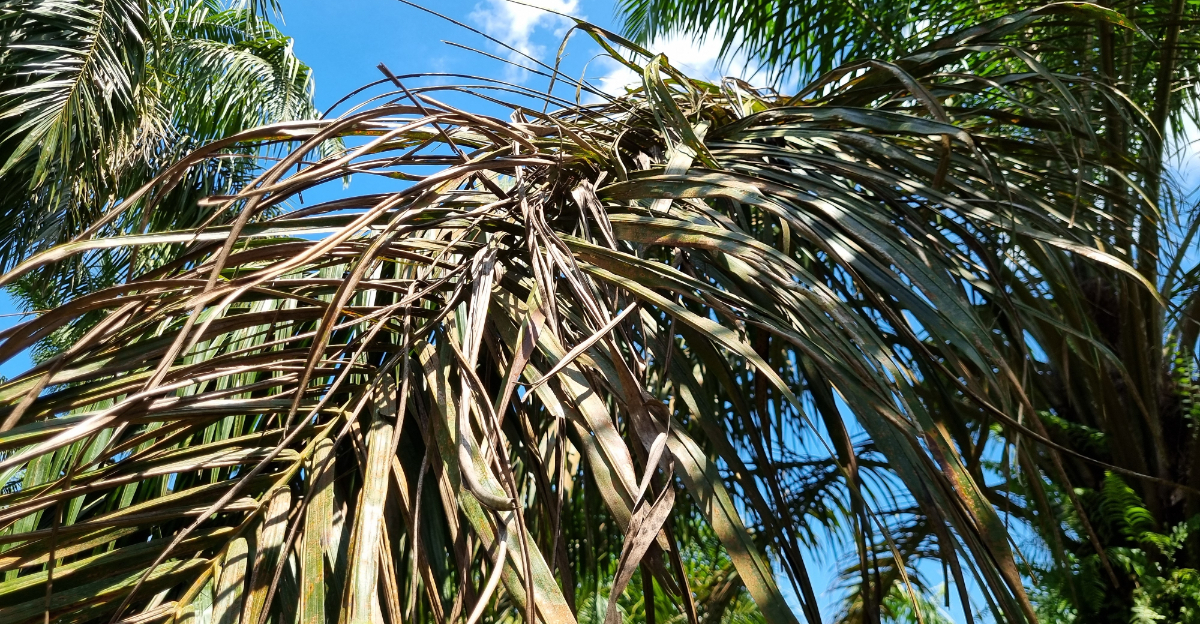
Brown tips on a California palm can seem like a minor cosmetic issue until the damage keeps creeping farther down each frond.
Summer heat often gets blamed first, but the real problem may be happening below the surface, where the tree depends on steady access to moisture.
A palm can receive water regularly and still remain thirsty if that moisture never reaches enough of its root zone.
The result appears gradually: dry edges, brittle leaflets, and a canopy that looks tired despite frequent irrigation.
Adding more water without changing the routine may waste gallons while doing little to help. Soil type, irrigation placement, and the length of each watering session all influence how well the tree handles prolonged heat.
Once homeowners understand what is keeping moisture near the surface, those scorched tips begin to make far more sense, and the fix becomes much easier to pinpoint.
1. Shallow Watering Leaving Palm Roots Thirsty
Most people water their palms the same way they water their lawn, with quick, frequent sprinkles that barely soak the ground. That approach works fine for grass but leaves palm roots completely parched.
Palms send their roots deep into the earth searching for moisture, and shallow water never reaches them.
When only the top inch or two of soil gets wet, the deeper root zone stays bone dry. The palm tree then pulls whatever moisture it can from the upper layers, but that is never enough during a hot summer.
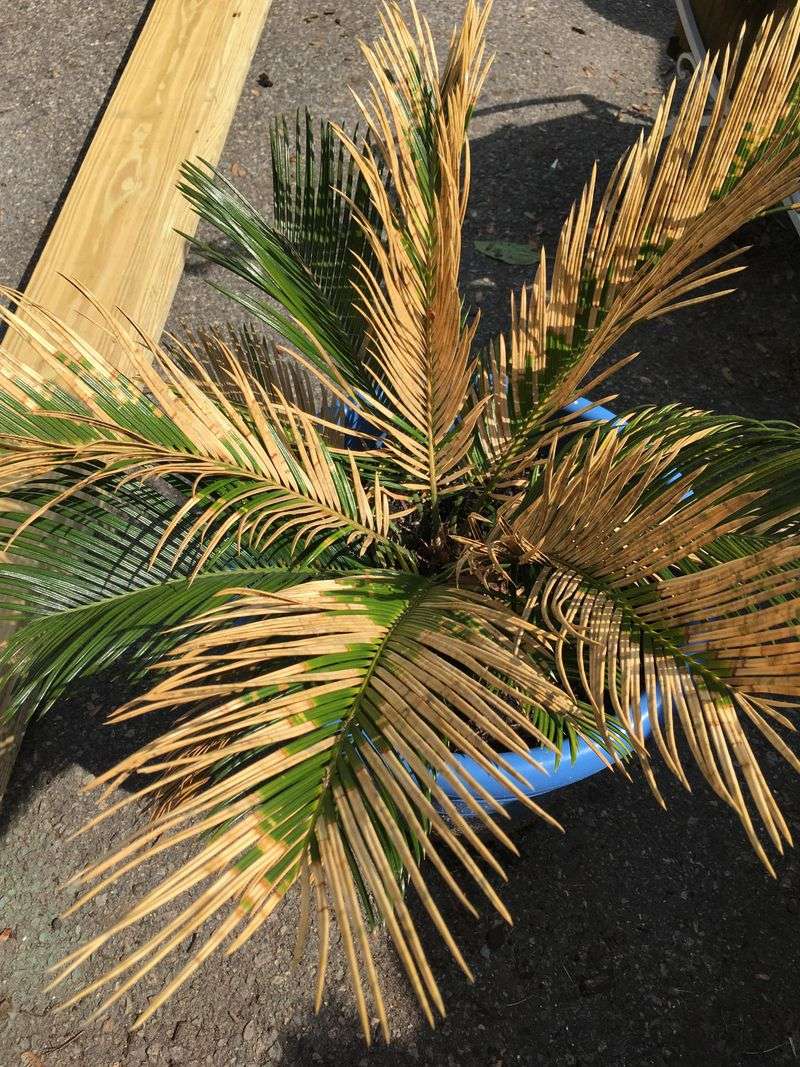
Stress builds up slowly, and the first sign you will notice is browning at the very tips of the fronds.
Brown tips are the palm’s way of telling you it is running low on water. The tree conserves what little moisture it has by letting the outer edges of the fronds go first.
Many homeowners mistake this for a disease or a pest problem, but the real issue is right there in the watering schedule.
Fixing shallow watering is not complicated. You simply need to water less often but for much longer periods.
Letting water run slowly into the soil for 30 to 45 minutes allows it to sink deep enough to reach the roots where it truly counts. Your palm will thank you with greener, healthier fronds within a few weeks of making this simple change.
2. Why Quick Sprinkles Never Reach Deep Enough
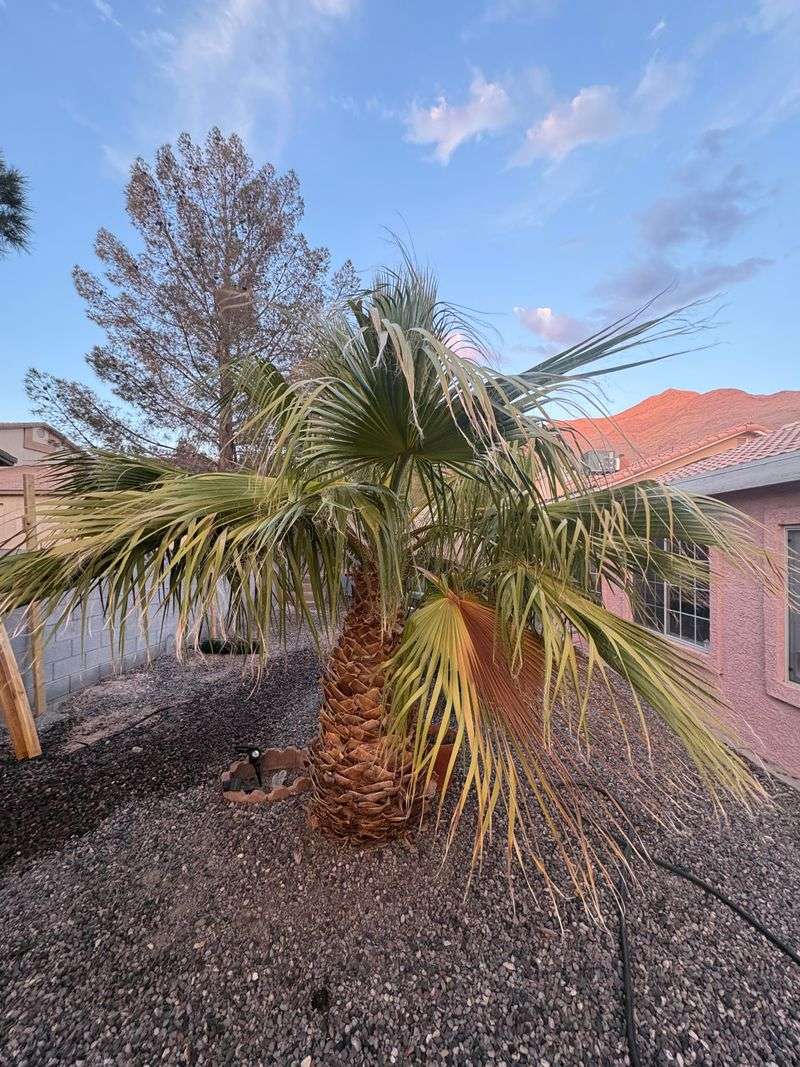
A five-minute sprinkler run might look like it is doing the job, but the water rarely travels more than an inch or two below the surface.
Palm roots grow several feet underground, so that moisture evaporates long before it ever reaches where it needs to go. Quick sprinkles are basically a tease for thirsty palms.
Think of soil like a sponge that has been squeezed tight. When you add a tiny splash of water, only the very outside gets wet.
You need to pour water slowly and steadily to allow it to soak all the way through. The same idea applies to watering palms in your yard.
Sandy soils common in many parts of California drain water quickly, making the problem even worse. Water moves through sandy ground fast, which means you need longer watering sessions to push moisture deep enough.
Your California Garden Changes Every Week. Your Plan Should Too.
Gardening in California changes quickly throughout the season. Every Friday you’ll receive a simple weekly plan showing exactly what to plant, prune, fertilize, harvest, and protect so you never miss the right timing.
Clay soils hold water better but still need time to absorb it at the root level.
A simple test can show you how far your water is actually reaching. After a normal watering session, push a wooden dowel or a long screwdriver into the soil.
If it meets resistance after just a couple of inches, the soil below is still dry. Aim for moisture at least 18 to 24 inches down to keep palm roots properly hydrated all summer long.
3. Hot Soil Drying Out Faster Than It Looks
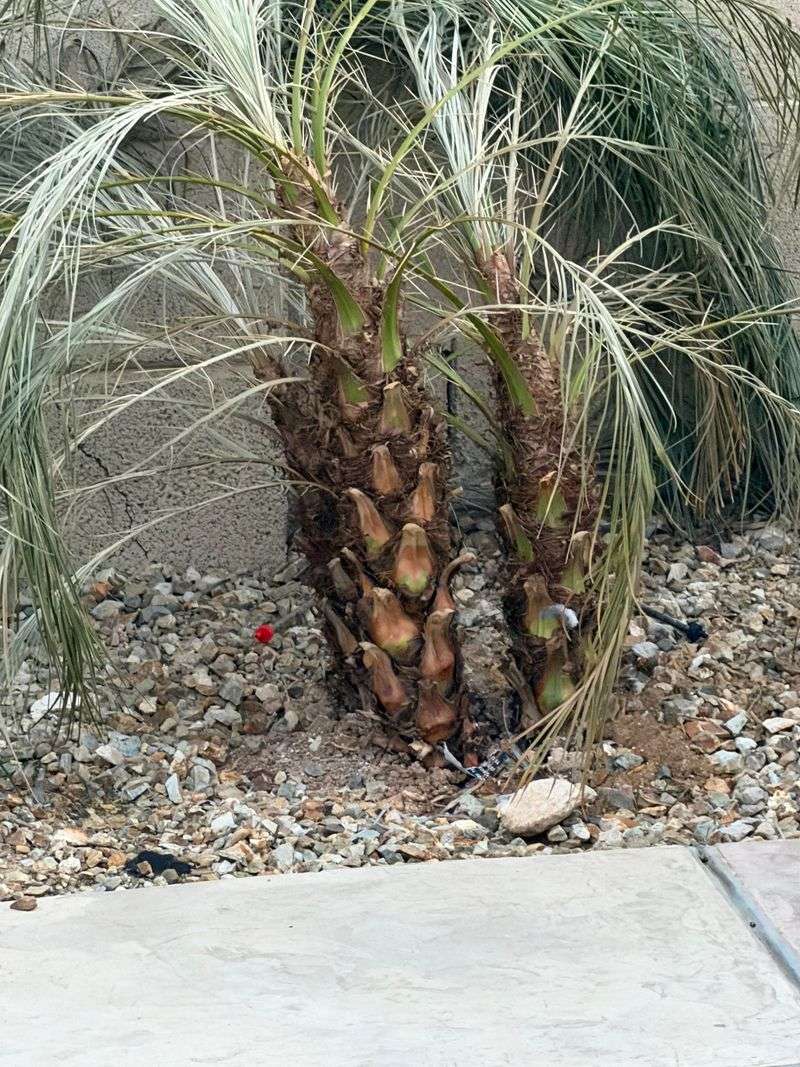
Summer heat in California is no joke, and it does not just affect the air around your palms. Soil temperatures can climb well above 100 degrees Fahrenheit on a hot afternoon.
At those temperatures, moisture evaporates from the upper soil layers incredibly fast, sometimes within just an hour or two after watering.
Hot soil creates a false sense of security for gardeners. You water in the morning, the soil looks damp, and by noon it is already dry on top.
If you were only wetting the surface to begin with, there is almost nothing left for the roots to use by afternoon. The palm is essentially left high and dry during the hottest part of the day.
Dark mulch can help a lot here. Spreading a 3 to 4 inch layer of wood chip mulch around the base of your palm slows down evaporation significantly.
The mulch acts like a blanket, keeping the soil cooler and holding onto moisture much longer than bare ground can. This one simple step can stretch your watering further and reduce stress on your palm.
Avoid placing mulch directly against the trunk of the palm. Leave a small gap of a few inches to prevent moisture buildup against the bark.
Proper mulching combined with deep watering is one of the most effective ways to fight summer heat stress and keep those frond tips green and healthy.
4. Brown Tips Showing Up Before Bigger Trouble
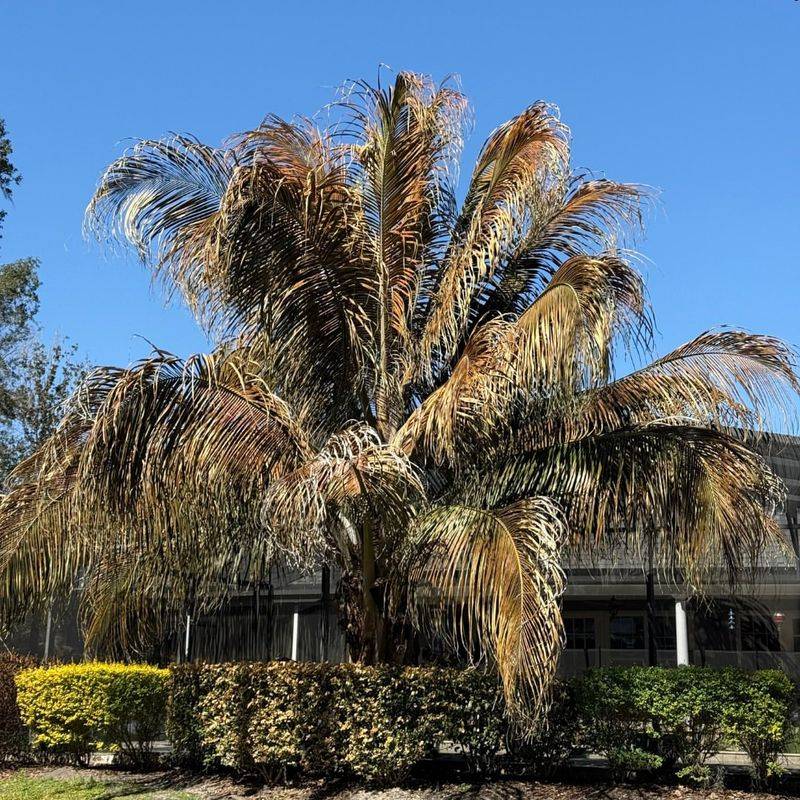
Brown tips on palm fronds are actually an early warning system built right into the plant. The palm shows stress at the outermost edges of the fronds first, long before any serious internal damage occurs.
Catching and responding to those brown tips early can prevent much bigger problems later in the season.
Many homeowners wait too long to act because the browning seems minor at first. A few brown tips here and there do not look alarming, so people assume the palm is fine.
But underneath the surface, the root system is already struggling. The longer shallow watering continues, the more the browning spreads inward toward the center of the fronds.
Once browning moves past the tips and starts affecting the middle sections of the fronds, the palm is under serious stress. At that stage, recovery takes much longer and requires more consistent effort.
Catching the problem at the tip stage gives you the best chance of turning things around quickly.
Check your palms regularly during summer, especially during heat waves. Run your fingers along the frond edges and look for that dry, papery texture that signals moisture stress.
If you catch it early and adjust your watering right away, most palms bounce back beautifully. Healthy new growth will emerge from the center of the crown once the roots start getting the deep water they need to thrive.
5. Daily Sips Making Palms More Heat-Stressed
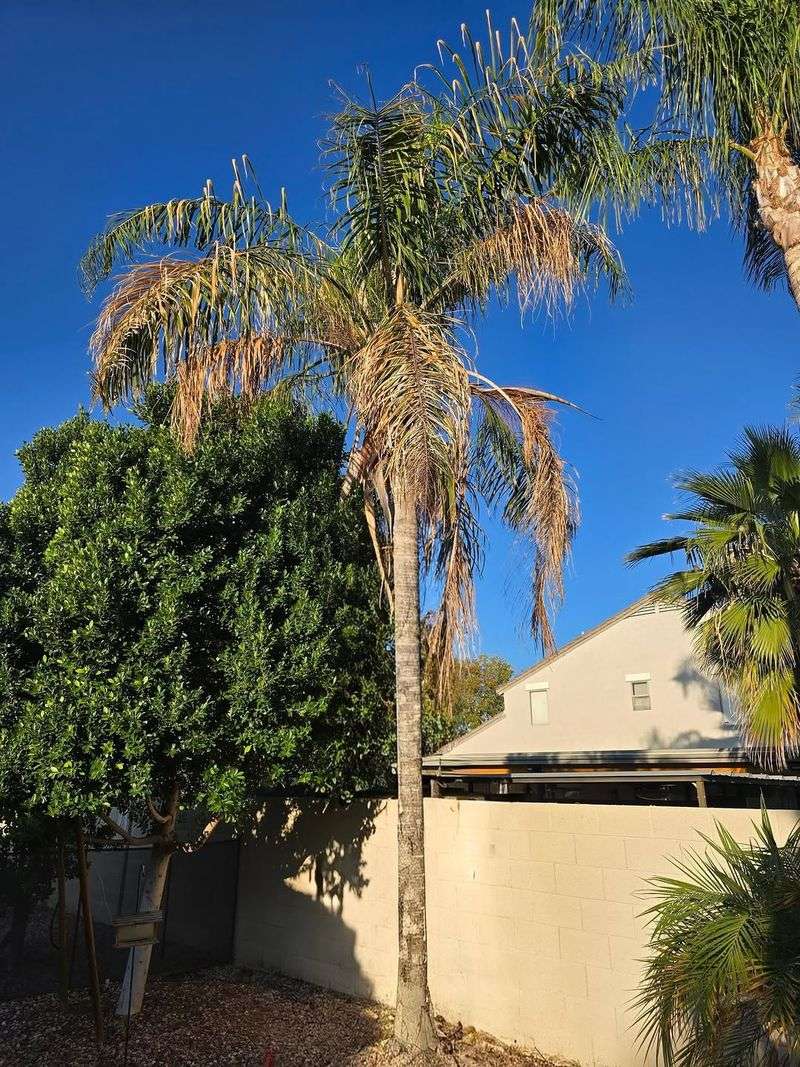
Watering your palm every single day sounds like a loving thing to do, but it actually works against the tree. Daily short watering sessions train the roots to stay near the surface where the water is.
Over time, the root system becomes shallow and weak, making the palm far more vulnerable to summer heat.
Deep roots are a palm’s best defense against hot, dry conditions. When roots grow deep into the soil, they tap into moisture reserves that surface heat cannot reach.
But if daily watering keeps wetting only the top layer, the roots have no reason to grow downward. They cluster near the surface and suffer every time the temperature spikes.
Frequent shallow watering also encourages salt buildup in the upper soil layers. Salts from tap water and fertilizers accumulate where the water sits, and high salt concentrations can damage root tips.
That damage shows up on the fronds as browning, making the problem look even worse than it already is.
Switching from daily short sessions to deep watering two or three times per week makes a dramatic difference. Each session should last long enough to push water at least 18 inches into the ground.
Give the soil time to dry out slightly between waterings so the roots are encouraged to grow deeper in search of moisture. This builds a stronger, more resilient palm that handles summer heat much better than one fed daily sips.
6. Deep Roots Missing The Water They Actually Need
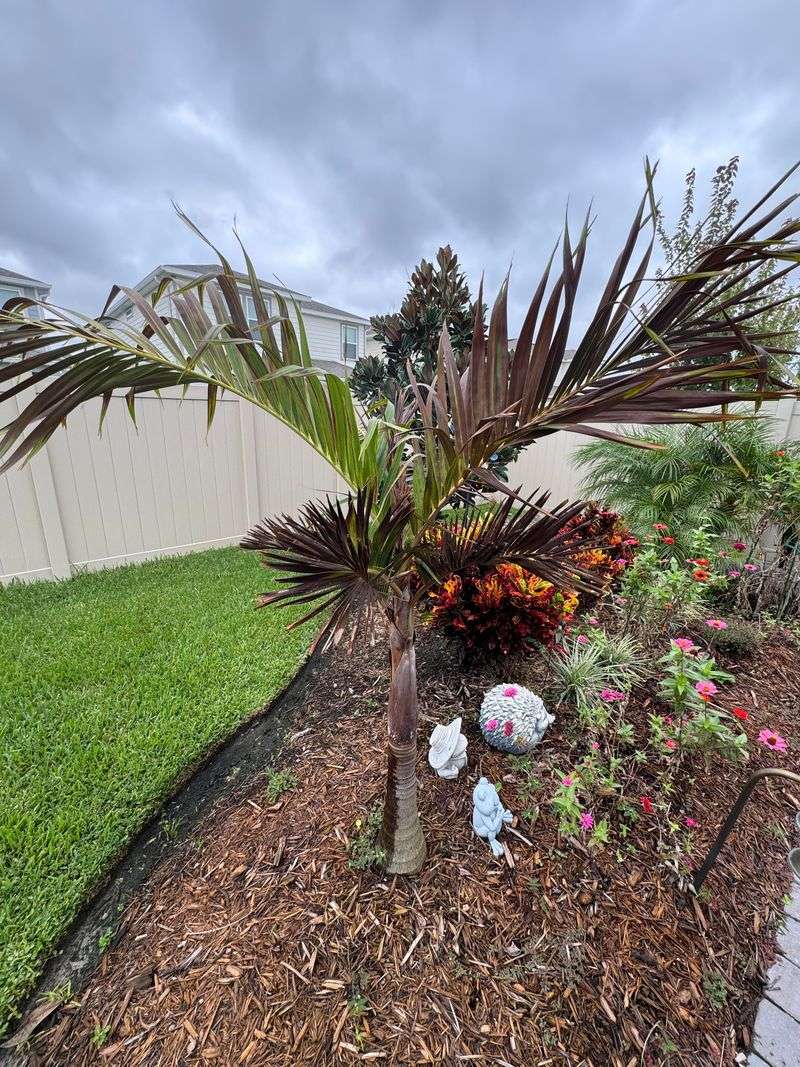
Palm trees are built for survival in tough conditions, and their root systems reflect that toughness. Mature palms can send roots down 3 to 4 feet or more, anchoring the tree and pulling up water from deep in the ground.
But those deep roots are completely useless if the water never travels far enough to reach them.
When roots cannot find water at depth, they send stress signals upward through the trunk and into the fronds. The palm starts pulling moisture from the frond tissue itself to keep the inner workings of the tree going.
That is exactly when you start seeing those dry, brown tips forming at the outer edges of the leaves.
Young palms are especially at risk because their root systems have not had years to establish deep pathways. A newly planted palm in California needs careful, deep watering from the very beginning to encourage those roots to grow downward.
Skimping on water depth early on sets the tree up for heat stress every single summer.
Using a soaker hose or drip irrigation system placed about 18 inches away from the trunk helps deliver water slowly and deeply. Slow delivery allows the soil to absorb moisture without runoff.
Over several watering sessions, the water front moves deeper into the soil, encouraging roots to follow.
This method is far more effective than any quick overhead spray for keeping palms properly hydrated during the hottest months of the year.
7. Why Morning Soaks Work Better Than Midday Sprays
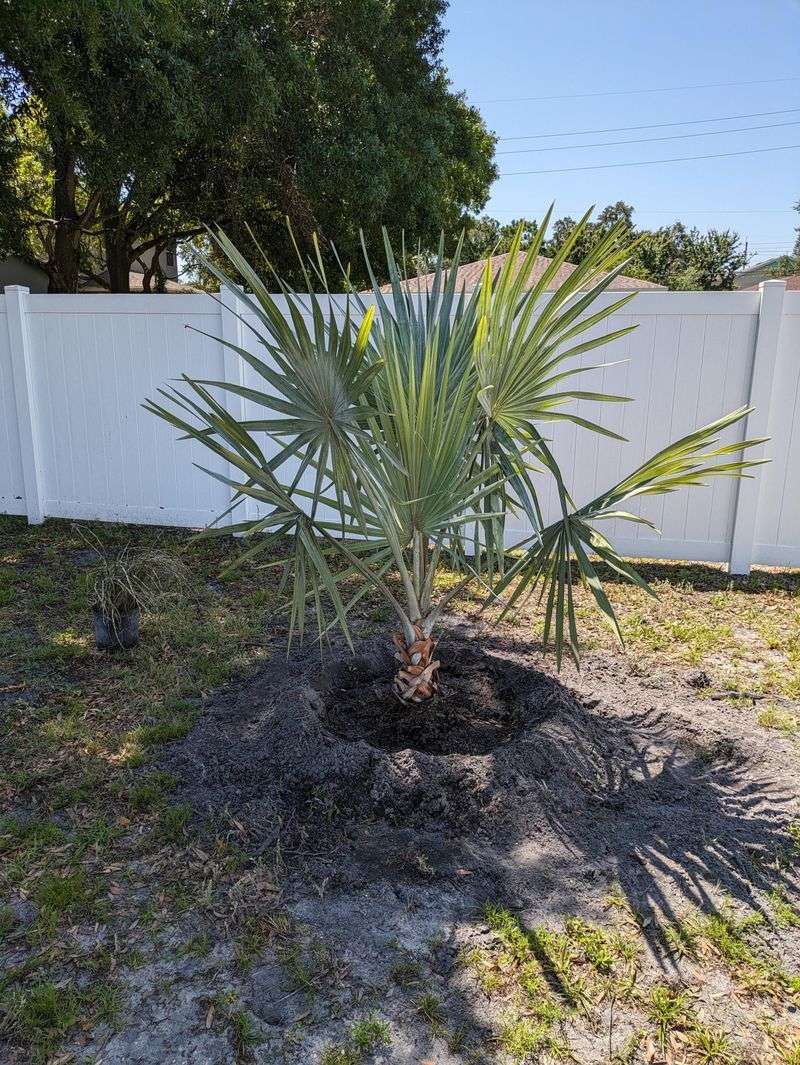
Timing your watering sessions makes a bigger difference than most people realize. Watering in the early morning gives moisture the best possible chance to soak deep into the soil before the heat of the day kicks in.
The cooler morning temperatures slow evaporation, so more water actually reaches the root zone instead of disappearing into the air.
Midday watering is one of the least effective approaches you can take. When the sun is at its strongest and soil temperatures are at their peak, water evaporates almost as fast as it hits the ground.
Even if you run the sprinklers for a long time, much of that water is lost before it can travel downward. The roots end up getting very little of what you put out.
Evening watering is better than midday but still comes with a downside. Moisture sitting on the soil surface overnight can encourage fungal growth around the base of the palm.
Morning watering avoids that issue entirely because the sun dries the surface later in the day while the deeper soil retains the moisture that matters.
Set your irrigation timer to start around 5 or 6 in the morning if possible. Run it long enough to fully saturate the soil to the needed depth.
Consistent morning deep watering throughout the summer season is one of the simplest and most effective habits you can build to protect your palms from heat stress and brown tips.
8. Checking Moisture Below The Dry Surface
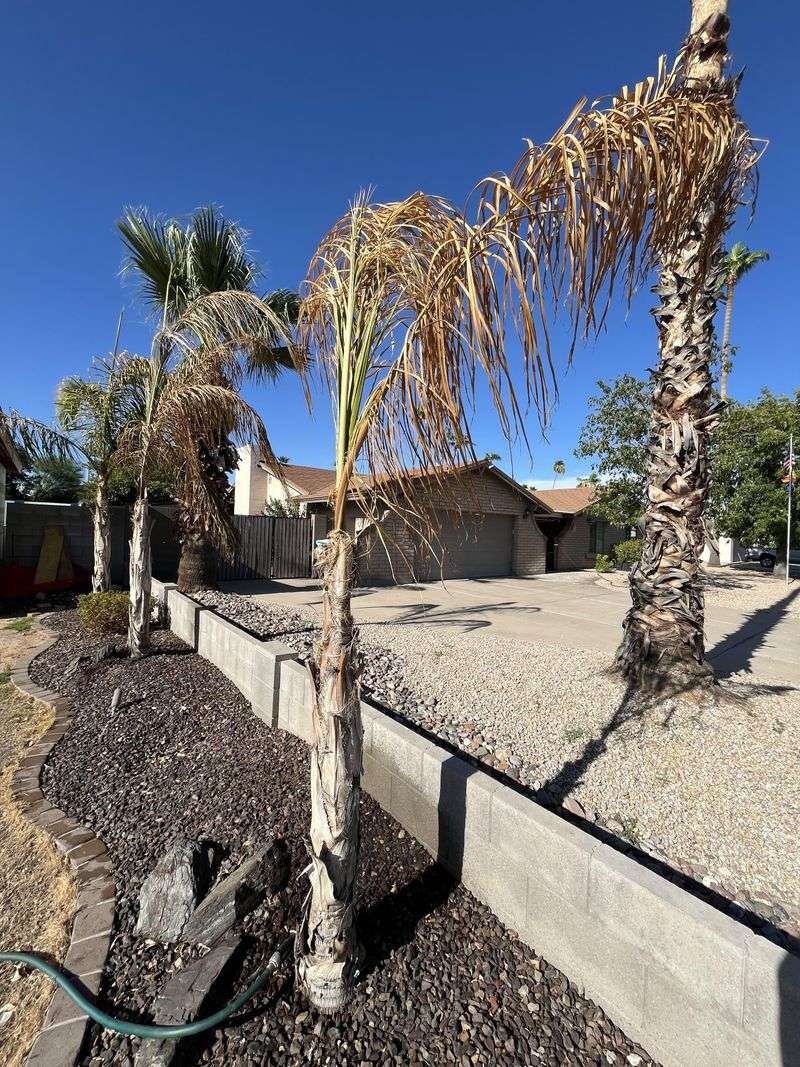
The surface of the soil can be completely misleading when it comes to judging how well-watered your palm actually is. On a hot summer day, the top inch of soil can look and feel bone dry just an hour after watering.
But that does not always mean the deeper layers are dry too. Knowing how to check properly saves you from both under-watering and over-watering.
A simple moisture check takes about 30 seconds and requires nothing fancy. Push a long screwdriver, a wooden dowel, or a soil probe straight into the ground near the base of your palm.
If it slides in easily, the soil holds good moisture. If it hits resistance after a few inches, the lower layers need more water.
Another option is to dig a small test hole about 6 inches deep after a watering session. Feel the soil at the bottom of the hole with your fingers.
It should feel cool and slightly damp, not wet and muddy. Wet and muddy means you may be over-watering, while dry and crumbly means the water is not reaching deep enough.
Checking moisture regularly throughout the summer helps you fine-tune your watering schedule based on real conditions rather than guesswork. Heat waves, wind, and seasonal changes all affect how quickly soil dries out.
Staying aware of what is happening below the surface puts you in control and keeps your palms looking their best all summer long.