The California Vertical Garden Plants That Produce Food In A Small Patio Or Fence Space
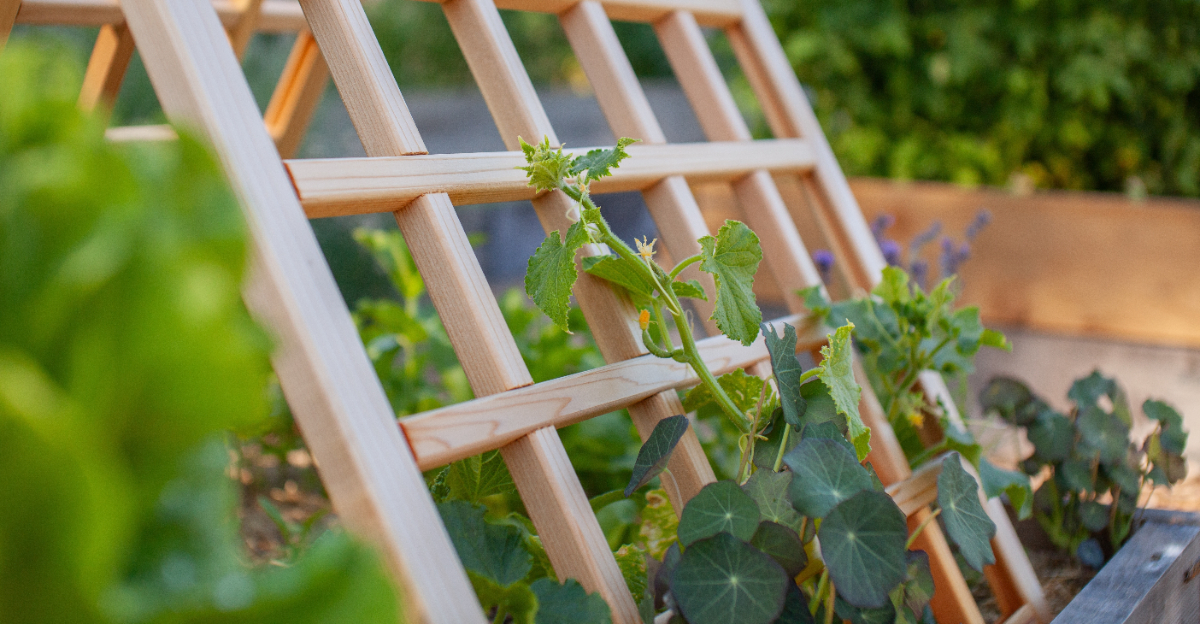
A small patio can still grow a surprising amount of food when the garden moves upward. California gardeners can use fences, trellises, and wall planters to turn tight spaces into productive growing spots.
The right plants climb well or stay compact enough to fit without taking over. They can bring fresh harvests closer to the kitchen while making a plain wall feel more alive.
Sun matters a lot in vertical gardens, especially on patios that heat up fast. Watering also needs a little attention, since containers can dry out quickly.
Still, the payoff is worth it. With smart plant choices and sturdy support, even a narrow fence line can become a space for homegrown flavor.
1. Pole Beans Turn A Fence Into A Food Wall
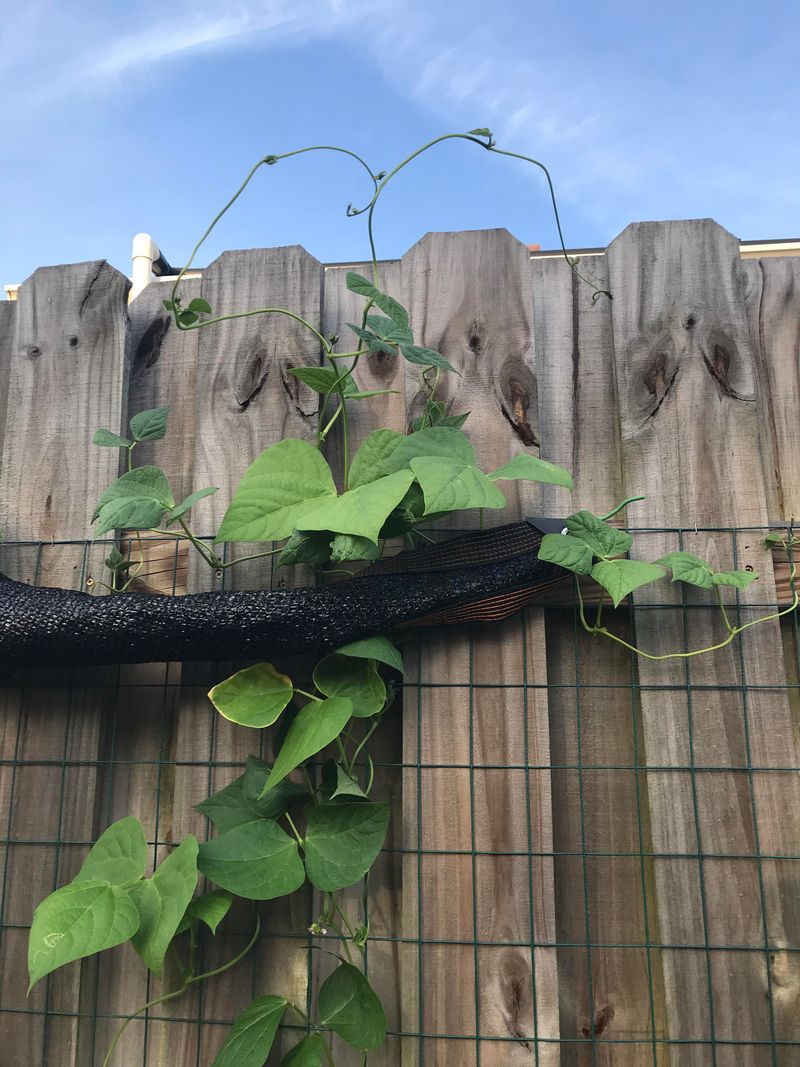
Few plants make better use of a fence than pole beans. They grab onto nearly any surface and shoot upward fast, turning a plain wooden or wire fence into a living wall of food.
Plant them about three inches apart at the base of your fence and watch them climb on their own with almost no help from you.
Pole beans produce far more food than bush beans because they keep flowering and setting new pods all season long. One good planting can give you fresh beans for weeks.
Varieties like Blue Lake Pole, Kentucky Wonder, and Rattlesnake Beans all perform well in California’s warm summers.
Water regularly and pick pods while they are still young and tender. Leaving old pods on the vine signals the plant to slow down production.
Picking often actually encourages more flowers and more beans.
Pole beans also fix nitrogen in the soil, which means they feed the ground while feeding you. They grow well in raised beds, large containers, or directly in the ground along a fence line.
Just give them at least six hours of direct sun each day and keep the soil moist but not soggy. A single ten-foot stretch of fence can easily produce enough beans to keep a family eating fresh all summer long.
2. Cucumbers Climb Trellises Instead Of Sprawling
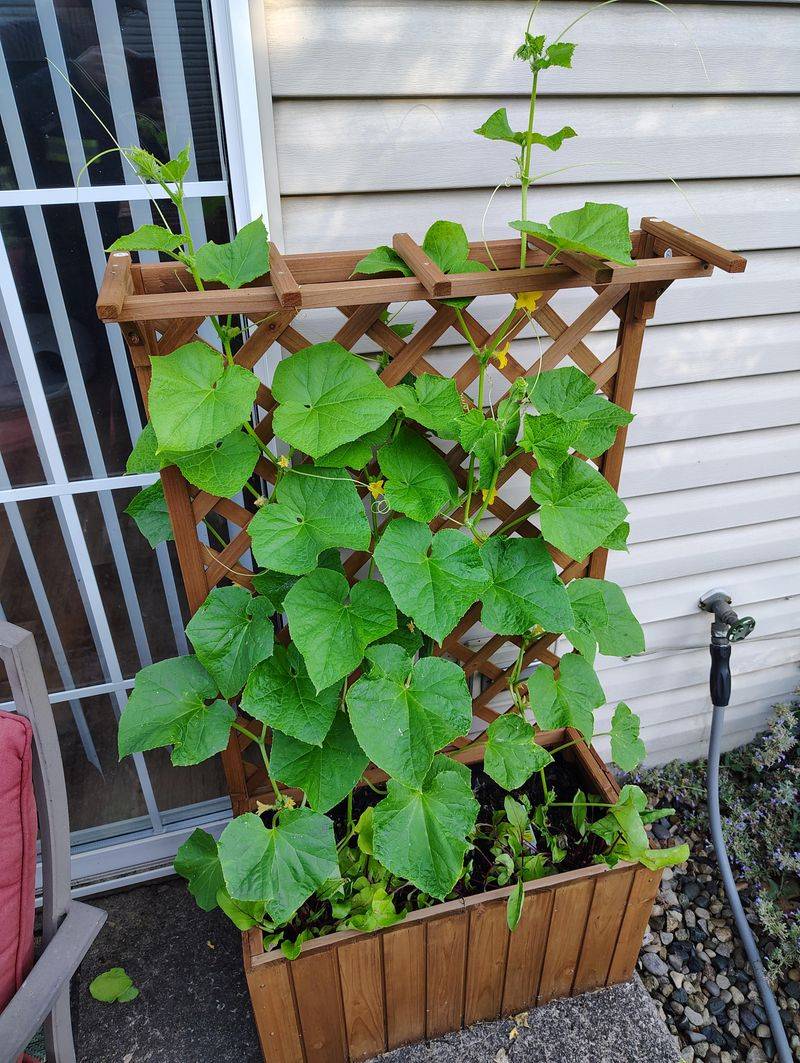
Most people picture cucumbers spreading all over the ground and taking up tons of space. Growing them vertically completely changes the game.
When you train cucumber vines up a trellis or wire panel, the fruit hangs straight down, grows longer and cleaner, and is much easier to harvest.
Vertical cucumbers also get better airflow around their leaves. Better airflow means fewer fungal problems like powdery mildew, which is a common issue during our warm, dry summers.
Varieties like Spacemaster, Straight Eight, and Marketmore all climb well and produce heavily in California’s climate.
Set up a trellis at least five feet tall before you plant. Cucumbers grow quickly and can easily reach six feet or more in a single season.
Use soft garden ties or strips of fabric to help guide young vines onto the trellis in the early weeks.
Plant cucumbers in full sun and water deeply two to three times per week. They are thirsty plants and will slow down production if they dry out.
Your California Garden Changes Every Week. Your Plan Should Too.
Gardening in California changes quickly throughout the season. Every Friday you’ll receive a simple weekly plan showing exactly what to plant, prune, fertilize, harvest, and protect so you never miss the right timing.
Feed them with a balanced fertilizer every two weeks once flowering begins. Pick cucumbers when they reach a usable size and do not let them turn yellow on the vine.
Overripe cucumbers signal the plant to stop producing, so staying on top of harvesting keeps the vine working hard all season.
3. Cherry Tomatoes Produce Big Harvests In Tall Cages
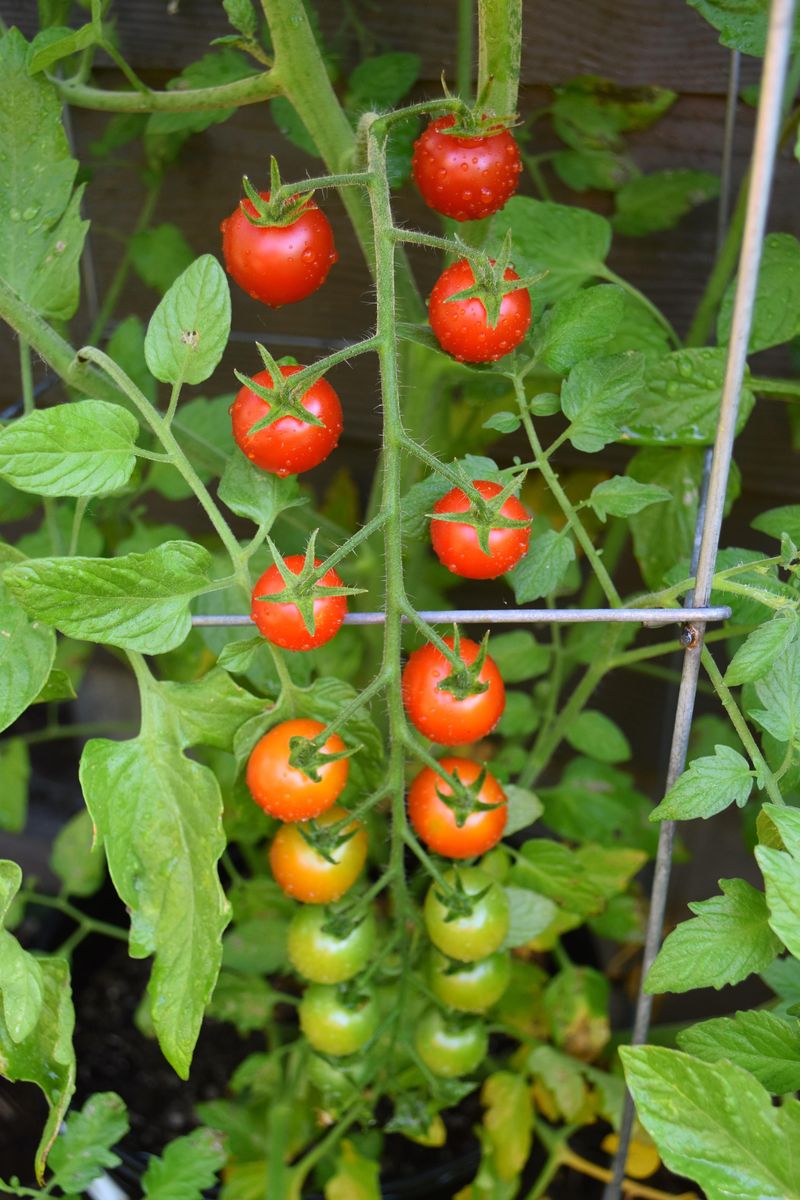
Cherry tomatoes are basically the overachievers of the patio garden world. A single indeterminate plant in a tall cage can grow six feet or more and produce hundreds of small, sweet tomatoes from late spring all the way through fall.
They are one of the most rewarding plants you can grow in a limited space.
Indeterminate varieties are the ones you want for vertical growing. These types keep growing taller and producing fruit all season instead of ripening all at once and stopping.
Sun Gold, Sweet 100, Black Cherry, and Sungella are all excellent choices that thrive in our warm, sunny climate.
Use a heavy-duty cage at least five feet tall, or stake the plant to a fence or wall with strong garden ties. Prune the suckers that grow in the joint between the main stem and branches.
Removing suckers keeps energy focused on fruit production instead of leafy growth.
Plant cherry tomatoes in large containers or directly in the ground near a fence. Give them at least eight hours of direct sun and deep, consistent watering.
Tomatoes that dry out and then get flooded with water are prone to cracking and blossom end rot. Feed them with a tomato-specific fertilizer every two weeks.
With good care, a single plant can easily fill a bowl with ripe cherry tomatoes every single day at peak season.
4. Peas Make Cool-Season Patio Trellises Productive
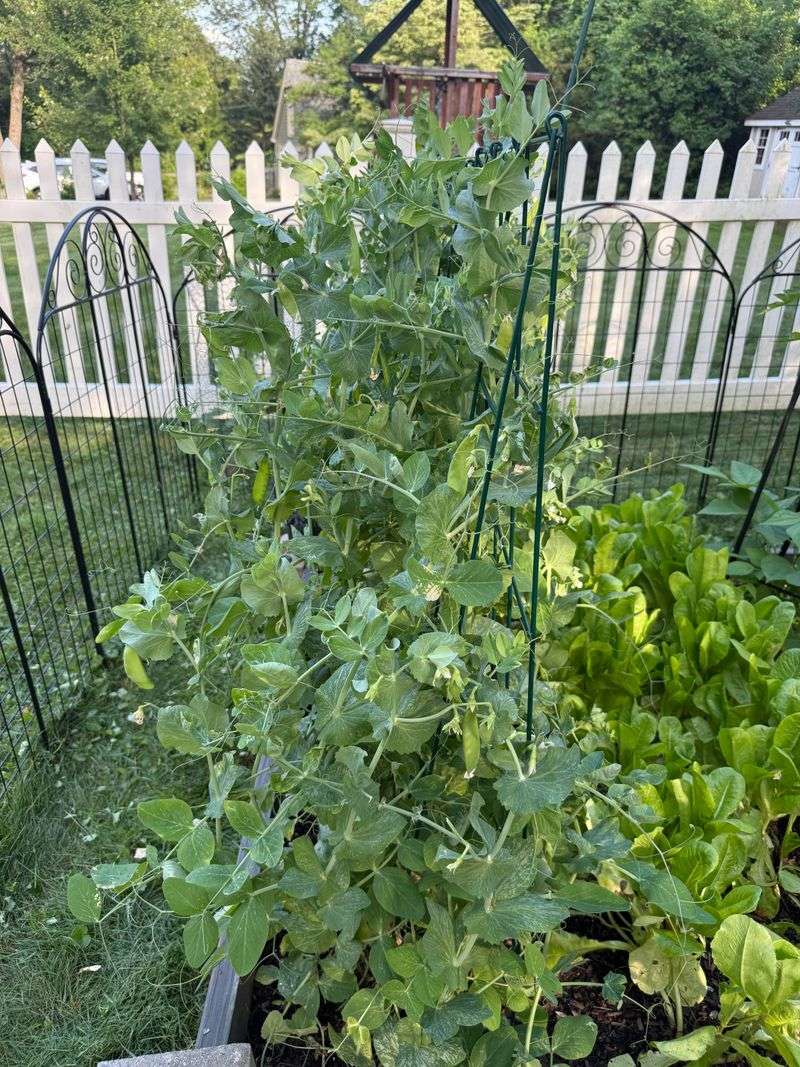
When the weather is still cool and most of the garden is quiet, peas are already hard at work. They love temperatures between 45 and 75 degrees, which makes them perfect for California’s mild winters and early springs.
While other gardeners are waiting for warm weather, pea growers are already harvesting sweet pods.
Sugar snap peas are especially satisfying because you eat the whole pod, not just the peas inside. They are crunchy, sweet, and incredibly fresh right off the vine.
Snow peas and shelling peas are also great options depending on what you like to cook and eat.
Peas climb by wrapping thin tendrils around any support they can find. A simple wire trellis, a piece of chicken wire stretched between two posts, or even a bundle of twiggy sticks works perfectly.
Plant seeds directly in the ground or in a deep container in late fall or early winter in warmer areas of California.
Give peas a spot with full morning sun and some afternoon shade if possible. They do not like intense summer heat, so timing your planting is the key to success.
As temperatures rise in late spring, the plants naturally slow down. Pull them out once production stops and replace them with warm-season crops.
Peas also add nitrogen back to the soil, leaving it in better shape for the plants that follow them.
5. Malabar Spinach Climbs When Summer Greens Fade
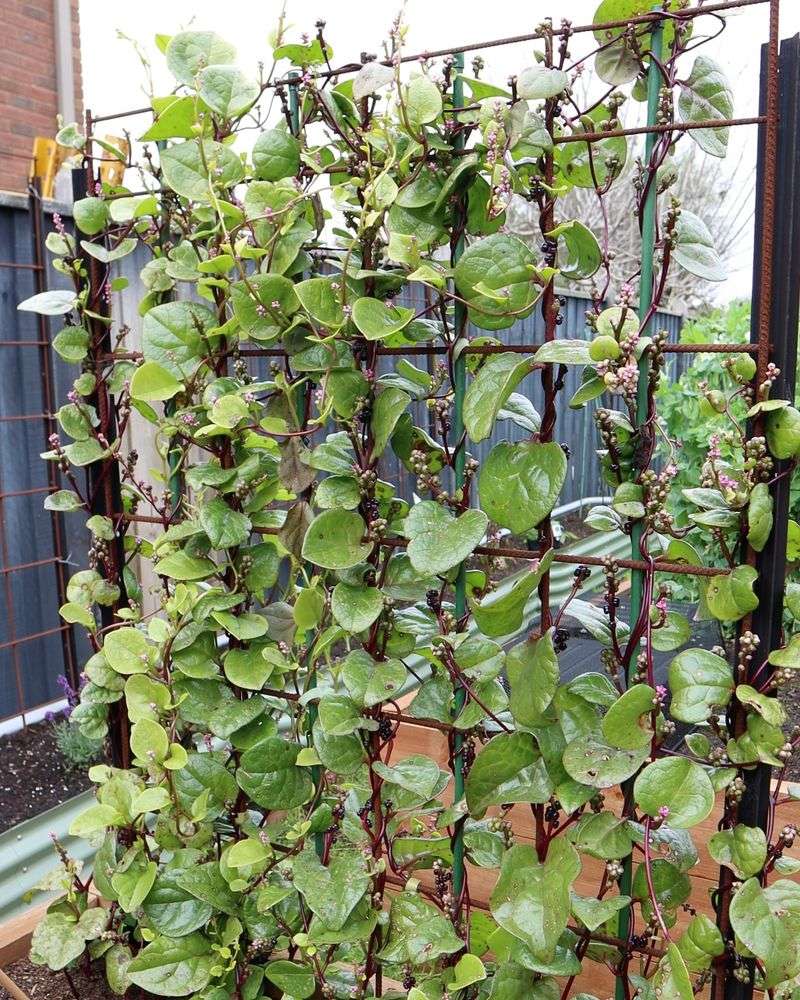
Here is a plant that thrives exactly when regular spinach gives up. Malabar spinach is a tropical vining green that loves heat and humidity, making it an outstanding warm-season substitute for traditional leafy greens.
When temperatures climb and your regular spinach bolts, Malabar spinach is just getting started.
Despite the name, it is not actually related to true spinach. The leaves are thick, glossy, and slightly succulent with a mild flavor.
They work well in stir-fries, soups, curries, and even fresh salads. The texture is a bit different from flat-leaf spinach, but most people enjoy it once they get used to it.
Malabar spinach climbs vigorously and can easily reach eight to ten feet in a single growing season. Train it up a trellis, fence, or even a string system attached to an overhang or pergola.
It grows in full sun but can handle some partial shade without losing too much production.
Start from seed indoors about six weeks before the last frost date, or direct sow once nighttime temperatures stay above 60 degrees. Water consistently and feed with a nitrogen-rich fertilizer to encourage big, healthy leaves.
Harvest regularly by snipping off young stems and leaves. The more you harvest, the more the plant branches out and produces.
It is one of the most underrated vertical food plants available to gardeners in our state.
6. Strawberries Spill From Wall Planters And Towers
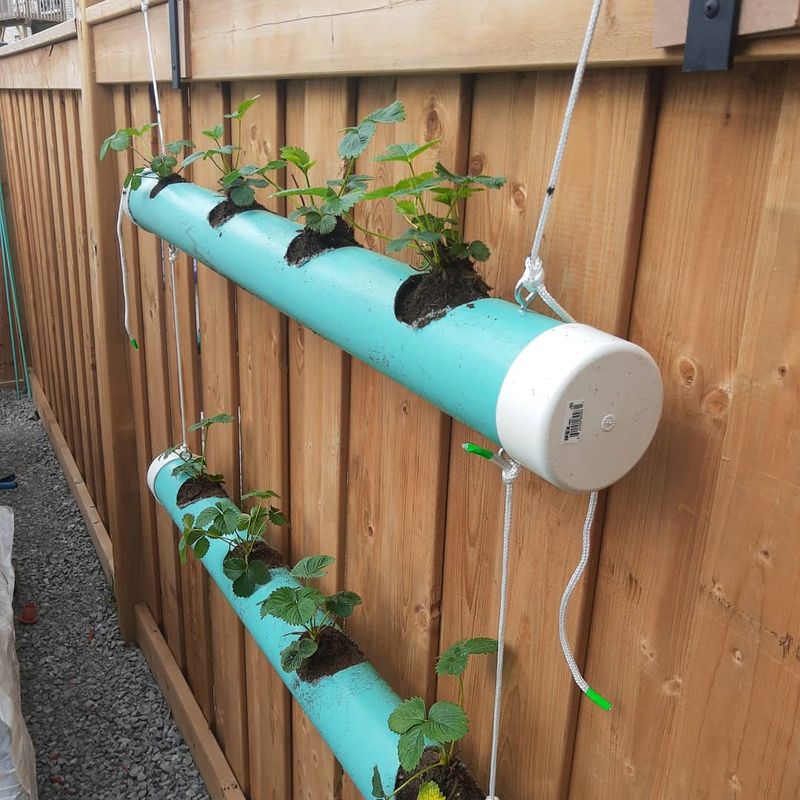
Strawberries do not climb on their own, but they are perfectly designed for vertical growing in a different way. They send out long runners that trail and cascade beautifully from wall-mounted planters, tower pots, and hanging baskets.
That trailing habit makes them one of the most visually appealing edible plants for a fence or patio wall.
Everbearing varieties are the best pick for vertical planters because they produce fruit multiple times throughout the year rather than all at once.
Seascape, Albion, and San Andreas are all popular everbearing types that were actually developed right here in California and perform exceptionally well in our climate.
Wall planters with individual pockets or stackable tower planters are the easiest systems to use. Fill them with a high-quality potting mix amended with compost and a slow-release fertilizer.
Make sure your planter has good drainage because strawberry roots are very sensitive to sitting in wet soil.
Mount your planter in a spot that gets at least six hours of direct sun each day. Water daily in hot weather because small planters dry out faster than ground beds.
Fertilize every two weeks with a balanced liquid fertilizer once plants are established and flowering. Trim off runners that are not being used for new plants to keep energy focused on fruit.
With the right setup, a single wall planter can produce fresh strawberries from spring through fall.
7. Nasturtiums Trail From Containers With Edible Flowers
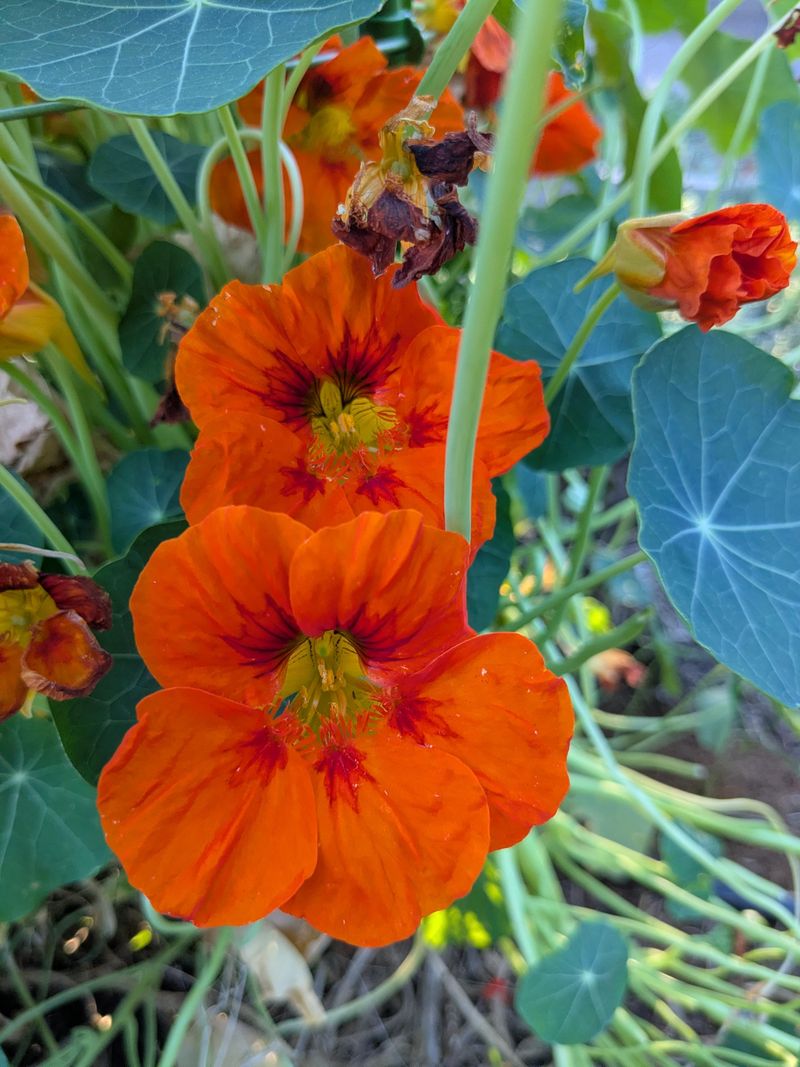
Not every vertical food plant is about vegetables. Nasturtiums are edible from root to flower, and they bring a burst of color to any patio or fence while also putting food on your table.
The flowers taste peppery and slightly sweet, similar to watercress, and they make a stunning garnish on salads, grain bowls, and appetizer plates.
The leaves are also edible and carry a similar peppery punch. Even the seed pods can be pickled and used like capers.
Few plants offer this much edible versatility while also being so easy to grow and so beautiful to look at.
Nasturtiums come in trailing and climbing varieties. Trailing types spill downward from containers and wall planters, while climbing types like Tall Mixed and Moonlight can be trained up a trellis or fence with a little guidance.
Both types are fast-growing and start flowering within about six weeks of planting from seed.
Plant nasturtiums in poor to average soil with very little fertilizer. Rich soil and heavy feeding actually push the plant to grow more leaves and fewer flowers.
They prefer full sun but can handle partial shade in hotter parts of California. Water moderately and let the soil dry slightly between waterings.
Nasturtiums also attract beneficial insects and help repel certain garden pests, making them a smart addition to any edible patio garden setup.
8. Grapes Can Cover A Patio Trellis With Fruit
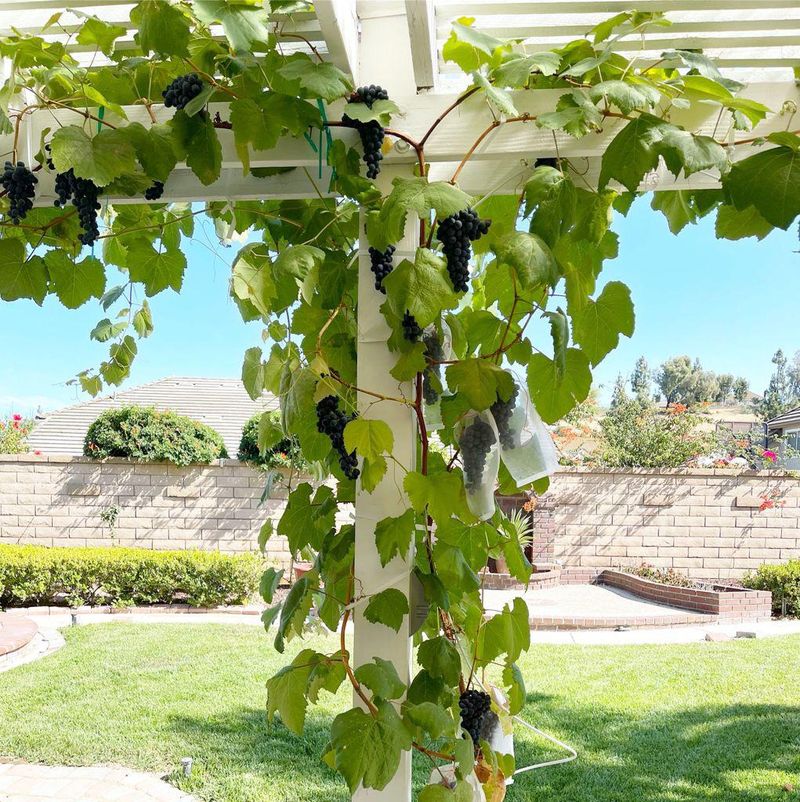
Few plants transform a patio quite like a grapevine. In just a few seasons, a single vine can cover an entire trellis or pergola, creating a shaded outdoor space that also produces fruit.
Grapes are a long-term investment, but the payoff is extraordinary once they hit full production.
California has one of the best climates in the world for growing grapes. The warm days and cool nights in many of our regions produce fruit with excellent flavor and natural sweetness.
Table grape varieties like Thompson Seedless, Flame Seedless, and Concord all do well in home garden settings across various parts of the state.
Plant grapevines in a sunny spot with well-draining soil. They need at least eight hours of sun daily to produce a good crop.
Build or install a sturdy trellis or pergola before planting because a mature vine becomes heavy and needs serious structural support.
Prune aggressively every winter to keep the vine productive and manageable. Most of the fruit grows on new wood, so cutting back hard each year actually increases your harvest rather than reducing it.
Water deeply but infrequently to encourage deep root growth. Once established, grapevines are surprisingly drought-tolerant.
Feed with a low-nitrogen fertilizer in early spring to support flowering and fruit set. With proper care, a single vine can produce 15 to 20 pounds of fruit per year, giving you plenty to eat fresh, juice, or preserve.