The One Thing California Raised Bed Gardeners Skip In August That Weakens Fall Crops
August in California leaves raised beds running on empty, worn down after months of relentless heat and heavy feeding. Summer squash and tomatoes pulled everything the soil had to give.
Most gardeners jump straight to seed packets, picturing kale and broccoli rows by October. Few stop to ask what’s actually left in the ground underneath those dreams.
Think of a raised bed like a well after a long drought. The water table drops so low that even a good rain barely makes a difference until the ground has time to recover.
Fall planting windows in California close fast, and what happens in the next few weeks decides if your harvest thrives or limps along until frost.
Replenishing Soil Nutrients Before Fall Planting
Your raised bed is exhausted by August. Summer tomatoes, squash, and peppers are heavy feeders that strip nitrogen, phosphorus, and potassium from the soil fast.
Most gardeners pull out spent plants and immediately stick in new transplants. That sounds productive, but it skips the most important step of the whole season.
Soil nutrients do not magically refill between crops. The biology underground needs time and fresh organic matter to bounce back before it can support new growth.
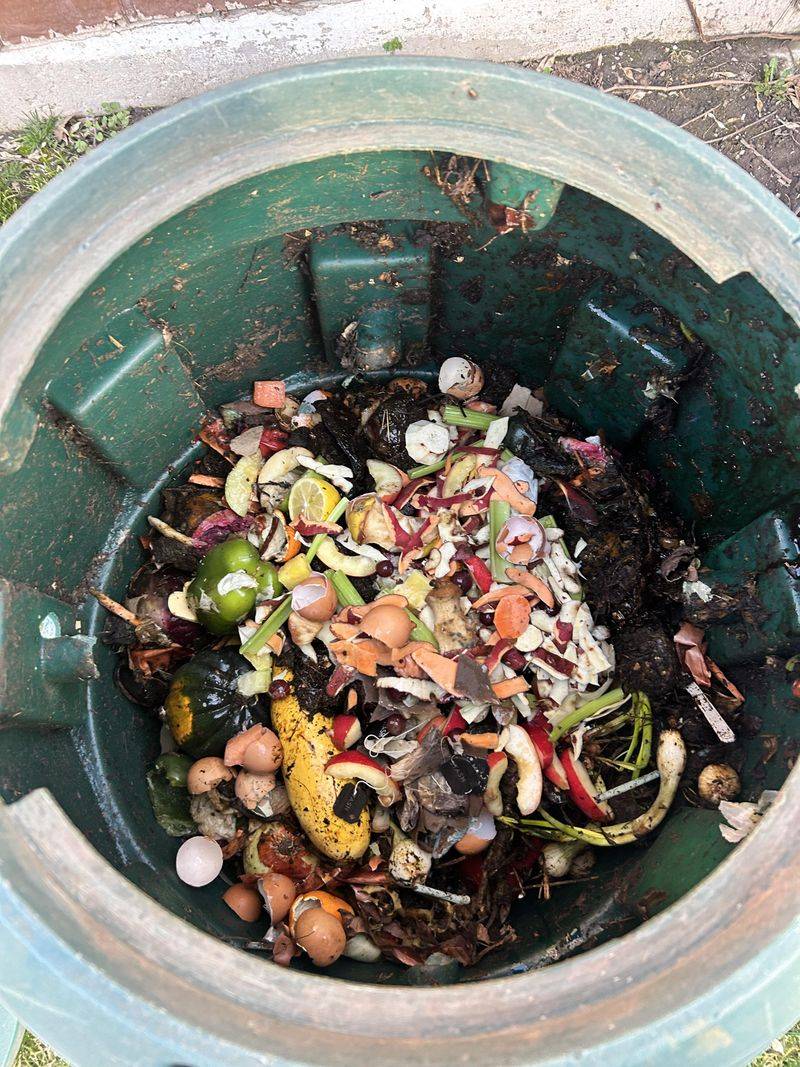
Adding two to three inches of quality compost is one of the most effective moves you can make in August. Compost feeds the soil microbes that break down nutrients into forms your fall crops can actually absorb.
Worm castings are another powerhouse amendment worth mixing in. They are gentle, slow-releasing, and packed with beneficial microorganisms that wake up tired soil quickly.
Granular organic fertilizers with balanced NPK ratios are also worth applying at this stage. Work them into the top few inches of soil so roots can find them right away.
Bone meal adds phosphorus, which supports strong root development in young transplants. Blood meal boosts nitrogen levels fast, giving leafy fall crops like spinach a serious head start.
Think of this replenishment step as the foundation of your fall garden. Skipping soil nutrients before fall planting in California raised beds is like building a house without a floor, and your crops will feel every crack.
The Real Cause Of Late-Summer Nutrient Loss
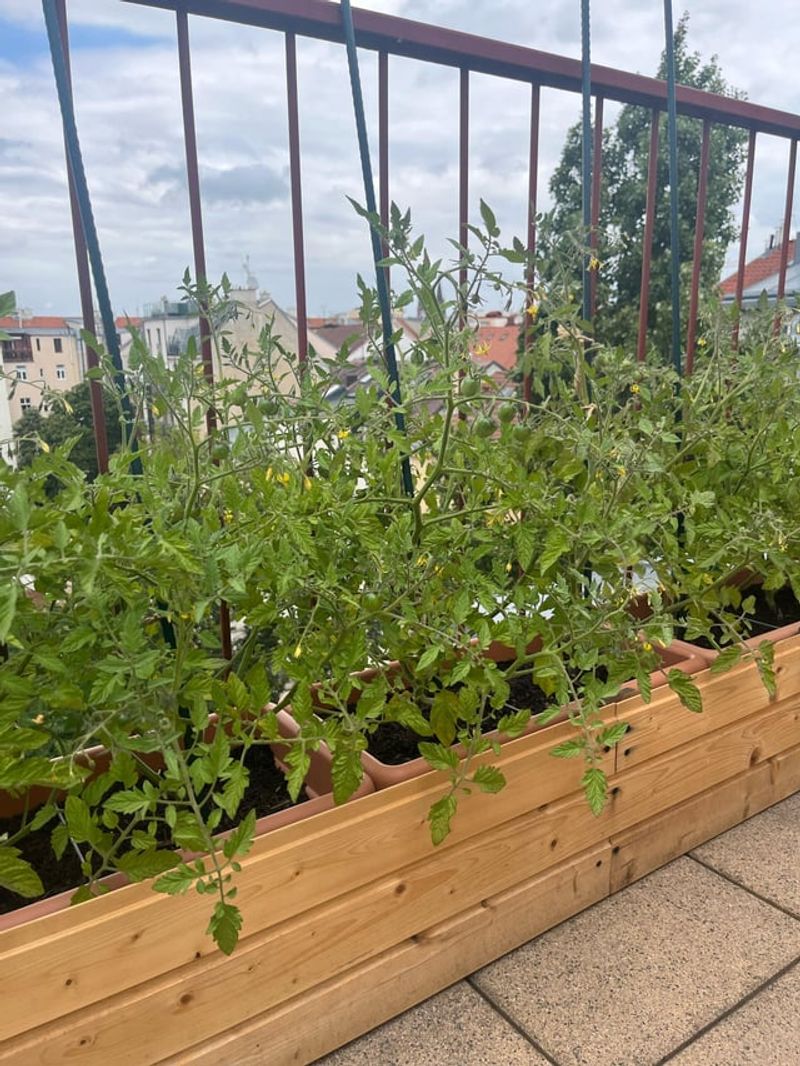
Summer crops are not subtle about what they take. Tomatoes alone can pull enormous amounts of calcium, magnesium, and nitrogen from a single raised bed over one season.
Heat speeds up decomposition of organic matter, which sounds helpful but actually burns through your soil’s nutrient reserves faster than plants can use them. By August, much of what was rich in spring is now gone.
Watering also plays a role most gardeners overlook. Frequent irrigation leaches water-soluble nutrients like nitrogen straight down through the soil profile and out of reach of shallow roots.
Soil pH can shift over a long hot season too. When pH drifts too high or too low, nutrients become chemically locked up and unavailable, even if they are technically present in the soil.
Microbial activity is another factor. Beneficial bacteria and fungi that help plants absorb nutrients decline in stressed, depleted soil. Without them, even amended soil underperforms.
Your California Garden Changes Every Week. Your Plan Should Too.
Gardening in California changes quickly throughout the season. Every Friday you’ll receive a simple weekly plan showing exactly what to plant, prune, fertilize, harvest, and protect so you never miss the right timing.
Compaction from watering and foot traffic reduces air pockets in the soil. Roots need oxygen to function, and compacted soil cuts off that supply, making nutrient uptake even harder.
Understanding why depletion happens makes it easier to fix it correctly. You are not just replacing nutrients, you are rebuilding an entire living system underground.
Fall crops planted into depleted soil grow slowly, bolt early, and produce less. Knowing the cause gives you the power to break that cycle before it costs you another harvest.
Signs Your Raised Bed Needs Attention Before Fall Planting
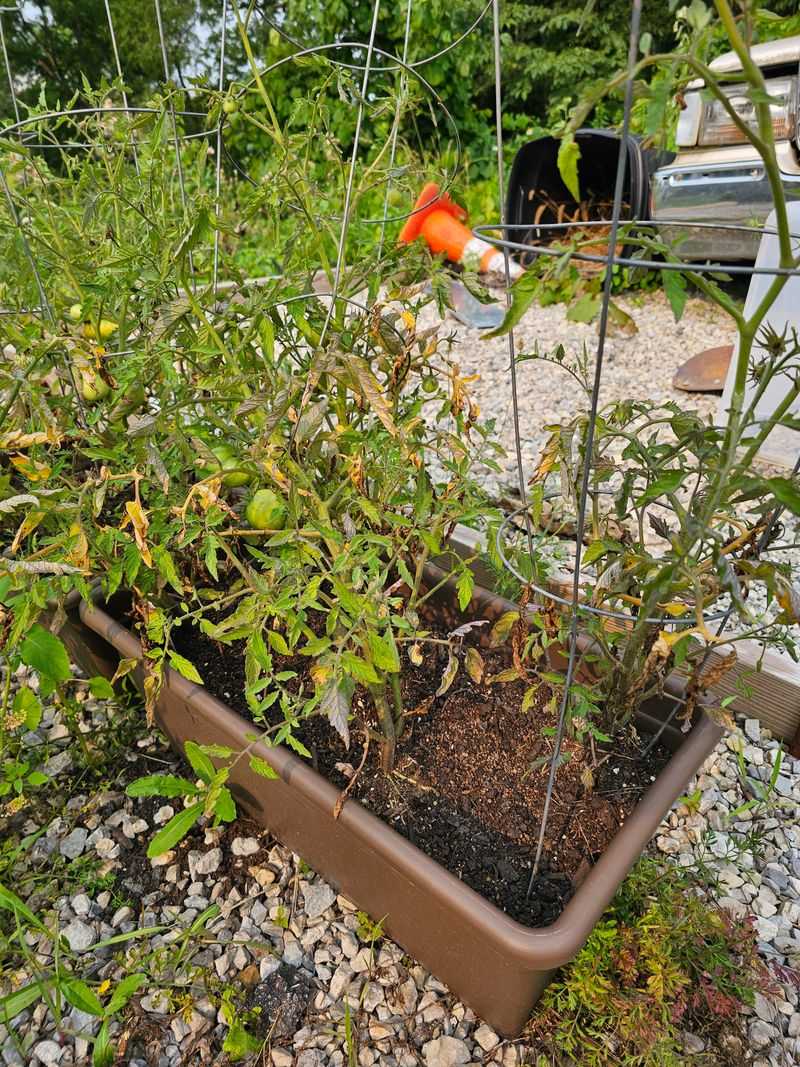
Your garden is constantly sending signals, if you know how to read them. Most people just do not know how to listen to what it is saying in August.
Yellowing leaves on summer crops that are not yet at the end of their life cycle are a classic red flag. That yellow color usually signals nitrogen deficiency, which means the soil is running low on one of its most essential elements.
Stunted growth is another sign worth paying attention to. When plants stop putting out new leaves or fruit even with regular watering, depleted soil is often the culprit hiding beneath the surface.
Pale, dusty-looking soil that pulls away from the edges of your raised bed is a visual cue too. Healthy soil should look dark, moist, and crumbly, not light and powdery.
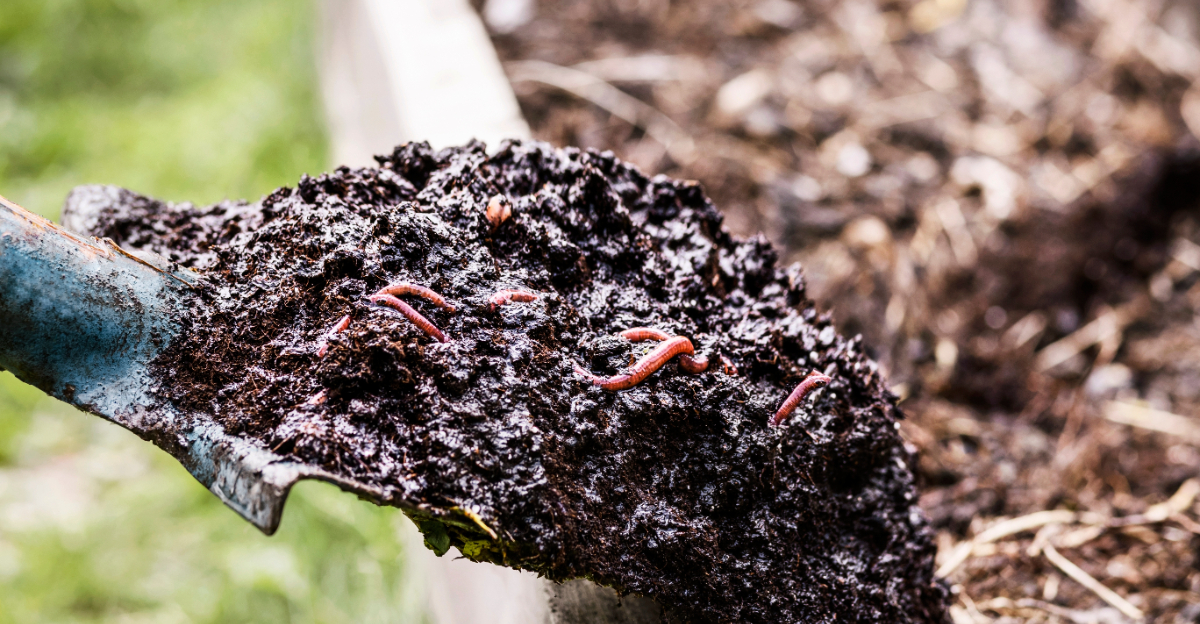
Check for earthworms when you dig down a few inches. Healthy beds are full of them. An absence of worms suggests the soil biology is struggling and needs serious organic matter added soon.
Soil that feels hard or crusty on top is another warning. That crust prevents water and air from reaching roots, and it signals that organic matter levels have dropped significantly since spring.
A simple home soil test kit can confirm what your eyes are already suspecting. These kits are inexpensive, easy to use, and give you specific numbers to work with.
Catching these signs early in August gives you enough time to fix the problem before fall crops go in. Healthy soil is the real first step toward a strong harvest.
Simple Ways To Restore Balance Before You Replant
Restoring a tired raised bed does not require expensive equipment or a chemistry degree. A few simple, affordable steps done in the right order make a big difference fast.
Start by removing all spent plants and their root systems. Leaving old roots in the bed can harbor disease and pests that will transfer directly to your fall crops.
Loosen the top six to eight inches of soil with a garden fork. This breaks up compaction, improves drainage, and creates space for new roots to spread out without resistance.
Work in two to three inches of compost and mix it thoroughly into the existing soil. Fresh compost reintroduces organic matter and jumpstarts the microbial activity your fall plants will depend on.
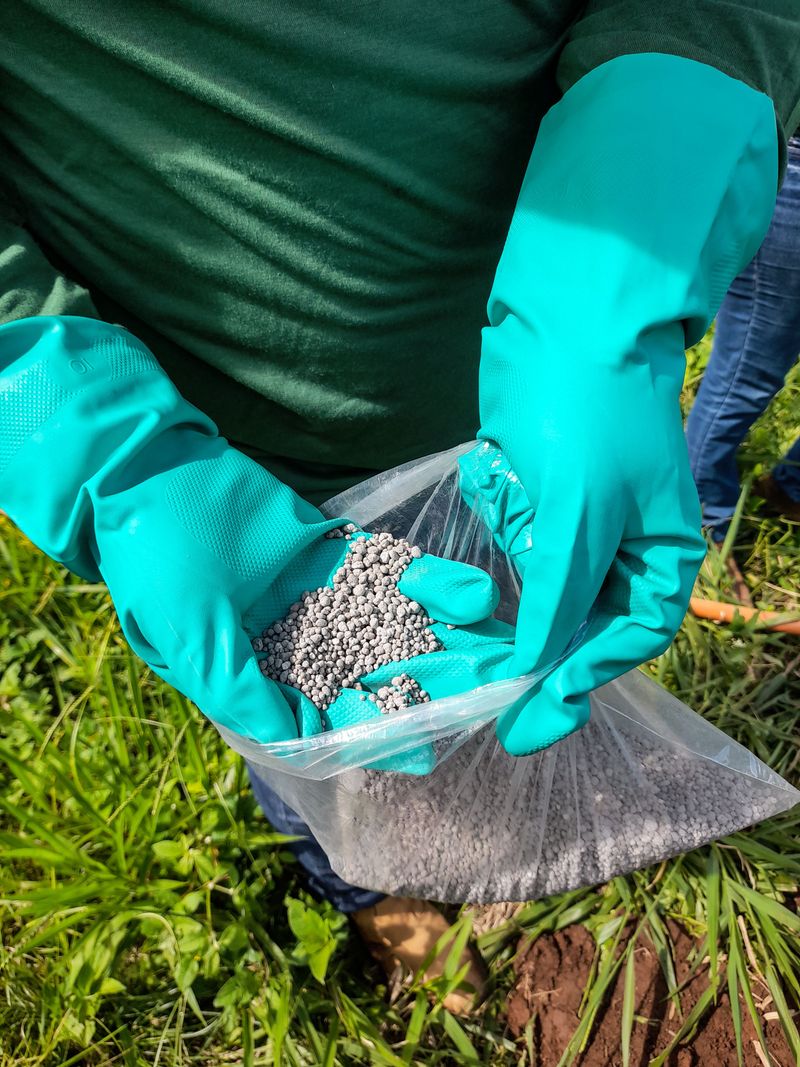
A balanced granular organic fertilizer applied at this stage gives the soil an immediate nutrient boost. Follow package directions closely to avoid over-applying, which can burn young transplants.
Consider adding a thin layer of aged manure if compost alone feels insufficient. Chicken or cow manure aged for at least six months is safe to use and adds a rich nutrient profile.
Water the amended bed thoroughly and let it rest for one to two weeks before planting. This settling period allows amendments to integrate and gives microbes time to activate.
Restoring balance before you replant is the kind of quiet work that pays off loud come harvest time. Your future self will genuinely thank your August self for taking this seriously.
Timing Your Fall Crops For California’s Climate
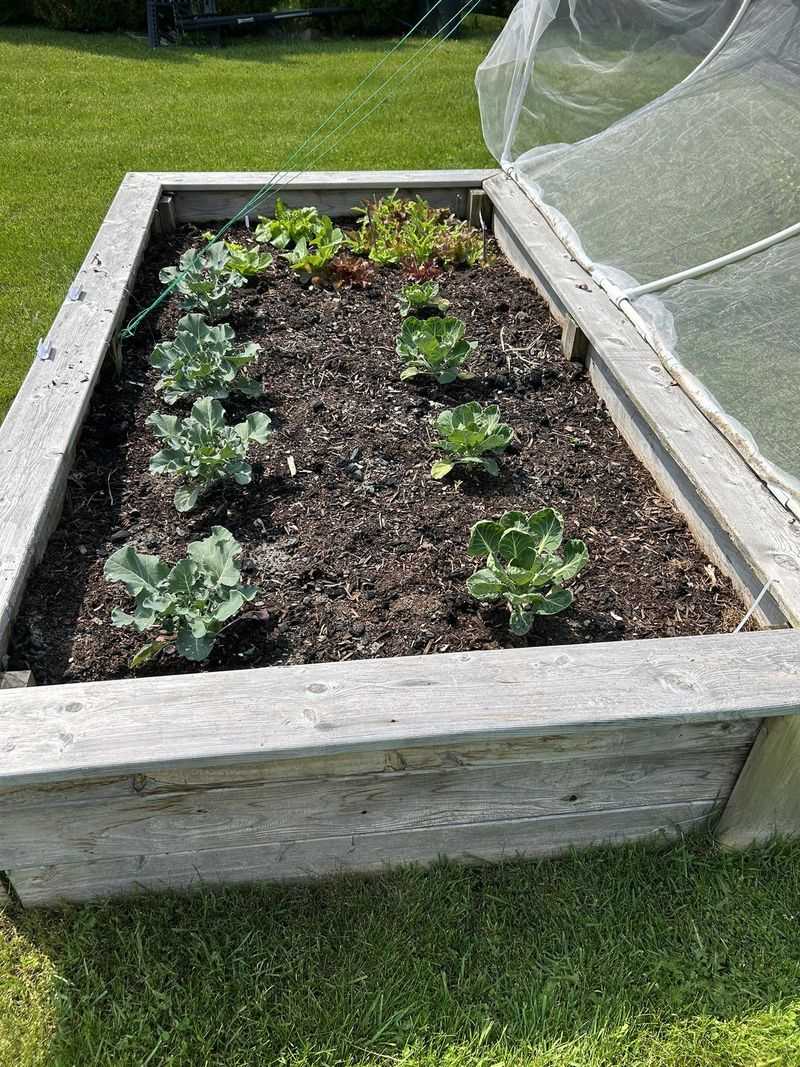
Timing plays a major role in a California raised bed garden. The state has so many microclimates that what works in Sacramento might not work in San Diego, and August is when those differences really matter.
Most cool-season crops like broccoli, kale, and spinach need to be in the ground by mid-August to early September in warmer inland areas. Planting too late means shorter days and cooler temps arrive before plants mature.
Coastal gardeners have a little more flexibility. Mild temperatures along the coast extend the window slightly, but even there, waiting past September risks slow germination and weak root establishment before winter.
Count backward from your first expected cool night to figure out your planting date. Seed packets list days to maturity, and that number tells you exactly when to work backward from your harvest goal.
Start seeds indoors in early August if outdoor temperatures are still too intense for germination. Many brassica seeds struggle to sprout when soil temps stay above 85 degrees Fahrenheit.
Transplanting seedlings rather than direct sowing saves two to three weeks of growing time. That head start can mean the difference between a full harvest and a crop that barely gets going.
Pay attention to local frost dates if you are in a mountain-adjacent area. Some higher-elevation parts of the state see frost earlier than coastal or valley gardeners expect.
Getting timing right is how California raised bed gardeners turn August prep into October abundance. Plant at the right moment, and your fall crops will get the strong start they need.
Tools That Make Soil Refreshing Easier
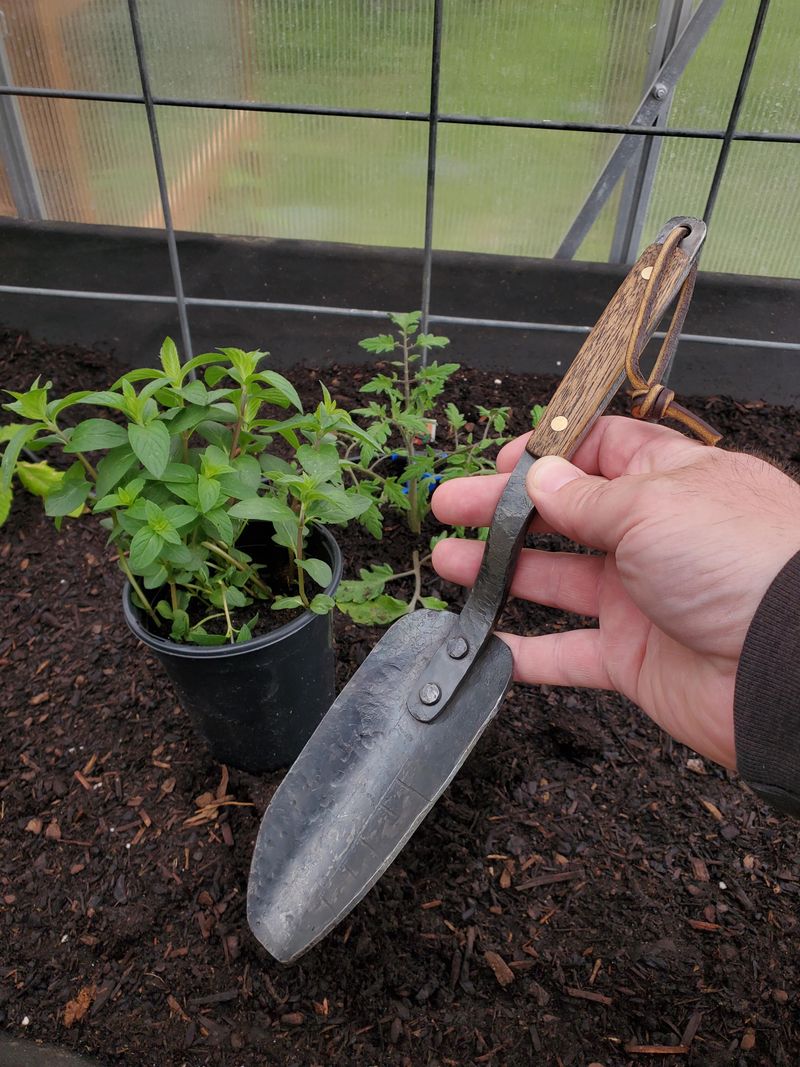
The right tools turn a sweaty August chore into a quick, satisfying task. You do not need a shed full of gear, just a few dependable items that do the heavy lifting for you.
A sturdy garden fork is your best friend for this job. It loosens compacted soil without destroying the structure the way a rototiller can, and it works well in the confined space of a raised bed.
A hand trowel with depth markings helps you mix amendments to the right level. Knowing you are working at six inches rather than guessing makes the whole process more precise and effective.
A soil thermometer is a small investment that pays off every season. Checking soil temperature before planting tells you if seeds will germinate or just sit there doing nothing in the heat.
A basic soil test kit gives you a snapshot of pH and nutrient levels in about ten minutes. Those numbers tell you exactly what to add rather than guessing and over-amending by accident.
A good-quality wheelbarrow makes moving compost, manure, and amendments much less exhausting. Even a small one saves your back on days when the August sun is already working against you.
Drip irrigation tools are worth mentioning here too. Consistent moisture after amending helps microbes activate and keeps your newly planted fall crops from stressing out during warm September days.
Having the right tools ready in August means less friction between you and a thriving fall garden. Strong tools plus strong soil equals the kind of harvest that makes neighbors ask questions.