The One Fall Garden Job Michigan Gardeners Should Wrap Up While The Warm Weather Lasts
A sunny, mild week in late October is a gift. Southeast Michigan is looking at a dry, sunny week with highs in the mid-60s and crisp mornings. Frost has already visited the weekend, which is a reminder that winter is close.
Some garden jobs are easy on a pleasant day and miserable once the ground freezes. One in particular repays you all winter and into spring. Most people save it for the last minute, and many skip it altogether.
Doing it now takes less time, less effort, and gives better results. Put aside an afternoon before the next cold snap arrives. A little work this week keeps you from fighting frozen soil and stiff fingers in November.
1. Garlic Needs To Go In Before The Ground Turns Cold
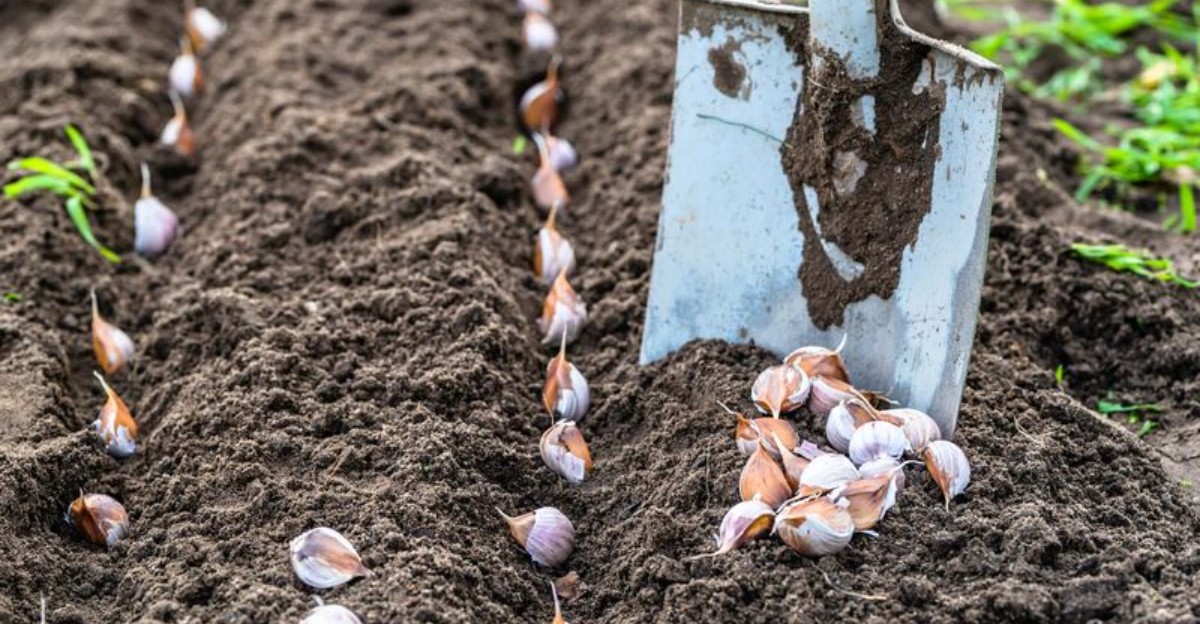
Every Michigan gardener knows the feeling. One week you are wearing shorts, and the next you are scraping frost off the car. Garlic, known to scientists as Allium sativum, is the crop that makes those last mild days count.
Here is the secret behind the rush. Garlic cloves need several weeks in the soil to grow roots before the ground freezes solid. When you plant while the soil is still mild, the cloves settle in, build a strong root system, and then rest through winter.
Come spring, they wake up with a head start and grow fast. Timing depends on where you live in the state. Gardeners in the Upper Peninsula and the northern Lower Peninsula should aim for late September to early October.
Down in southern Michigan, October into early November usually works well. The goal is the same everywhere: finish planting a few weeks before your ground typically freezes.
Not sure when that happens in your area? Think back to past years and when your soil got too hard to dig. Your local MSU Extension office can also share frost dates and planting advice for your county, and their tips are free and easy to find online.
Mid October often brings a warm stretch to Michigan, sometimes called a bonus window. Those sunny days are perfect for grabbing a trowel and getting your cloves in the ground.
Waiting until November is a gamble, because a sudden cold snap can lock up the soil overnight. Treat that warm spell as your signal, and you will thank yourself next July when the harvest rolls in.
2. Warm Soil Helps Roots Settle In Quickly
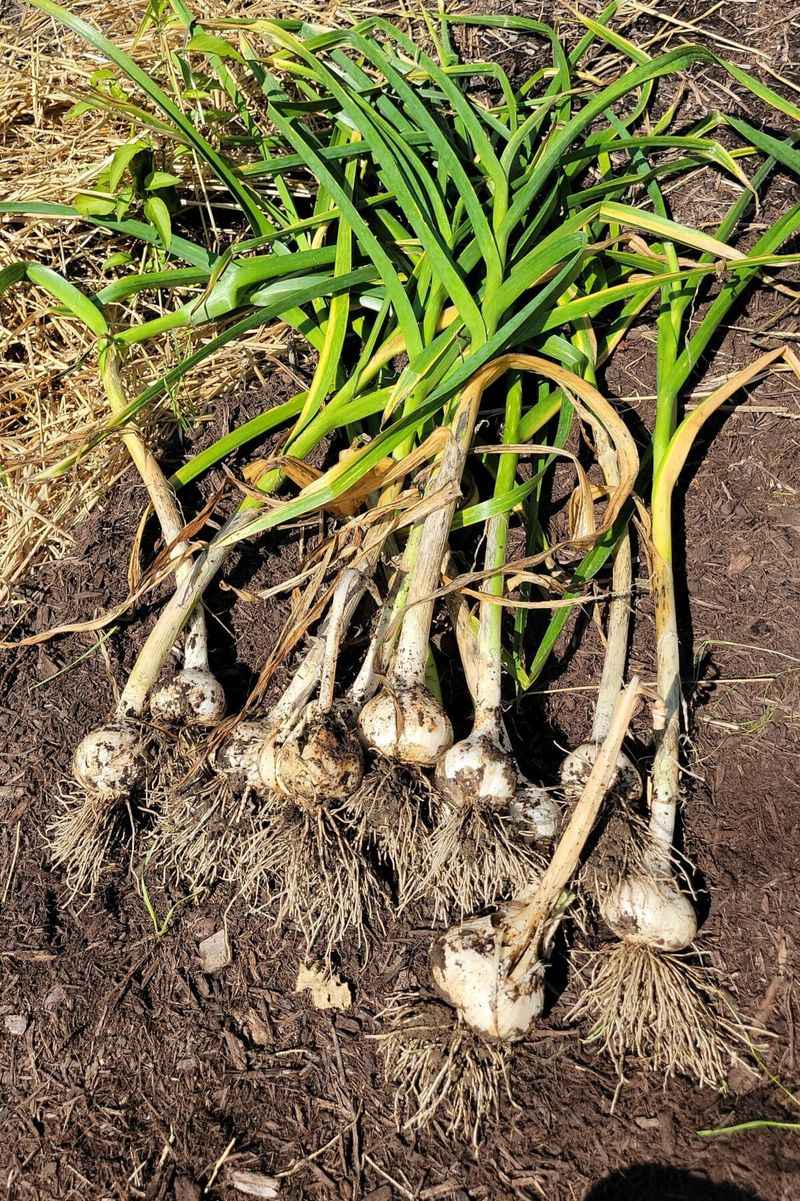
Roots are picky little things. They grow best in soil that feels cool to the touch but is not cold, and fall in Michigan often hits that sweet spot just right.
When a run of warm October days arrives, the soil holds onto that gentle heat. Down below the surface, your garlic cloves get busy sending out white roots in every direction. Plant too late, though, and cold soil slows that process to a crawl.
Cloves that sit in chilly ground without rooting have a much harder time getting through winter.
So what can you do to help? First, plant during a mild stretch instead of waiting for the last possible weekend. Next, check the soil after planting.
Your Michigan Garden Changes Every Week. Your Plan Should Too.
Gardening in Michigan changes quickly throughout the season. Every Friday you’ll receive a simple weekly plan showing exactly what to plant, prune, fertilize, harvest, and protect so you never miss the right timing.
If it feels dry a couple of inches down, give the bed a good, slow watering so moisture reaches the cloves.
After that, keep the soil lightly moist while roots get established. You do not need to flood it. Soggy ground can cause rot, so aim for the feel of a damp sponge that has been wrung out. If fall rain shows up regularly, nature may handle the job for you.
Michigan weather loves surprises. A lovely 65 degree afternoon can be followed by a hard freeze just a few days later. That is exactly why early action pays off.
Cloves that have already rooted are anchored and ready, while late plantings may still be sitting there waiting. Give your garlic those warm days to work, and it will reward you with stronger plants once the snow melts away in spring.
3. Hardneck Garlic Thrives In Michigan
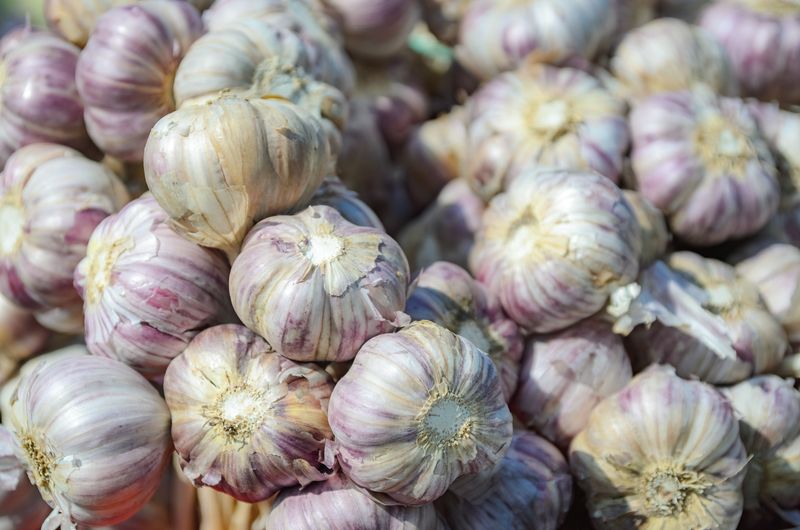
Cold winters get a bad reputation, but hardneck garlic absolutely loves them. These tough varieties actually need a long chilly season to form full, plump bulbs, which makes Michigan a near perfect home.
Hardneck garlic gets its name from the stiff stalk that grows up through the center of the bulb. Cooks adore it for its rich, bold flavor and its large cloves, which peel easily. Softneck garlic, the kind often braided and sold in stores, usually stores longer.
However, softnecks tend to perform best in places with milder winters, like California.
Choosing the right type makes a big difference. Porcelain varieties, such as Music and German Extra Hardy, produce big bulbs with just a few huge cloves. Rocambole types, like Spanish Roja, are famous for their deep, complex taste.
Both handle Michigan cold with ease. Where you buy your garlic matters too. Look for seed garlic from trusted suppliers, seed catalogs, or local growers at farmers markets.
Michigan farmers often sell varieties they have grown for years, so those bulbs are already used to our weather.
Skip the grocery store garlic, even if it looks tempting. Much of it is softneck garlic grown in warmer regions or overseas, and some may be treated to stop sprouting. It may not grow well here, or it may not sprout at all.
Spending a little more on quality seed garlic is a smart move, since you can save your best bulbs each year and replant them. In a few seasons, you will have your own Michigan-tough garlic line.
4. Good Soil And Sun Lead To Bigger Bulbs
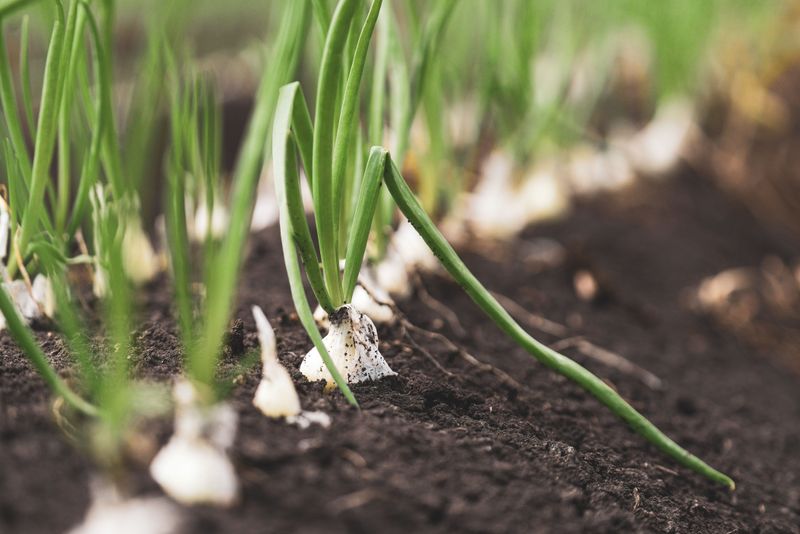
Big bulbs start long before the first clove goes in. They start with the spot you pick and the soil you build.
Garlic is a sun lover. It grows best with full sun, which means at least six to eight hours of direct light each day. It also wants loose, well-drained soil that is rich in organic matter.
When soil is heavy and stays waterlogged, garlic struggles. Bulbs come out small, and cloves can rot before they ever get going.
Getting the bed ready is simple. Spread 2 to 3 inches of compost over the planting area and work it into the top several inches of soil with a garden fork. Compost loosens tight ground, feeds helpful soil life, and holds just the right amount of moisture.
Next, take a walk around your yard after a heavy rain. Notice where puddles form and linger. Those low spots are a poor choice for garlic, especially in spring, when melting snow can leave water sitting for days.
Many parts of Michigan, especially in the southeast and the Thumb, have heavy clay soil. Clay holds water like a bathtub, and it can stay soggy well into April. If that sounds like your yard, raised beds are a fantastic fix.
A bed just 8 to 12 inches tall lets water drain away and warms up faster in spring. A little effort now sets the stage for months of growth.
Sunshine, compost, and good drainage work together as a team, and your garlic will show its thanks with hefty heads at harvest time.
5. Plant Cloves At The Right Depth And Spacing
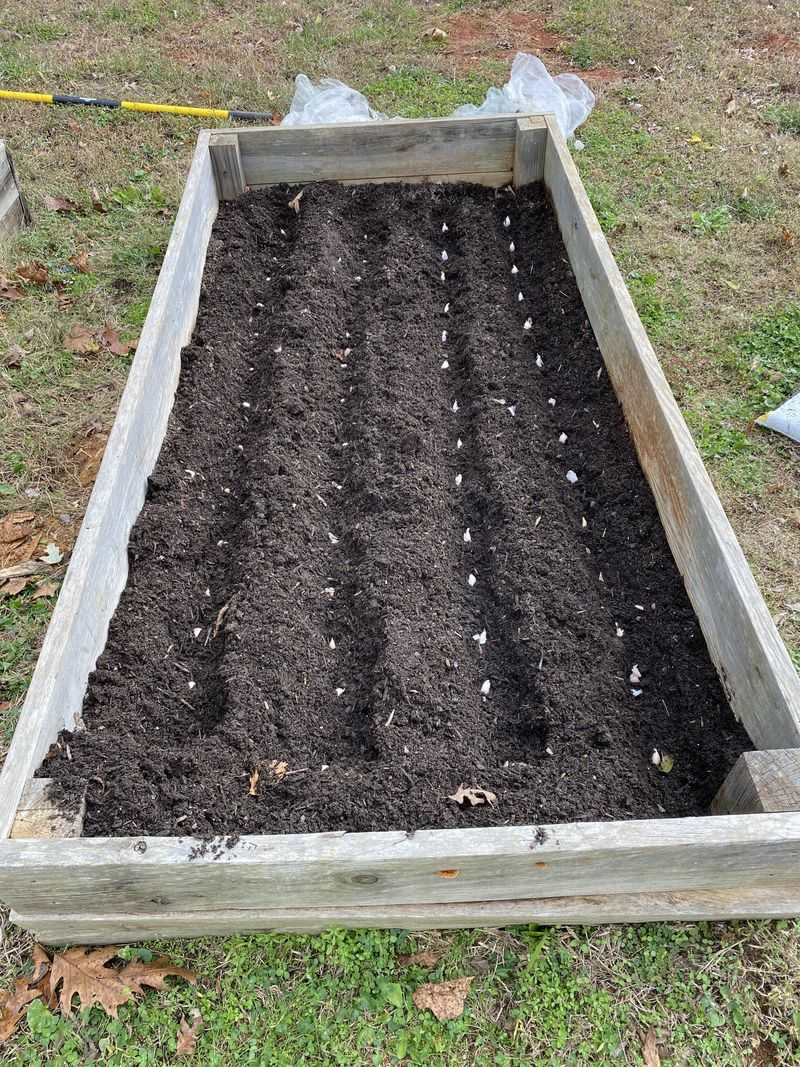
Think of each clove as a tiny seed packet with a plan. Give it the right home, and it will turn into a full bulb by summer. Depth and spacing are the two big details here.
Planting at the proper depth shields cloves from wild temperature swings near the surface. Good spacing gives each bulb enough elbow room to grow to full size without fighting its neighbors for water and food.
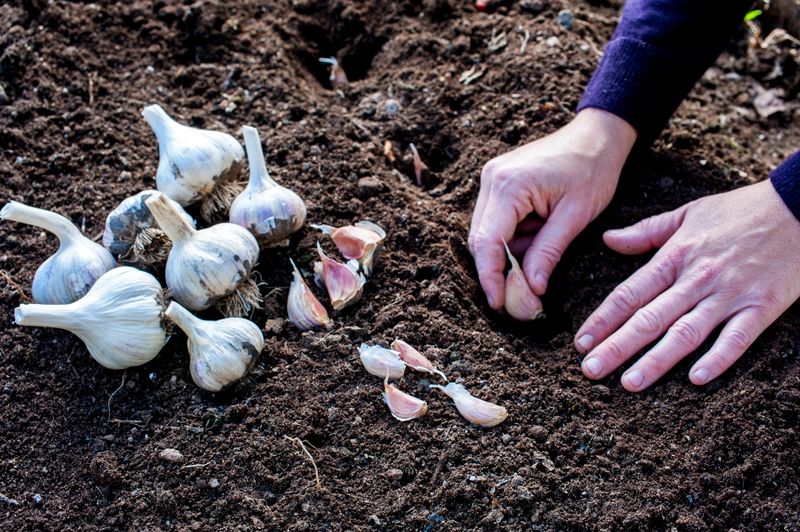
Start by breaking bulbs apart into single cloves just before planting. Doing it too early can dry them out. Leave the papery skins on, since they act like a protective jacket.
Pick the largest cloves for planting. Bigger cloves grow bigger bulbs, so save the small ones for your kitchen. Set each clove pointed end up and flat end down, about 2 inches deep.
Space them 4 to 6 inches apart, with rows roughly 12 inches apart. A ruler or a marked stick makes this quick and easy.
Once the cloves are covered, press the soil down gently with your hands. Firm soil removes air pockets and helps roots make good contact with the earth around them.
Michigan winters bring plenty of freeze and thaw cycles. As the ground freezes, it expands, then shrinks again when it thaws. Over time, that motion can push shallow cloves right out of the soil, a problem gardeners call heaving.
Cloves planted at the right depth and firmly settled stay put. Taking a few extra minutes with a ruler now means fewer surprises when you check your bed in March.
6. Mulch Once The Soil Cools Down
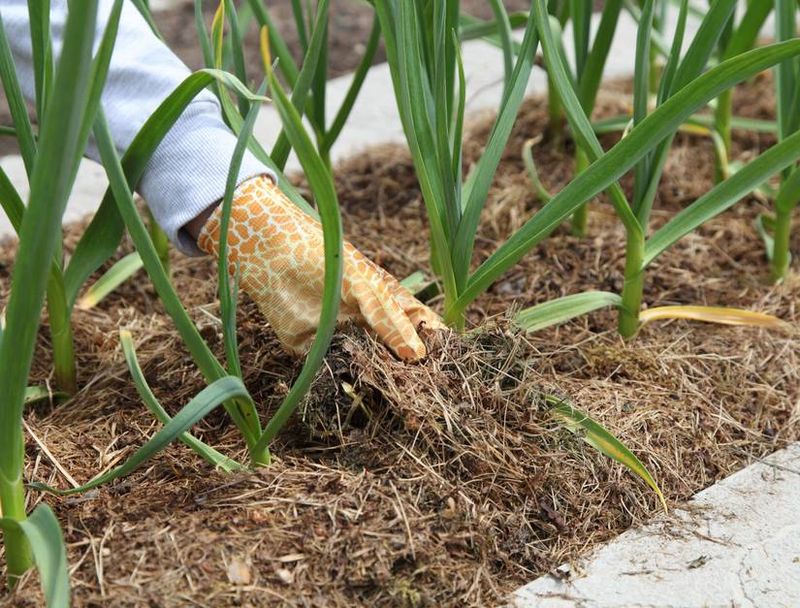
A cozy blanket is exactly what your garlic bed needs for winter. Mulch plays that role beautifully, and it does far more than keep things warm.
A thick layer insulates the soil and keeps its temperature steadier. That steady temperature means fewer freeze and thaw swings, which helps stop cloves from heaving out of the ground. Mulch also holds moisture in the soil.
Then, when spring arrives, it blocks weeds before they can crowd your young plants. Timing is the tricky part. Wait until the soil has cooled and the ground starts to freeze, often in November across much of Michigan.
Mulching too early can hold in warmth, which may invite cloves to sprout leaves too soon, and it can also attract mice looking for a warm home.
When the moment comes, spread 4 to 6 inches of clean straw or shredded leaves over the whole bed. Choose straw rather than hay, since hay is often full of weed seeds. If you use leaves, shred them first with a mower.
Whole leaves tend to mat down into a soggy layer that blocks air and water. In spring, watch for green shoots poking through. Pull some of the mulch back so the soil can warm up and the young plants get light. Leave a thinner layer in place to keep weeds down.
Michigan winters can feel endless, with long cold spells broken by sudden thaws. Mulch takes the edge off those swings and gives your garlic a calmer, safer season underground.
7. A Summer Harvest Rewards Fall Planting
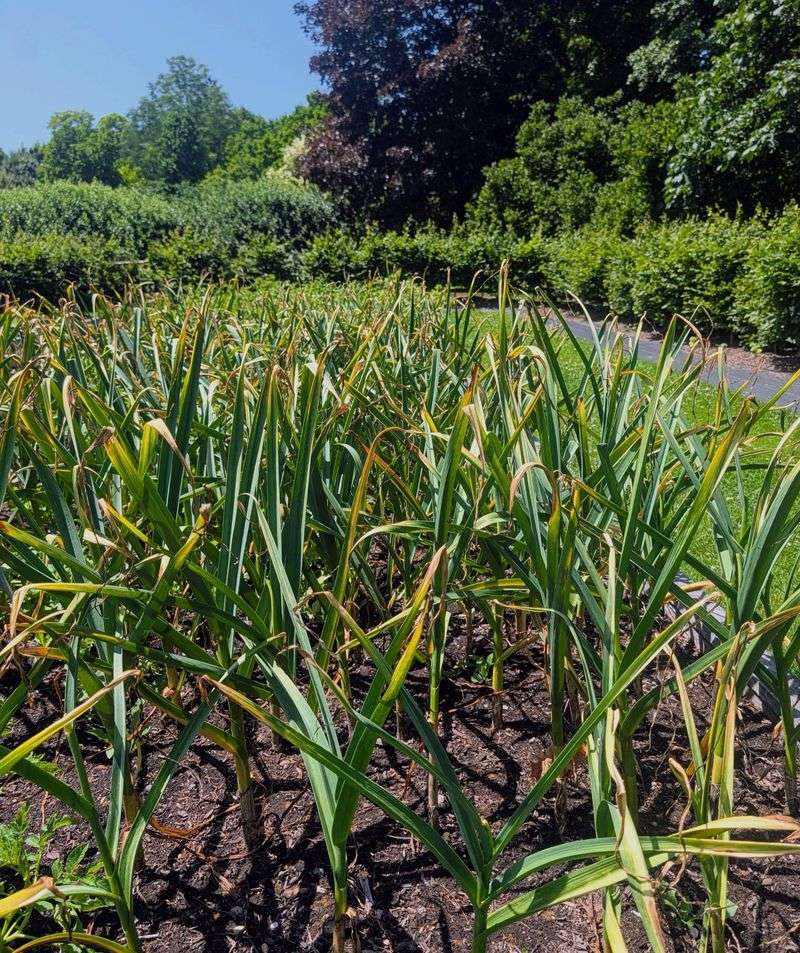
Picture a sunny July morning and an armful of fresh garlic pulled straight from your own backyard. That moment is the payoff for a few hours of fall work.
Once spring arrives, garlic takes off quickly. Green leaves shoot up as the soil warms. As days grow longer in early summer, the plants shift their energy underground and start forming bulbs.
By mid summer, most garlic is ready to dig. Give your plants a light boost in spring as growth begins. A nitrogen fertilizer, such as blood meal or a balanced organic mix, helps leaves grow strong. More leaves mean bigger bulbs later on.
Hardneck garlic sends up curly flower stalks in early summer. These are called scapes, and you should snip them off once they curl. Cutting them sends the plant’s energy back into the bulb.
Scapes are delicious too, with a mild garlic flavor that shines in pesto, stir fries, and scrambled eggs.
About two weeks before harvest, stop watering. Drier soil helps the bulbs firm up and store better. Watch the lower leaves closely. When about a third to half of them turn brown, usually in July, it is time to dig.
Loosen the soil with a garden fork instead of yanking stalks, which can snap. Then hang or spread the bulbs in a shady, airy spot for two to three weeks to cure.
Here in Michigan, cloves planted this fall can be harvested and cured by mid to late summer. That is a pretty sweet reward for one afternoon of planting.