The One Fall Task That Brings Virginia Hydrangeas Back In Bloom Next Summer
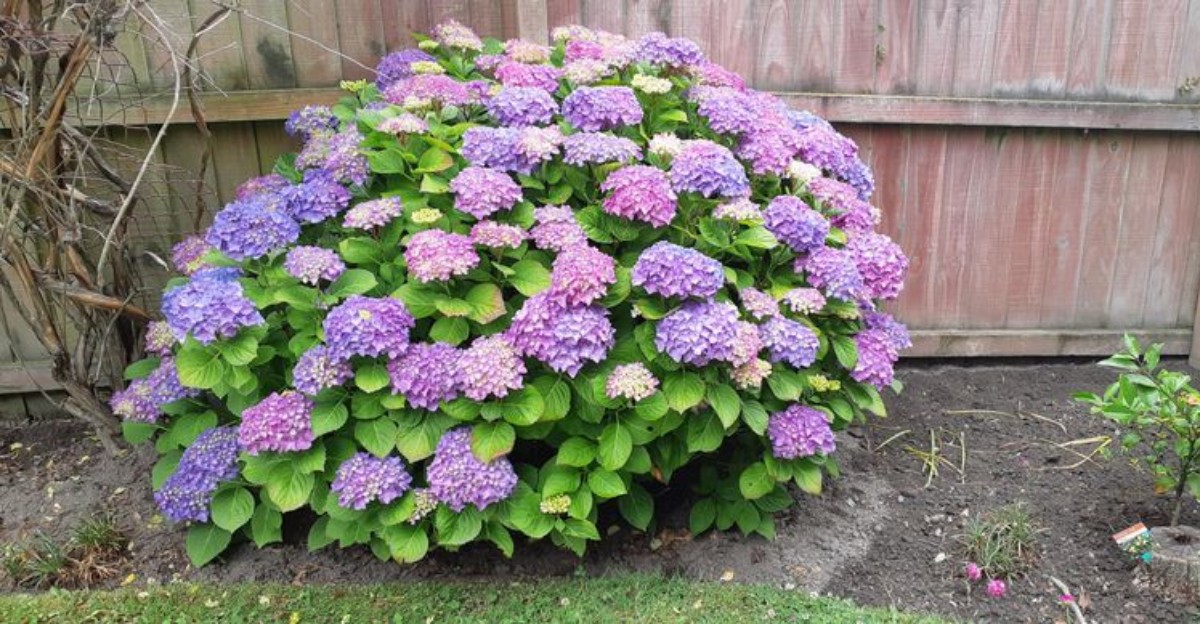
Put down the pruners and step away from the hydrangeas. Every fall, crisp air and rustling leaves tempt Virginia gardeners into a big, tidy cleanup.
Those faded pink and blue flower heads look tired, and the bare stems seem ready for a trim. Yet one small choice made in October can decide whether your yard bursts with color next June or sits quietly green.
The secret is surprisingly easy, and it asks you to do less work, not more. Bigleaf hydrangeas share a hidden habit that most people never notice.
Once you understand it, those brown stems will earn a whole new level of respect. They’re holding something far more valuable than they appear.
The guide below covers that simple fall step, plus a few helpful extras. Follow it, and those big blooms can keep coming back year after year.
1. Leaving The Stems Alone Is The Step
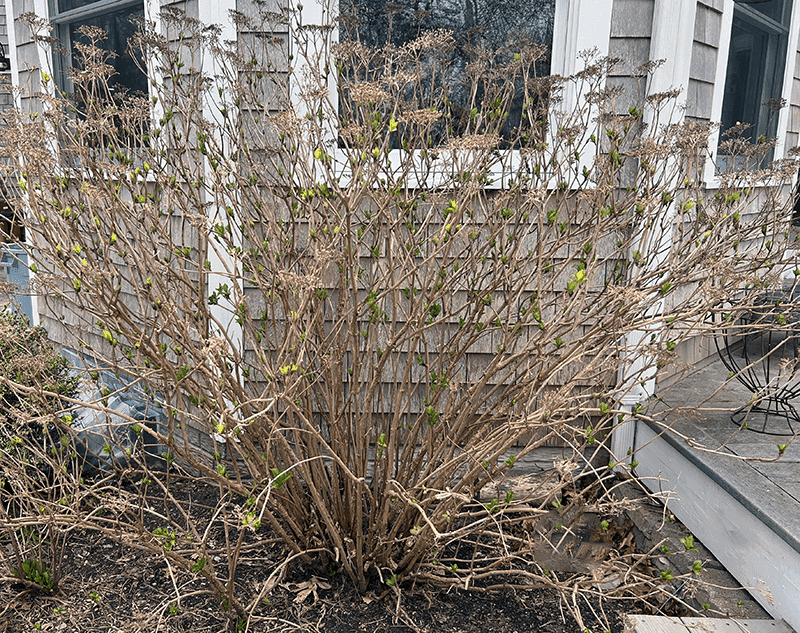
Sometimes the smartest garden move is simply walking past the shrub. For bigleaf hydrangeas, doing nothing in fall is the real task.
Many popular types bloom on what gardeners call old wood. Bigleaf, oakleaf, mountain, and climbing hydrangeas all fall into this group.
Old wood means stems that grew during the past season. Those stems carry the flowers you will enjoy next summer.
Cutting them in fall removes those future blooms before they ever open. Your shrub may leaf out nicely but show zero flowers.
The Virginia Cooperative Extension warns against pruning these types in late summer, fall, or winter. Their advice is clear and backed by years of research.
Here is a helpful way to think about it. Picture each stem as a gift box already wrapped for next June.
Opening the pruners now is like tossing that box in the trash. You lose the surprise inside without even knowing it.
So what should you do instead during autumn? Rake leaves, pull weeds, and water the shrub if the weather turns dry.
A deep drink before the ground freezes helps roots stay strong. Moist soil also holds warmth better than dry, dusty ground.
Adding a light layer of shredded leaves or bark mulch is another kind gesture. It keeps soil temperatures steady as nights grow chilly.
If neighbors ask why your shrub looks messy, smile and share your plan. By next summer, your blooms will likely do the explaining for you.
Patience in fall pays off with color later. Few garden tasks are this easy on your back.
2. Next Summer’s Flower Buds Are Already In Place
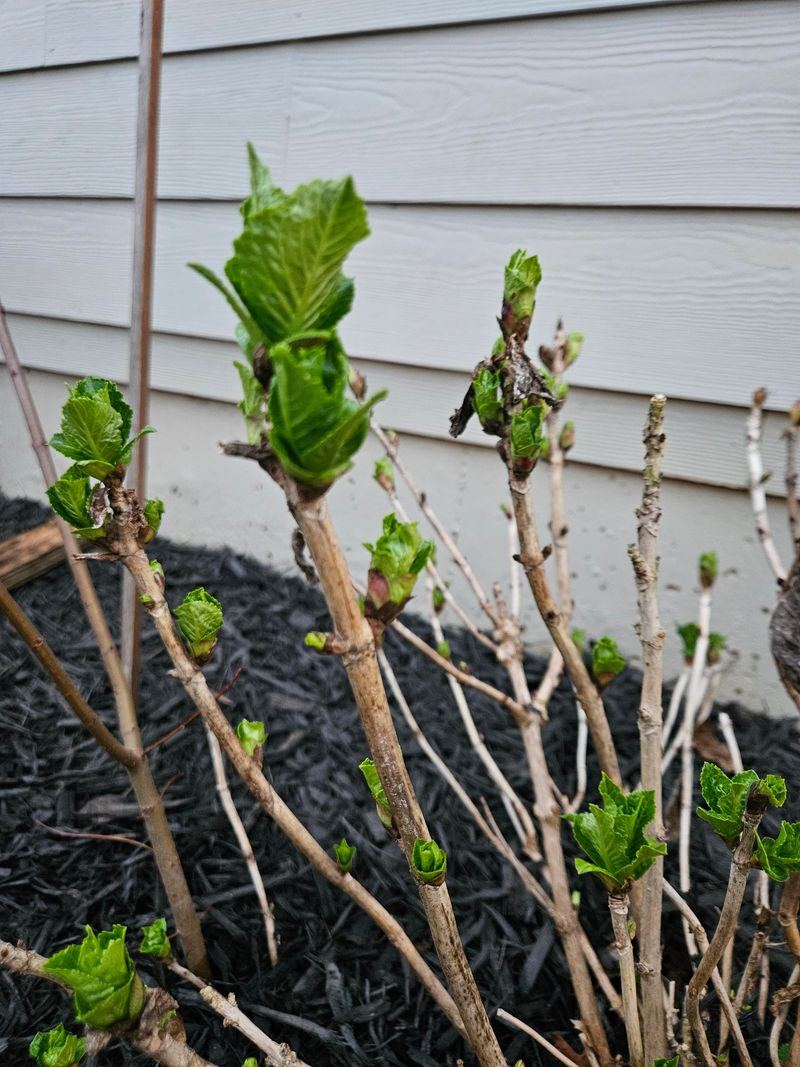
Believe it or not, next year’s flowers are hiding in plain sight right now. Take a close look at a bigleaf hydrangea stem this October.
Near the tips, you will often spot fat, rounded buds. They look a bit like tiny green or brown knobs.
Those plump buds hold next summer’s blooms, tucked tight for winter. Thinner, pointier buds usually turn into leaves instead.
Timing is the fun part of this story. Old wood hydrangeas start forming those flower buds in late summer, often around August.
Your Virginia Garden Changes Every Week. Your Plan Should Too.
Gardening in Virginia changes quickly throughout the season. Every Friday you’ll receive a simple weekly plan showing exactly what to plant, prune, fertilize, harvest, and protect so you never miss the right timing.
So while you are still sipping lemonade on the porch, your shrub is planning ahead. It quietly builds its next show before the current one fades.
Here is a quick backyard experiment worth trying. Gently run your fingers along a stem and count the swollen buds near the top.
Kids love this bud hunt, and it teaches a real science lesson. Plants think ahead in ways people rarely notice.
Knowing where buds sit changes how you handle the whole plant. You will think twice before snipping off stem tips for any reason.
Oakleaf and mountain hydrangeas follow the same pattern. Their buds can be smaller, so look carefully under good light.
Once you spot them, you cannot unsee them. Each little knob is a promise of big color come June.
Protecting those buds through winter is now your main job. The rest of this guide shows simple ways to do exactly that.
Consider snapping a photo of the buds now. Comparing it with summer blooms later is surprisingly satisfying.
3. Fall Cleanup Wipes Out More Blooms Than Any Pest
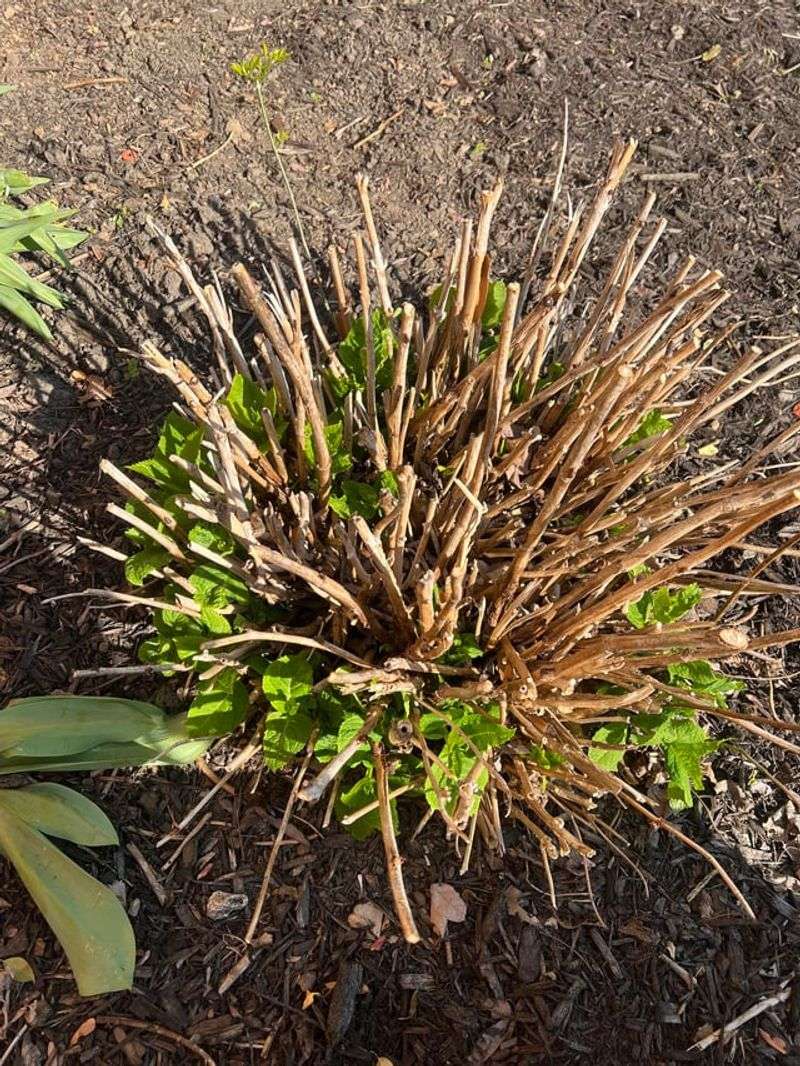
Aphids, beetles, and deer get plenty of blame for flowerless hydrangeas. The real culprit often lives much closer to home.
Well-meaning gardeners with sharp pruners cause a huge share of bloom failures. A tidy fall haircut quietly removes next summer’s flower buds.
Picture a typical Saturday in November. Someone clears the beds, trims every shrub, and bags up those old hydrangea stems.
Come June, the plant grows lush green leaves and not a single flower. The gardener scratches their head and blames the soil or weather.
Reddit gardening groups are full of stories like this one. Many posters discover the problem only after a season of empty shrubs.
Timing makes the damage even worse sometimes. Cutting late in the season can push tender new growth that struggles in winter cold.
That soft growth often turns brown and mushy after the first hard freeze. The shrub then spends spring repairing itself instead of flowering.
Landscaping crews can be part of the issue too. Many use one schedule for every shrub on the property.
If you hire help, speak up before fall work begins. Ask them to skip the hydrangeas or mark them with bright garden tape.
A simple plant tag reading “Do Not Prune” works wonders. It saves both your blooms and an awkward conversation next summer.
Remember that one quick trim can undo a whole year of growth. Keeping pruners away from old wood is the easiest bloom booster around.
Honestly, it may be the cheapest garden fix you ever try.
4. Dried Flower Heads Can Stay Through Winter
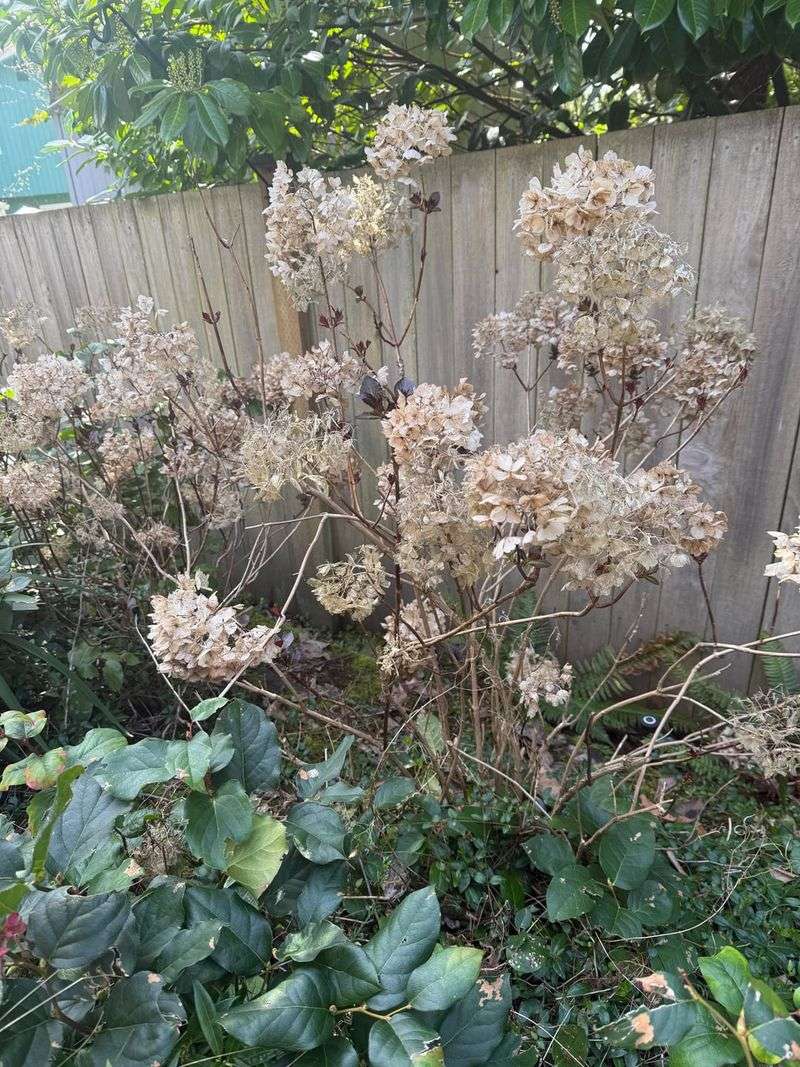
Frosty mornings bring a quiet kind of beauty to faded hydrangea blooms. Papery tan flowers dusted with snow can look like vintage lace.
Leaving those dried heads in place does more than look pretty. On bigleaf and oakleaf types, they may offer a little shelter for buds below.
Think of the old blooms as a small umbrella. They can catch some snow and break harsh wind before it hits tender buds.
Winter gardens in Virginia can look pretty bare by January. Dried hydrangea heads add texture, shape, and soft color when little else stands out.
Birds sometimes perch among the stems too. The shrub turns into a cozy lookout spot during chilly months.
Panicle and smooth hydrangeas can keep their dried heads through winter as well. You can trim them off in spring if you prefer a cleaner look.
One Reddit user summed it up nicely. Removing spent blooms is mostly about tidiness, not plant health.
If you do want to remove a few, be careful. Snip just below the flower head, above the first set of fat buds.
Cutting lower could remove the very buds you are trying to protect. A tiny snip is plenty for a neat appearance.
Dried blooms also make lovely indoor decorations. Tuck a few into a vase or wreath for easy, free holiday decor.
So let those crunchy flowers stay put this season. They are doing quiet work while adding charm to the winter yard.
Spring cleanup can wait for warmer days.
5. Remove Only Broken Or Clearly Damaged Stems
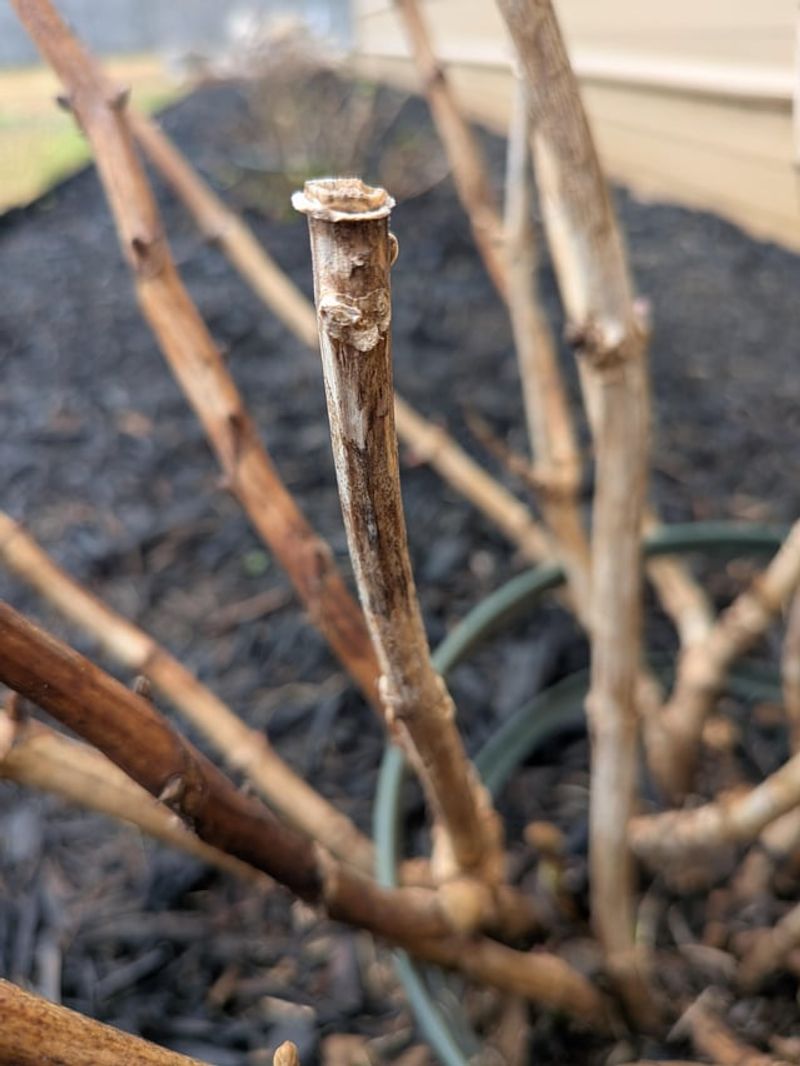
A windy storm snaps a hydrangea branch, and now it dangles sadly. Good news, that kind of cut is safe any time of year.
Broken, diseased, or clearly lifeless stems can come off whenever you spot them. Removing them helps the plant rather than hurting its blooms.
Clearing damaged wood improves air flow through the shrub. Better air movement helps limit leaf spots and other fungal troubles.
Not sure if a stem is still alive? Try the simple scratch test that many pros use.
Gently scrape a tiny bit of bark with your thumbnail. Green, moist tissue underneath means the stem is healthy and should stay.
Brown, dry tissue suggests that section has given up. You can cut it back to a spot where green shows again.
Crossing branches are worth checking too. When two stems rub together, they create wounds that invite disease.
Pick the weaker stem and remove it at the base. The stronger one will have more room to grow and flower.
Always use clean, sharp pruners for these jobs. Wiping blades with rubbing alcohol helps stop germs from spreading between plants.
Make cuts at a slight angle just above a healthy bud or joint. Rain will slide off rather than pooling on the cut.
Keep these trims small and targeted. The goal is removing problems, not reshaping the whole shrub.
Think of yourself as a careful doctor, not a barber. A few smart snips keep the plant healthy without costing you flowers.
6. Mountain Gardens May Need A Winter Cover Too
Up in the Blue Ridge, winter bites harder than it does near Richmond. Gardeners in western Virginia face colder nights and sharper winds.
Areas like USDA Zone 6 can see hard freezes that harm bigleaf hydrangea buds. When those buds get zapped, next summer’s flowers go with them.
A thick mulch blanket is your first line of defense. Pile about six to eight inches of shredded leaves or bark around the base.
Mulch keeps roots insulated and the soil temperature more even. It also protects low buds that sit close to the ground.
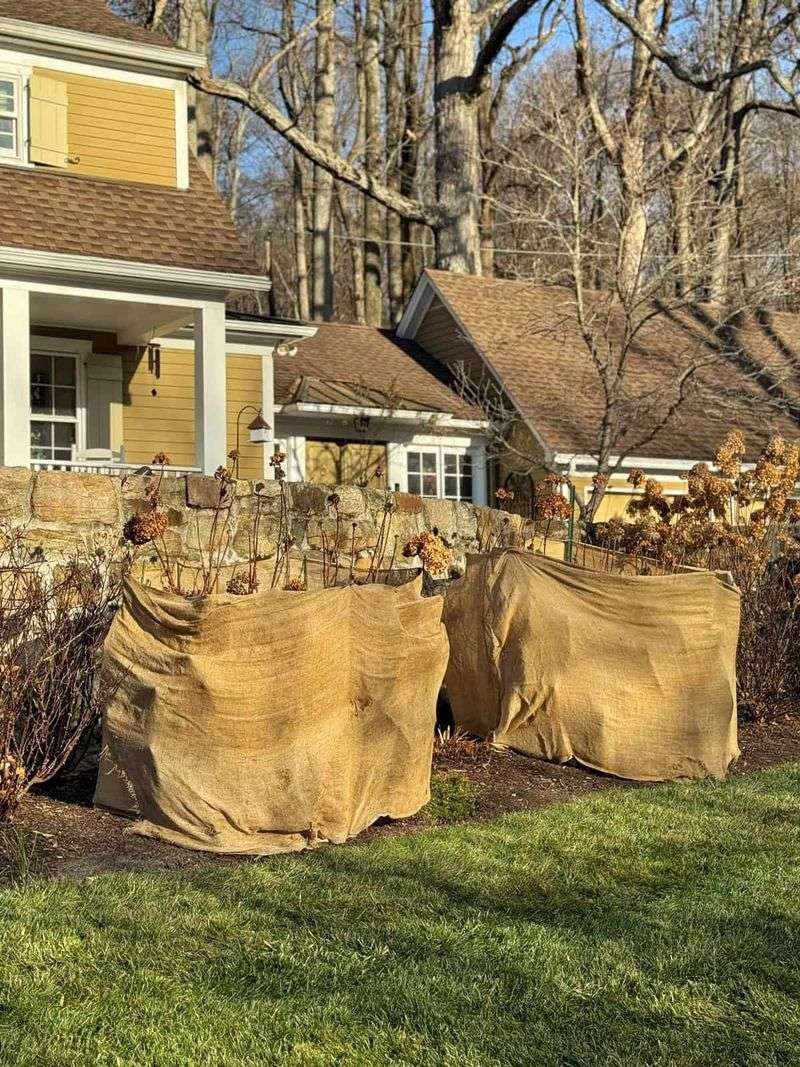
For extra protection, consider wrapping the whole shrub. Burlap works well because it lets air and moisture pass through.
Some gardeners build a simple cage from stakes and chicken wire. They fill it with dry leaves for a cozy, homemade coat.
During a sudden deep freeze, quick covers help too. Old sheets, blankets, or even large cardboard boxes can save the day.
Avoid using plastic directly on the plant. It traps moisture and can actually make cold damage worse.
Oakleaf hydrangeas in the coldest spots may also appreciate help. Young plants that are not fully settled benefit most from mulch and wraps.
Remove covers once the harshest weather passes in early spring. Leaving them too long can hold in heat and moisture.
Mountain gardening takes a bit more effort, but the payoff is real. Blooming hydrangeas against misty hills make every chilly chore worth it.
Neighbors may even ask for your secret.
7. Wait For Spring Growth Before Any Trimming
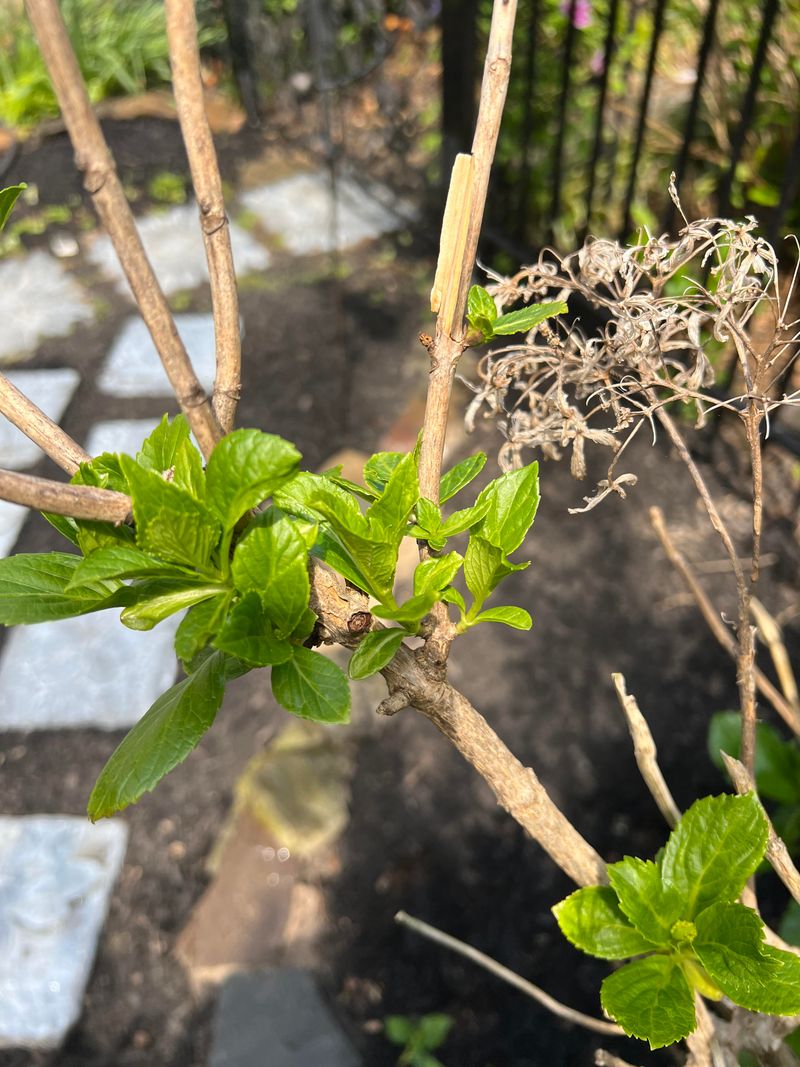
March arrives, and itchy pruning fingers come right along with it. Hold on just a little longer for the best results.
Old wood hydrangeas can look lifeless well into spring. Some buds simply wake up slower than others.
Cutting too early might remove healthy buds that were just taking their time. That mistake can cost you a surprising number of blooms.
Instead, watch for fresh green leaves to appear along the stems. New growth shows you exactly which parts survived the winter.
Once leaves pop out, the picture becomes clear. Green stems with swelling buds are keepers, while bare tips above them are not.
Trim off those bare, brittle tips down to the first healthy bud. Your shrub instantly looks neater without losing future flowers.
In most of the state, this happens around April. Mountain gardens may need to wait until early May.
Here is a handy trick for impatient gardeners. Mark your calendar with a reminder to check the shrub every week or so.
Watching the buds open can be surprisingly fun. You get a front-row seat to the plant waking up.
Some stems may stay stubbornly brown even after others leaf out. Give them a quick scratch test before deciding to remove them.
Waiting feels hard, but it is the kindest move for your plant. A few extra weeks of patience can mean a yard full of color.
Spring rewards the gardener who waits. Let the shrub show you where to cut.
8. A Frost Cloth Helps During Spring Cold Snaps
Just when you think winter is gone, a sneaky cold night shows up. Spring weather in Virginia loves to play tricks on gardeners.
Late frosts can hurt tender new leaves and developing flower buds. One chilly night can wipe out blooms you protected all winter.
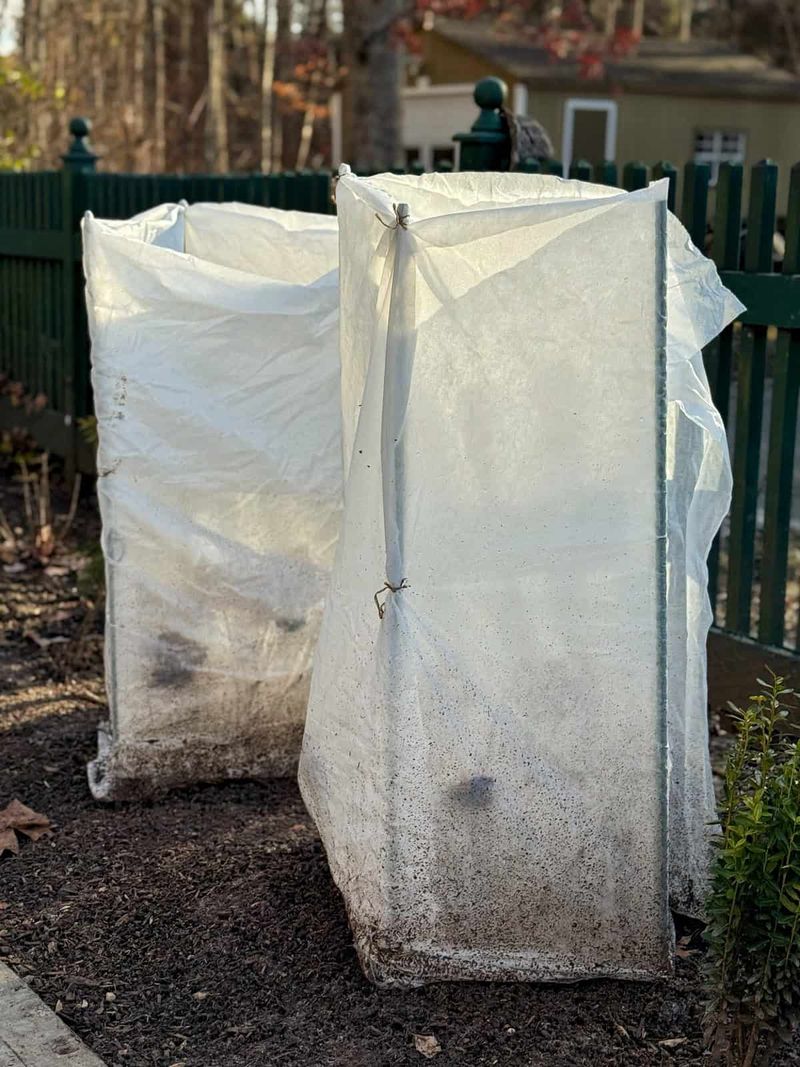
A frost cloth is a simple, affordable fix. The light fabric traps warmth rising from the soil around your plant.
Keep an eye on the forecast during April and early May. When temperatures drop near freezing, it is time to cover up.
Drape the cloth over the entire shrub in the late afternoon. Let the edges reach the ground to hold in more heat.
Secure the fabric with rocks, bricks, or garden stakes. Windy nights can easily blow a loose cover right off.
No frost cloth on hand? Old bedsheets or light blankets can work in a pinch.
Skip plastic tarps touching the leaves directly. Plastic can chill the plant and cause more damage than it prevents.
Remove the cover the next morning once temperatures rise. Plants need sunlight and fresh air during the day.
Keeping a folded frost cloth in the garage is a smart habit. You will be ready the moment a surprise cold snap appears.
Many gardeners use the same cloth for tomatoes and tender flowers too. One purchase can protect a whole garden through tricky spring weather.
A few minutes of covering can save an entire summer of blooms. That feels like a pretty great trade.
9. Panicle And Smooth Hydrangeas Play By Different Rules
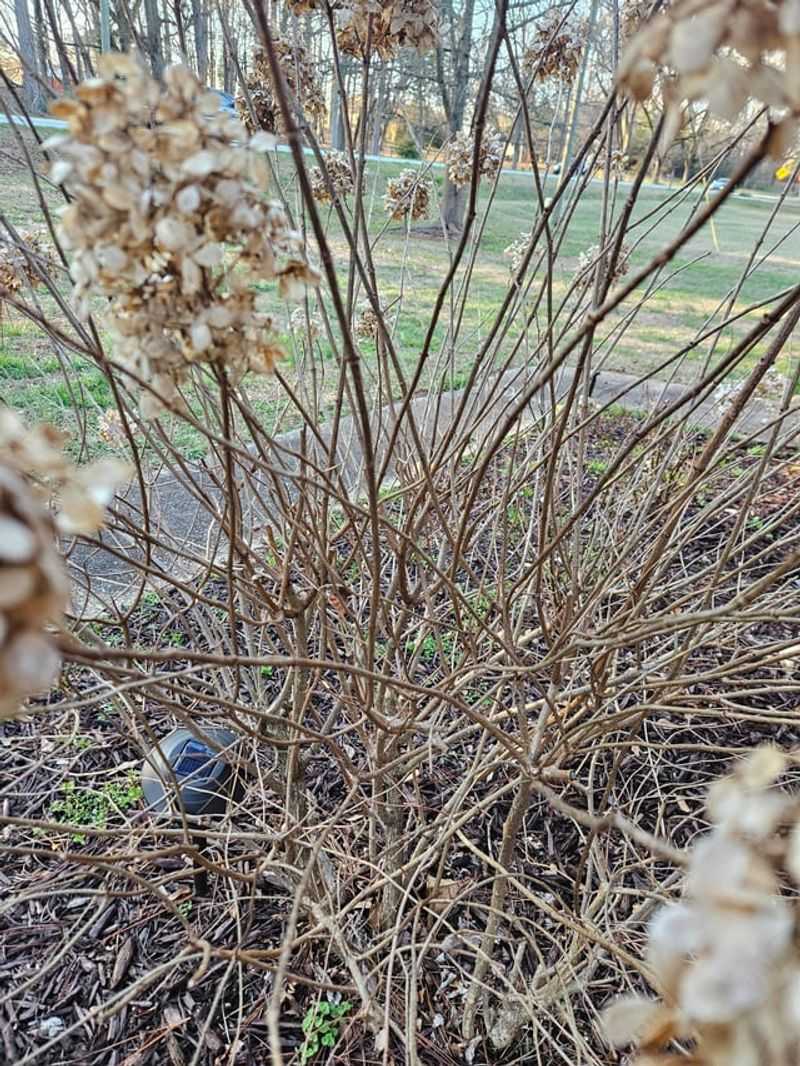
Not every hydrangea follows the hands-off rule. Panicle and smooth types march to their own beat.
Varieties like Limelight and Annabelle bloom on new wood. Their flower buds form on stems that grow during the current season.
That difference changes everything about pruning. You can trim these shrubs in late fall, winter, or early spring while they rest.
Smooth hydrangeas are especially forgiving. Many gardeners cut them nearly to the ground, and they bounce back with strong stems.
Annabelle is a classic choice across Virginia yards. Its huge white snowball blooms appear reliably on fresh summer growth.
Panicle hydrangeas prefer a more measured trim. Cut them back by about one third for shape or size control.
Heavier pruning can bring fewer flowers, but each bloom may grow larger. Lighter trimming usually means more blooms that are a bit smaller.
Fun fact for curious gardeners: smooth hydrangeas are native to the eastern United States. Wild ones grow along shady woodland slopes and streams.
Not sure which type you have? Look at the flower shape first.
Panicle types have cone-shaped blooms, while smooth types have round heads. Bigleaf types usually show pink or blue mopheads or flat lacecaps.
Leaves offer clues too. Bigleaf types have thick, glossy leaves, while smooth types have thinner, softer ones.
Knowing your plant saves a lot of guesswork. Label each shrub so future you remembers which rules apply.
A garden notebook works nicely for this. Jot down variety names and pruning dates each year.