What Woodpeckers On Your North Carolina Siding Are Really Telling You This October
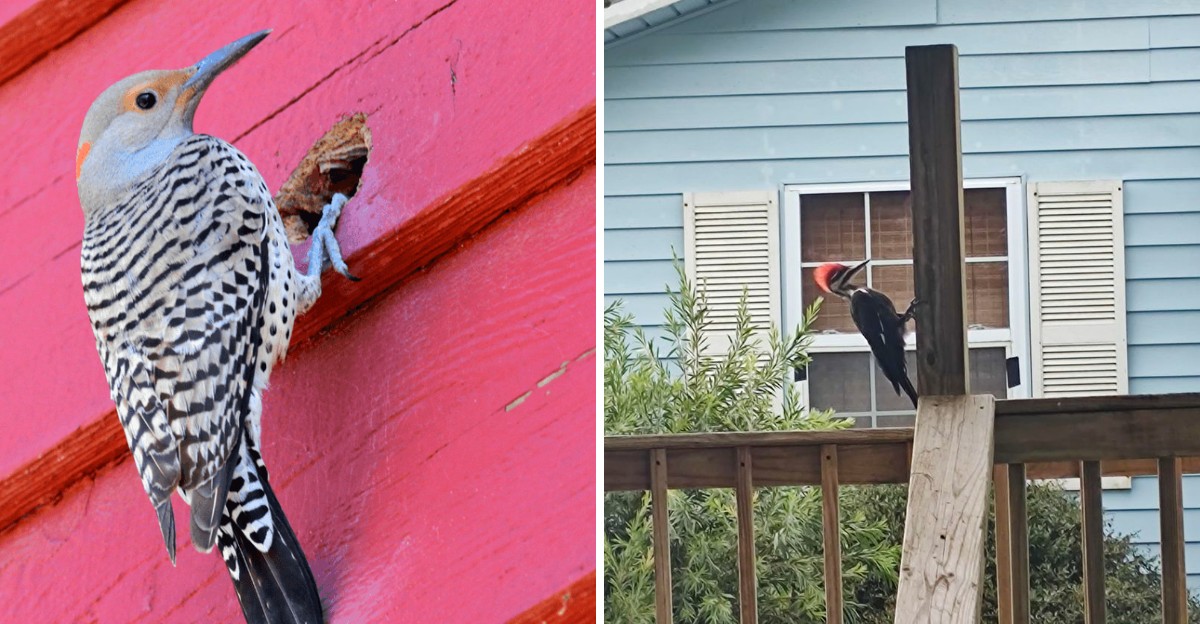
Tap, tap, tap. Something is knocking on your house, and it did not bother to check if you were available first.
That sharp, rhythmic tap tap tap echoing off your siding on a crisp North Carolina October morning is not your imagination, and it is definitely not the neighbors. You have a woodpecker, and it has opinions about your exterior.
Maybe you caught the culprit mid-renovation near the gutter. Maybe you just found a suspiciously perfect round hole and stood there blinking at it with your coffee going cold.
Either way, your house is trying to tell you something, and the message is actually worth paying attention to.
The good news is that woodpeckers rarely show up without a reason, and once you know what to look for, those clues are surprisingly easy to read.
1. Hidden Bugs May Be Living Inside Your Walls
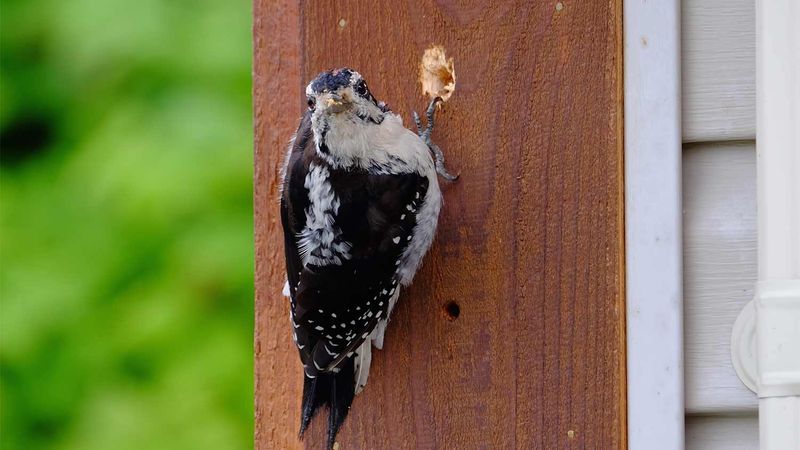
Picture a hungry bird with a built-in metal detector for snacks. A woodpecker can hear and sense insects moving under wood, so repeated pecking in one spot often means dinner is waiting inside.
In North Carolina, common hidden meals include carpenter bee larvae, beetle grubs, and ants. Carpenter bees are a big one here, since they drill neat tunnels into fascia boards, eaves, and trim during spring.
By fall, their young are tucked inside those tunnels, and woodpeckers know it.
Look closely at the damaged area. If you see small round holes about the size of a pencil with a trail of sawdust or yellowish stains beneath them, carpenter bees are likely the real culprits.
Ragged, larger holes from the bird may sit right on top of those tunnels.
Here is what you can do right now:
Shine a flashlight into any holes and look for tunnels or larvae. Tap nearby boards gently and listen for hollow sounds.
Call a licensed pest pro if you suspect a big insect problem.
Once the bugs are handled, fill the holes with wood filler or caulk and repaint. A fresh coat of paint makes wood less appealing to carpenter bees next spring.
Remove the buffet, and the bird usually moves on to the forest where it belongs.
2. October Food Storage Season Hits North Carolina Birds
Squirrels are not the only ones stocking up for winter. Some woodpeckers are planners, and October is their busy shopping month.
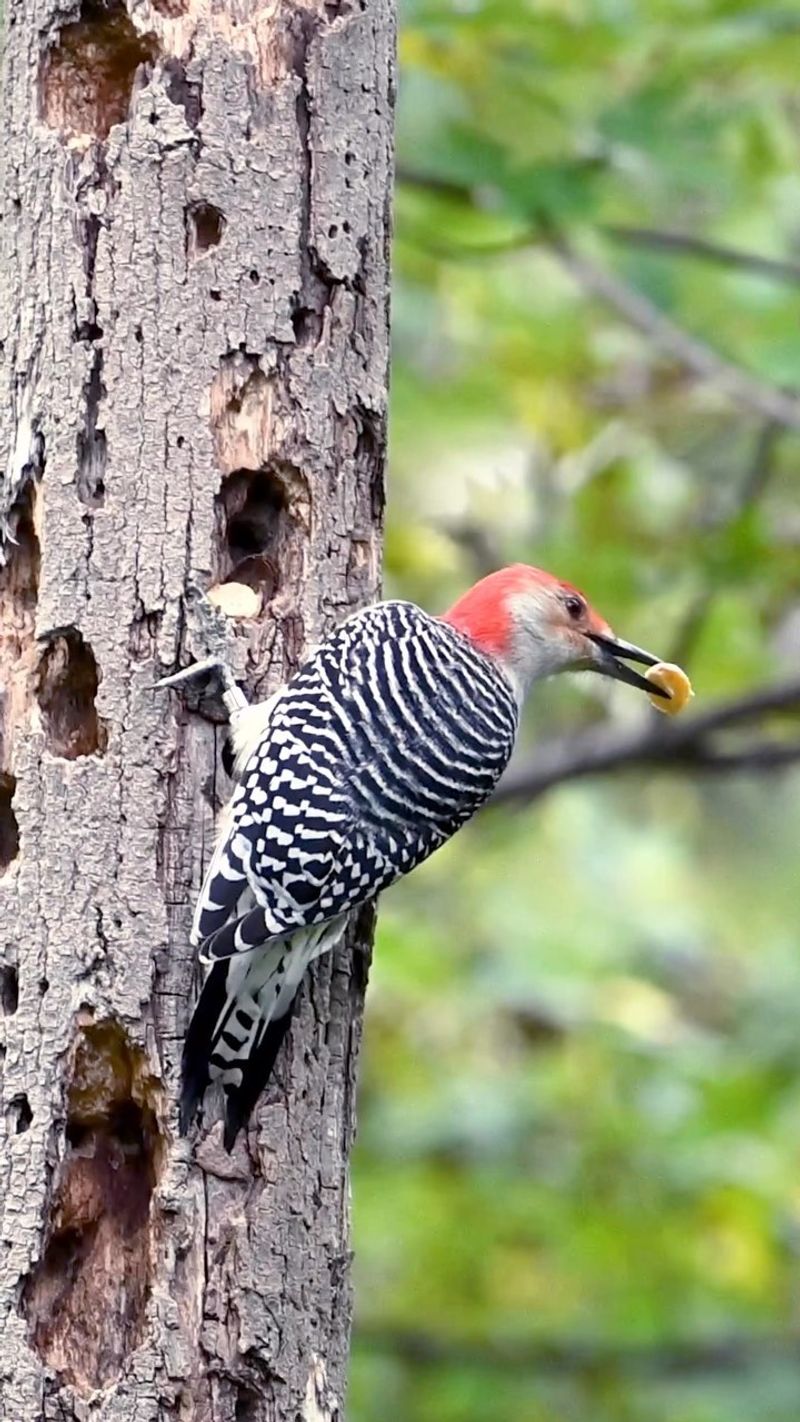
Red-bellied woodpeckers, which are very common across the state, like to wedge acorns, nuts, and seeds into cracks. To them, a gap in your siding or a loose piece of trim looks like a handy pantry shelf.
You might even find a pecan or a sunflower seed stuck in a seam.
Red-headed woodpeckers are among the small number of North American woodpeckers known to cache food, storing acorns and other items in tree bark and similar surfaces for later use. Clever little planners, honestly.
So what should you do if your house turns into a snack cabinet? Start by walking around your home and checking for gaps along corners, window trim, and the roofline.
Your North Carolina Garden Changes Every Week. Your Plan Should Too.
Gardening in North Carolina changes quickly throughout the season. Every Friday you’ll receive a simple weekly plan showing exactly what to plant, prune, fertilize, harvest, and protect so you never miss the right timing.
Seal cracks with exterior caulk that matches your siding. Replace loose boards before cold weather sets in.
You can also give the birds a better option. A suet feeder or a bird feeder set away from the house, near a tree line, gives them an easy meal that does not involve your walls.
Many homeowners find that a well-placed feeder cuts down on siding visits quite a bit.
Think of it as gently pointing your feathered neighbor toward the right grocery aisle.
3. Soft Or Rotting Wood On Your Home
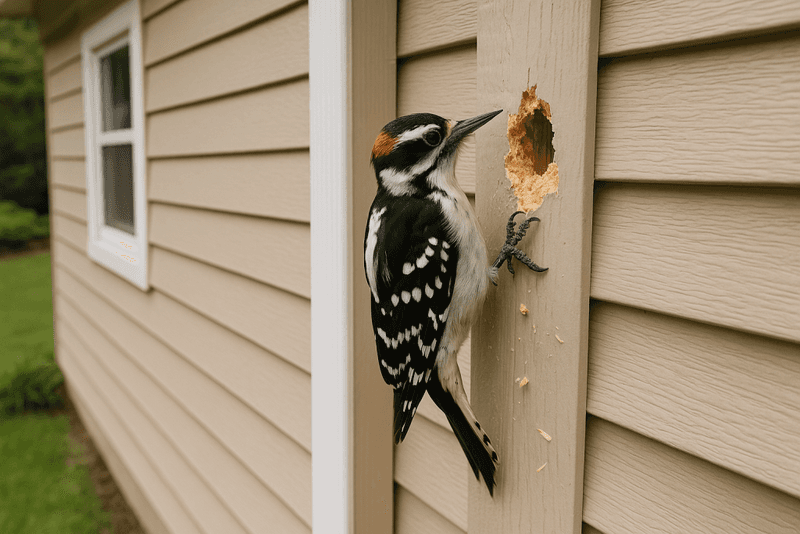
Humidity is a fact of life in the Tar Heel State. All that moisture is great for gardens, but it can quietly soften wood on your house over the years.
Woodpeckers are drawn to soft wood because it is easier to dig into. Rotting boards also tend to attract insects, which makes the spot doubly tempting.
If a bird keeps returning to the same corner, the wood there may be weaker than it looks.
Try this simple test. Press a screwdriver into the wood near the damage.
Healthy wood pushes back and feels firm. Wood that feels spongy or lets the tip sink in easily needs attention soon.
Common trouble spots in North Carolina homes include:
Boards near gutters that overflow. Trim close to the ground where rain splashes.
Areas shaded by trees that rarely dry out.
Fixing the problem is often easier than people fear. Small patches can be cut out and replaced.
Larger sections may need new boards or a switch to fiber cement or vinyl trim, which birds find much less interesting.
Clean your gutters, trim back branches touching the roof, and keep mulch a few inches away from the siding. Better airflow means drier wood, and drier wood means fewer uninvited guests with pointy beaks.
4. Drumming Is A Loud Love Song Or Warning
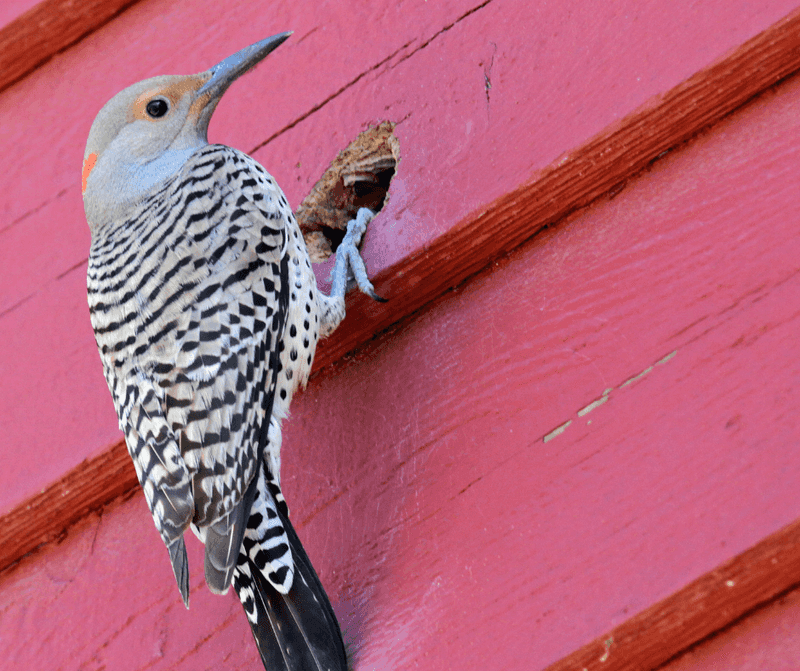
Some woodpeckers are not hunting at all. They are simply making noise, and your house happens to be the loudest instrument in the neighborhood.
Drumming is how woodpeckers talk. It announces territory and helps attract mates.
The louder the sound, the better, so birds love metal gutters, chimney caps, vents, and hollow siding. You will usually hear fast, steady bursts rather than slow digging taps.
Drumming is most common in spring, but occasional fall drumming does happen in North Carolina as some birds establish or reinforce their winter range. It can start early in the morning, which may feel like a very rude alarm clock.
Here is how to tell the difference. Drumming leaves little or no damage and is often on metal.
Feeding leaves small holes in rows or clusters. Nesting creates one larger, round hole.
To quiet the concert, try covering the favorite spot with a bit of foam or rubber padding. That softens the sound so the bird loses interest.
You can also hang shiny reflective tape or small pinwheels nearby, which can startle the performer into finding a new stage.
Patience helps here. Drummers tend to be stubborn at first, but a few changes usually send them back to a hollow tree limb in the woods instead.
5. Woodpeckers Scouting For A Cozy Winter Roost
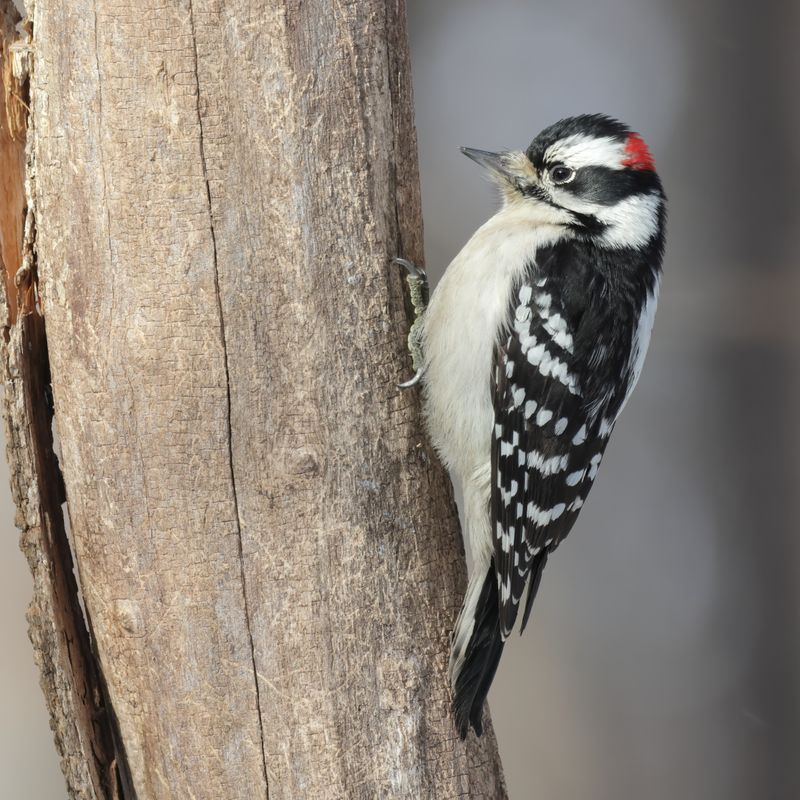
A perfectly round hole, about the size of a golf ball or bigger, is a very different message. It means a bird may be building a bedroom.
As nights cool off in October, woodpeckers look for shelter to roost in during winter. Unlike nesting holes carved in spring, roosting holes are simply warm hideouts from wind and cold.
A hollow wall or the space behind siding can feel like a snug little cabin.
Why does it matter? Once a hole is open, other critters may follow.
Starlings, squirrels, and even bats sometimes move into woodpecker holes. Rain can sneak in too, which leads to moisture problems inside the wall.
Before sealing anything, make sure no bird is inside. Watch the hole around dusk and dawn for a day or two.
Woodpeckers are protected under federal law, so you should not trap or harm them. If one is roosting, wait until it leaves during the day.
Then patch the hole with wood filler, a wood plug, or a small metal flashing piece painted to match. For extra kindness, mount a roosting box on a nearby tree.
Many birds happily move into a box that offers the same cozy feeling without chewing through your home.
6. Your Siding Material Matters More Than You Think
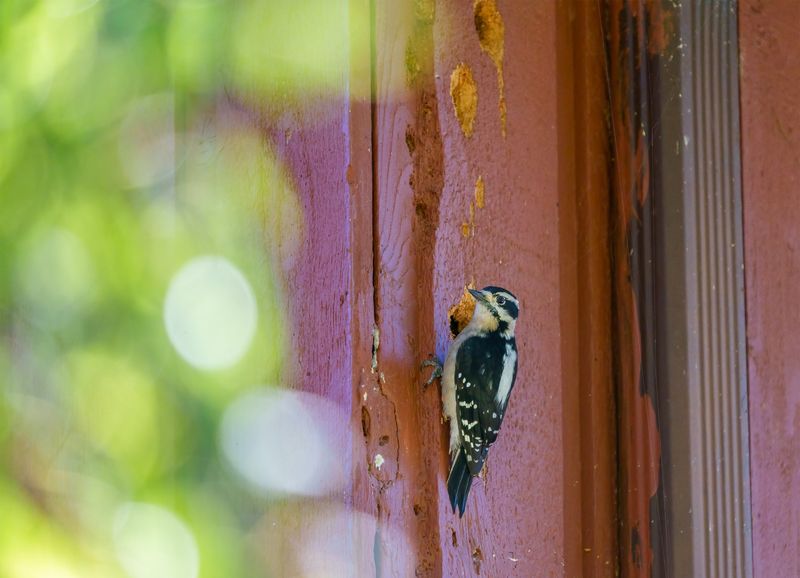
Cedar siding looks gorgeous on a mountain cabin near Asheville. Sadly, woodpeckers seem to agree, and they find it just as charming for very different reasons.
Birds tend to target certain materials more than others. Cedar, redwood, and other natural woods are soft and often hold insects.
Stained wood with a natural finish seems to attract more attention than painted wood. Some homeowners also report trouble with synthetic stucco, known as EIFS, because it sounds hollow and holds bugs behind the surface.
Here is a quick look at how materials stack up:
Natural wood gets frequent visits. Vinyl gets fewer, though birds may still drum on it.
Fiber cement and brick rarely interest them much at all.
You do not need to replace your whole house to make a difference. Painting natural wood with a solid color finish can help.
Many people in North Carolina also switch just the trouble areas, like gables or trim, to fiber cement boards.
If you are planning a remodel anyway, ask your contractor about bird-resistant options. It is a small detail that can save you money and frustration over the years.
Pretty siding is great, but siding that stays hole-free is even better.
7. Meet The Usual Suspects Visiting North Carolina Homes
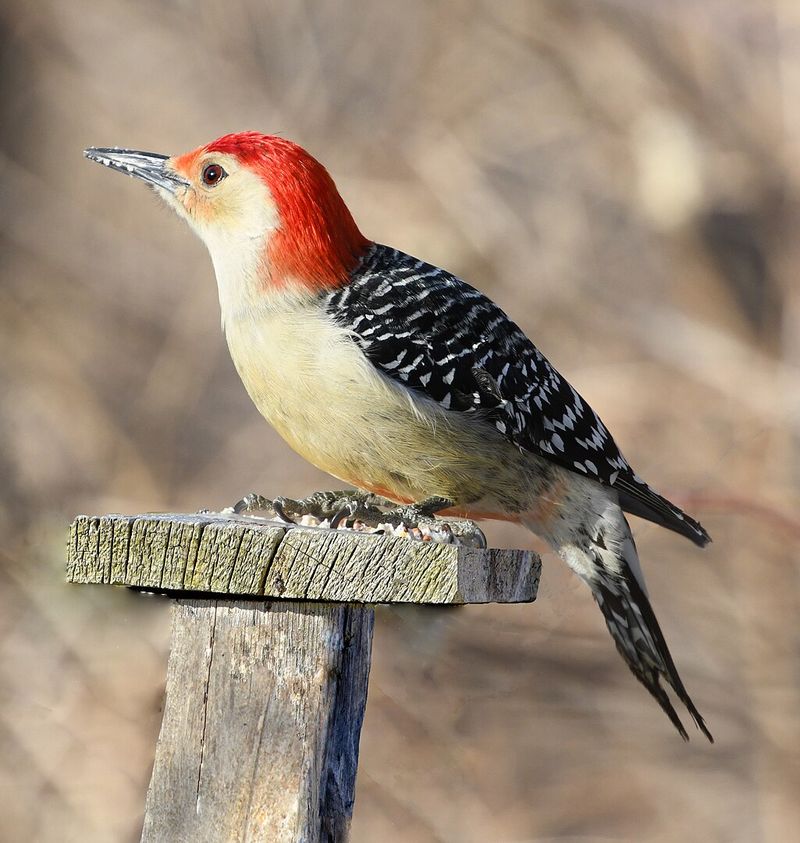
Knowing who is knocking helps you figure out why. North Carolina is home to several woodpecker species, and each has its own habits.
The downy woodpecker is the smallest, about the size of a sparrow. It often leaves tiny holes while hunting for insects.
The hairy woodpecker looks almost identical but is larger with a longer beak.
Red-bellied woodpeckers are loud and common, and despite the name, their bellies are only faintly red. They are the ones most likely to hide acorns in your siding.
Northern flickers are brown with spotted chests and often feed on the ground, but they love drumming on metal.
Then there is the star of the show, the pileated woodpecker. With its bright red crest and bold black and white markings, it is one of the most striking birds you can spot in a North Carolina yard.
It carves big rectangle-shaped holes, usually in trees rather than houses.
You may also spot the yellow-bellied sapsucker in fall and winter, since it migrates here from the north. It drills neat rows of small holes in trees to sip sap.
Keep binoculars by the window and a simple bird guide handy. Identifying your visitor can be fun for the whole family, and it points you toward the right fix.
8. Friendly Ways To Say Goodbye To Woodpeckers
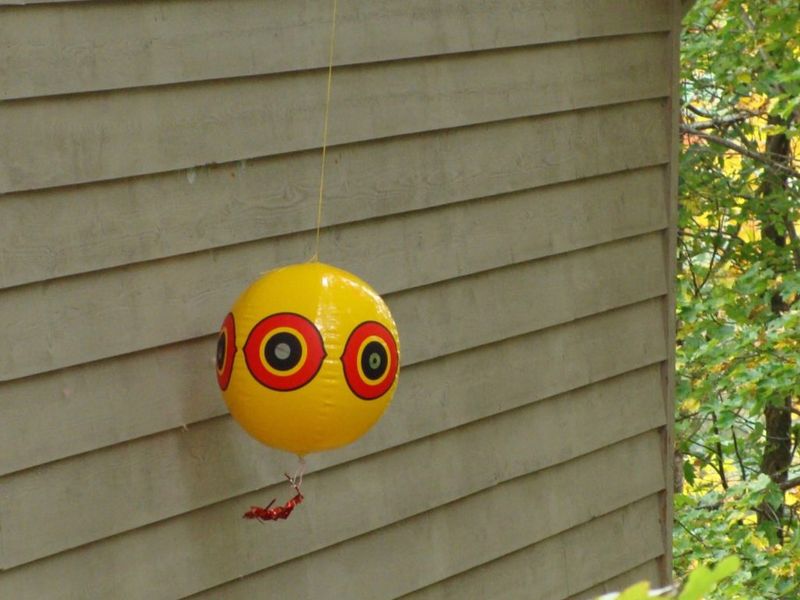
Good news for bird lovers: you can protect your house without harming a single feather. Friendly scare tactics work well, especially when you mix a few together.
Birds dislike surprises. Shiny objects that flash and move in the wind can make your siding feel less safe.
Try hanging reflective scare tape, old CDs, or aluminum pie pans near the problem spot. Pinwheels and hanging wind spinners work too.
Other gentle tools include: plastic owl or hawk decoys, moved every few days so birds do not catch on, lightweight bird netting draped a few inches from the wall, or small motion-activated sprinklers aimed at lower walls.
The trick is to act quickly. Once a woodpecker decides a spot is its favorite, breaking the habit takes longer.
Start using deterrents the first day you notice pecking.
Remember that woodpeckers are protected under the federal Migratory Bird Treaty Act. That means trapping, harming, or disturbing active nests is against the law without a special permit.
Sticky gels are also a poor choice, since they can trap birds and damage feathers.
Mix a few deterrents, fix the attractants, and give your visitor time. Most birds get the hint within a week or two and head back to the trees.
9. A Fall Home Checkup For North Carolina Homeowners
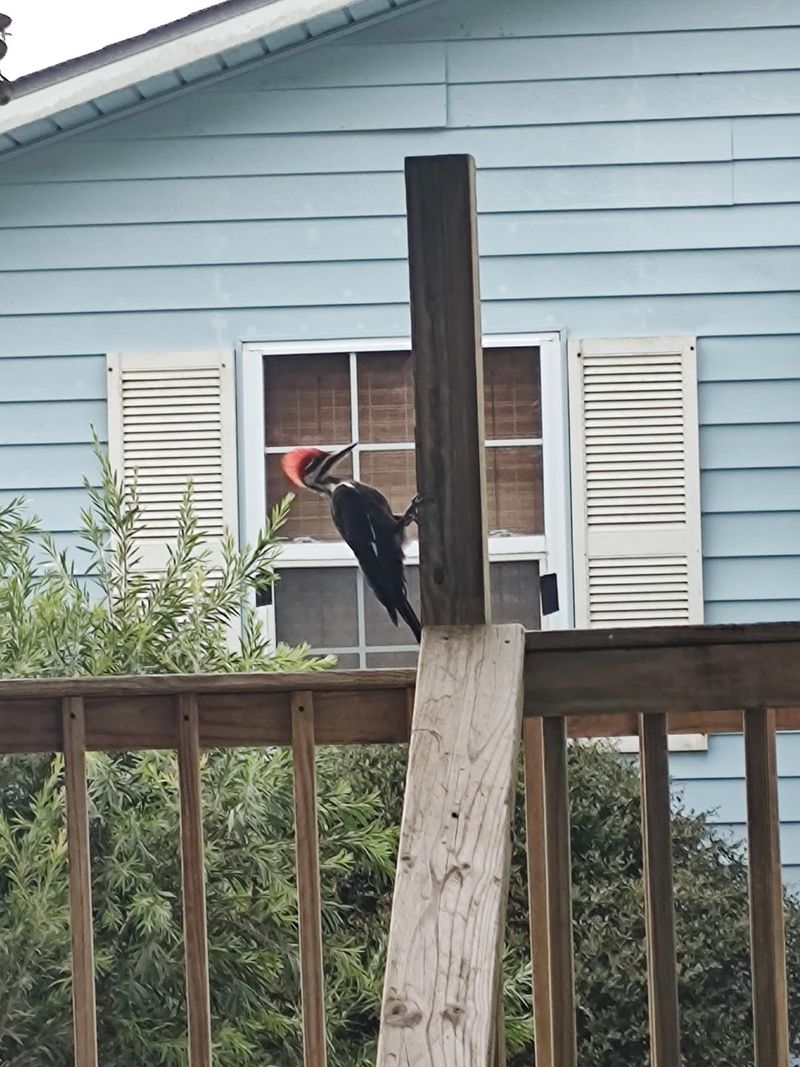
Think of those woodpecker holes as a free home inspection report. The bird just pointed out spots that could use some love before winter arrives.
October is a great time for a full outdoor checkup in North Carolina. Temperatures are mild, the humidity drops, and paint and caulk cure well.
Plus, fixing small problems now helps you avoid bigger bills when cold rain and ice show up.
Grab a notepad and walk around your home. Check for: holes, cracks, or gaps in siding and trim, peeling paint or bare wood, clogged gutters and loose downspouts, and branches brushing against the roof or walls.
Fix what you can yourself, like caulking and painting. For bigger repairs, get a quote from a trusted local contractor.
If insects seem involved, schedule a pest inspection too.
Here is a helpful tip: take photos of any damage before you repair it. Pictures help you track whether birds return and can be useful if you ever file an insurance claim.
Finally, make peace with your feathered neighbors. Hang a feeder at the edge of the yard, enjoy their bright colors, and let them do their job eating bugs.
A healthy home and happy birds can share the same backyard just fine.