Why Sedum ‘Autumn Joy’ Is The Easiest Fall Color Oregon Gardeners Can Plant
October in an Oregon garden has a way of making everything look a little tired. The summer bloomers are done, the vegetable beds are winding down, and most of the yard has that distinctly end-of-season energy.
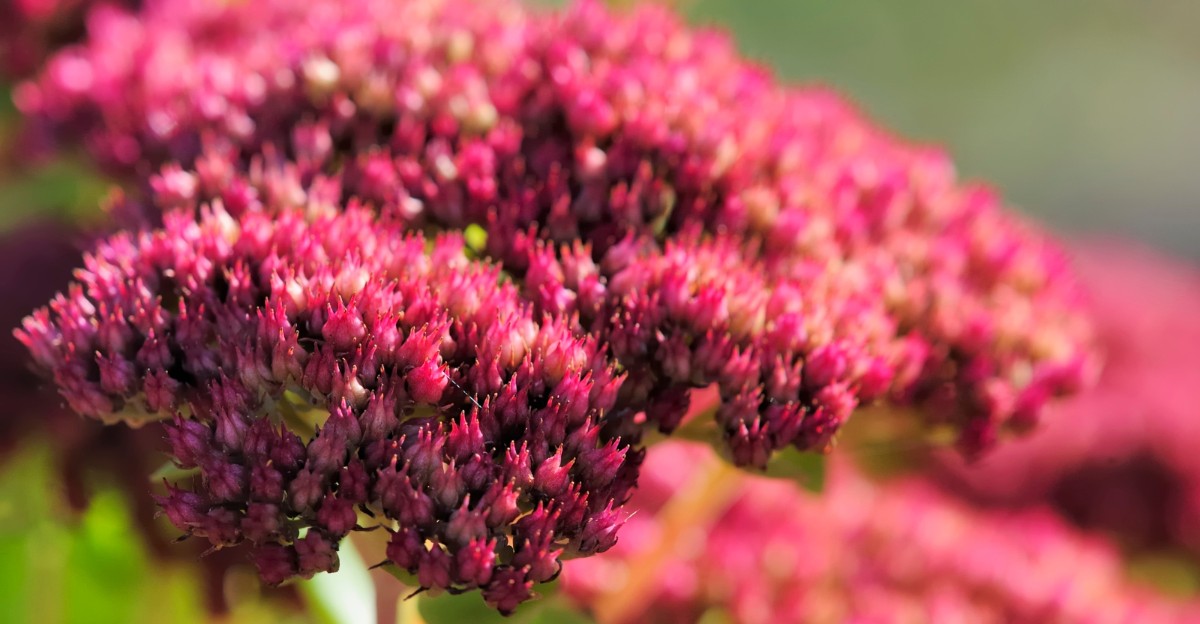
And then there is that one corner glowing a deep, rosy red like it absolutely did not get the memo that fall is supposed to look faded and brown. That is Sedum ‘Autumn Joy,’ and it is genuinely one of the most low-effort, high-reward plants you can put in a garden.
It handles drought without drama, thrives in poor soil without complaints, feeds late-season bees when almost nothing else is blooming, and deer tend to walk right past it like it does not even exist.
Honestly, it makes the rest of gardening look harder than it needs to be.
1. Summers Barely Faze This Drought-Proof Plant
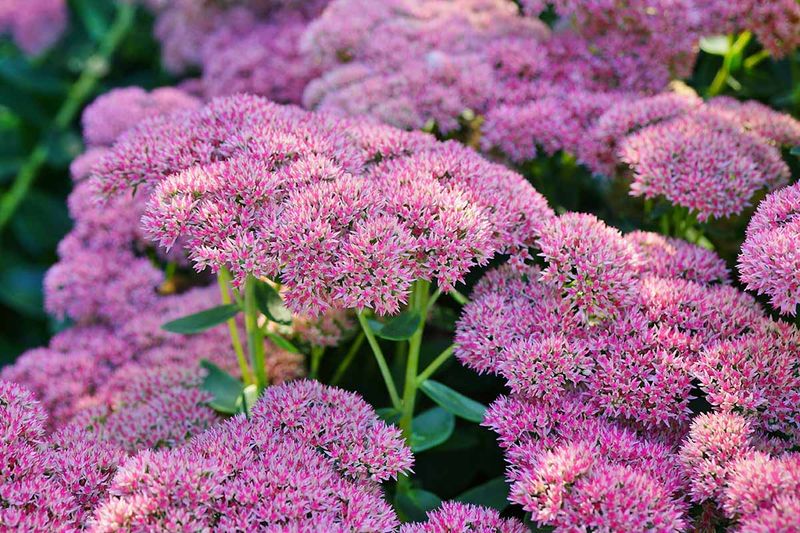
Think of Sedum ‘Autumn Joy’ as a camel in plant form. Its thick, fleshy leaves store water like tiny canteens, so it keeps going when rain disappears.
Oregon summers can be surprisingly dry, especially from July through September. Even west of the Cascades, weeks can pass without a single drop of rain.
Many garden favorites droop and sulk during those stretches. Sedum simply sits there looking plump and calm, as if nothing is wrong.
Once your plant is settled in, which takes about one season, it rarely needs extra watering. During its first summer, give it a deep drink once a week if the soil stays dry.
After that, you can mostly let nature handle things. A good rule is to water only if the leaves start looking wrinkled or soft.
Overwatering is actually a bigger risk than underwatering with this plant. Soggy roots can cause rot, so resist the urge to baby it.
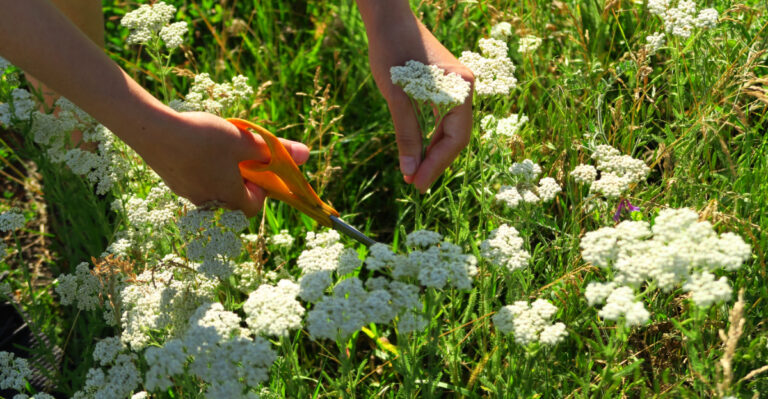
Here is a helpful tip for busy gardeners. Plant sedum near other tough, dry-loving plants like lavender, yarrow, or ornamental grasses.
That way, you can skip the hose for the whole bed at once. Your water bill will thank you, and so will your weekend schedule.
Fun fact: sedums belong to the stonecrop family. The name comes from their habit of growing happily on rocky slopes and old stone walls.
2. Rainy Winters Are No Problem With Good Drainage
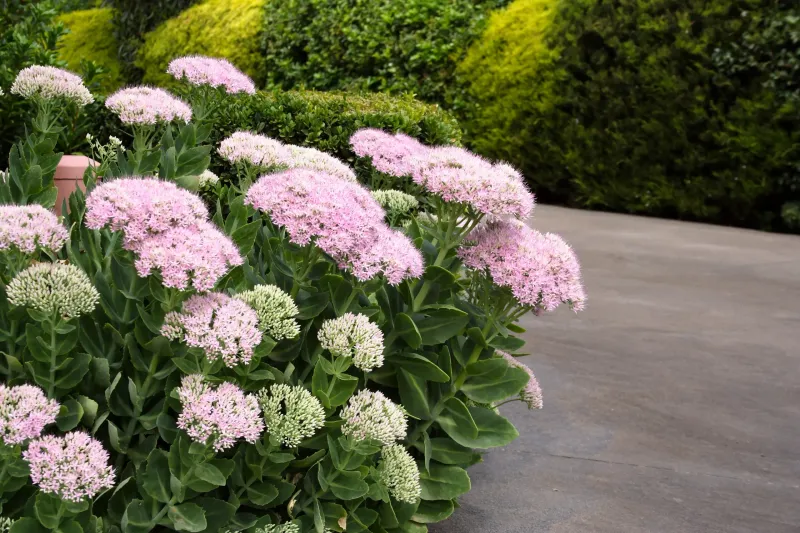
Rain is part of life in Oregon, and anyone who lives here knows it well. The good news is that ‘Autumn Joy’ can handle wet winters with one small trick.
That trick is drainage. Sedum does not mind rain falling on it, but it strongly dislikes sitting in puddles for weeks.
Heavy clay soil is common in the Willamette Valley. Clay holds water tight, which can make roots mushy during long, soggy months.
You can fix this problem in a few easy ways. Try mixing in some coarse sand, small gravel, or compost before planting.
Raised beds work wonderfully too. Even lifting the soil six inches higher helps extra water drain away from the crown.
Slopes and berms are another smart spot for sedum. Water naturally runs downhill, leaving the roots happy and dry enough.
Your Oregon Garden Changes Every Week. Your Plan Should Too.
Gardening in Oregon changes quickly throughout the season. Every Friday you’ll receive a simple weekly plan showing exactly what to plant, prune, fertilize, harvest, and protect so you never miss the right timing.
Containers are also a great choice if your yard stays wet. Pick a pot with drainage holes and use a gritty potting mix.
Once the drainage is sorted out, the plant takes care of the rest. It goes dormant in winter and waits patiently for spring.
Think of good drainage as a raincoat for the roots. With that one step done, sedum will return year after year, rain or shine.
Many local gardeners say this is the only real secret. Get the soil right, and the plant nearly grows itself.
3. A Color Show That Changes All Season In Oregon Yards
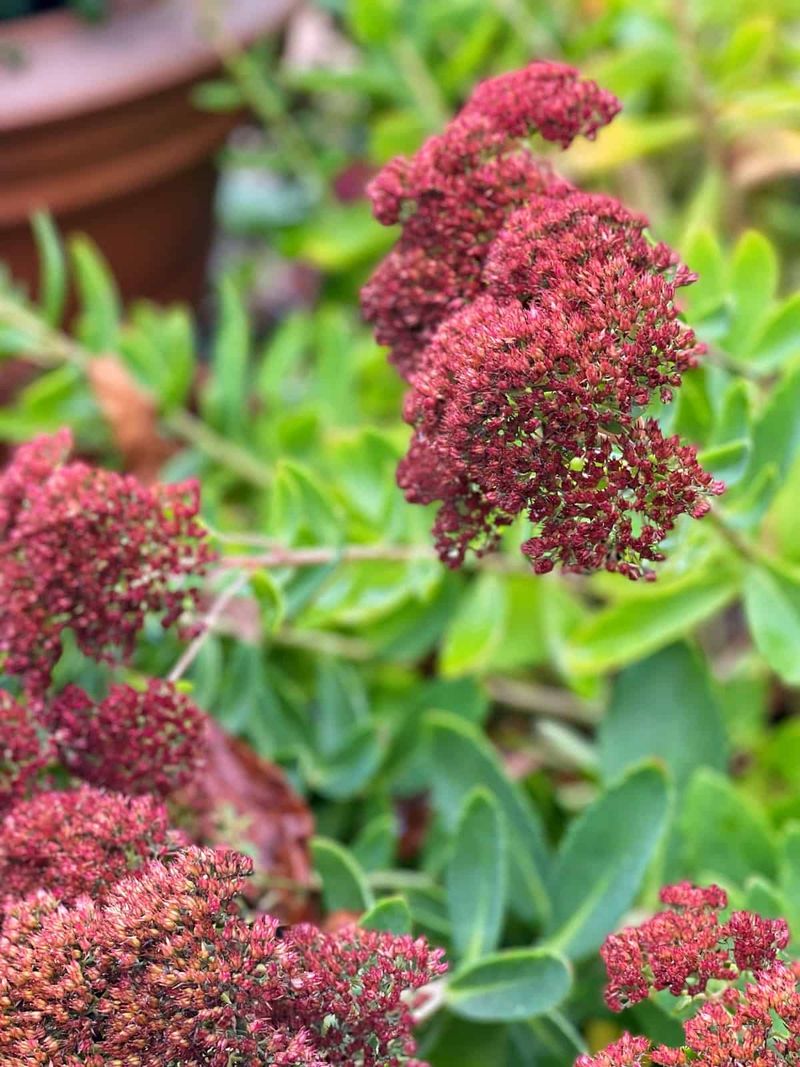
Ever wish a single plant could put on a whole series of outfits? ‘Autumn Joy’ does exactly that, and it is fun to watch.
In early summer, the flower heads look like little green broccoli tops. Many people mistake them for a vegetable at first glance.
By late August, those tight buds start blushing a soft pink. The color slowly deepens over the next few weeks.
September brings rich rosy shades that glow in the low autumn sunlight. Then October turns them a warm copper or brick red.
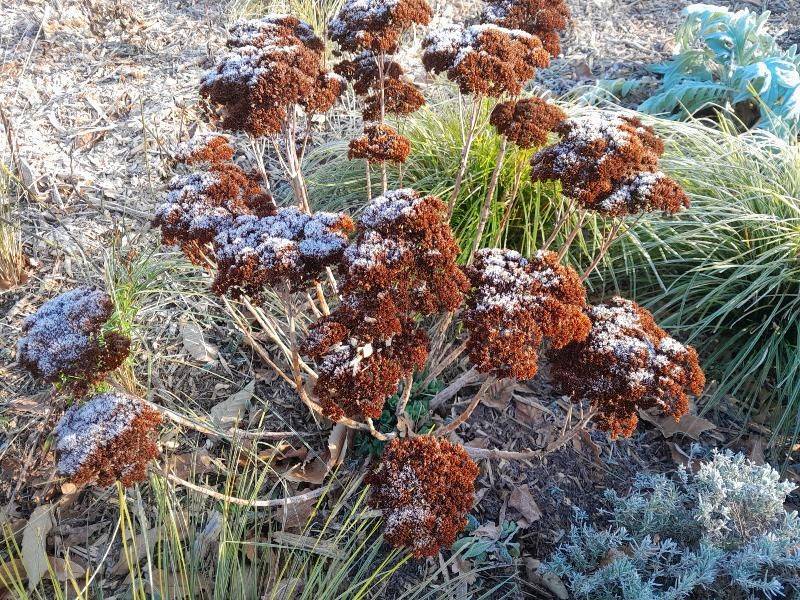
As fall moves into winter, the heads dry to a chocolate brown. Even then, they still look handsome, especially with frost on top.
Oregon falls tend to be mild and slow, which stretches this show out nicely. Cool nights actually help the red shades become brighter.
For the best color, plant sedum where it gets at least six hours of sun. Shady spots can make stems floppy and colors dull.
Try pairing it with purple asters or golden grasses for a lovely fall scene. The mix of colors feels like a painted autumn quilt.
Kids love tracking the changes too. Snap a photo each week, and you will have a neat record of how the plant transforms.
Few perennials give you this much color change for so little effort.
4. Bees And Butterflies Flock To Late Blooms
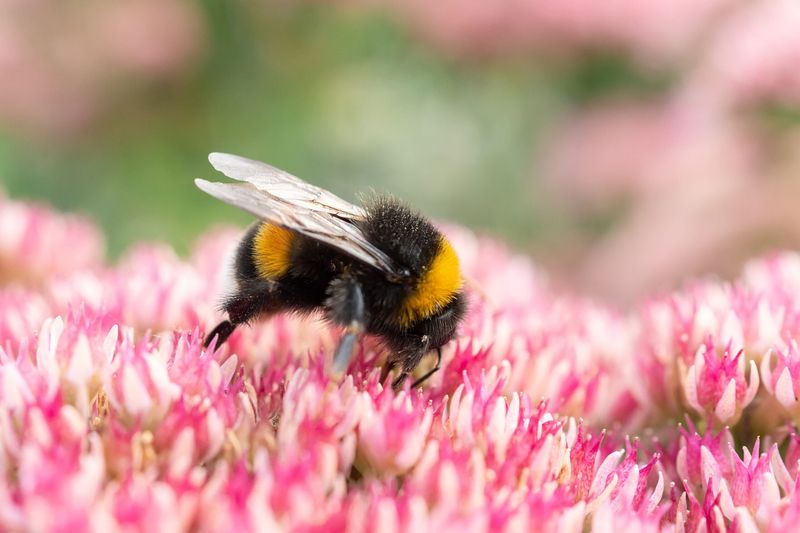
Stand next to a blooming ‘Autumn Joy’ on a sunny September afternoon. You will likely hear a happy buzz before you even spot the visitors.
Bees go crazy for these flat flower heads. Each head holds hundreds of tiny star-shaped blossoms packed with nectar.
Late summer and fall can be a tough time for pollinators. Many flowers have already finished, so food gets scarce fast.
Sedum steps in right when bees need it most. Honeybees, bumblebees, and small native bees all stop by for a snack.
Butterflies enjoy the landing pad too. The broad, flat blooms make it easy for them to rest and sip at the same time.
Oregon is home to hundreds of native bee species. Planting fall flowers is a simple way to help them build strength before winter.
To make your garden even more welcoming, skip chemical sprays near your sedum. Even gentle products can harm the insects you want to attract.
A shallow dish of water with pebbles adds a nice touch. Bees can land on the stones and drink safely.
Here is a cool fact to share with friends. Some beekeepers plant sedum on purpose to give their hives a late-season boost.
Your garden can become a busy little café for local wildlife. All it takes is one easygoing plant.
5. Deer Usually Skip Right Past It

Anyone who gardens near the woods has a deer story or two. Maybe they munched your roses or nibbled every tulip overnight.
Black-tailed deer are common across western Oregon, even in suburbs. They can turn a pretty garden into a salad bar surprisingly fast.
Luckily, ‘Autumn Joy’ is not high on their menu. Its thick, waxy leaves do not seem to taste very good to them.
No plant is fully deer-proof, of course. A very hungry deer in a hard winter might take a bite or two.
Still, sedum is considered deer resistant by many garden experts. Most of the time, deer sniff it and wander off.
Rabbits tend to leave it alone as well. That makes it a smart pick for rural yards and edges near open fields.
If deer are a big problem where you live, try planting sedum along borders. It can act as a sturdy, good-looking front row.
Mix it with other plants deer often avoid, like lavender, rosemary, and ornamental grasses. Strong scents and tough textures help keep grazers away.
Young plants are a bit more tempting than older ones. Cover new plantings with light netting for the first few weeks if needed.
Once they mature, you can enjoy your fall garden without waking up to a nibbled mess. That peace of mind is worth a lot.
6. Poor Oregon Soil Actually Suits It Just Fine
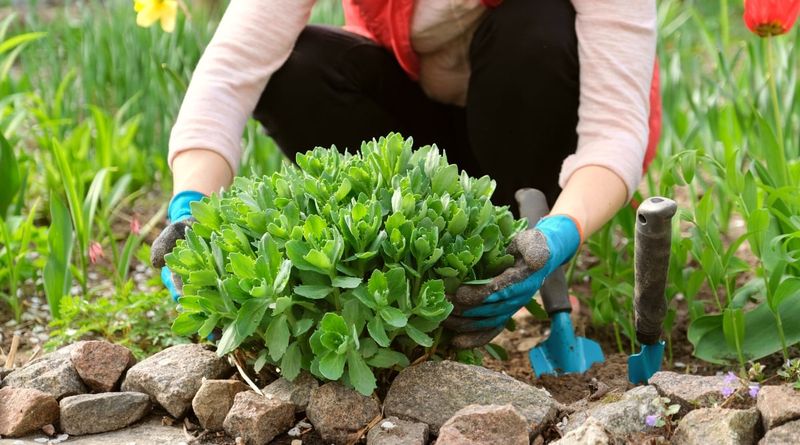
Here is a plant that actually prefers the lazy approach to soil. Rich, fancy dirt can make ‘Autumn Joy’ grow too tall and floppy.
Lean, rocky, or sandy ground suits it perfectly. That means those tough spots in your yard finally have a purpose.
Think about the strip by your driveway or the rocky corner by the mailbox. Sedum can turn those forgotten areas into bright fall highlights.
Across the state, soils vary a lot from region to region. You might have clay in the valley, sand near the coast, or volcanic soil in central areas.
Sedum adapts to almost all of them, as long as water drains well. It truly is a flexible, no-complaints kind of plant.
Skip heavy fertilizer entirely. Too much food makes stems weak, and they can split open in the middle of the clump.
A thin layer of compost in spring is plenty. Some gardeners give theirs nothing at all and still get great results.
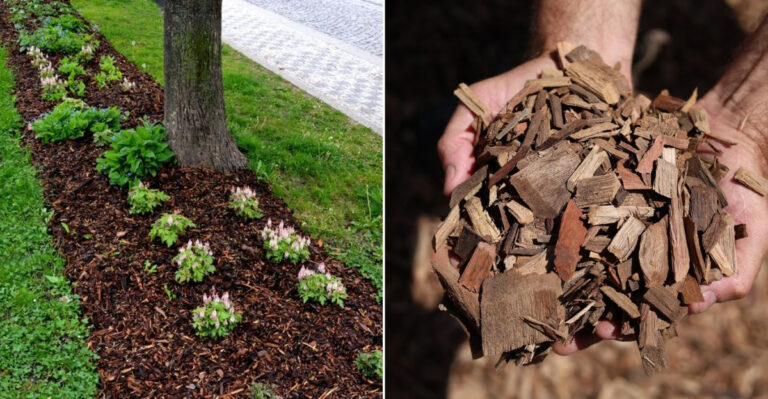
Gravel mulch works better than bark for this plant. It keeps the crown dry and adds a clean, tidy look.
When planting, dig a hole about as deep as the root ball. Set the plant in, firm the soil gently, and water once well.
That is really all there is to it. Sometimes the easiest gardening is simply knowing when to leave things alone.
7. Winter Interest That Brightens Gray Oregon Days
Gray skies can drag on for months in the Pacific Northwest. A garden with something to look at in January can lift your mood more than you might expect.
‘Autumn Joy’ keeps giving even after its color fades. The dried flower heads stand tall and hold their shape through much of winter.
On frosty mornings, they look like they have been dusted with powdered sugar. A light snow turns them into tiny white caps.
Many gardeners choose to leave the stems standing until spring. It is less work and adds structure to bare beds.
Birds benefit too. Small birds sometimes perch on the stems and pick at the seed heads.
Beneficial insects may tuck themselves into the hollow stems for shelter. Leaving them helps the whole garden stay balanced.
When spring arrives, look closely at the base of the plant. You will spot small, round green buds pushing up from the soil.
That is your signal to cut the old stems down. Snip them close to the ground, being careful not to damage the new growth.
Toss the trimmings in your compost pile. They break down easily and return nutrients to your garden.
It is a wonderful cycle to watch. One plant gives you beauty in four seasons with barely any work from you.
8. Easy Dividing Means Free Plants For Friends
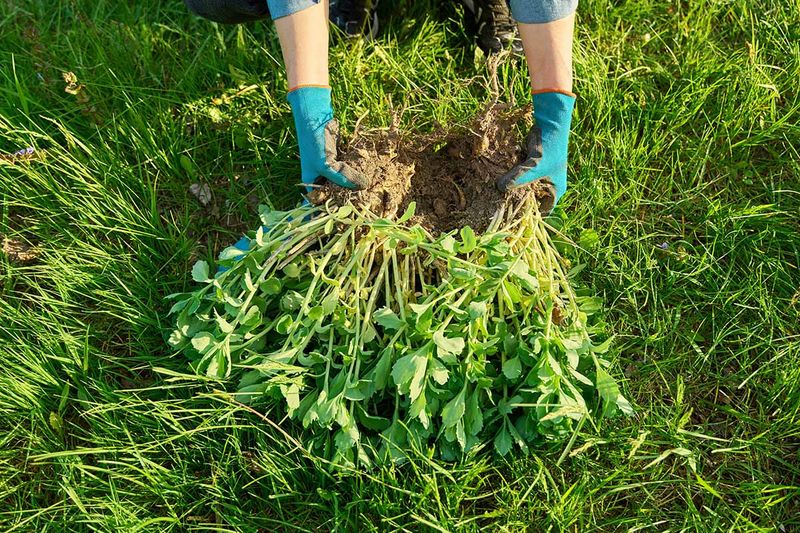
Who does not love free plants? With ‘Autumn Joy,’ one small pot can turn into a whole row within a few years.
Every three to four years, the clump grows wide and may open up in the center. That is nature telling you it is time to divide.
Early spring is the best time for this job. New shoots are just appearing, so you can easily see where to cut.
Use a sharp spade to slice the clump into chunks. Each piece should have some roots and a few healthy shoots.
Replant the pieces right away and water them in. They settle quickly and usually bloom that same fall.
You can also grow new plants from simple stem cuttings. Snip a four-inch piece in early summer and let it dry for a day before planting.
Then press it into damp, sandy soil. Rooting typically takes anywhere from two to six weeks depending on temperature and conditions, so give it some patience and check gently for resistance before assuming it has taken hold.
Many Oregon garden clubs host plant swaps each spring. Extra sedum divisions are always a hit at these friendly events.
Neighbors and family members will happily take some too. It is a sweet way to share your garden and spread fall color around town.
Before long, you may notice sedum popping up all over your street. You might just start a friendly local trend.
9. Simple Care Tips To Keep Oregon Sedum Looking Sharp
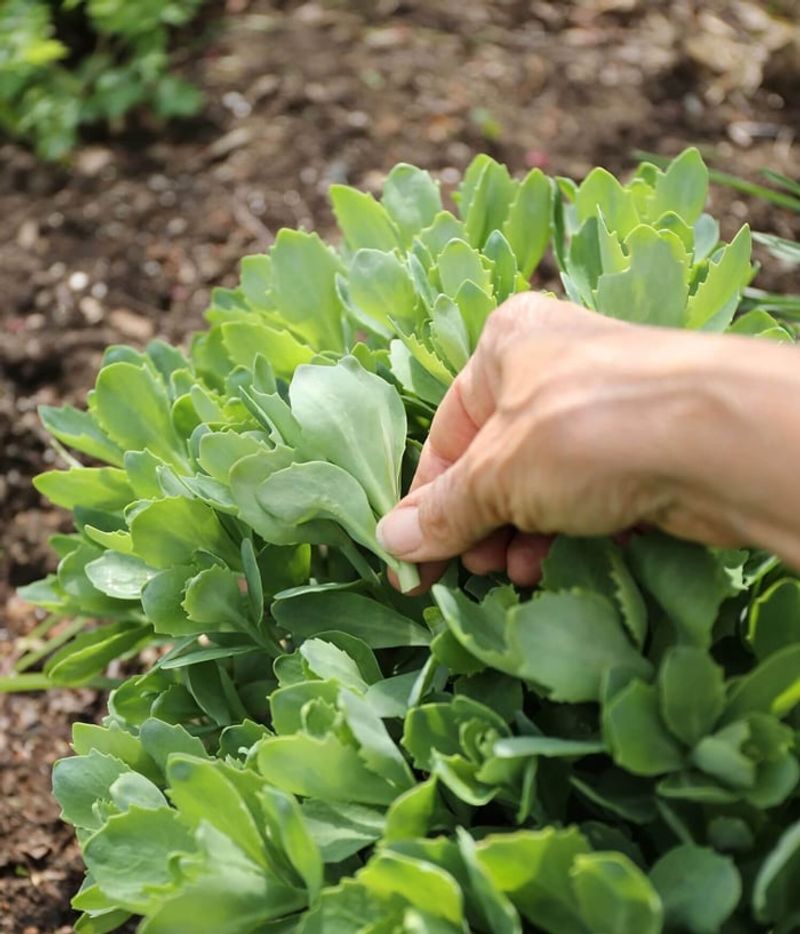
Even easy plants appreciate a little attention now and then. A few quick habits will keep your sedum looking tidy and full.
One popular trick is called the Chelsea chop. In late May or early June, cut the stems back by about one third.
That small trim makes the plant bushier and shorter. It also helps prevent the stems from flopping open later in the season.
Slugs can be a nuisance in damp Oregon springs. They sometimes nibble the tender new shoots as they first appear.
Scatter a pet-safe slug bait or set out shallow beer traps nearby. Once the leaves toughen up, slugs mostly lose interest.
Aphids occasionally show up on the flower buds. A strong spray of water from the hose usually knocks them right off.
Give each plant about eighteen inches of space. Good airflow keeps leaves healthy and helps prevent mildew problems.
If stems start to lean, a simple ring support can help. Place it early in the season so the plant grows through it.
That is the whole care list, and it is short on purpose. Sedum rewards simple routines, not constant fussing.
Spend less time working and more time enjoying your garden. With ‘Autumn Joy’ around, fall color comes easy and stays for months.