The One Fall Task That Keeps California Fig Trees Productive Next Summer
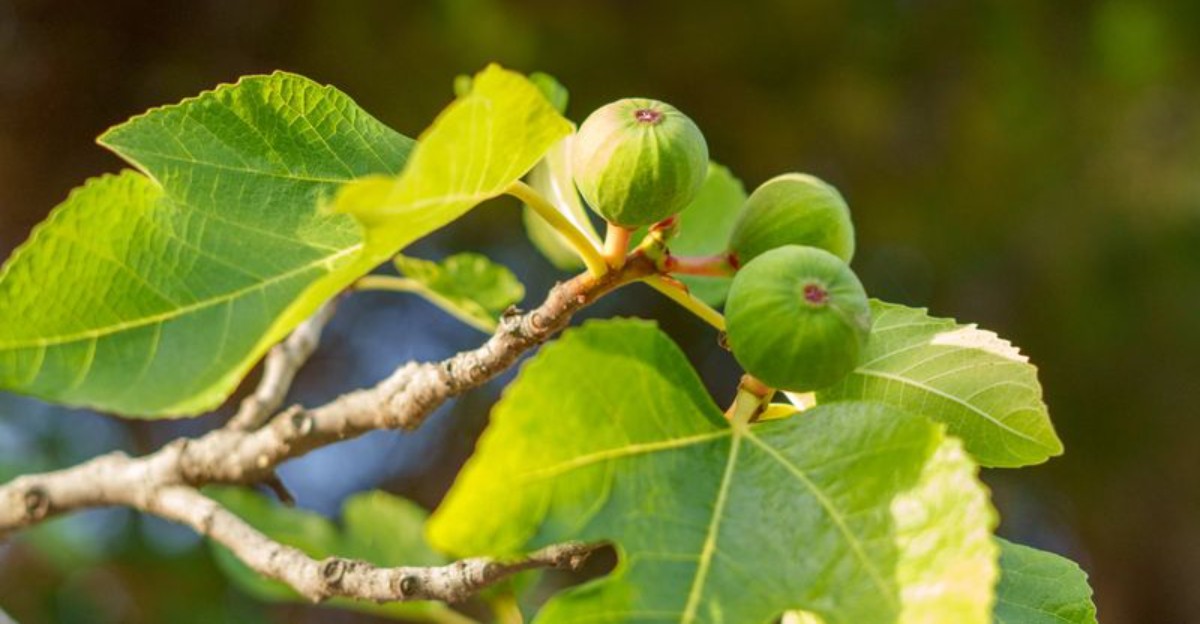
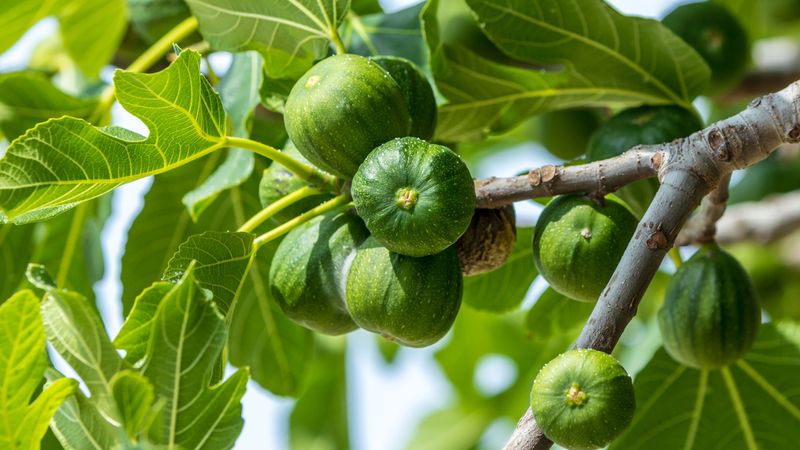
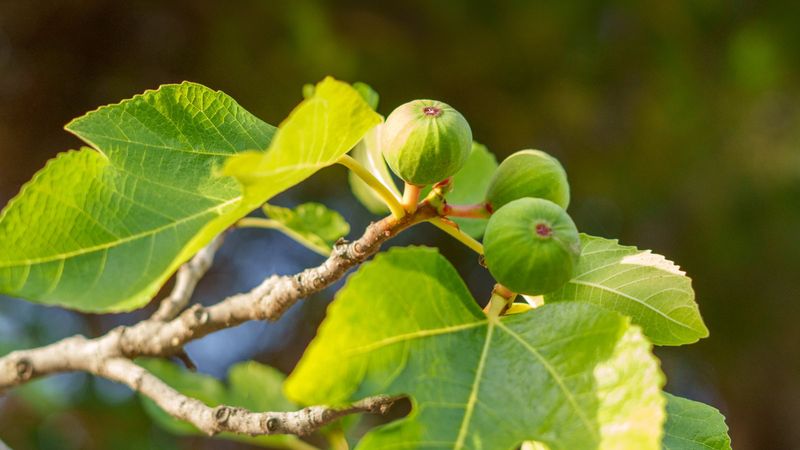
By late October, many California fig trees are still holding dozens of hard, green fruits the size of marbles.
They looked promising in September. Cooler nights and shorter days have since slowed them to a standstill.
Most of those late figs rarely turn soft and sweet before winter, yet the tree keeps sending sugar and water their way.
UC ANR guidance explains that figs need steady warmth to finish ripening, and fruit set late in the season often runs out of time.
That’s where one simple fall task earns its place. Removing unripenable fruit lets the tree save its strength for healthy wood and the buds that become next summer’s crop.
Remove Fruit That Won’t Ripen In Time
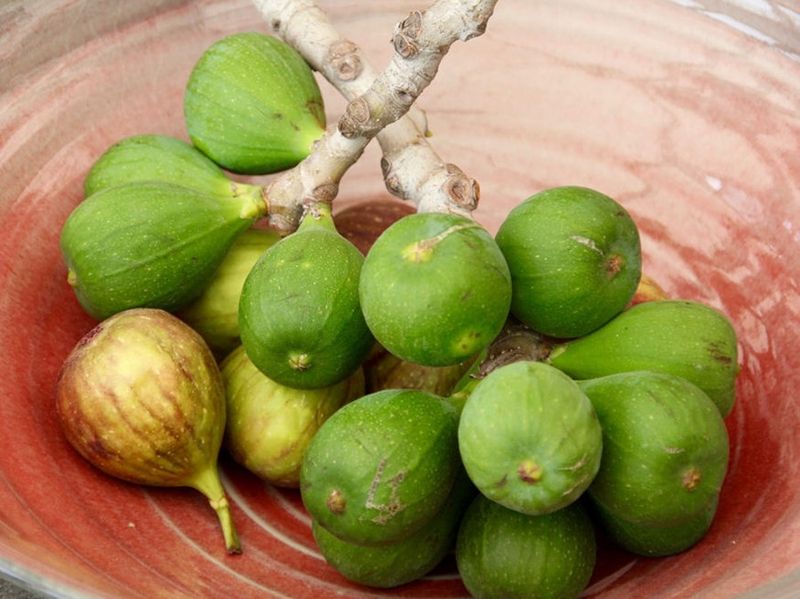
A bucket and a slow walk around the tree make the best start. Small, firm, bright green figs with no softening at the neck are the main targets.
Ripe figs droop a little on their stems and feel soft when pressed gently. Many varieties also change color as they finish.
Fruit that’s still rock hard in mid to late fall has usually stalled. UC ANR notes that figs need warm weather to complete ripening, so late fruit often stays stuck in its green stage until frost or winter rain arrives.
Removal is easy. A gentle twist at the base or a snip with clean pruners does the job without tearing bark or pulling off nearby buds.
Gloves and long sleeves help, since fig sap can irritate skin for some people. A simple rule settles any doubts about which figs to keep.
A fig close to full size and starting to soften deserves another week or two. A tiny one that’s hard as a pebble goes straight into the bucket.
Removed fruit belongs in green waste or buried in compost well away from the tree. Fallen figs left on the ground can invite dried fruit beetles and ants.
One pass usually handles the job. A second check a couple of weeks later catches any stragglers hiding behind leaves, and a tidy base keeps trouble from settling in for winter.
Redirect The Tree’s Energy Now
Juggling ten projects at once rarely ends well, and fig trees face a similar challenge each fall. A branch full of fruit that can’t finish keeps pulling resources in too many directions.
Every developing fig draws on the tree’s supply. Leaves make sugars through photosynthesis, and the tree decides where those sugars go.
Young fruit acts like a strong magnet, or what scientists call a sink. As long as green figs hang on the branches, carbohydrates keep flowing their way.
Once that late fruit comes off, the magnet disappears. Sugars still being made by the leaves can move into roots, trunk, and branches instead.
Plant scientists describe this stored food as carbohydrate reserves. Trees rely on them to get through winter and push out fresh growth in spring.
The shift works like moving money from a bad bet into a savings account. The fruit wasn’t going to pay off, but the tree’s own tissues will put that energy to good use.
Your California Garden Changes Every Week. Your Plan Should Too.
Gardening in California changes quickly throughout the season. Every Friday you’ll receive a simple weekly plan showing exactly what to plant, prune, fertilize, harvest, and protect so you never miss the right timing.
Timing matters here. Leaves stay active through much of fall in California’s mild climate, so earlier removal gives the tree more weeks to store food. Waiting until every leaf drops offers far less benefit.
Research on exactly how much each fig costs a tree is limited. The general principle of fruit acting as a sink, however, is well established in horticulture and supported by UC fruit tree guidance.
Late Season Fruit Rarely Finishes In Time
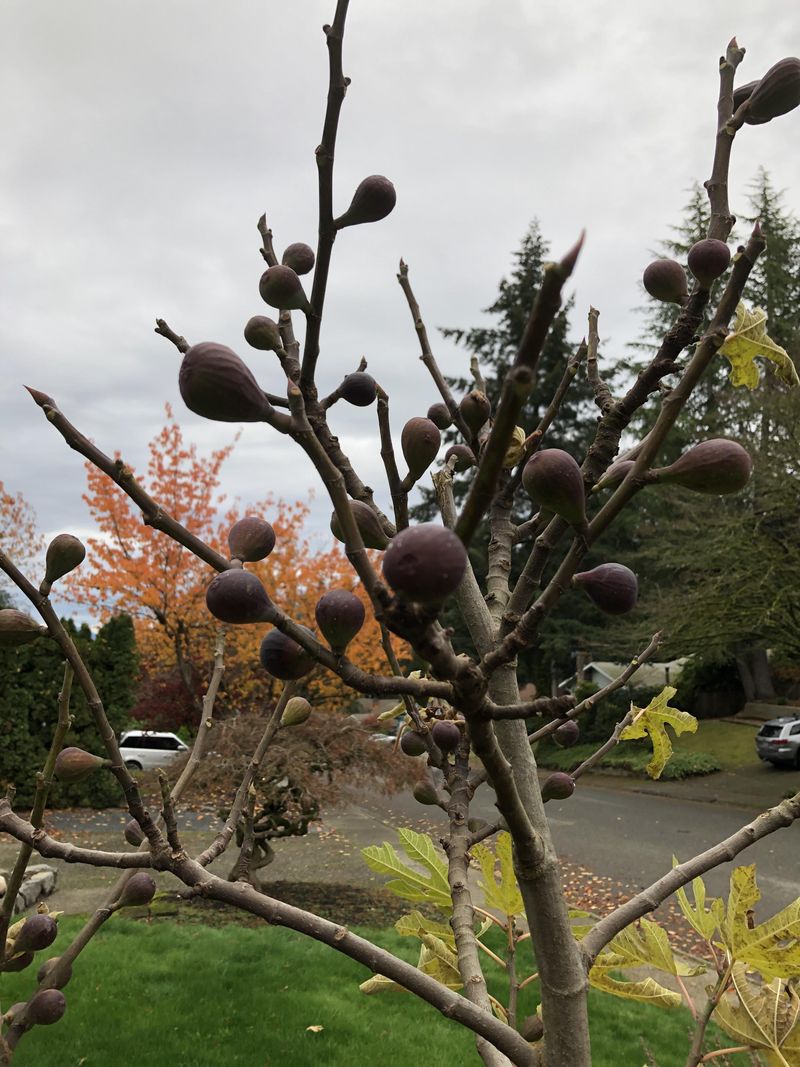
A slow clock governs every fig on the branch. A main crop fig may take two to three months to go from tiny bump to sweet, ready fruit, so a countdown starting in late September rarely adds up.
Most California fig trees produce in waves. Many varieties give an early breba crop on last year’s wood, then a main crop on new growth later in summer.
Branches keep forming new figs as they grow. That’s wonderful in July, but by October, fresh figs appear just as the season winds down.
UC ANR materials explain that fig ripening depends on heat. As days shorten and nights cool, the process slows to a crawl, even on sunny afternoons.
Foggy coastal autumns cut the warmth even further. Inland valleys stay hot longer, but even there, November chill usually ends the show.
A simple comparison with earlier fruit helps. Late figs that are half the size of August’s harvest and show no color change by mid-October are unlikely to catch up.
Some years bring a warm fall, and a few late figs surprise everyone. That bonus is nice, though counting on it is a gamble.
The safer choice is keeping only the figs already near ripeness and clearing the rest. It trades a slim chance at a few late figs for a better shot at a full crop next year.
This Step Protects Next Year’s Buds
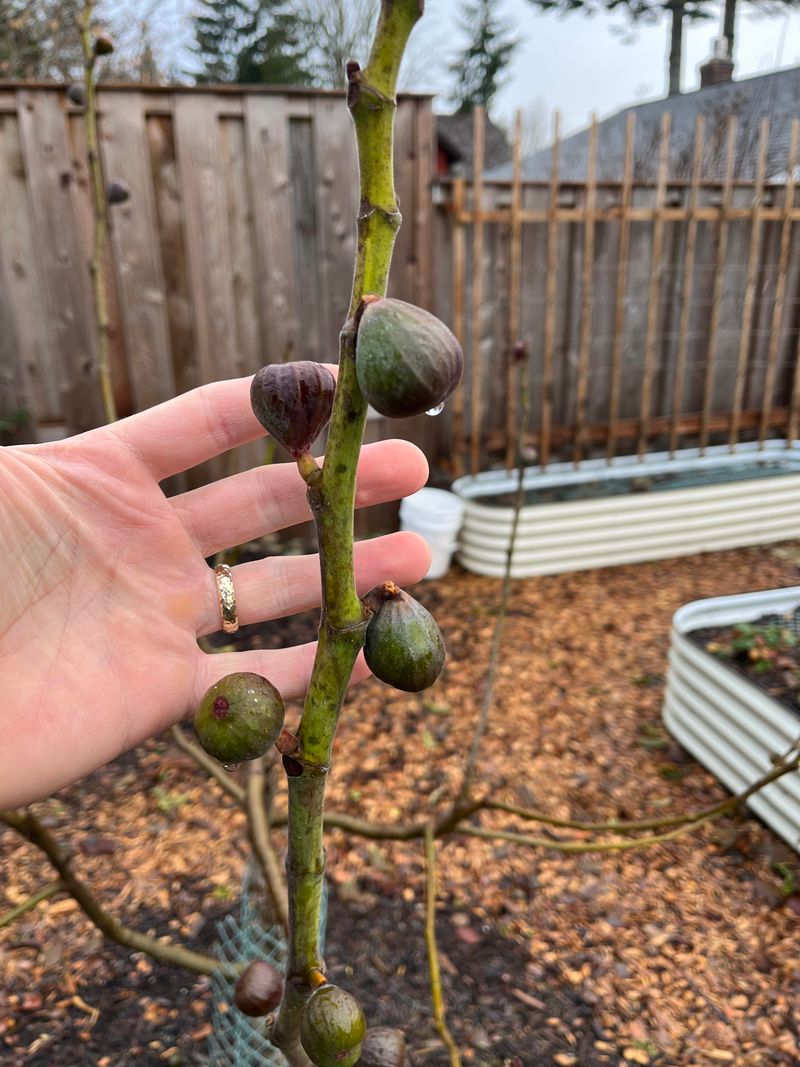
A close look at a fig branch tip in fall often reveals a pointed green bud at the end and tiny bumps along the stem. Those little bumps hold the promise of next summer.
Fig fruit forms in the leaf axils, the spots where leaves meet the stem. Breba figs grow from buds on last season’s wood, while main crop figs appear on new shoots in spring.
Either way, the tree needs strong, well-fed wood to produce good buds and vigorous shoots. Fall fruit removal supports exactly that.
Clearing unripenable fruit helps the tree enter dormancy with fuller reserves. In spring, those stored carbohydrates fuel the first burst of leaves and shoots before new leaves can make much food on their own.
A stronger start often means more shoots. More shoots, in turn, can mean more fruit.
Breba lovers get a bonus, too. Late fruit left hanging may rot, attract pests, or mummify on the branch, so removing it keeps the wood cleaner around next year’s buds.
Gentle hands matter during the process. Small rounded buds near the fruit could be next year’s brebas, so pinching or snipping only the figs themselves protects them.
UC sources describe how fig crops are tied to new growth and healthy wood. The exact boost from fall fruit removal hasn’t been widely measured, so it’s best viewed as sound horticultural logic rather than a guaranteed number.
Consistent Watering Still Plays A Role
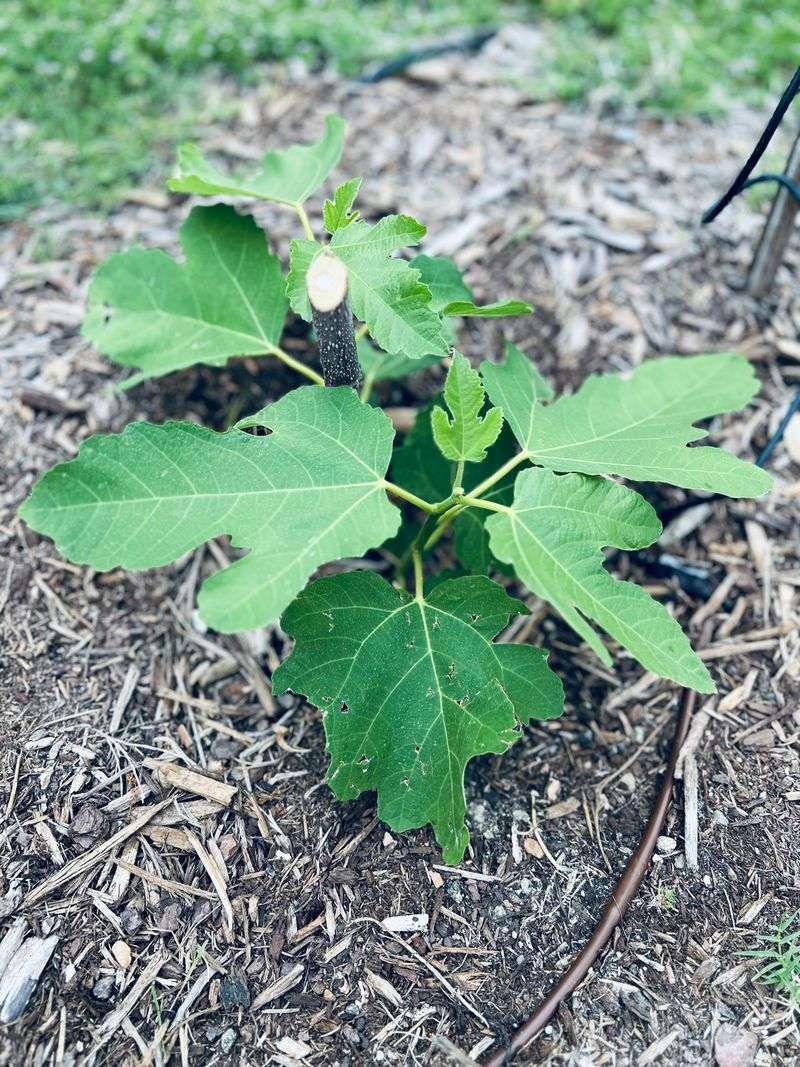
A common fall mistake is shutting off the hose the moment the calendar flips to October. California autumns can stay dry and warm for weeks, and fig trees notice.
Leaves keep working until they drop, and working leaves need water. Soil that dries out completely may cause the tree to shed leaves early.
Fewer leaves mean fewer weeks of building the reserves freed up by fruit removal. Water and fruit removal work as a team.
Deep, occasional soaking beats quick daily sprinkles. Figs have wide, fairly shallow roots, so watering out toward the edge of the canopy reaches more of them.
A trowel or finger pushed a few inches into the soil offers a quick check. Dry soil at that depth signals time to water.
As temperatures fall, watering can ease back gradually. Cooler days mean less water loss, and once winter rains arrive and leaves drop, most established trees need little or no extra help.
A two to four inch layer of mulch holds moisture and evens out soil temperature. Keeping it a few inches from the trunk helps prevent rot.
Young trees and potted figs deserve extra attention, since containers dry out fast even in fall. A quick check every few days keeps potted figs from stressing right when they should be storing up strength.
UC ANR guidance stresses steady moisture for figs, and fall watering works best as a slow taper rather than a sudden stop.
Skip Fertilizer This Late In The Season
That bag of fertilizer can stay on the shelf for now. Feeding a fig tree in fall is a bit like handing someone an energy drink at bedtime.
Nitrogen, the main ingredient in most fertilizers, pushes leafy new growth. In fall, the tree should be slowing down and hardening its wood for winter.
Fresh, tender shoots that sprout late are soft and easily damaged by cold snaps. In colder inland areas, frost can burn that growth back.
Late feeding can also undo the benefits of fruit removal. The branches were cleared so the tree could store energy, and fertilizer nudges it to spend that energy on new shoots instead.
The tree then heads into winter with less in the bank. That’s the opposite of the goal.
UC ANR notes that figs usually need little fertilizer at all. Many established trees in decent soil grow fine with only compost or mulch, and too much nitrogen can lead to lots of leaves and fewer figs.
Trees that do need feeding are best fed in late winter or early spring, when new growth can actually use the nutrients. Pale leaves or weak growth in summer are better signs of need than a guess in October.
A little compost spread on the soil surface in fall is fine. It breaks down slowly and builds soil health without forcing a growth spurt, so the quick-release products can wait until spring.
One Task Sets Up A Better Harvest
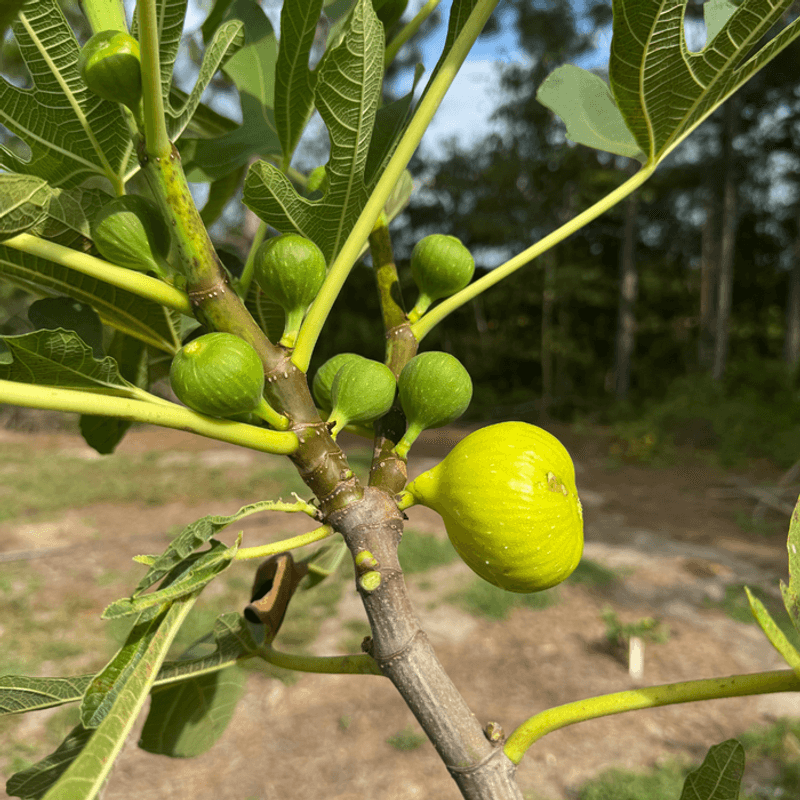
Next July, branches could hang heavy with soft, purple figs, with more than the kitchen counter can hold. That summer scene starts with a bucket of hard green figs in October.
Fall fruit removal doesn’t take long. For most home trees, it’s an hour or two of picking and snipping, yet the payoff stretches across several seasons.
The tree stops spending energy on lost causes, stores more reserves, and enters spring ready to grow. A few supporting chores round out the plan.
Deep watering until the rains arrive, followed by a gradual taper, keeps leaves working through autumn. Mulch stays in place, and fertilizer waits until spring.
Cleanup of fallen fruit and leaves keeps pests from moving in over winter. Each step reinforces the others.
Simple notes help, too. A record of when figs stalled this year and how many came off makes next fall’s timing much easier.
Many California gardeners find their stall point lands in the same weeks each year.
Some factors stay out of anyone’s control. Weather, variety, tree age, and soil all shape next year’s crop. Fruit removal won’t fix every problem, but it stacks the odds nicely at almost no cost.
A cool afternoon and a pair of gloves are all it takes. A little tough love now could lead to a fig-ure worth bragging about next summer.