What It Means When An Opossum Keeps Returning To The Same Spot In Your California Yard
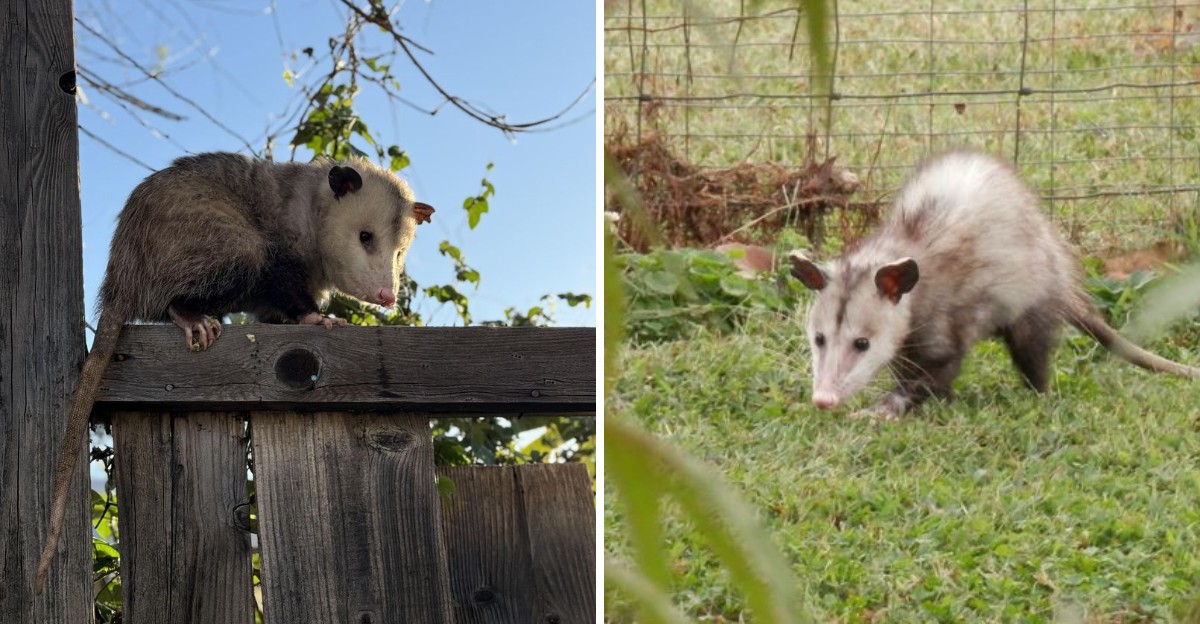
Opossums are among the most common nighttime visitors in California yards, from coastal suburbs to quiet Central Valley towns.
Many homeowners notice the same animal showing up at nearly the same spot and time, night after night.
That predictable routine isn’t a coincidence or a sign of anything unusual. It usually points to something specific the yard is offering, often food, shelter, or a handy travel route.
These quiet marsupials follow habits closely tied to what they find along the way.
A closer look at those habits explains the repeat visits. It also helps homeowners decide whether to welcome their nightly guest or gently encourage it to move along.
They Have Found A Reliable Food Source
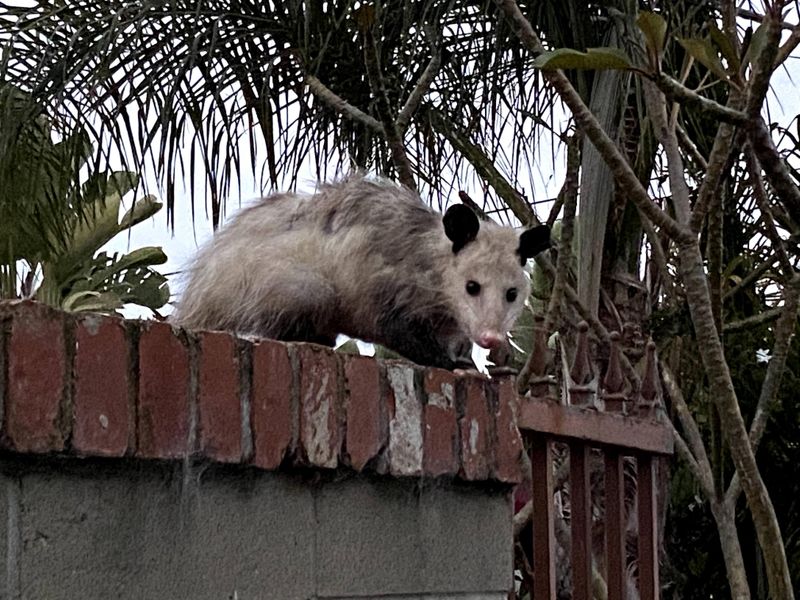
A yard can work like a diner that never closes. An opossum showing up at the same spot night after night has most likely found food there once and keeps finding more.
These animals are opportunistic omnivores, eating almost anything they come across. The California Department of Fish and Wildlife notes they snack on insects, snails, fruit, eggs, small animals, and even garbage.
In California, that menu often includes fallen oranges, lemons, avocados, figs, and backyard grapes. A fruit tree that drops snacks every evening is basically a free buffet.
Compost piles, open trash cans, and bird feeders that spill seed onto the ground work the same way. Even a lawn full of grubs and beetles can be worth a regular stop.
Opossums don’t wander randomly all night. Once they learn a certain place pays off, they add it to their nightly loop and return when a meal is easiest to grab.
A daylight walk around the yard often reveals the attraction. Half-eaten fruit, tipped compost lids, or scattered birdseed near the visiting spot are all strong clues.
Finding the food source is the first step to understanding the visits. It also shows exactly what to change for anyone who would rather the opossum dine elsewhere.
In many yards, the answer turns out to be surprisingly simple. A single fruit tree or feeder can explain an entire nightly routine.
Shelter Spots Keep Them Coming Back
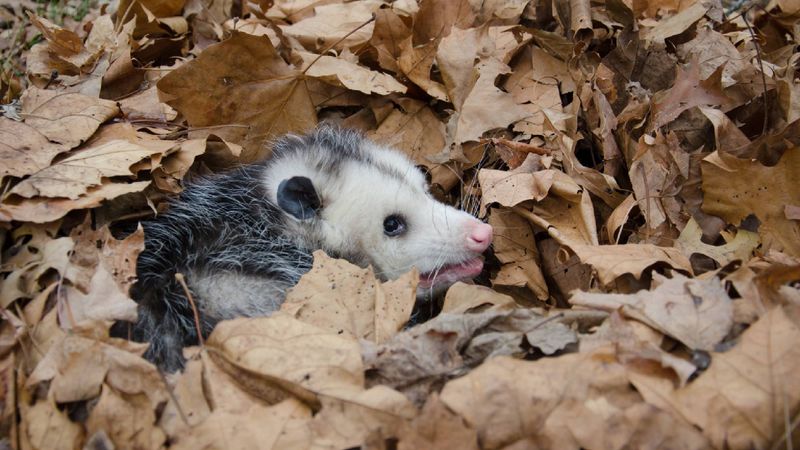
A dark gap under a deck can look like the perfect rent-free hideout to an opossum. Roof, walls, and peace and quiet all come included.
These animals don’t dig their own burrows. Instead, they borrow shelter wherever they can find it, including spaces under decks, porches, sheds, and mobile homes.
Woodpiles, brush piles, thick ivy, and dense shrubs also make popular choices. Any spot that stays dark and undisturbed during the day has potential.
An opossum needs a quiet, shady place to sleep through daylight hours. California summers get hot, and a cool, protected spot helps it rest safely away from coyotes, owls, and dogs.
A hiding place that works well may get used again and again. Opossums tend to rotate between several den sites, but a really good spot can become a favorite.
Mothers looking for a safe place to raise young may be especially drawn to sheltered areas in spring and summer. Those spots often see the most regular activity.
Your California Garden Changes Every Week. Your Plan Should Too.
Gardening in California changes quickly throughout the season. Every Friday you’ll receive a simple weekly plan showing exactly what to plant, prune, fertilize, harvest, and protect so you never miss the right timing.
An opossum appearing near the same corner each evening is often leaving a nearby den rather than just passing through. Its schedule tends to start right where it slept.
Flattened grass, small worn paths, or a gap under a structure where leaves have been pushed aside are all telltale signs. Those little clues can reveal a hidden bedroom right in the backyard.
Solitary Habits Dont Mean No Routine
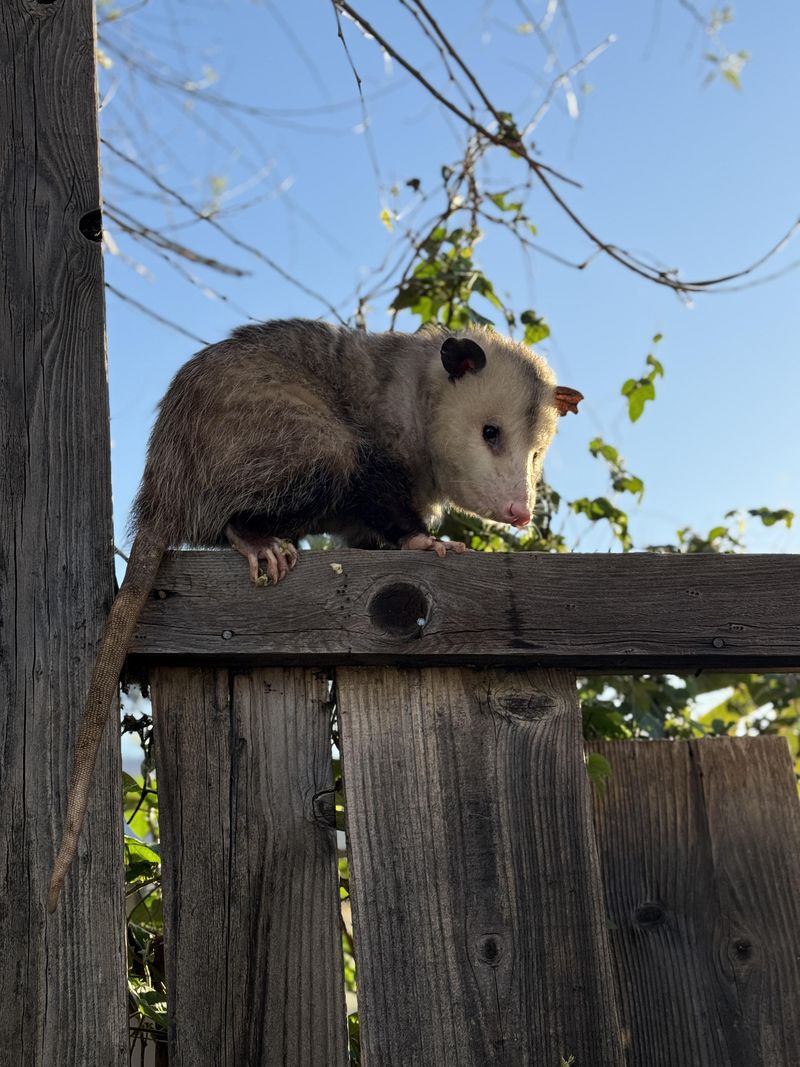
Apart from mothers carrying babies, opossums usually travel, eat, and sleep alone. That solitary lifestyle might suggest they simply roam without a plan.
The opposite is actually closer to the truth. Like many wild animals, opossums live within a home range, the area where they regularly search for food and shelter.
Inside that range, they often follow familiar paths. Fence tops, garden edges, drainage ditches, and the narrow strip behind a garage can all become nightly highways.
Using the same routes helps them move quickly and stay hidden. It also helps them remember where the best food can be found from one night to the next.
The same opossum crossing a porch at the same time each night isn’t visiting friends or looking for company. It’s simply following its route, much like a commuter taking the same road to work every morning.
Home ranges can shift over time. An opossum may stay in one area for a while and then move on, especially when food runs low.
Wildlife experts note that exact range sizes vary widely depending on habitat. Specific numbers found online deserve some caution for that reason.
The big takeaway is easy to remember. Repeat visits reflect habit tied to a resource rather than social behavior.
The yard is simply one stop on a solo commute, and the opossum is sticking to a very consistent schedule.
They Eat Ticks Slugs And Snails
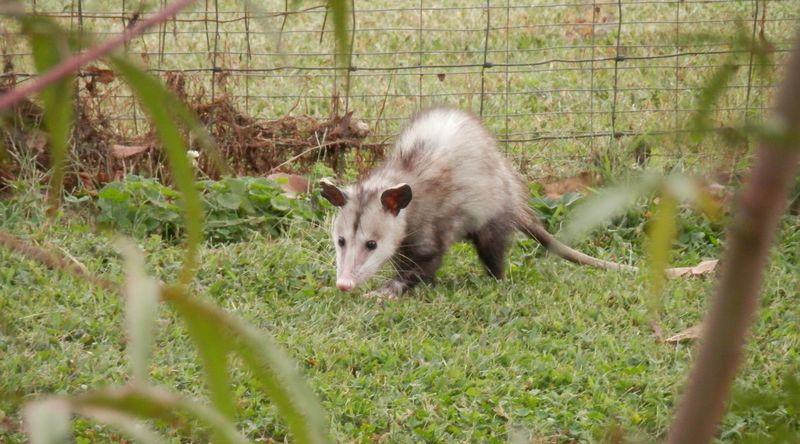
Gardeners may have good reason to cheer for their late-night visitor. An opossum nosing through the beds could be helping with one of California’s peskiest garden invaders.
Opossums happily eat snails and slugs. The brown garden snail, a common pest in California yards, chews holes through leafy greens, flowers, and young plants.
An opossum poking around at night may gobble up these slimy troublemakers before they reach the lettuce and tomatoes. That’s a service most gardeners appreciate.
Beetles, crickets, cockroaches, and other insects also make the menu. Opossums clean up fallen fruit and animal remains too, which keeps yards tidier than many people would expect.
Ticks come with a bit more nuance. A widely shared claim says one opossum eats thousands of ticks each season, but that number came from a lab study.
Later field research has questioned it, finding that ticks may not make up a big part of a wild opossum’s diet. Opossums likely eat some ticks, though the huge numbers remain uncertain.
Even without the tick hype, these quiet animals earn their keep. Fewer snails and bugs can mean less need for garden chemicals that might affect pets or helpful insects like bees.
An opossum exploring the tomato patch might simply be on pest patrol. It works the night shift as a free, furry cleanup crew that never asks for overtime pay.
Generally Harmless And Non Aggressive
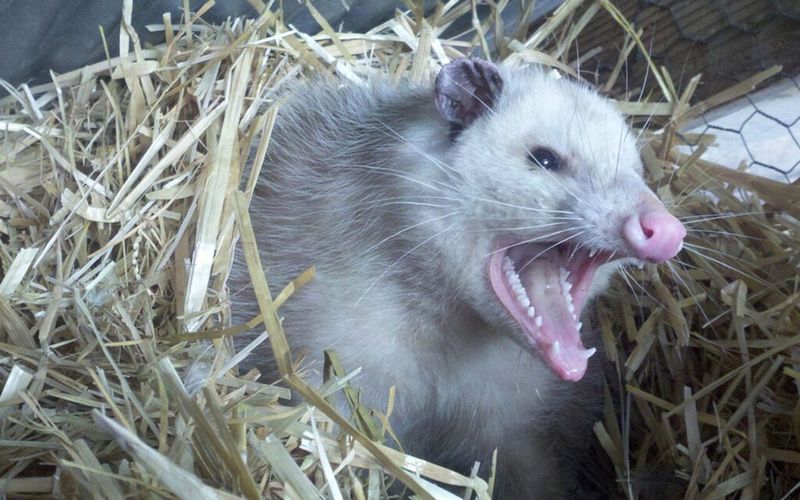
A wide-open mouth full of sharp teeth flashing in the porch light can look alarming. Most of the time, though, it’s a bluff.
Opossums have more teeth than any other North American land mammal, with 50 in total. When cornered, they may gape, drool, and hiss to look tough.
Behind the show, they would much rather escape than fight. The whole display is mostly about buying time to escape.
Their most famous trick is playing possum. A badly frightened opossum may fall over, go stiff, and release a smelly odor that makes it seem like poor pickings for a predator.
This response is involuntary, a bit like fainting. It can last minutes or even hours before the animal recovers and slips quietly away.
Opossums are slow-moving and shy. They usually ignore people and simply waddle off once they notice someone nearby, and attacks on humans are extremely rare.
A low body temperature is believed to make rabies very uncommon in opossums. They’re still wild animals, so touching, feeding, or picking one up is best avoided.
Pets are safest indoors at night, since a curious dog could get nipped by a frightened opossum. Otherwise, giving the visitor space lets it go about its business.
That simple approach works well for people, pets, and wildlife alike.
Pet Food Left Out Is A Common Draw
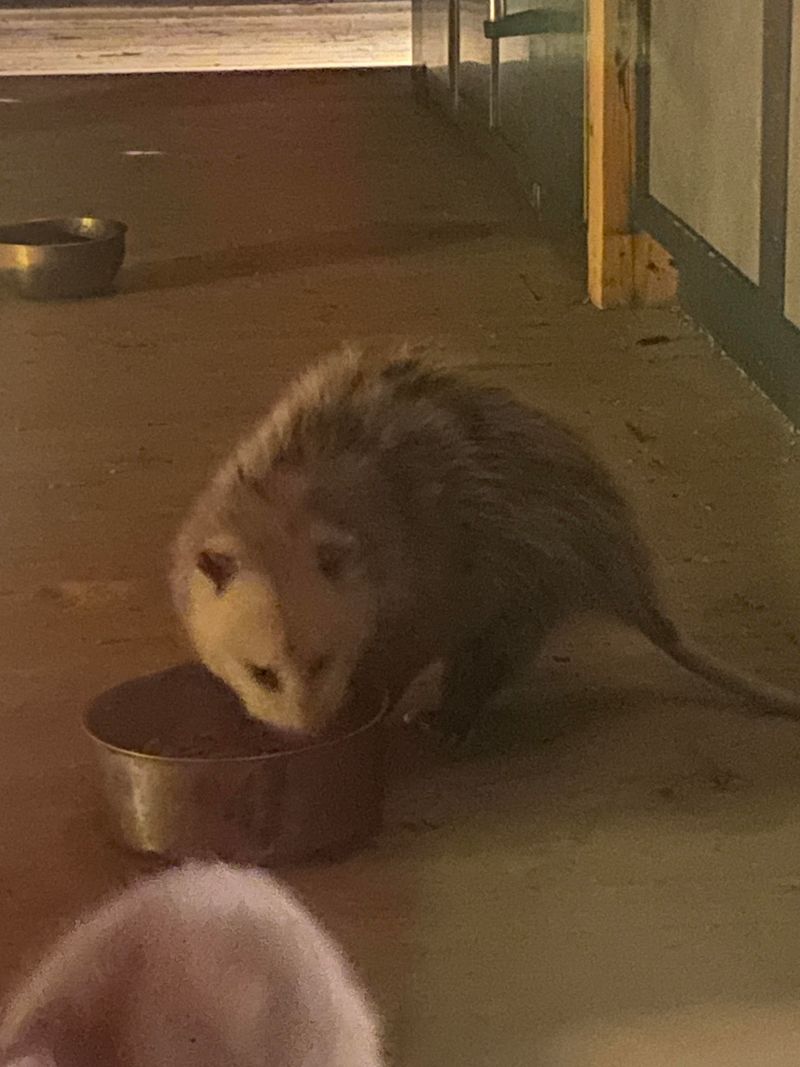
A cat that finished dinner hours ago isn’t the one crunching kibble on the back step at midnight. Outdoor pet food is one of the most common reasons an opossum keeps returning.
Dog and cat food is packed with calories, easy to reach, and refilled almost every day. For a hungry opossum, that bowl works like a vending machine that never charges.
Many California families feed pets on porches, patios, or in garages left partly open. Mild weather makes outdoor feeding feel normal, especially for barn cats or outdoor dogs.
Leftovers sitting out after dark, however, are an open invitation. Once an opossum learns a bowl is reliable, it may show up at nearly the same time each night.
Some homeowners even notice the visitor arriving soon after the porch lights go off. The timing can be remarkably precise, almost like clockwork.
Pet food can also attract raccoons, skunks, and rats. Wildlife agencies, including CDFW, generally advise against feeding wild animals, on purpose or by accident, since it can cause them to lose their natural wariness of people.
The fix is refreshingly simple. Feeding pets indoors, or bringing bowls inside before sunset, removes the main attraction.
Sealed containers for bags of kibble and quick cleanup of spilled food help as well. Without that nightly snack, the visitor will likely adjust its route and find dinner somewhere else.
Removing Attractants Changes Their Pattern
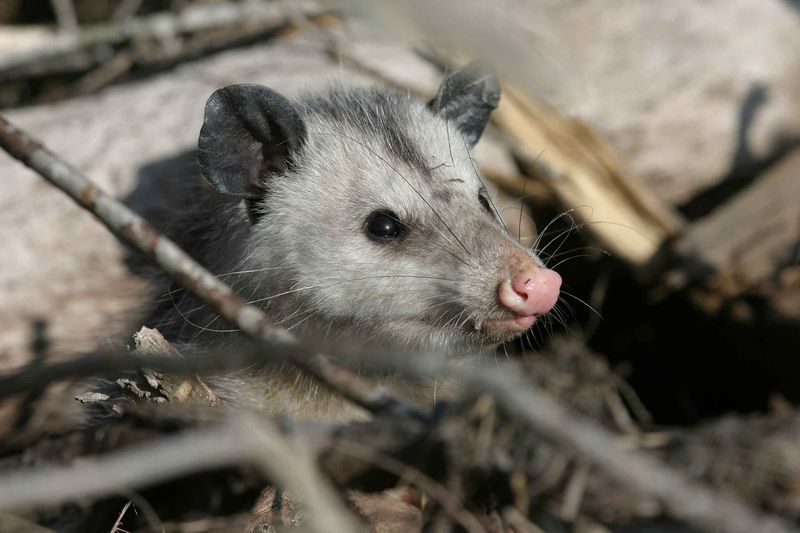
Some homeowners enjoy their nightly guest, while others would rather it found a new hangout. Either choice is fine, and the kindest approach is removing whatever it came for.
Food comes first. Picking up fallen fruit daily, using trash cans with tight lids, and keeping compost in a closed bin all make a big difference.
Pet bowls belong inside at night, and spilled birdseed deserves a quick cleanup. Each small step shrinks the menu.
Shelter comes next, since a cozy den can keep an opossum nearby. Sturdy hardware cloth or wire mesh can block openings under decks, porches, and sheds.
Before sealing any spot, it’s important to confirm no opossum is inside, especially a mother with babies in spring or summer.
A common trick is loosely stuffing the hole with newspaper and checking whether it gets pushed out overnight.
Thinning thick ivy and brush and stacking firewood neatly off the ground reduce hiding places further. Motion lights can also make a yard feel less cozy.
Trapping and moving the animal is best avoided. In California, relocating wildlife is restricted, and moved animals often struggle in unfamiliar territory. CDFW or local animal services can advise on serious problems.
Once food and hiding spots disappear, the opossum will usually adjust its route within days or weeks. The yard returns to normal, and the nightly visitor simply finds another stop.