The Oregon Cucumber Watering Mistake That Causes Bitter Fruit Most Gardeners Never Connect
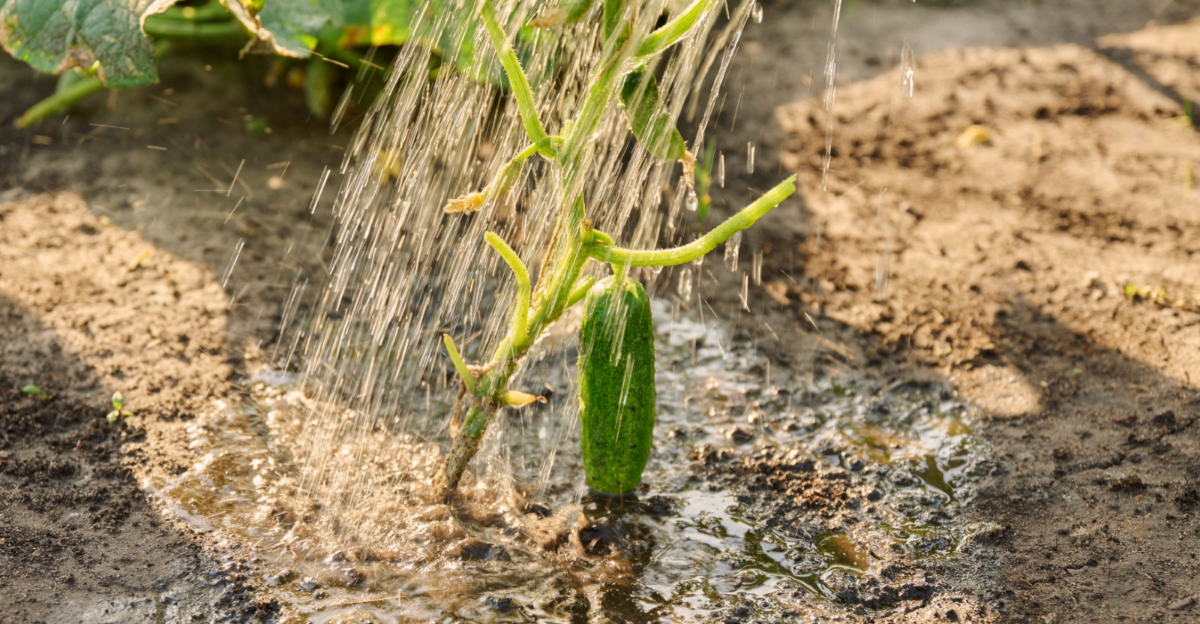
Biting into a homegrown cucumber and getting a mouthful of bitterness is one of those midsummer garden disappointments that feels genuinely personal.
You watered the thing. You watched it grow. And somehow it still tastes like that.
Oregon’s dry summer stretch is a big part of the story here, and the watering habit that most people never connect to bitter cucumbers is letting the soil go completely dry before suddenly drenching it again.
That cycle of stress during fruit development is one of the most common triggers for the sharp, unpleasant flavor that shows up in July harvests across the state.
Consistent moisture is the biggest piece of the puzzle, but variety choice, heat spikes, fertility, and harvesting fruit before it gets overmature all factor in too.
There is rarely one single fix, but there is definitely a smarter approach.
1. Letting Cucumbers Swing From Dry Soil To A Soak
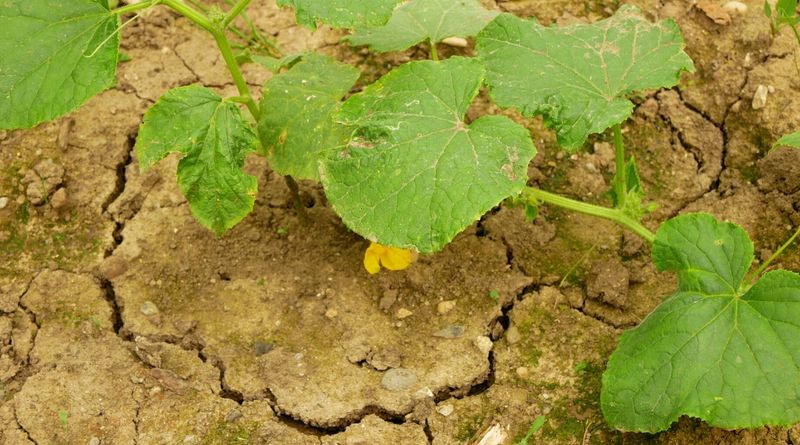
Dry soil followed by a sudden heavy soaking is one of the most common watering habits in Oregon vegetable gardens, and cucumber plants tend to respond poorly to it.
When the root zone dries out between waterings, the plant experiences stress that can trigger the production of cucurbitacins, which are the bitter compounds naturally found in cucumber plants.
A dramatic swing from dry to soaked does not give the plant a chance to recover gradually.
Many gardeners assume that catching up on missed watering with a long, deep soak will fix the problem, but the stress may already be underway by the time the soil gets wet again.
Cucumber roots that have been sitting in dry soil for even a day or two during a heat spell can begin showing signs of stress that show up later as bitter flavor in the fruit.
The plant’s response to that stress is not immediate, which makes the connection easy to miss.
Raised beds and containers in Oregon’s July sun can dry out faster than in-ground beds, making this swing even more dramatic.
Checking the soil a few inches below the surface before watering gives a more reliable picture of what the roots are actually experiencing.
A slow, steady approach to watering, rather than trying to make up for missed days all at once, helps keep cucumber plants more stable and less likely to develop bitterness.
2. Moisture Swings That Lead To Bitter Cucumbers
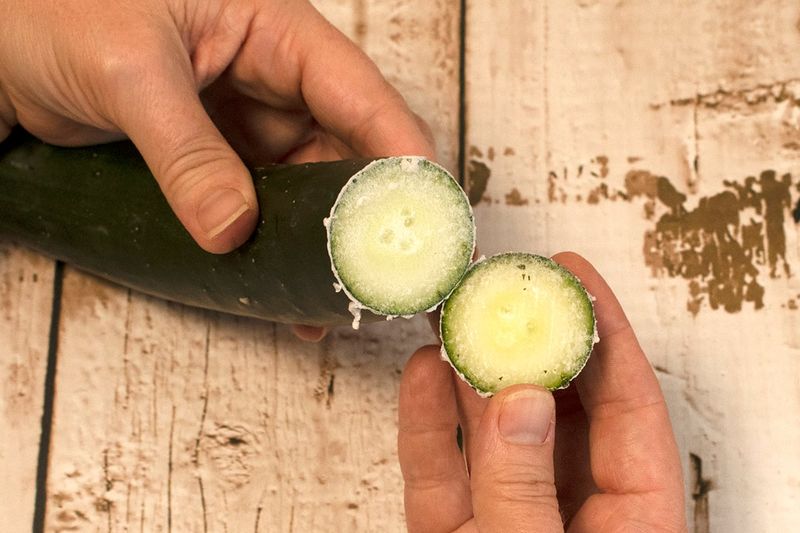
Uneven moisture is a sneaky source of stress for cucumber plants, and the bitterness that follows a hot, dry stretch often catches Oregon gardeners off guard.
When soil moisture swings back and forth between too dry and too wet, cucumber plants cannot maintain the steady growth they need to produce mild, well-flavored fruit.
Heat makes this problem worse because high temperatures speed up evaporation and put additional pressure on the plant at the same time.
Cucurbitacins, the compounds responsible for bitterness, are present in all cucumber plants to some degree. Stress from heat, drought, or irregular watering can cause the plant to produce more of these compounds, which then move into the fruit.
Your Oregon Garden Changes Every Week. Your Plan Should Too.
Gardening in Oregon changes quickly throughout the season. Every Friday you’ll receive a simple weekly plan showing exactly what to plant, prune, fertilize, harvest, and protect so you never miss the right timing.
Not every bitter cucumber comes from watering alone, since variety, soil fertility, and fruit maturity also play a part, but moisture swings are one factor that backyard gardeners can often manage more easily than others.
In Oregon gardens, July is often the month when moisture swings are most likely because rainfall drops off and temperatures rise. A garden that received regular spring rain may suddenly need hand watering or drip irrigation to stay consistent.
Watching for signs of stress, like leaf edges that curl or vines that wilt in the afternoon and do not recover by morning, can help gardeners catch a moisture problem before it affects fruit flavor.
Steady soil moisture, not perfect soil moisture, is the reasonable goal.
3. July Heat Drying Out Oregon Cucumber Beds
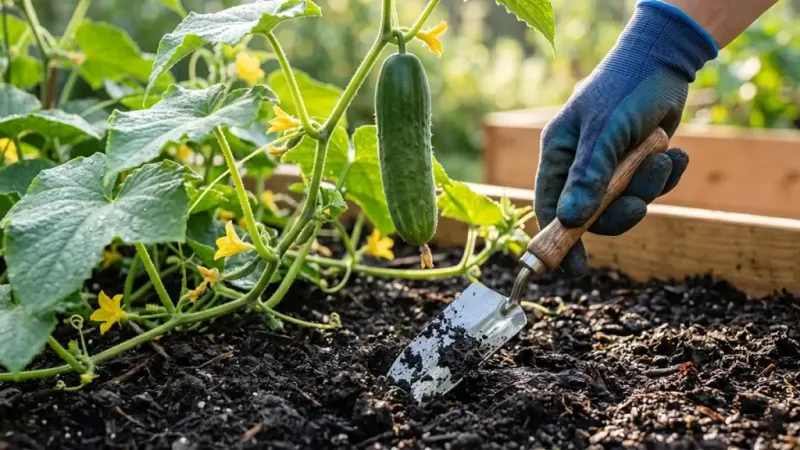
When July arrives in Oregon, the shift from mild spring weather to dry summer heat can happen faster than many gardeners expect. Raised beds, which drain more freely than in-ground soil, can lose moisture within a day or two during a hot spell.
Containers and grow bags heat up even faster, and cucumber roots in small pots can feel the effects of heat stress before the leaves show any obvious sign of trouble.
Full-sun vegetable gardens in Oregon’s Willamette Valley and other inland areas can experience soil temperatures that climb well above air temperature during July afternoons.
That heat pulls moisture out of the root zone quickly, and a cucumber plant that looked fine in the morning may be under significant stress by early afternoon.
Gardeners who water only by looking at the surface of the soil can easily underestimate how dry things have gotten just a few inches down.
Exposed garden beds without shade cloth or nearby structures get the full force of summer sun, which makes the drying effect even more pronounced.
Community garden plots and trellised cucumbers on south-facing fences are particularly vulnerable because airflow around the plants can increase evaporation.
Checking soil moisture at the root level, using a finger or a simple moisture meter, gives a more accurate read than surface appearance alone.
Understanding how quickly Oregon July heat can dry a bed is the first step toward adjusting watering frequency before fruit quality suffers.
4. Consistently Moist Soil Around Cucumber Roots
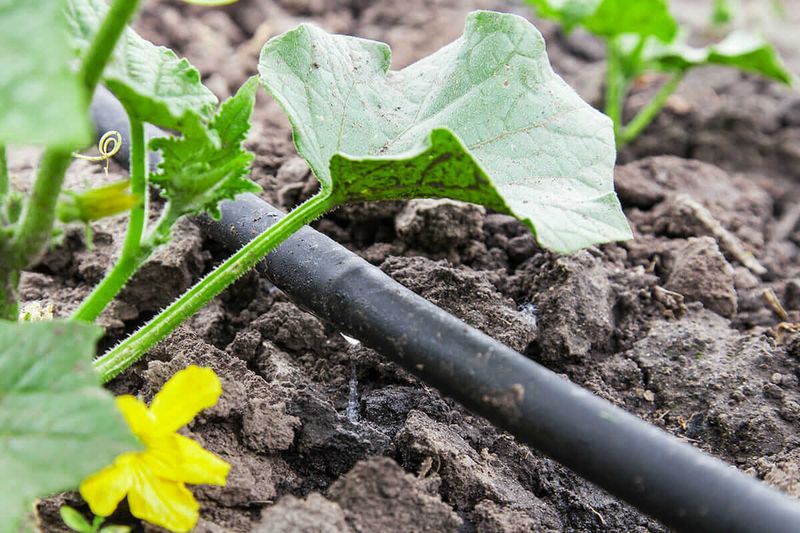
Steady moisture at the root zone is what cucumber plants are really after, and that is different from keeping the surface of the soil looking damp.
The roots of a cucumber plant extend several inches below the surface, sometimes deeper in loose, well-amended soil, and that is where consistent moisture matters most.
Gardeners who water lightly and frequently may keep the top inch moist while leaving the deeper root zone dry.
Checking moisture a few inches below the surface before deciding whether to water is a practical habit that many experienced Oregon vegetable gardeners swear by. If the soil at root depth feels moist and cool, the plant likely has what it needs.
If it feels dry or barely damp, that is a signal to water even if the surface looks fine.
Drip irrigation and soaker hoses work well for cucumbers because they deliver water slowly at or near the root zone, which encourages deeper root growth over time.
Overhead sprinklers can wet the surface without penetrating deeply enough, especially in dense or compacted soil.
In Oregon raised beds filled with a mix of compost and topsoil, water can move through quickly, so longer, slower watering sessions may do more good than brief daily sprinkles.
The goal is not soggy soil but a consistent level of moisture that lets the plant focus its energy on growing fruit rather than coping with stress from drying out.
5. Shallow Sprinkling That Misses The Root Zone
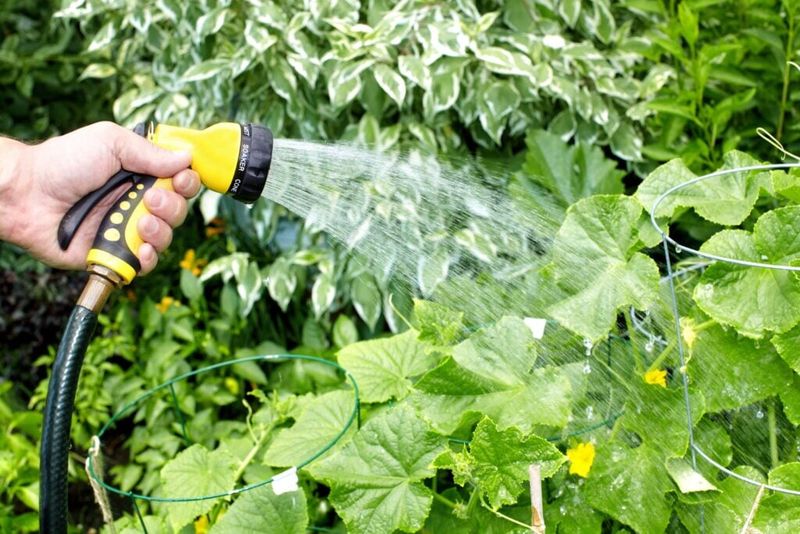
A quick pass with a hose or sprinkler can give a garden bed the appearance of being watered without actually reaching the roots where it counts.
Cucumber plants need moisture at root depth, and a short sprinkling session often only wets the top inch or two of soil.
In hot July weather in Oregon, that surface moisture can evaporate within hours, leaving the root zone just as dry as it was before.
Many gardeners fall into a routine of brief daily watering that feels productive but does not deliver enough moisture to the deeper root zone. Over time, this can train cucumber roots to stay shallow as they follow moisture toward the surface.
Shallow roots are more vulnerable to heat stress and dry spells, which makes the plant more sensitive to the kind of moisture swings that can encourage bitterness.
Watering more slowly and for a longer period, or using drip lines positioned near the base of each plant, gives water time to move down into the soil rather than pooling on the surface or running off.
After watering, waiting a few minutes and then checking the soil depth with a finger or trowel can reveal whether the moisture actually reached the root zone.
In sandy or fast-draining soils common in some Oregon gardens, water moves through quickly, so a longer soak may be needed.
Adjusting the approach based on actual soil conditions makes a real difference in how well cucumber plants hold up during dry summer stretches.
6. Mulch Keeping Cucumber Moisture More Steady
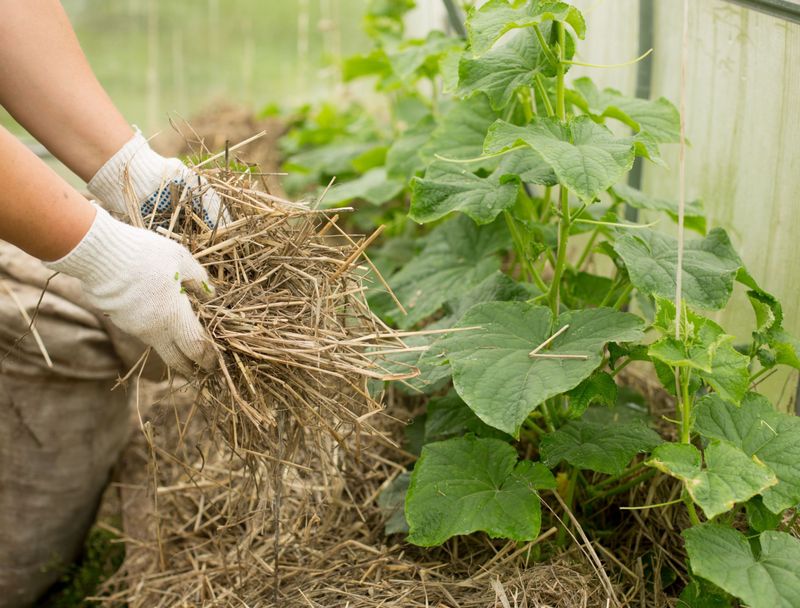
A thick layer of mulch around cucumber plants is one of the most practical steps an Oregon gardener can take to slow down soil moisture loss during July heat.
Straw, wood chips, and shredded leaves all work well for this purpose, and even a two-to-three-inch layer can make a noticeable difference in how quickly the soil dries out between waterings.
Mulch also helps moderate soil temperature, which reduces the stress that heat alone can place on cucumber roots.
When soil temperature stays more stable under a layer of mulch, the plant does not have to deal with as many swings between hot and cool, which supports more consistent growth.
Less evaporation from the soil surface means that watering sessions can stretch a bit further apart without the root zone drying out completely.
That steadier moisture environment gives cucumber plants a better chance of producing fruit without the stress that can lead to bitter flavor.
One thing worth keeping in mind is that mulch should be pulled back slightly from the base of the stem to allow airflow and reduce the risk of rot near the crown of the plant.
Piling mulch tightly against cucumber stems can create a damp environment that encourages disease.
Spreading mulch in a ring around the plant rather than mounding it up against the stem gives the best of both benefits.
In Oregon raised beds and in-ground gardens alike, mulch is a low-effort tool that helps keep cucumber watering more consistent throughout the driest months.
7. Morning Watering Before Summer Heat Builds
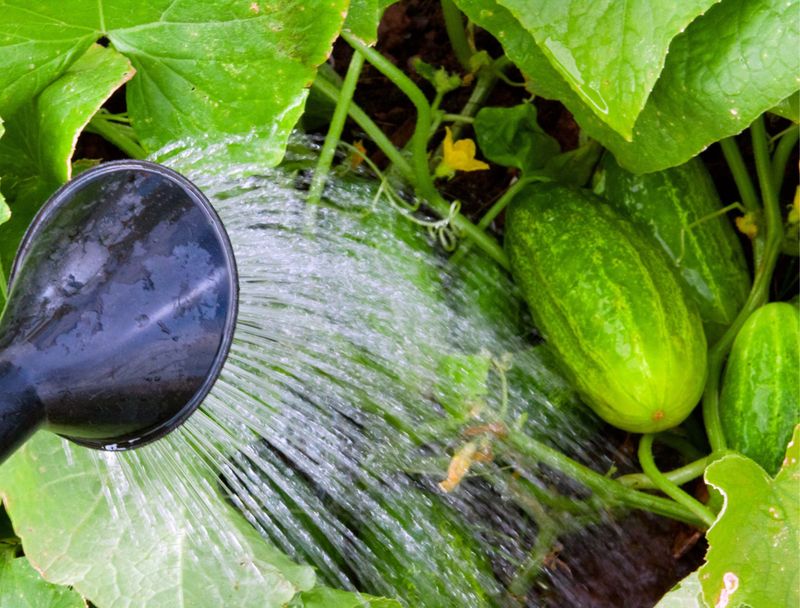
Early morning is a good time to water cucumber plants in Oregon because the soil and air are still relatively cool, which gives water time to soak in before the heat of the day speeds up evaporation.
Watering when temperatures are lower means more of what you apply actually reaches the roots rather than disappearing into the air.
Plants that start a hot afternoon with a well-hydrated root zone tend to handle heat stress more comfortably than those that get watered late in the day or not at all.
Waiting until the afternoon to water means cucumber plants may already be showing signs of heat stress by the time moisture reaches the roots.
Wilted leaves during the hottest part of the day are not always a sign of drought, since cucumbers sometimes wilt temporarily even when the soil is moist, but vines that stay wilted into the evening often do need water.
Morning watering makes it easier to catch that pattern before the plant has been stressed for too many hours.
Drip irrigation set to run early in the morning works well in Oregon gardens because it delivers moisture consistently without depending on the gardener to be outside at a specific time.
For gardeners who hand water, a morning routine before the day gets busy tends to be easier to maintain than trying to fit in watering during a hot afternoon.
The timing does not have to be exact, but earlier in the day generally gives cucumber plants a better start before summer heat builds.
8. Timely Harvests Before Flavor Declines
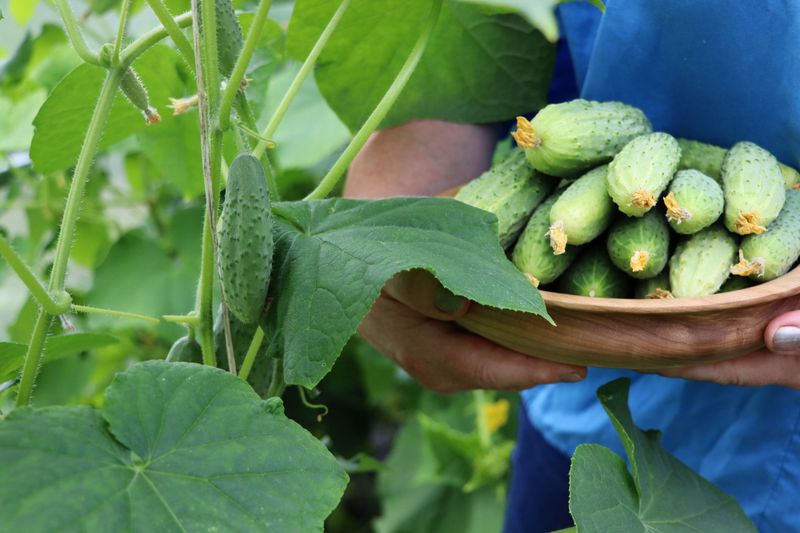
Even a cucumber plant that has been watered carefully through July can produce bitter fruit if the cucumbers are left on the vine too long.
Overmature cucumbers are more likely to develop higher levels of cucurbitacins, the compounds that create that sharp, unpleasant taste.
Fruit that has started to yellow or grown noticeably large and puffy is often past its best eating window, and no amount of preparation will fully recover the flavor.
Pairing steady watering with regular harvesting is a smart approach for Oregon gardeners who want mild, crisp cucumbers throughout the season.
Picking fruit at the right size for the variety, before the skin dulls or the ends start to soften, encourages the plant to keep producing new fruit rather than putting energy into maturing seeds inside an aging cucumber.
A productive plant that is harvested often tends to stay more vigorous and may be somewhat less prone to the stress that contributes to bitterness.
In a busy Oregon summer garden, it is easy to miss a cucumber hiding under a leaf for a few days longer than intended. Checking the vines every day or every other day during peak production helps catch fruit before it gets too large.
Setting a simple habit of scanning trellised vines from top to bottom during morning watering sessions makes it easier to spot cucumbers at the right stage.
Consistent harvesting and consistent watering work together to keep cucumber flavor at its best throughout the growing season.