The One Household Product That Helps Stop Crabgrass (And The Routine It Needs)
A single summer lawn weed can drop as many as 150,000 seeds before the first frost. That number stopped me cold the day I first read it in an extension bulletin.
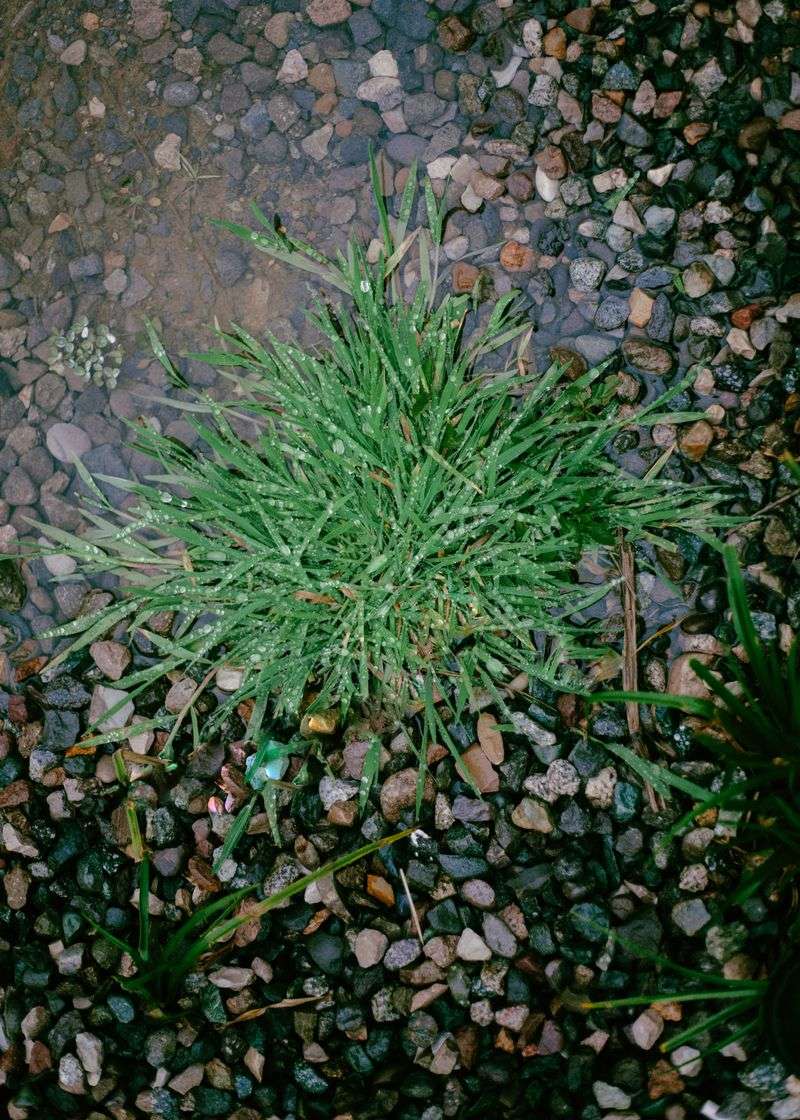
I spent years yanking those sprawling, star-shaped clumps by hand every July. My knees hurt, my back complained, and the patches came back anyway. Then a box from the kitchen cabinet caught my eye.
Online, plenty of folks swear one cheap pantry product ends the problem for good. I wanted proof, so I compared those claims with what turf scientists actually found.
Some of it held up nicely, and some of it fizzled fast. You might notice the first sprouts hugging your sidewalk edges as soil warms this spring.
Does a simple white powder really deserve a permanent spot in your lawn plan, or does the real fix live somewhere else in your shed?
That Orange Box of Baking Soda Has a Crabgrass Secret
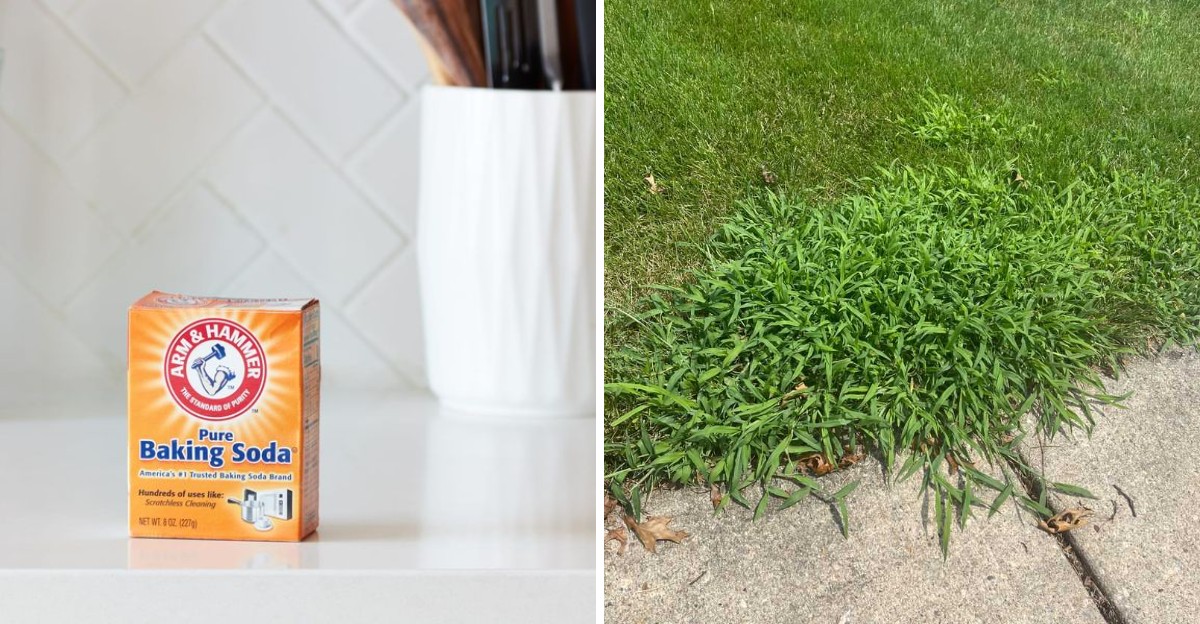
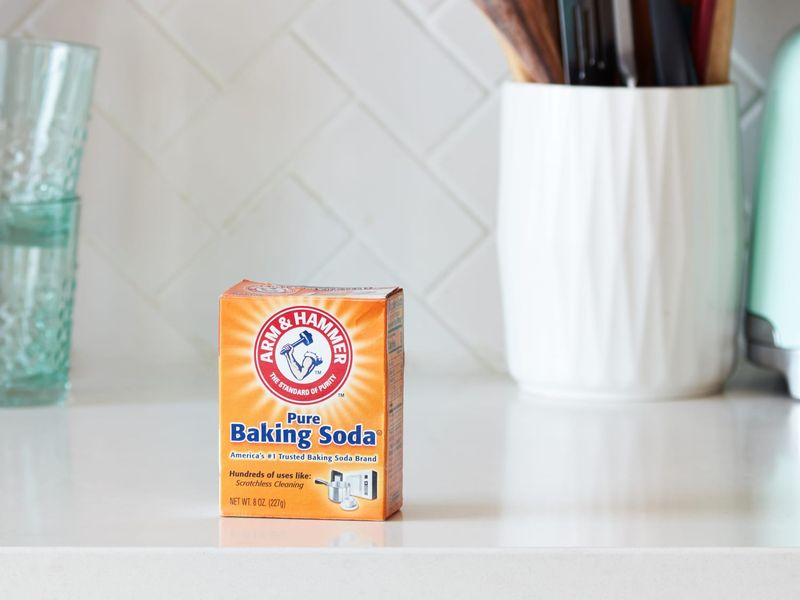
Sitting right next to the flour in most kitchens is a cheap orange box that gardeners love to talk about. Baking soda, or sodium bicarbonate, gets shared online as the crabgrass fix nobody told you about.
The idea is simple enough. You wet the crabgrass leaves, sprinkle a light dusting of powder on top, and let the sodium pull moisture out of the plant tissue. Within a few days, young seedlings often turn brown and shrivel.
I tried it on a handful of sprouts along my driveway, and the early results looked promising. The trick is catching the weed while it still has only a few leaves. Bigger clumps with many spreading stems shrugged off my dusting and kept growing.
Timing helps too. Morning dew lets the powder cling without extra watering, and a dry, sunny afternoon afterward speeds things along.
So far, I could not find a university trial that tested baking soda on crabgrass, so treat the buzz as garden lore with some logic behind it. Sodium does stress plants, which explains the browning.
That same sodium also stresses your lawn grass, so a careful pinch beats a heavy handful every time.
Baking Soda Browns Crabgrass Leaves but Rarely Finishes the Job
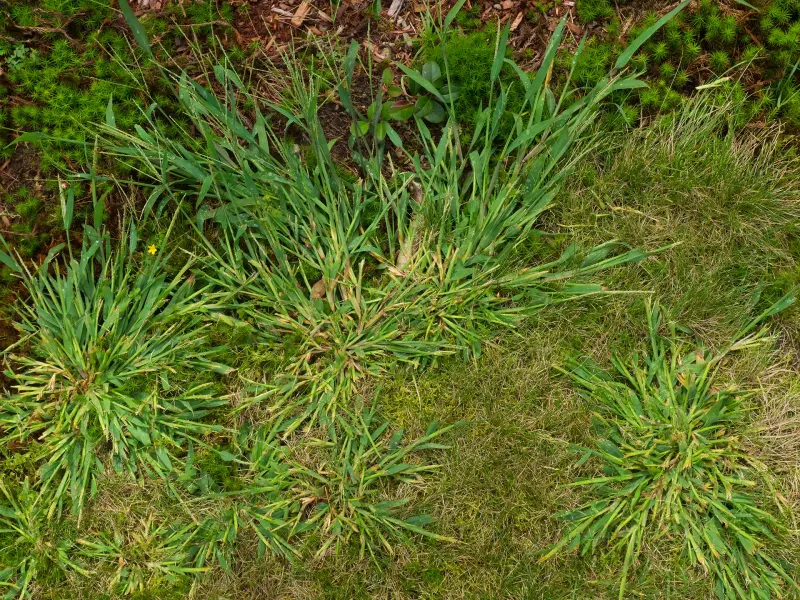
A brown leaf is not the same as a beaten weed. Baking soda works as a contact treatment, which means it mostly damages the parts it touches and does little for the roots below.
Crabgrass is a summer annual, so it does not return from roots year after year like a perennial weed. Still, a partly scorched plant can push out fresh shoots from its crown and keep growing until frost.
If it survives long enough to form those finger-like seedheads, the next generation is already on its way.
Repeated dustings bring another problem. Sodium can build up in soil, harm soil structure, and weaken the turf grass you are trying to protect. Patches of yellow lawn around a treated spot are a common sign you went too heavy.
For me, baking soda earned a narrow job. It works best in sidewalk cracks, patio joints, and gravel edges where no grass needs to grow.
Inside the lawn, I use it only on a few tiny seedlings and rinse nearby turf if any powder lands on it.
Treat it as a quick spot tool. The lasting answer starts weeks earlier, before a single seed sprouts.
Corn Gluten Meal Stops Crabgrass Seeds Before They Sprout
Back in the 1980s, a researcher at Iowa State University noticed something odd. Corn gluten meal, a byproduct of corn milling, kept grass seeds from rooting in his test plots.
That accident turned into the best known natural crabgrass preventer around. Corn gluten meal is a pre-emergent product. It does nothing to crabgrass you can already see.
Instead, it dries out the tiny root of a seed just as it sprouts, so the seedling fails before it reaches daylight.
Timing is everything here. Crabgrass begins to germinate when soil at a two-inch depth stays around 55 to 60 degrees for several days, often near the time forsythia finishes blooming.
Spread it a little before that, at roughly 20 pounds per 1,000 square feet, and water lightly if no rain falls within a few days.
Results vary, and that honesty matters. Later trials at other universities found weaker or inconsistent control, and Iowa State notes that it often takes a few seasons to see a real difference.
Skip it if you plan to seed new grass soon, since it blocks those seeds too. Its roughly 10 percent nitrogen does feed your lawn in the bargain.
Raising Your Lawn Mower Deck Shades Out Crabgrass
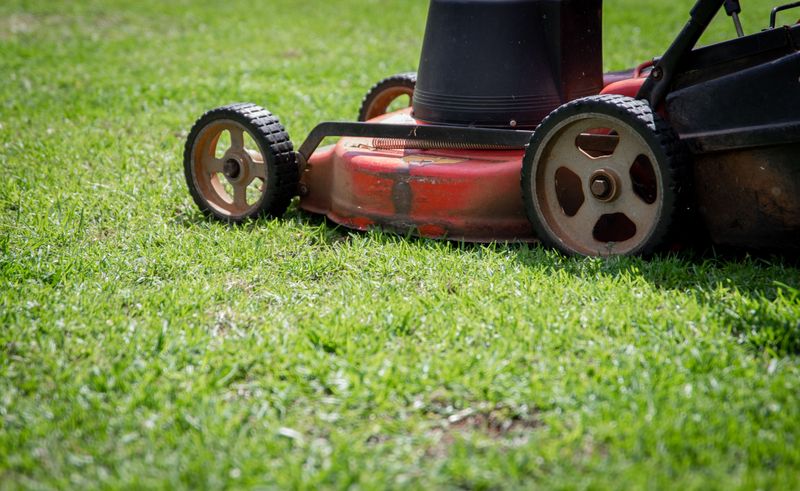
Crabgrass seeds are sun lovers. They need light hitting bare soil to sprout well, and a tall, thick lawn quietly takes that light away.
Mowing high is one of the easiest changes you can make, and it costs nothing. Most cool-season lawns, like tall fescue and Kentucky bluegrass, do best at about 3 to 4 inches. Taller blades shade the soil, keep it cooler, and leave fewer open gaps for seeds to land in.
Scalping does the opposite. I used to cut my grass short so I could mow less often, and every thin, sunbaked patch filled with crabgrass by July. Raising the mower deck by one notch made a visible difference in a single season.
A few habits boost the effect. Remove no more than one third of the blade at each mowing, and keep the mower blade sharp so cuts stay clean instead of shredded.
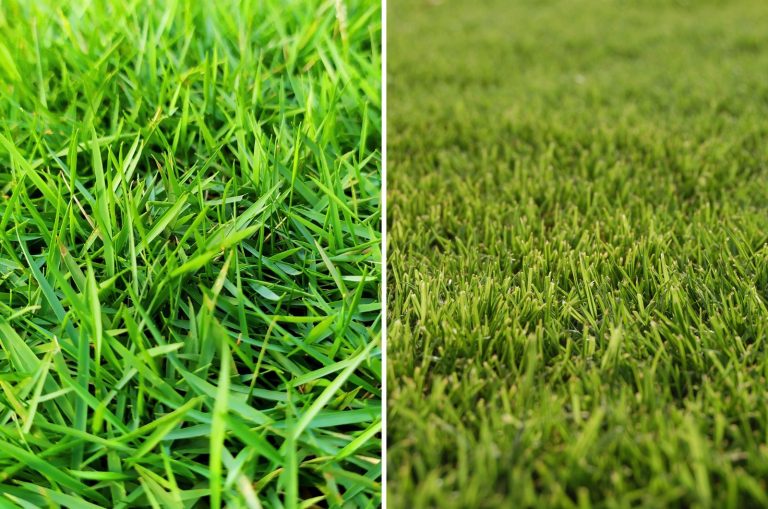
Warm-season grasses, such as Bermuda grass and zoysia in southern states, prefer lower heights, so check your local extension guide before cranking the deck up.
Whatever grass you grow, the goal stays the same. Dense, healthy turf leaves crabgrass with very little room to settle in.
Deep Soakings and Fall Grass Seed Crowd Crabgrass Out
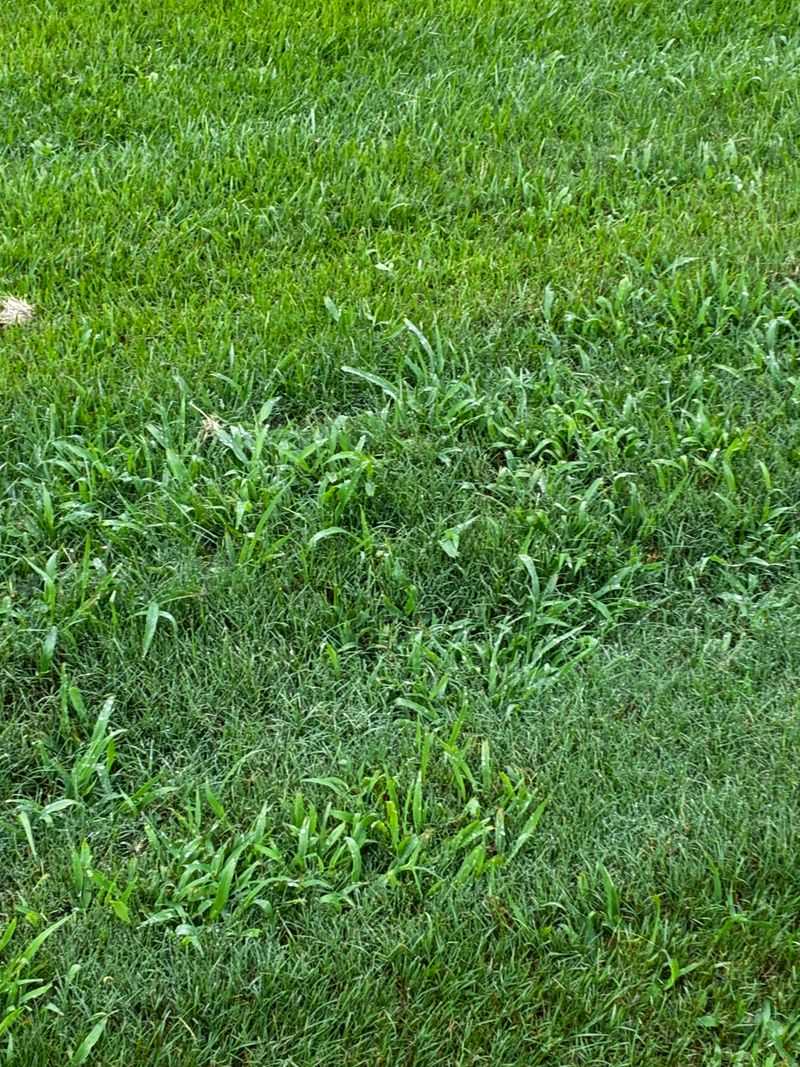
Short, daily sprinkles feel helpful, but they mostly please the weeds. Crabgrass thrives in warm, moist surface soil, while deep watering trains your grass roots to reach farther down.
Most lawns do well with about one inch of water per week, rain included. Give it in one or two longer soakings rather than a little every evening. Early morning watering also lets the grass dry quickly, which helps limit disease.
Bare spots are open invitations. A patch of thin soil left empty in May often becomes a crabgrass colony by midsummer. Filling those gaps on purpose takes away the space before seeds can claim it.
For cool-season lawns, late summer to early fall is the prime time to overseed. Soil is still warm, air is cooling, and crabgrass is winding down for the year, so new grass faces little competition.
Warm-season lawns are usually seeded or plugged in late spring to early summer instead. Feeding matters as well.
A modest fall fertilizer application helps cool-season turf thicken up for spring, while heavy summer feeding can give crabgrass an extra boost. Picture each choice as stacking the odds in favor of your grass rather than the weeds.
Gloved Hands and a Hot Kettle Handle Crabgrass Stragglers
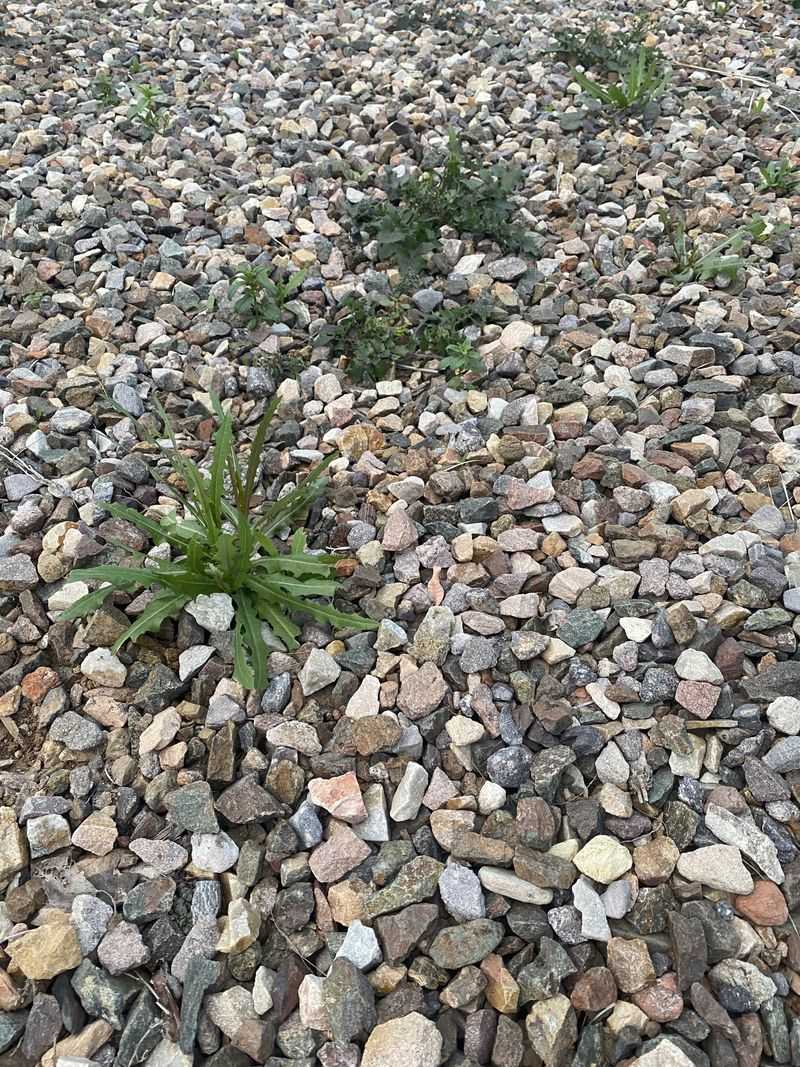
A few stragglers will slip through any plan. That is normal, and a gloved hand or a hot kettle can handle them without much fuss.
Hand pulling works best while plants are young and soil is moist after rain. Grab the plant at its base, wiggle gently, and lift out the whole crown with its roots.
A narrow weeding tool helps with stubborn clumps that have rooted at their spreading stem joints.
Timing beats effort here. Pull before those finger-like seedheads appear in mid to late summer, because one mature plant can release a huge load of seeds.
If seedheads are already showing, bag the plants instead of tossing them in the compost pile.
Boiling water is handy for cracks in sidewalks, driveways, and patios. Pour it slowly right onto the plant, and keep pets and kids well away. It harms any plant it touches, including lawn grass, so I keep it off the turf.
Once you pull a clump, fill the hole with a little soil and grass seed if the season allows. Crabgrass ends its life cycle with the first hard frost anyway, so your real job is stopping the seeds before then.
Salt, Strong Vinegar, and Dish Soap Can Backfire on Your Crabgrass Lawn
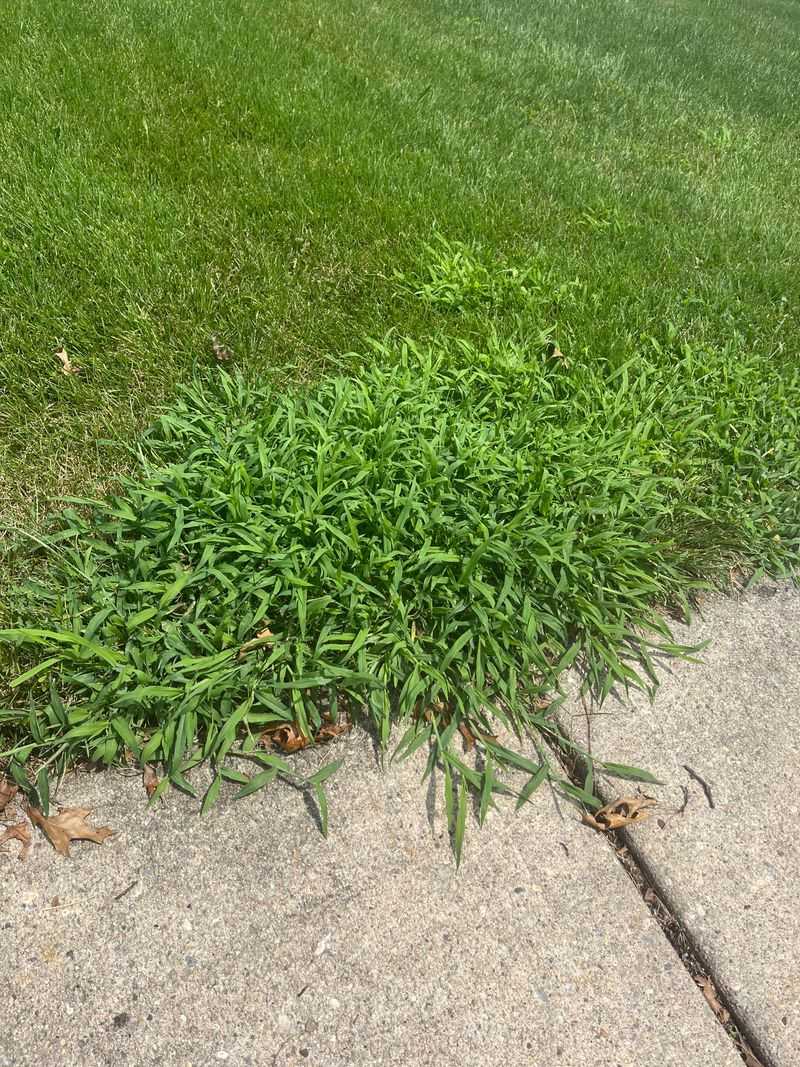
Some homemade weed recipes look clever on social media and cause trouble in real yards. Table salt sits at the top of my caution list.
Salt does not stay put. It moves through soil, damages nearby grass and shrubs, and can leave a spot unable to grow much of anything for a long time. Repeated use on lawns can create bare patches that crabgrass loves to fill later.
Vinegar sprays have limits too. Kitchen vinegar at about 5 percent acidity mostly burns young leaves, and regrowth is common.
Horticultural vinegar around 20 percent is stronger, but it can burn skin and eyes, so goggles and gloves are a must.
Dish soap is often added to help sprays stick. It can also strip the protective coating from turf blades, so heavy mixes may leave scorched streaks.
The smartest takeaway is a simple calendar. Spread a pre-emergent like corn gluten meal in early spring, mow high and water deeply all summer, pull or spot treat stragglers early, and overseed thin areas when your grass type allows.
No single box from the cabinet stops crabgrass for good, but that steady routine makes a big dent year after year.