The One July Lawn Task Florida Homeowners Skip That They Always Regret By September
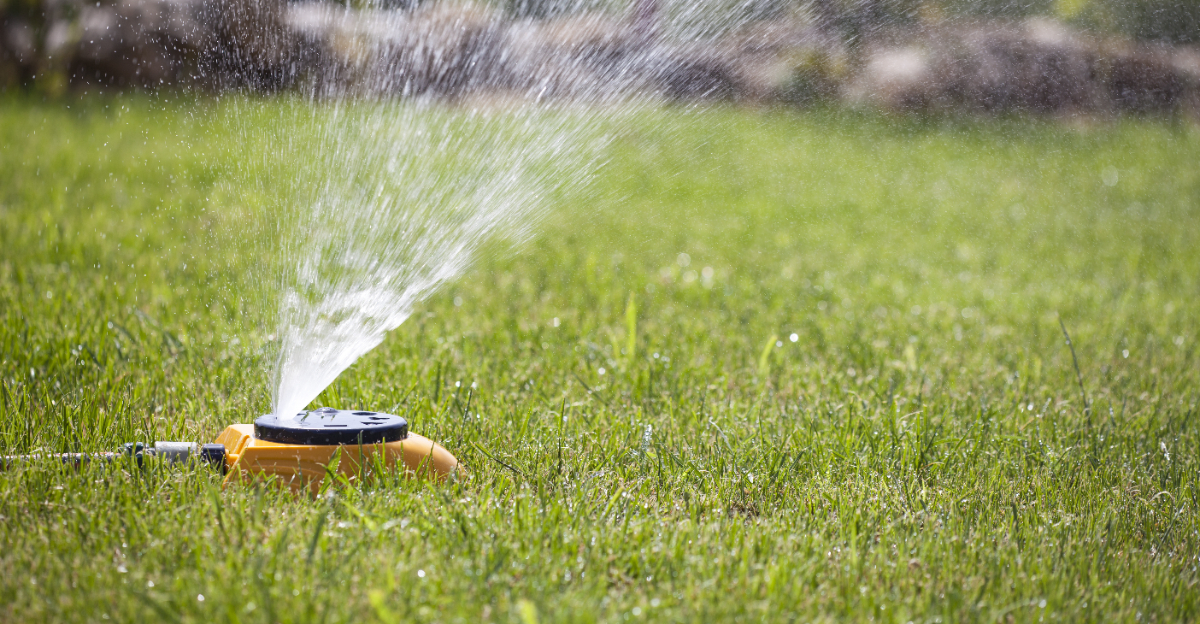
Florida homeowners and their lawns have an unspoken agreement in July. The rainy season is running, things look green, and the irrigation system gets left on its spring schedule without anyone questioning it.
That agreement costs a lot of Florida lawns by September. July rain and irrigation overlap in ways that quietly stress Florida turf and promote disease.
The consequences show up as patchy, struggling grass right when the season should be winding toward its best stretch. One task, skipped by most Florida homeowners every July, would have prevented most of that.
It takes almost no time. It requires no products, no equipment, and no expertise.
The lawns that look their best in September are almost always the ones where someone did this in July. The ones that struggle are the ones where nobody did.
1. Test Your Sprinklers Before Brown Spots Spread
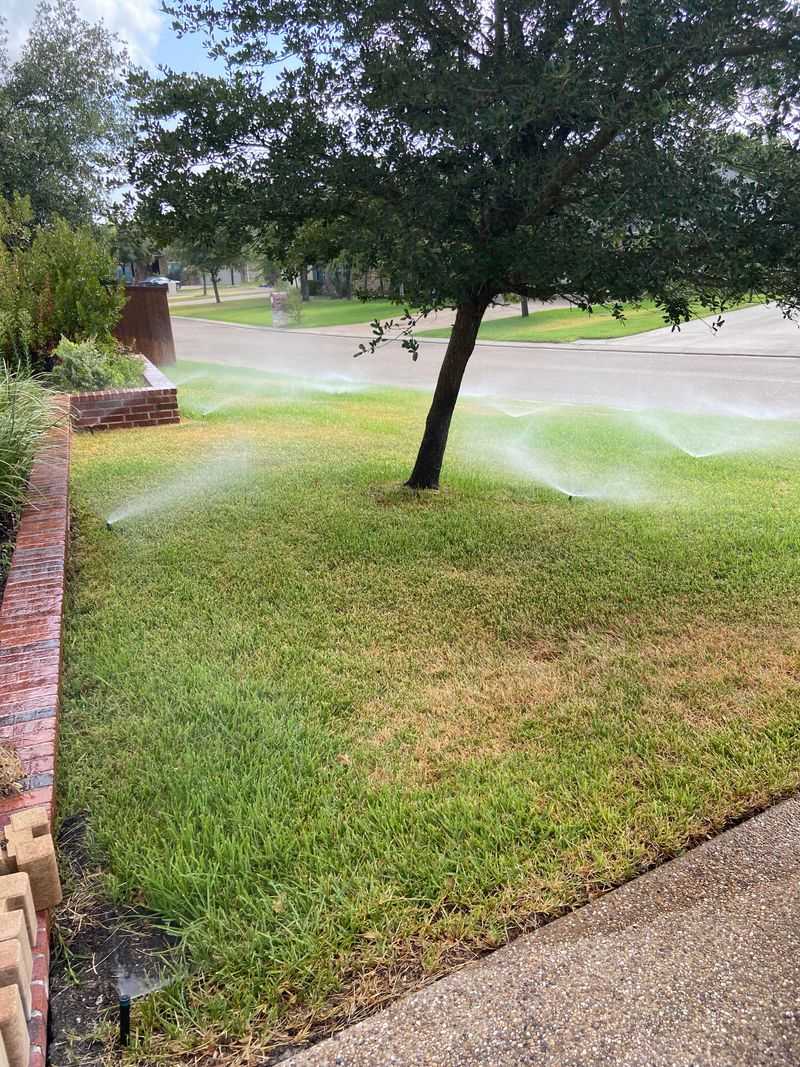
A sprinkler system that turns on is not the same as a sprinkler system that works. Many homeowners across Florida assume even coverage because they see water spraying, but July is exactly the time to stop assuming and start checking.
Uneven output is one of the most common reasons lawns develop thin or discolored patches by late summer.
Clogged nozzles, tilted heads, blocked spray patterns, and low pressure can all leave sections of turf without enough moisture. A head that got bumped by a mower wheel or settled unevenly after a heavy rain can shift its arc just enough to miss a corner entirely.
That missed corner may look fine in early July but look completely stressed by mid-August.
Walk the yard while the system runs. Watch each zone for weak spray, spinning heads that stop, heads that barely pop up, and areas where water simply is not landing.
Check corners near driveways, edges along fences, and strips between zones where coverage may not overlap enough.
The goal is not to run the system longer. Running it longer while coverage gaps exist just means overwatering one area while another stays dry.
The goal is finding where water is missing or pooling so adjustments can happen before brown spots spread and become harder to reverse.
2. Find Dry Zones While There Is Still Time
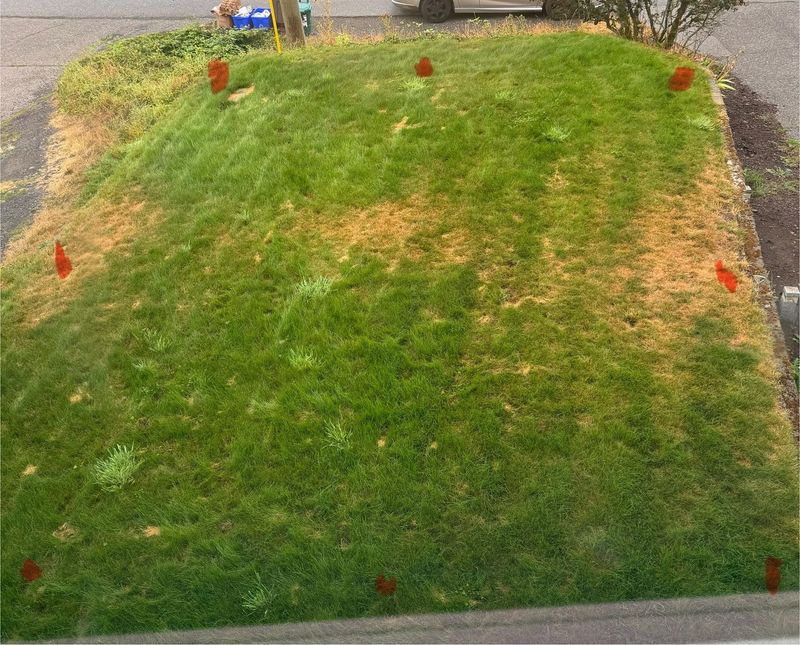
Some parts of the lawn quietly struggle all summer while the rest of the yard looks fine. Sunny strips along driveways, corners near hardscape edges, and slopes with sandy soil are classic problem spots.
Moisture runs out there faster than the sprinkler schedule can replace it. By the time the damage is obvious, weeks of stress have already built up underneath.
Walking the lawn about thirty minutes after irrigation finishes is one of the easiest ways to spot dry zones before they become big problems. Press your hand into the soil in different areas.
If one section feels dry while another feels moist, coverage is uneven. Turf near tree edges can also behave differently because roots compete for water and shade changes how quickly soil dries.
UF/IFAS extension guidance points to a few reliable visual clues that warm-season grasses send when they need water. Leaf blades that fold lengthwise and a bluish-gray cast over part of the lawn are signs of low soil moisture.
Your Florida Garden Changes Every Week. Your Plan Should Too.
Gardening in Florida changes quickly throughout the season. Every Friday you’ll receive a simple weekly plan showing exactly what to plant, prune, fertilize, harvest, and protect so you never miss the right timing.
Footprints that stay pressed into the turf instead of bouncing back can signal the same problem.
Catching dry zones in July means there is still enough growing season left for the turf to recover. Waiting until September means the lawn has spent weeks under stress with little time to bounce back before cooler weather slows growth.
3. Catch Overspray Before Water Hits The Street
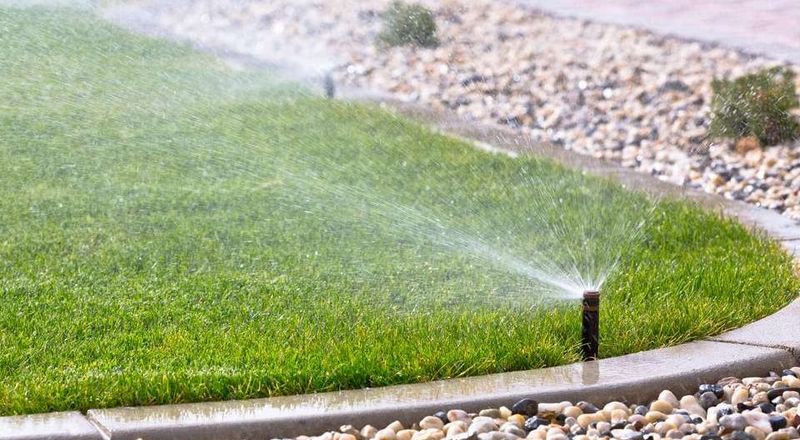
Not every sprinkler problem shows up as a dry patch. Sometimes the problem is water landing exactly where it should not.
Overspray hitting sidewalks, driveways, patios, curbs, and streets is a sign that something needs adjustment, and it is also a sign of real waste.
Water running off hard surfaces does not soak into the root zone. It flows toward storm drains, and along the way it can carry fertilizer residue, soil particles, and other materials picked up from the lawn.
Water management districts across Florida have noted that runoff from residential irrigation is a meaningful source of nutrient loading in local waterways. Adjusting a head to stop spraying the driveway is not just about saving water; it is about keeping that water where it actually helps.
Check each zone for heads aimed too high, rotors with worn nozzles that throw water too far, and pop-ups near edges that spray past the turf boundary.
Adjusting the arc or output of a head is usually a straightforward fix that any homeowner can do with a small screwdriver and the head manufacturer’s instructions.
Reducing run time on a zone that starts producing runoff within a few minutes is also a smart move. Short, efficient cycles that let water soak in beat long soaking sessions that send half the water down the curb.
Keeping water on the grass and in the soil is the whole point.
4. Fix Broken Heads Before Weeds Move In
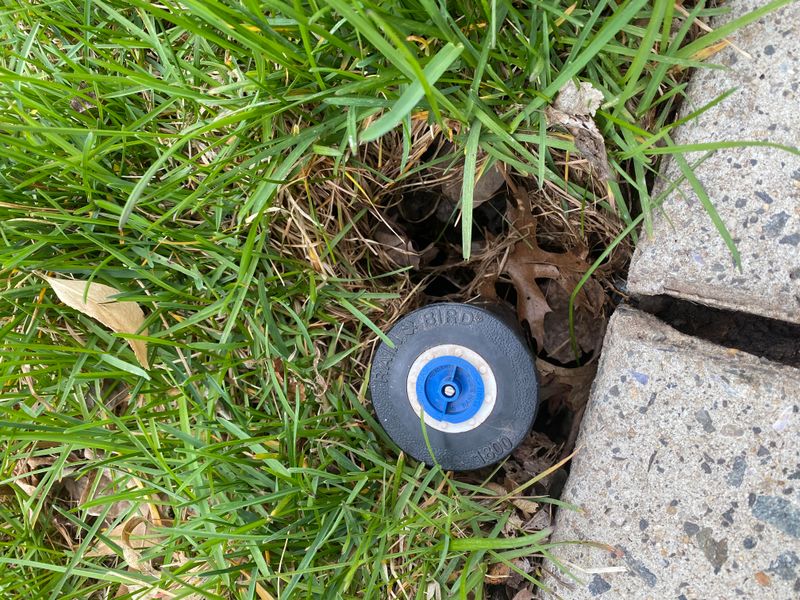
A sprinkler head that is cracked, sunken, leaning, or clogged does not just mean one part of the lawn gets less water. It means the whole zone performs unevenly, and uneven turf is an open invitation for weeds to settle in.
Thin grass, compacted bare spots, and stressed turf all give opportunistic weeds exactly the foothold they need.
Puddles forming around one head while the rest of the zone looks dry point to a head that is leaking at the base or stuck in a partially open position. A geyser shooting straight up instead of fanning out suggests a broken nozzle.
A dry arc in an otherwise moist zone means a head is clogged or not rotating. Each of these problems has a specific fix, and most of them are inexpensive to repair.
The mistake many homeowners make is adding fertilizer or a weed treatment to a zone with a broken head, hoping to fix the turf without fixing the real cause. Weak grass in a spot with poor irrigation will stay weak.
Repairing the head first gives the turf a real chance to fill back in before weeds get established.
July repairs matter because warm-season grasses like St. Augustine and Zoysia are still in their active growth period. A repaired zone in July gives turf weeks of recovery time before the slower growth of autumn arrives.
5. Use Simple Cups To Measure Coverage
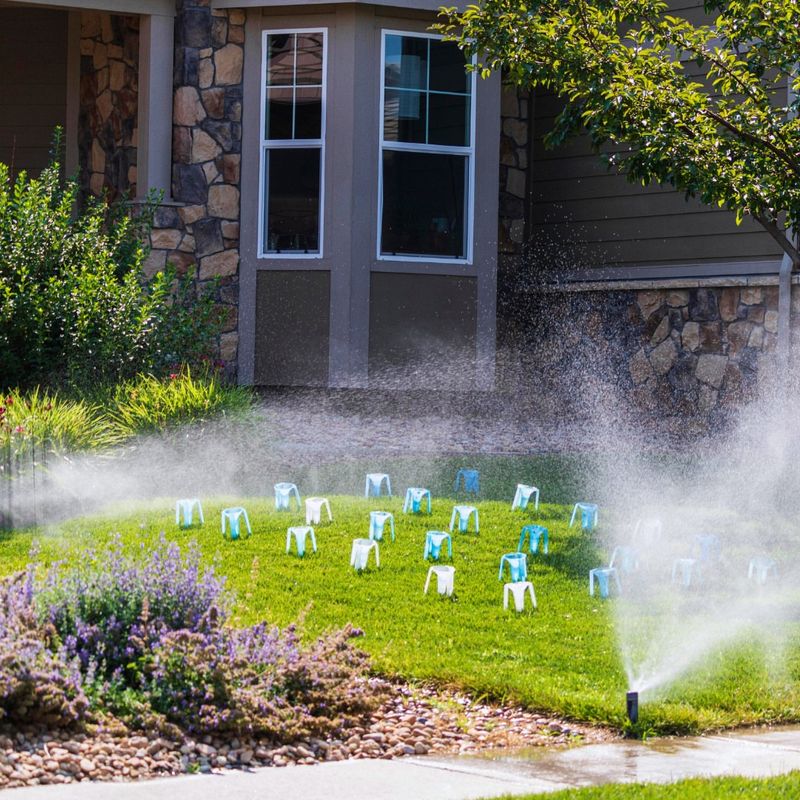
Guessing whether a zone puts out enough water is one way to manage irrigation. Measuring it is better.
A simple catch-can test requires nothing more than several straight-sided cups or empty cans placed across one zone before running the system. Tuna cans, plastic deli containers, or even identical drinking cups work well.
Place them in a rough grid pattern across the zone, run the system for a set amount of time, and then compare the water levels in each cup. Cups with noticeably more or less water than the others reveal where coverage is uneven.
A zone that delivers half an inch of water in one corner and barely a quarter inch in another is not doing its job evenly, no matter how long it runs.
Test each zone separately because different zones often have different heads, different pressures, and different run times. A zone covering a shaded bed near the house may behave very differently from an open sunny zone in the middle of the yard.
Results from one zone do not automatically apply to another.
The test also helps estimate how long it actually takes to apply a target amount of water without relying on guesswork or manufacturer estimates.
UF/IFAS extension resources suggest that warm-season turf generally benefits from about one-half to three-quarters of an inch of water per irrigation event.
That water should be applied only when the lawn shows signs of stress.
6. Water Only When The Lawn Shows Stress
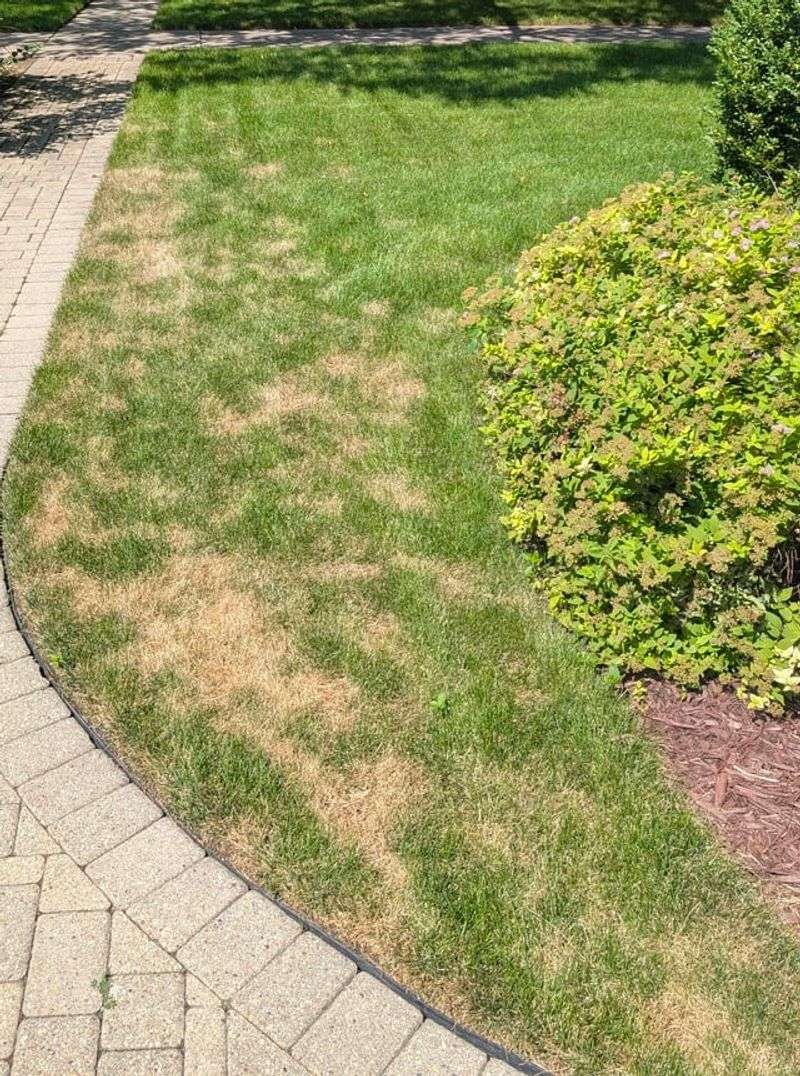
Fixing coverage problems does not mean watering more often. One of the most common irrigation mistakes in Florida is running the sprinkler system on a rigid daily schedule regardless of what the lawn actually needs.
Overwatering creates its own set of problems that are just as frustrating as underwatering.
Roots follow moisture. When the top inch of soil stays constantly wet, roots stay shallow because they never need to reach deeper.
Shallow-rooted turf is more vulnerable to heat, drought stress, and disease. Overwatered lawns also tend to develop fungal problems faster, especially during the humid months of summer when conditions already favor disease pressure.
UF/IFAS extension guidance consistently recommends watering warm-season turf based on visible stress signs rather than a fixed schedule. Folded or rolled leaf blades and a dull bluish-gray color across part of the lawn are reliable signals that moisture is needed.
Footprints that stay visible in the turf for more than a few seconds are another sign. A lawn that springs back quickly after being stepped on likely has enough water for now.
Summer rainfall across much of this state can be significant in July. On days when afternoon storms drop a half inch or more, the irrigation system does not need to run.
Checking the lawn before triggering the system keeps roots stronger and water bills lower. That is better than letting a timer make every decision without regard for turf health.
7. Adjust After July Storms So Roots Stay Strong
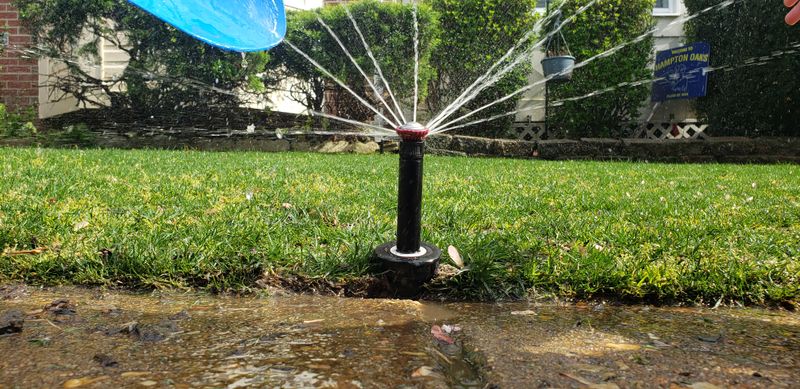
July across most of this state is the heart of rainy season. Afternoon thunderstorms can drop an inch of rain in under an hour.
A sprinkler system set on a fixed schedule will still run the next morning whether the lawn needs it or not. Saturated soil that gets irrigated again right after a heavy storm is not absorbing that extra water into the root zone.
It is moving sideways or pooling on the surface.
Constantly wet soil encourages shallow roots, increases the risk of fungal disease, and can contribute to runoff carrying nutrients off the property. It also wastes water that the lawn simply does not need.
A brief pause after significant rainfall is one of the simplest adjustments a homeowner can make, and it costs nothing.
Rain sensors and smart irrigation controllers can automate this adjustment by detecting rainfall or using local weather data to skip scheduled cycles.
Local water management districts across Florida require rain sensors on new irrigation systems, and many offer rebates for upgrading older systems.
Even without a smart controller, manually skipping a cycle after a storm is a habit worth building.
The key is staying attentive. Dry zones that appeared before a storm may still need attention after it passes, especially if the storm dropped most of its rain on one side of the yard.
Checking moisture levels after storms, rather than assuming everything is fine, keeps roots developing steadily through the summer.
8. Save September Turf With One Midseason Check
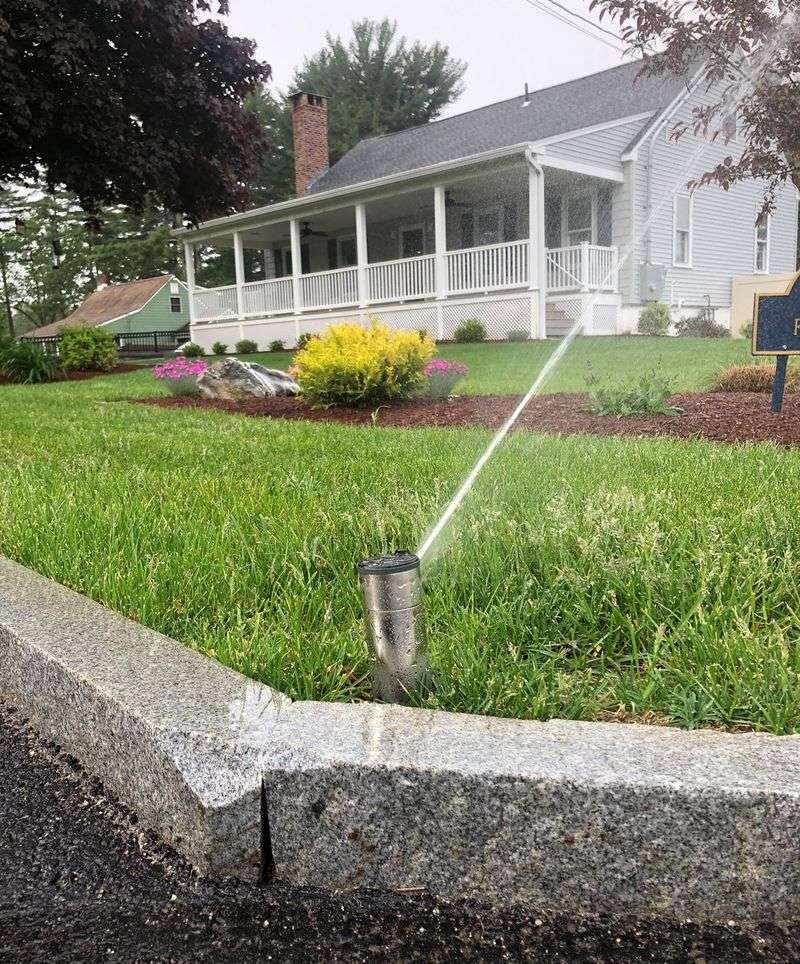
Everything covered in the sections above connects to one straightforward idea. A single midseason irrigation check in July can prevent a long list of September lawn regrets.
Patchy turf, persistent weeds, disease-prone wet spots, and wasted water are often traceable back to coverage problems. Thin areas that never seem to recover can come from those same problems when they are never found and fixed.
The check does not have to be complicated. Run each zone, watch what happens, walk the yard afterward, and compare what you see to what the lawn should look like.
Note any heads that are clogged, tilted, or broken. Mark any corners or strips that consistently look stressed.
Measure output with cups if the results feel uneven. Then make the repairs and adjustments that the observations call for.
Repeat the check after any significant landscaping changes, mower damage near heads, or major storm events. A head that was working fine in early July can get knocked out of position by a lawn mower in August.
Staying in the habit of occasional checks prevents small problems from quietly growing into bigger ones.
July is the right time because warm-season turf is still actively growing and can recover from stress before the season winds down. Catching water problems now, while there is still time to act, is far easier than trying to restore a struggling lawn in September.
By then, heat, reduced rainfall, and slower growth all work against recovery.