The One Mistake Florida Homeowners Make When Planting Near The AC Unit
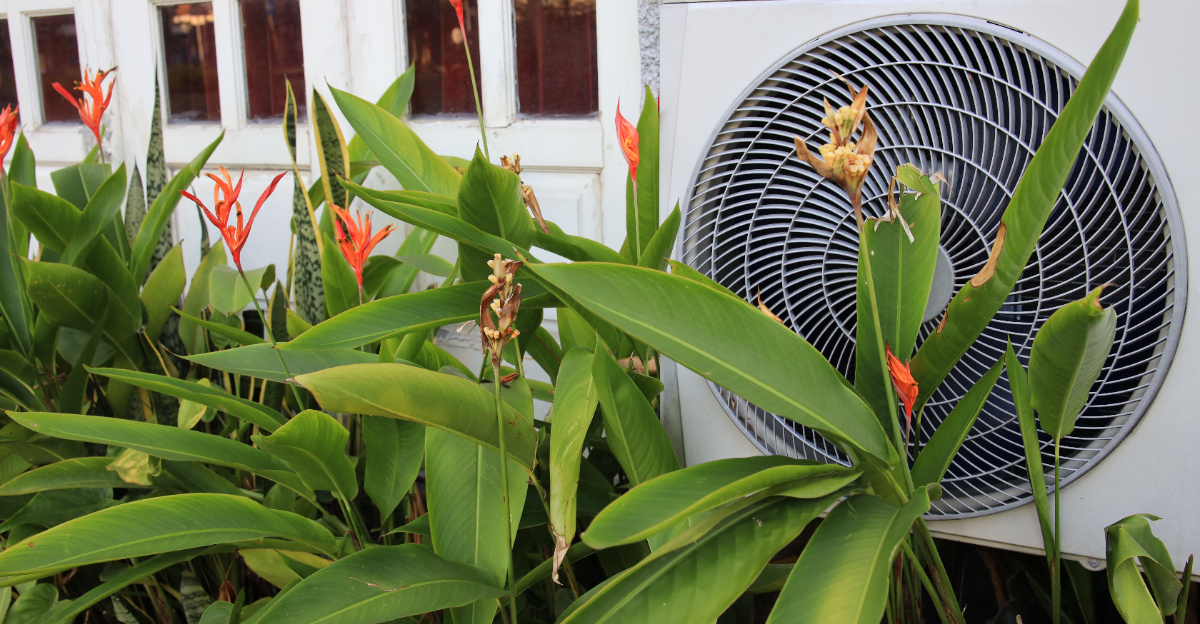
Florida homeowners love a neat, pretty yard, but one planting mistake near the AC unit can turn curb appeal into an expensive headache. It starts innocently enough.
A few shrubs, some flowers, maybe a little mulch to hide that bulky outdoor unit. Looks better, right?
Not always. Plant too close, choose the wrong greenery, or block airflow, and your AC may have to work harder than it should.
In Florida heat, that is not a small problem. We are talking higher energy bills, weaker cooling, extra strain, and a unit that could wear out sooner than expected.
All because of a landscaping choice that seemed harmless. So before you dress up that side yard or tuck plants around the condenser, there is one mistake worth knowing.
It could save your garden, your comfort, and your wallet.
1. Planting Too Close To The AC Unit
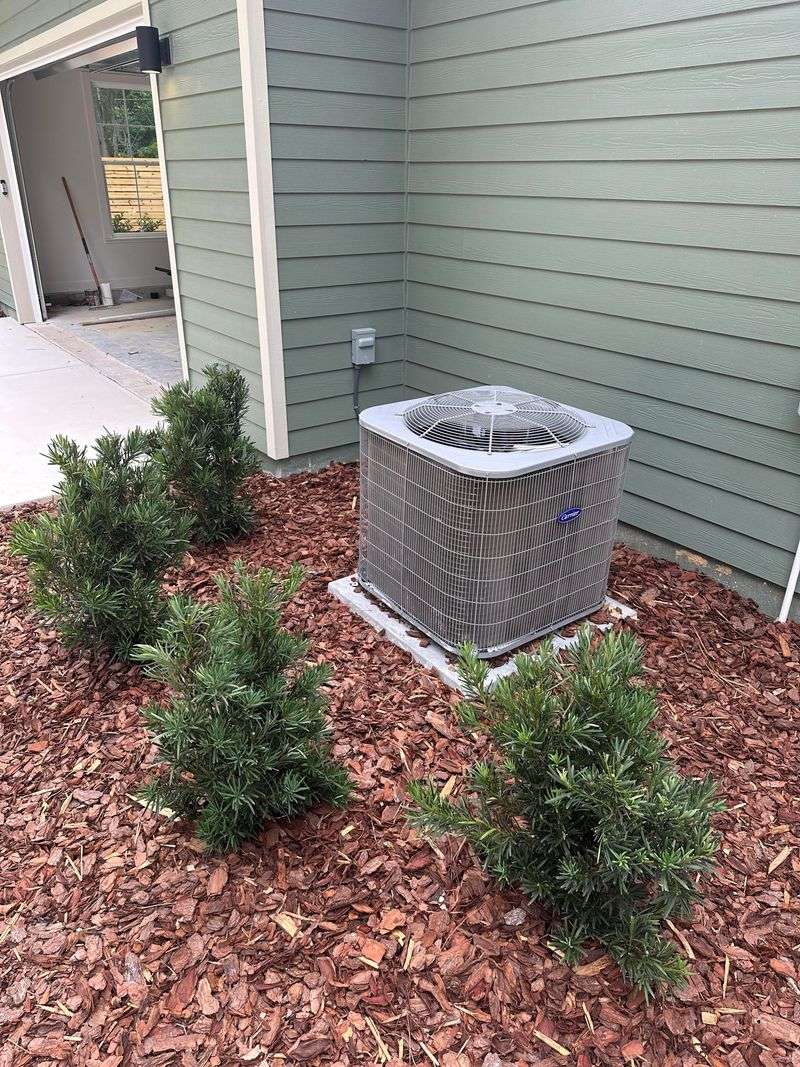
Your outdoor AC unit pulls warm air from your home and releases it outside. For that process to work well, the unit needs open space around it on all sides.
When plants grow too close, they restrict the airflow the unit depends on to function properly.
HVAC manufacturers typically include clearance recommendations in their installation manuals. These guidelines exist for good reason.
Reduced airflow around a condenser unit can force it to work harder, which can affect performance and efficiency over time. The U.S.
Department of Energy and ENERGY STAR both recognize that proper airflow around outdoor equipment matters for system efficiency.
Homeowners often plant shrubs right after moving in, when the plants are small. At that point, there seems to be plenty of space.
A few growing seasons later, those shrubs have thickened and spread, and the clearance that once existed has quietly disappeared.
The fix is straightforward. Check your AC unit’s manual or ask your service technician how much clear space is recommended on each side.
Then use that measurement as a firm guide when deciding where to place any plant. Rocks, gravel, or a simple mulch bed kept at a safe distance can look clean and tidy without crowding the unit.
Keeping that space open is one of the most practical things you can do to support your system’s long-term performance.
2. Pretty Shrubs Can Turn Into Costly Clutter
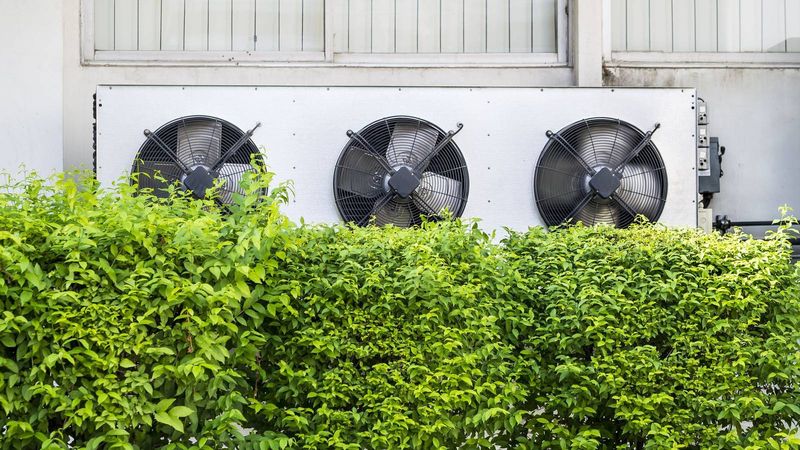
Nursery plants are designed to look appealing at the point of sale. They are compact, tidy, and easy to picture fitting neatly around an AC unit.
What is harder to picture is what that same plant looks like five or ten years later.
Many common screening shrubs grow much wider and taller than they appear at the nursery. A plant sold in a three-gallon container might have a mature spread of six feet or more.
When several of those plants are placed close together around a unit, the result over time is a dense wall that blocks airflow and makes service difficult.
UF/IFAS Extension and Florida-Friendly Landscaping both promote the principle of right plant, right place. Part of that means knowing a plant’s mature size before choosing where to put it.
Your Florida Garden Changes Every Week. Your Plan Should Too.
Gardening in Florida changes quickly throughout the season. Every Friday you’ll receive a simple weekly plan showing exactly what to plant, prune, fertilize, harvest, and protect so you never miss the right timing.
A shrub that works beautifully along a fence line may be completely wrong next to mechanical equipment that needs breathing room.
Pretty screening is not a bad idea. The problem is choosing plants based on how they look in the store rather than how they will behave in your yard over time.
Slow-growing, low-maintenance plants with a modest mature size are a much smarter pick for this spot. Taking five minutes to read the plant tag or look up the species before buying can save a lot of pruning trouble later.
3. Clear Space Matters More Than A Perfect Screen
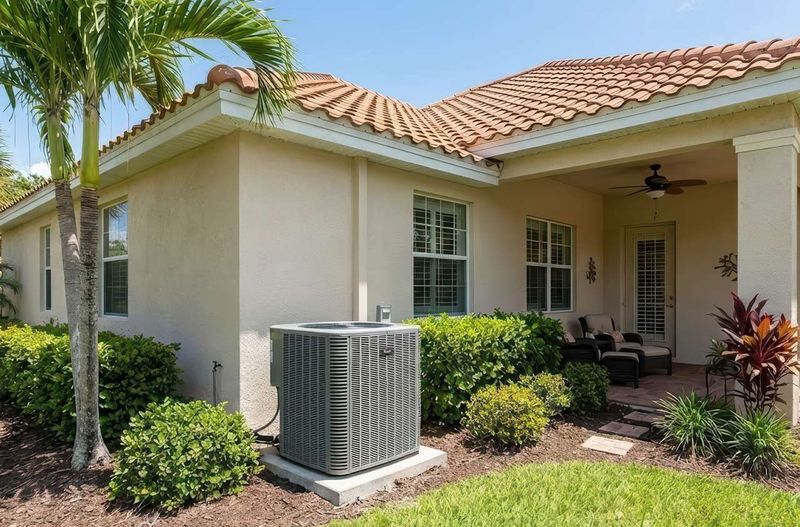
Some homeowners spend more time thinking about how to hide the AC unit than how to keep it running well. That priority flip is where the trouble starts.
A perfectly screened unit that runs inefficiently is not a win.
Airflow is the whole point. The outdoor condenser unit pulls in surrounding air and uses it to release heat from your home.
If plants block that process, you are working against the system you depend on to stay comfortable through hot months.
Before placing any plant near the unit, check the manufacturer’s manual or ask a licensed HVAC technician what clearance is recommended. Some manufacturers specify different clearances for different sides of the unit.
Following those guidelines protects both your system and potentially your warranty coverage.
Think of clearance as the non-negotiable part of the plan. The decorative piece, which is which plant goes where, comes after clearance is figured out.
If a particular spot cannot support a plant without crowding the unit, that spot should stay open. A neat layer of gravel or mulch kept away from the unit’s base can look polished without creating airflow problems.
A good screening plan works with the unit, not around it.
4. Mature Plant Size Is The Detail Most People Miss
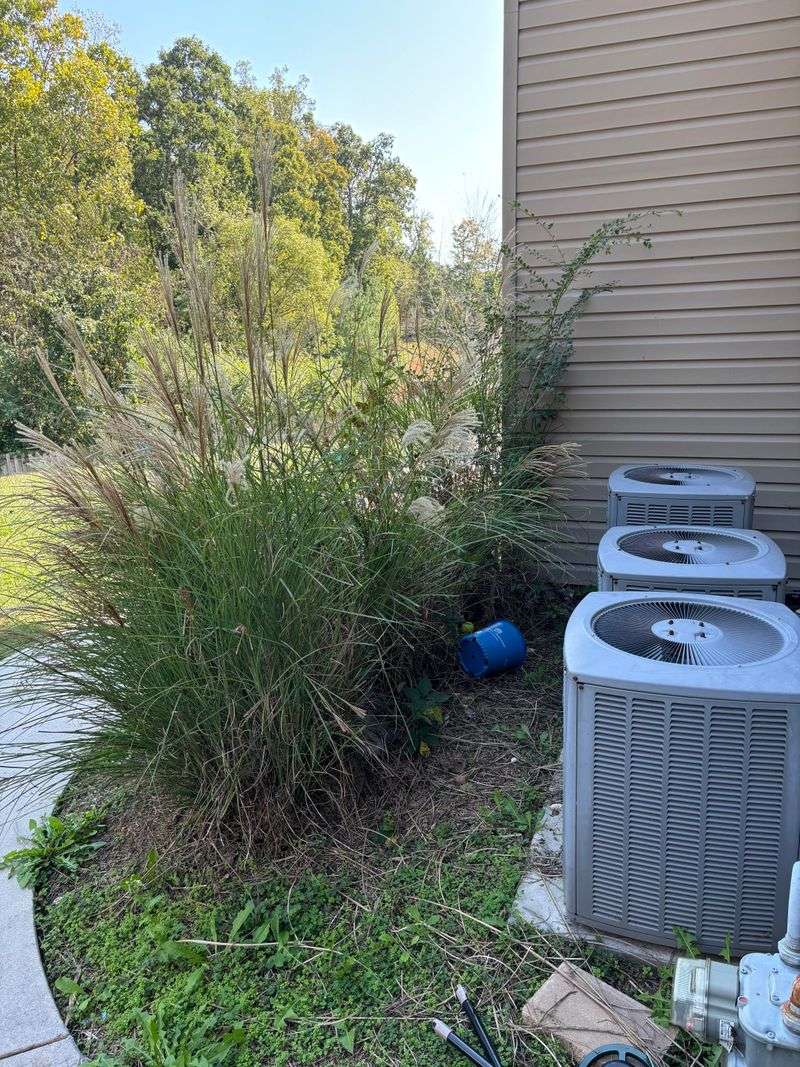
Walk through any neighborhood and you will spot the pattern. Shrubs planted near AC units that have long since outgrown their space, spilling over the sides and forming a dense thicket around the condenser.
Most of those homeowners did not intend for it to happen that way.
The gap between a plant’s size at purchase and its size at maturity is the detail that catches people off guard. A shrub that looks trim and small in a nursery pot can spread several feet wide and grow quite tall over just a few years in warm soil with regular rain and sunshine.
UF/IFAS Extension recommends checking a plant’s mature height and width before selecting where to put it. That applies everywhere in the yard, but it matters especially near equipment that needs consistent clearance.
Spacing plants based on their full-grown size, rather than their purchase size, keeps the area functional over the long term.
A simple habit helps here. When shopping for plants, read the tag or look up the species online before putting it in the cart.
Search for mature width specifically, not just height. Then measure the space near the unit and compare.
If the mature spread would crowd the unit, that plant is not the right choice for that spot. A smaller, slower-growing species will serve you much better over time.
5. Shade Helps, Only When Air Can Still Move
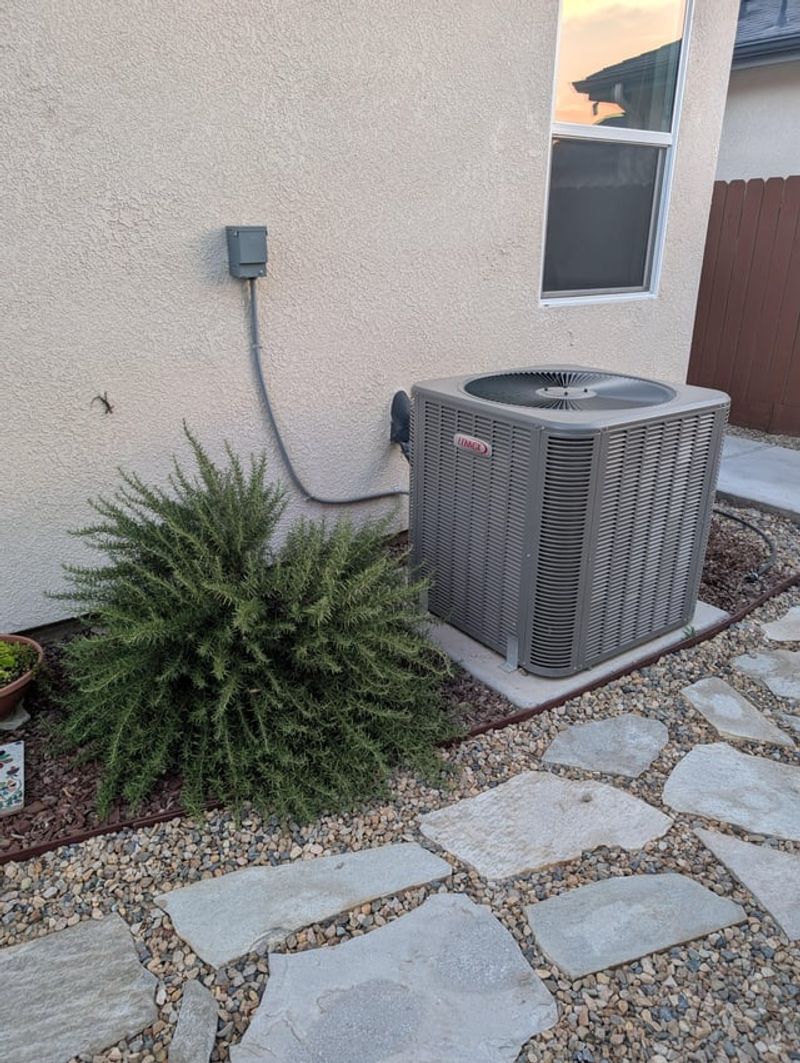
Placing a tree or tall shrub on the west or south side of an outdoor unit is sometimes mentioned as a way to reduce heat around the equipment. There is some logic to it.
Shaded surfaces can be cooler than surfaces in direct sun, and a cooler environment around the unit may offer minor benefits.
ENERGY STAR and the U.S. Department of Energy suggest that shading outdoor AC equipment can sometimes support efficiency.
They are careful to note, though, that airflow must not be restricted in the process. Shade without adequate airflow does more harm than good.
Any tree or large shrub placed near the unit should be positioned well outside the recommended clearance zone. Consider how wide the canopy will grow at maturity, not just how the tree looks now.
Leaf drop is also worth thinking about. Trees that shed heavily can create debris problems near the unit.
Low-hanging branches can become a maintenance issue over time, making it harder for service technicians to reach the unit. If a tree is the right call for your yard, choose one that will not outgrow the space or create ongoing debris problems.
Placing it thoughtfully, at a distance that provides gentle shade without crowding the unit, is the goal.
6. Loose Leaves And Mulch Can Create Hidden Trouble
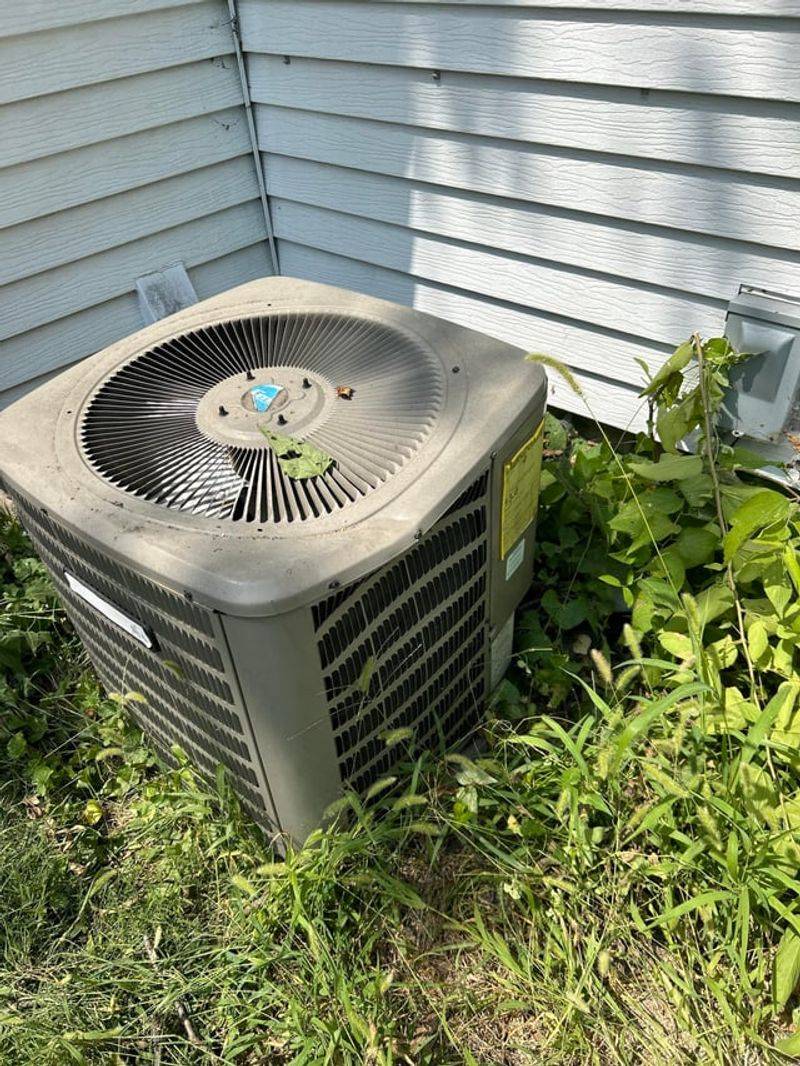
Even when plants are placed at a safe distance, debris can still create problems near the outdoor unit. Leaves, grass clippings, seed pods, and windblown mulch collect around the base of the unit over time.
That buildup can restrict airflow at the bottom of the unit and collect moisture.
HVAC manufacturers consistently recommend keeping the area around the condenser unit clean and free of debris. Some manufacturers suggest clearing leaves and other material from around the unit regularly.
That is especially important after storms or heavy winds, which are common throughout the warmer months in the state.
Plants with heavy seed production or messy leaf drop are not ideal choices near the unit. Certain palms, for instance, shed fronds and seed clusters that can pile up quickly.
Native plants are often a better fit for low-litter situations, though it is always worth checking each species individually since litter levels vary.
Mulch can also be a problem if it is piled too close to the unit’s base or vents. Keep mulch beds pulled back from the unit to allow airflow at ground level.
A small gravel border around the unit is a practical alternative that looks tidy, resists blowing away, and does not create organic buildup over time. Checking the area during regular yard work only takes a minute.
7. Service Crews Need Room To Reach The Unit
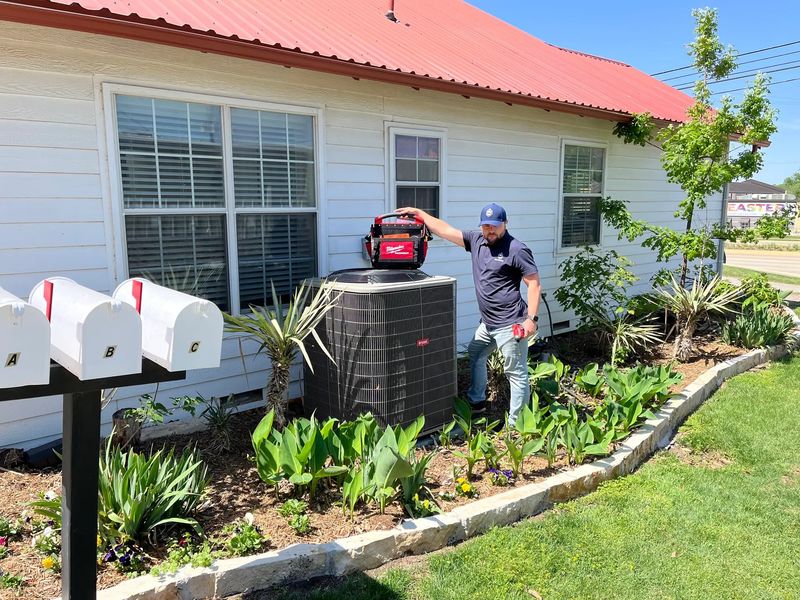
A technician arriving to inspect or service an AC unit needs more than just the unit itself to be accessible. They need room to move, kneel, set down tools, and work safely around all sides of the equipment.
Dense planting makes that harder than it needs to be.
Thorny shrubs planted close to the unit are a particularly common issue. Plants like bougainvillea or certain hollies may look great as a screen, but they can make routine service an uncomfortable and slow process.
A technician working around thorny branches may not be able to fully access all parts of the unit.
Regular maintenance is not optional for AC equipment. Annual inspections, coil cleaning, and refrigerant checks are all standard parts of keeping a system running well.
If the plants around your unit make that work harder, your service costs may creep up or maintenance may get skipped simply because access is difficult.
Before finalizing any planting plan near the unit, think through how a service crew would approach the job. Is there a clear path to the unit?
Can someone get around all four sides without squeezing through dense branches? Leaving a clear, open path to the unit makes routine service faster, easier, and less expensive.
That is a benefit worth planning for from the start.
8. Smart Plant Choices Hide The View, Without Hurting Airflow
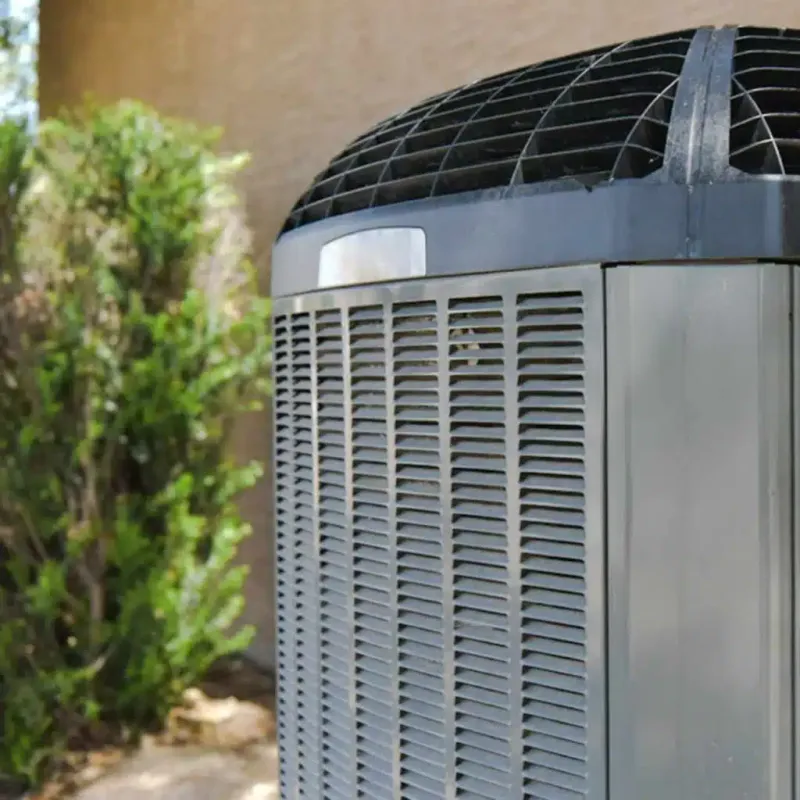
Getting a clean, attractive look near the unit does not mean filling the space with the tallest, densest shrubs you can find. Open, airy plants that are spaced well and stay relatively compact at maturity are a much smarter fit for this spot.
Florida-Friendly Landscaping principles, developed through UF/IFAS, guide homeowners toward plants that suit the site. Right plant, right place is a core idea in that program.
For the area near an AC unit, it means choosing plants that will not outgrow the space, do not require heavy pruning to stay in bounds, and do not produce excessive debris.
Ornamental grasses can work well at a safe distance in some yards. Certain native shrubs with open growth habits are another option, though the best choice depends on your region of the state.
Plants appropriate for South yards may not perform the same way in Panhandle homes or Central yards. Always check with local Extension resources for species suited to your specific area.
Avoid planting a single dense hedge in a tight U-shape around the unit. That design often creates a pocket that limits airflow on multiple sides.
A looser arrangement, with plants spaced according to their mature width and placed at the correct distance from the unit, looks polished and keeps air moving freely.
9. Right Plant, Right Place Works Around The AC Too
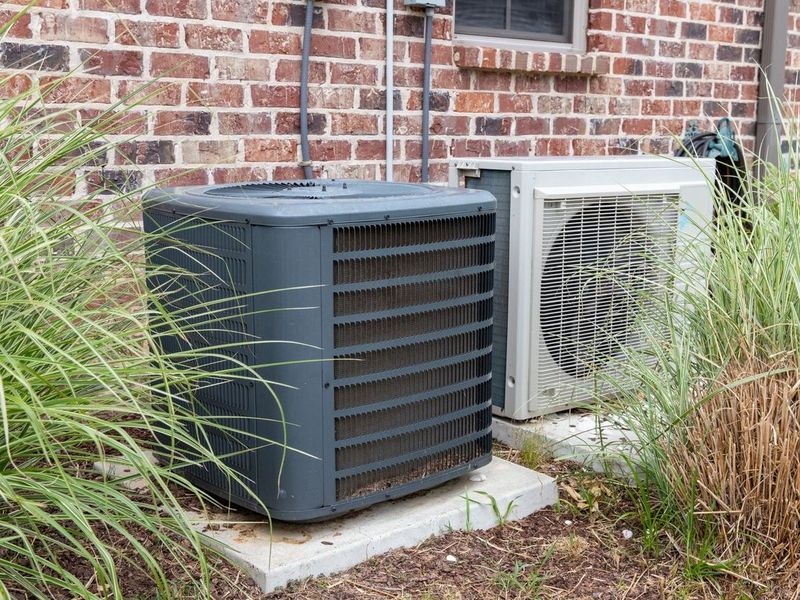
Good landscaping near an AC unit comes down to balance. Curb appeal matters, and a well-kept yard reflects care and adds value to a home.
But the plants you choose near the unit should support the system’s function, not compete with it.
Planning before planting is the key step most homeowners skip. It is easy to buy a plant at a nursery, bring it home, and put it in the ground without measuring distances or checking mature size.
That approach often leads to the problems described throughout this article.
Start with the clearance guidelines from your unit’s manufacturer or your service technician. Then measure the available space outside of that clearance zone.
Look for plants with a mature spread that fits comfortably within that remaining space without crowding the unit over time.
UF/IFAS and Florida-Friendly Landscaping both emphasize that the right plant in the right place rarely needs corrective pruning or constant management.
A plant that naturally fits the space is easier to care for, looks better, and creates fewer problems season after season.
The outdoor AC unit is one of the hardest-working pieces of equipment in any home.
Protecting its airflow, keeping debris away, and giving service crews clear access all support its long-term performance.