The One Seed You Must Start Indoors Before July Is Over For A Massive Fall Harvest
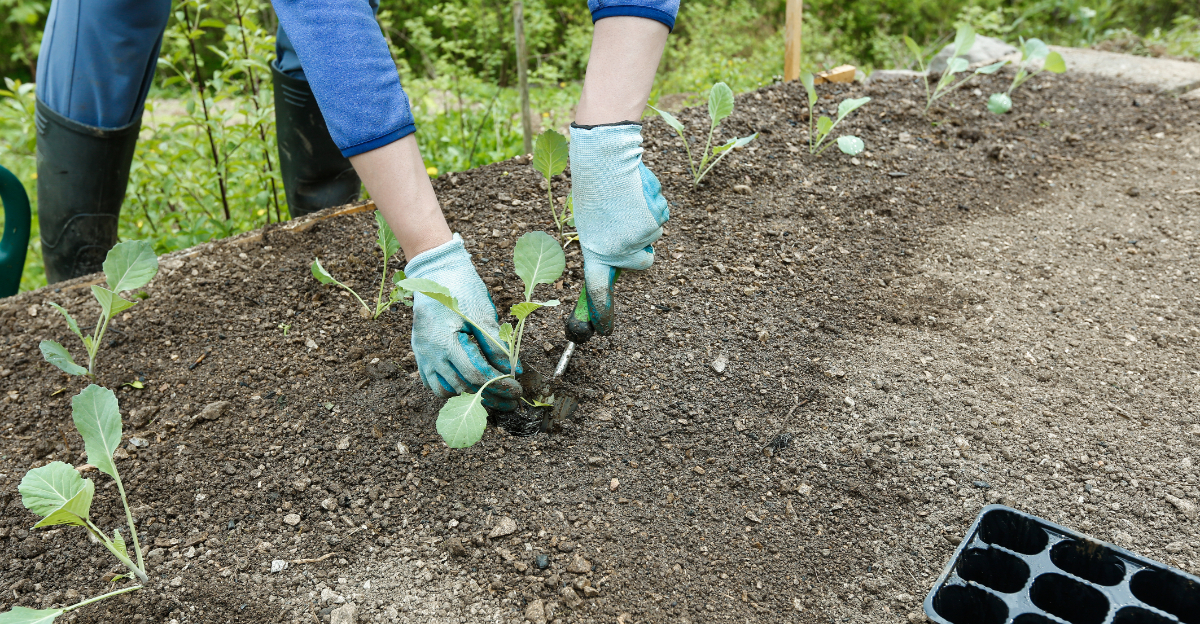
Broccoli seeds started indoors before July ends give gardeners a serious head start on a strong fall harvest. Starting seeds inside protects tender sprouts from intense summer heat that often causes seedlings to struggle or bolt early outdoors.
This indoor window also allows roots to establish before transplanting into cooler, more favorable conditions later in the season. Broccoli needs a good stretch of mild weather to form tight, flavorful heads, making timing especially important here.
Waiting too long to start seeds often results in smaller, looser heads that never fully mature. Keeping soil consistently moist and seedlings in bright light helps them grow strong and stocky.
Hardening off plants gradually before transplanting reduces shock once they move outside. Getting this timing right now sets the stage for a much bigger harvest later in fall.
1. Broccoli
Not every vegetable earns the title of must-start-indoors crop, but broccoli comes pretty close. As a cool-season vegetable, broccoli thrives when temperatures begin to mellow out in late summer and fall.
North Carolina gardeners know all too well that the summer heat can be relentless, and that is exactly why starting broccoli indoors makes so much sense.
When you start seeds inside, you take full control of the growing environment. You decide how much moisture the seedlings get, how warm or cool the space stays, and how much light reaches those tiny emerging plants.
That kind of control is nearly impossible to achieve in a hot outdoor seedbed during July, when the sun is blazing and the soil surface can get scorching hot within minutes.
Indoor seed starting also protects young broccoli from unexpected summer storms, heavy rain, and insects that could damage fragile seedlings before they even get going.
Think of it as giving your plants a safe, comfortable nursery before sending them out into the world.
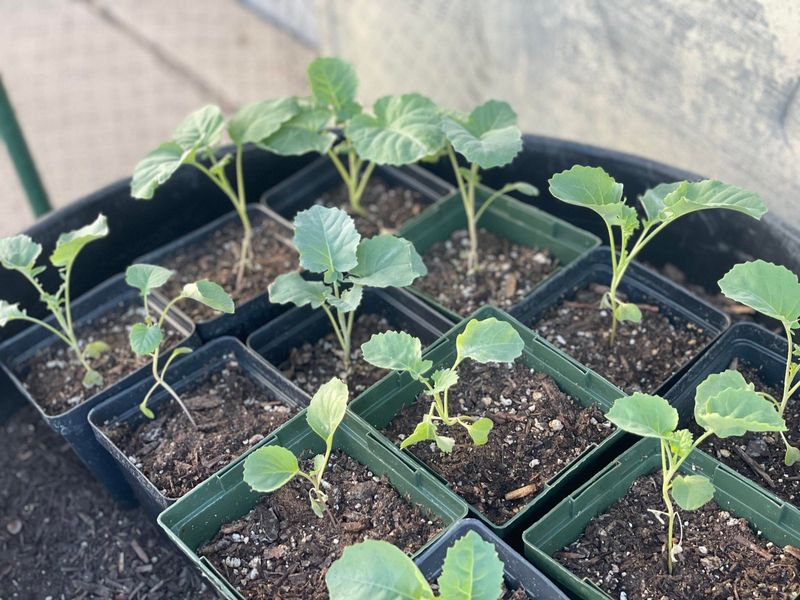
A small tray of seeds in a bright, temperature-controlled space can produce sturdy transplants ready to handle real garden conditions.
Final results always depend on variety selection, local weather patterns, soil health, and how consistently you care for your plants. But starting indoors puts you ahead of the curve in a meaningful way.
Broccoli rewards gardeners who plan thoughtfully, and choosing to start seeds before July ends is one of the smartest planning decisions you can make for a productive fall garden season.
2. July Seeding Produces Transplants For August
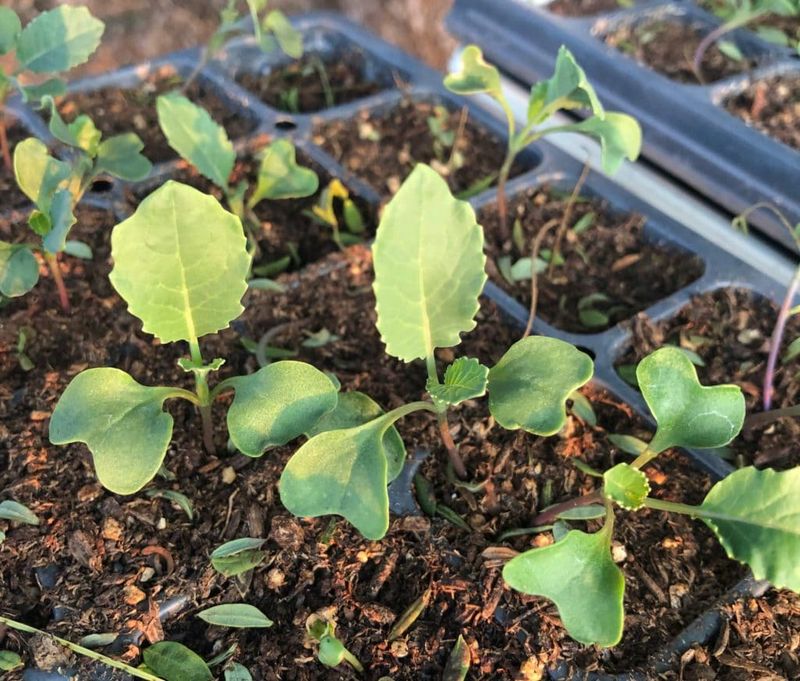
Timing really is everything when it comes to fall broccoli, and July seeding puts you right on schedule. Broccoli transplants are typically ready for garden planting about four to five weeks after you sow the seeds.
That means seeds started during July can produce young, healthy transplants just in time for an August move into the garden across many parts of North Carolina.
NC State University recommends fall broccoli planting between August 1 and September 15 for gardeners in eastern North Carolina. That window gives transplants enough time to establish roots and grow before cooler fall temperatures slow things down.
If you wait until August to even start your seeds, you risk running out of growing season before your plants have a real chance to form heads.
Your North Carolina Garden Changes Every Week. Your Plan Should Too.
Gardening in North Carolina changes quickly throughout the season. Every Friday you’ll receive a simple weekly plan showing exactly what to plant, prune, fertilize, harvest, and protect so you never miss the right timing.
Timing varies depending on where you live in the state. Gardeners in the Mountains, Piedmont, and Coastal Plain all work with slightly different climate conditions, frost dates, and growing seasons.
What works perfectly in Asheville may need adjusting for someone gardening near the coast.
Before you pick your exact planting date, check your county cooperative extension planting calendar. These calendars are built around your local conditions and give you the most accurate timing recommendations available.
A quick look at that resource can save you from starting too early or too late. July seeding is your sweet spot for much of North Carolina, and hitting that window gives your fall broccoli crop the strongest possible foundation from the very first day.
3. Transplants Avoid Difficult Summer Germination
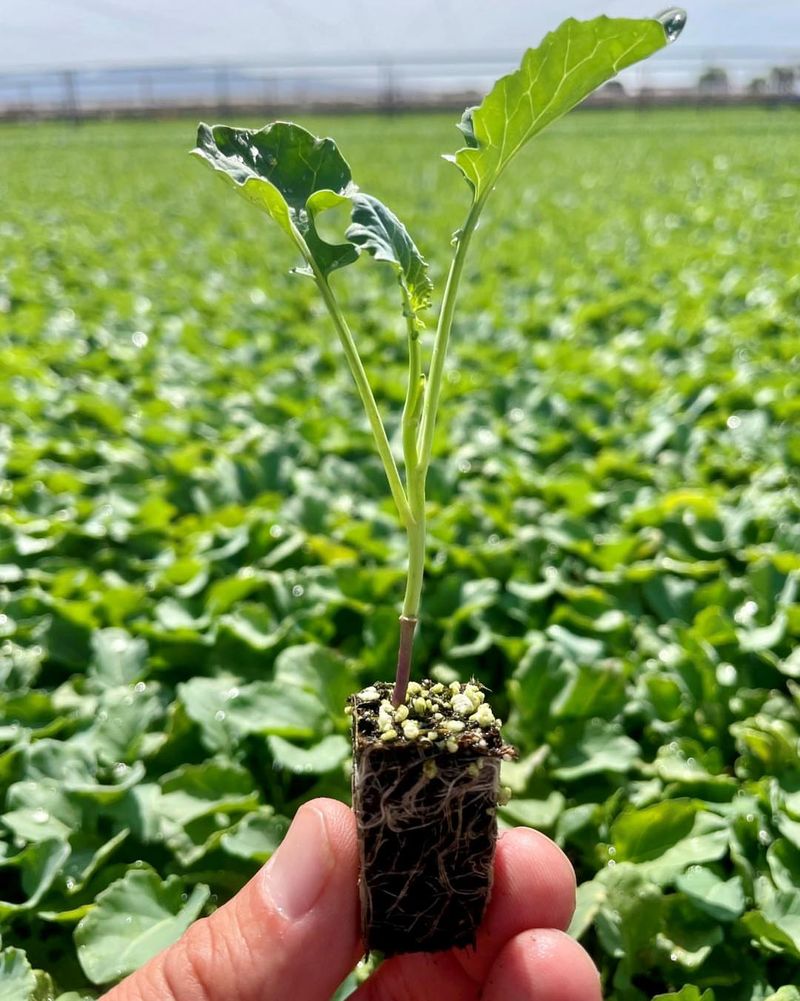
Direct sowing broccoli seeds into a hot summer garden sounds simple, but the reality can be frustrating. Outdoor seedbeds during July dry out fast, especially in North Carolina where afternoon heat can be intense.
Soil surface temperatures can climb high enough to interfere with even, consistent germination, leaving you with patchy results or seedlings that struggle right from the start. Starting seeds in containers indoors sidesteps most of those challenges.
You can water consistently without worrying about rapid evaporation, position the tray near bright light without exposing delicate seedlings to scorching afternoon sun, and maintain good airflow around the plants.
That combination creates conditions where broccoli seeds can germinate reliably and seedlings can establish without stress.
Container-grown seedlings also benefit from protection against sudden summer downpours that can wash seeds out of outdoor seedbeds or compact the soil surface.
When you control the environment, you reduce the number of variables working against your plants during their most fragile stage.
Stronger seedlings at transplant time generally lead to better performance once they hit the garden.
Direct seeding outdoors is still a workable option for gardeners who can keep the seedbed consistently moist through careful watering and shade cloth. Some gardeners have great success with this approach.
But for most home gardeners juggling busy schedules and unpredictable summer weather, indoor seed starting simply offers more dependability.
Starting broccoli in containers during July gives you a reliable path to healthy transplants without the guesswork that comes with direct sowing in the heat of summer.
4. Broccoli Needs A Long Fall Growing Window
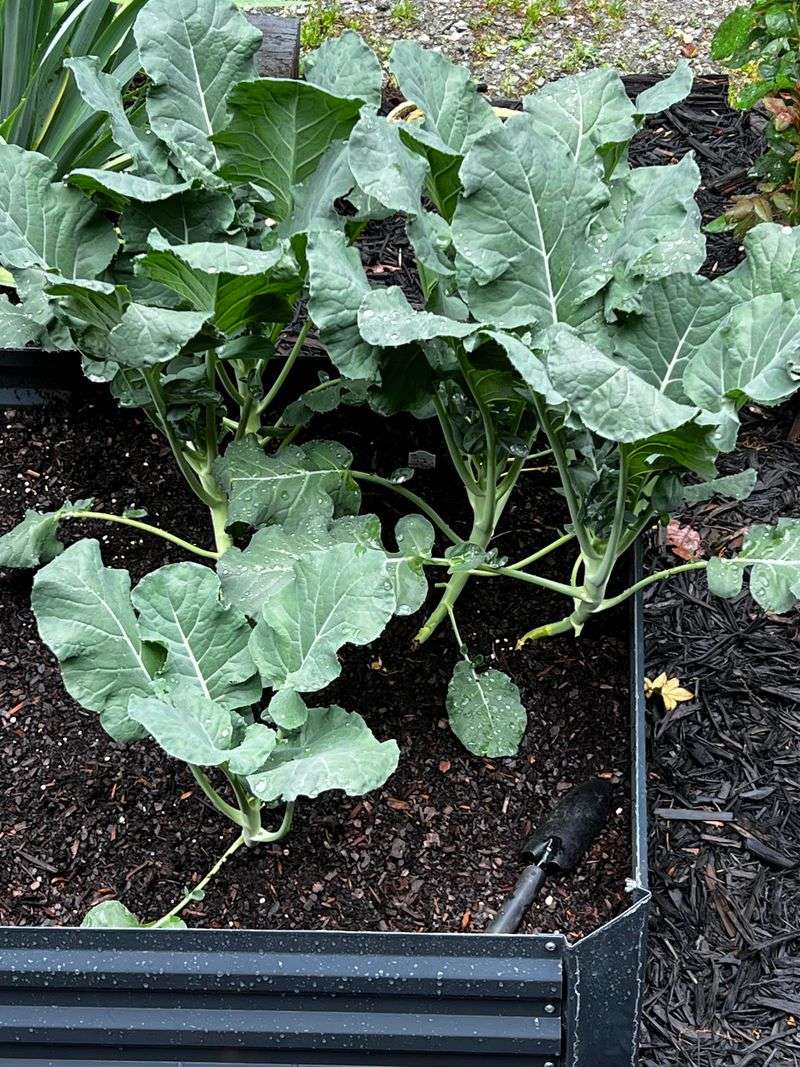
Broccoli is not a quick-turnaround crop.
From the moment you transplant a seedling into the garden, the plant needs time to develop a strong root system, grow a broad framework of leaves, and eventually form that dense, compact central head you are aiming for.
Rushing that process simply does not work, and the calendar has final say over how much growing time your plants get.
NC State planting calendars list approximately 70 to 80 days from transplanting to harvest for broccoli. That is a meaningful chunk of time, and every week you delay starting seeds pushes your harvest date further into late fall.
In many parts of North Carolina, that means your plants could be racing against cold nights and shortening days before they ever reach maturity.
Waiting too long to start seeds leaves plants undersized when the season starts to shift. A small, underdeveloped plant heading into cooler temperatures and shorter days will slow down significantly, and some may never form a proper head at all.
Starting in July gives the plant the full runway it needs to reach its potential before fall conditions take hold.
Choosing the right variety also matters. Some broccoli varieties mature in 60 days while others take closer to 80 or more.
Selecting a variety with a maturity period suited to your local North Carolina fall season can make a real difference in your results.
Match your seed choice to your local conditions, start on time, and you give your fall broccoli crop the best possible shot at success.
5. Cooler Weather Supports Better Head Formation
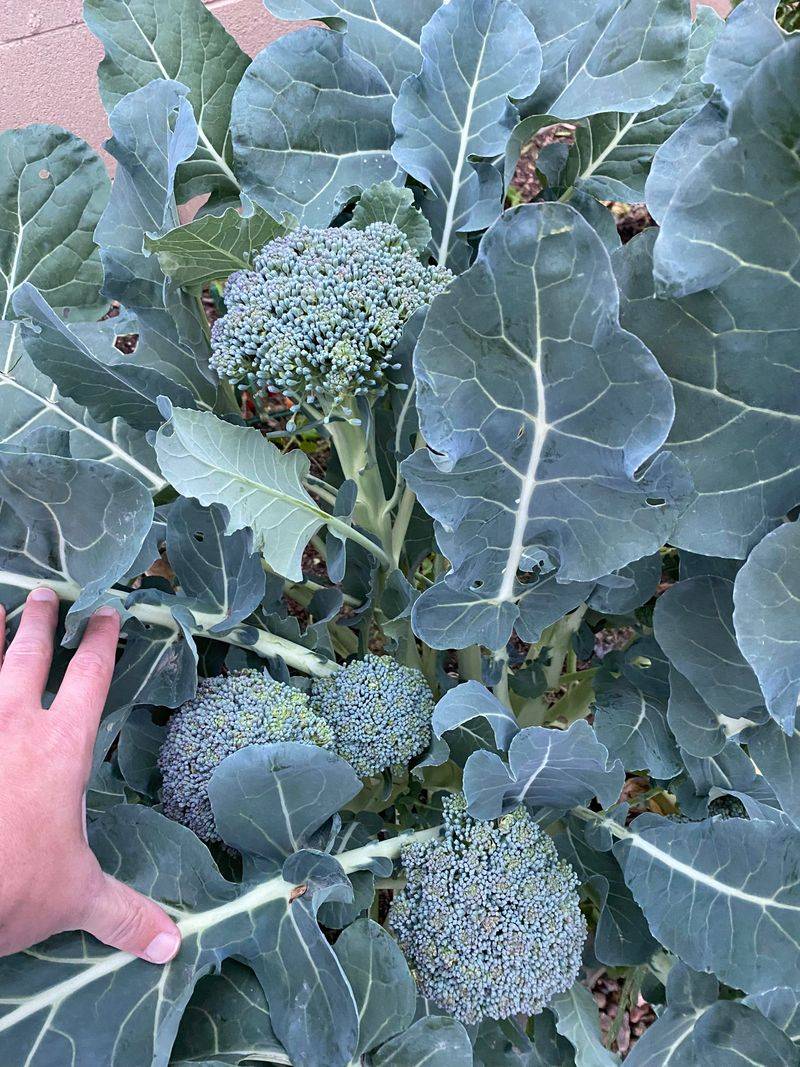
There is a reason broccoli shows up at farmers markets in fall and not in the middle of summer. Broccoli genuinely performs better when head development happens during cooler conditions.
Mild autumn temperatures create an environment where the plant can put its energy into forming a tight, well-developed central head rather than dealing with the stress of intense heat.
Prolonged heat during the heading stage can affect both growth rate and overall head quality.
Heads formed under hot conditions may be looser, smaller, or more prone to bolting, which is when the plant shifts energy toward flowering rather than producing the compact head you want.
Fall conditions in North Carolina, with their gradually cooling temperatures and shorter days, are genuinely more favorable for broccoli to do its best work.
Starting seeds in July allows the plant to complete its earliest, most vulnerable growth stages in a protected indoor environment.
By the time those transplants go into the garden in August, they are past the fragile seedling phase and ready to grow steadily through the remaining warm weeks.
As temperatures ease in September and October, the plants are perfectly positioned to form heads under the conditions they actually prefer.
No single temperature guarantees perfect head formation every time. Weather is unpredictable, and every growing season brings its own surprises.
But aligning your planting schedule so that heading occurs during cool fall weather rather than summer heat significantly improves your chances of harvesting firm, beautiful broccoli heads that make all that planning worthwhile.
6. One Plant Can Provide Several Harvests
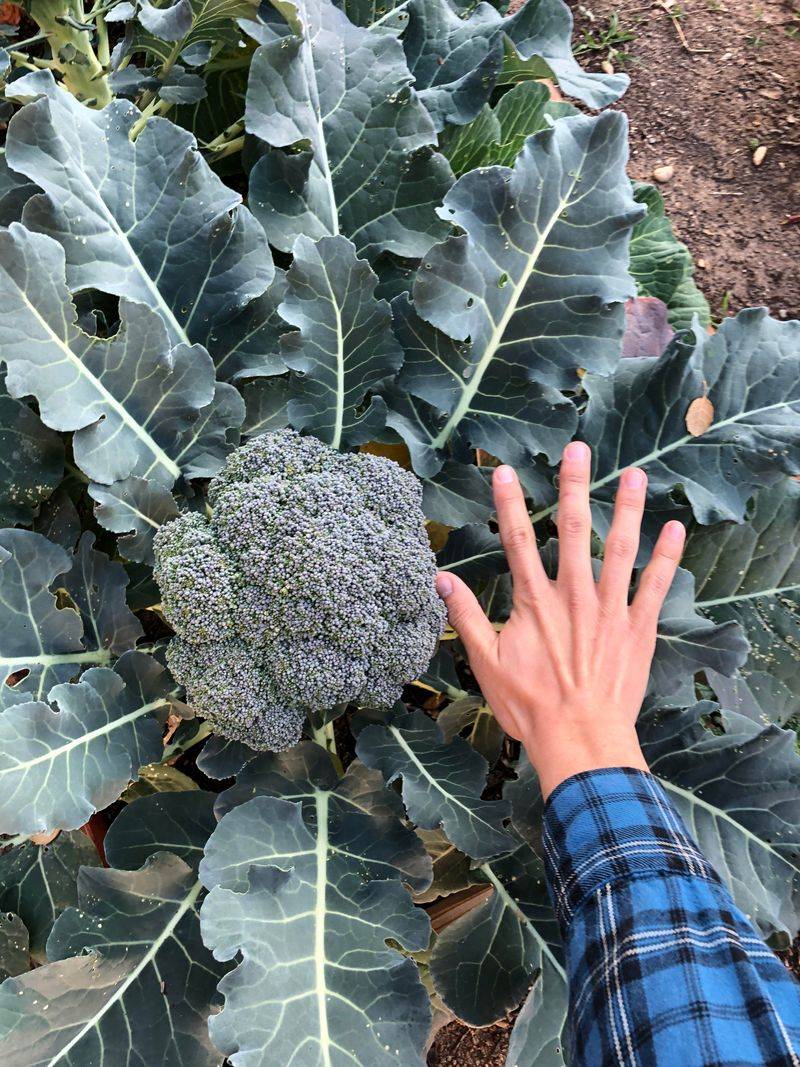
Here is something that surprises a lot of first-time broccoli growers: one plant can give you more than a single harvest. Most people know to cut the central head, but many do not realize that the same plant keeps producing after that first cut.
Leaving a healthy plant in the ground after the main head is harvested opens the door to weeks of continued production.
After the central head is removed, smaller side shoots begin to develop along the main stalk. These shoots produce compact little heads that may be smaller than the original, but they are just as flavorful and useful in the kitchen.
Depending on the variety and weather conditions, a single plant can keep sending out side shoots for several weeks, giving you multiple harvests from one transplant.
The key is to harvest those side shoots while the buds remain tight and firm. Once the buds start to loosen and open into yellow flowers, the quality drops quickly.
Check your plants every couple of days and cut side shoots at the right stage to get the best flavor and texture from each harvest.
Keeping the plant healthy between harvests matters too. Regular watering, appropriate fertilization, and staying on top of any insect pressure all help the plant continue producing at a good rate.
Broccoli that is well cared for after the central head is gone can easily double or even triple the total amount of broccoli you bring in from your garden. That kind of extended productivity makes every seed you start in July count even more.
7. Indoor Seedlings Need Proper Summer Care
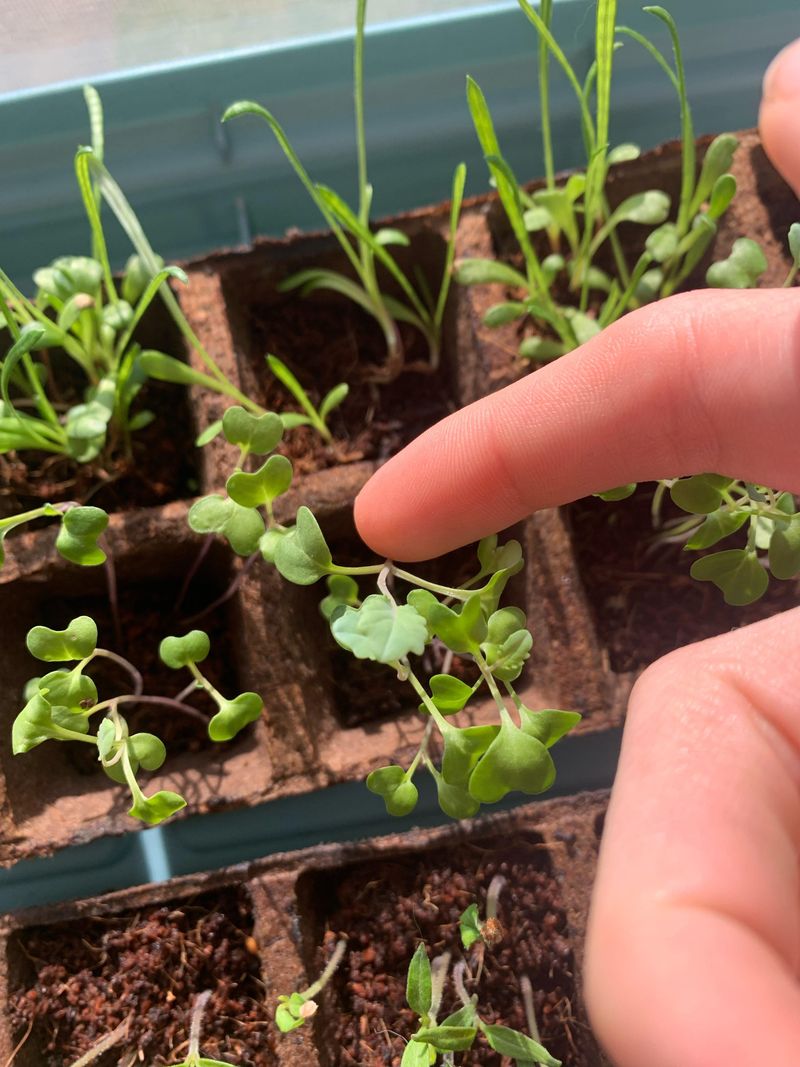
Growing broccoli seedlings indoors during July takes a little attention, but the process is straightforward once you know what to focus on. Start with clean containers or cell trays and use fresh seed-starting mix rather than garden soil.
Garden soil can compact in containers and may carry pathogens that harm young seedlings. A quality seed-starting mix provides the right texture, drainage, and moisture retention for broccoli seeds to germinate well.
Consistent moisture is one of the most important factors during germination and early seedling growth. The mix should stay evenly moist but never waterlogged, as excess moisture can lead to fungal problems that harm or eliminate young plants.
Good airflow around the seedlings helps prevent that kind of issue, so avoid crowding trays in a stuffy space.
Light is another critical factor that many indoor gardeners underestimate. Insufficient light causes seedlings to stretch and become leggy, producing weak stems that struggle when transplanted.
A bright south-facing window can work, but a dedicated grow light positioned close to the tray usually produces sturdier, more compact seedlings. Keep the light on for about 14 to 16 hours per day.
When seedlings develop their first set of true leaves, move them into slightly larger cells if they seem crowded. Avoid heavy fertilizer applications at this stage, as too much nitrogen can push soft, weak growth.
Inspect young plants regularly for insects or signs of fungal stress before moving them into the garden. Healthy, well-grown seedlings are your best tool for a productive fall broccoli crop.
8. Gradual Outdoor Adjustment Protects The Transplants
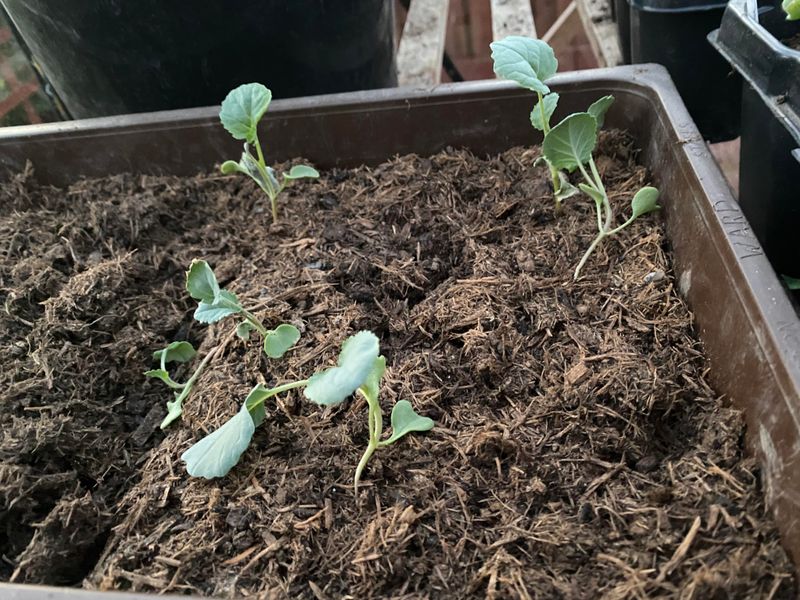
Moving broccoli seedlings straight from a cozy indoor environment into a hot August garden is a recipe for transplant shock.
Plants that have spent weeks under controlled indoor conditions need time to adjust to outdoor sunlight intensity, wind movement, and temperature swings before they go into the ground.
This adjustment period is called hardening off, and skipping it can set your transplants back by weeks.
Start by placing seedlings in a sheltered outdoor spot that gets indirect light or gentle morning sun. A covered porch or the shaded side of a building works well.
Leave them outside for a few hours on the first day, then bring them back in. Gradually increase their outdoor exposure over five to seven days, working up to a full day outside in a sunnier location before the final transplant.
When you are ready to transplant, choose an evening or a cloudy day to reduce stress on the plants. Water thoroughly right after planting and consider providing temporary afternoon shade using row cover or shade cloth for the first few days.
Organic mulch spread around the base of each plant helps retain soil moisture and keeps root temperatures more stable.
Inspect transplants carefully for common cabbage family insects like cabbage loopers and imported cabbageworms once they are in the garden. Catching pest pressure early makes management much easier.
Gardeners in western and central North Carolina benefit most from finishing seeds before July ends, while those in the Coastal Plain may have a bit more flexibility.
Either way, a careful transition from indoors to garden gives your transplants the best start possible.