Why Palo Blanco Is Becoming A Favorite Small Shade Tree In Arizona
Finding the right shade tree for an Arizona yard sometimes feels like trying to solve a puzzle with too many constraints.
The space is limited, the heat is relentless, the water budget is real, and most trees that look great in a nursery pot have a way of becoming a much bigger commitment than anyone anticipated.
So when a tree comes along that actually fits the way Arizona yards work, people pay attention. Palo blanco has been quietly earning that attention for a while now, and it’s not hard to see why.
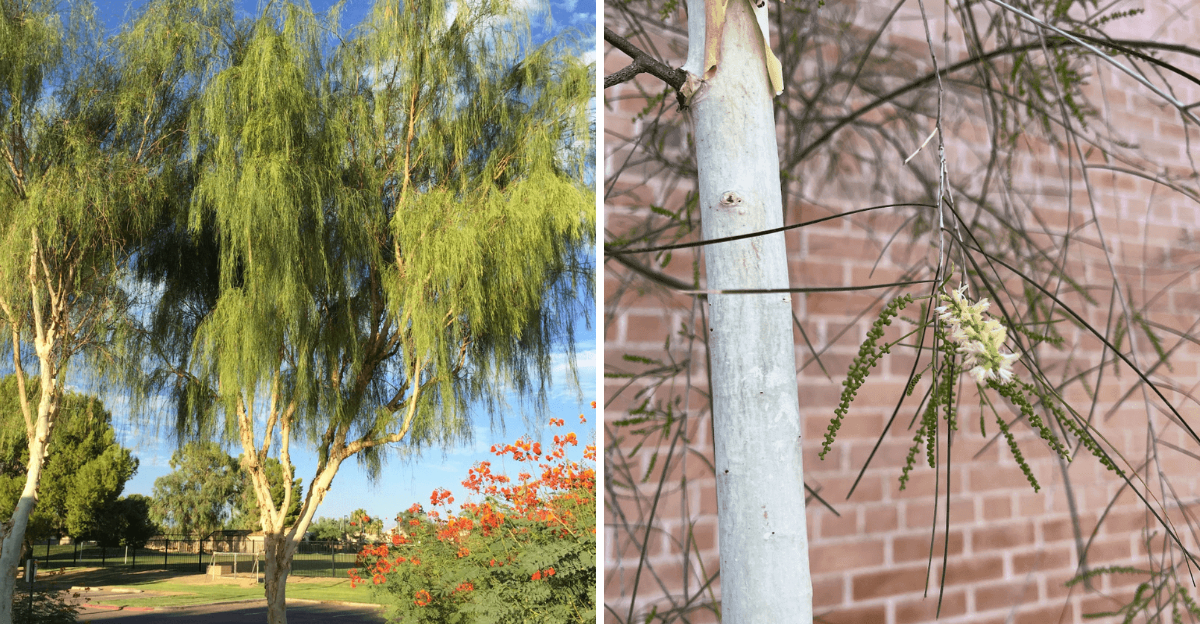
That striking white bark is genuinely stunning, the canopy is airy and open rather than dense and domineering, and the overall form stays compact enough to work in spaces where a lot of other trees simply would not.
It’s the kind of tree that solves problems instead of creating them.
1. A Slim Silhouette For Smaller Arizona Yards
Smaller residential lots across Arizona often leave homeowners with a familiar challenge: finding a shade tree that fits without overwhelming the space.
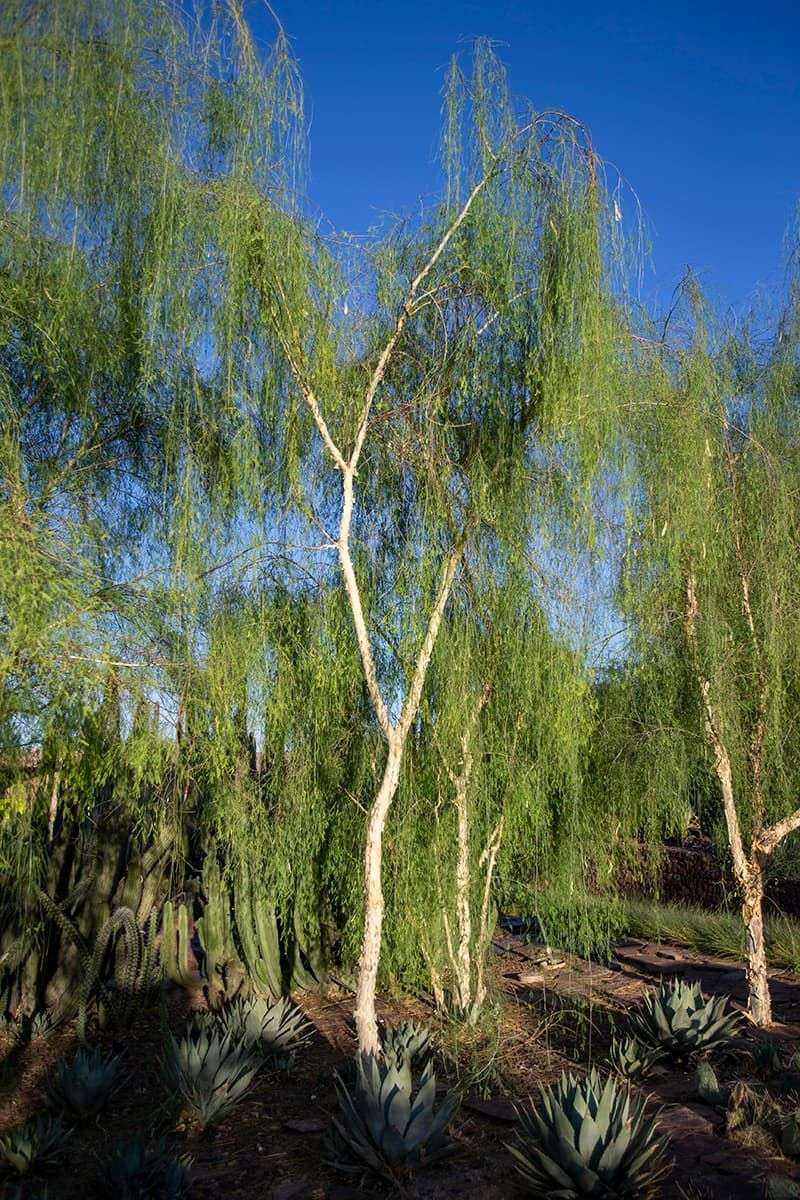
Palo blanco, botanically known as Mariosousa willardiana and sometimes listed under the older name Acacia willardiana, is gaining attention largely because of its notably slim, upright form.
Its narrow silhouette makes it a practical consideration for yards where space is at a premium.
Unlike broader desert trees that spread wide canopies across patios, driveways, or neighboring fences, palo blanco tends to grow in a more columnar shape.
Mature height and spread can vary depending on growing conditions and the source consulted, but many Arizona horticultural references describe it as a relatively compact tree well suited to tighter planting areas.
That slender profile means it can be placed closer to walls, walkways, or structures without creating the crowding issues that larger trees often cause.
For homeowners working with courtyard gardens, narrow side yards, or modest front landscape beds, that kind of restrained footprint is genuinely useful.
The tree’s upright growth habit also means less interference with underground irrigation lines or nearby hardscaping.
Gardeners should still plan carefully for its mature size and allow enough room for healthy root development. Consulting local nurseries or extension resources before planting can help ensure the tree is placed where it will thrive without causing problems down the road.
2. Soft, Filtered Shade Without A Heavy Canopy
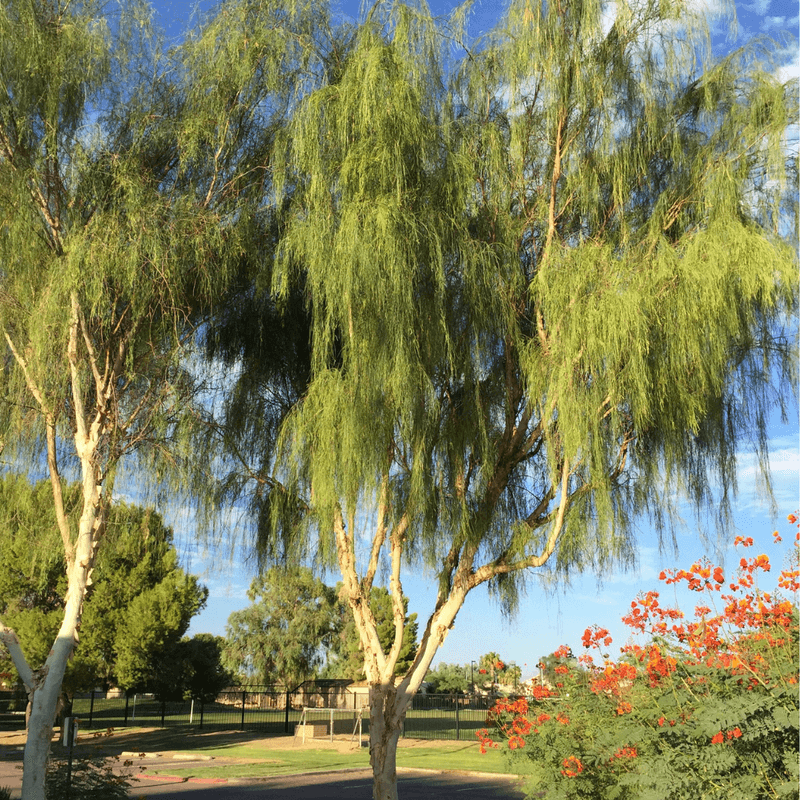
Not every Arizona garden needs a tree that blocks out the sun entirely. In fact, many desert plants, succulents, and low-water ground covers actually perform better with partial or filtered light rather than deep shade.
Palo blanco produces exactly that kind of gentle, dappled coverage, making it a thoughtful choice for layered desert plantings where some sunlight still needs to reach the ground.
The tree’s canopy is relatively open and airy, with fine, feathery foliage that allows light to pass through rather than stopping it completely. That quality sets it apart from denser shade trees and makes it more versatile in certain landscape situations.
A seating area beneath a palo blanco on a warm afternoon will feel noticeably cooler than sitting in full sun, even if the shade itself remains soft and shifting.
Your Arizona Garden Changes Every Week. Your Plan Should Too.
Gardening in Arizona changes quickly throughout the season. Every Friday you’ll receive a simple weekly plan showing exactly what to plant, prune, fertilize, harvest, and protect so you never miss the right timing.
Homeowners who enjoy spending time outdoors in warmer months may find this type of filtered coverage comfortable enough for relaxed outdoor living.
Patio furniture, potted plants, or decorative containers placed beneath the canopy can benefit from the reduced sun exposure without being starved of light entirely.
It is worth keeping in mind that palo blanco will not replace a large shade tree if dense, reliable overhead coverage is the primary goal.
Understanding what filtered shade can and cannot offer helps gardeners set realistic expectations and plan their Arizona outdoor spaces more effectively.
3. A Water-Wise Choice For Desert Landscapes
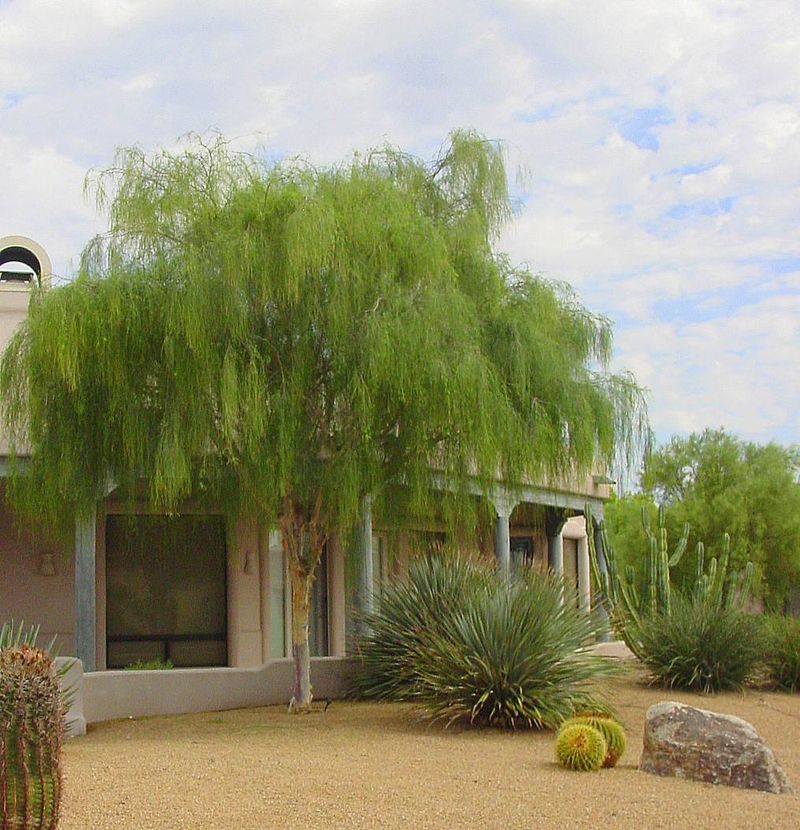
Water conservation has become one of the most pressing concerns for homeowners and landscape designers.
With ongoing drought conditions and increasing restrictions on outdoor water use across many Arizona communities, selecting trees that can survive on minimal irrigation is no longer just a preference but often a practical necessity.
Palo blanco has earned growing interest in part because of its reputation for relatively low water needs once it is established in the landscape.
Native to parts of northwestern Mexico, including the Sonoran region, palo blanco evolved in conditions that are climatically similar to Arizona’s low desert environments.
That origin gives it a natural resilience to heat and dry conditions that many non-native ornamental trees simply do not share.
After a proper establishment period with regular irrigation, many gardeners find the tree can be maintained with infrequent deep watering rather than frequent shallow watering schedules.
Gardeners should still plan for a consistent establishment phase, which typically involves more frequent watering during the first year or two after planting. Skipping that early care can stress the tree and slow its development.
Once it is settled in and showing healthy new growth, the irrigation schedule can generally be reduced.
Checking with local water utility resources or cooperative extension offices can provide guidance on appropriate watering schedules based on your specific location, soil type, and seasonal conditions.
Proper establishment makes all the difference in long-term performance.
4. Built To Handle Arizona’s Intense Sunshine
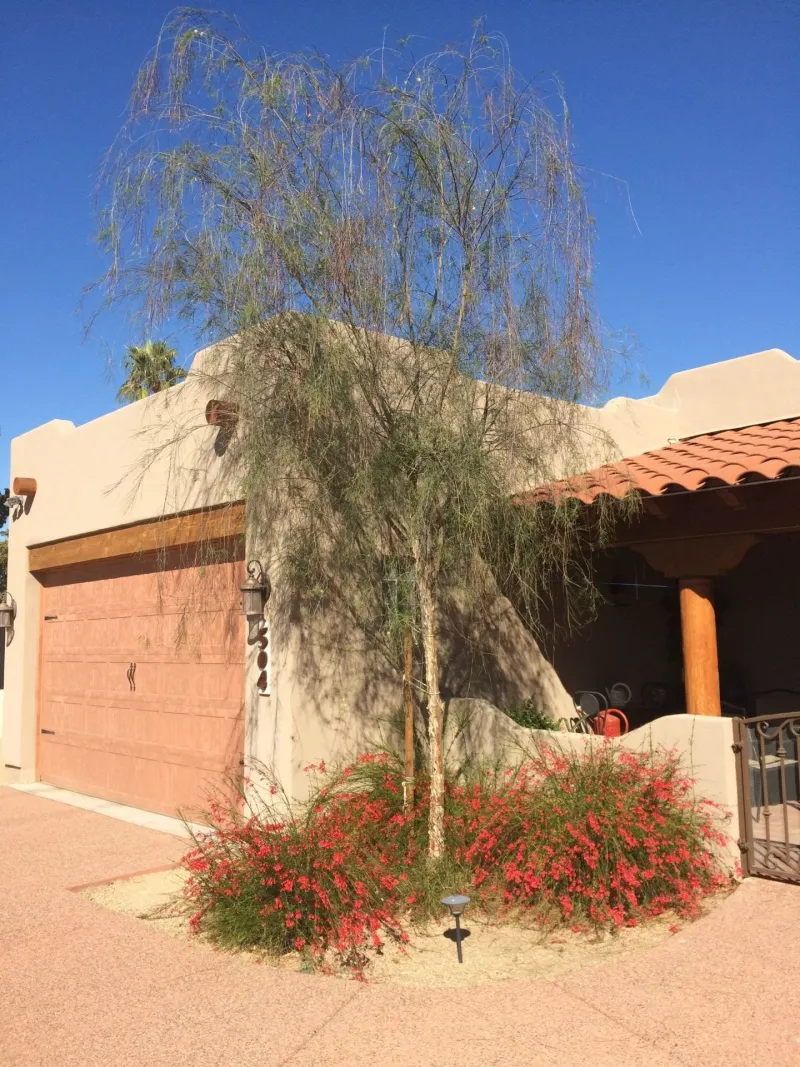
Few things test a landscape tree more thoroughly than an Arizona summer.
Temperatures regularly climb well above 100 degrees Fahrenheit across the low desert, and the combination of intense solar radiation, reflected heat from hardscaping, and dry air creates conditions that many trees simply cannot handle without significant stress.
Palo blanco, shaped by its origins in the hot, dry landscapes of northwestern Mexico, is generally well adapted to those kinds of relentless conditions.
The tree’s naturally pale, reflective bark may help reduce heat absorption compared to darker-barked species, though the canopy’s open structure means it also does not trap excessive heat within its own foliage.
Planted in full sun, palo blanco tends to perform without the leaf scorch, wilting, or canopy thinning that can affect less heat-tolerant ornamentals during the hottest months of the year.
That said, heat tolerance does not mean the tree is entirely without limits. Reflected heat from walls, concrete, or light-colored pavement can intensify conditions beyond what even a heat-adapted tree handles easily.
Thoughtful placement that accounts for surrounding hardscape materials can help the tree perform at its best.
Gardeners in the hottest microclimates, such as those with west-facing walls or large expanses of exposed concrete, should consider how those factors may influence the tree’s health and appearance over time.
Local observation and advice from experienced Arizona nursery professionals can be genuinely helpful here.
5. Thornless Branches For More Usable Spaces
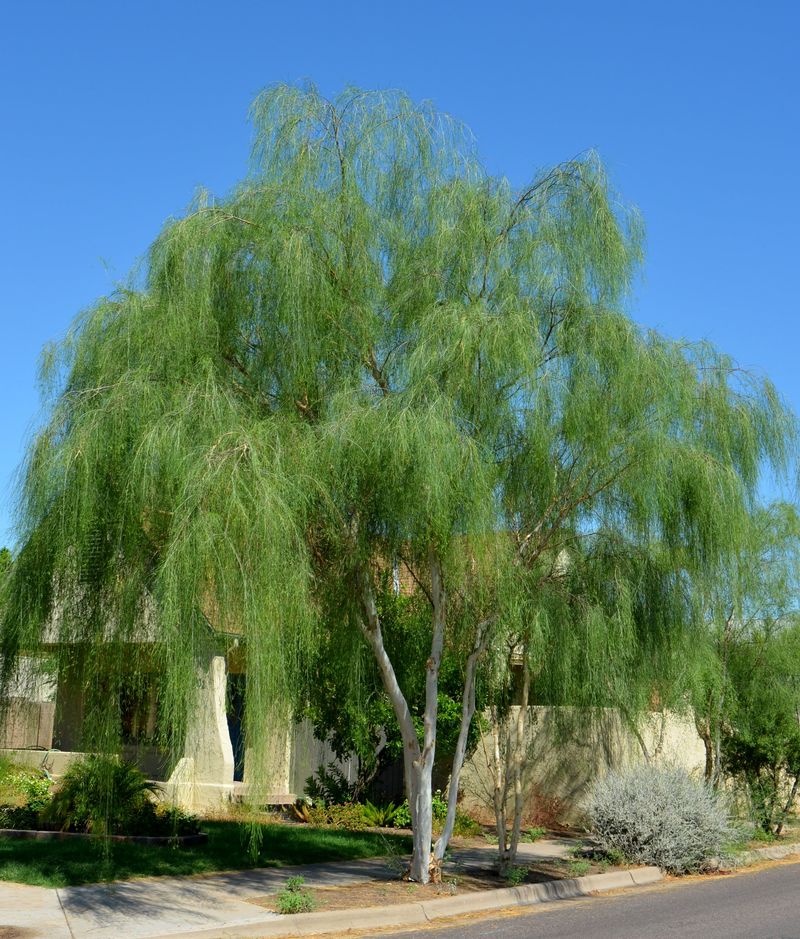
Thorns are a practical concern that gardeners often underestimate until they have already planted a thorny tree too close to a walkway, seating area, or children’s play space.
Many desert-adapted trees, including several well-known Arizona landscape staples, carry sharp thorns that can make pruning, maintenance, and casual outdoor use genuinely uncomfortable.
Palo blanco stands out among desert trees for its notably thornless branches, which removes one of the more common friction points in low-desert tree selection.
Without thorns to worry about, the tree becomes a more comfortable option near patios, outdoor dining areas, courtyards, and entryways. Homeowners can prune branches, clear fallen foliage, and work around the tree without the risk of painful scratches or snagging.
For households with children or pets who spend time in the yard, that quality can meaningfully influence where a tree gets placed and how enjoyable the surrounding space feels on a daily basis.
Thornless branches also make the tree a more appealing candidate for narrow side yards or passages where people regularly walk close to the canopy.
The absence of thorns does not mean the tree requires less attention overall, and regular light pruning to maintain its shape and remove any crossing or damaged branches is still a good practice.
Gardeners in Arizona who value both function and comfort in their outdoor spaces will likely appreciate this characteristic when comparing palo blanco to other low-desert tree options of similar size and water needs.
6. Striking White Bark That Stands Out Year-Round
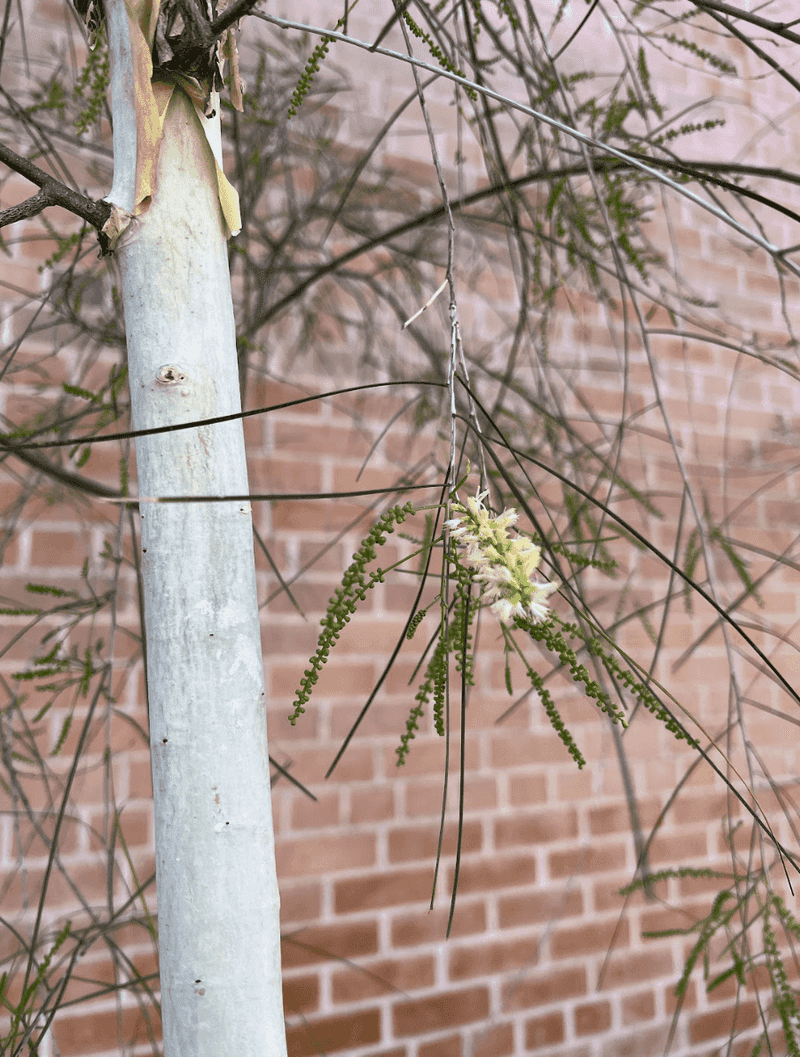
Most shade trees earn their place in a landscape through function alone, offering coverage during hot months before fading into the background the rest of the year. Palo blanco takes a different approach.
Its most immediately recognizable feature is its smooth, chalky white bark, which gives the tree a sculptural quality that holds visual interest even when the tree is not in full leaf.
In an Arizona landscape where winter months can leave many plants looking subdued, that year-round presence is a genuine design asset.
The white bark has a naturally clean, almost luminous quality that contrasts beautifully with the warm tones of desert gravel, terracotta, or adobe walls commonly found in Arizona residential landscapes.
Designers and homeowners who lean toward a contemporary desert aesthetic often find that the tree’s pale trunk and branches complement modern outdoor materials like concrete, steel, and natural stone without competing for attention.
It adds structure and visual rhythm to a planting without demanding to be the loudest element in the space.
Beyond pure aesthetics, the light-colored bark may also reflect rather than absorb solar radiation, which could contribute modestly to the tree’s overall heat tolerance in exposed Arizona locations.
The bark’s appearance can vary somewhat as the tree matures, developing subtle texture and character over time.
Gardeners who appreciate trees with multi-season ornamental value, rather than just a brief flowering moment, will find palo blanco’s white bark one of its most enduring and rewarding qualities.
7. An Airy Shape With Modern Desert Appeal
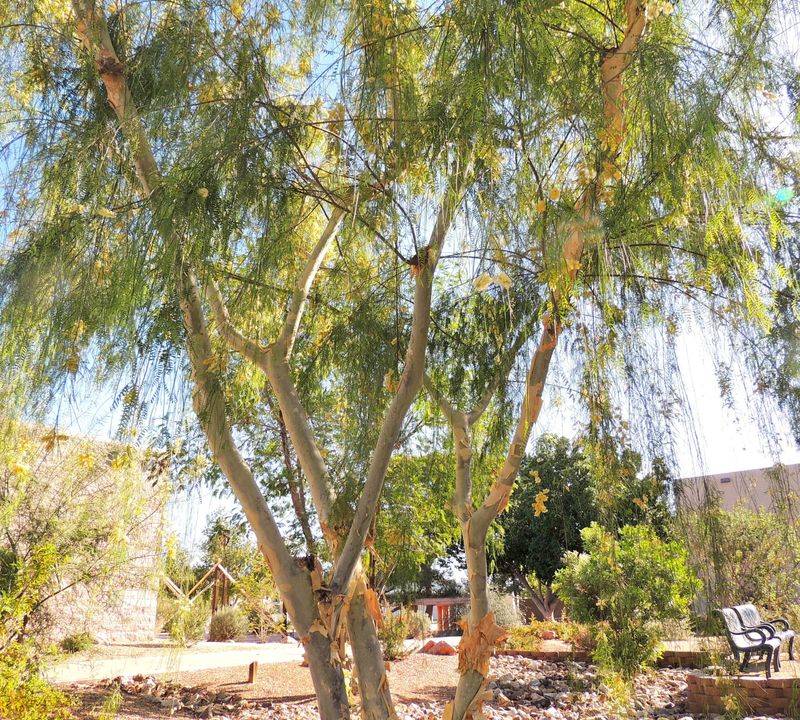
Contemporary Arizona landscape design has shifted noticeably in recent years toward cleaner lines, open spaces, and plant selections that complement modern architecture rather than obscure it.
Heavy, billowing canopies and dense rounded shrubs are giving way to more sculptural, structurally interesting plants that allow the landscape to breathe.
Palo blanco fits naturally into that design direction with its upright, open branching habit and fine-textured, feathery foliage that never feels heavy or cluttered.
The tree’s overall form has a certain lightness to it that works well alongside the flat rooflines, large windows, and minimal ornamentation typical of contemporary Arizona homes.
Planted near a wall or at the corner of a patio, it creates a vertical accent without blocking sightlines or creating the enclosed, tunnel-like feeling that denser trees sometimes produce in smaller outdoor spaces.
That openness also means the tree casts moving, dappled patterns of light and shadow rather than a static dark patch, which adds life and movement to the landscape throughout the day.
Gardeners who enjoy a more naturalistic desert planting style will also find the tree’s informal branching structure appealing.
It does not require heavy shaping to look intentional, and its natural growth habit tends to develop an elegant, graceful outline over time with only light maintenance pruning.
For homeowners who want a tree that contributes to the character of the space without demanding constant attention, palo blanco’s easy, airy form is one of its most quietly appealing qualities.
8. A Natural Fit For Xeriscapes And Patio Gardens
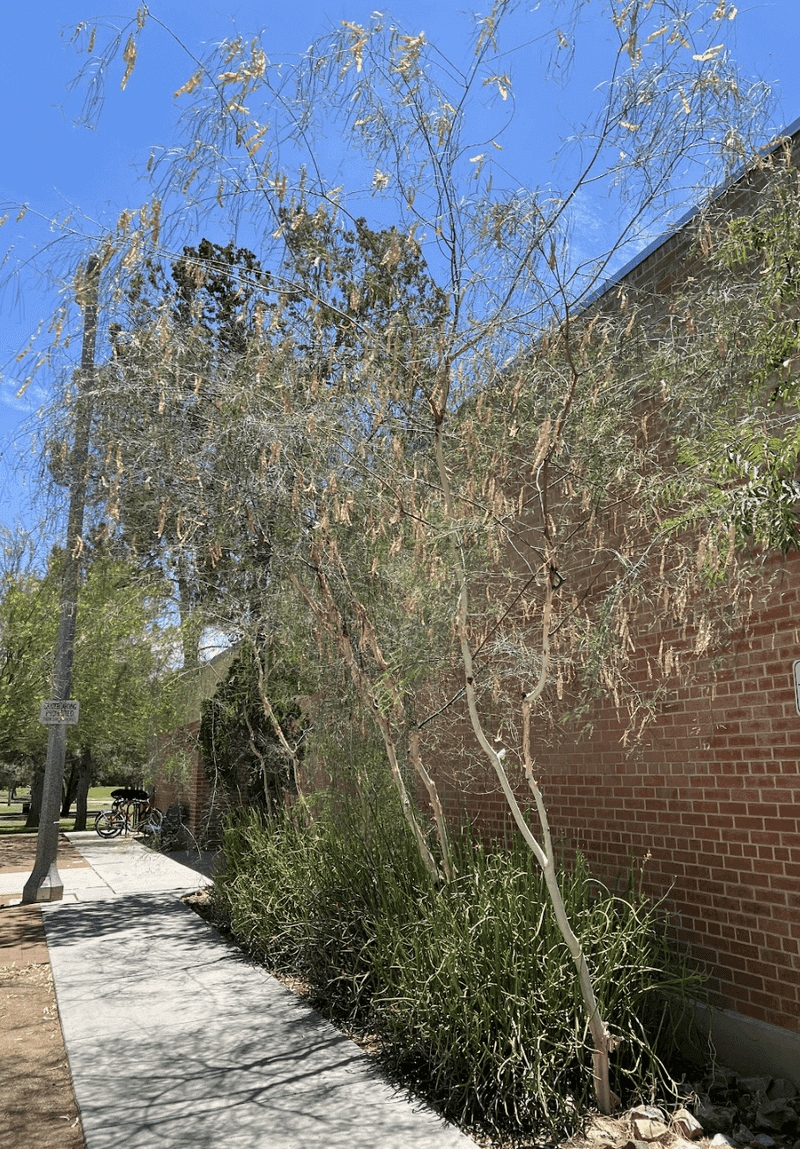
Xeriscape design, which focuses on water-efficient landscaping using drought-adapted plants and minimal turf, has become increasingly common across Arizona communities.
As water rates rise and conservation programs expand, more homeowners are replacing thirsty grass lawns with gravel, decomposed granite, native and desert-adapted plantings, and hardscaping elements.
Within that kind of landscape framework, finding a small tree that provides some vertical structure and filtered overhead shade without heavy irrigation demands is often one of the harder design problems to solve.
Palo blanco addresses that challenge reasonably well for many low-desert Arizona locations.
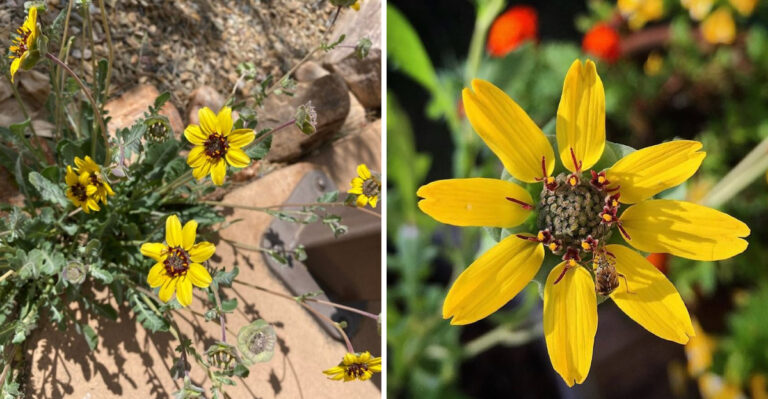
Its relatively modest water requirements after establishment, combined with its slim footprint and light canopy, make it a compatible companion for the kinds of drought-tolerant plants commonly used in xeriscape designs, including agave, desert marigold, brittlebush, and various ornamental grasses.
The tree does not compete aggressively for space or resources in the way that some larger desert trees can, which makes it easier to incorporate into tightly planned planting schemes.
For patio gardens specifically, palo blanco can serve as a graceful vertical element that softens the transition between hardscape and open sky.
Placed thoughtfully near a seating area, it provides enough filtered coverage to make the space feel more comfortable without requiring the structural reinforcement or root barrier systems that larger trees sometimes demand near paved surfaces.
Gardeners should keep in mind that palo blanco performs best in warmer Arizona low-desert locations, and its suitability may decrease at higher elevations or in frost-prone microclimates.