10 Fall Vegetables North Carolina Gardeners Should Seed In July For A Strong Autumn Harvest
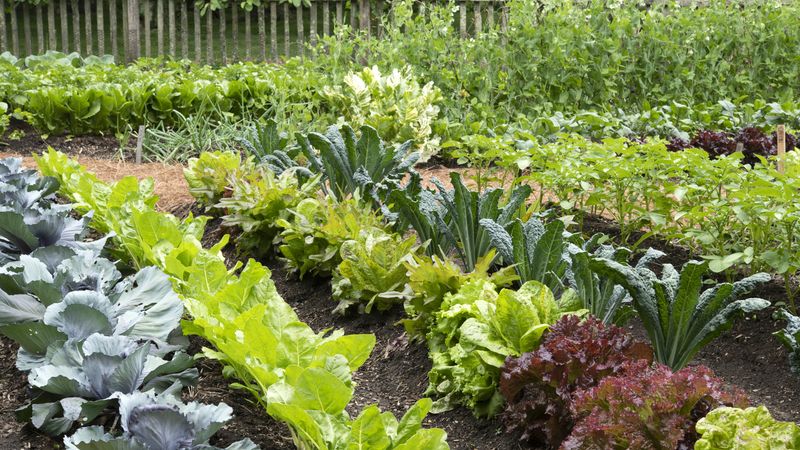
It is late July in the Piedmont, the red clay bakes under an afternoon storm cloud, and your summer tomatoes are winding down while the garden looks tired. Here is the quiet secret most neighbors miss: July is not the end of the season, it is the starting line for fall. The muggy heat that feels miserable to you is exactly what young seeds need to sprout fast and root deep before the first cold snap. Seed the right crops in the next few weeks and you will be pulling crisp greens and sweet roots long after Labor Day.
These ten vegetables give you the strongest shot at a full autumn harvest across North Carolina, from the coast to the mountains.
1. Broccoli
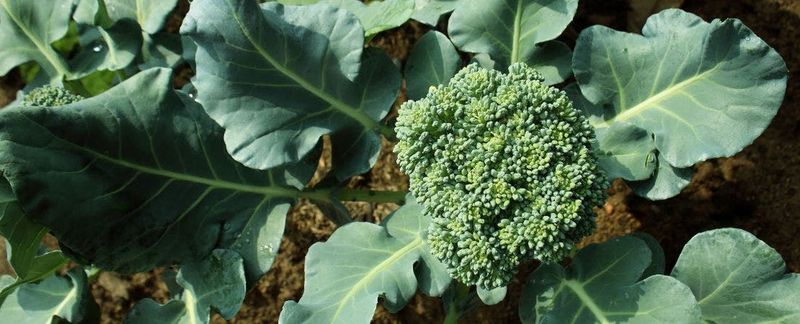
Most folks think of broccoli as a spring crop, so seeding it in the sticky heat of July feels backwards. But here is where it gets interesting. Broccoli (Brassica oleracea) actually forms its best heads when it matures into cool weather, and North Carolina falls give it exactly that slow slide toward frost.
Start seeds indoors or in a shaded flat around mid to late July, then set transplants out in early to mid August. Space plants about 18 inches apart in rows 24 inches apart, and keep the soil damp while the summer sun is still fierce. NC State Extension notes that transplants handle our heat better than direct-sown seed for this crop.
The cabbage worm is the scheming villain here, a small green caterpillar that chews ragged holes in the leaves. A light row cover for the first few weeks keeps the moth from laying eggs, and it is one simple layer, not a magic solution.
By late October you get firm central heads, then side shoots keep coming for weeks after your first cut. There is real satisfaction in serving broccoli you grew while the neighbors are buying theirs at the store.
2. Kale
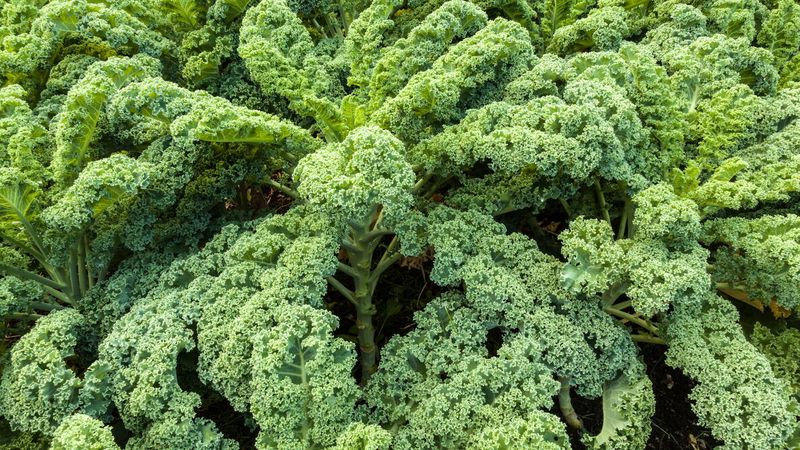
Kale has a trick up its sleeve that few other vegetables can match. A light frost does not hurt it, it makes the leaves sweeter, turning starches into sugars so the flavor mellows just as winter arrives. For North Carolina gardeners that means one planting can feed you well past Thanksgiving.
Direct-sow kale (Brassica oleracea, Acephala group) right into the ground from mid July through August, scattering seeds a quarter inch deep and thinning seedlings to about 12 inches apart once they get a few true leaves. It shrugs off Piedmont clay and sandy Coastal Plain soil alike, so long as you keep it watered through the dry stretches of late summer.
Aphids sometimes cluster on the undersides of leaves during warm spells. A hard spray of water knocks most of them loose, and the cooler weeks ahead thin them out naturally.
Harvest the outer leaves first and leave the center growing, a cut-and-come-again habit that keeps one plant producing for months. Curly types stand up to cold, while flat-leaf Lacinato brings a tender bite to soups on a chilly porch evening.
Your North Carolina Garden Changes Every Week. Your Plan Should Too.
Gardening in North Carolina changes quickly throughout the season. Every Friday you’ll receive a simple weekly plan showing exactly what to plant, prune, fertilize, harvest, and protect so you never miss the right timing.
3. Carrots
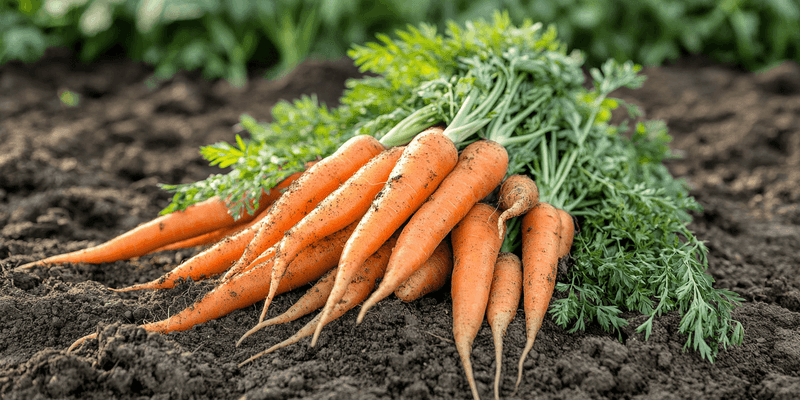
Pull a fall carrot out of cool soil in November and taste it, then compare it to a summer one. The difference is genuinely striking. Cold weather concentrates the sugars, which is why carrots seeded in July for an autumn harvest come out sweeter than any you grow in the heat of spring.
Sow carrot seeds (Daucus carota) directly in loose, stone-free ground from mid July into early August. The catch is that seeds are tiny and slow, taking up to 14 to 21 days to sprout, and they will not come up if the topsoil dries out. Water lightly every day and lay a board over the row to hold moisture until you see green.
Heavy Piedmont clay causes forked, stubby roots, so loosen the bed a full 10 to 12 inches deep or plant a short, blunt variety like Danvers. Thin seedlings to 2 inches apart once they stand tall enough to handle.
By late fall you can leave carrots right in the ground through mild spells and dig them as needed. Few things beat brushing off cold dirt from a carrot you grew, snapping it in half, and hearing that crisp break.
4. Spinach
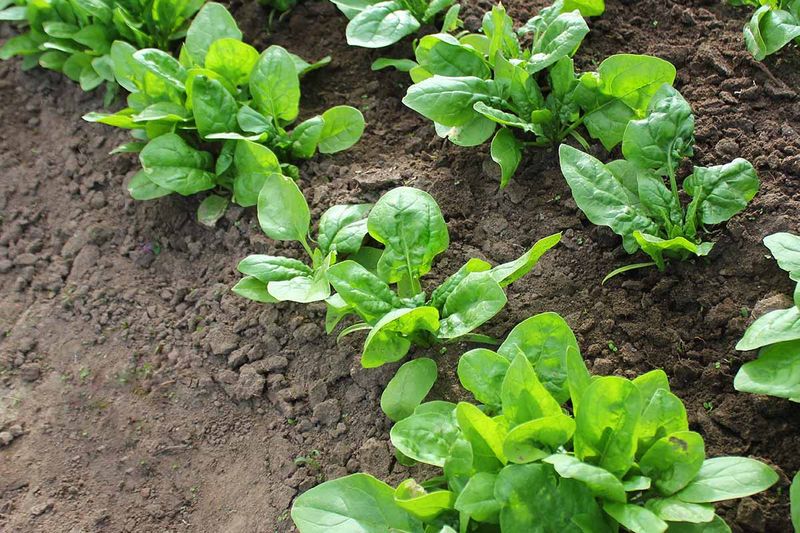
Spinach and summer heat are old enemies. Plant it too early and it bolts, shooting up a flower stalk and turning bitter before you get a single salad. So the calendar becomes your best tool, and late summer into early fall is the window that finally lets this cool-lover do its thing.
Wait until the worst July heat starts easing, then direct-sow spinach (Spinacia oleracea) from mid August into September across most of North Carolina. If you are itching to start in July, tuck seeds into a shaded corner and keep them cool, because germination stalls once soil climbs past 75 degrees.
Sow seeds half an inch deep and thin plants to about 4 inches apart. In the milder Coastal Plain and coast, a fall sowing often overwinters under a light row cover and hands you an early spring cutting too.
Smooth-leaf types wash up quick and clean, while savoy types hold up to cold better. Either way, a bowl of tender homegrown spinach on a gray November evening feels like a small win against the season.
5. Turnips
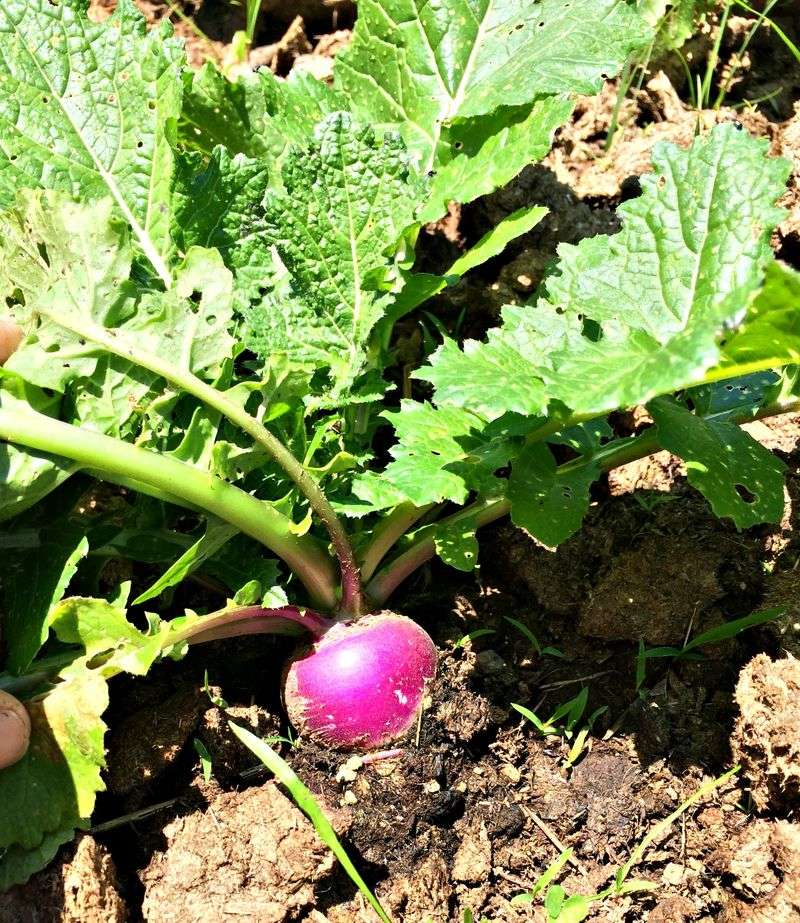
Turnips give you two harvests from one packet of seed, which makes them one of the most generous crops you can plant in July. The leafy greens are ready in about a month, and the round roots follow a few weeks later, so nothing goes to waste.
Scatter turnip seeds (Brassica rapa) directly into the ground from late July through August, barely covering them with a quarter inch of soil. They grow fast in North Carolina’s warm early-fall soil, and you can start snipping greens in as little as 30 days.
Thin the roots to 4 inches apart if you want good-sized bulbs, and keep the water steady so they do not turn woody or sharp-tasting. Sandy Coastal Plain beds suit them beautifully, and even Piedmont clay works if you loosen it first.
Flea beetles pepper the young leaves with tiny holes during warm weeks, though the plants usually outgrow the damage. A row cover early on shuts the door on them. Come October you get sweet, tender roots for roasting and a pile of greens for the pot, all from seed you tucked in during the dog days of summer.
6. Collard Greens
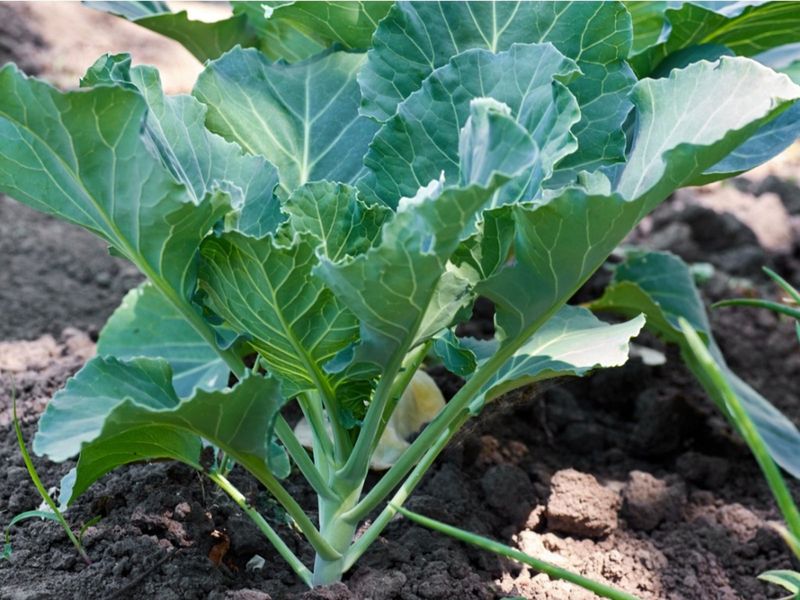
No Southern fall garden feels complete without collards standing tall through the first frosts. A staple on North Carolina tables for generations, collards (Brassica oleracea, Acephala group) shrug off cold that flattens tender crops, and they only taste better once the temperature drops.
Set out transplants or direct-sow seeds from mid July through August, giving each plant plenty of room at 18 to 24 inches apart. They grow into broad, leafy plants that keep producing from the bottom up, so you harvest the lower leaves and let the top keep climbing.
Cabbage worms and aphids come sniffing during the warm end of summer, and a floating row cover for the first few weeks keeps most of them off. Once the nights cool, pest pressure fades on its own.
A hard frost around late October in the Piedmont sweetens the leaves noticeably, so patience pays off. Pick a big bunch after the first cold snap, simmer them low and slow, and you will taste exactly why generations of gardeners here have never skipped this one.
7. Lettuce
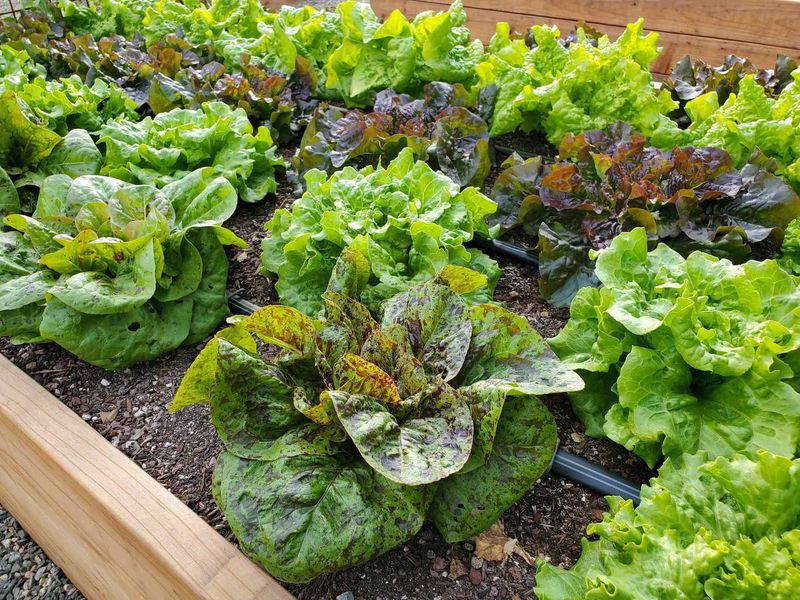
Fast, forgiving, and endlessly useful, lettuce rewards you quicker than almost anything else you can seed in July. Some loose-leaf types go from seed to salad bowl in as little as 45 days, which means a July sowing puts fresh greens on your table by early September.
Lettuce (Lactuca sativa) sulks in real heat, so start seeds in a shaded spot or wait for the first hint of cooler nights in August. Sow shallow, barely an eighth of an inch deep, and keep the surface moist because these seeds need light and cannot dry out.
Thin leaf types to 6 inches and heading types to 10 inches apart. Across the Piedmont and Coastal Plain, successive sowings every two weeks keep the harvest rolling right up to frost.
Cut outer leaves and the plant keeps giving, or slice a whole head when it fills out. Mix a few red and green varieties in one bed and your fall salads look as good as they taste, straight from the backyard to the dinner plate.
8. Radishes
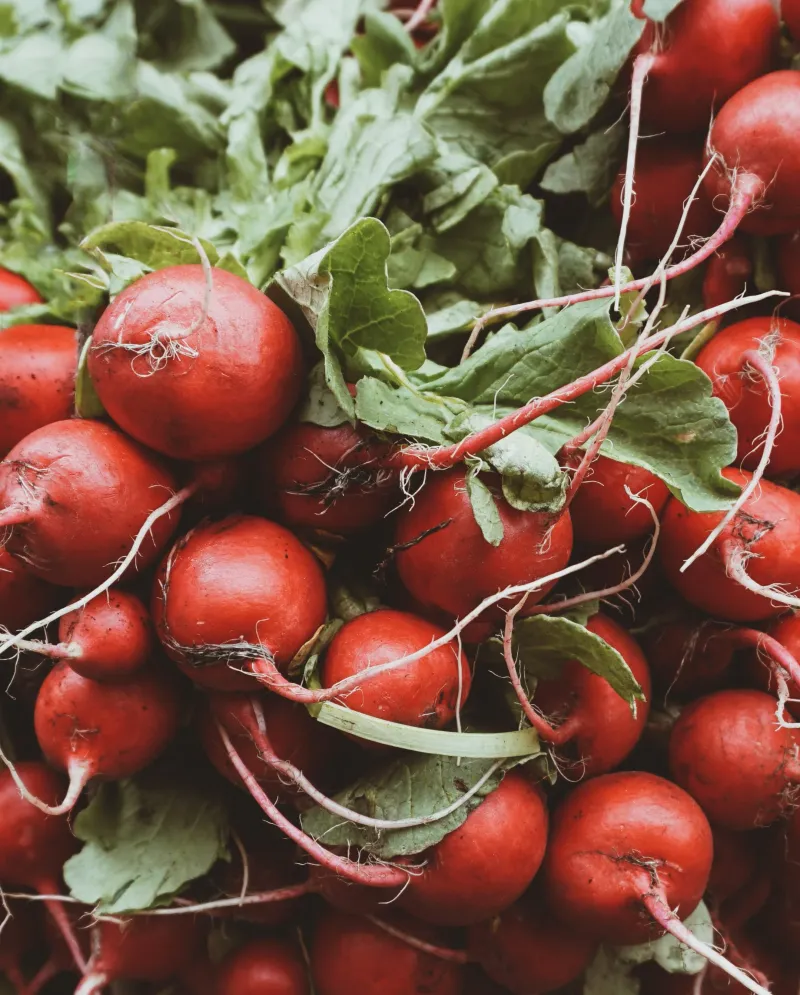
If patience is not your strong suit, radishes are your crop. Many varieties go from seed to snack in just 25 to 30 days, making them the sprinter of the fall garden and a perfect confidence builder for anyone new to seeding in July.
Drop radish seeds (Raphanus sativus) directly into the ground from August into September, half an inch deep and about an inch apart. Cooler fall soil gives you crisp, mild roots instead of the fiery, pithy ones summer heat produces.
Thin them early so each root has room to swell, because crowded radishes stay skinny and disappointing. They grow happily in sandy coastal soil and loosened Piedmont clay alike, and they need almost no fuss beyond steady water.
Here is a bonus trick many gardeners use. Sow radishes right alongside slow carrots, and the quick radishes mark the row and get pulled before the carrots need the space. Pull a handful of ruby-red globes on a crisp fall afternoon and you have earned the fastest bragging rights in the garden.
9. Beets
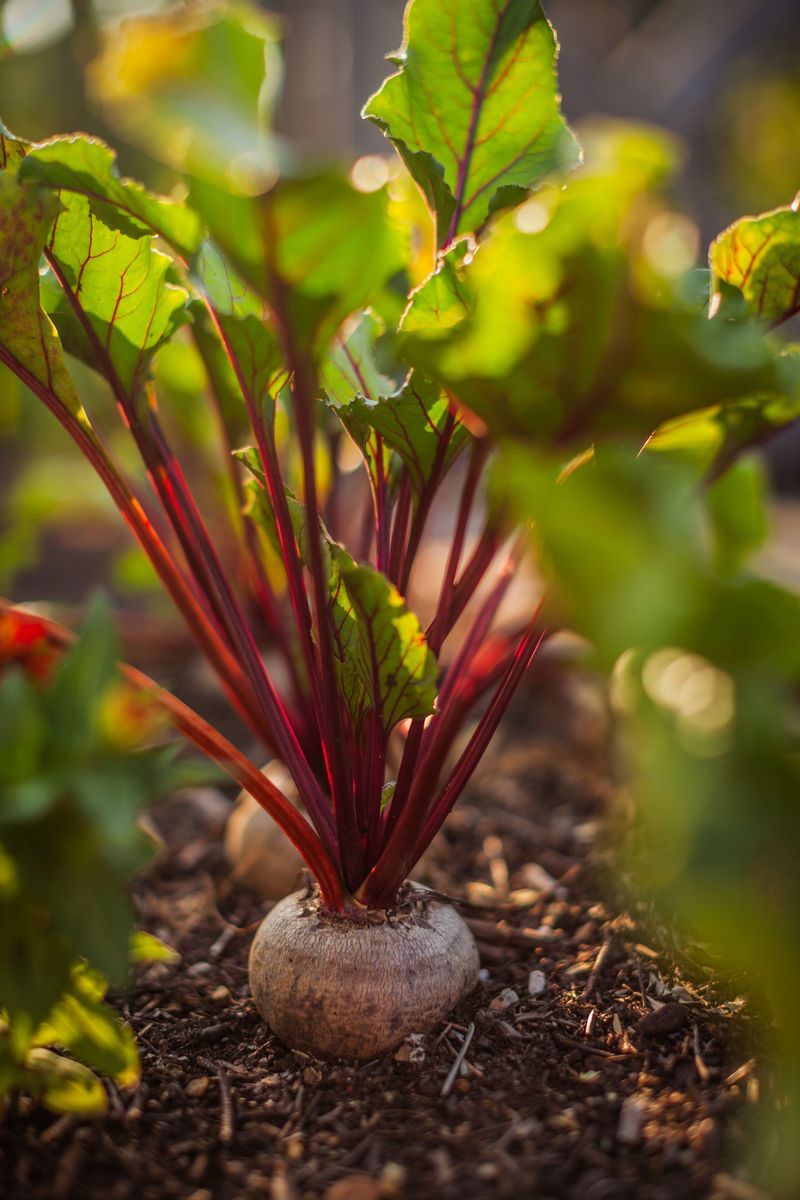
Beets are quietly one of the most rewarding fall crops because you eat the whole plant. Tender young greens go into salads and the pot while the sweet roots swell below, so a single July sowing pulls double duty in your kitchen.
Direct-sow beet seeds (Beta vulgaris) from late July through August, planting them about half an inch deep. Each wrinkled seed is actually a cluster, so several sprouts pop from one spot and you will need to thin seedlings to 3 to 4 inches apart for roots to size up.
Cool fall weather deepens their sweetness and rich color, and North Carolina’s mild autumns let them mature slowly without turning tough. Keep the water consistent, since dry spells make woody rings inside the root.
They take roughly 55 to 65 days to reach full size, so a summer start lands your harvest right in the heart of fall. Roast a batch with a little olive oil on a cool evening, and the earthy sweetness tastes nothing like the canned version most folks grew up on.
10. Cabbage
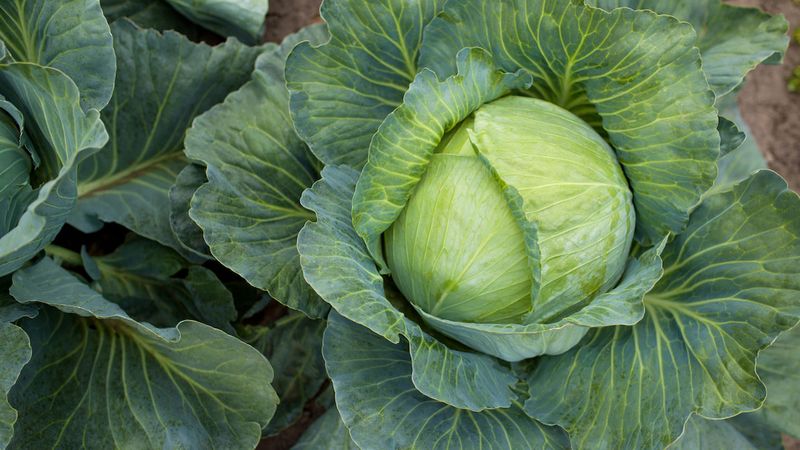
Cabbage closes out this list as the patient heavyweight of the fall garden, the crop that asks for a little planning and pays you back with a dense, storable head. It handles frost like a champ, and a fall crop dodges the pest storms that plague spring plantings.
Because it takes time, start cabbage (Brassica oleracea, Capitata group) seeds indoors or in a shaded flat in mid July, then transplant seedlings out in August, spacing them 18 to 24 inches apart. Full-size varieties need 70 to 90 days, so an early start is the difference between a real head and a loose bundle of leaves.
Cabbage worms are the antagonist again, and a row cover plus handpicking keeps them in check while the plants are young. Steady moisture stops the heads from splitting once they firm up.
A mature cabbage will hold in the garden through cold snaps down into the 20s in most of North Carolina, so you harvest on your own schedule. Slice one open in late fall, tight and heavy in your hands, and you will feel genuinely proud of the season you pulled off.