The One Texas Plant Group You Should Never Water Before A Freeze
Ask any experienced Texas gardener what to do before a freeze, and you’ll probably hear the same tip. Water your plants.
It’s solid advice. Moist soil holds heat better than dry soil, and well-hydrated plants usually handle the cold far better than thirsty ones.
Many gardeners make a habit of soaking their beds the day before temperatures plunge. But there’s one group of plants that plays by completely different rules.
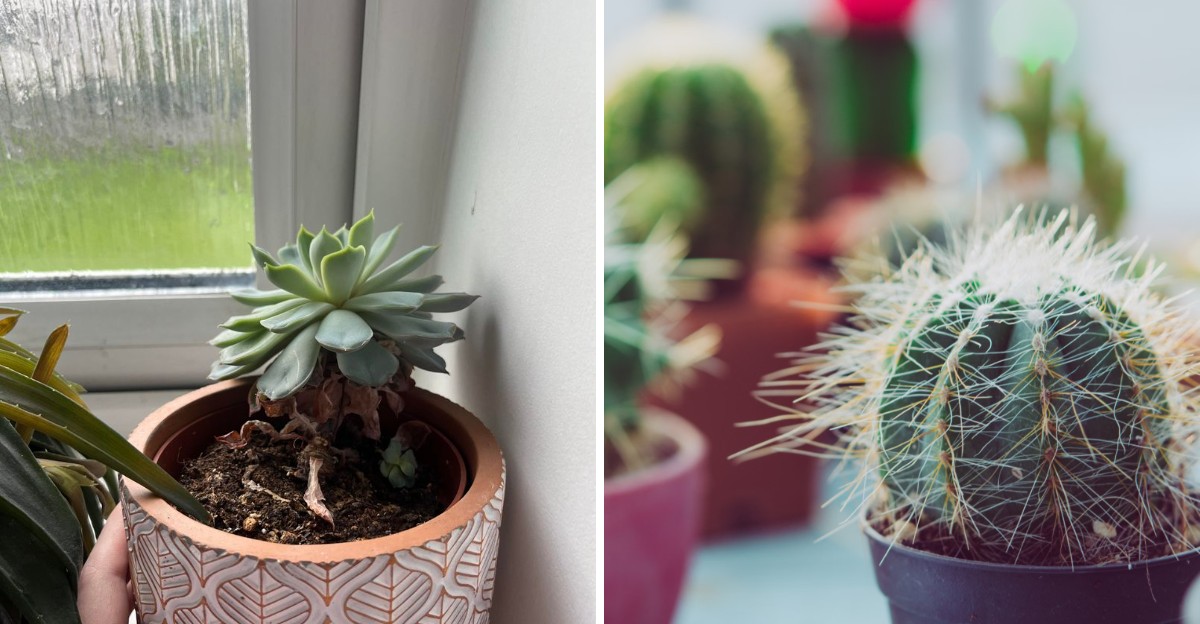
For these water-storing plants, extra moisture right before a freeze can backfire. Their tissues are already packed with water, and when temperatures drop below freezing, that water can turn to ice inside their cells.
The result is often mushy, discolored damage that shows up a few days later. Keeping them on the dry side actually helps them toughen up for the cold.
Knowing this one exception could save some of your favorite plants this winter.
Succulents And Cacti Are The Exception To The Rule
Every fall, the same advice pops up on Texas news stations and garden forums. Water your plants before the freeze. Neighbors pass it along, grandparents swear by it, and for good reason.
Moist soil holds and releases heat better than dry soil. That stored warmth rises slowly through the night and helps keep roots a little cozier.
For roses, shrubs, citrus trees, and leafy perennials, a deep watering a day or two ahead of a cold front is smart.
Succulents and cacti are a whole different story, though. These plants come from dry places where rain is rare and nights can get chilly.
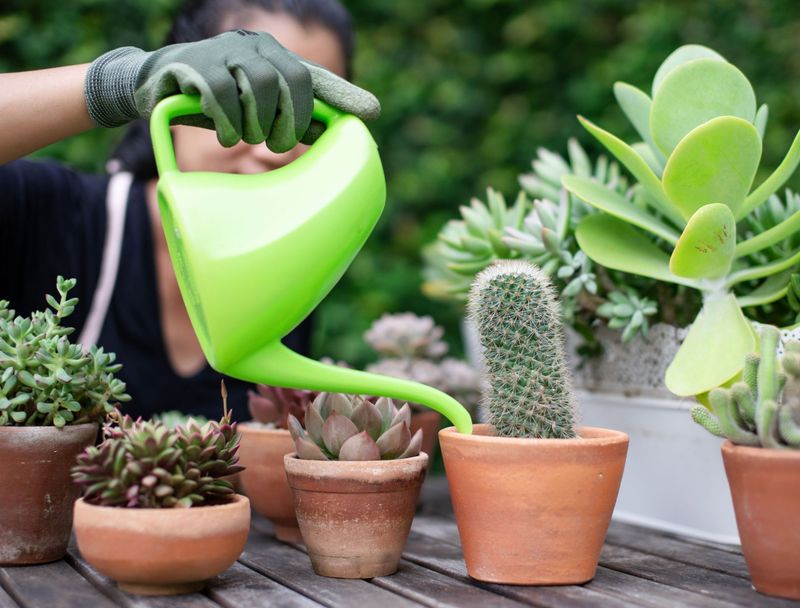
Their bodies are built to hold onto water like a canteen. Adding more water right before a freeze is like filling a glass bottle to the top and leaving it in the freezer.
Many Texans grow these plants because they handle our summer heat so well. Aloe vera sits on porches in Houston. Agave lines driveways in Austin. Little echeveria rosettes fill pots on patios across Dallas and San Antonio.
Because they are so common, lots of gardeners water them along with everything else before a cold snap. It feels helpful. Sadly, it often leads to mushy leaves and sad-looking plants a week later.
Here is a simple way to remember it. Leafy plants want a drink before the cold. Spiky and fleshy plants want to stay thirsty. When you walk your yard with the hose before a freeze, skip anything with thick, juicy leaves or spines.
A quick label system can help too. Some gardeners stick a small marker in succulent pots that says dry before freeze. It sounds silly, but it works when you are rushing before sunset.
Why Water Makes Them More Vulnerable
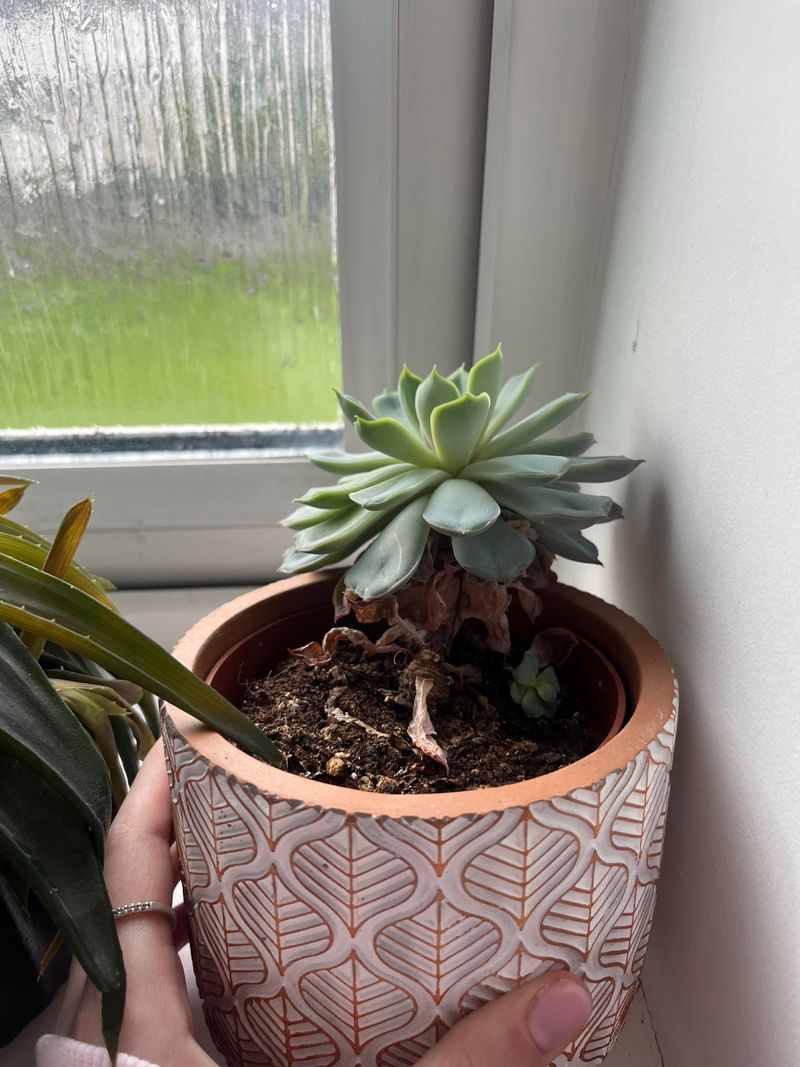
Think back to science class for a second. When water freezes, it expands. That is why a soda can bursts if you forget it in the freezer.
The same thing happens inside a succulent. These plants store water in their leaves, stems, and pads. Each tiny cell works like a little water balloon, full and plump.
Your Texas Garden Changes Every Week. Your Plan Should Too.
Gardening in Texas changes quickly throughout the season. Every Friday you’ll receive a simple weekly plan showing exactly what to plant, prune, fertilize, harvest, and protect so you never miss the right timing.
When the temperature drops below 32 degrees, the water inside those cells can start to freeze. Ice crystals form and grow. Their sharp edges poke through the thin cell walls and break them open.
Once those walls are broken, they cannot be fixed. The tissue loses its structure and turns soft. Later, you may notice leaves that look see-through, darker in color, or squishy to the touch.
Now think about what extra water does. A succulent that just got a big drink has cells stuffed to the max.
More water means more ice and more pressure. A plant that was a little dry has thicker sap inside its cells, almost like syrup.
Here is a fun fact. Thicker, sugary sap freezes at a lower temperature than plain water. So a slightly thirsty cactus has its own built-in antifreeze. Many desert plants rely on this trick to make it through cold desert nights.
That is why a dry agave can sometimes shrug off a freeze while a well-watered one next to it ends up damaged. The difference is not luck. It comes down to what is happening inside each cell.
So when a cold front is on the way, resist the urge to grab the watering can for your succulents. Their slightly shriveled look is actually helping them get ready.
Cold And Wet Soil Leads To Rot
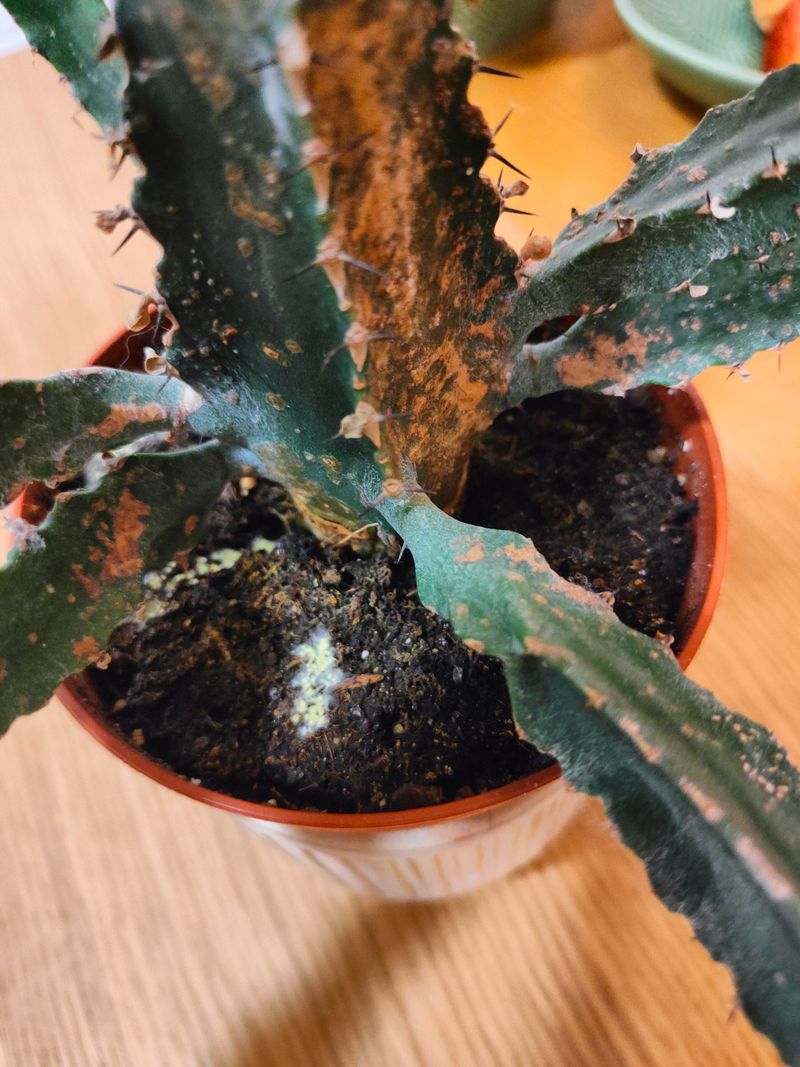
Ask any experienced cactus grower about their biggest winter worry, and many will say the same word. Rot. It sneaks in quietly and can wreck a plant from the bottom up.
Wet soil and cold air make a perfect home for rot. When soil stays soggy, roots cannot get enough air. Cold slows the plant down, so it cannot use that extra water. The moisture just sits there.
Fungus and bacteria love these damp, chilly conditions. They attack the roots first, then creep into the base of the stem. By the time you notice a soft brown spot near the soil line, the trouble may already run deep.
Pots can make this worse. A saucer full of water under a container keeps the soil wet for days. Heavy garden soil or clay in parts of Texas holds water much longer than sandy desert ground.
So what can you do? Start with the right mix. A gritty cactus soil with plenty of perlite, pumice, or coarse sand drains fast. Pots with holes in the bottom are a must, and terracotta helps soil dry quicker than plastic.
Next, empty those saucers before cold weather arrives. For in-ground plants, try growing them on a small mound or in a raised bed so water runs away from the roots.
Finally, keep the soil on the dry side before and during a freeze. Dry soil may not hold as much heat, but it keeps roots safe from rot. For succulents, that trade is well worth it.
A simple test helps. Push your finger an inch into the soil. If it feels damp at all, hold off on water for now.
Let Them Dry Out In Fall
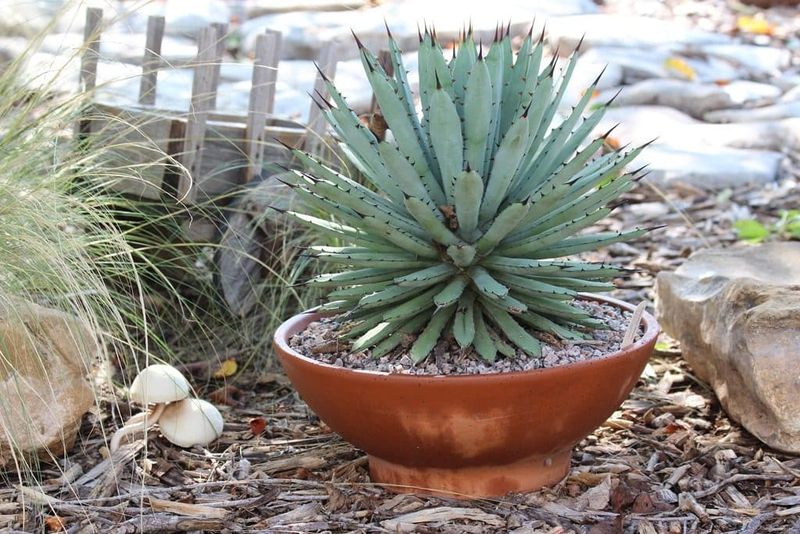
Autumn in Texas is a sweet relief after a long, blazing summer. Your succulents feel it too. As days get shorter and nights get cooler, they start to slow down and rest.
During summer, many of these plants grow fast and drink a lot. In fall, their needs drop. If you keep watering on the same summer schedule, the soil stays wet and the plant stays soft and juicy.
Plants that are kept a bit drier in fall actually toughen up. Their tissues firm up, and their sap gets thicker. Gardeners call this process hardening off, and it helps them handle colder temps later.
A good plan is to start cutting back on water in late September or October. Water less often and give the soil time to dry fully between drinks. By November, many potted succulents only need a light watering every few weeks.
Keep an eye on the forecast too. When a freeze is predicted, stop watering at least three to five days ahead. That gives the soil and the plant time to dry out before the cold arrives.
Do not panic if your plants look a little wrinkled. Slight puckering on the leaves is normal in fall and winter. It means the plant has used some of its stored water and is better prepared for ice.
One more tip. Avoid feeding them fertilizer in fall. Fertilizer pushes tender new growth, and that soft new growth is the first thing frost will damage.
Think of fall as a slow wind-down. Less water, no food, and plenty of patience help your succulents settle into winter strong and ready.
Protect Them The Right Way
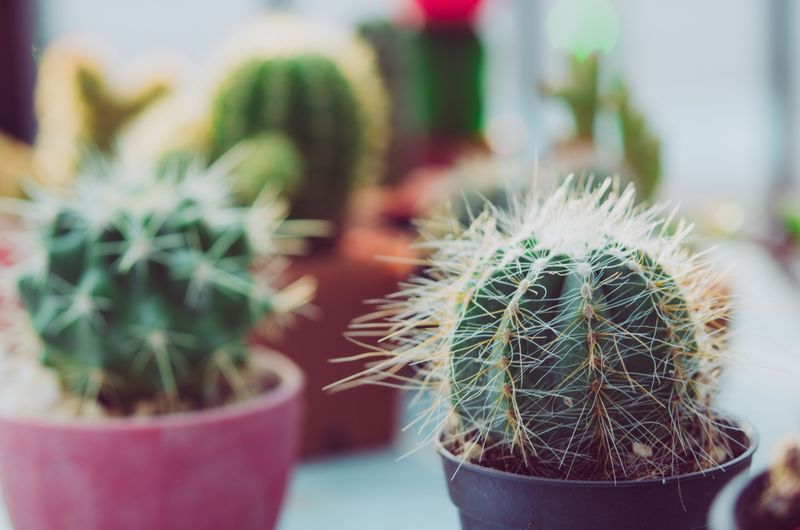
Back during the big February 2021 freeze, many Texans learned the hard way that a little prep goes a long way. Good protection does not have to be fancy. It just has to be done right.
Start with your potted plants, since they are the easiest to save. Roots in containers get colder than roots in the ground. Move pots into a garage, shed, or your home before the temperature drops.
They can stay in a dim garage for a few days without any problem. Just bring them back outside once the weather warms up so they get sunlight again.
In-ground plants need a cover. Frost cloth is the best choice, but an old sheet or blanket works in a pinch. Drape it over the plant so it reaches all the way to the ground.
Why the ground? Heat rises from the soil at night. A cover that touches the ground traps that warmth like a little tent. A cover that only sits on top lets the heat escape out the sides.
Hold the edges down with bricks, rocks, or landscape pins so the wind cannot blow it away. For extra warmth, some gardeners place old-style incandescent string lights under the cover.
Skip plastic that touches the plants. Plastic does not insulate well, and cold passes right through it where it rests on leaves. That can actually cause more damage.
Finally, take covers off once temps climb above freezing. Leaving them on too long can trap moisture and heat, which leads to rot. Sunlight and fresh air are what your plants need next.
Be Patient After A Freeze
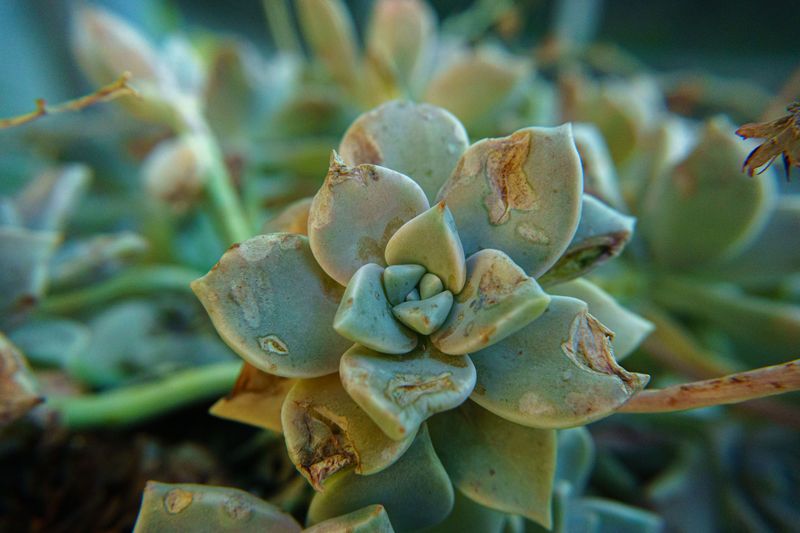
Patience might be the hardest gardening skill of all. After a freeze, it is tempting to rush outside with shears and start chopping. Hold that thought for a while.
Freeze damage often takes time to show. Right after the cold, a plant may look fine. A few days or even weeks later, leaves can turn soft, yellow, brown, black, or see-through.
Some plants look awful at first and bounce back. The center of an agave or the base of an aloe may still be healthy even if the outer leaves look rough. Cutting too soon can remove parts that would have recovered.
Damaged leaves also act like a shield. They protect healthy tissue underneath if another cold snap rolls in. In Texas, a second freeze is common, so leaving them in place for now helps.
Wait until warmer weather settles in, usually by early spring. Then trim away anything mushy with clean, sharp tools. Let the cuts dry and callus before watering again.
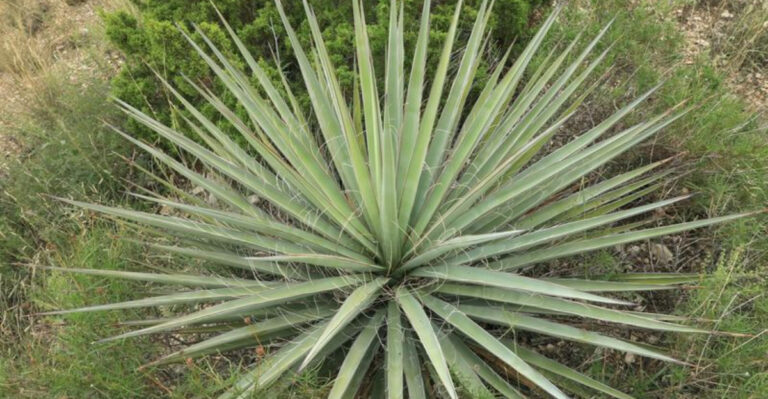
Here is the good part. You can plan ahead by picking tougher plants. Prickly pear is a Texas native and handles cold like a champ. Many yuccas shrug off freezes too.
Several agaves, like Agave parryi and Agave havardiana, can handle temperatures well below 20 degrees. Hardy sotol and red yucca are also great picks for chilly parts of the state.
Fun fact: prickly pear is the official state plant of Texas. It has survived wild weather here for thousands of years.
Choose wisely, water less, and wait for spring. Your succulent garden will reward you.