The One Thing California Citrus Owners Skip In August That Weakens Fall Fruit
August can fool citrus owners into thinking the hard work is over. The tree looks full, the fruit has set, and fall still feels far away.
Meanwhile, one neglected task can quietly reduce the strength of the crop.
California heat places extra pressure on fruit that still has months left to mature. A tree may keep its healthy appearance even as stress starts to affect what hangs on the branches.
That is why this missed step causes so much confusion. The problem rarely announces itself right away.
It shows up later through weaker fruit and a harvest that never quite reaches its promise. Citrus trees have impeccable timing for disappointment.
A little attention now can protect the progress already made. August may seem like an uneventful month for citrus care, but it holds a crucial window that can shape the quality of every fruit headed into fall.
1. They Skip This In August
A surprising number of citrus owners in California treat August like a slow month. They figure the tree looks fine, so watering can wait or stay light.
That thinking quietly costs them a better fall harvest every single year.
August is actually one of the most demanding months for a citrus tree. Fruit is actively developing inside the rind, and the roots need steady moisture to keep that process moving.
Without deep watering, the tree pulls resources away from the fruit and focuses on simple survival instead.
Deep watering means getting water down at least 18 to 24 inches into the soil. Most quick watering sessions only wet the top few inches, which is not nearly enough for a mature citrus root system.
The deeper roots are where the real feeding happens, and they need regular access to water to do their job.
Many growers in the Central Valley and Southern regions of our state are surprised to learn that light daily watering is actually less effective than longer, slower sessions every few days.
Frequency matters less than depth. A good deep soak gives roots time to absorb moisture before it evaporates in the heat.
Skipping or shortchanging deep watering in August is the single most common mistake that weakens fall citrus fruit. Starting a better routine now can turn a weak harvest into a strong one.
2. Fall Fruit Is Sizing Up Now
Most people think fall is when citrus fruit grows. The truth is, by the time fall arrives, much of the sizing work is already done.
August is when that growth is happening fast, and water is the fuel behind it.
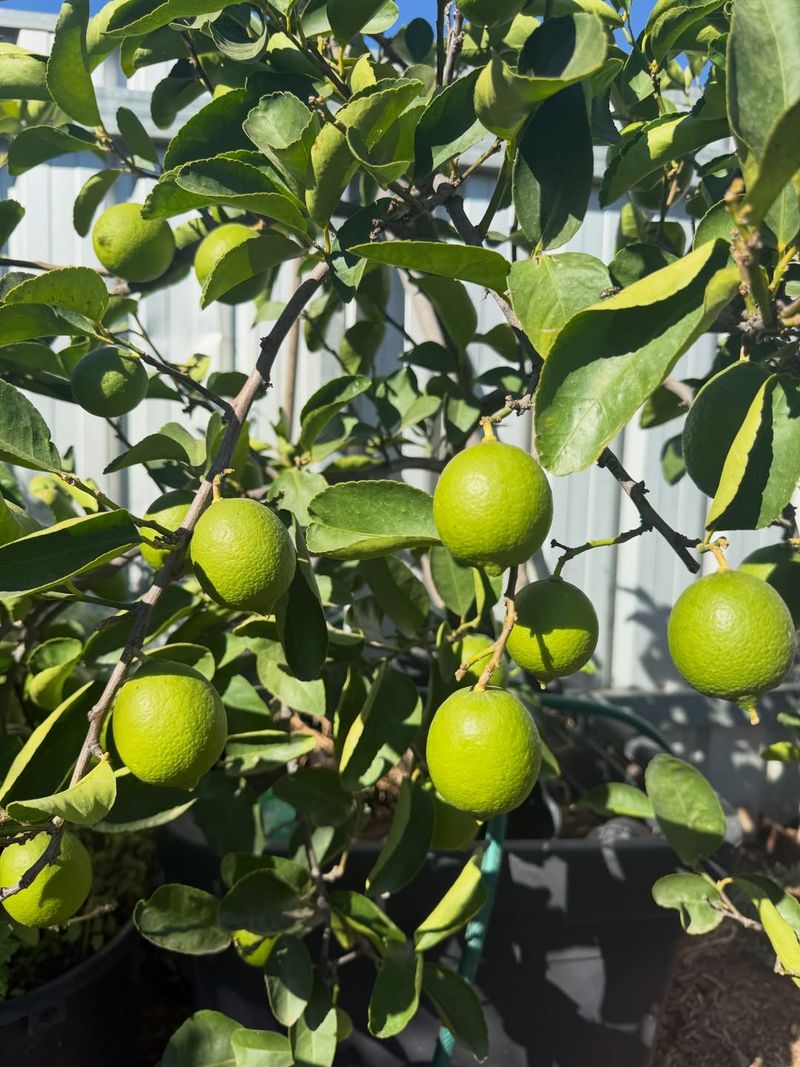
Inside every small green orange or lemon on your tree right now, cells are dividing and expanding. That process needs a steady supply of water.
When moisture runs low during this stage, cell expansion slows down, and the fruit ends up smaller than it should be at harvest time.
Fruit size is largely set by what happens underground in summer. Growers across the northern regions of California have reported noticeably smaller fruit in years when August watering was inconsistent.
Your California Garden Changes Every Week. Your Plan Should Too.
Gardening in California changes quickly throughout the season. Every Friday you’ll receive a simple weekly plan showing exactly what to plant, prune, fertilize, harvest, and protect so you never miss the right timing.
The difference between a plump, juicy navel and a dry, undersized one often comes down to what happened during these hot weeks.
Sugar development also starts building up during this period. Water helps transport nutrients from the roots up into the fruit.
Low moisture means fewer nutrients reach the developing fruit, which can affect both sweetness and juice content come harvest time.
Paying attention to what your tree needs right now, in the middle of summer heat, is the smartest investment you can make in your fall harvest. The fruit you see in October is being shaped by the water you give in August.
3. Shallow Sprinklers Miss The Root Zone
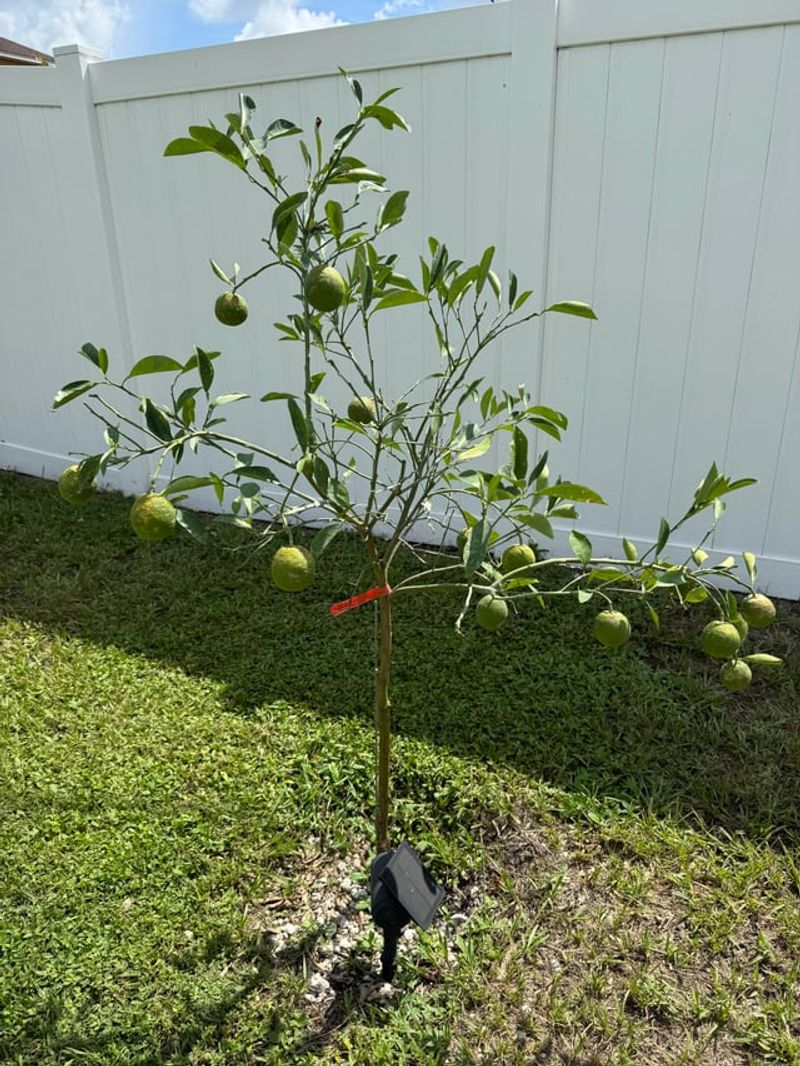
Sprinkler systems are convenient, but they were not designed with deep-rooted citrus trees in mind. Most residential sprinklers throw water out in a wide arc and let it sit near the soil surface.
That kind of watering feels productive, but it rarely reaches where citrus roots actually live.
Citrus trees have feeder roots that extend outward and downward, often reaching 18 to 30 inches below the surface. A standard sprinkler run of 10 to 15 minutes might only wet the top 4 to 6 inches of soil.
The rest of the root zone stays dry, even after the sprinkler has run its full cycle.
In the warmer inland valleys, surface moisture evaporates quickly during August afternoons. That means even the shallow wetting that sprinklers provide can disappear within hours.
The tree then spends energy coping with stress rather than pushing nutrients into developing fruit.
One simple test can show you how deep your water is really going. After a normal sprinkler run, push a long screwdriver or wooden dowel into the soil near the drip line of your tree.
If it stops easily within 6 inches, your watering is not penetrating deep enough to help the roots that matter most.
Switching to a drip system or hand-watering with a slow hose at the drip line gives your citrus a much better chance of getting the moisture it needs during August.
4. Dry Roots Can Stall Fruit Growth
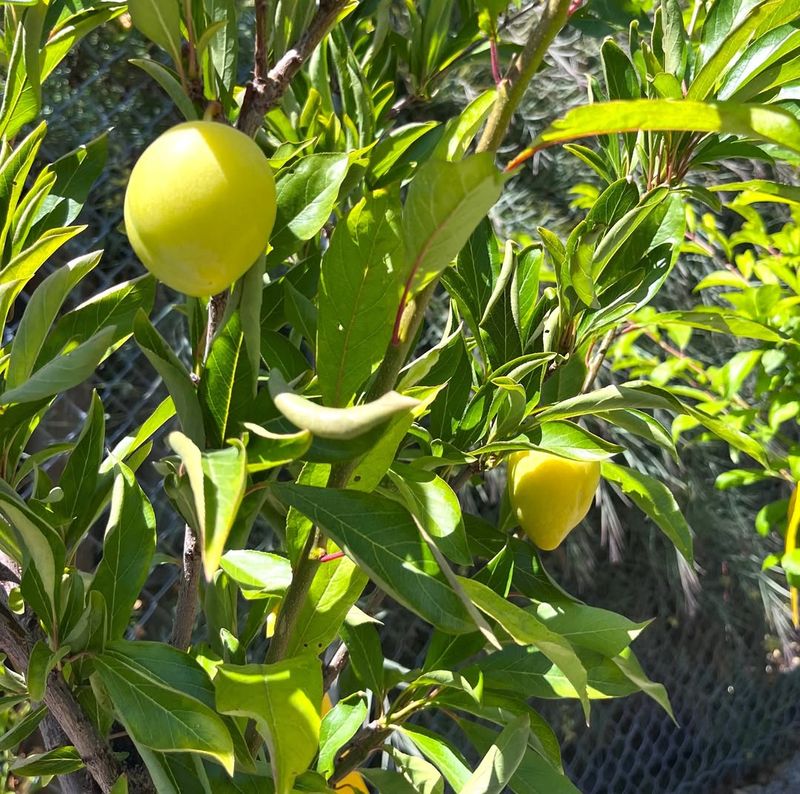
Roots that run dry in August do not just slow down. They send a stress signal throughout the entire tree, and the tree responds by pulling resources away from fruit and redirecting them toward basic survival functions.
That shift can stall fruit growth quickly. When citrus roots go without water for too long during summer, the tree enters a mild stress state. It begins to conserve energy by reducing nutrient transport.
Fruit that was sizing up starts to slow or stop growing, and in some cases, small fruit will drop from the tree entirely before it has a chance to mature.
Fruit drop in late summer is one of the clearest signs that roots have been too dry. Many growers in the southern regions of California mistake this drop for a natural thinning process, but it is often a stress response triggered by insufficient watering.
The tree is shedding what it cannot support. Even a short dry spell of one to two weeks during peak August heat can set back fruit development in ways that are hard to recover from.
The cells that stopped expanding during that dry period do not simply restart at full speed when water returns.
Some of that growth potential is permanently lost. Keeping roots consistently moist throughout August, not just occasionally wet, is the key to preventing this kind of stalled growth and protecting the fruit already forming on your tree.
5. Leaf Curl Warns Before Fruit Suffers
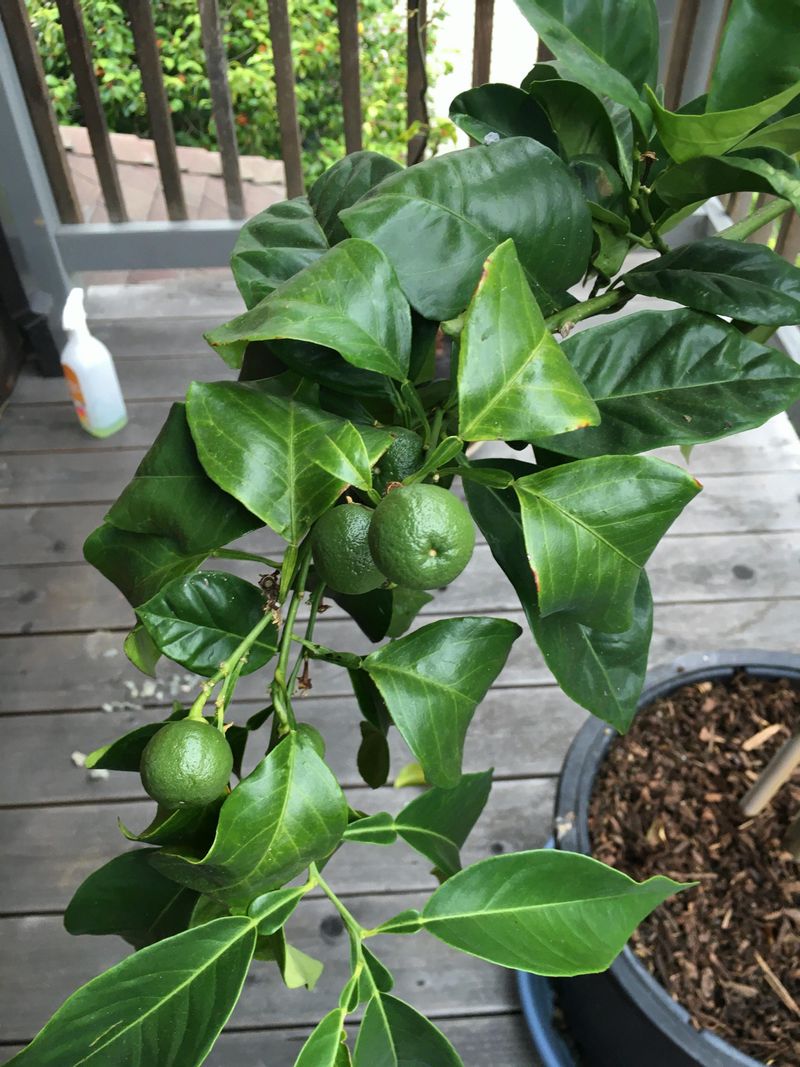
Your citrus tree talks to you, and leaf curl is one of the clearest messages it sends. When leaves start to curl inward along their edges, the tree is telling you it is losing more water than it is taking in.
Most growers see this sign and wait too long to act. Leaf curl happens because the tree is conserving moisture. By rolling its leaves inward, the tree reduces the surface area exposed to hot, dry air.
Less surface area means less water lost through evaporation. It is a smart short-term survival move, but it also signals that root moisture is running low.
The important thing to understand is that leaf curl shows up before fruit suffers.
The tree prioritizes its leaves over its fruit when resources are tight, so by the time you see curling leaves, the fruit is likely already being shortchanged on nutrients and water. Acting fast at this point matters.
In the hot inland areas, leaf curl can appear within just a few days of a missed deep watering session during August. The heat speeds up moisture loss from both the soil and the tree itself.
Watching for leaf curl every few days is a simple habit that can save your fall harvest.
A deep watering session right after you notice curling leaves can help the tree recover quickly. Catching this warning sign early is one of the best things you can do for your fruit.
6. The Drip Line Is Where Water Counts
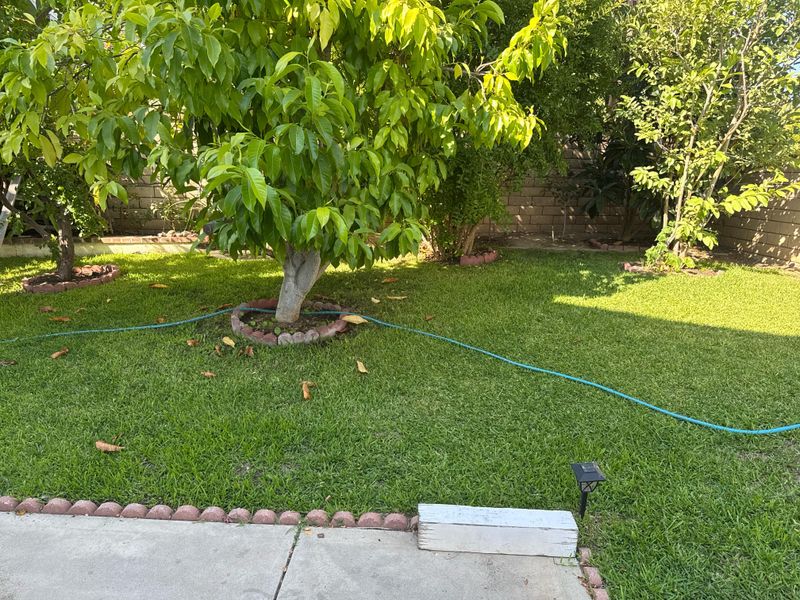
Most people water right at the base of their citrus tree, but that is actually one of the least effective spots to apply water.
The place where water does the most good is the drip line, which is the outer edge of the tree’s canopy where the branches end.
Feeder roots, the small roots that actually absorb water and nutrients, grow outward from the tree rather than straight down from the trunk. They tend to concentrate near the drip line because that is where rainwater naturally falls and soaks in.
Watering at the base mostly wets soil near the trunk, where fewer active feeder roots exist.
In California’s hotter growing regions, understanding the drip line can change the way you think about summer watering.
A soaker hose or drip emitters placed in a ring at the drip line deliver water exactly where the feeder roots are waiting.
That kind of targeted watering is far more efficient than flooding the base of the trunk.
The drip line also moves outward as the tree grows. A young citrus tree has a drip line close to the trunk, but a mature tree can have a drip line several feet away.
Checking the current spread of your canopy before setting up your watering system helps make sure water reaches the right zone.
Getting water to the drip line consistently in August is one of the simplest and most effective upgrades you can make to your summer citrus care routine.
7. Slow Soaks Beat Quick Sprinkler Runs
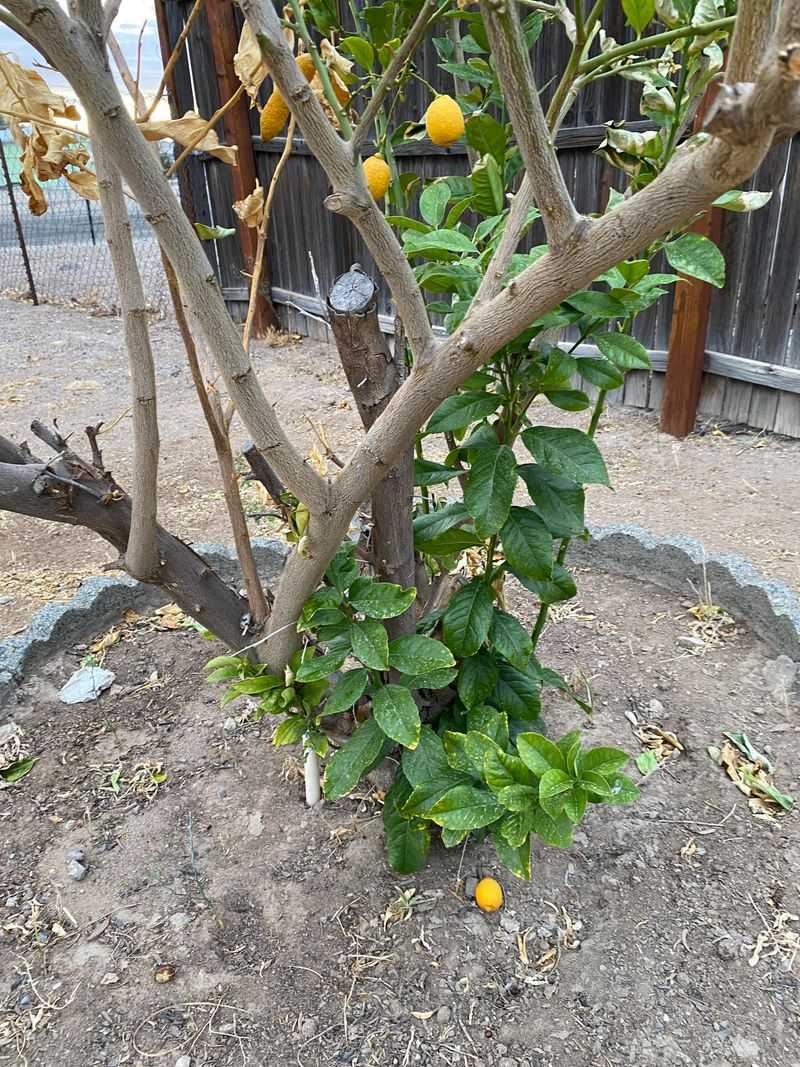
Speed is not your friend when it comes to watering citrus in August. A quick ten-minute sprinkler blast might look like plenty of water, but most of it runs off the surface or evaporates before it ever reaches the roots that need it most.
Slow soaking is the method that actually works. When water is delivered slowly, the soil has time to absorb it before it runs off.
That absorbed water moves downward through the soil profile, reaching the deeper root zones where citrus feeder roots are actively pulling in moisture and nutrients.
Growers in the Central Valley have long used furrow irrigation for this reason. Water moves slowly through shallow channels and soaks into the root zone over time.
Home growers can replicate this effect with soaker hoses, drip emitters, or even a garden hose set to a trickle and left in place for 45 minutes to an hour.
One long slow soak every three to five days is more effective than short daily sprinkler runs during August. The goal is to wet the soil to a depth of at least 18 inches.
That kind of deep moisture reservoir gives roots access to water even on the hottest days between sessions.
Switching to slow soaks takes a little more planning, but the payoff in fruit size and quality at harvest time is well worth the extra effort. Your tree will show you the difference within just a few weeks.
8. Mulch Helps Hold August Moisture
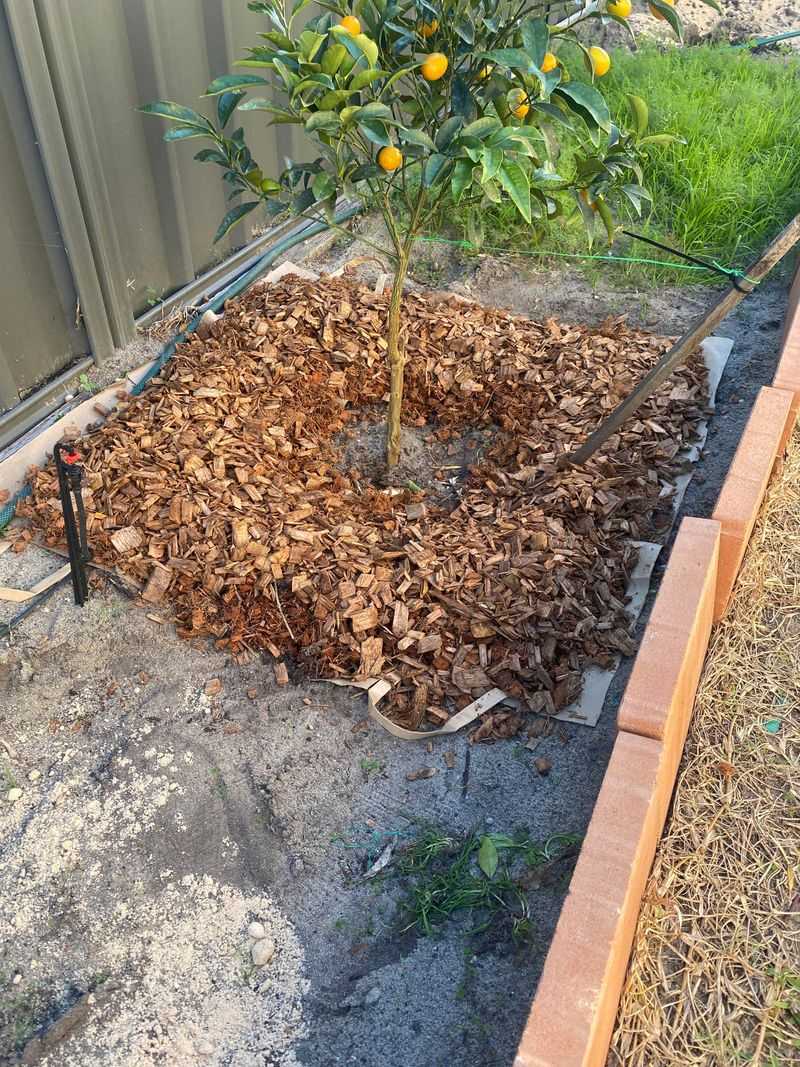
One of the easiest ways to stretch the benefit of a good deep watering is to add mulch around your citrus tree.
Mulch acts like a blanket over the soil, slowing down the evaporation that August heat causes.
Without it, moisture can disappear from the top layers of soil within hours on a hot day.
Wood chips are one of the most popular mulch choices for citrus growers across California. A layer of wood chips 3 to 4 inches thick spread out to the drip line can cut soil moisture loss significantly.
The chips also break down slowly over time, adding organic matter to the soil and improving its ability to hold water.
Keeping the mulch a few inches away from the trunk is important. When mulch presses against the bark, it can hold too much moisture in the wrong spot and create problems for the lower trunk.
A small gap of about 6 inches between the mulch and the trunk keeps things balanced.
Straw, shredded bark, and even dried grass clippings can also work well as mulch materials. The key is consistent coverage out to the drip line, where the feeder roots are most active.
Bare soil in that zone heats up quickly and dries out fast in the August sun.
Adding or refreshing mulch before the hottest part of August is a simple step that makes your watering sessions go further and helps protect fruit development all the way through to harvest.
9. Keep Water Away From The Trunk
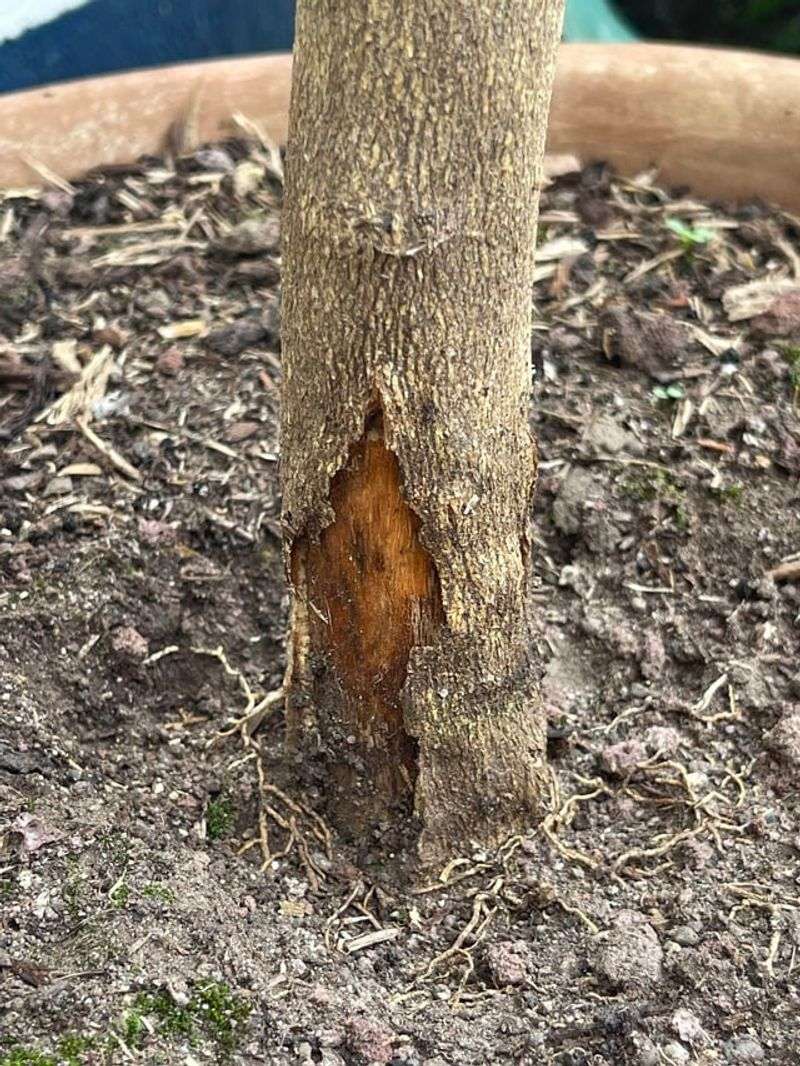
Here is something many citrus owners get backwards: more water is not always better, especially near the trunk.
Keeping water away from the base of the trunk is just as important as getting enough water to the roots out at the drip line.
The bark at the base of a citrus trunk is sensitive to constant moisture. When water pools or stays wet against the trunk for extended periods, it creates the right conditions for fungal issues like root rot and collar rot.
These problems can weaken the tree from the bottom up and reduce its ability to deliver water and nutrients to developing fruit.
In the warmer coastal and inland regions of our state, growers are taught early to avoid wetting the trunk when irrigating.
Drip emitters and soaker hoses should be positioned at least 12 to 18 inches away from the base of the trunk.
That distance protects the bark while still delivering water to the active feeder root zone.
Raised berms or watering basins built around the drip line are another good way to direct water away from the trunk and toward the roots that need it.
These shallow channels keep water moving outward rather than pooling near the base of the tree.
Protecting the trunk while watering deeply at the drip line gives your citrus the best of both worlds in August. Healthy bark and well-fed roots together support stronger fruit development all the way through the fall season.