The One Thing Michigan Asparagus Beds Need In September For A Stronger Spring Harvest
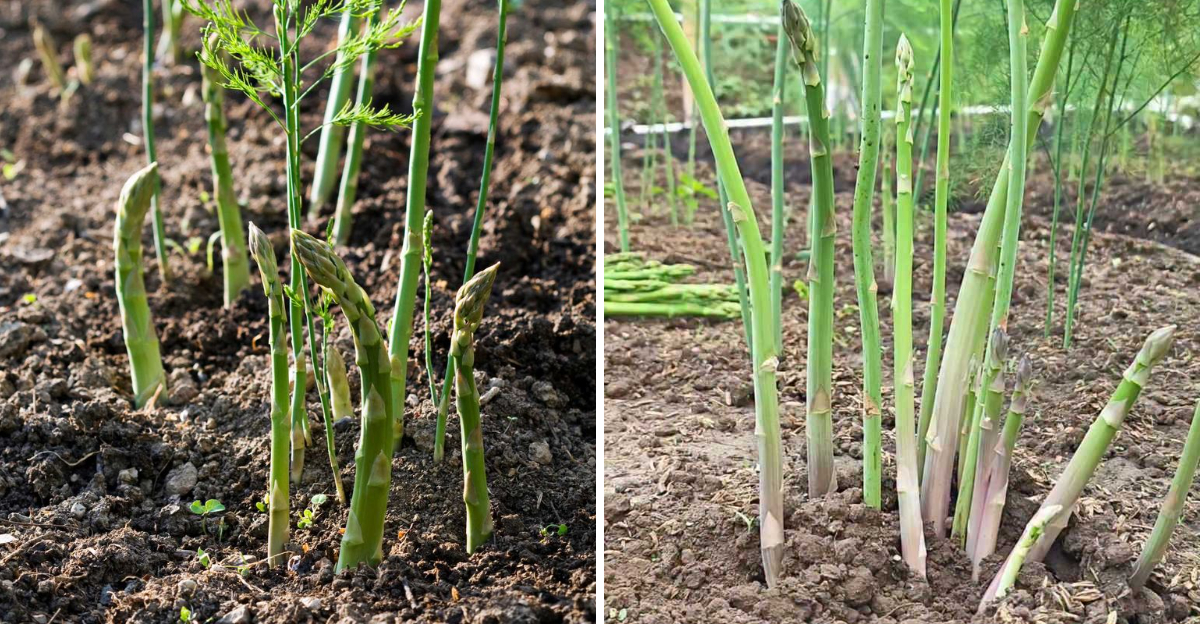
September is a turning point for asparagus beds in Michigan, even though it doesn’t look like much is happening above ground.
As the ferny foliage starts to slow down, the plant shifts its energy toward the root system, building up reserves that will directly determine how strong next year’s spears come in.
This makes fall care more important than many gardeners realize. Asparagus is a perennial that rewards patience, and neglecting the bed during this quieter stretch can lead to a noticeably weaker harvest the following spring, even if the bed looked healthy all summer.
Since the plant is investing in itself right now, this is the ideal moment to support that process.
For Michigan gardeners hoping for thick, abundant spears next year, one key step in September can make a real difference. Here’s what asparagus beds need right now to set up a stronger harvest ahead.
1. Keep The Fern Green As Long As Possible
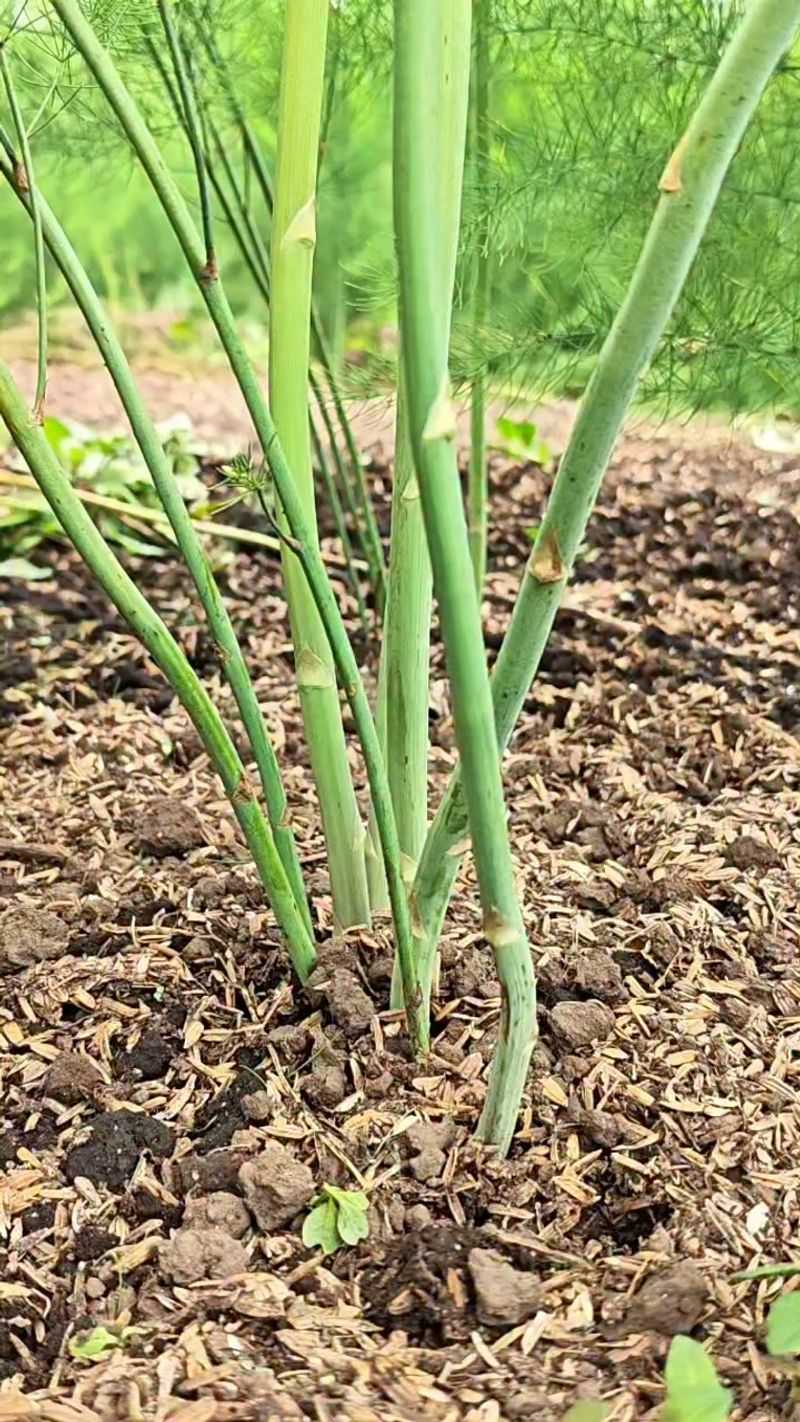
Those tall, feathery green tops might look like they are just decoration, but they are the real engine behind next year’s harvest. All through September, the fern keeps catching sunlight and turning it into food.
That food travels down into the crown, which is the root system hiding under the soil. Think of the crown as a savings account. Every sunny day the fern stays green, it makes another deposit.
The bigger the balance by fall, the more spears the plant can push up in spring. Bigger reserves mean thicker, more plentiful stalks when you are ready to harvest again.
Michigan gardeners have a real advantage in early autumn because the days are still warm and bright. Letting the fern soak up that light for as long as possible gives your bed a serious boost.
Even fronds that look a little tired are still doing useful work, so resist the urge to tidy up too soon.
The trick is patience. As long as the fern shows green, it is feeding the roots and preparing for a strong comeback. Cutting corners now shows up as skinny spears later.
Give the plants room, light, and time. Keep an eye on the color and let the fern do its natural job through the whole month.
A healthy green canopy in September is one of the clearest signs that your spring harvest will be worth the wait, so treat those fronds like the hardworking helpers they truly are.
2. Do Not Cut Green Fern Back
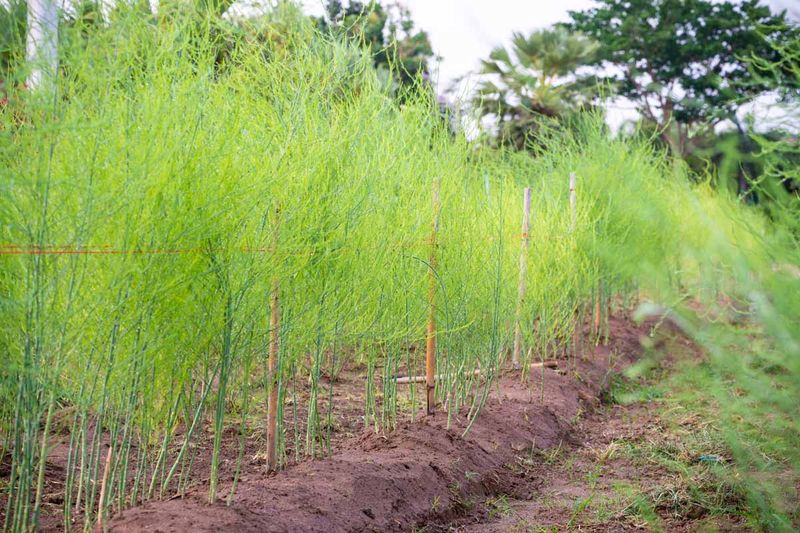
It can be tempting to grab the pruners and trim those tall, floppy stalks, especially when they start leaning over paths or looking messy. Hold off.
Cutting green fern too early is one of the biggest mistakes a home gardener can make with asparagus.
When the fern is still green, it is actively making food and sending it down to the crown. Snip it off now, and you stop that process in its tracks. The plant loses its chance to finish filling up its energy stores before winter.
Your Michigan Garden Changes Every Week. Your Plan Should Too.
Gardening in Michigan changes quickly throughout the season. Every Friday you’ll receive a simple weekly plan showing exactly what to plant, prune, fertilize, harvest, and protect so you never miss the right timing.
Picture someone taking away your dinner plate before you finished eating. That is basically what happens to the roots when the green tops disappear too soon.
The crown goes into the cold months with less fuel, and that shortage shows up as fewer and thinner spears the following spring.
A little untidiness now is a fair trade for a fuller harvest later. Instead of trimming, you can gently guide floppy fronds with a stake or some soft twine if they are flopping into a walkway.
This keeps things neat without robbing the plant of its work. The right time for cutting comes later, after the fern has faded on its own. Until then, let those green stalks stand tall and keep doing their job.
Being patient with the pruners pays off in a big way. Every extra week of green fern means more stored strength, and more strength underground always turns into a better spring show above the soil.
3. Watch For Premature Browning
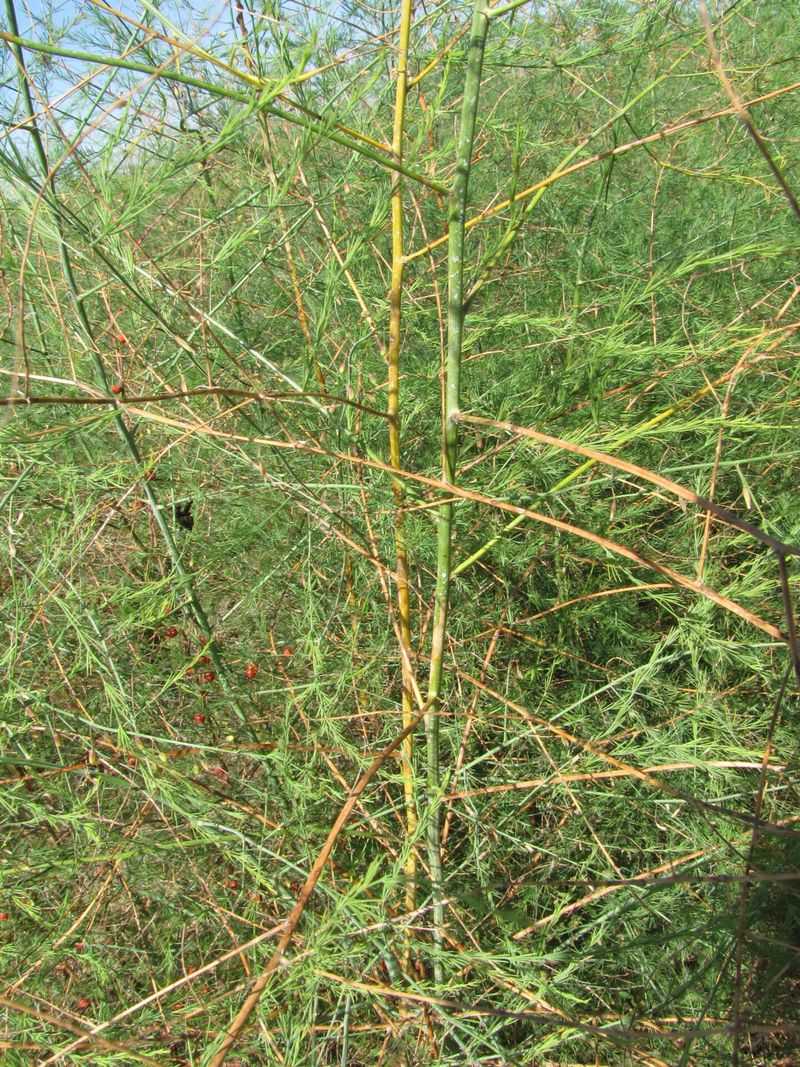
Brown fronds in September can be a warning sign worth paying attention to. When fern turns color earlier than normal, it usually means something is going wrong beneath the surface or on the plant itself.
Healthy Michigan asparagus should stay mostly green well into fall. Early browning cuts short the feeding season for the crown. Every frond that fades before its time is one less helper gathering sunlight and building up the root reserves.
Less stored energy in fall means a weaker push of spears when spring arrives. Take a walk through your bed and look closely at the color. Are just a few stalks turning, or is the whole patch fading fast?
A little natural change near the end of the season is normal, but widespread early browning calls for a closer look.
Common culprits include disease, insect trouble, dry soil, or crowns that were stressed during a long harvest. Once you spot the pattern, you can start figuring out the cause and helping the plant recover before winter.
Keeping notes helps too. Jot down when the browning started and how much of the bed it touched.
That record makes it easier to compare year to year and catch problems early next time. The goal is simple. You want the fern to stay green and busy for as long as nature allows.
Catching premature browning early gives you the chance to fix the problem and protect the energy your plants need for a strong, healthy spring return.
4. Scout For Purple Spot And Rust
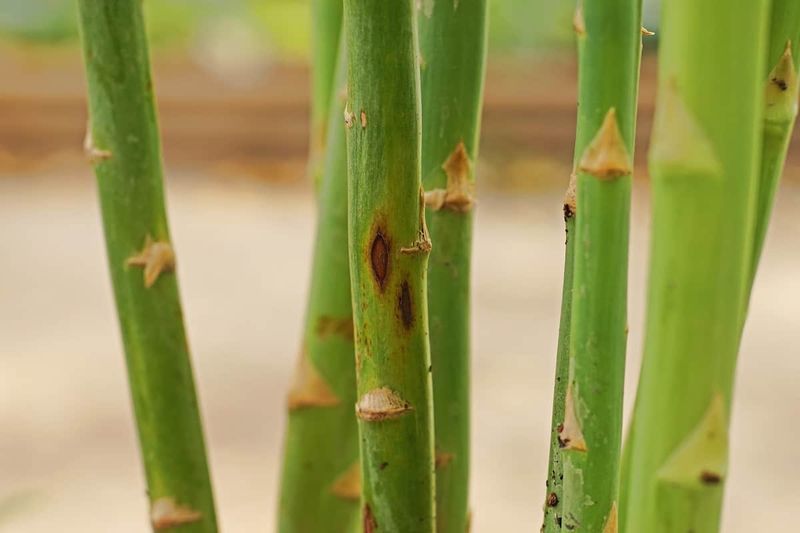
Two troublemakers show up in Michigan asparagus beds more than any others: purple spot and rust. Both are fungal diseases, and both can steal the healthy green fern your plants need to feed their roots.
Learning to spot them early makes a real difference. Purple spot leaves small, sunken purple marks on the stems and needles. Rust shows up as orange or reddish-brown patches that can spread quickly across the fronds.
When either disease takes hold, the fern browns out sooner than it should and the crown misses out on valuable energy.
Damp, humid weather makes these problems worse, and Michigan summers can serve up plenty of that. Good airflow helps a lot, so avoid crowding your plants and keep weeds down around the base of the bed.
Make scouting a habit. Walk your rows every week or two and flip over a few fronds to check for spots.
Catching trouble while it is small gives you the best shot at stopping it from spreading through the whole patch.
If you find disease, remove the worst-affected fern once it has finished feeding, and clean up debris in fall so spores do not overwinter in the bed. Choosing disease-resistant varieties when you plant can also save you headaches down the road.
Protecting the fern from these fungal invaders keeps more green tissue working through September. Healthy foliage now means fuller crowns later, and that steady care is exactly what turns an average bed into a strong producer come spring.
5. Keep Weeds From Competing With The Fern
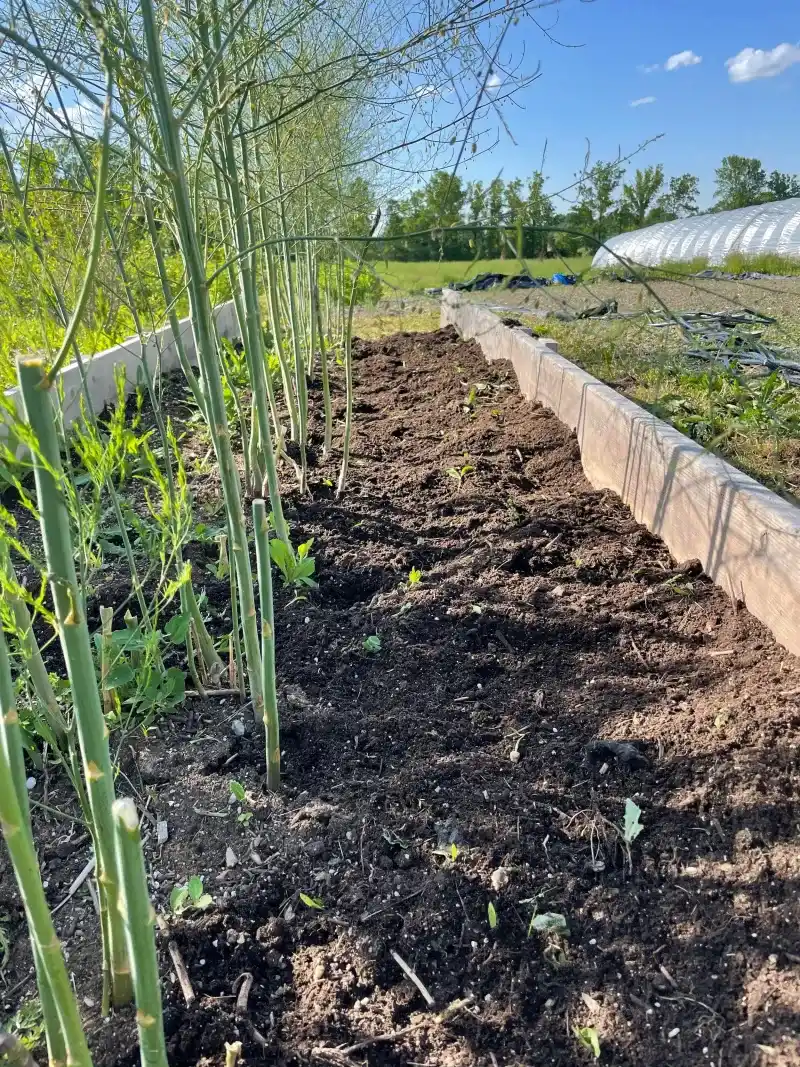
Weeds are sneaky thieves in an asparagus bed. They fight your plants for water, sunlight, and nutrients, and they never stop trying to take over.
Keeping them in check gives your fern the clear space it needs to grow strong and feed the crowns.
When weeds crowd the bed, they cast shade on the lower fronds and block airflow. That extra shade means less sunlight for making food, and poor airflow invites the very diseases you are trying to avoid.
Weeds also hide pests and hold moisture against the stalks. Pull weeds gently so you do not disturb the shallow crowns just below the surface. Asparagus roots spread wide and sit close to the top of the soil, so heavy digging can do more harm than good.
Hand pulling and light hoeing work best. A layer of mulch is your friend here. Straw, chopped leaves, or compost spread over the bed smothers new weeds and keeps moisture steady.
Mulch also feeds the soil as it breaks down, which your plants will appreciate.
Staying on top of weeds through late summer and into September keeps the competition low right when the fern is doing its most important work. A clean bed lets every frond soak up full sun.
Think of weed control as clearing the stage so your asparagus can shine. The less energy the plants spend battling neighbors, the more they can save for spring.
Tidy beds today become generous beds tomorrow, packed with fat, tender spears you will be proud to cut.
6. Do Not Try To Force Late Fern Growth
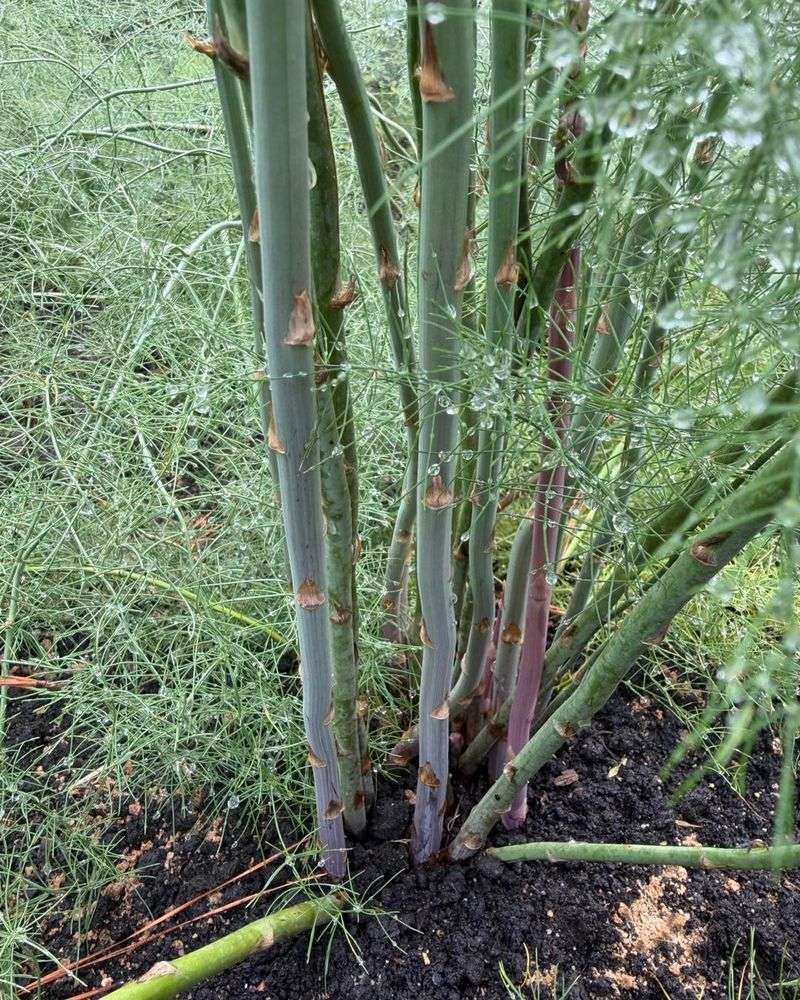
September is not the time to push your asparagus into a growth spurt. Piling on fertilizer or watering heavily to green things up might feel helpful, but it actually works against the plant’s natural rhythm this late in the year.
Asparagus has a schedule, and by fall it is switching gears from growing to storing. Fresh new fern that sprouts now will not have enough warm days left to fully do its job.
Instead of building reserves, the plant spends energy on growth that cannot pay it back before winter.
Think of it like starting a big project right before bedtime. There simply is not enough time to finish, so the effort goes to waste. Late feeding can also make the fern soft and more likely to catch disease.
In Michigan, the smart move is to feed asparagus in early spring, not fall. That timing lines up with when the plant is ready to grow and can actually use the nutrients. Holding back now respects the crown’s need to settle down and rest.
Let the plant follow its own clock. The green fern you already have is enough to fill the reserves if you protect it and keep it healthy.
Forcing extra growth just muddles the process. Trust the season. As the days shorten and cool, your asparagus knows exactly what to do.
Your job is to step back, stop tinkering, and let those crowns quietly stock up for the powerful spring return they are already preparing for underground.
7. Water Only When The Bed Needs It
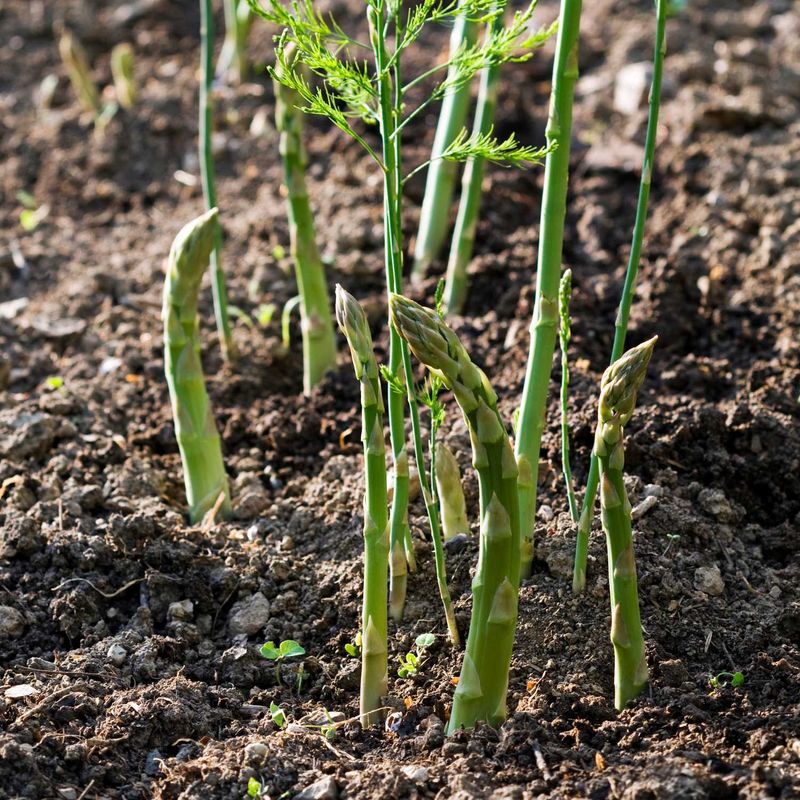
Asparagus is a tough, drought-tolerant plant, so it rarely needs pampering with water. Its deep roots reach down to find moisture most other vegetables cannot.
That means overwatering is a more common mistake than underwatering in many Michigan gardens.
Still, there are times when a drink really helps. Sandy soils drain fast and hold little moisture, so beds in that kind of ground may need extra water during dry stretches.
A long September dry spell can also stress the fern right when it is trying to feed the crowns.
The best way to know is to check the soil yourself. Stick a finger a few inches down. If it feels dry well below the surface, it is time to water. If it is still cool and damp, hold off and let the plant handle things on its own.
When you do water, go deep rather than often. A slow, thorough soaking reaches the roots and encourages them to grow strong. Light sprinkles only wet the top and can even invite disease by keeping the fronds damp.
Water early in the day so the fern dries before evening. Wet foliage overnight is an open invitation to fungal problems like rust and purple spot.
Matching your watering to the real needs of the bed keeps the fern healthy without drowning the roots. A little attention during dry weather protects all that energy the plant is storing.
Balanced moisture now sets the stage for a lush, productive crop when spring rolls around.
8. Wait For Natural Dormancy
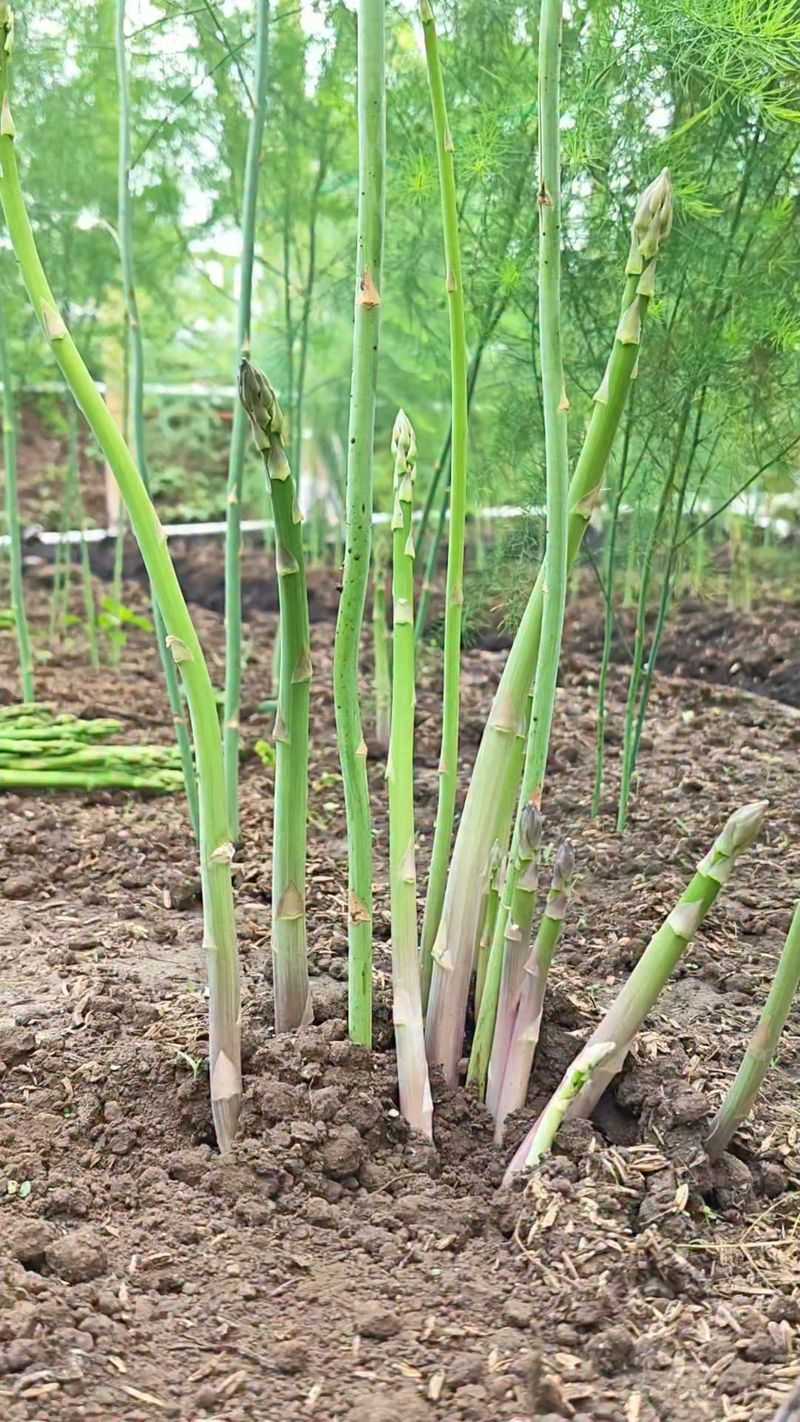
Patience is the final lesson of the asparagus season. As fall settles in, the fern slowly turns from green to gold to brown all on its own. That color change is the plant telling you it has finished its work and is ready to rest.
Waiting for this natural fading matters more than most gardeners realize. Right up until the fern browns completely, it keeps moving nutrients down into the crown. Cut it too soon, and you interrupt that last important transfer of energy.
Once the fronds have fully browned, usually after the first hard frosts of the Michigan fall, the plant has drained the fern of everything useful. At that point, cutting it down does no harm and actually helps keep the bed clean.
Trimming the browned stalks close to the ground removes hiding spots for pests and disease spores that might otherwise linger over winter. Clearing that old growth gives your bed a fresh start for spring.
Some gardeners like to leave a few inches of stubble to mark where the rows are, which makes early spring care easier. After cutting, a light layer of mulch tucks the crowns in for the cold months ahead.
Letting nature set the timing is the simplest way to protect your harvest. The plant knows when it is truly done.
Honor that signal, do the cleanup at the right moment, and your crowns will spend the winter fully stocked, ready to send up a strong, tender crop the moment spring returns.