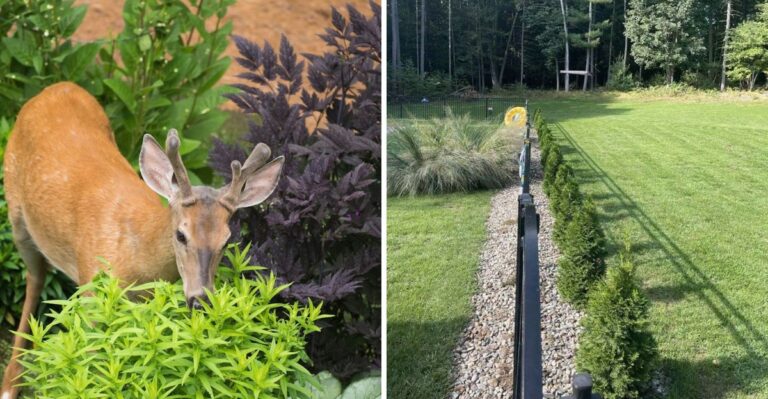
The Best Time Of Day To Spray For Pests In Michigan Without Harming Pollinators
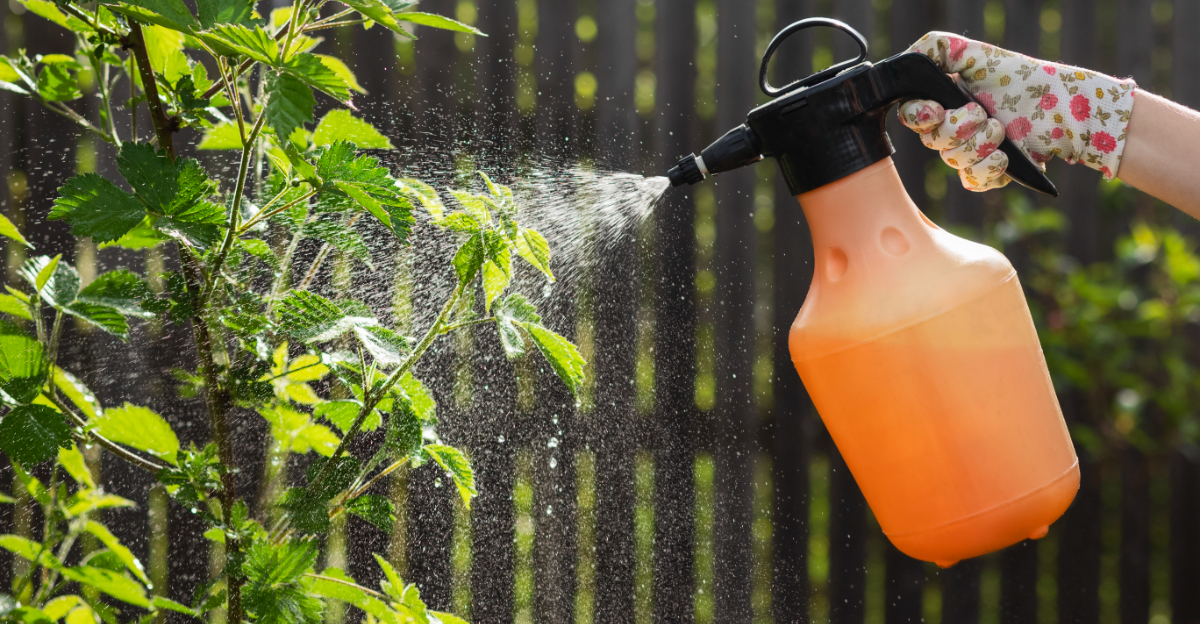
Pest sprays applied at the wrong time of day do not just miss their target. They hit the wrong ones entirely.
Michigan gardens rely on active pollinators, but many legitimate pest control sprays harm bees and beneficial insects if applied during peak foraging hours.
The timing window that protects pollinators while still delivering effective pest control is specific and consistent across most of the Michigan growing season.
Getting this one detail right means pest management actually works the way it is supposed to without quietly undermining the part of the garden ecosystem doing the most valuable work.
1. Late Evening After Sunset Is Usually Best
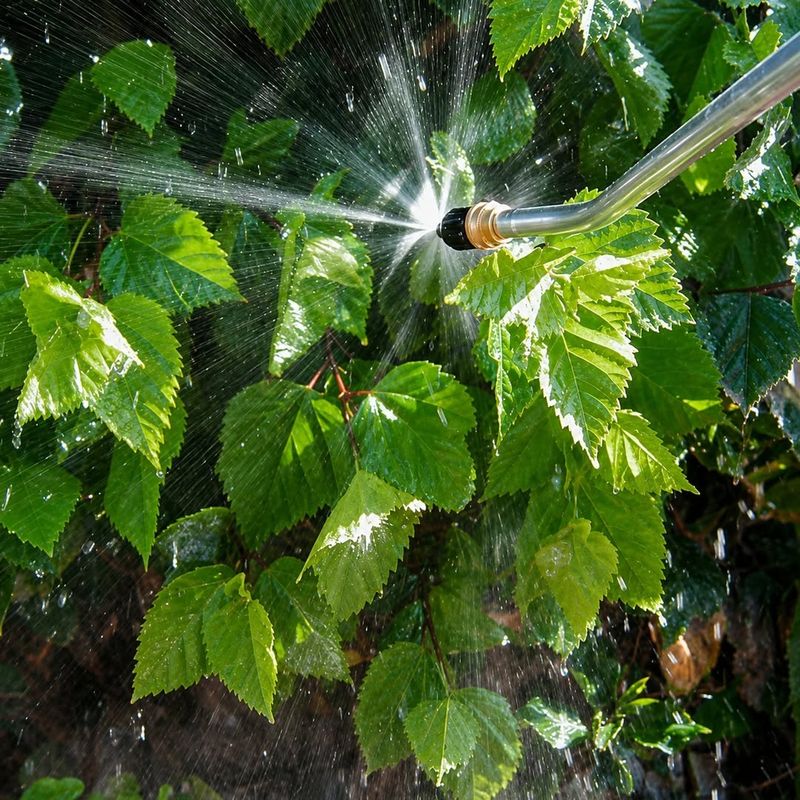
Something almost magical happens in your garden once the sun slips below the horizon. Bees head back to their hives, butterflies find shelter, and the garden settles into a calm quiet that makes evening the safest window for pest control.
For Michigan gardeners, spraying after sunset is widely considered the smartest move you can make when pollinators are a concern.
Most bees are not active once temperatures cool and daylight fades. That means the spray you apply has far less chance of contacting a bee, butterfly, or beneficial fly mid-visit.
Beyond that, the product has several hours to dry on the plant surface before pollinators return the following morning, which lowers the risk of residue exposure significantly.
Evening spraying also tends to work better from a practical standpoint. Winds are often calmer after sunset, which helps you apply the product more precisely without unwanted drift onto nearby flowers or pollinator plants.
Lower temperatures can also slow evaporation, giving the active ingredients more contact time with the target pest.
Michigan summers bring long days and active pollinator schedules, so waiting until after dusk is especially worthwhile from late spring through early fall.
Even if you feel impatient about a pest problem, giving it a few extra hours until sunset is almost always worth it.
Your garden benefits, your pollinators stay safer, and the spray you apply has a much better chance of hitting its target without causing unintended harm to the insects that help your garden grow.
2. Very Early Morning Can Work Only In The Right Conditions
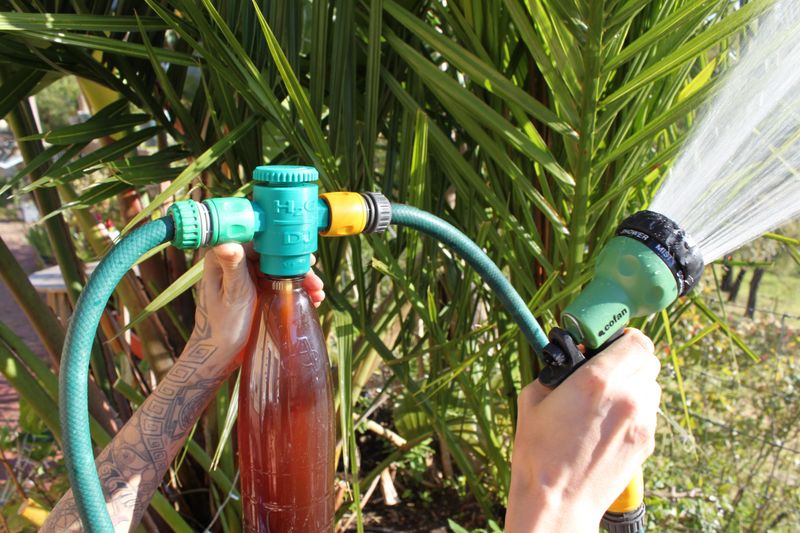
Before the birds really get going and long before the first bee takes flight, there is a narrow window in the early morning that some Michigan gardeners use for pest control.
Michigan State University notes that spraying before sunrise, when bees are not yet flying and temperatures sit below 50 degrees Fahrenheit, can reduce pollinator exposure. That window is real, but it comes with conditions that matter a lot.
Temperature is the key factor here. Bees generally do not fly when it is below 50 degrees Fahrenheit, so a cool early morning in spring or fall can offer a safer opportunity.
However, on warm summer mornings in Michigan, temperatures can already be climbing past that threshold before 6 a.m., which means pollinators may already be active earlier than you expect.
Even during a cool early morning, gardeners should still avoid spraying open flowers directly. Bees may have roosted on or near blooms overnight, particularly native bees that do not return to a hive.
Your Michigan Garden Changes Every Week. Your Plan Should Too.
Gardening in Michigan changes quickly throughout the season. Every Friday you’ll receive a simple weekly plan showing exactly what to plant, prune, fertilize, harvest, and protect so you never miss the right timing.
Reading the product label before spraying is always necessary regardless of the time, because some products carry specific warnings about early morning or cool temperature applications.
Think of early morning spraying as a backup option rather than a first choice. It can work well in the right season and the right conditions, but it requires you to check the temperature, confirm bees are not flying, and still follow every label direction carefully.
When conditions line up, it is a solid option worth knowing about.
3. Never Spray Open Flowers Directly
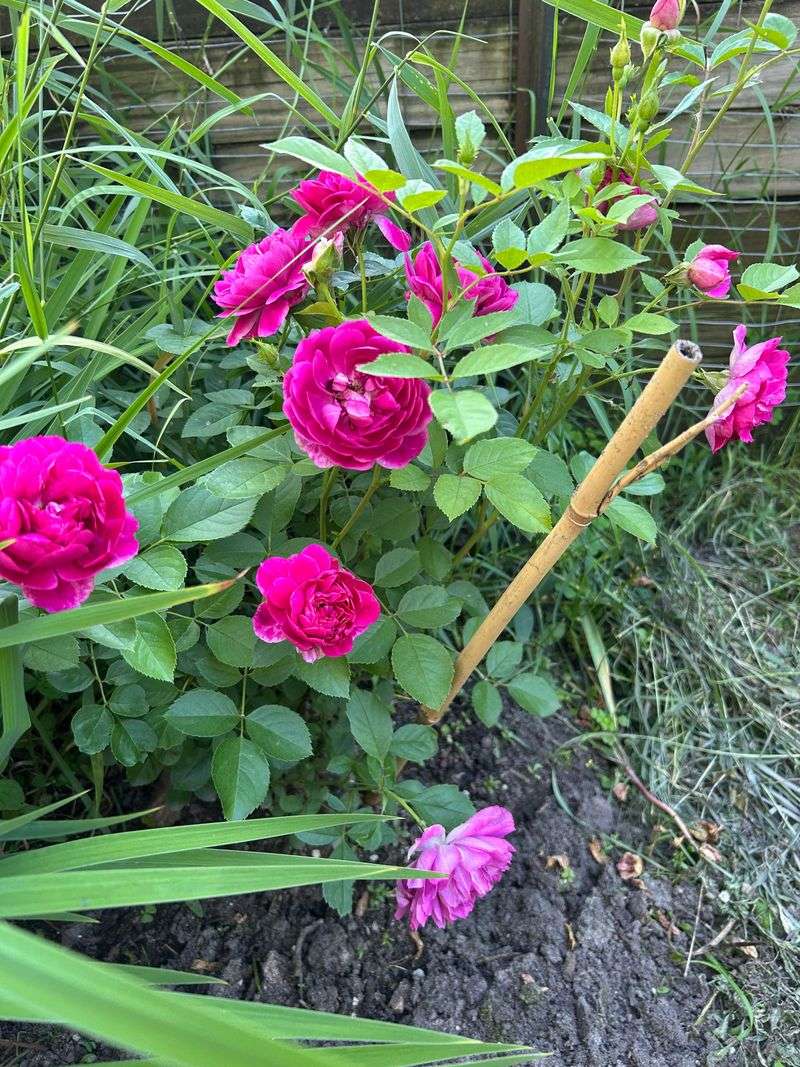
Open flowers are basically a landing pad for pollinators, and spraying them directly is one of the fastest ways to cause harm even when your timing seems perfect.
Bees, butterflies, beetles, hoverflies, and many other beneficial insects are drawn to open blooms throughout the day, and some even roost in or near flowers overnight.
That makes blooms one of the highest-risk areas in your entire garden when it comes to pesticide exposure.
Michigan gardens often feature a mix of vegetables, herbs, and ornamentals that bloom at different times throughout the season.
When a plant is actively flowering, the smart move is to treat only the affected parts of the plant, such as the undersides of leaves or stems where pests are actually feeding, rather than coating the whole plant including the flowers.
Many product labels specifically direct gardeners to avoid application to blooming plants for exactly this reason.
If your target plant is in full bloom and heavily affected by pests, consider whether the treatment can wait until the bloom cycle ends, or whether removing the open flowers temporarily is an option.
Some gardeners choose to remove spent blooms before spraying and allow new ones to open after the residue has broken down.
It takes a little extra planning, but it protects the pollinators that visit those flowers daily.
Spraying around a blooming plant rather than on it is another practical approach. Targeting the soil, stems, or specific pest colonies away from open flowers reduces contact risk while still addressing the problem at hand.
4. Avoid Midday Spraying When Pollinators Are Active
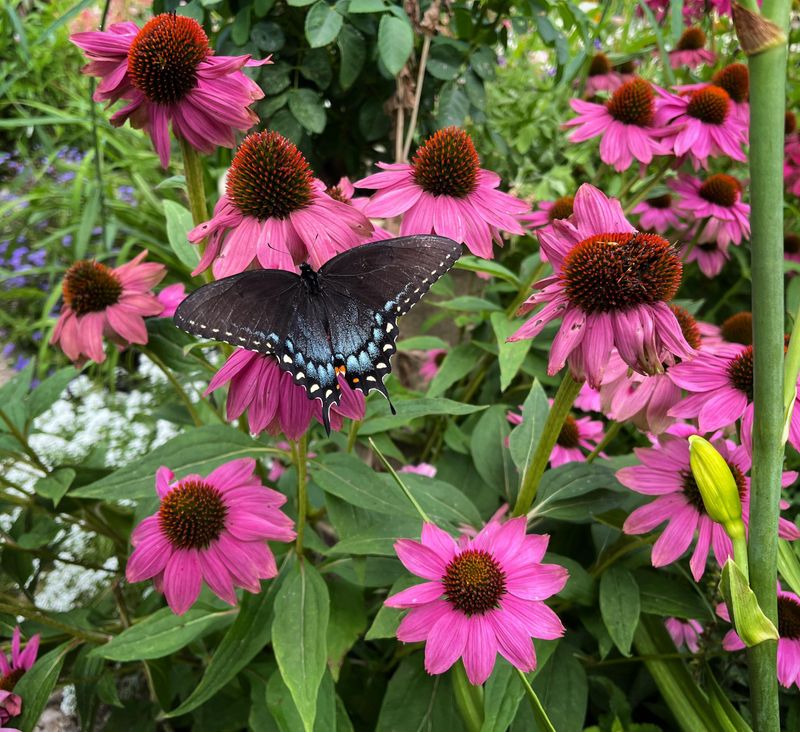
Midday in a Michigan garden during summer looks like a pollinator highway. Bees are zooming from flower to flower, butterflies are drifting through the warm air, and beetles and hoverflies are working quietly among the blooms.
Spraying during these peak activity hours is one of the biggest mistakes a gardener can make, because the chance of directly contacting a pollinator mid-visit is at its highest.
Warm, sunny hours roughly between 10 a.m. and 4 p.m. are when most pollinator species are most active and foraging.
Honeybees, bumblebees, and native Michigan bee species all ramp up their activity as temperatures climb and flowers open fully.
A spray applied during this window is almost guaranteed to reach insects you never intended to target, even if you aim carefully.
Beyond direct contact, midday spraying also increases the chance of drift onto nearby pollinator plants. Heat causes faster evaporation of spray droplets, which can carry fine particles into areas you did not plan to treat.
Wind also tends to pick up during the warmest part of the day in many parts of Michigan, making precise application even harder to control.
Waiting out the midday hours is not just about being cautious. It is genuinely one of the most effective strategies for protecting your garden ecosystem while still managing pest pressure.
Patience pays off here. A few hours of waiting between a midday pest sighting and an evening spray application can make a real difference for the pollinators doing important work in your garden every single day.
5. Check For Bees Before You Spray
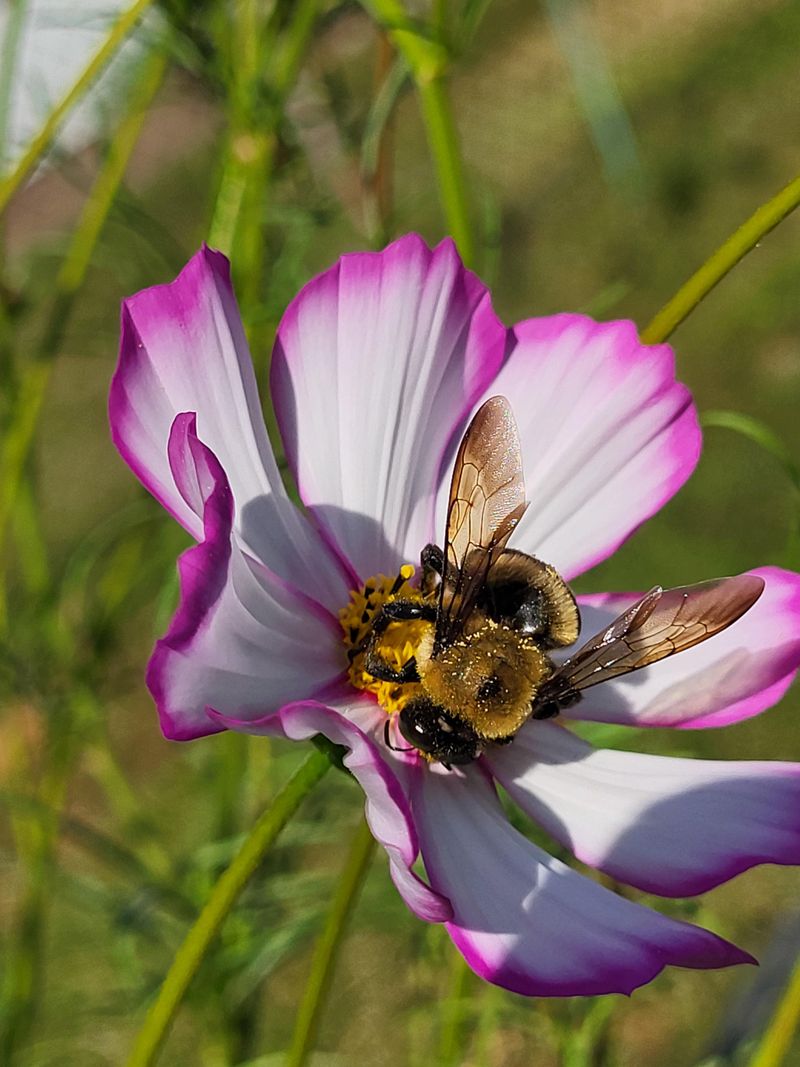
Timing is a great guide, but your own eyes are your best tool before you ever pick up a sprayer. Even in the evening, when most pollinators have headed home, some bees may still be lingering on flowers or sheltering in blooms.
A quick visual check of the area you plan to spray takes less than two minutes and can prevent accidental contact with insects you want to protect.
Different pollinator species follow different schedules, and that is worth keeping in mind. While honeybees tend to return to their hive before dark, many native bee species are solitary and do not follow the same pattern.
Some native bees sleep inside flowers or tucked into stems, meaning they could still be present well into the evening hours.
Bumble bees are also known to forage later into the day than honeybees, particularly in cooler Michigan weather.
Walk through the area you plan to treat and watch the flowers closely for a minute or two. If you see bees actively visiting, butterflies still moving around, or any pollinator activity at all, wait a little longer before spraying.
A 20 to 30 minute pause often makes a noticeable difference as insects settle down for the night.
Making this a habit builds a stronger sense of what is happening in your garden at different times of day. Over one season, you will start to notice patterns, like which plants stay busy with pollinators the longest and which areas quiet down earliest.
That knowledge helps you spray smarter every single time you step into the garden.
6. Use Pest Scouting Before Reaching For A Spray
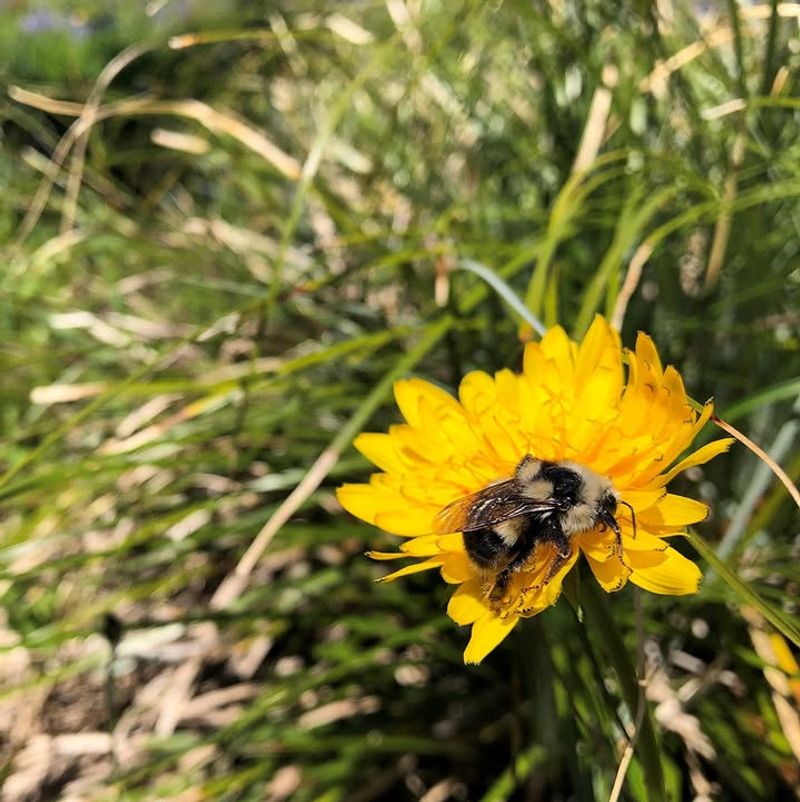
Reaching for a spray bottle the moment you spot something wrong in your garden is a very common impulse, but it is rarely the most effective approach.
Michigan State University recommends pest scouting as a core part of integrated pest management, and for good reason.
Before you spray anything, taking time to identify exactly what pest you are dealing with and whether it is actually causing significant damage can save you a lot of unnecessary work and protect your pollinators at the same time.
Pest scouting means getting up close with your plants and really looking. Flip over leaves and check the undersides, inspect stems, look at the soil around the base of the plant, and note which parts are showing damage.
Some pest populations are small enough that they cause little real harm and will be managed naturally by predatory insects already present in your garden. Spraying in those cases does more harm than good.
Once you identify the pest, check whether the damage is actually spreading or whether the plant is outgrowing the problem on its own. Many Michigan gardeners are surprised to find that what looked alarming one week has stabilized the next.
Choosing the least disruptive option, whether that is handpicking pests, using water sprays, or adjusting watering habits, often resolves the issue without any chemical application at all.
When a spray truly becomes necessary after scouting, you already have the information you need to choose the right product, target the right plant parts, and apply it at the safest possible time.
Scouting first always leads to smarter, more targeted pest control overall.
7. Watch Wind And Drift
Even the most carefully timed spray can go wrong if the wind is working against you. Drift is a real concern for any gardener using a liquid pesticide, and it does not take a strong gust to carry fine spray droplets well beyond your intended target.
A light breeze blowing in the wrong direction can send product onto nearby clover, milkweed, flowering herbs, or any other pollinator plant growing close to your garden beds.
In Michigan, evenings are often calmer than the middle of the day, which is one more reason why post-sunset timing works so well for reducing drift. Still, it is worth taking a moment to check conditions before you begin.
Hold up a small piece of ribbon or watch how nearby leaves are moving to get a sense of wind direction and strength.
Spraying should wait if you notice any consistent breeze moving toward pollinator-friendly plants. Keeping spray nozzles close to the target plant also helps reduce drift significantly.
A lower spray angle and a shorter distance between the nozzle and the plant means droplets travel less before landing, which improves accuracy and cuts down on airborne particles.
Coarser spray settings on adjustable nozzles are also better than fine mist settings when drift is a concern.
Milkweed, clover, and flowering herbs like lavender and borage are all magnets for pollinators and should be treated as protected zones in your garden.
Knowing where these plants grow relative to your pest problem helps you plan your spray path so you always move away from pollinator-heavy areas rather than toward them.
8. Choose Products Carefully And Read The Label
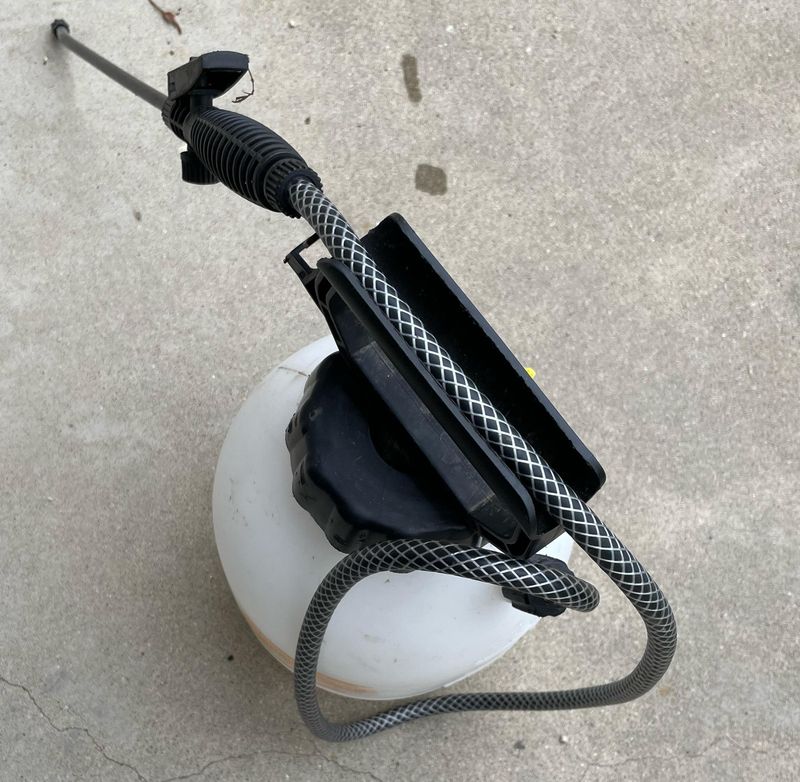
Safe timing is a powerful tool, but it cannot do all the work on its own. Some pesticide products carry strong pollinator warnings, longer residue periods, or specific instructions about blooming plants that change how and when they should be used.
Reading the label before you buy and again before you spray is not just a good habit, it is the law, and it is one of the most practical things you can do to protect your garden and the pollinators in it.
The environmental hazard section of any pesticide label is the part that matters most for pollinator safety.
That section tells you whether the product is highly toxic to bees, how long it remains active on plant surfaces, and whether there are any restrictions on applying it near water, blooming crops, or areas where bees are foraging.
Some products require you to avoid applications entirely when blooms are present, regardless of the time of day you choose. Following the listed application rate exactly is just as important as timing.
Using more product than the label allows does not improve pest control results, but it does increase the chance of residue building up on plant surfaces where pollinators may land.
More is not better with pesticides, and sticking to the recommended rate protects both your plants and the insects you want to keep around.
Michigan gardeners have access to a wide range of pest control products, from synthetic options to organic-approved choices.
Comparing labels and selecting products with shorter residue windows and lower toxicity to bees gives you meaningful protection before you even think about timing your application.